
Michelin Selected
A Michelin Selected hotel on rue Michelet in central Dijon, Chapeau Rouge par William Frachot occupies a historic address in Burgundy's capital city. The property sits inside Dijon's established hospitality corridor, where architecture and culinary heritage overlap in ways that set the city apart from other French provincial destinations. For travellers using Dijon as a base for Burgundy's wine country, it represents a considered address with recognisable credentials.

Pearl is the En Primeur Club membership app — saves, bookings, and concierge access live there. Same editors, same standards.
- Address
- 5 Rue Michelet, 21000 Dijon, France
- Phone
- +33 3 80 50 88 88
- Website
- chapeau-rouge.fr
- Directions
- Get directions
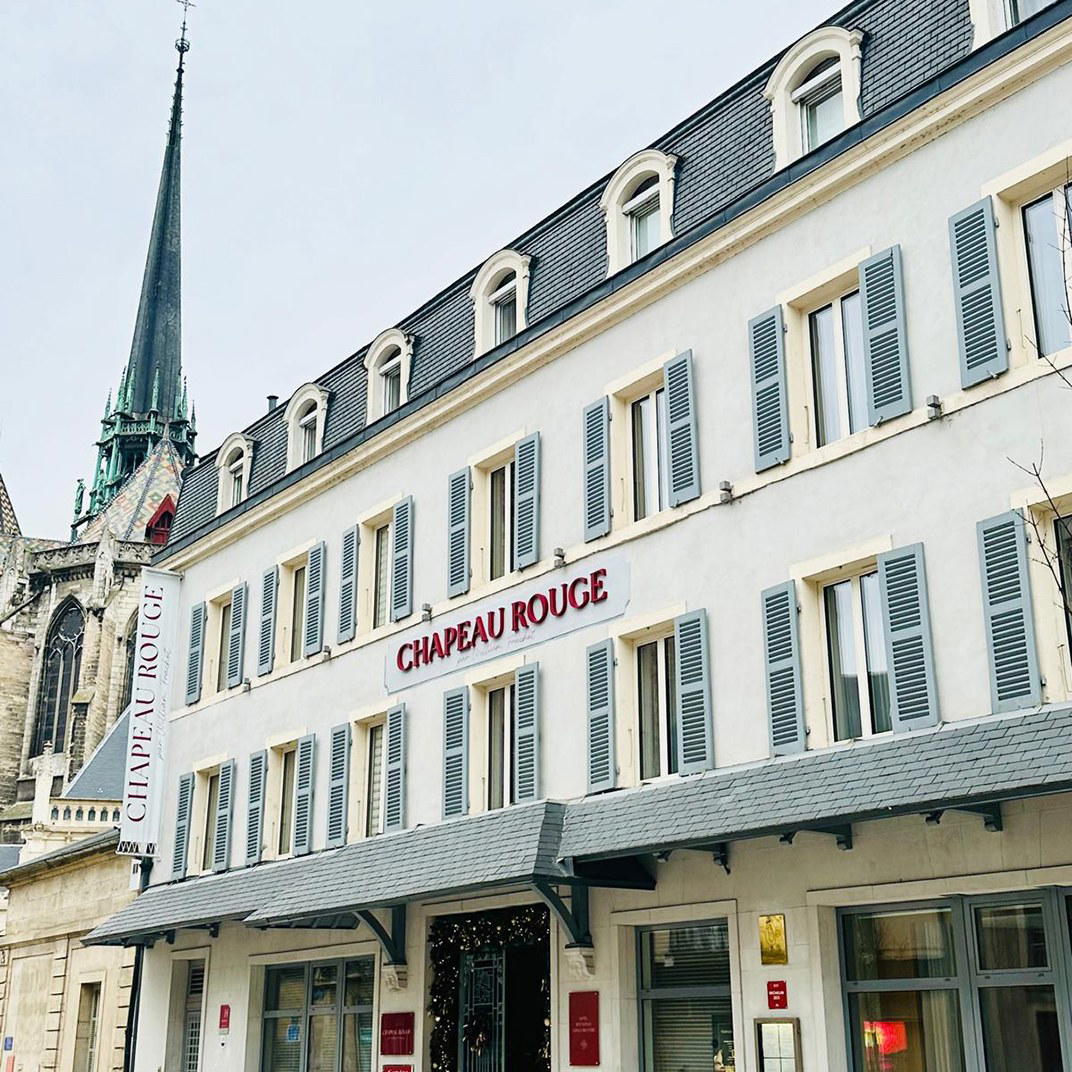
Where Dijon's Architecture and Hospitality Tradition Converge
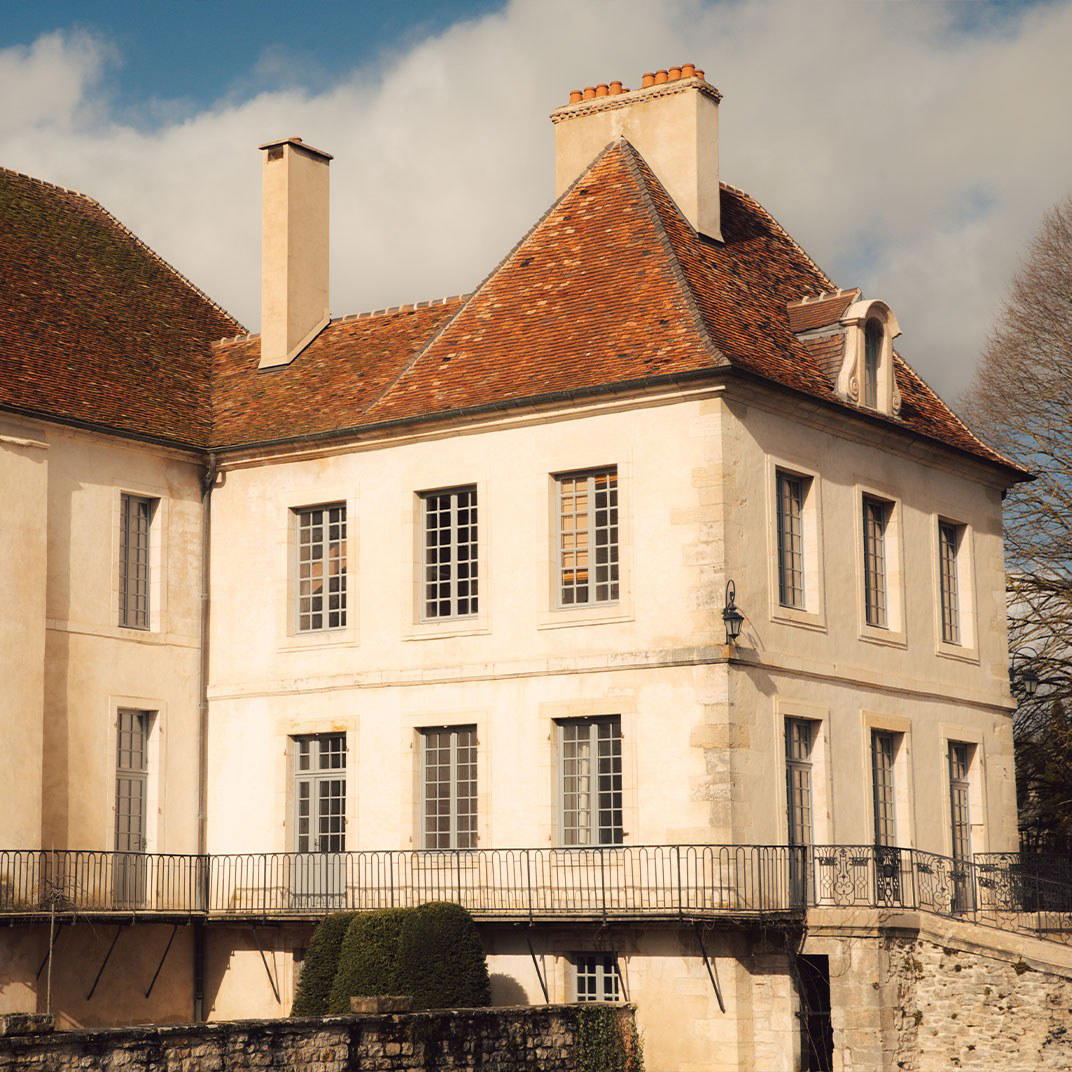
Arriving on rue Michelet, you encounter the kind of building that announces itself through proportion rather than decoration. The facade of Chapeau Rouge par William Frachot belongs to a specific category of French provincial hotel architecture: classically structured, stone-fronted, positioned on a street that connects the city's historic core to its more residential edges. Dijon has been unusually consistent in preserving this built fabric. Unlike many French cities that sacrificed Haussmann-era blocks to postwar reconstruction, the capital of Burgundy retained much of its 17th- and 18th-century urban grain, which means that a hotel occupying a traditional address here carries genuine material weight, not mere nostalgia.
That context matters when assessing where Chapeau Rouge sits in Dijon's accommodation picture. The city's hospitality options have stratified over the past decade into three broad tiers: international chain properties near the TGV station, design-led independent hotels targeting younger travellers, and a smaller cluster of address-led properties where the building itself is part of the proposition.
The Physical Logic of the Building
Historic French hotel architecture in cities like Dijon tends to organise itself around a set of recurring spatial moves: a street-facing reception sequence that filters the city noise, internal courtyard or garden space that provides a counterweight to the public rooms, and bedroom floors where ceiling height and window proportion do more atmospheric work than contemporary fit-out could replicate. Chapeau Rouge operates within this logic. The address at 5 rue Michelet places it within walking distance of the Palais des Ducs de Bourgogne and the covered market at Les Halles, two anchor points of Dijon's civic identity, which means that the hotel's relationship to the city is pedestrian and immediate rather than car-dependent and peripheral.
This is architecturally significant in a way that distinguishes Dijon's central hotel stock from comparable French regional cities. In Reims, for instance, properties like Domaine Les Crayères in Reims achieve their character through parkland separation from the city centre. In Bordeaux, Les Sources de Caudalie in Bordeaux situates itself within vineyard terrain entirely. Chapeau Rouge takes the opposite approach: it embeds itself in the urban tissue and uses the city's own architectural quality as an extension of the guest experience.
Dijon as a Hotel Destination
Burgundy's capital is underrated as a standalone destination rather than a transit point for wine tourism. The city holds one of the most coherent medieval and Renaissance urban centres in France, the mustard and gastronomy culture is well-documented, and the TGV connection from Paris Gare de Lyon runs at under 1 hour 40 minutes, which places Dijon in a reasonable half-weekend range for travellers based in the capital. That accessibility has supported steady growth in short-break demand, which in turn has raised the expectations placed on central hotels.
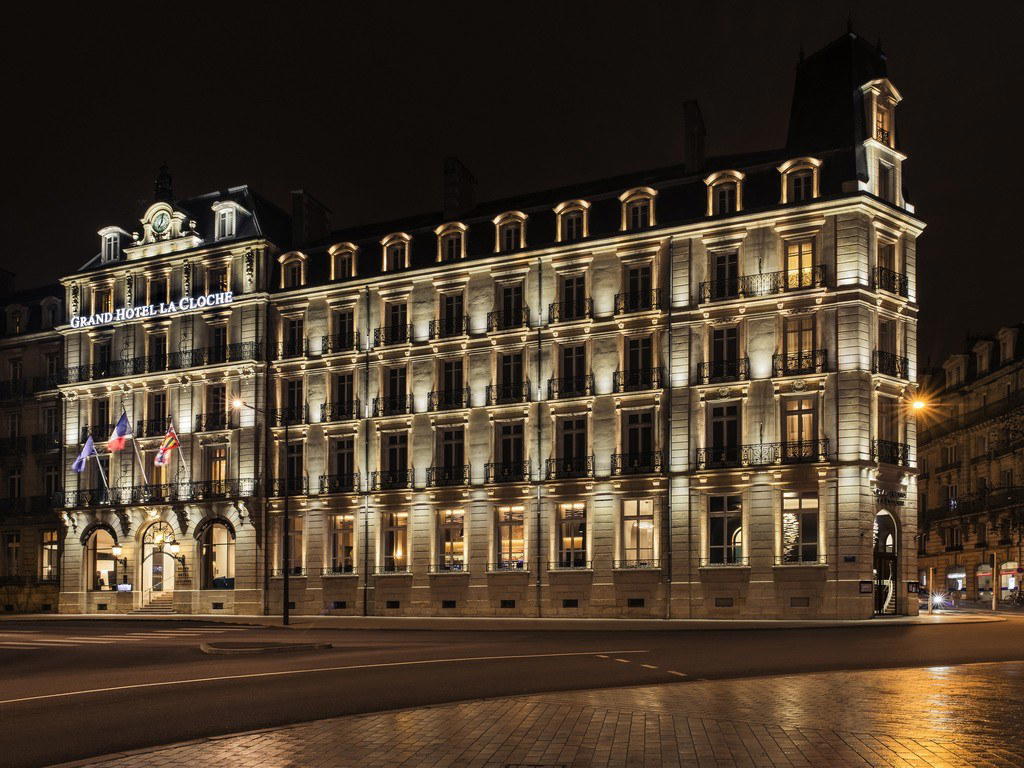
The Dijon hotel market at the address-led tier now competes in a more considered way than it did a decade ago. Grand Hôtel La Cloche Dijon anchors the upper end of this bracket with its historic grand hotel format. Design-conscious properties like Mama Shelter Dijon and Vertigo Hotel have introduced a younger, format-driven alternative for travellers less interested in architectural heritage. Chapeau Rouge, with its Michelin Selected standing and its historic address, occupies a position between those poles: more substance-led than the design-hotel tier, less grand in scale than La Cloche.
For a fuller picture of where the property sits within Dijon's dining and hospitality scene, the EP Club Dijon guide maps the city's key addresses across both categories.
Positioning Against French Luxury Properties
Michelin's hotel selection programme distinguishes between full star ratings and the Selected category, which functions as a quality floor rather than a ceiling marker. Properties at this tier in France tend to share a set of characteristics: considered physical spaces, a coherent sense of address, and an alignment between what the building offers and what the immediate environment delivers. Chapeau Rouge meets those criteria through its rue Michelet location and its connection to the culinary identity that the William Frachot name implies within Dijon's dining culture.
Across France's premium hotel geography, the distinctions between property types reveal how differently luxury can be expressed. Alpine properties like Le K2 Palace in Courchevel and Four Seasons Megeve in Megève are defined by terrain and season. Coastal properties like Hotel Du Cap-Eden-Roc in Cap d'Antibes, The Maybourne Riviera in Roquebrune-Cap-Martin, and La Réserve Ramatuelle in Ramatuelle trade on seascape access. Provence addresses like La Bastide de Gordes in Gordes, Baumanière Les Baux-de-Provence, and Villa La Coste in Le Puy-Sainte-Réparade combine landscape and cultural programming. Urban Burgundy operates on a different register: the draw is the city itself, its architecture, its markets, and its gastronomy, which makes a well-placed central hotel a more active participant in the guest experience than a resort property needs to be.
Further afield, properties like Le Bristol Paris, Le Negresco in Nice, Hôtel du Palais in Biarritz, and Hôtel de Paris Monte-Carlo in Monte Carlo represent the grand palace tier of French hospitality, where the building's own history is a primary amenity. Royal Champagne Hotel & Spa in Champillon offers a useful comparison in the wine-country context, where vineyard views and Champagne access function similarly to Dijon's Burgundy proximity. Other notable French addresses include Hôtel Chais Monnet & Spa in Cognac, Hôtel & Spa du Castellet in Le Castellet, and Casadelmar in Porto-Vecchio. International reference points such as Badrutt's Palace Hotel in St. Moritz and The Fifth Avenue Hotel in New York City illustrate how address-led properties function across different markets: the building's history and location do foundational work that no amount of contemporary amenity can substitute.
Planning a Stay
Chapeau Rouge par William Frachot sits at 5 rue Michelet in central Dijon, within a short walk of the city's primary cultural and market destinations. The Michelin Selected designation for 2025 confirms current quality standing. Dijon is reached from Paris by direct TGV in under two hours, and from Lyon in approximately one hour by fast train, which makes it viable as a standalone short break or as a base for Côte de Nuits and Côte de Beaune wine touring.
Side-by-Side Snapshot
Comparable venues nearby, for context on price, style, and recognition.
| Venue | Cuisine | Price | Awards | Notes |
|---|---|---|---|---|
| Chapeau Rouge par William FrachotThis venue — the venue you are viewing | Contemporary luxury heritage hotel blending 19th-century architecture with modern design sensibility. | $200–300 | Michelin Selected | Not listed |
| Mama Shelter Dijon | Design-led urban hotel in historic brutalist building | Not listed | Michelin Selected | Dijon Centre Ville |
| Vertigo Hotel | Boutique design hotel blending historic facade with contemporary luxury. | $100–200 | Design Hotels Member | city center |
| Grand Hôtel La Cloche Dijon | Luxurious heritage hotel classified as historical monument | $200–300 | Michelin Selected · Gault & Millau Exceptional Hotel | Place Darcy |
| Experimental Chalet Val d'Isère | Contemporary alpine luxury with nostalgic 1970s design elements and Savoyard charm; positioned as a sophisticated yet casual mountain escape. | $300–500 | Michelin Selected · Tablet Hotels Best New Hotel Designs (Europe) | Val d'Isère village center |
| Le Clos Sainte-Marguerite | Intimate boutique bed and breakfast in a restored 14th-century winemaking house | $300–500 | Michelin Selected | Beaune City Center |
Recognition history
Dated appearances from independent guides and award organizations, with the underlying list record or original source where available.
Michelin Selected
Michelin
Continue exploring
More in Dijon
Hotels in Dijon
Browse all →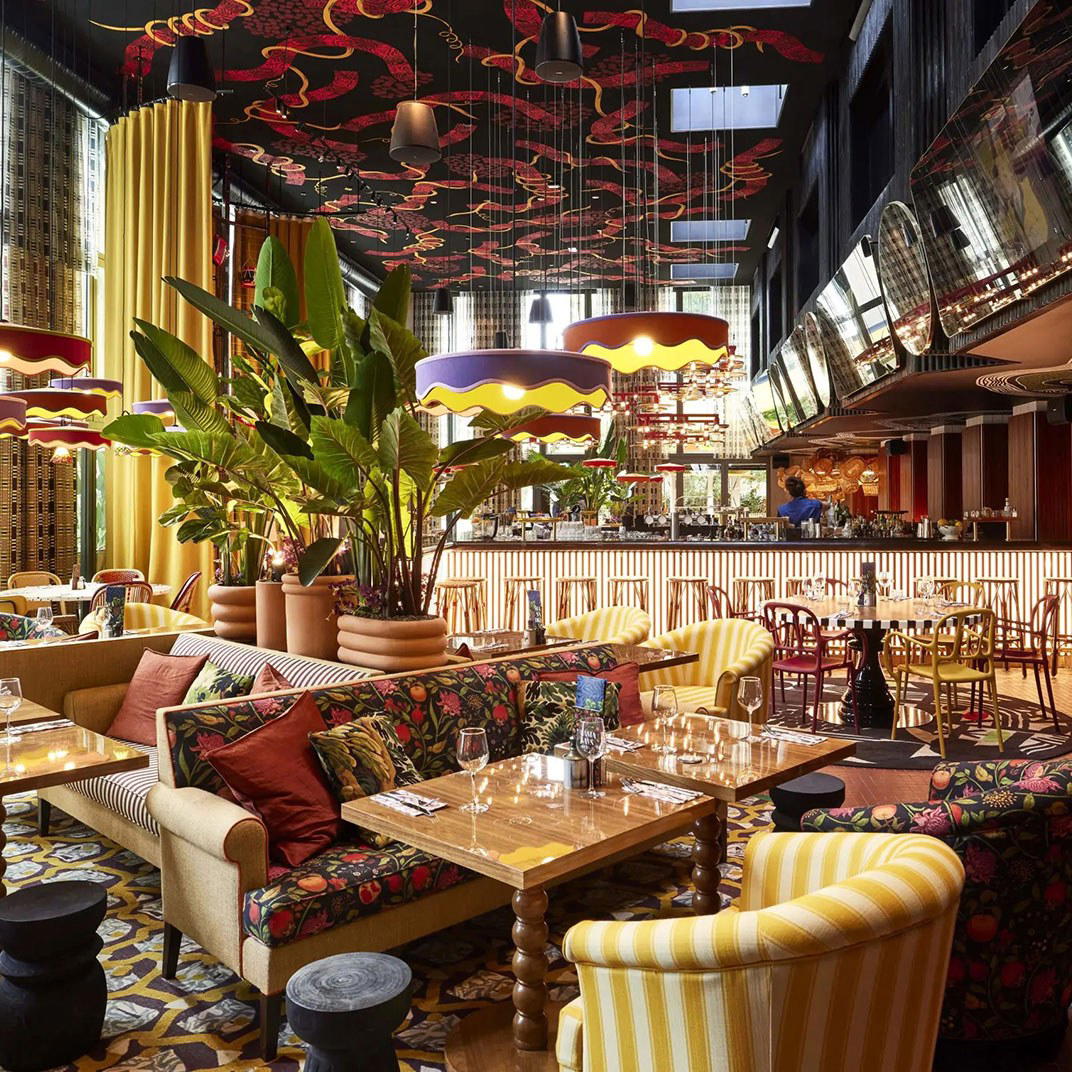
Bars in Dijon
Browse all →
Restaurants in Dijon
Browse all →
Details
- Elegant
- Sophisticated
- Romantic
- Quiet
- Classic
- Romantic Getaway
- Anniversary
- Celebration
- Business Trip
- Weekend Escape
- Historic Building
- Garden
- Private Dining
- Design Destination
- Wi Fi
- Spa
- Sauna
- Restaurant
- Bar
- Room Service
- Concierge
- Valet Parking
- Business Center
- Massage
- Wheelchair Accessible
- Elevator
- Accessible Restroom
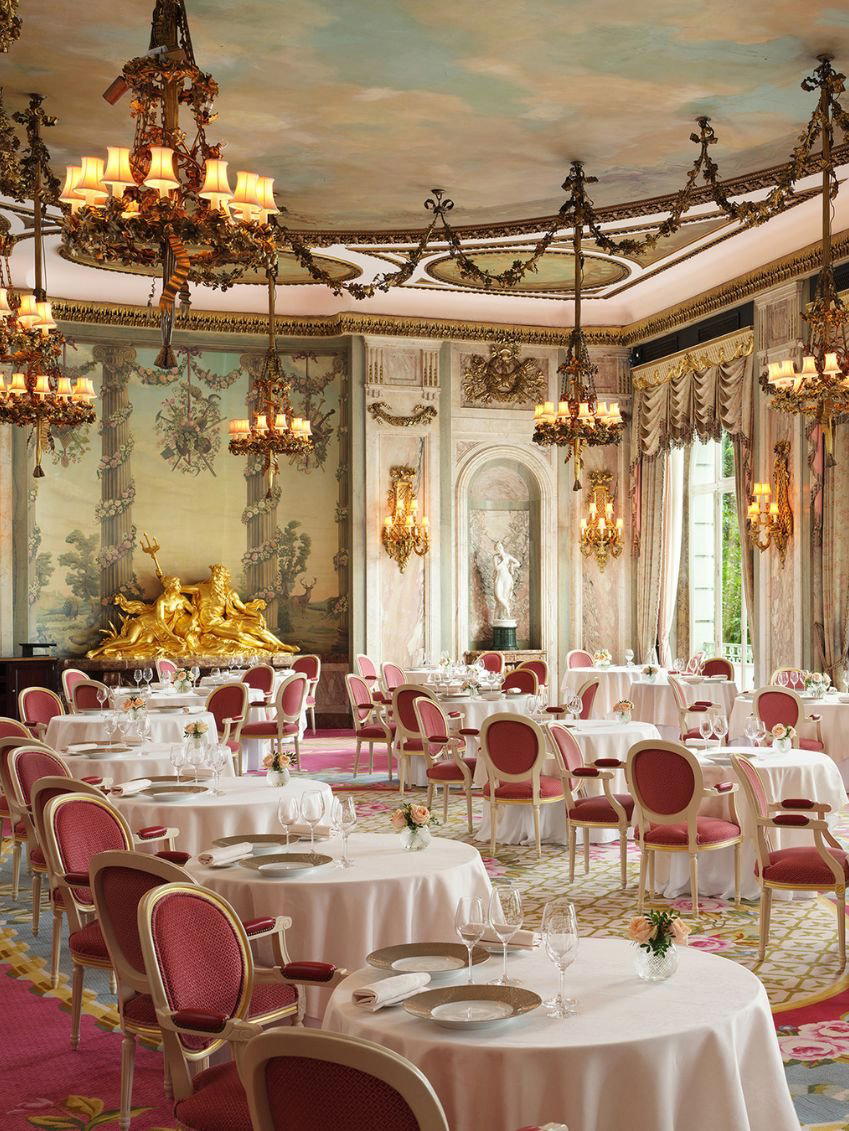
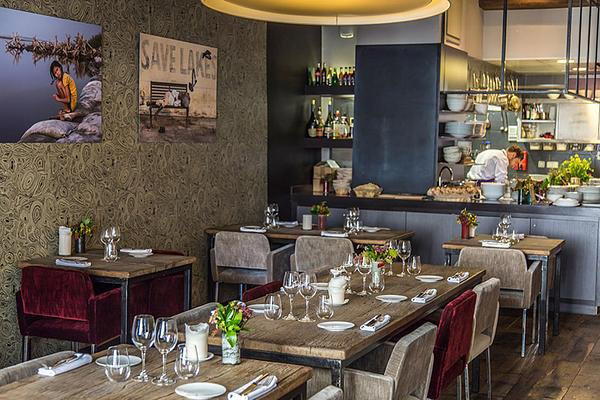
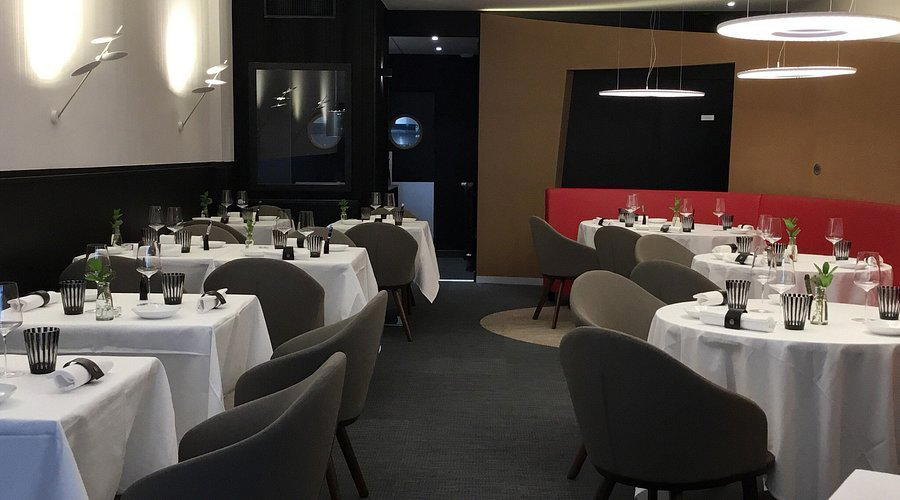
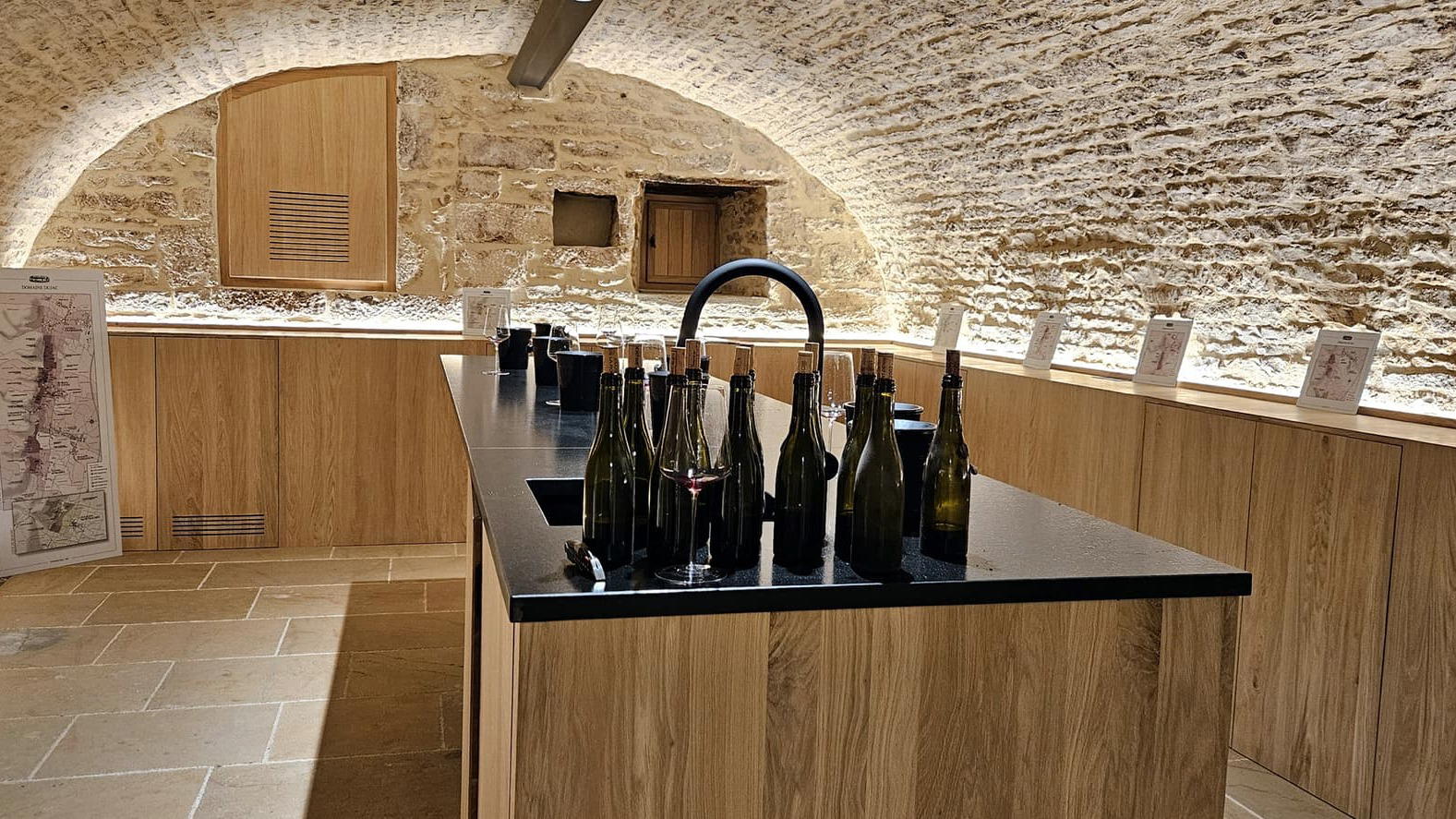
Intimate and elegant atmosphere with refined, feutrée (hushed) setting; modern rooms with bright contemporary design, colorful furnishings, and artistic touches; spa set in historic vaulted stone cellar.