

Michelin Main Selection · Falstaff Winery - 3 Stars
The estate produces Cabernet Sauvignon-led blends from gravelly Médoc soils, positioned in the mid-tier of Pauillac's classified hierarchy where structure and age-worthiness remain the dominant register.

Pearl is the En Primeur Club membership app, where members save venues, book tables and use the concierge.
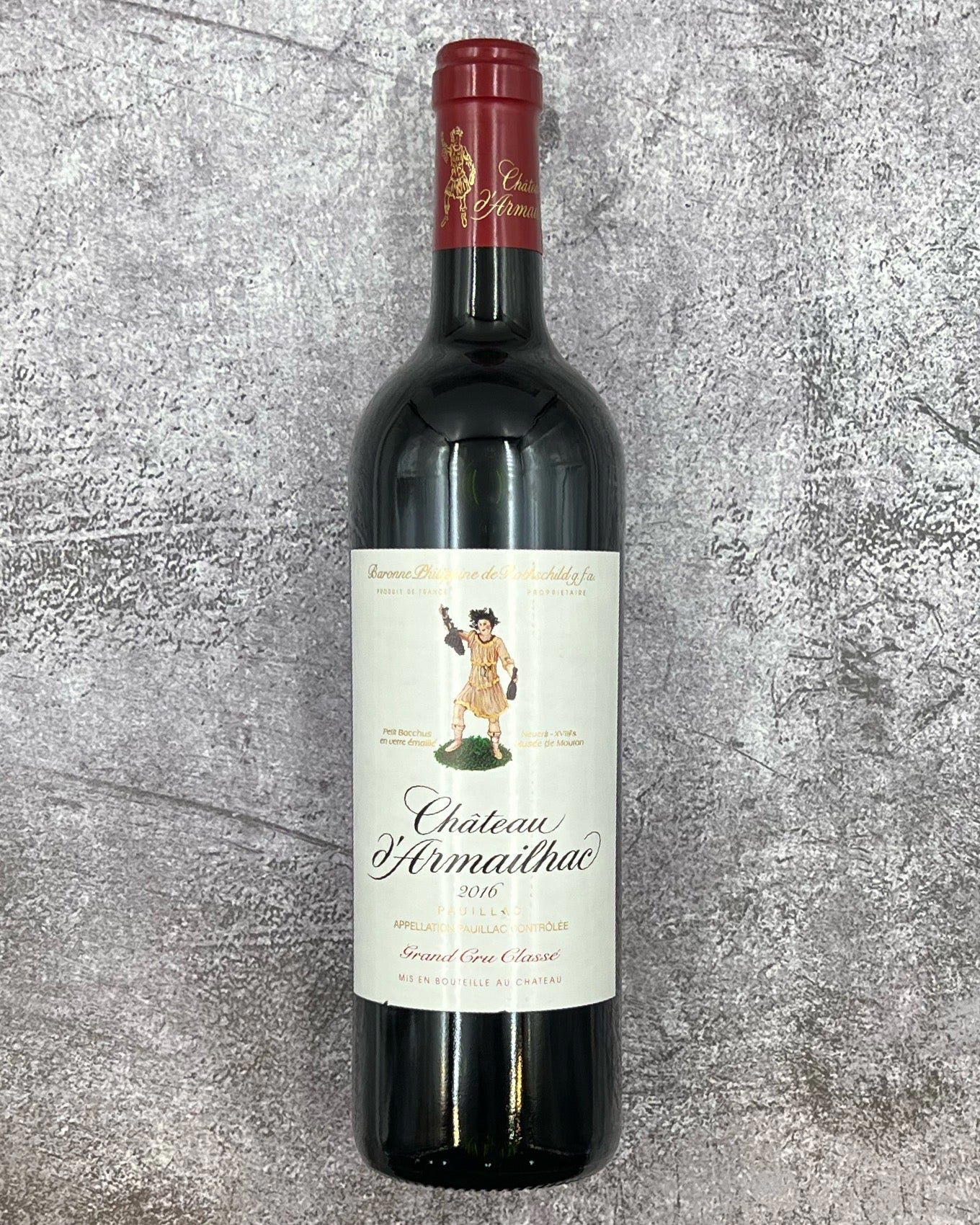
Pauillac's Classified Fifth Growths and Where Armailhac Sits
Pauillac occupies a particular position in the Médoc hierarchy: it holds three of Bordeaux's five first growths, which means every other estate in the appellation is measured, consciously or not, against that ceiling. The 1855 Classification distributes the remaining properties across four further tiers, and the fifth growths, far from being also-rans, represent some of the most price-accessible entry points into seriously structured Left Bank Cabernet. Châteaux like Château Batailley, Château Grand-Puy-Ducasse, and Château Pédesclaux occupy this bracket, each drawing from the deep gravel beds that run through the commune and imparting the appellation's characteristic density and tannin structure. Château d'Armailhac belongs to that cohort, classified fifth growth in 1855 and holding that position through ownership changes, name revisions, and shifting critical fashions ever since.
The estate borders Mouton Rothschild directly, and both have been under the Rothschild family umbrella for decades. That connection is relevant not as a biographical footnote but as a practical indicator of vineyard management standards, cellar investment, and the kind of institutional attention that often separates a reliably well-made estate wine from one that coasts on its classification. The gravel plateau it shares with its neighbours is among the most prized terroir in the Médoc, and the wine's structure reflects it.
The Tasting Room Experience in Context
Visiting a Pauillac château as a tasting destination is a different proposition from visiting, say, a Napa estate with a hospitality-first orientation or a Burgundy domaine where the winemaker pours from barrel in a low-lit cellar. The Médoc has historically been more reserved about direct visitor access than many of the world's premium wine regions, and the châteaux that do receive visitors tend to do so within a formal appointment framework rather than a walk-in tasting room culture. This isn't a limitation so much as a register: the expectation is that visitors arrive with some prior knowledge, and the experience is calibrated accordingly.
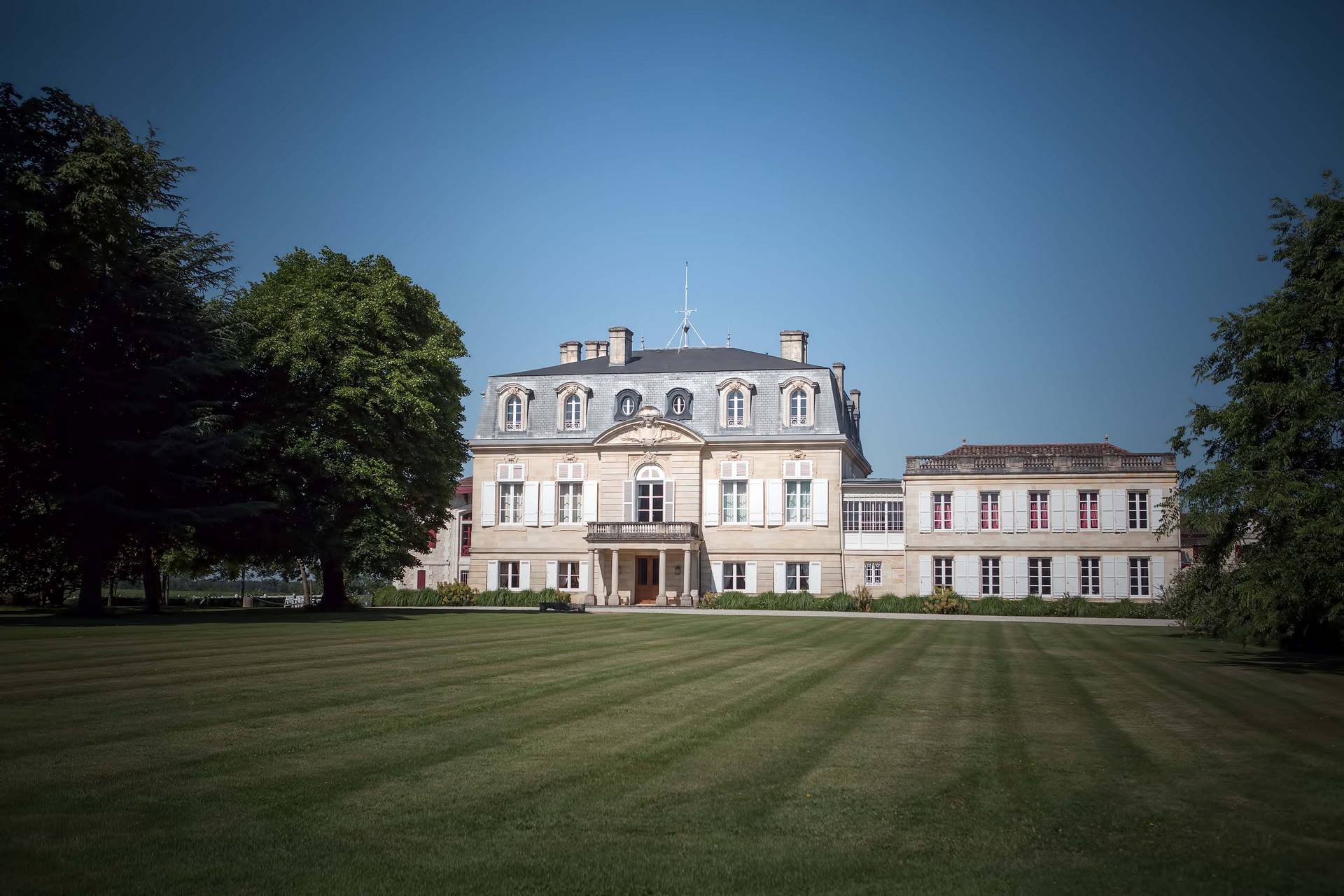
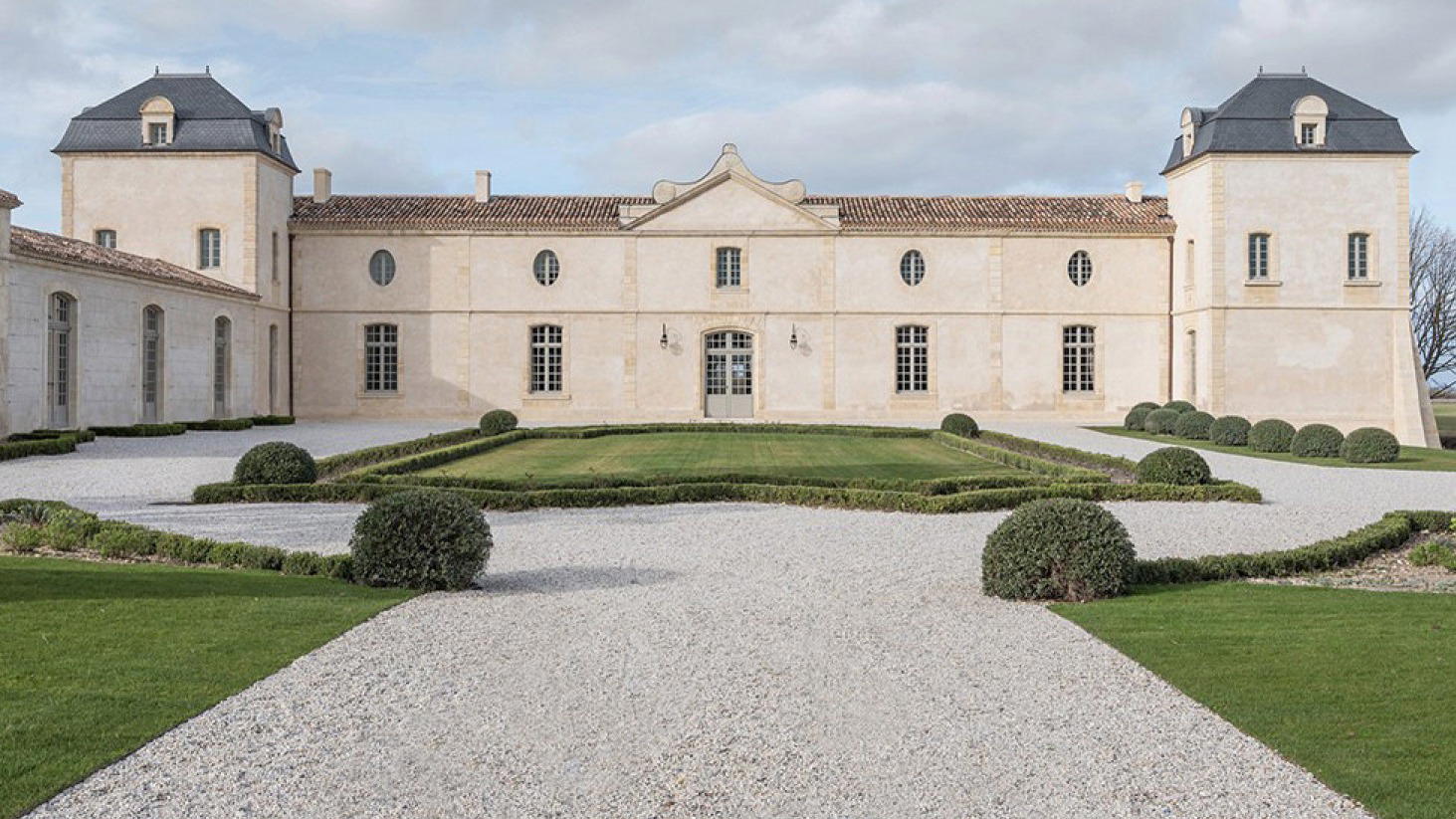
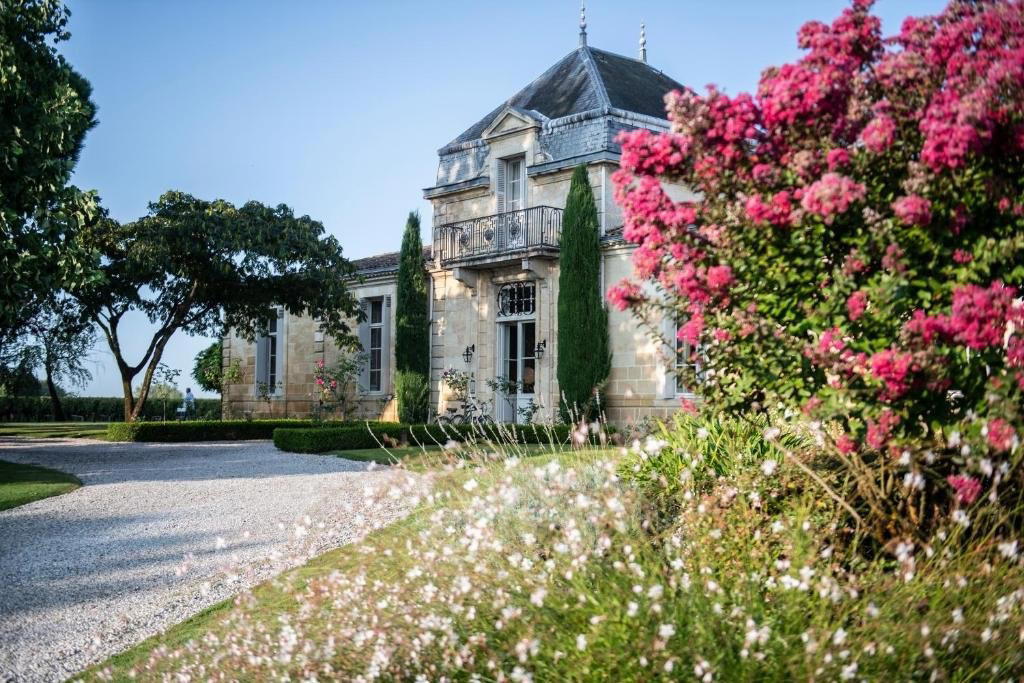
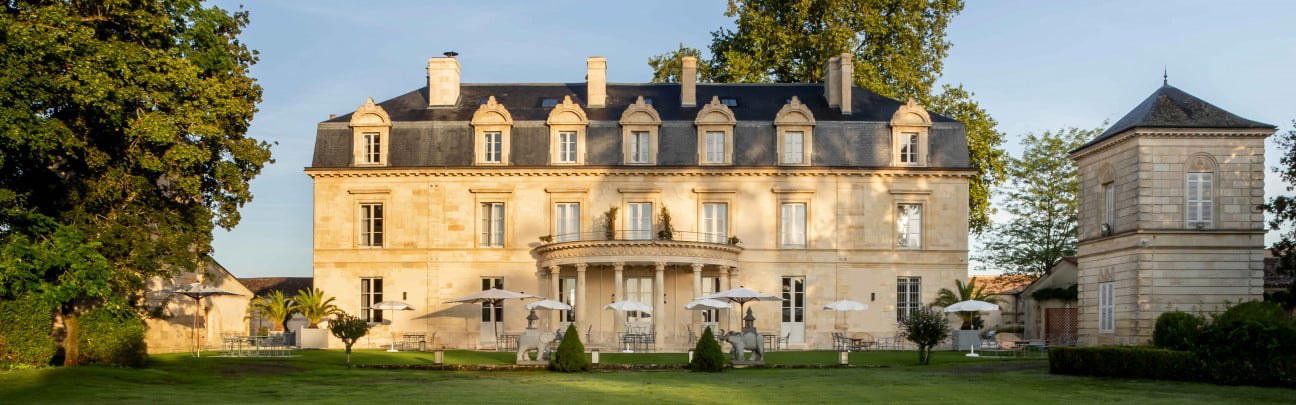
Armailhac's physical setting reinforces that register. The estate sits on the plateau north of Pauillac town, in flat, vine-dense countryside where the scale of the vineyards and the solidity of the château architecture communicate seriousness without theatrics. Approaching across that gravel plain, with the rows of Cabernet Sauvignon stretching toward the river horizon, is itself a form of context-setting. You understand, before tasting anything, why this soil produces wines built for the long term. For visitors oriented toward our full Pauillac restaurants guide, the château sits within driving distance of the town's small collection of dining options, making a half-day visit to the estate a practical anchor for a broader day in the appellation.
Logistically, visiting Armailhac requires advance planning. The Médoc's classified châteaux generally operate via pre-booked appointment rather than open-door hospitality, and Armailhac is no exception. Groups with a specific interest in the Mouton Rothschild family of estates will find the visit pairs naturally with the more extensively documented experience available at Mouton itself, which runs a well-regarded museum alongside its tastings. For those building an itinerary around fifth growths specifically, Château Haut-Bages-Libéral and Château Grand-Puy-Ducasse represent logical additions to the same circuit.
The Wine: Structure, Blending, and What to Expect in the Glass
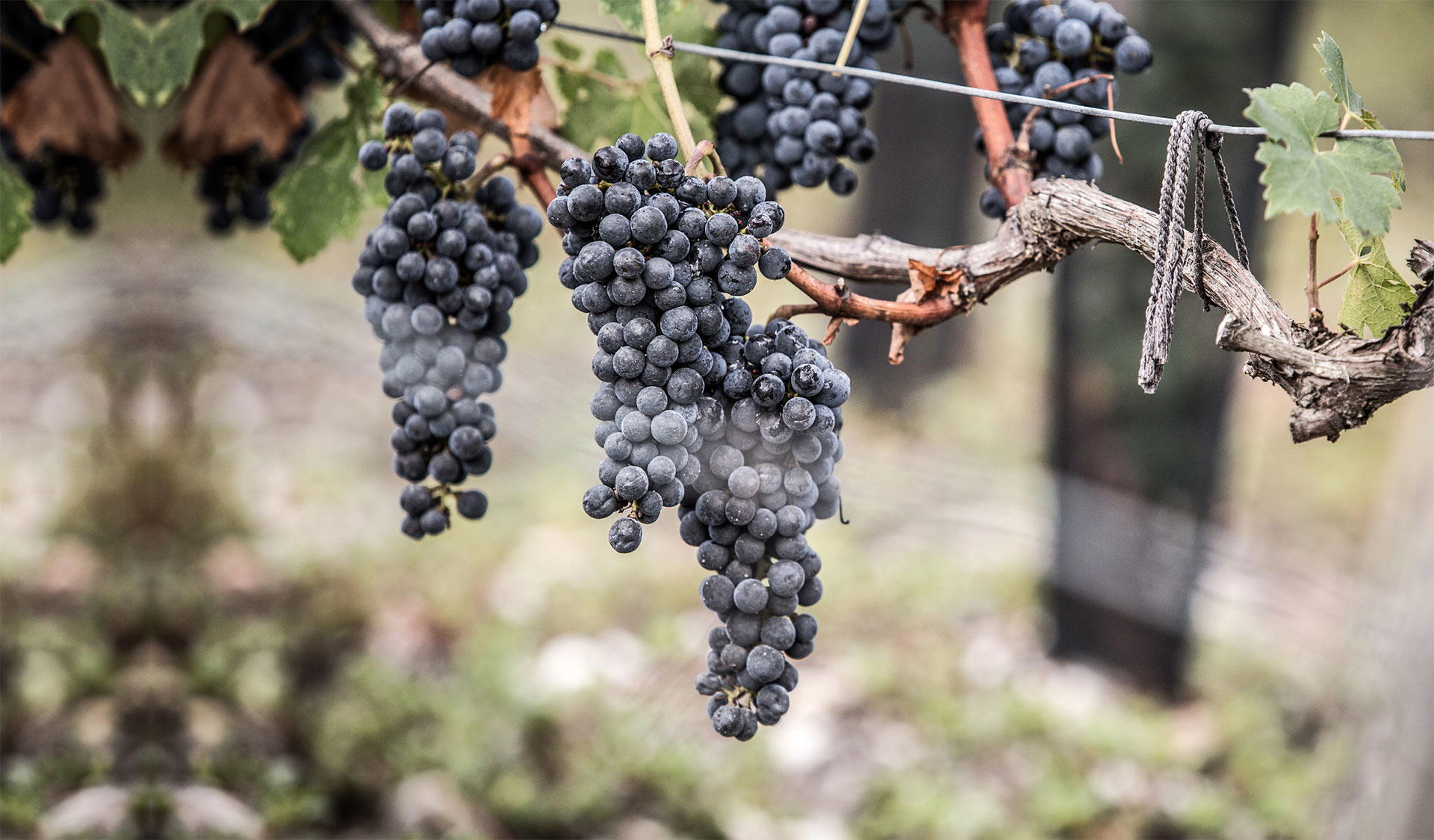
Pauillac's dominant grape is Cabernet Sauvignon, and the appellation's identity is built around what that variety does in deep, warm gravel: it produces wines with pronounced dark fruit, firm tannin, and the kind of acid backbone that allows decades of bottle aging. Armailhac's blend typically incorporates Merlot and Cabernet Franc alongside Cabernet Sauvignon, which softens the structural severity relative to a more Cabernet-dominant expression like Chateau Lafite Rothschild and positions the wine at a more approachable point on the appellation's spectrum. This is relevant to how the wine presents in a tasting room context: younger vintages show more primary fruit and less of the cedar, tobacco, and graphite character that Pauillac develops over time, so the experience of tasting a current release is genuinely different from opening a bottle with a decade of age on it.
Compared to Médoc estates operating at a similar classification tier in other appellations, Armailhac produces at a volume and in a style that places it firmly in the mid-range of serious Left Bank investment bottles: priced above entry-level Bordeaux, well below first and second growth territory, and occupying the category of classified property that rewards patient cellaring rather than immediate consumption. For context on how Cabernet-led appellations across different regions approach this balance between structure and accessibility, the contrast with producers like Accendo Cellars in St. Helena illustrates how similar grape material produces quite different structural registers depending on climate and winemaking intent.
That rating places it alongside other appellations and estates operating at the prestige level across France and beyond.
The appellation's classified structure means that estates like Armailhac are perennially compared against their immediate peers rather than evaluated in isolation, and a prestige-tier rating is one data point among several that informed buyers track alongside vintage scores, critic assessments, and en primeur pricing.
Situating Armailhac Within the Broader Médoc
The Médoc's classified estates do not operate in isolation from each other, and understanding Armailhac requires some sense of where it fits within the commune's internal geography. To its south, estates like Château Branaire Ducru in St-Julien and further afield Château Cantemerle in Haut-Médoc mark the transition toward the Haut-Médoc's softer registers. To the north of Pauillac, the appellation gives way to Saint-Estèphe's heavier soils and more tannic profiles. Armailhac's position on the central Pauillac plateau means it sits in the appellation's densest concentration of prestigious vineyards, sharing the same fundamental terroir as estates whose wines trade at multiples of its price. That positioning is part of what makes fifth growths intellectually interesting to collectors: the soil difference between a fifth growth and a first growth on this plateau is often minimal, and the question of what justifies the price gap is one the region's critics have debated for decades. Château Boyd-Cantenac in Cantenac raises similar questions in Margaux, where classified properties at different growth levels draw from overlapping terroir.
For collectors planning en primeur purchases or cellar visits across the Left Bank, Armailhac represents a reliable point of entry into Pauillac's classified tier without the allocation difficulty and secondary-market pricing that surrounds the appellation's most sought-after names. The combination of fifth-growth classification, Rothschild family ownership, and EP Club's 2025 prestige-tier rating makes it a property worth tracking across vintages rather than evaluating solely on a single release.
Planning a Visit
Pauillac is reached most conveniently from Bordeaux by car, a drive of roughly 50 kilometres north along the D2, a route that passes through Saint-Julien and Saint-Estèphe and gives some sense of the appellation transitions before arriving in Pauillac town. Visits to Armailhac require advance appointment; the estate does not operate open walk-in tastings. The spring and autumn windows, broadly April to June and September to November, represent the most practical visiting periods, with harvest in September creating specific access limitations but also, for those with industry connections, the possibility of observing winery operations at their most active. The Pauillac town quay offers a handful of restaurants and a small hotel, making an overnight stay feasible for those building a multi-château itinerary across the appellation.
Cuisine and Credentials
Comparable venues nearby, for context on price, style, and recognition.
| Venue | Cuisine | Awards | Notes |
|---|---|---|---|
| Château d’ArmailhacThis venue (the venue you are viewing) | Cabernet Sauvignon, Merlot | Michelin Main Selection · Falstaff Winery - 3 Stars | Not listed |
| Château Grand-Puy-Ducasse | Cabernet Sauvignon, Merlot | Falstaff Winery - 1 Stars | Pauillac |
| Château Ducru-Beaucaillou | Winery | Falstaff Winery - 4 Stars | Pauillac |
| Château Lynch-Bages | Cabernet Sauvignon, Merlot | Michelin 1 Grape · Falstaff Winery - 4 Stars | Pauillac |
| Château Clerc Milon | Cabernet Sauvignon, Merlot | Michelin 1 Grape · Falstaff Winery - 3 Stars | Pauillac |
| Chateau Lafite Rothschild | Cabernet Sauvignon, Merlot | Michelin 3 Grapes · Falstaff Winery - 5 Stars | Pauillac |
Recognition history
Dated appearances from independent guides and award organizations, with the underlying list record or original source where available.
Michelin Main Selection
Michelin
Falstaff Winery - 3 Stars
Falstaff
Continue exploring
More in Pauillac
Wineries in Pauillac
All wineries in Pauillac →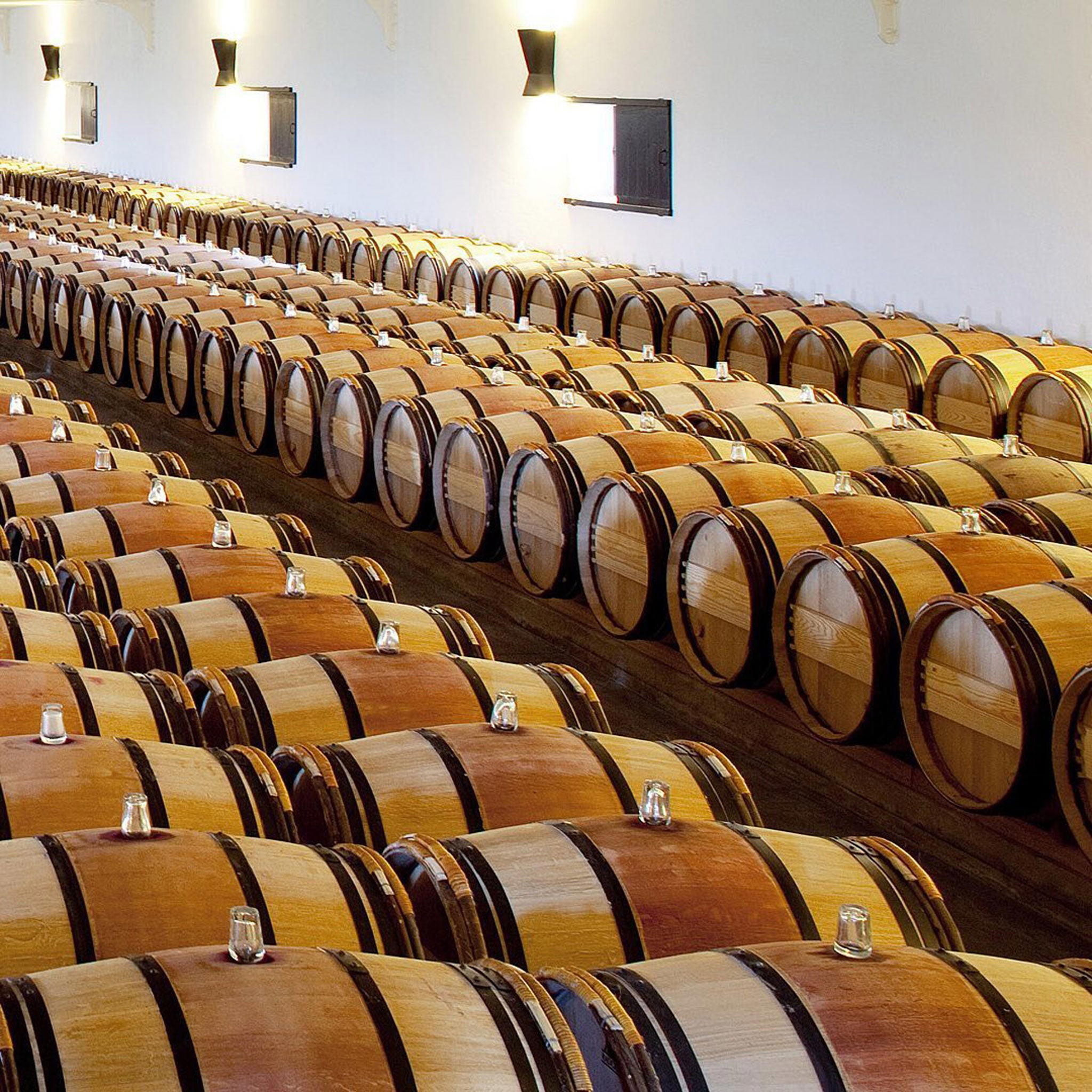
Bars in Pauillac
Browse all →
Details
- Classic
- Elegant
- Sophisticated
- Well Known
- Wine Education
- Special Occasion
- Vineyard Tour
- Historic Building
- Estate Grounds
- Vineyard
- Cabernet Sauvignon
- Merlot
- Cabernet Franc
- Petit Verdot
- Still Red
- Cave Tasting
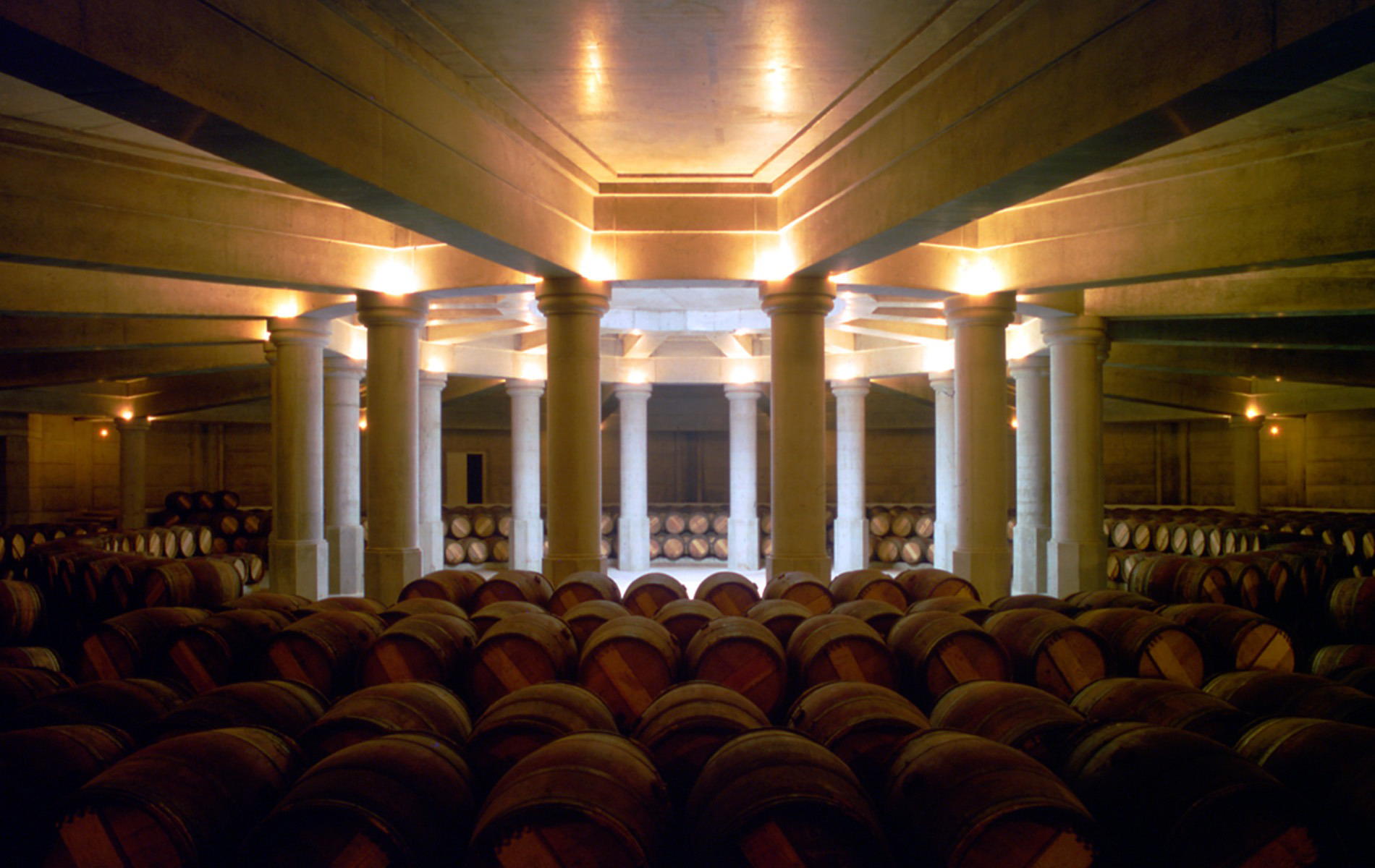
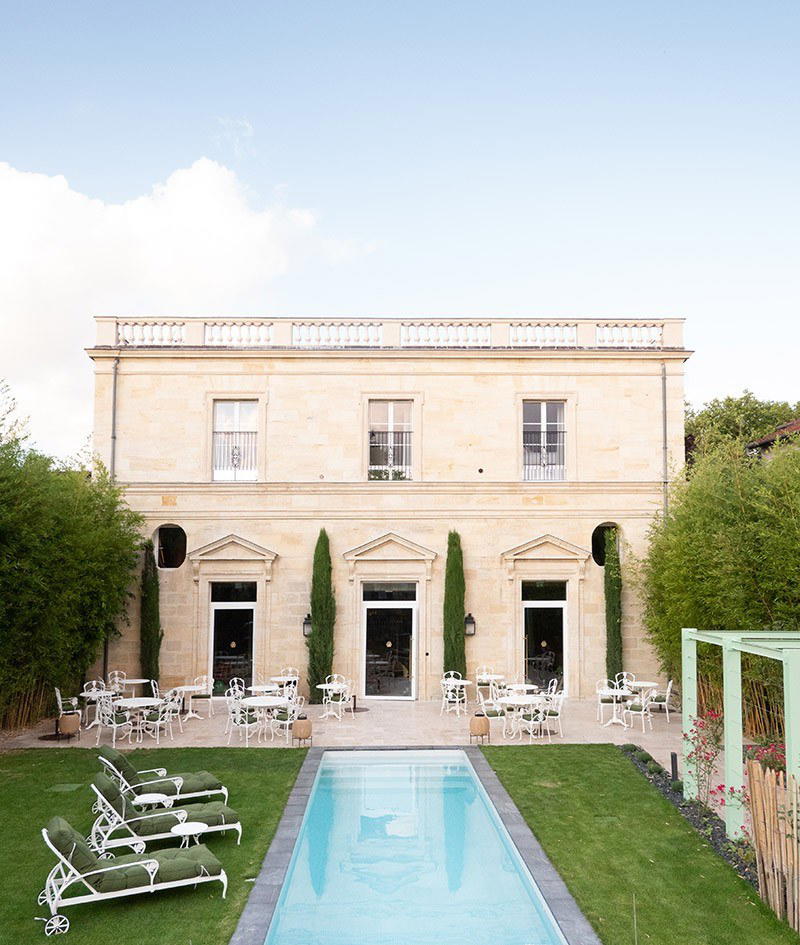
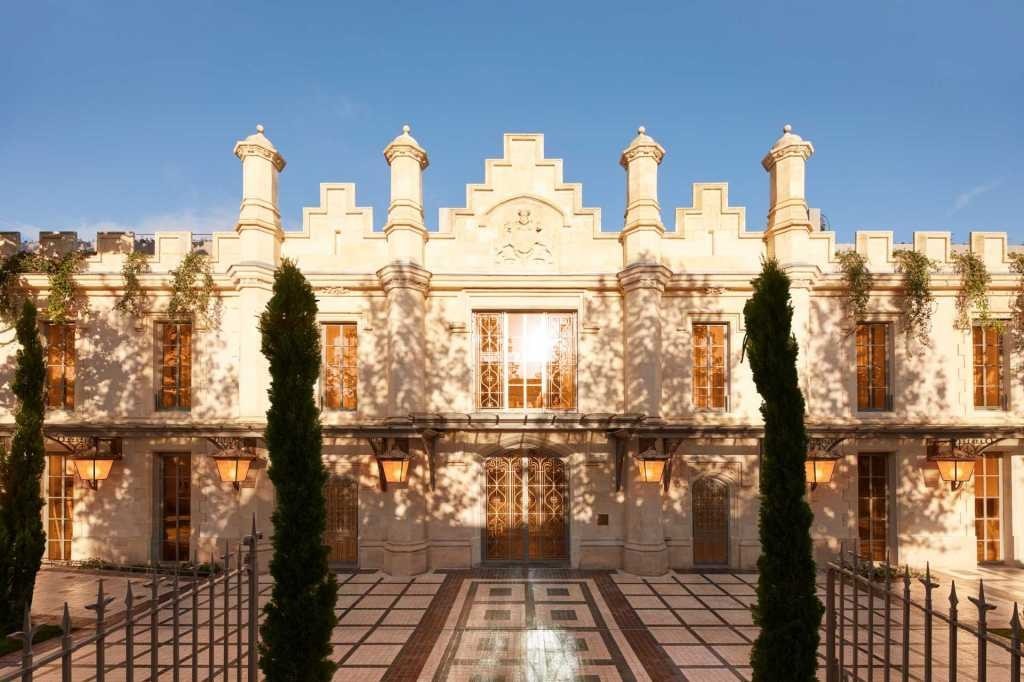
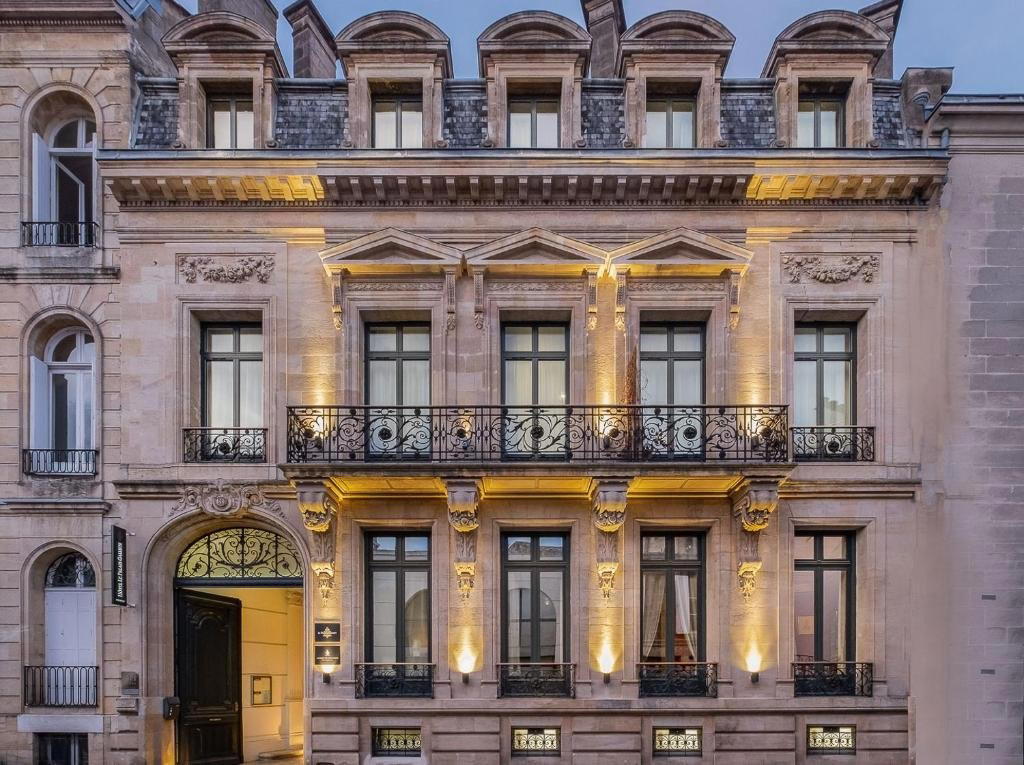
Classic and elegant atmosphere rooted in centuries of winemaking history within a historic, unfinished chateau surrounded by gravel terroirs.