

The property sits within the dense concentration of classified châteaux along the Route de Pédesclaux, where Cabernet Sauvignon-dominant blends and gravel-over-clay terroir define the appellation's character.
Pearl is the En Primeur Club membership app — saves, bookings, and concierge access live there. Same editors, same standards.
- Address
- Route de Pédesclaux, 33250 Pauillac
- Phone
- +33 5 56 59 22 59
- Website
- chateau-pedesclaux.com
- Directions
- Get directions
 Saves & bookings on Pearl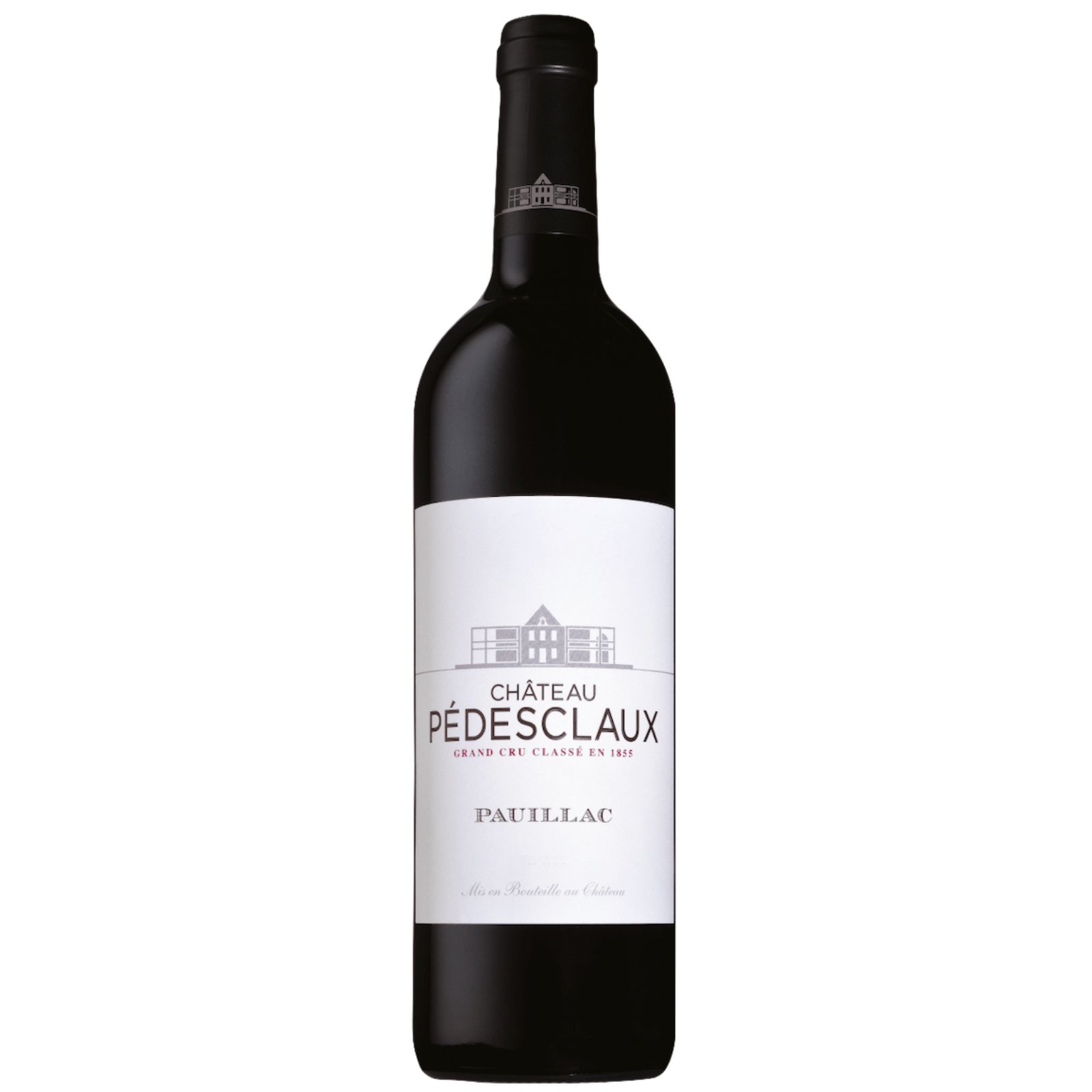
Where Pauillac's Gravel Speaks Loudest
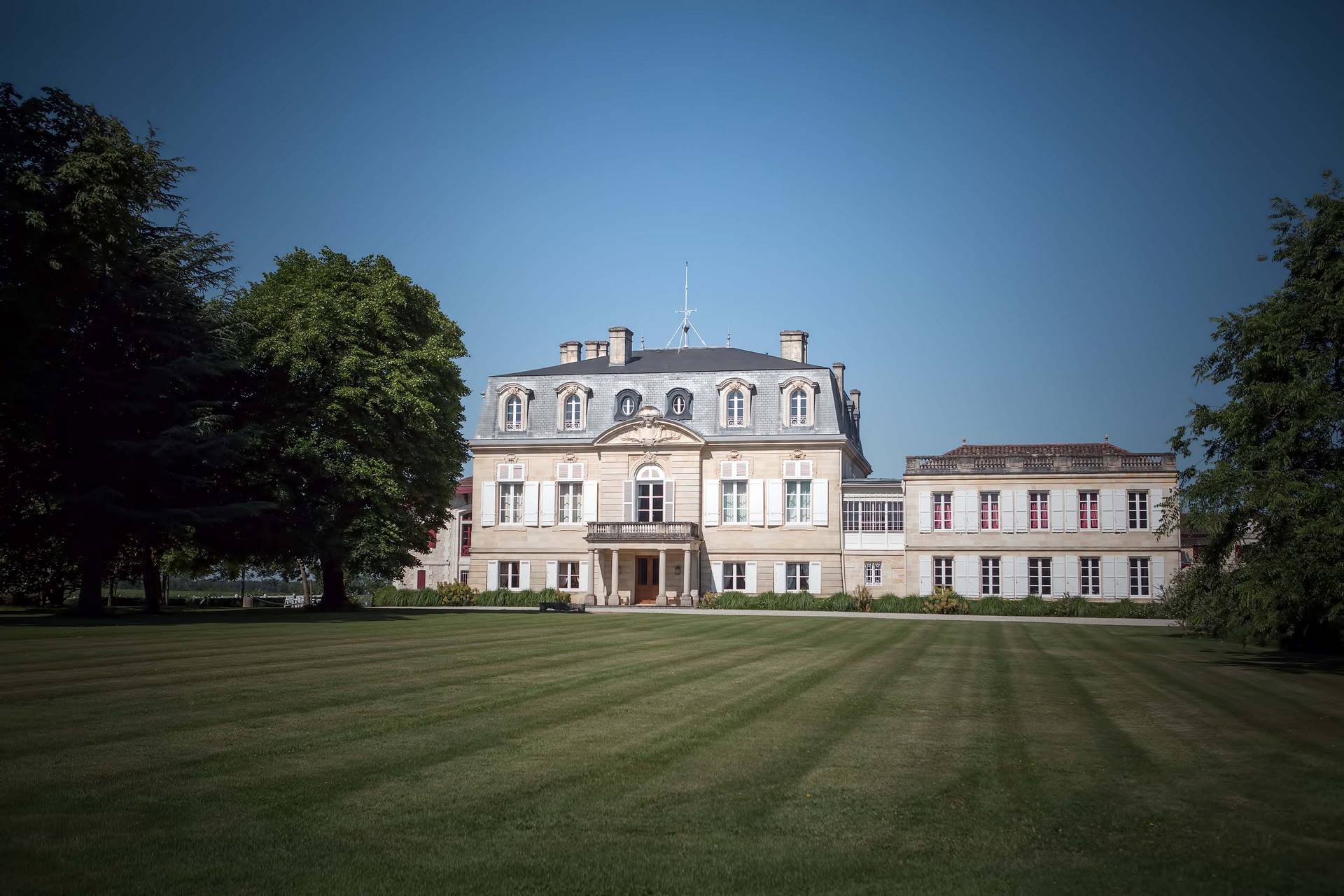
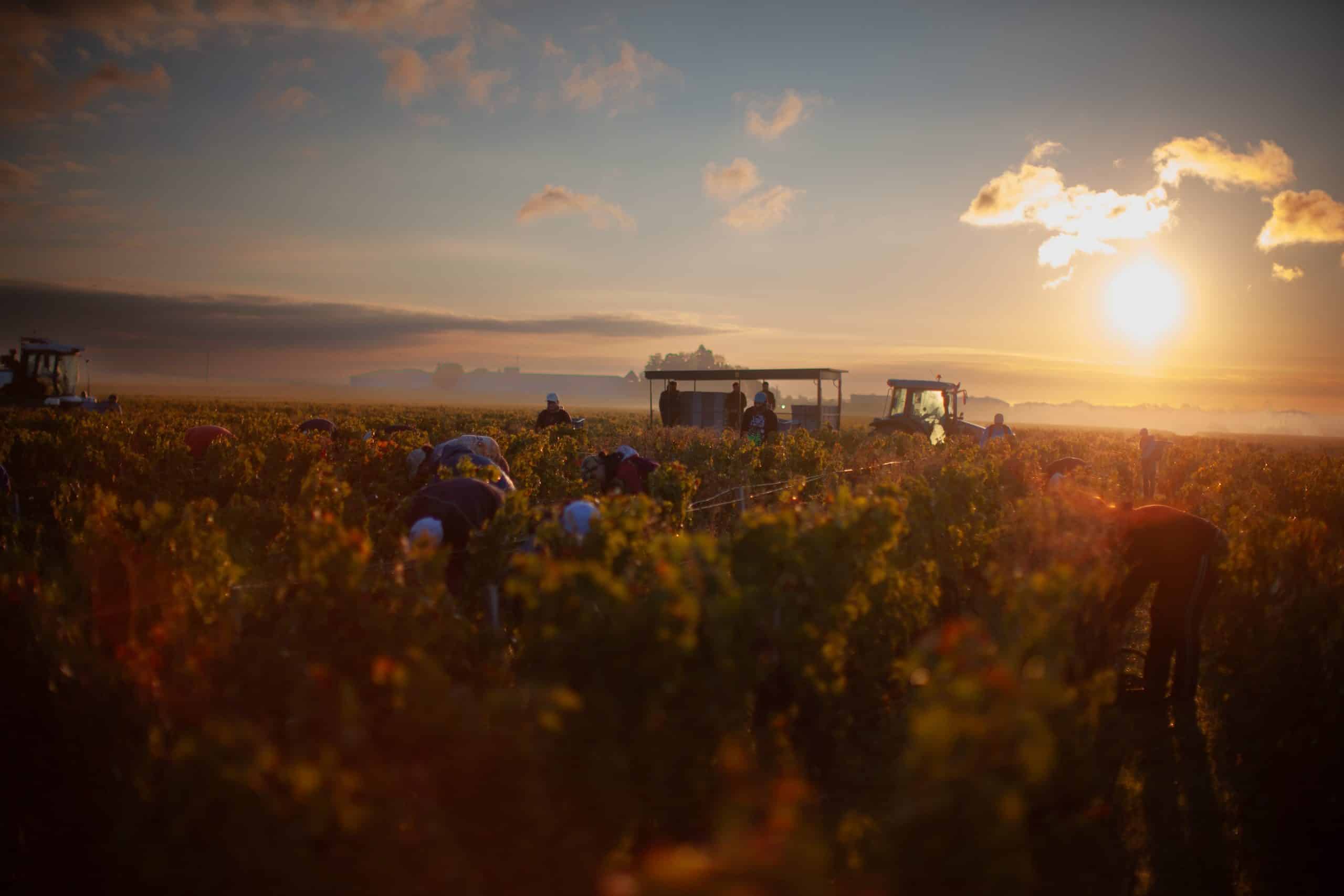
Approaching the classified estates of Pauillac from the south, the landscape shifts from suburban Bordeaux into something older and more deliberate. The vines run in disciplined rows across gentle undulations of deep Günzian gravel, the same beds of rounded stones that make this narrow strip of the Médoc so productive for Cabernet Sauvignon. Route de Pédesclaux threads through this terrain, past stone gateposts and iron fences that mark the boundaries between classified growths. Here, the proximity of neighbours is not coincidence but confirmation: this particular corridor of the appellation was identified in 1855 as producing wines of distinct quality, and the classification has held, more or less, ever since.
Château Pédesclaux occupies that classified ground as a Fifth Growth, a rank that, in 2025, carries more market nuance than the simple hierarchy might suggest. For context, that cohort includes Château Batailley and Château d'Armailhac, fellow Fifth Growths whose ambitions now compete less with their classified rank and more with the quality signals they send through viticulture, cellar discipline, and allocation behaviour.
The Terroir Argument in Pauillac
Pauillac's identity is built on a specific relationship between soil and grape. The deep gravel deposits over clay subsoils drain exceptionally well, stressing the vine in ways that concentrate flavour without interrupting ripening. Cabernet Sauvignon accounts for the dominant share of most Pauillac blends, with Merlot and smaller proportions of Petit Verdot and Cabernet Franc providing structural counterweight. The result, across the appellation, is wines with pronounced tannin architecture, cassis and cedar aromatics, and the capacity to develop over one to three decades in bottle.
Within that shared framework, terroir position matters enormously. The sector around Route de Pédesclaux sits north of the town of Pauillac, in proximity to some of the appellation's most discussed soils. Chateau Lafite Rothschild, the First Growth at the northern edge of the appellation, has built part of its reputation on the particular depth and drainage of its gravel plateau. The classified Fifth Growths nearby operate on comparable underlying geology, which is precisely why the 1855 classification placed them in the same document. Sourcing from that ground, rather than from less well-drained parcels further from the estuary, is itself an argument in the wine's favour.
For estate-bottled Bordeaux, the concept of ingredient sourcing is inseparable from land ownership. The château model means the grape source is fixed: the wine in the bottle comes from the estate's own registered parcels, farmed to whatever standard the current ownership has committed to. In an appellation where parcel-level differences can shift a wine's character measurably, knowing where the grapes grow is the first and most important piece of information a buyer needs. Château Pédesclaux's parcels in this gravel-heavy sector represent a specific provenance argument that cannot be replicated by blending purchased fruit.
The 1855 Classification and What It Actually Means Now
The five-tier classification of Médoc châteaux established in 1855 for the Paris Exposition Universelle has remained almost entirely static. Only one revision has occurred in its 170-year history, when Mouton Rothschild was refined to First Growth in 1973. This institutional immobility creates an interesting situation: the market now runs its own parallel assessment of which classified growths are overperforming or underperforming relative to their official tier.
Fifth Growths like Château Pédesclaux sit at a point in that market calculation where quality investment and price perception can diverge in ways that reward the attentive buyer. That pattern has defined the upward trajectories of several Pauillac estates over the past two decades. Château Grand-Puy-Ducasse and Château Haut-Bages-Libéral represent similar cases where renewed investment produced wines whose market reception now lags their quality credentials, a lag that tends to close over time.
Across the broader Médoc, the same dynamic appears at work. Château Boyd-Cantenac in Cantenac and Château Branaire Ducru in St-Julien are classified estates where scrutiny of recent vintages reveals a quality argument independent of their historic tier. The pattern also extends beyond Bordeaux: Château Bélair-Monange in Saint-Emilion and Château Cantemerle in Haut-Médoc illustrate how classification-era reputations are being renegotiated across the left and right banks alike.
Visiting Pauillac's Classified Estates
Pauillac as a wine destination operates differently from most premium wine regions. There is no continuous strip of tasting rooms, no wine route designed for casual drop-ins. The classified châteaux are working agricultural estates, and visits typically require pre-arranged appointments. This is not a logistical inconvenience but a feature of the model: the estates that take appointment visitors seriously tend to deliver a more considered experience, one that connects the vineyard to the wine in ways that a poured glass alone cannot.
The town of Pauillac itself sits on the Gironde estuary, about an hour's drive north of Bordeaux on the D2. Visiting multiple classified properties in a single day is practical if appointments are booked well ahead, particularly during the autumn post-harvest period and the spring en primeur week in April, when demand from trade and media compresses available slots. For those planning a Médoc itinerary, our full Pauillac restaurants guide covers the broader scene in the town and surrounding appellation.
The region's appeal also extends to what surrounds it. The Médoc is not Pauillac alone: Saint-Julien immediately to the south offers a different expression of left-bank Cabernet, while the Haut-Médoc appellation wraps around the classified communes. Visitors drawn by specific estates often find that the drive north along the D2 past the grand façades of Lynch-Bages, Pichon-Longueville-Comtesse-de-Lalande, and the Rothschild properties provides its own spatial argument for why this stretch of river-facing gravel has been farmed so carefully for so long.
For comparative reference across styles and regions, the EP Club covers estates as different in character as Albert Boxler in Niedermorschwihr, Château Bastor-Lamontagne in Preignac, Aberlour in Aberlour, Accendo Cellars in St. Helena, and Chartreuse in Voiron, each occupying a specific position in the premium producer landscape that informs how we calibrate estates like Pédesclaux within the Pauillac comparable set.
Planning Your Visit
Château Pédesclaux is located on Route de Pédesclaux in the commune of Pauillac, postal code 33250. Given the appointment-driven model that governs Médoc estate visits, contacting the château directly through official channels before travelling is the standard approach. The spring en primeur period in April and the October-November harvest season represent the two busiest windows; visits outside those peaks tend to offer more flexibility. No pricing information for visits is available through current public records, so direct inquiry is advisable for current rates and availability.
Where It Fits
Comparable venues nearby, for context on price, style, and recognition.
| Venue | Cuisine | Price | Notes |
|---|---|---|---|
| Château PédesclauxThis venue — the venue you are viewing | Cabernet Sauvignon, Merlot | $$$$ | Not listed |
| Château Lynch-Bages | Cabernet Sauvignon, Merlot | $$$$ | Pauillac |
| Château Pontet-Canet | Cabernet Sauvignon, Merlot | $$$$ | Pauillac |
| Chateau Lafite Rothschild | Cabernet Sauvignon, Merlot | $$$$ | Pauillac |
| Château Pichon-Longueville-Comtesse-de-Lalande | Cabernet Sauvignon, Merlot | $$$$ | Pauillac |
| Château Clerc Milon | Cabernet Sauvignon, Merlot | $$$$ | Pauillac |
Recognition history
Dated appearances from independent guides and award organizations, with the underlying list record or original source where available.
Falstaff Winery - Listed
Falstaff
Michelin Main Selection
Michelin
Continue exploring
More in Pauillac
Wineries in Pauillac
Browse all →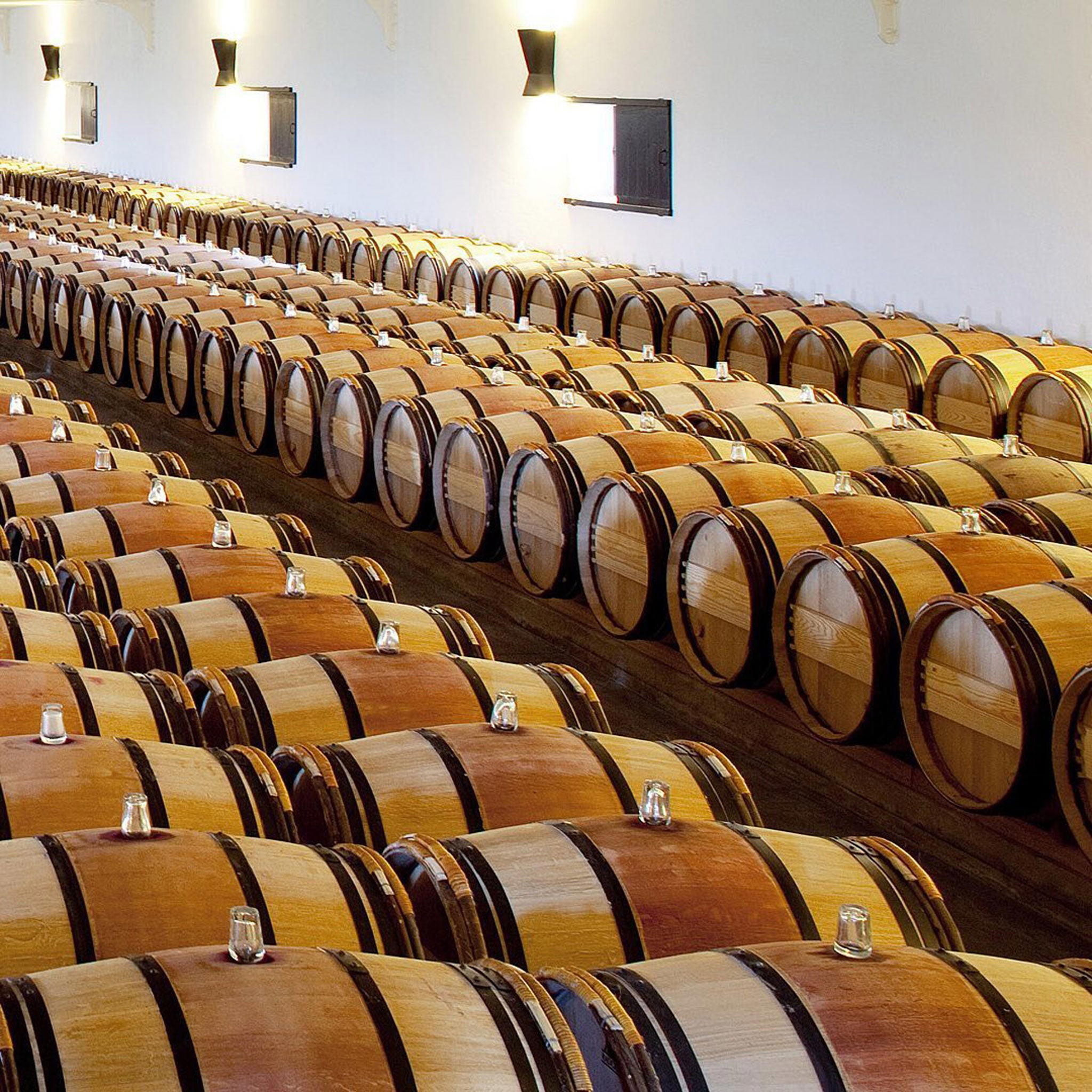
Bars in Pauillac
Browse all →

Restaurants in Pauillac
Browse all →
At a Glance
- Classic
- Elegant
- Sophisticated
- Well Known
- Wine Education
- Special Occasion
- Vineyard Tour
- Historic Building
- Organic
- Vineyard
- Pauillac AOC
- Cabernet Sauvignon
- Merlot
- Petit Verdot
- Cabernet Franc
- Still Red
- Cave Tasting
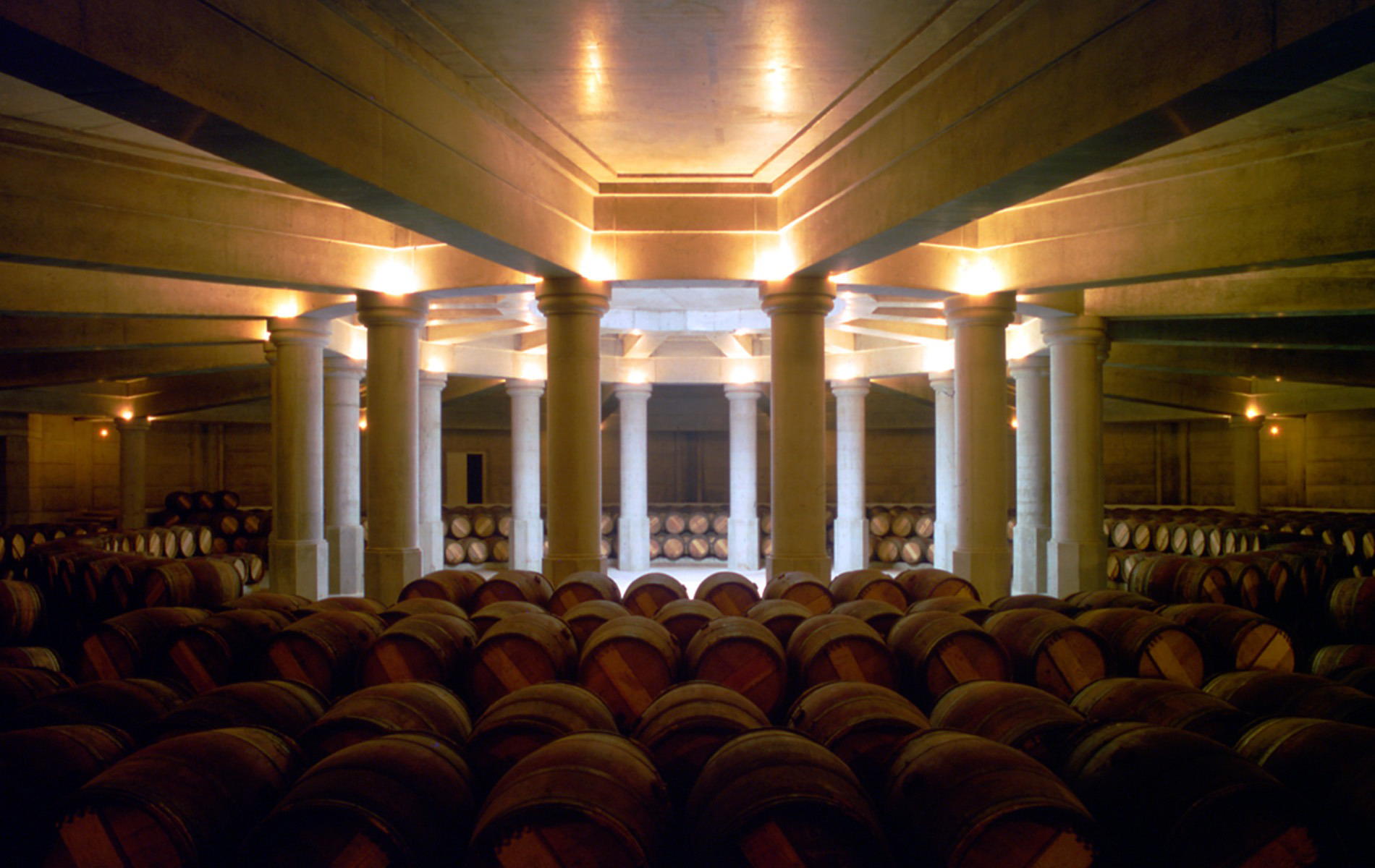
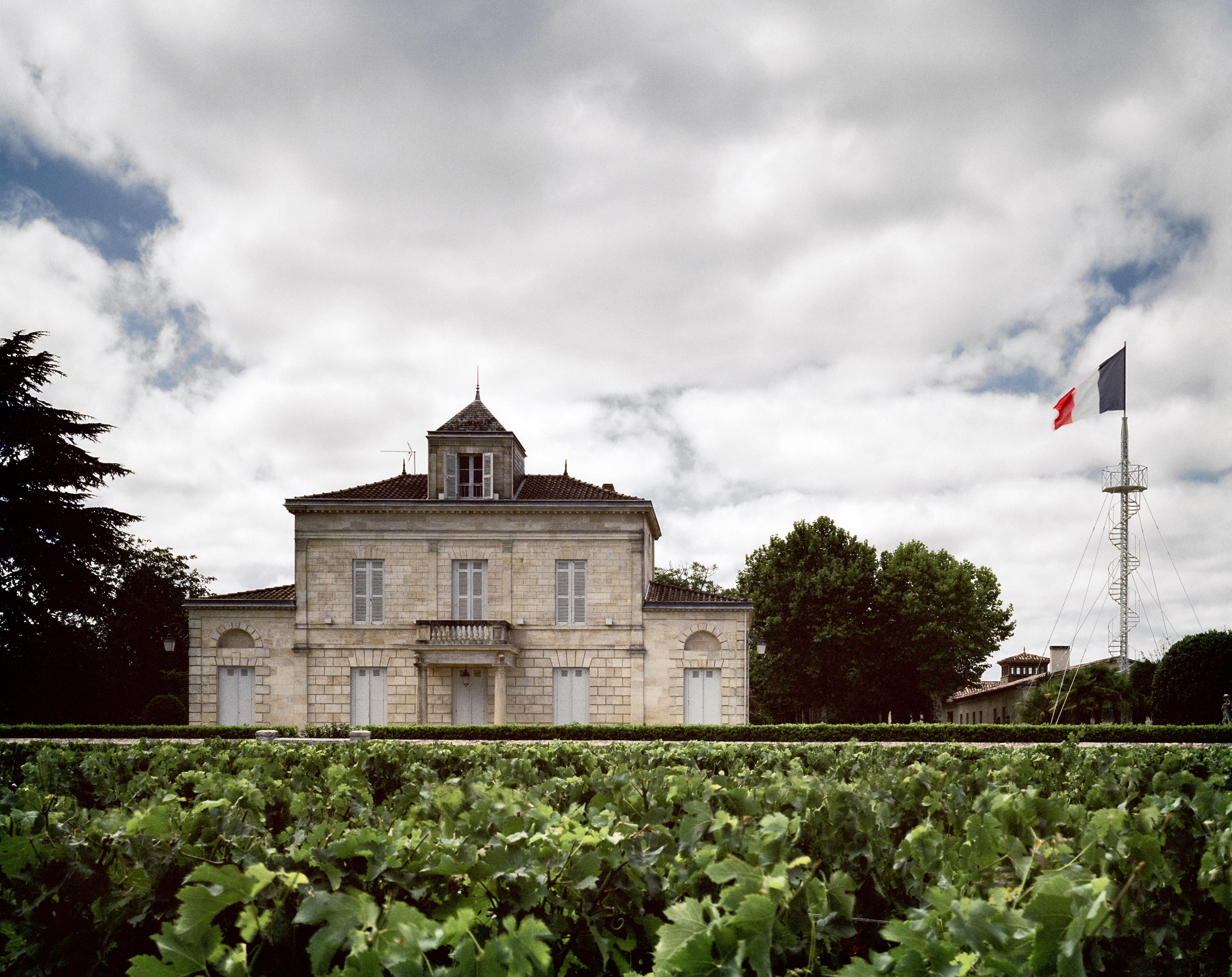
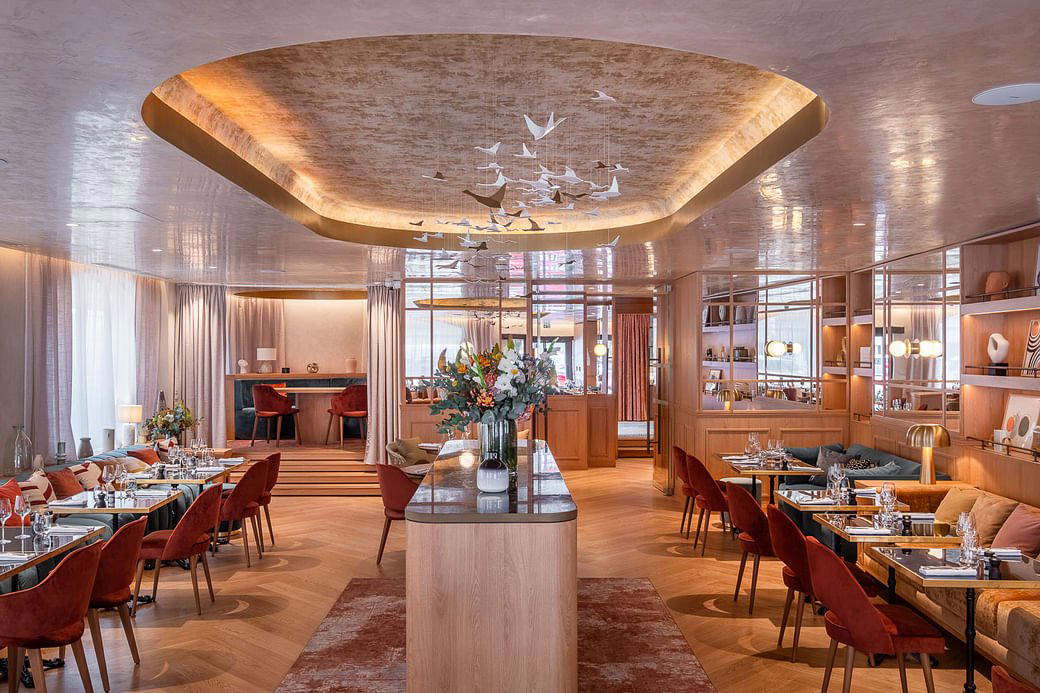
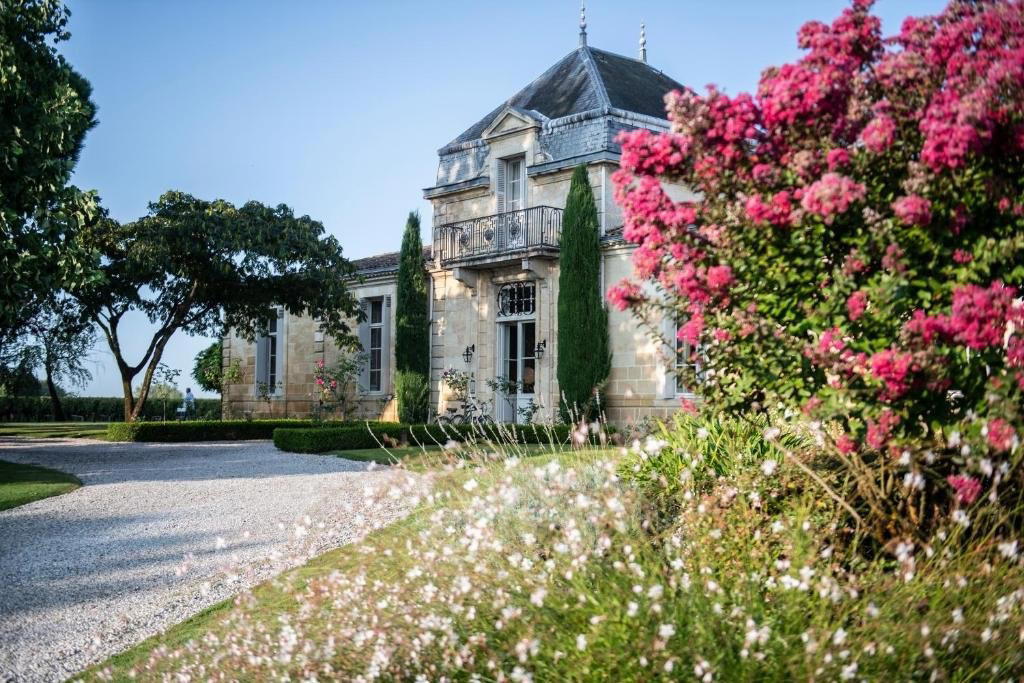
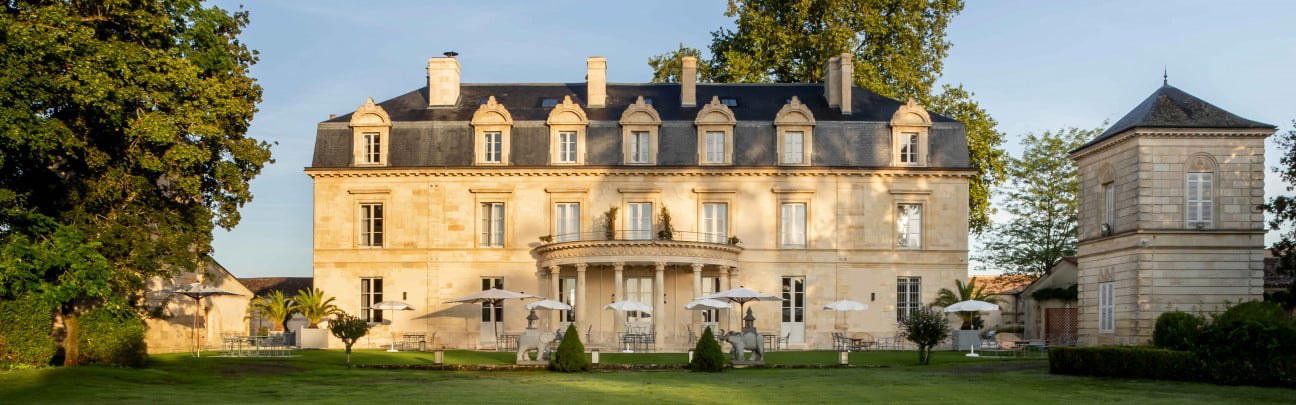
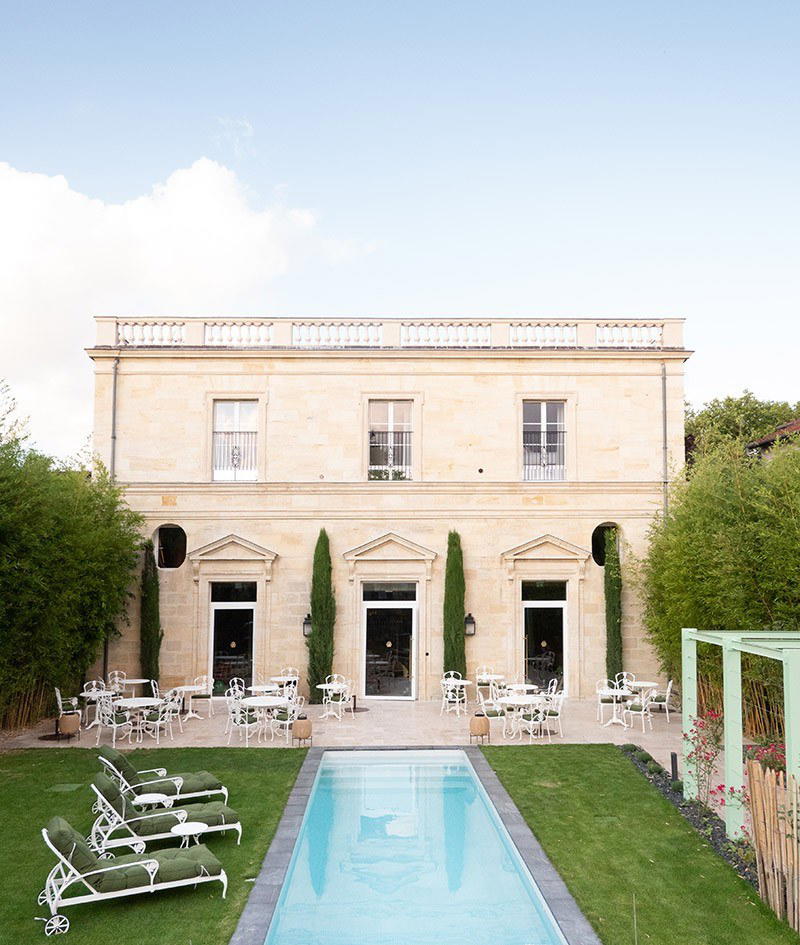
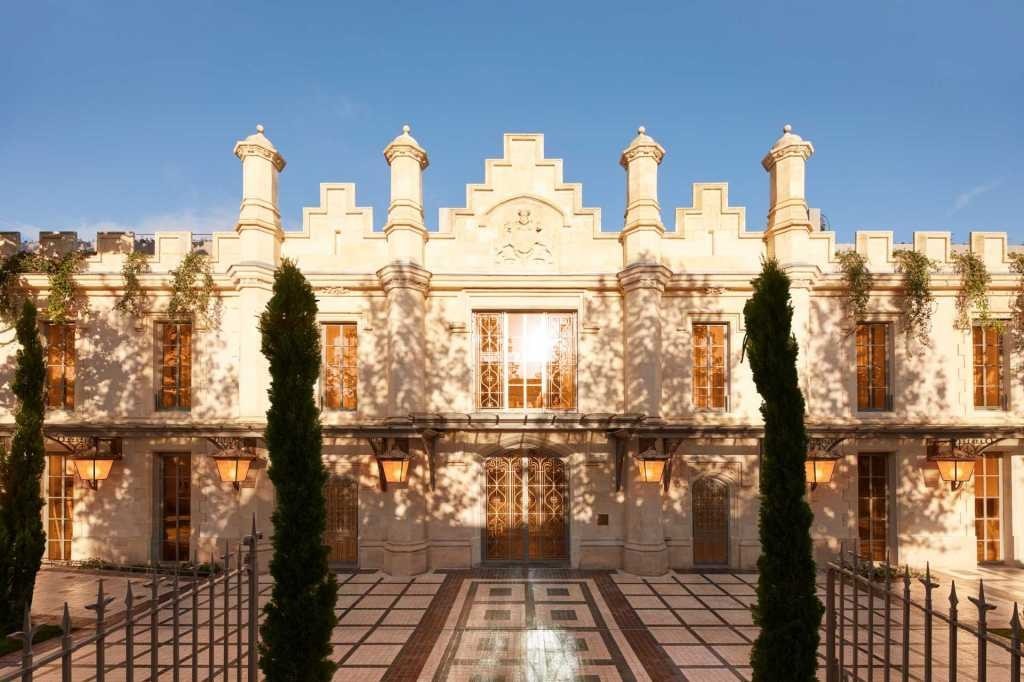
Elegant and sophisticated atmosphere blending historic prestige with modern architectural transparency.