
Falstaff Winery - Listed
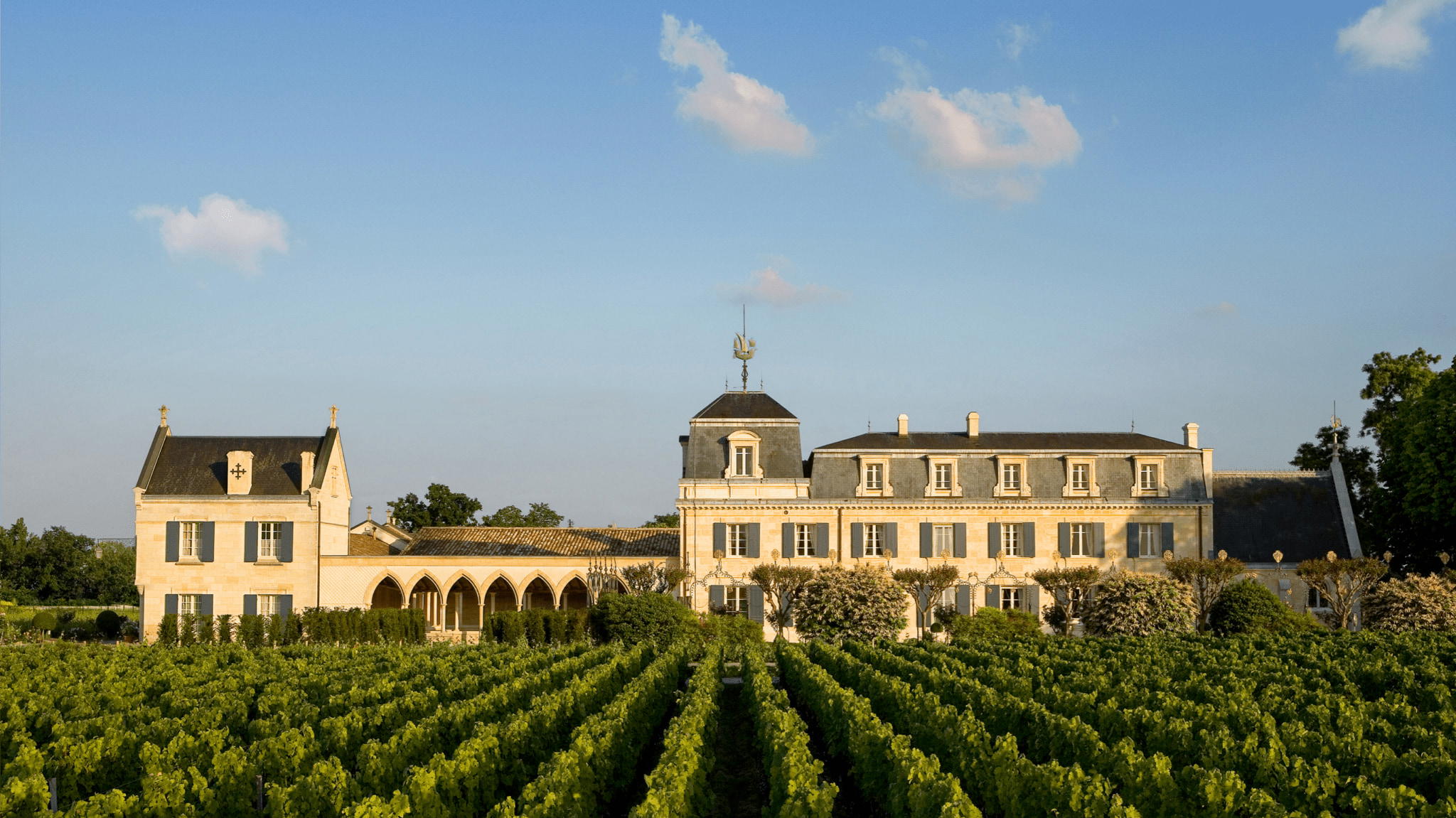
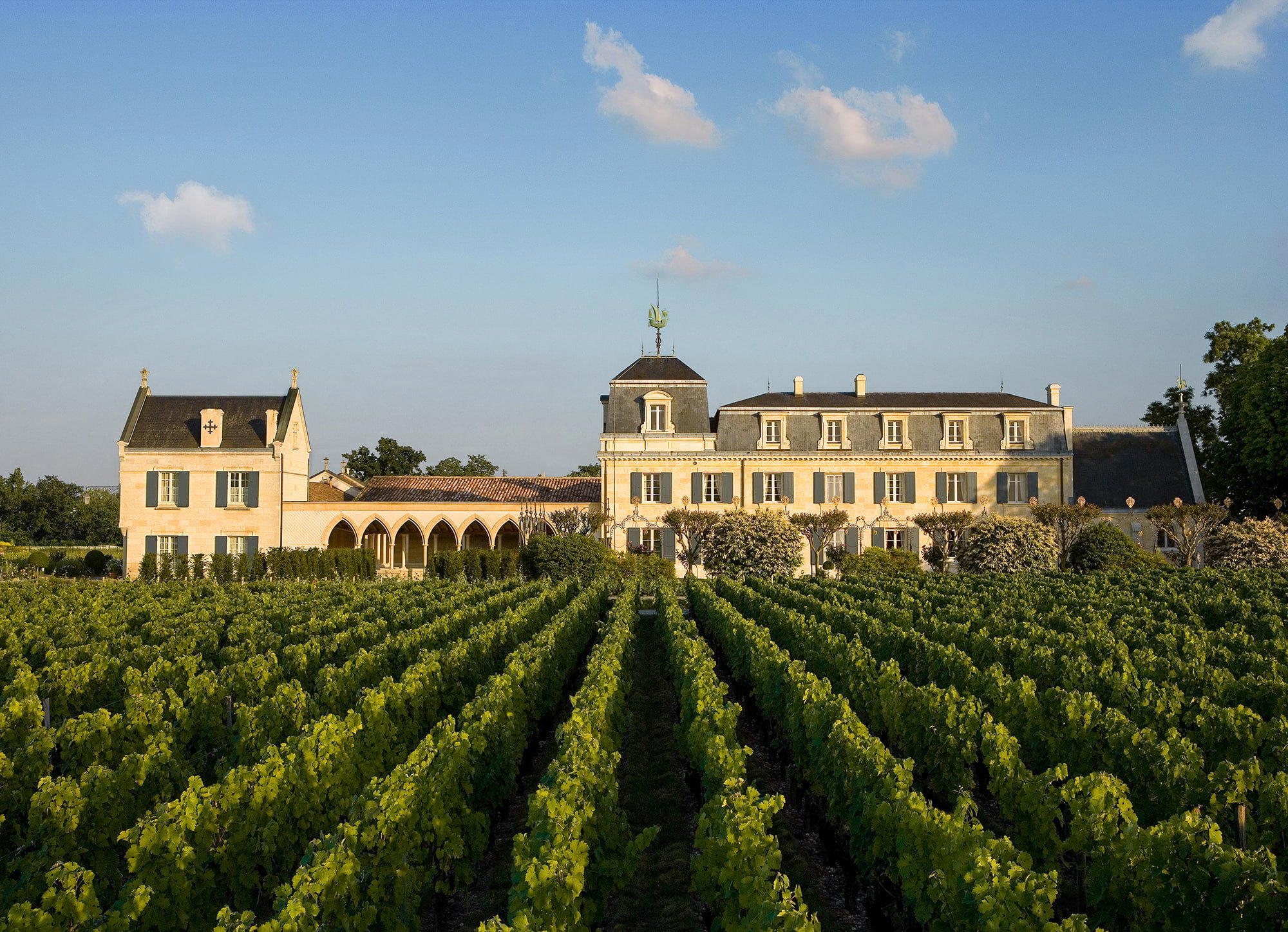
Château La Lagune sits in Ludon-Médoc on the southern approach to the Haut-Médoc appellation, where the gravel ridges thin and the soils shift toward the estuary.

Pearl is the En Primeur Club membership app — saves, bookings, and concierge access live there. Same editors, same standards.
- Address
- 81 Av. de l'Europe, 33290 Ludon-Médoc
- Phone
- +33 5 57 88 82 77
- Website
- chateau-lalagune.com
- Directions
- Get directions
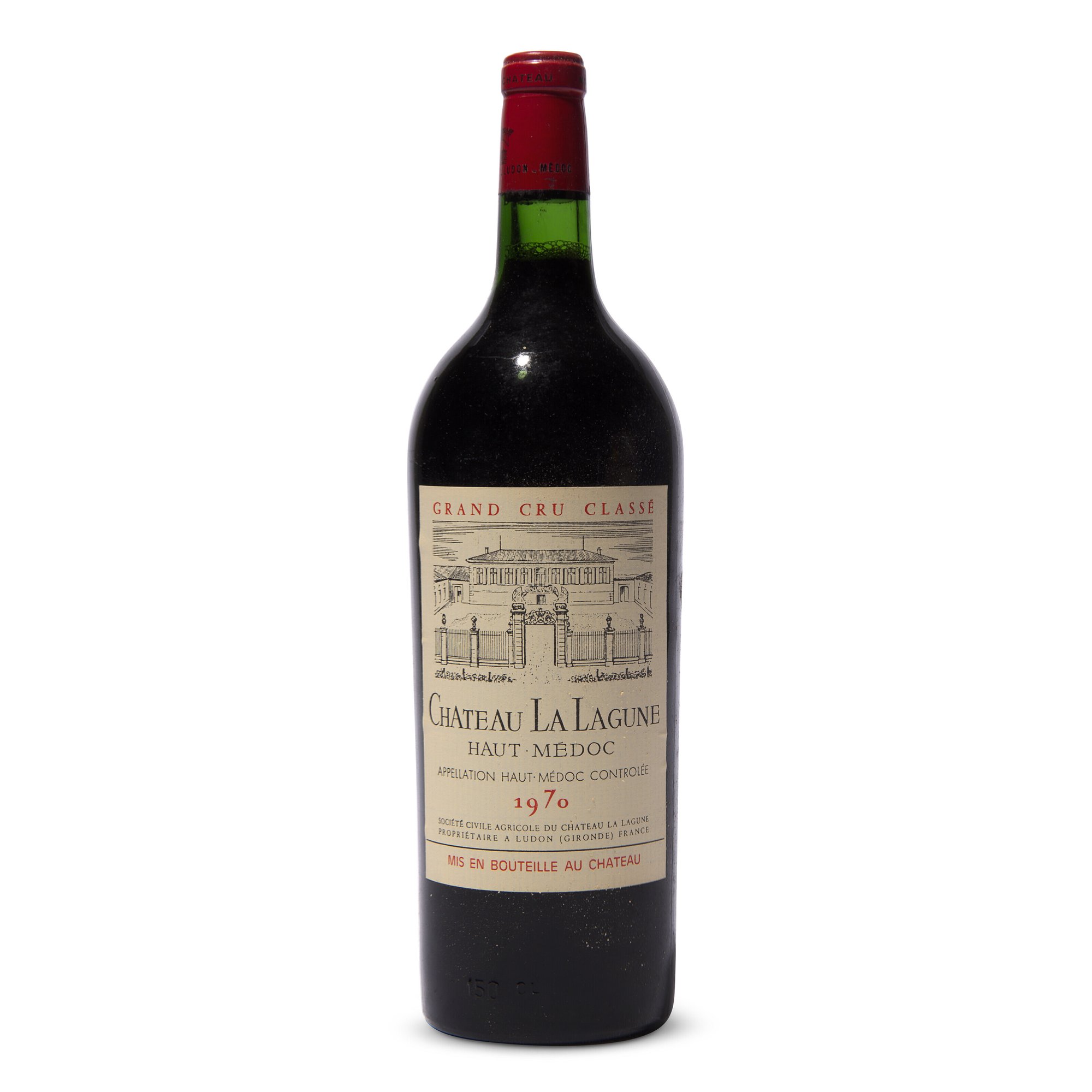
Where the Haut-Médoc Begins — and What That Means for the Wine
The Route des Châteaux runs north from Bordeaux through a procession of classified estates, but the first serious terroir it crosses belongs to Ludon-Médoc. Château La Lagune, addressed on the Avenue de l'Europe at number 81, occupies this threshold position: close enough to the city that its soils carry the southernmost expression of the appellation's deep gravel deposits, yet far enough from the prestige communes of Margaux and Saint-Julien that it operates in a slightly different conversation. That geography is not a disadvantage. It is the lens through which La Lagune's wines are leading understood.
The broader Haut-Médoc appellation contains a number of properties whose standing depends on terroir rather than commune prestige alone. Estates like Château Cantemerle in Haut-Médoc share this structural reality: classified within the 1855 system, serious in ambition, but priced and discussed in relation to their appellation rather than to the village-level names that dominate the region's marketing.
The Ground Beneath the Vines
Ludon's soils mark a transition. The deep Günzian gravel beds that produce Médoc's most structured Cabernet Sauvignon reach their southern limit in this part of the appellation. The gravel here is shallower in places, with more clay influence beneath, which tends to moderate alcohol accumulation and lengthen the growing season's ripening arc. Across the Left Bank, this soil signature correlates with wines that arrive at phenolic maturity slightly later and that carry more textural density in mid-palate than the lighter gravel expressions found further north.
That geological context matters when reading La Lagune against its regional peers. Properties in the northern Médoc — from Pauillac estates like Château Batailley to Saint-Julien houses like Château Branaire Ducru, draw on gravel profiles that differ in depth and drainage. La Lagune's address at the southern edge of the appellation gives its Cabernet a different structural baseline, one that rewards patience at the table and in the cellar in ways that do not mirror the northern communes' more immediately expressive profiles.
This is part of why Haut-Médoc as a catch-all appellation contains such genuine variation. Looking across the Right Bank, terroir-driven properties such as Château Bélair-Monange in Saint-Emilion and Château Clinet in Pomerol demonstrate how soil composition, limestone plateau versus clay-gravel on the Right Bank; gravel ridges of varying depth on the Left, produces wines that defy simple hierarchical comparison. La Lagune's southerly Haut-Médoc position fits into that same principle: the appellation name tells you the administrative category; the soil tells you what the wine actually wants to do.
The Estate in Its Competitive Set
Within the 1855 Classification, La Lagune holds a Third Growth designation, one of only a handful of classified properties in Ludon-Médoc. The classification places it in a tier that spans the Médoc appellations, alongside estates whose communes and soils vary considerably. At this level, the market compares properties across commune lines, and the practical result is that La Lagune trades at a price point where buyers are weighing it against southern Margaux estates, some classified growths from Cantenac (such as Château Boyd-Cantenac), and a handful of Haut-Médoc appellation peers.
Buyers looking at comparably classified properties elsewhere, say, in Labarde, where Château Dauzac operates at a similar classification level, can use that award as a functional signal of where La Lagune sits in current-release quality assessments.
Approaching La Lagune: What to Expect
The château is set on the Avenue de l'Europe in Ludon-Médoc, a commune that sits roughly 20 kilometres north of central Bordeaux. The southern Médoc estates are accessible from Bordeaux by car along the D2, the wine route that threads through the appellation communes. La Lagune is among the first major classified estates a visitor encounters on that route heading north, which makes it a logical first or last stop on a Médoc itinerary rather than a detour from the more concentrated northern cluster.
For those planning a wider Left Bank circuit, the sequencing matters practically. Properties like Château Bastor-Lamontagne in Preignac and Château d'Arche in Sauternes sit south of Bordeaux and represent a different appellation entirely, but travellers combining a Sauternes visit with a Médoc run will find that Ludon sits on the northern bookend of a single-day route that covers the Garonne and Gironde banks from the city outward. Visitors should confirm access and any booking or visit requirements directly with the estate before arriving, as policies can change seasonally.
La Lagune in the Broader Bordeaux Context
Bordeaux's premium tier has been subject to intense scrutiny over the past several years, with en primeur pricing, négociant relationships, and changing consumer patterns all reshaping how classified estates communicate value. Left Bank Third Growths occupy an interesting position in that debate: classified status gives them historical legitimacy, but the market now expects current-vintage quality to justify premium pricing rather than relying on the 1855 frame alone.
The approach taken by serious Haut-Médoc estates in this tier mirrors what is happening across other French fine wine regions. In Alsace, estates like Albert Boxler in Niedermorschwihr have built reputations that exceed their administrative classification by letting terroir expression do the critical work. In Provence, the category evolution around rosé has pushed properties such as Château d'Esclans into premium positioning that was structurally unavailable a generation ago. Bordeaux's classified estates are navigating a version of the same pressure: the 1855 system provides a floor of recognition, but annual critical assessment increasingly determines where bottles land in the secondary market and on restaurant lists.
It does not replace the 1855 Classification as a reference point, but it adds a current-vintage quality signal that positions the estate for buyers who want evidence beyond historical ranking. For properties at this level, that layering of credentials, historical classification plus contemporary critical recognition, is how serious Bordeaux estates maintain relevance in a market that has more choices and more information than at any previous point in the appellation's history.
For a broader picture of what Ludon and the surrounding Médoc offer, see our full Ludon restaurants guide. Those interested in how Bordeaux-style structured reds compare across Médoc sub-appellations can also look at the critical assessments for Château Batailley in Pauillac and Château Branaire Ducru in Saint-Julien to build a comparative reading of how Left Bank soil types translate into structural differences in the glass.
Side-by-Side Snapshot
Comparable venues nearby, for context on price, style, and recognition.
| Venue | Cuisine | Price | Awards | Notes |
|---|---|---|---|---|
| Château La LaguneThis venue — the venue you are viewing | Cabernet Sauvignon, Merlot | $50–100 | Falstaff Winery - Listed | Not listed |
| Château La Tour-Carnet | Merlot, Cabernet Sauvignon | Not listed | Falstaff Winery - 2 Stars | Saint-Laurent-de-Médoc |
| Château Grand-Puy-Lacoste | Cabernet Sauvignon, Merlot | Not listed | Michelin 1 Grape · Falstaff Winery - Listed | Pauillac |
| Château Clerc Milon | Cabernet Sauvignon, Merlot | Not listed | Michelin 1 Grape · Falstaff Winery - 3 Stars | Pauillac |
| Château Giscours | Cabernet Sauvignon, Merlot | Not listed | Michelin 1 Grape · Falstaff Winery - 3 Stars | Labarde |
| Château Kirwan | Cabernet Sauvignon, Merlot | Not listed | Falstaff Winery - 3 Stars | Cantenac |
Recognition history
Dated appearances from independent guides and award organizations, with the underlying list record or original source where available.
Falstaff Winery - Listed
Falstaff
Continue exploring
More in Ludon
Wineries in Ludon
Browse all →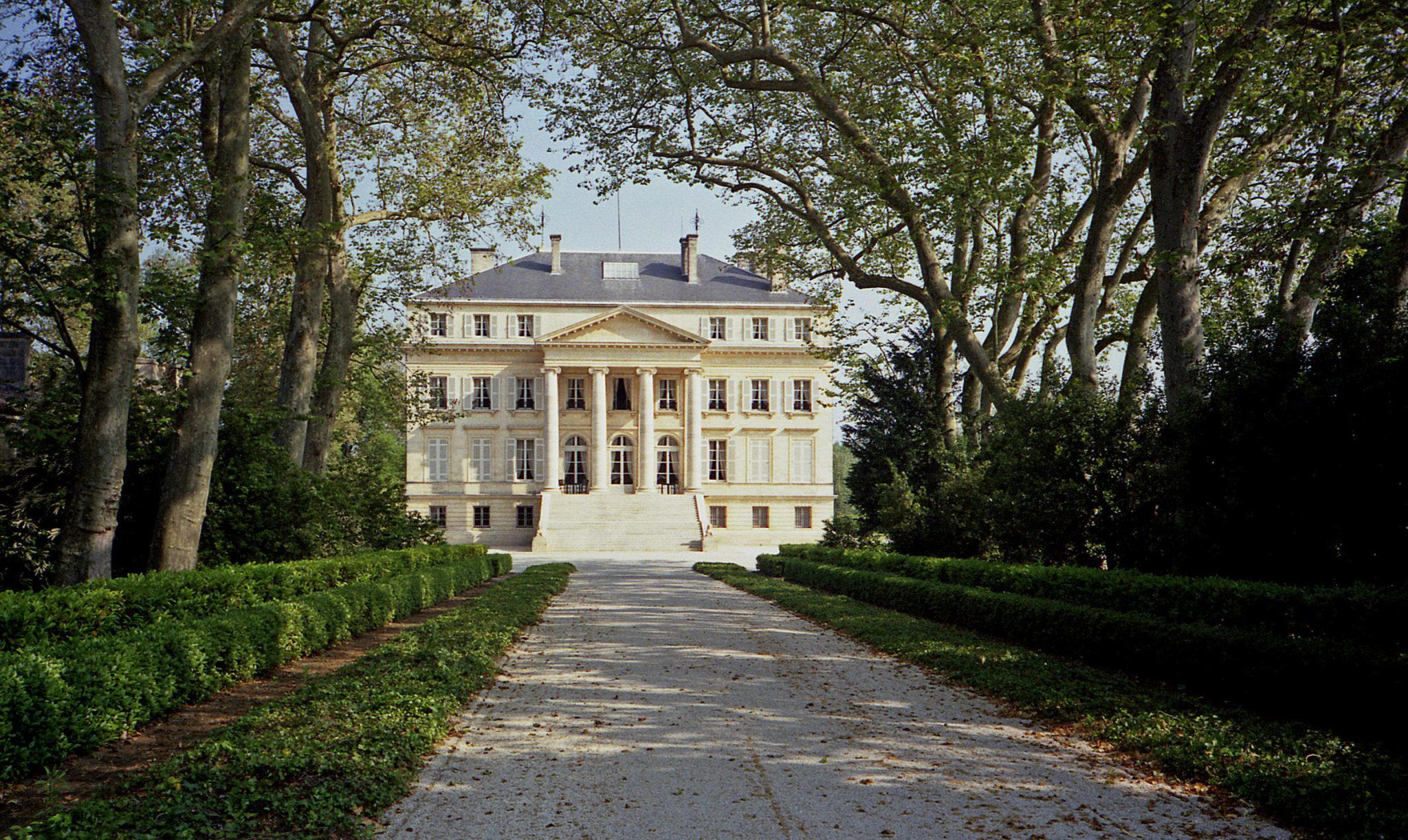
Bars in Ludon
Browse all →
Restaurants in Ludon
Browse all →
Details
- Elegant
- Classic
- Sophisticated
- Scenic
- Wine Education
- Romantic Getaway
- Special Occasion
- Group Outing
- Estate Grounds
- Vineyard Tour
- Historic Building
- Design Destination
- Private Tasting
- Barrel Room
- Biodynamic
- Organic
- Vineyard
- Garden
- Cabernet Sauvignon
- Merlot
- Petit Verdot
- Still Red
- Private Tasting
- Vineyard Tour
- French
- English
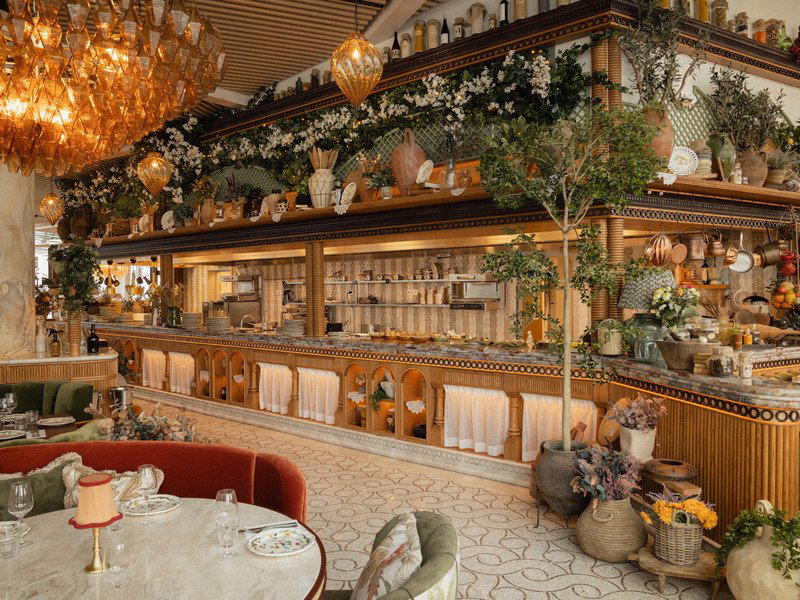
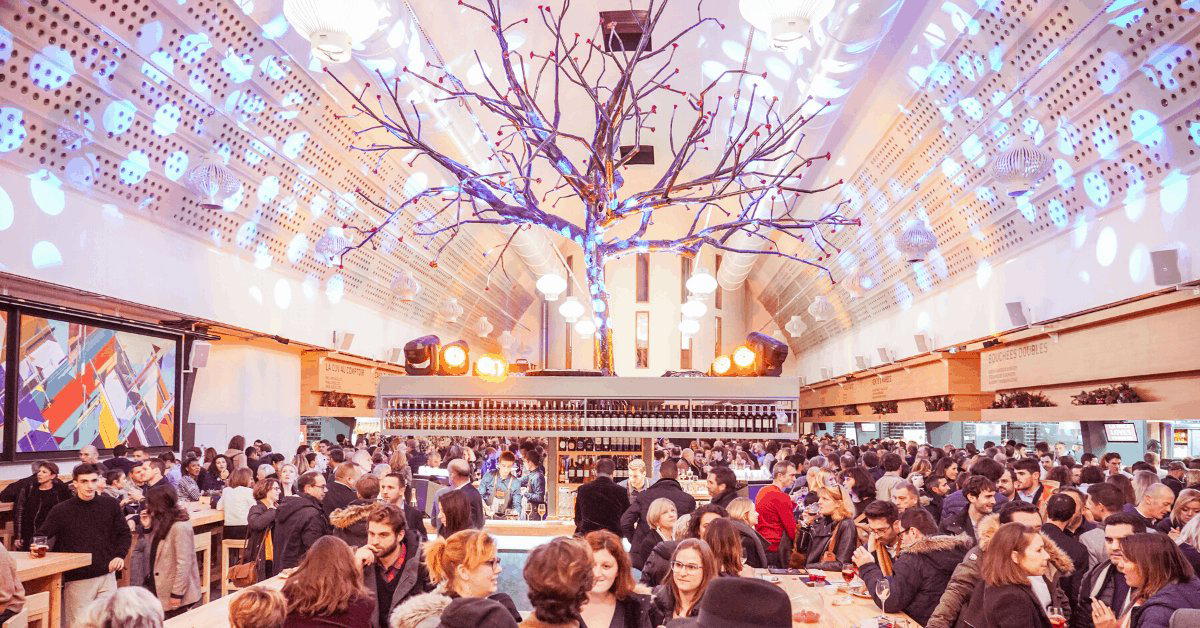
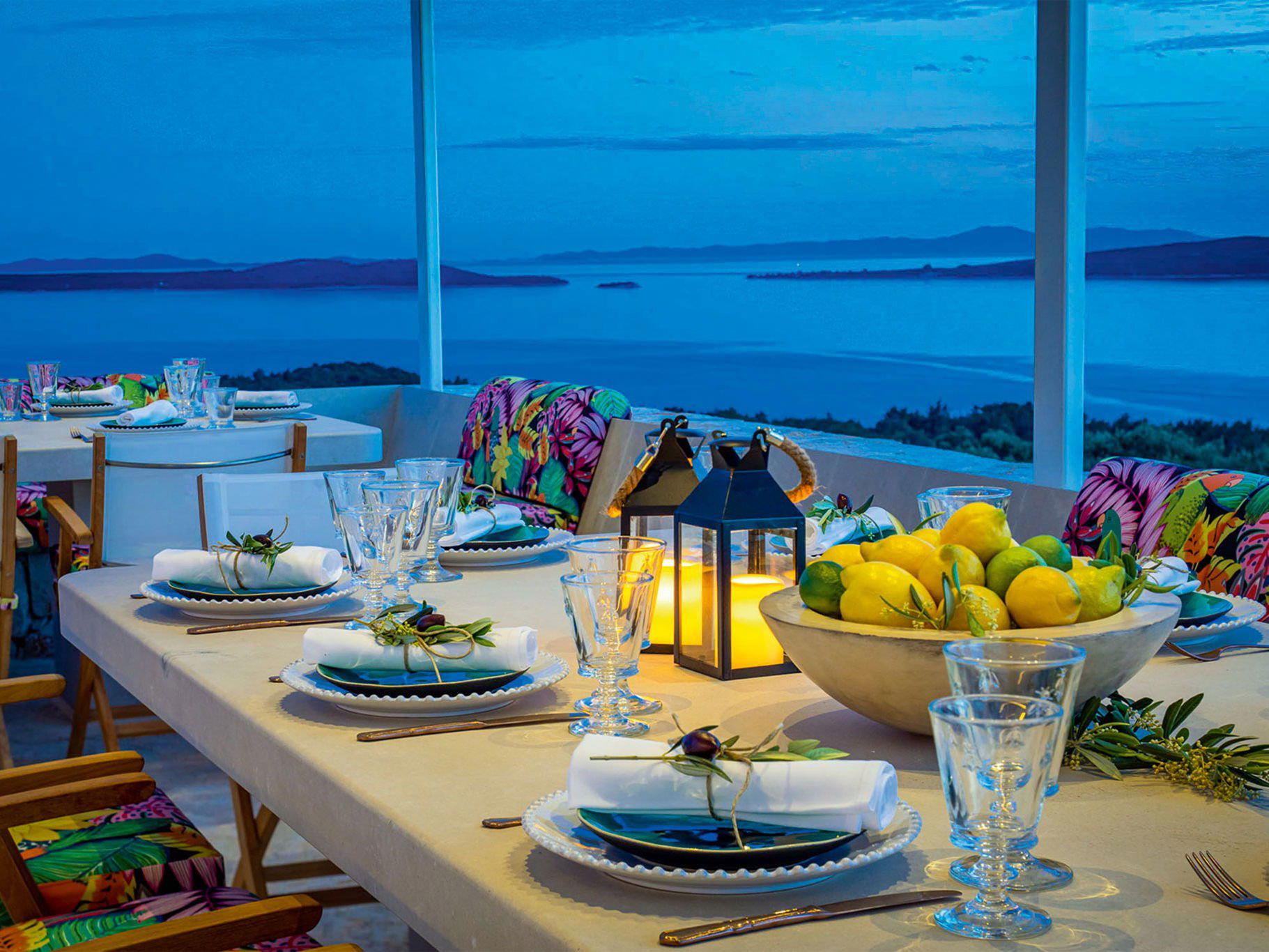
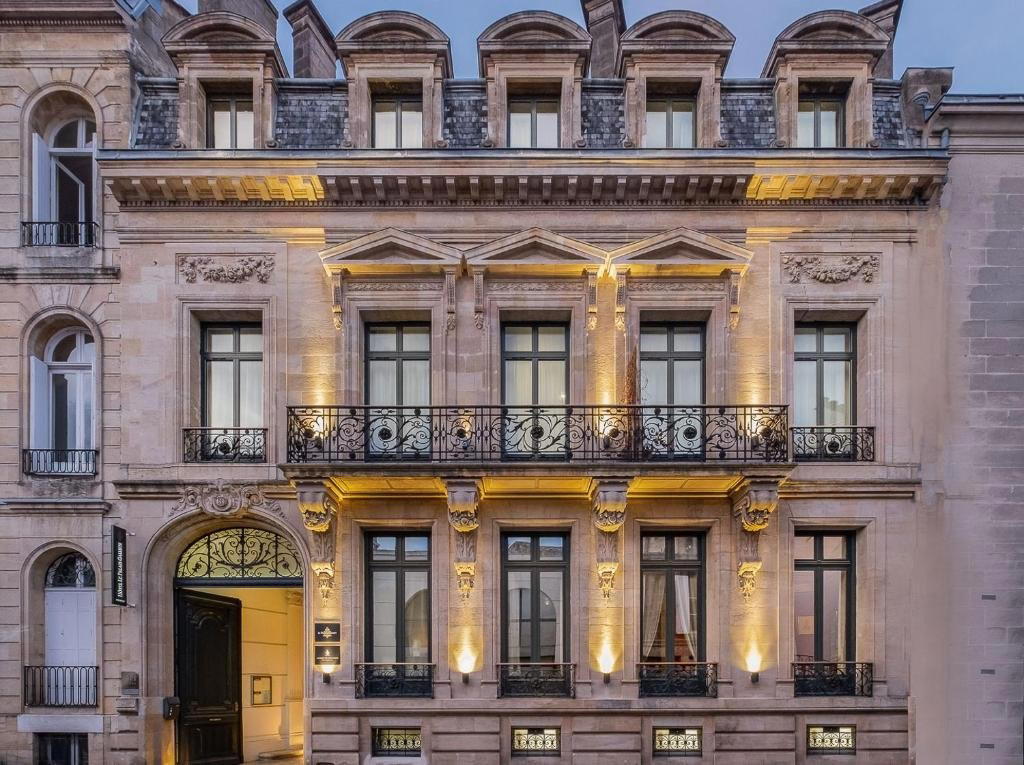
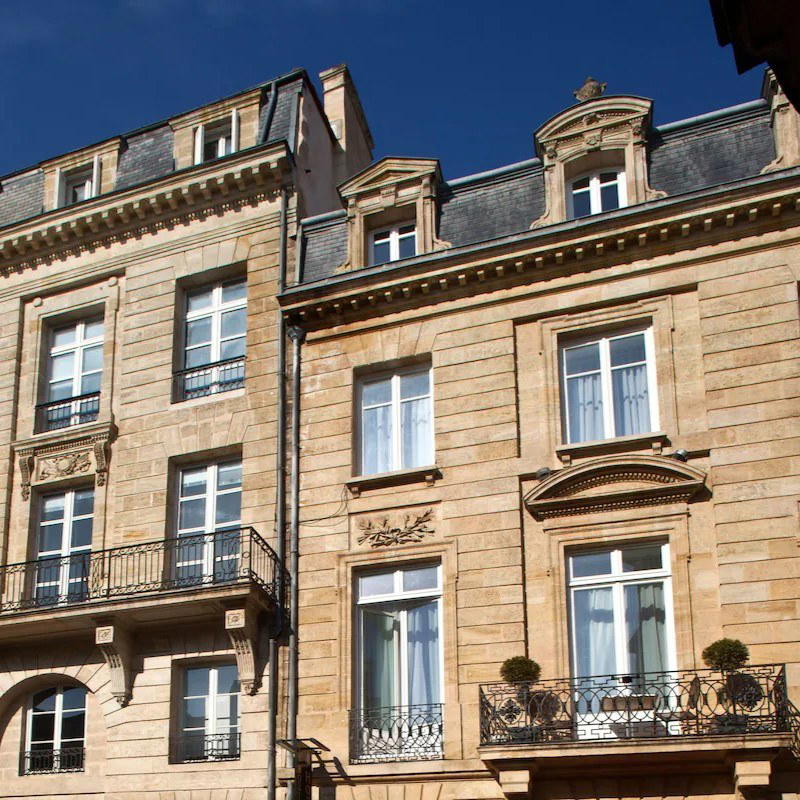
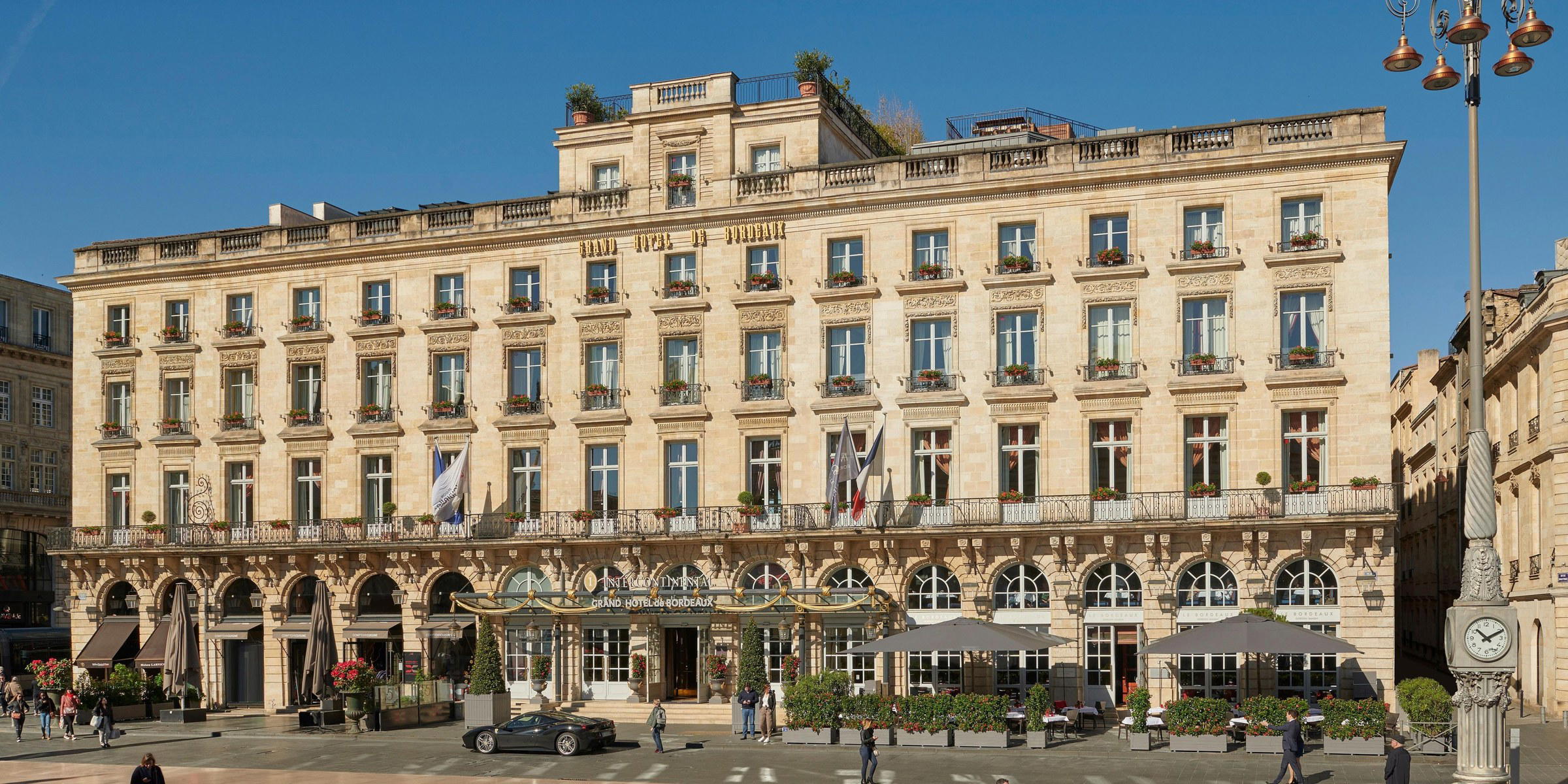
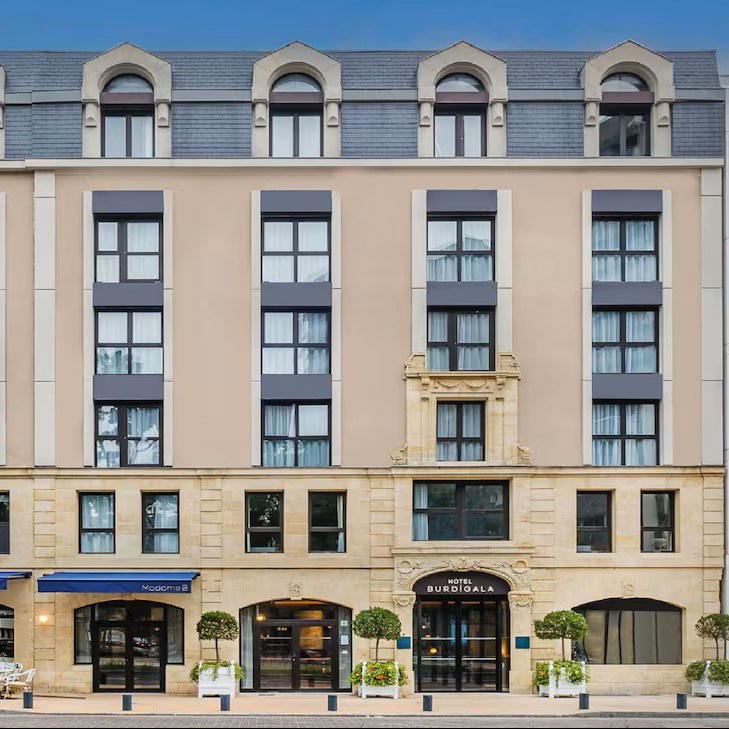
Refined and elegant atmosphere blending French classical architecture with contemporary design; the vaulted kitchen honors French art de vivre with refinement and conviviality.