

The property sits within one of the Médoc's most storied appellations, producing Cabernet Sauvignon-dominant blends from a substantial Left Bank vineyard. For collectors and visitors approaching the southern edge of the Margaux appellation, Giscours represents a serious reference point.
Pearl is the En Primeur Club membership app — saves, bookings, and concierge access live there. Same editors, same standards.
- Address
- 10 Rte de Giscours, 33460 Labarde
- Phone
- +33 5 57 97 09 09
- Website
- giscours.com
- Directions
- Get directions
 Saves & bookings on Pearl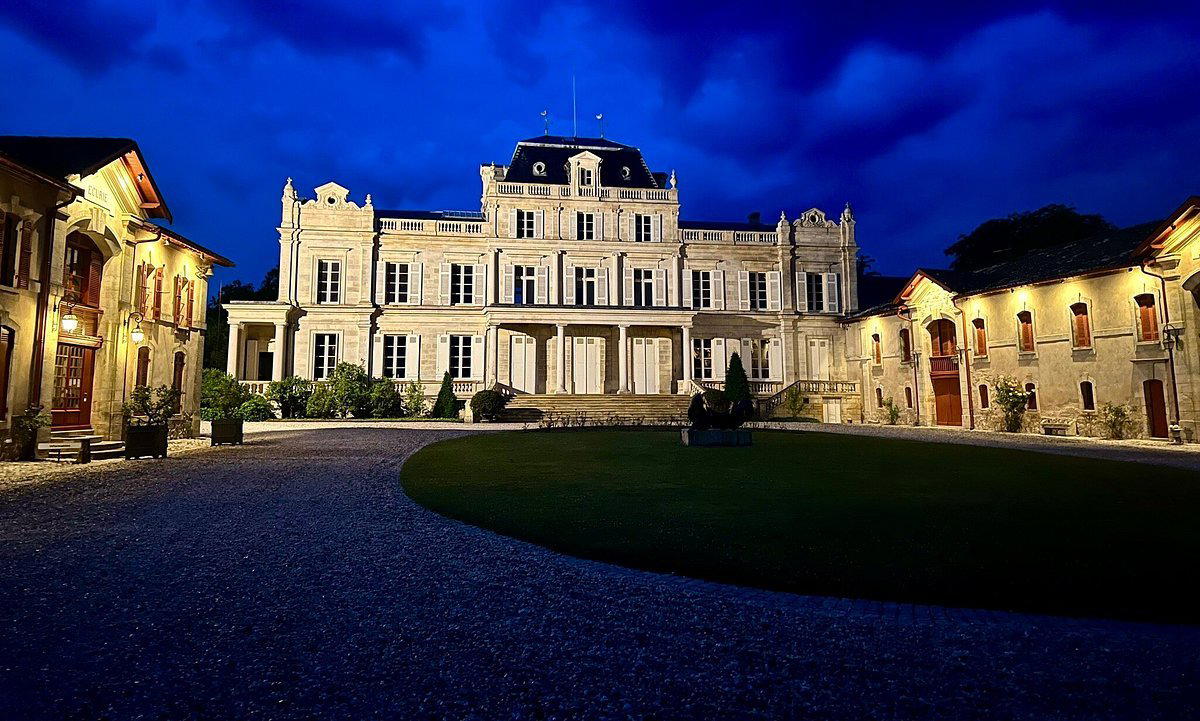
The Southern Edge of Margaux's Gravity
The Margaux appellation does not distribute its prestige evenly. The village of Margaux itself commands the headlines, but the appellation extends south through a chain of communes, Cantenac, Arsac, and finally Labarde, where the gravel-rich soils continue and the classified estates carry quieter profiles but equivalent pedigree. Labarde sits at that southern boundary, and Château Giscours, positioned on Route de Giscours, occupies a significant share of it. The estate earned its rank as a Third Growth in the 1855 Classification, the same framework that still governs how the Médoc is read by collectors, négociants, and en primeur buyers worldwide.
That classification context matters here. The 1855 ranking was not designed as a quality snapshot to be revisited annually, it was a trade document, and its persistence means that properties like Giscours carry institutional weight regardless of vintage variation or ownership changes. The practical consequence for the buyer is that Third Growth Margaux exists in a specific allocation tier, above the crus bourgeois that populate much of the appellation and below the First and Second Growths that benchmark Bordeaux, in direct competition with peers such as Château Boyd-Cantenac in Cantenac and Château Cantemerle in Haut-Médoc. These estates share both the appellation and, broadly, the same buyers.
Cabernet on Gravel: The Left Bank Template
Margaux is often described as particularly perfumed of the Médoc appellations, a characterisation that contrasts it with the more structured profiles associated with Pauillac or Saint-Julien. The gravel banks here tend toward finer particle sizes compared with the larger gravels further north, and the resulting wines typically carry more aromatic lift on Cabernet Sauvignon, the grape that dominates the blends across virtually every classified Margaux estate. Merlot plays a secondary role in most Left Bank blends, providing texture and early approachability, while Cabernet Franc and Petit Verdot appear as minority constituents in estates that want more structural complexity or aromatic detail.
Giscours works within that template. The estate's vineyard extent is substantial by appellation standards, which gives the team material to work with across multiple soil types, an advantage in variable vintages where block selection determines final blend quality. Comparison estates across the broader Médoc, including Château Batailley in Pauillac and Château Branaire Ducru in St-Julien, operate on a similar logic: extensive plots allow for granular sorting rather than whole-estate homogenisation. For en primeur assessment, this translates into wines where the quality of selection matters as much as the vintage's reputation.
The Prestige designation signals that this is a property considered at the reference level for its category, here, classified Margaux from the Left Bank's central appellations. That positioning aligns with how the estate reads in the broader market: a Third Growth with consistent critical recognition, distributed through the Bordeaux négociant network and available through en primeur release each spring.
The en primeur model, which remains the dominant purchase structure for classified Bordeaux, means that buyers commit to wines before bottling and delivery. For a property with Giscours's classification and track record, that window carries limited speculative risk compared with less-established estates. The tradeoff is that en primeur pricing often reflects optimism about the vintage, and buyers who prefer to assess the finished wine will find it on the secondary market two to three years after release. Both approaches have legitimate rationales depending on budget, storage access, and whether the buyer's interest is consumption or collection.
Estates at a comparable level across different appellations include Château Clinet in Pomerol and Château Bélair-Monange in Saint-Emilion, both Right Bank properties with strong critical followings that trade in a broadly similar price register. The contrast between Left and Right Bank is worth noting: Pomerol and Saint-Emilion run on Merlot-dominant blends with quite different aromatic and structural profiles. Collectors who work across both banks tend to think of them as complementary rather than interchangeable.
Labarde as a Destination
The Médoc remains among the more visitor-accessible wine regions in France, a fact that sometimes surprises buyers who associate Bordeaux with formality and restricted access. Many classified estates now operate formal visitor programmes, including cellar tours and structured tastings, though the level of advance booking required varies significantly. Labarde, as a small commune without the infrastructure of Margaux town itself, is best approached by car; the D2 wine road that runs the length of the Médoc provides one direct route between properties. The village sits roughly equidistant between Bordeaux city and the higher-profile northern communes of Pauillac and Saint-Estèphe.
For context on the wider appellation's producer range, Château Dauzac is the other classified estate based in Labarde itself, offering a useful in-commune comparison for visitors who want to understand how two Fifth and Third Growth estates interpret the same terroir.
Where Giscours Sits in a Wider Collector Framework
Left Bank Bordeaux is not the only frame of reference for buyers drawn to structured, cellarable red wines. Burgundy's leading Pinot Noir houses operate on an allocation model with even shorter supply and steeper secondary market premiums. In Alsace, estates like Albert Boxler in Niedermorschwihr represent a completely different idiom: single-variety whites from grand cru plots, with production runs that make even small Margaux estates look generously scaled. Sauternes, which runs adjacent to the Graves region, produces classified sweet wines at properties including Château Bastor-Lamontagne in Preignac and Château d'Arche in Sauternes, a category that occupies its own classification system and its own collector niche.
Beyond France, reference points for understanding how estate-grown, classification-tier wines trade internationally include properties as different as Accendo Cellars in St. Helena in Napa Valley and Château d'Esclans in Courthézon in Provence, both estates where the intersection of production scale, critical recognition, and distribution model determines market positioning in ways that parallel the Bordeaux classification logic, even without its formal structure.
Planning a Visit
Château Giscours is located at 10 Route de Giscours, 33460 Labarde. Visitors should contact the estate directly through official channels before travelling; the estate is appointment only. For those exploring the Médoc more widely, spirits producers including Chartreuse in Voiron and Aberlour in Aberlour offer a useful contrast for travellers building multi-stop itineraries across French and Scottish production regions.
A Pricing-First Comparison
Comparable venues nearby, for context on price, style, and recognition.
| Venue | Cuisine | Price |
|---|---|---|
| Château GiscoursThis venue — the venue you are viewing | Labarde, Cabernet Sauvignon, Merlot | $$$$ |
| Château Dauzac | Labarde, Cabernet Sauvignon, Merlot | $$$ |
| Château Pichon-Longueville-Comtesse-de-Lalande | Pauillac, Cabernet Sauvignon, Merlot | $$$$ |
| Château Grand-Puy-Ducasse | Pauillac, Cabernet Sauvignon, Merlot | $$$$ |
| Château Suduiraut | Preignac, Semillon, Sauvignon Blanc | $$$$ |
| Château d’Armailhac | Pauillac, Cabernet Sauvignon, Merlot | $$$$ |
Recognition history
Dated appearances from independent guides and award organizations, with the underlying list record or original source where available.
Falstaff Winery - 3 Stars
Falstaff
Michelin 1 Grape
Michelin
Continue exploring
More in Labarde
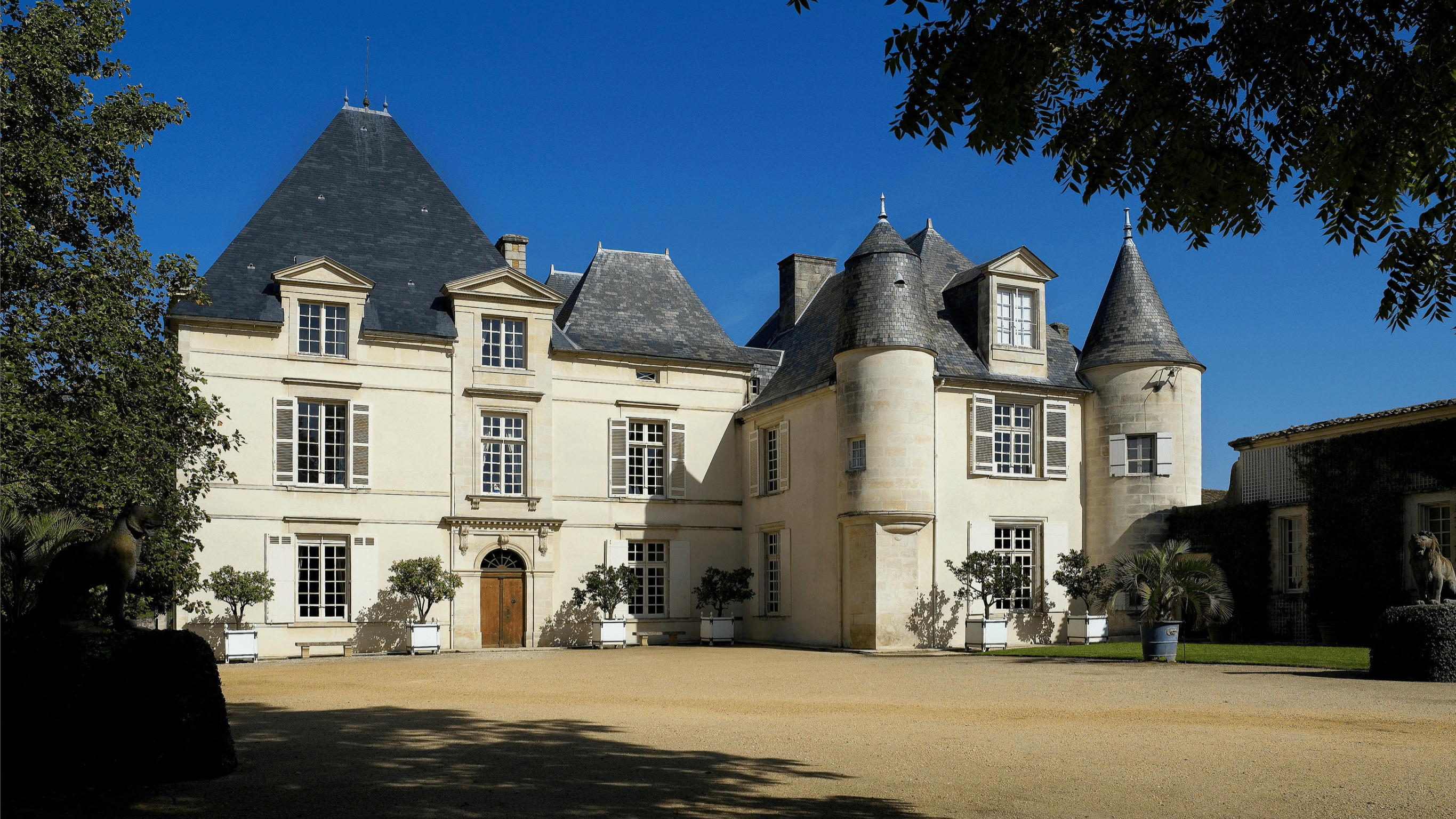
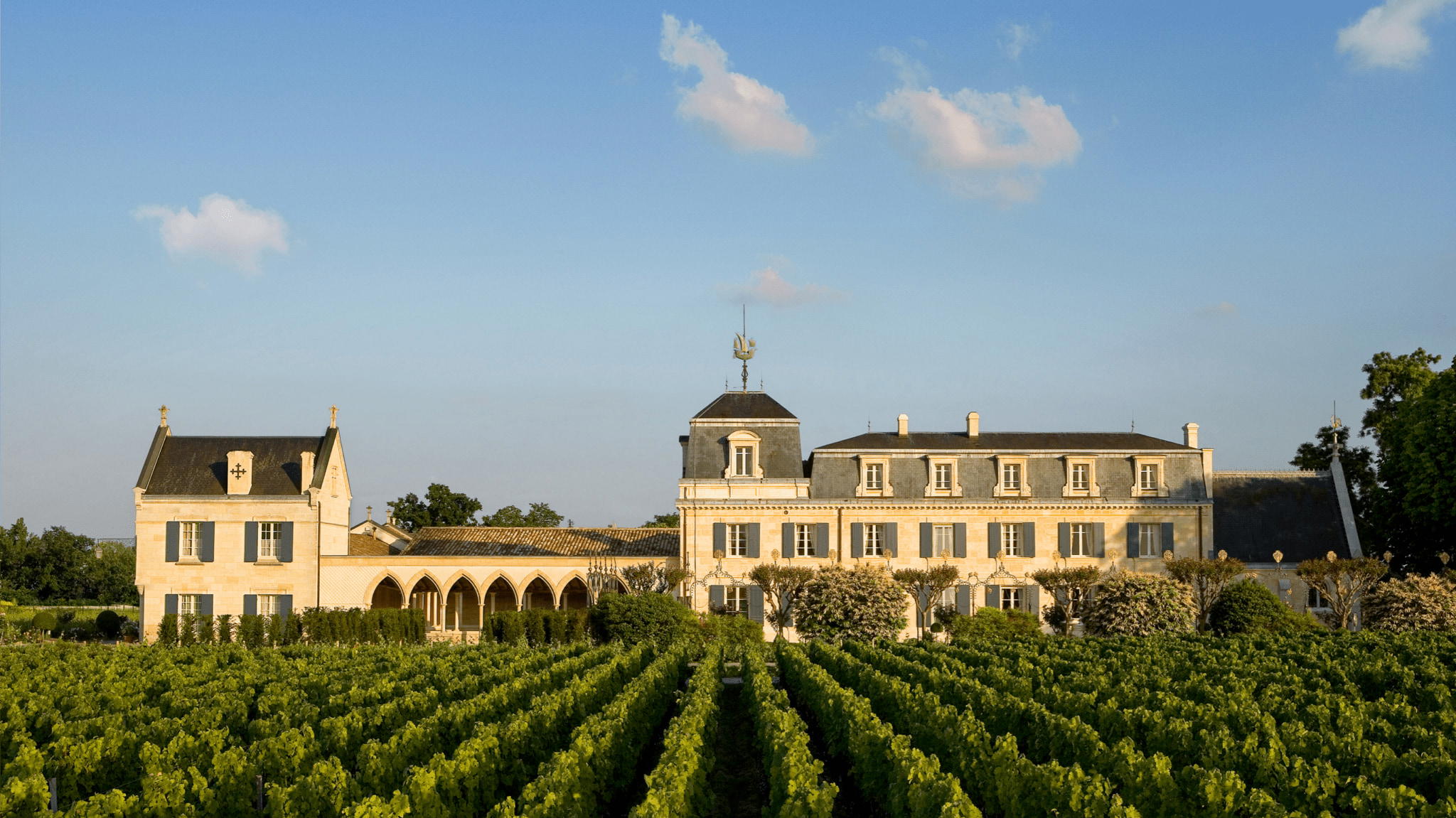
Wineries in Labarde
Browse all →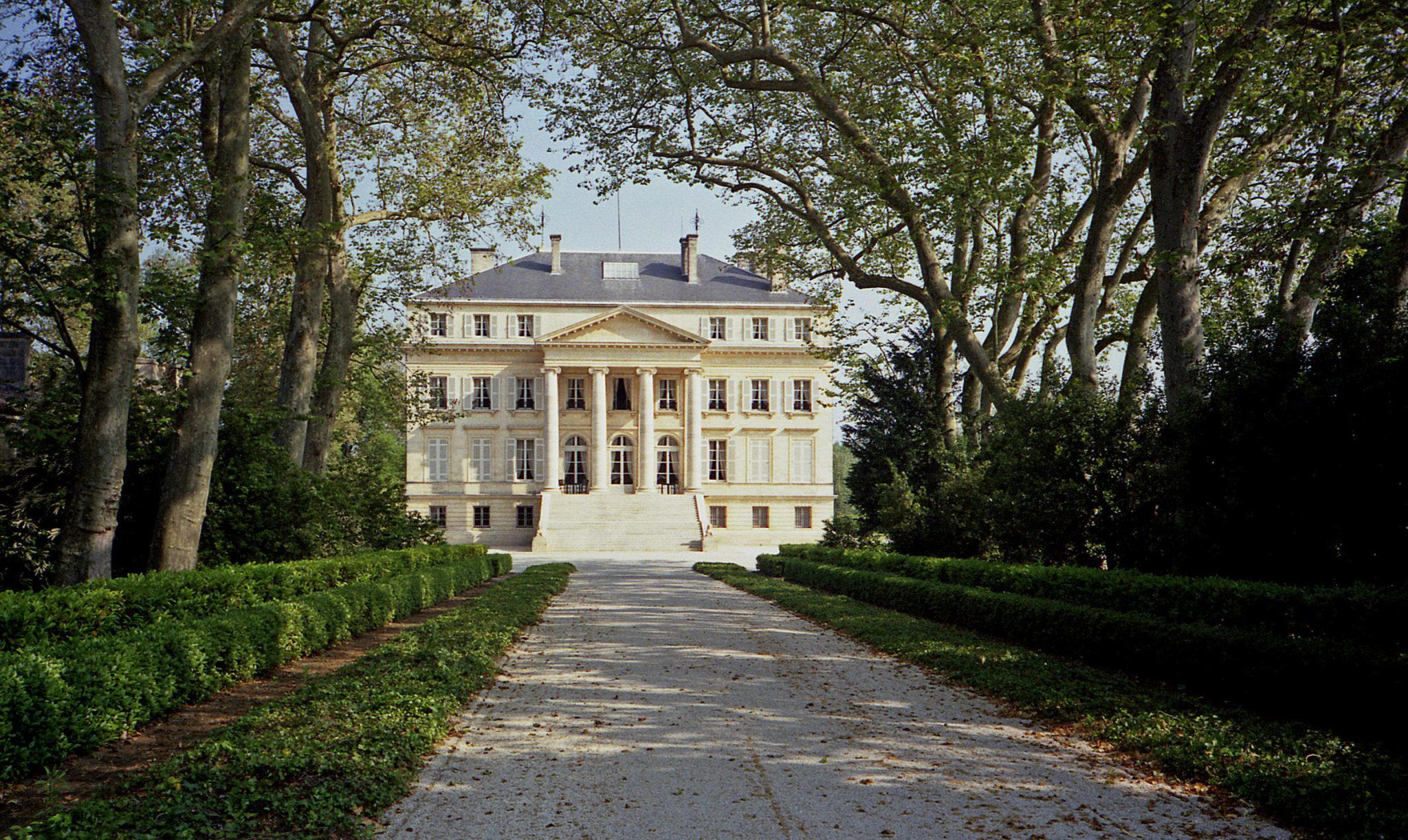
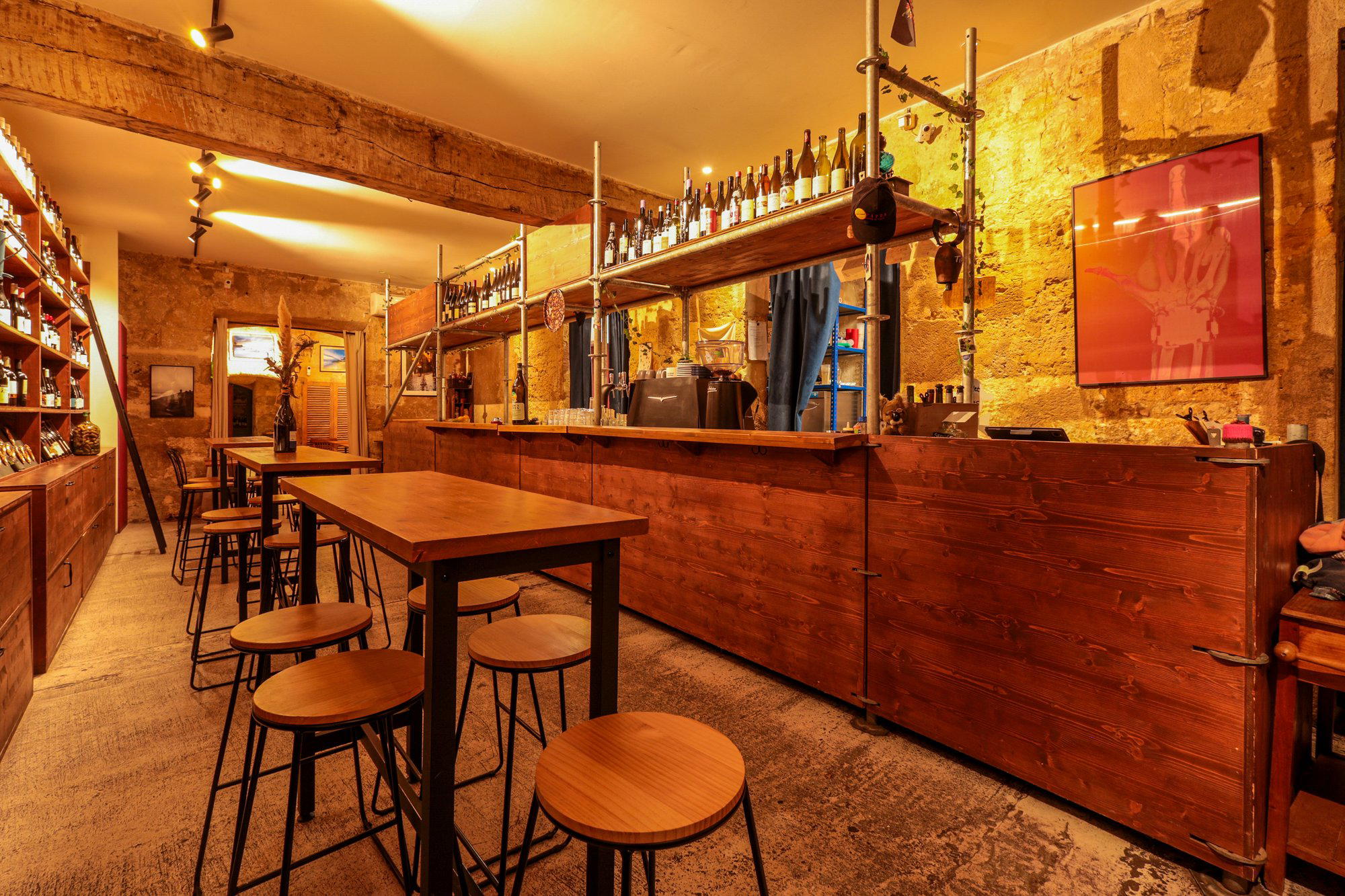
Bars in Labarde
Browse all →
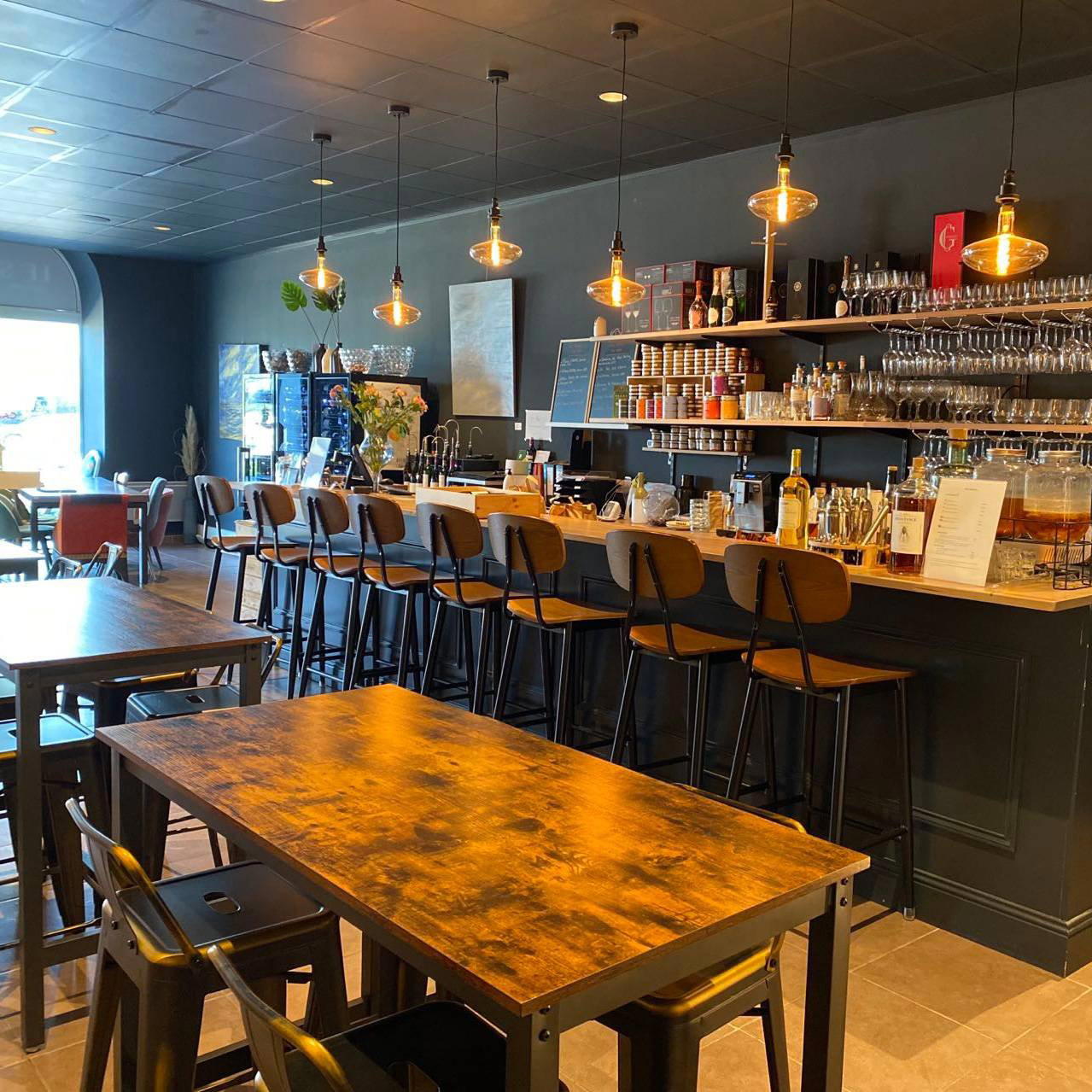
Restaurants in Labarde
Browse all →

At a Glance
- Elegant
- Classic
- Romantic
- Scenic
- Wine Education
- Romantic Getaway
- Special Occasion
- Group Outing
- Vineyard Tour
- Estate Grounds
- Historic Building
- Barrel Room
- Garden
- Terrace
- Biodynamic
- Sustainable
- Vineyard
- Garden
- Margaux AOC
- Cabernet Sauvignon
- Merlot
- Petit Verdot
- Cabernet Franc
- Still Red
- Cave Tasting
- Barrel Room Tasting
- Estate Tour With Tasting
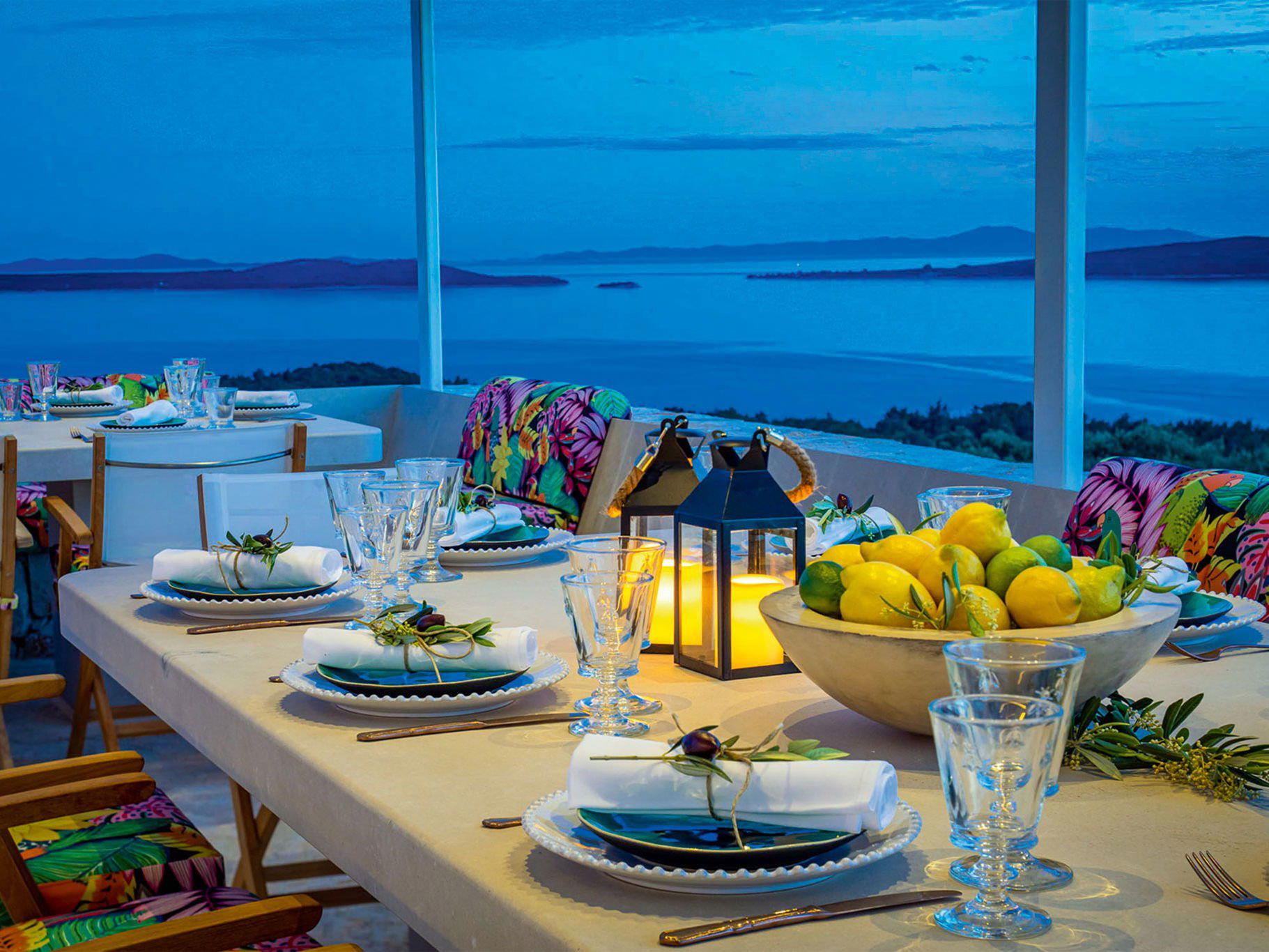
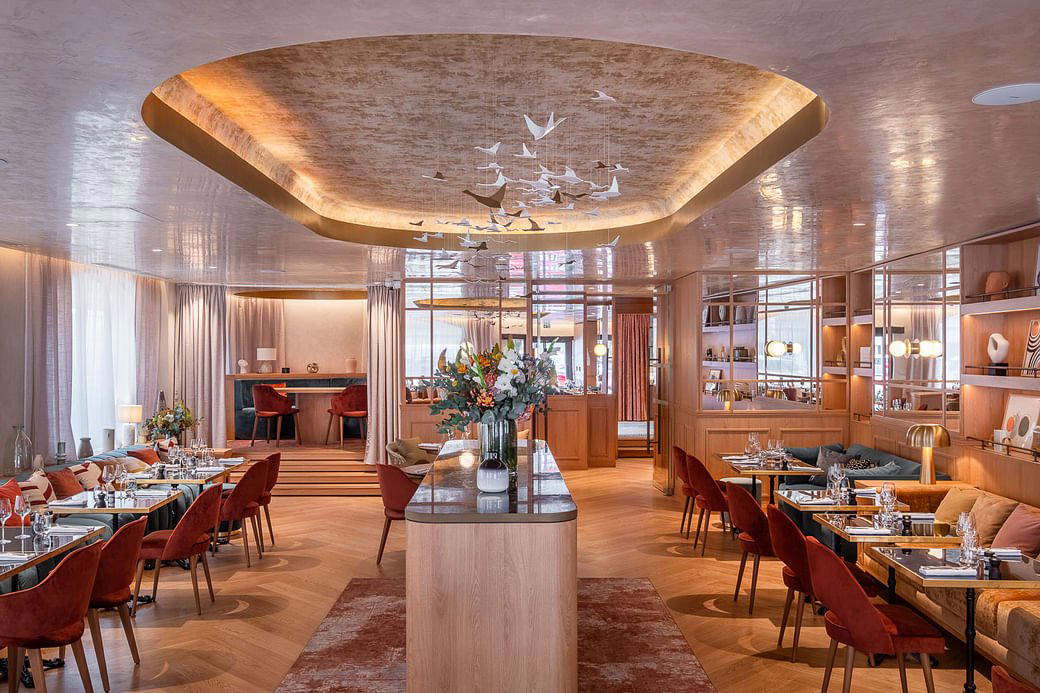
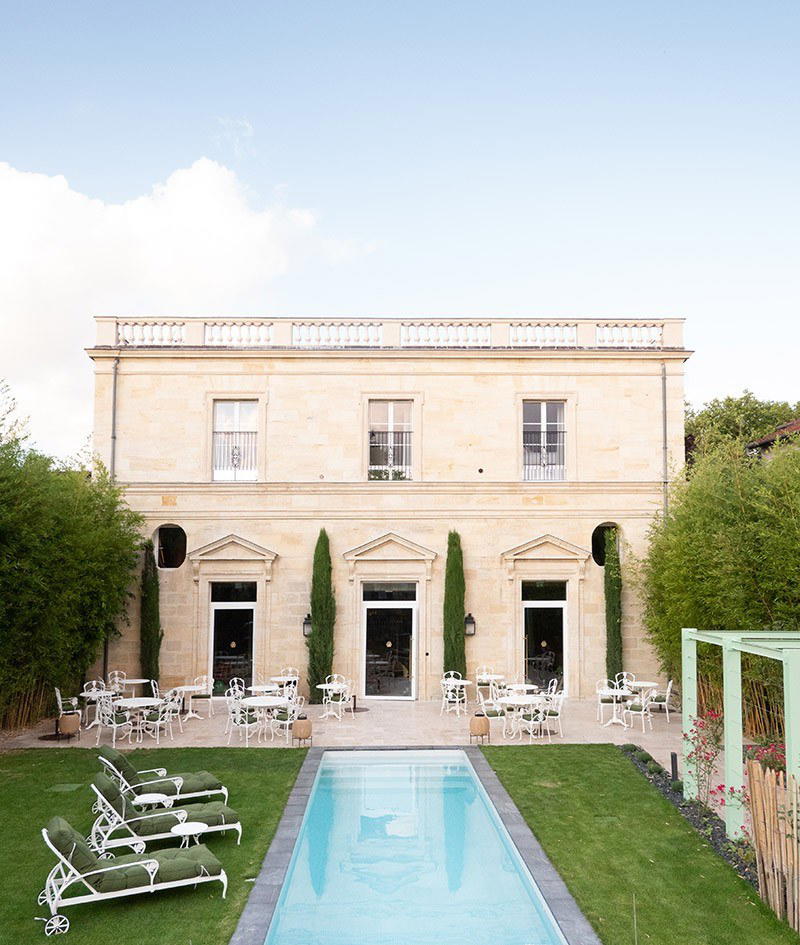
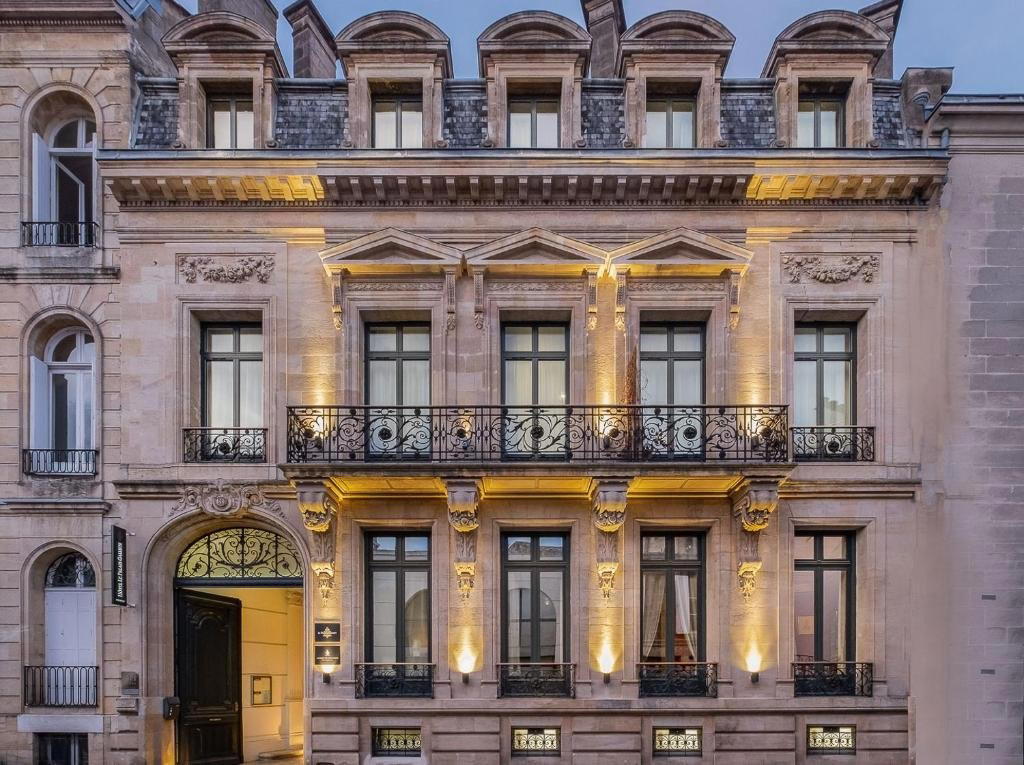
Refined and sophisticated, with classical elegance throughout the estate grounds and historic buildings. The atmosphere reflects centuries of tradition combined with modern viticultural practices.