Operating since 1827 and. The estate sits in a corner of the Var where limestone and clay soils produce wines that read as distinctly regional rather than broadly Mediterranean. For serious Provençal wine, few addresses carry this depth of record.
Pearl is the En Primeur Club membership app — saves, bookings, and concierge access live there. Same editors, same standards.
- Address
- 2897 Route de Flayosc, 83460 Taradeau
- Phone
- +33 4 94 99 52 20
- Website
- chateau-rasque.com
- Directions
- Get directions
 Saves & bookings on Pearl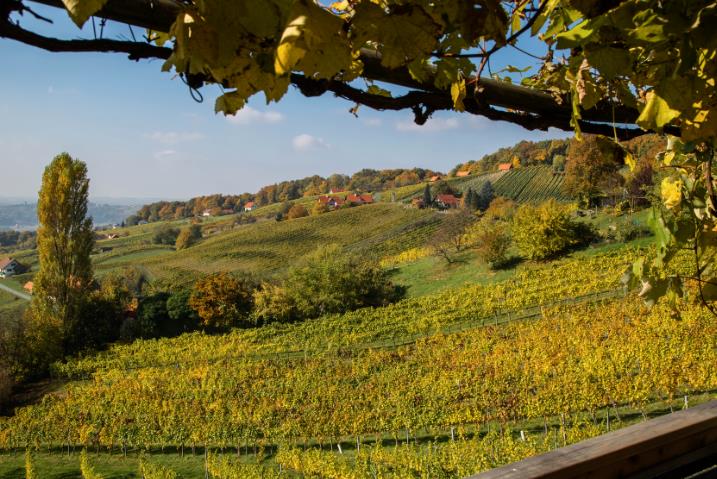
Limestone, Continuity, and the Var Hillside
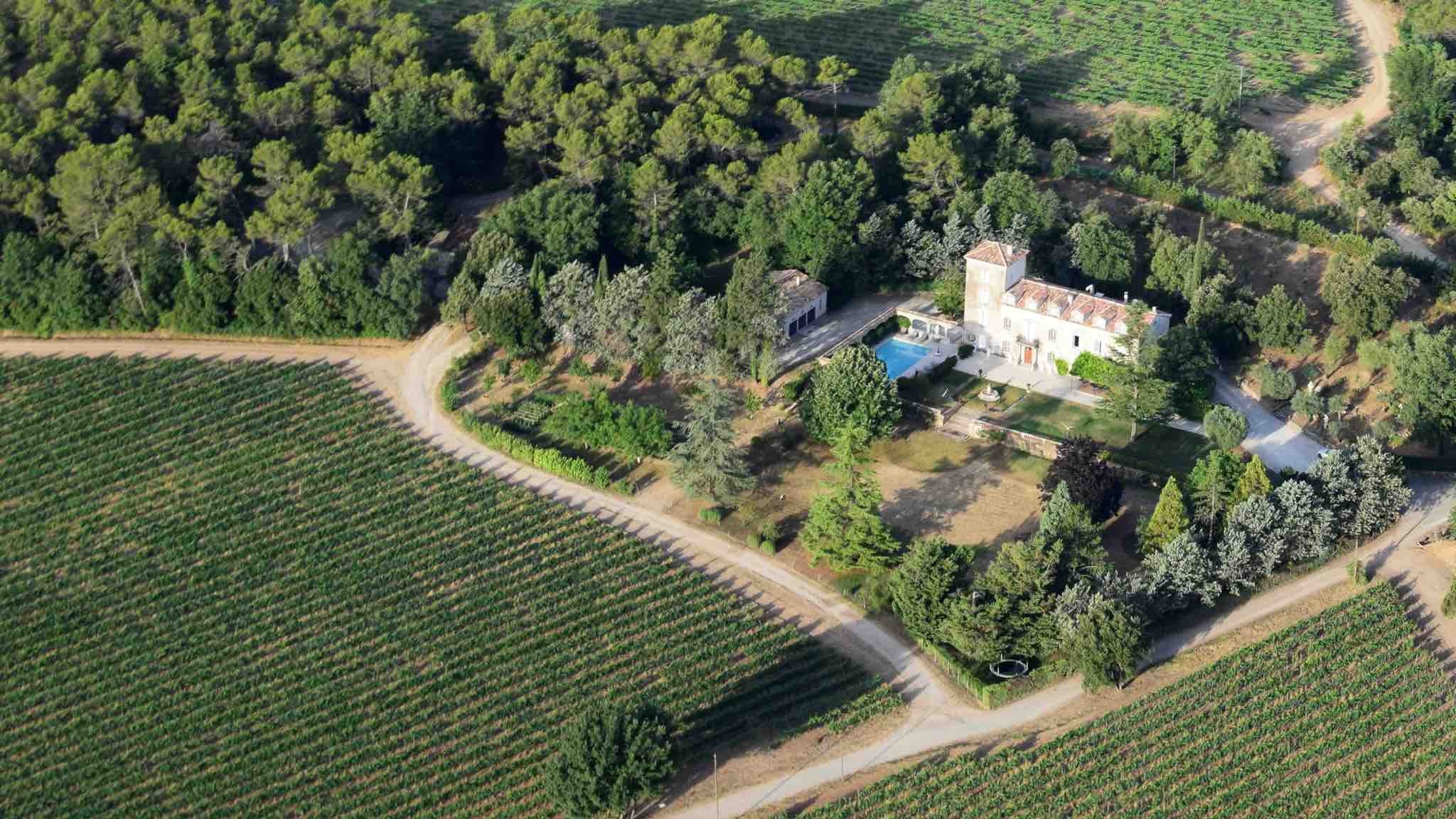
Provence's wine identity has long been flattened into a single commercial image: pale rosé, summer terraces, the Côte d'Azur in a glass. What that image obscures is the inland Var, where the terrain is harder, the soils more mineralised, and the winemaking tradition older than most of the region's famous names. The hills around Taradeau, rising behind the coastal tourist belt, represent a different register entirely. Here, limestone outcrops interrupt the clay-rich soils, drainage is sharper, and the diurnal temperature swings that define quality viticulture are more pronounced than on the coastal plain. Château de Roquefort has been working this ground since 1827. That continuity is not incidental to the wine; it is embedded in it.
Winemaker Raimond de Villeneuve oversees production at the estate today. In Provence's competitive range of prestige domaines, including well-capitalised names like Domaine Ott, the estates that attract serious collector attention tend to be those that combine long site history with a clear terroir argument. Roquefort's argument is geological: the Roquefort limestone formation that gives the property its name creates a specific drainage pattern and pH profile that distinguishes its wines from neighbours working heavier soils.
What the Terroir Actually Produces
The Var inland is not a single terroir but a patchwork, and understanding where Château de Roquefort sits within that patchwork matters for interpreting the wines. The estate's soils combine the region's characteristic argilo-calcaire base with the specific rocky limestone outcrops of the Roquefort subzone. This combination tends to produce lower yields per vine, smaller berries, and wines with more structural tension than those grown on flatter, more fertile ground closer to the coast. The result, in a well-made vintage, is wine that holds its shape across several years in bottle rather than drinking as an immediately appealing, fruit-forward proposition.
Provençal winemaking at this quality tier has moved away from the extractive, over-ripe approaches that characterised some producers in the 1990s and early 2000s. The current direction, shared with a cohort of serious inland Var estates, tends toward earlier harvest windows, lower alcohol, and longer ageing on fine lees for whites and rosés. Reds from the Var's limestone zones often incorporate Mourvèdre alongside Grenache and Syrah, a blend that rewards ageing in a way that pure Grenache-dominant styles do not.
For context on how recognition at this level compares across French wine regions, consider that estates like Château Bastor-Lamontagne in Preignac or Château Branaire Ducru in St-Julien operate in appellation systems with centuries of critical infrastructure behind them. Provence's quality signalling is newer and less codified, which makes estate-level recognition like Roquefort's Prestige award a more direct marker of individual production quality rather than appellation prestige by association.
Taradeau as a Wine Address
Taradeau sits in the Var department roughly between Draguignan and Les Arcs-sur-Argens, in the northern part of the Côtes de Provence appellation. It is not a commune that appears in most wine guides' opening chapters, which is precisely why it repays attention. The villages of the inland Var have avoided the pricing pressure that has driven land values in the Bandol and Saint-Tropez hinterland to levels that make serious investment in viticulture difficult to justify. Estates like Château de Roquefort have been able to maintain large, contiguous holdings across the leading limestone exposures without the fragmentation that has affected other prestigious French growing areas.
The surrounding area contains a concentration of serious producers working outside particularly commercial Provençal formats. Visiting the region in spring gives a clearer sense of the agricultural character that defines Taradeau's identity.
A Longer View on Provençal Prestige
French wine's prestige hierarchy has historically been organised around the north: Burgundy's Pinot and Chardonnay, Bordeaux's classified estates, Alsace's grand cru system as practised by producers like Albert Boxler in Niedermorschwihr. The south has always produced serious wine, but the critical infrastructure to evaluate and reward it at the same level is younger. Over the last fifteen years, that gap has closed, partly through the work of estates that have consistently prioritised site expression over commercial volume.
An estate founded in 1827 occupies a different position in this conversation than one established in the last twenty years. The vine age alone, across nearly two centuries of continuous cultivation on the same site, produces a root depth and soil relationship that cannot be replicated through technique. Old-vine complexity in Grenache and Mourvèdre is not a marketing position; it is a measurable difference in flavour concentration and structural complexity. For comparison, classified Bordeaux estates like Château Bélair-Monange in Saint-Emilion or Château Batailley in Pauillac draw much of their critical standing from precisely this combination of site continuity and vine age. Roquefort's founding date puts it in that same generational category.
Other Prestige-level estates in French wine include names with considerably more international visibility, including Château d'Arche in Sauternes and Château Clinet in Pomerol. Roquefort's placement in that cohort is a signal worth reading carefully.
Planning a Visit
The estate is located at 2897 Route de Flayosc, 83460 Taradeau, in the Var.
Visits are by appointment only. Collectors tracking the Prestige award tier across French regions may also find useful comparative context in our coverage of Château Cantemerle in Haut-Médoc and Château Boyd-Cantenac in Cantenac, both of which operate at a similar recognition level within their respective appellations.
Comparable Venues
Comparable venues nearby, for context on price, style, and recognition.
| Venue | Cuisine | Price | Notes |
|---|---|---|---|
| Château de RoquefortThis venue — the venue you are viewing | Grenache Noir, Syrah | $$$ | Not listed |
| Domaine Ott | Grenache, Cinsault | $$$$ | Taradeau |
| Château de Rayne-Vigneau | Sémillon, Sauvignon Blanc | $$$ | Sauternes |
| Château de Bellet | Rolle, Braquet | $$$ | Saint-Roman-de-Bellet |
| Domaine Santa Duc | Grenache, Mourvèdre | $$$ | Gigondas |
| Château Sainte-Roseline | Grenache, Syrah | $$$ | Les Arcs-sur-Argens |
Continue exploring
More in Taradeau
Wineries in Taradeau
Browse all →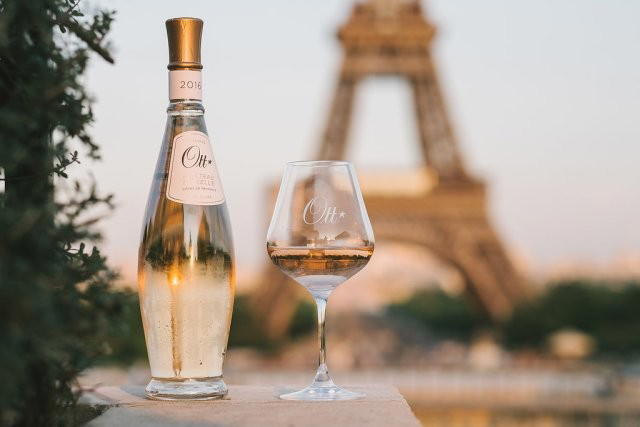
Bars in Taradeau
Browse all →

Restaurants in Taradeau
Browse all →
At a Glance
- Elegant
- Scenic
- Classic
- Rustic
- Wine Education
- Romantic Getaway
- Group Outing
- Cave Tasting
- Vineyard Tour
- Estate Grounds
- Terrace
- Panoramic View
- Organic
- Vineyard
- Mountain
- AOP Côtes De Provence
- Grenache Noir
- Syrah
- Cinsault
- Carignan
- Mourvèdre
- Clairette
- Vermentino
- Ugni Blanc
- Still Red
- Still White
- Still Rosé
- Estate Tasting
- Vineyard Walk
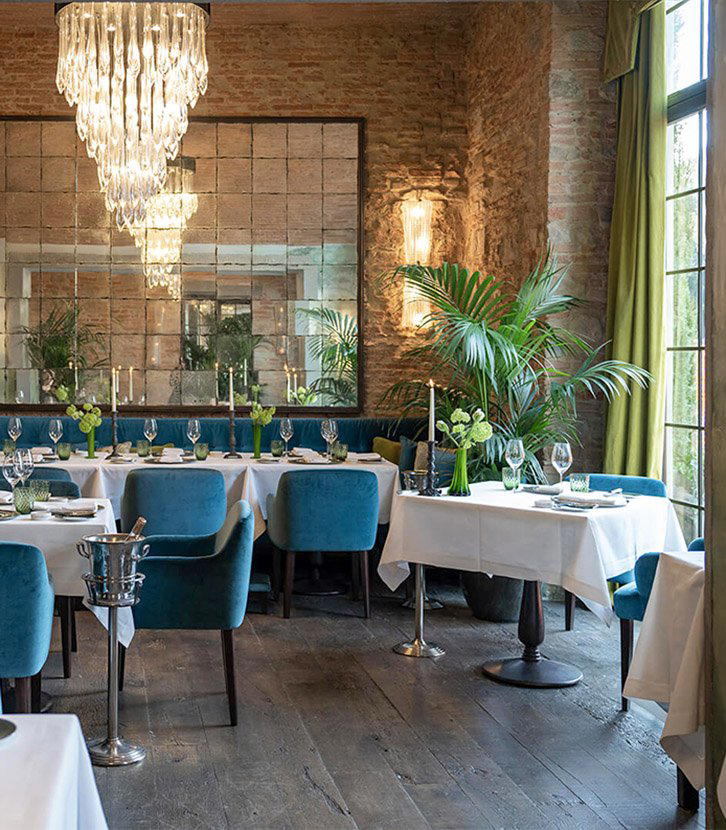
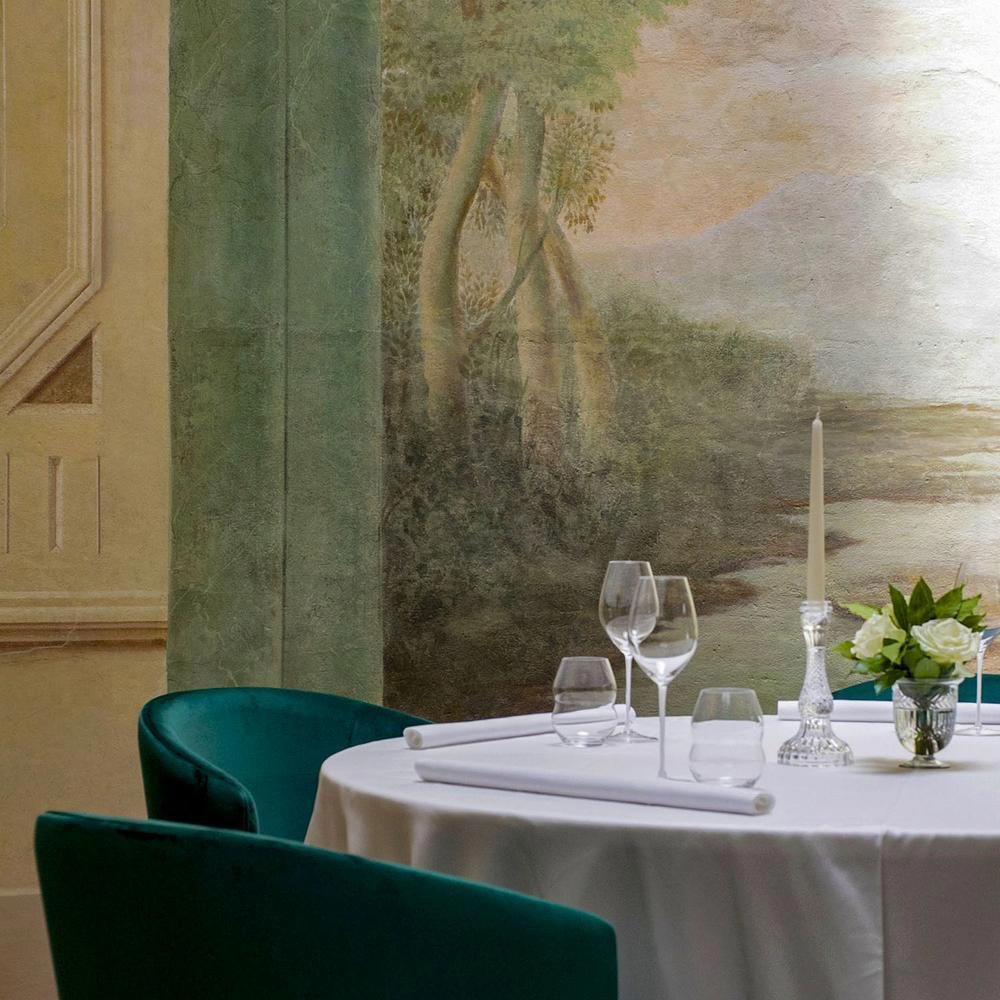
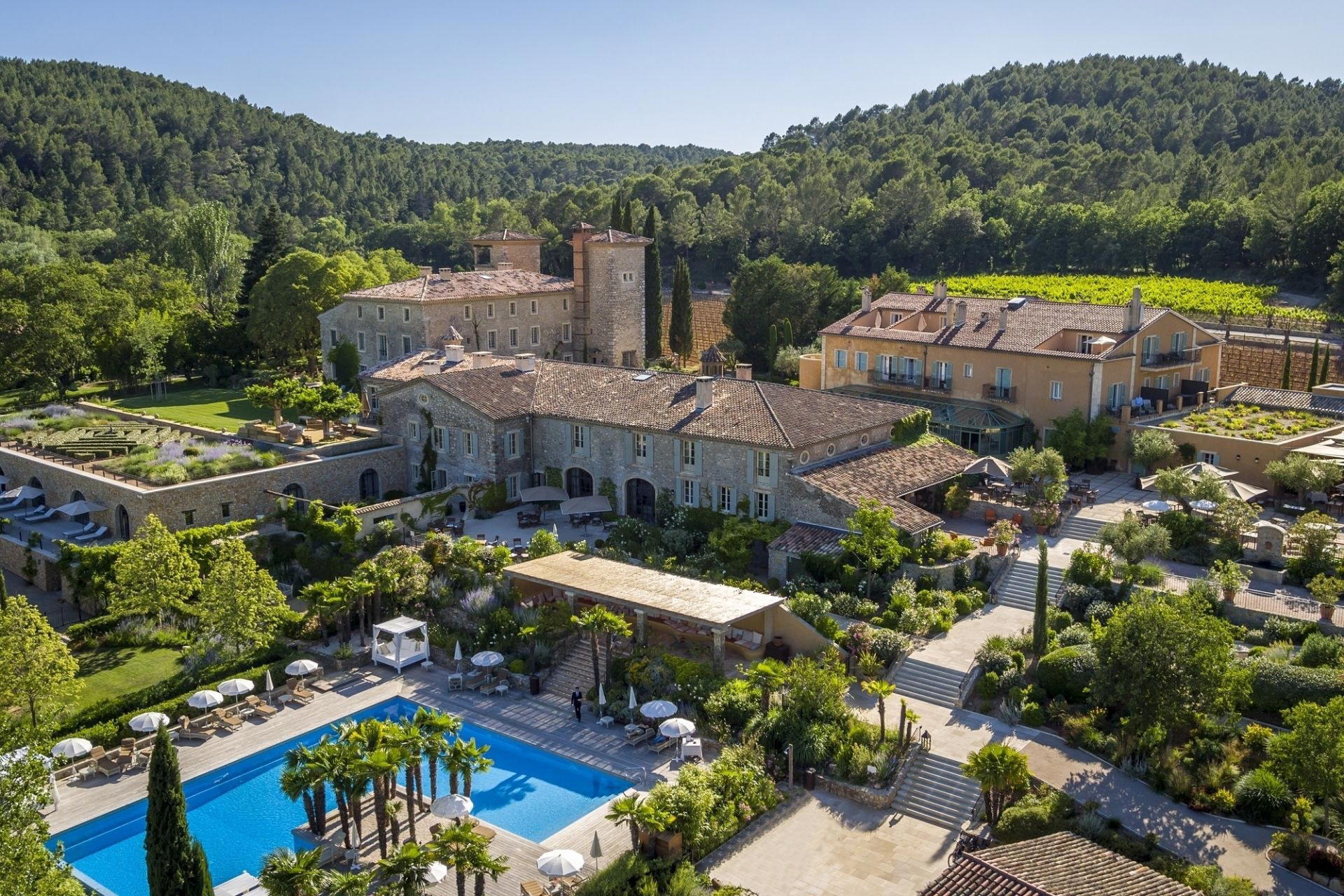
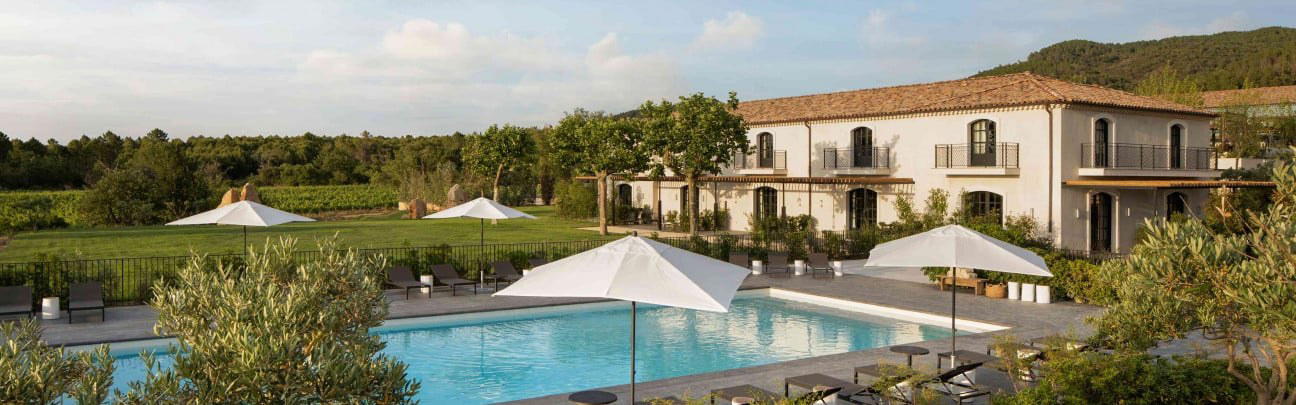
Historic estate with traditional winemaking methods, natural light through stone cellars, intimate tasting rooms overlooking vineyards.