


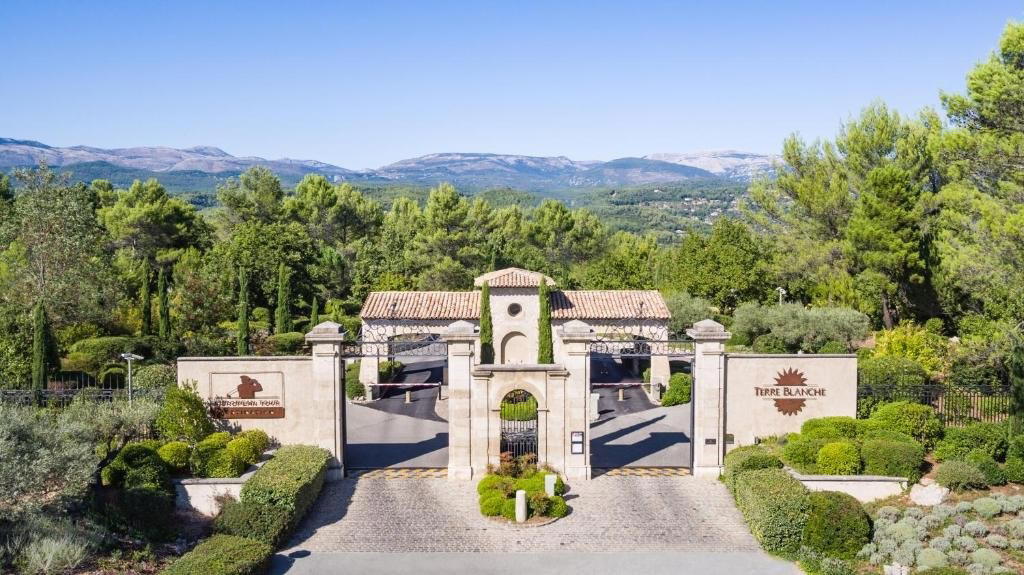
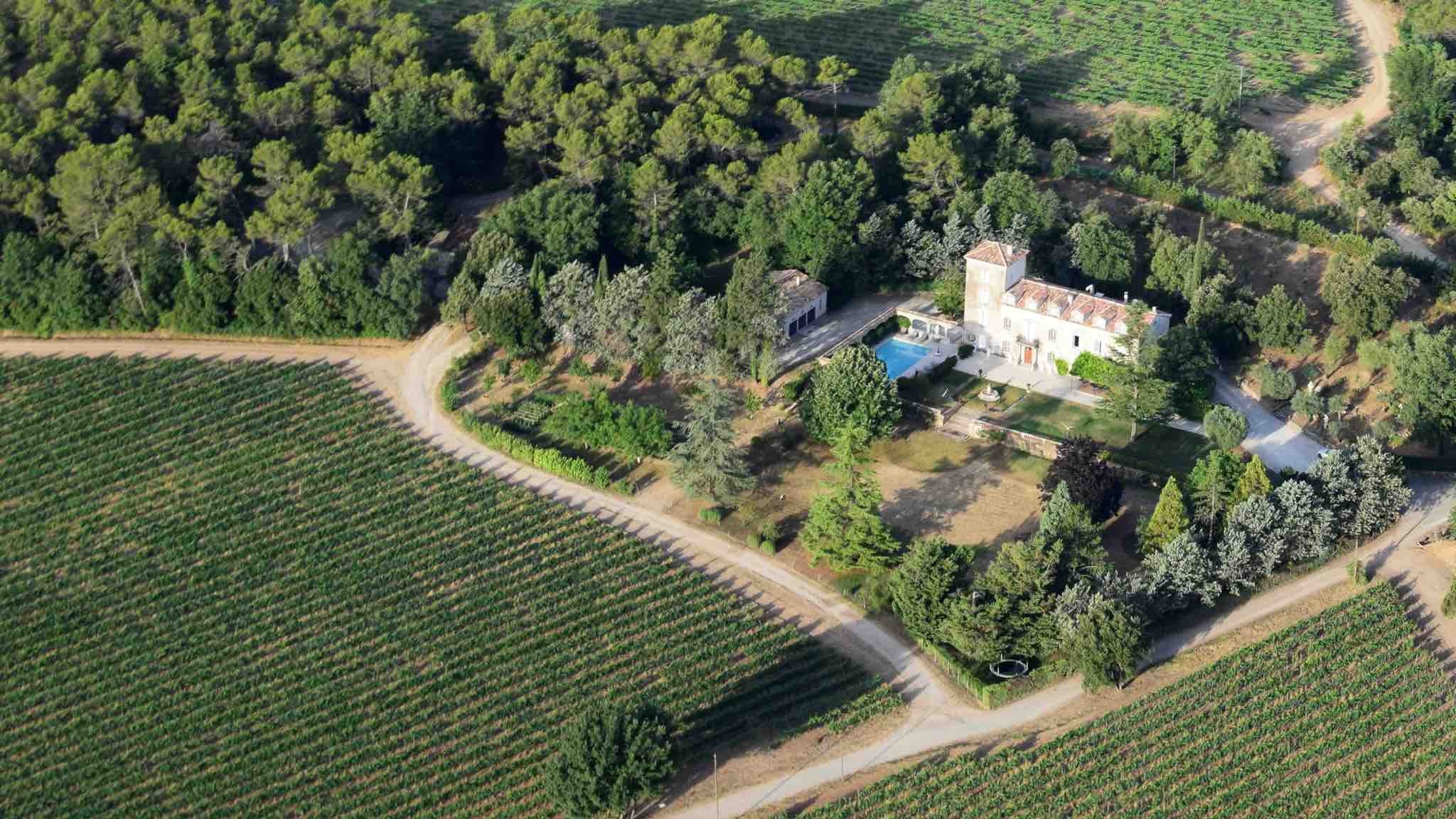
Set within a 515-hectare Provençal wine estate, Le Jardin de Berne earned its Michelin star in 2024 through a kitchen committed to the Haut-Varois terroir, vegetables and herbs drawn from the château's own organic garden, olive oil pressed on-site, and ingredients sourced from regional producers. Chef Louis Rameau and pastry chef Éric Raynal run an evening-only service with a front-of-house team that holds its own against the cooking.
Pearl is the En Primeur Club membership app — saves, bookings, and concierge access live there. Same editors, same standards.
- Address
- Château de Berne, chemin des Imberts, Flayosc, 83780, France
- Phone
- +33 4 94 60 49 79
- Website
- chateauberne.com
- Directions
- Get directions
 Saves & bookings on Pearl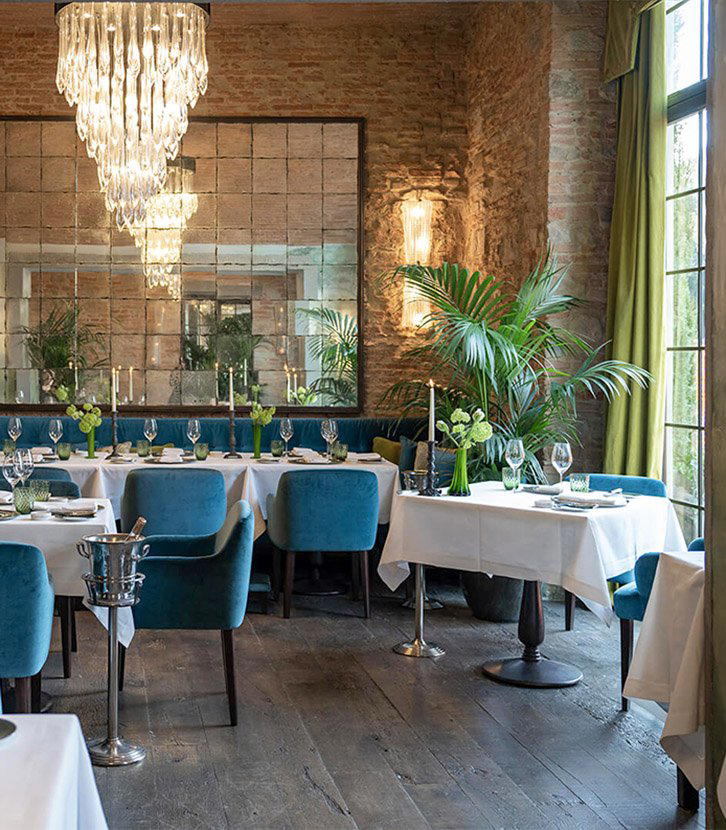
Where the Var Meets the Table
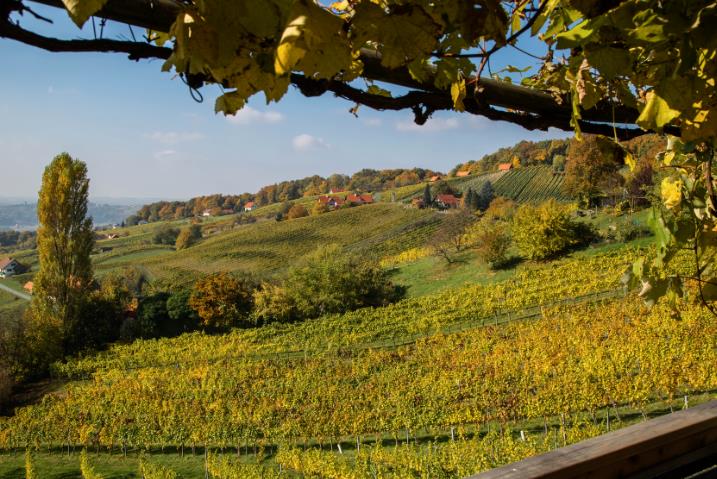
There is a particular kind of restaurant that only makes sense in its landscape. Drive through the wooded hills of the Haut-Var toward Flayosc, and the scale of Château de Berne begins to register gradually: 515 hectares of garrigue, olive groves, and vineyard rolling out across terrain that sits somewhere between deep Provence and the softer hills of Tuscany. By the time you reach Le Jardin de Berne, the estate's Michelin-starred dining room in Flayosc, the setting has already done a great deal of editorial work. The food, when it arrives, is an argument that this place and this plate are inseparable.
That argument is at the heart of a wider shift in how serious French regional cooking positions itself. In cities like Paris and Lyon, the reference points of haute cuisine remain institutional, the grand addresses of Alléno Paris au Pavillon Ledoyen or the multigenerational authority of Troisgros or Paul Bocuse. But a more grounded strand of ambitious French cooking has consolidated in the countryside and along the southern coast: think Bras in Laguiole drawing directly from the Aubrac plateau, or Mirazur in Menton using its own kitchen garden as the engine of the menu. Le Jardin de Berne belongs to this cohort, restaurants where terroir is not a marketing concept but a logistics chain, and where the distance between soil and plate is sometimes measured in footsteps.
The Kitchen's Logic
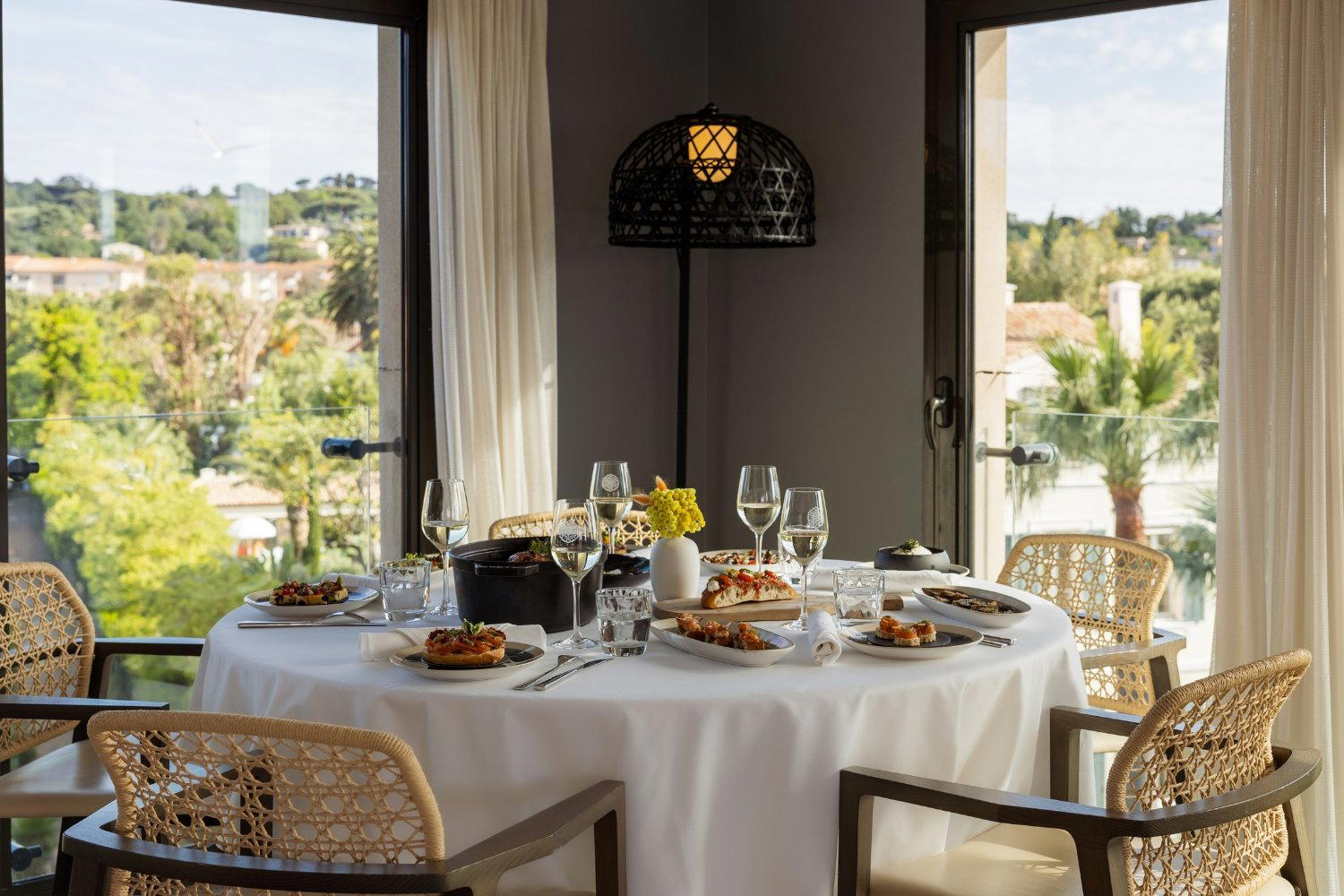
The Michelin inspectors awarded Le Jardin de Berne a star in 2024, with the 2025 edition confirming the recognition. Their citation names the organic vegetable garden, the estate's own olive oil and wine, and a sourcing ethic that extends to cheeses and other ingredients drawn from the leading regional producers in the Haut-Var. Chef Louis Rameau leads the kitchen, working alongside pastry chef Éric Raynal, a pairing the guide specifically highlights as a tandem, signalling that the dessert section is not an afterthought here. The guide's listed dishes give a clear sense of the kitchen's register: heirloom tomato French toast with roasted tomato and thyme vinaigrette; smoked squid with sorrel cream and Provence chilli pepper; a madeleine made with fruity green olive oil served alongside olive oil cream and honey. These are not dishes that announce themselves through luxury ingredients or technical spectacle for its own sake. The logic is accumulative and precise: Provençal ingredients handled with enough craft to reveal what makes them worth eating in the first place.
Creative cooking in the south of France occupies a specific cultural position. The region's produce, tomatoes, courgettes, herbs, olive oil, stone fruits, anchovies, is so associated with summer abundance that it can be taken for granted. The serious Provençal kitchen resists that assumption. It applies technique not to transform ingredients beyond recognition but to concentrate and clarify what they already are. The smoked squid dish, for instance, draws on a long southern French relationship with cephalopods, wild herbs, and aromatic acidities; the sorrel cream and regional chilli bring structure without masking the ingredient underneath. This is cooking that requires knowing the produce deeply, which is precisely what growing it yourself enables. Comparably rigorous approaches to southern French sourcing can be found further along the coast at AM par Alexandre Mazzia in Marseille, though Mazzia's register is considerably more avant-garde in its references. Le Jardin de Berne sits closer to classical coherence, with the estate providing the conceptual anchor.
Provence as Provenance
The cultural roots of cooking at this level in the Haut-Var trace back through centuries of Provençal peasant ingenuity, the olive groves, the kitchen garden, the herb-gathering traditions. What changes at the restaurant is the application of contemporary kitchen precision to that inherited vocabulary. The organic garden is not decorative; it is operational. Vegetables, herbs, and flowers grown on the property appear in the menu in ways that track the seasons rather than a fixed carte, though the kitchen operates evenings only, which concentrates the service and sharpens the attention given to each table.
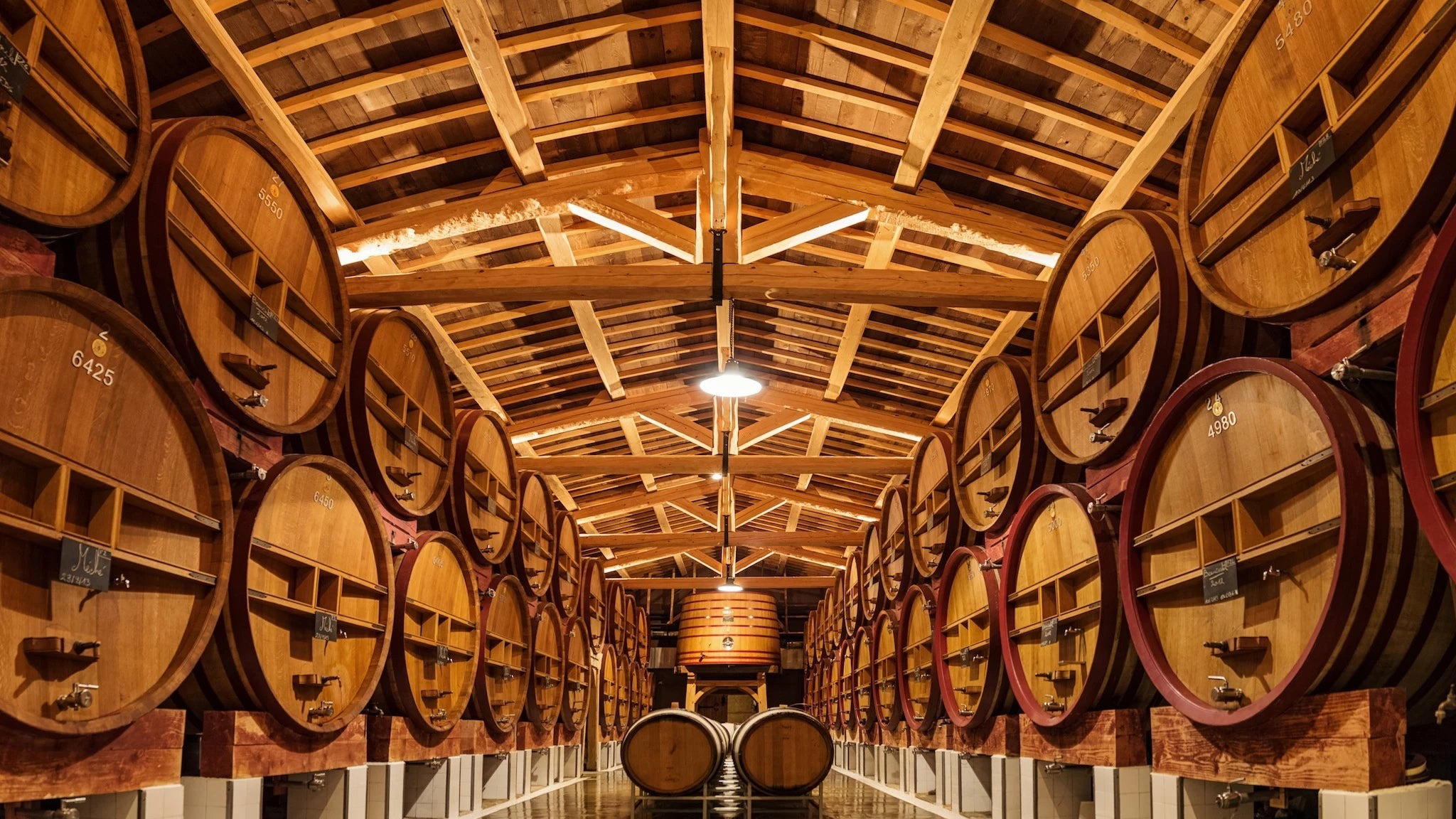
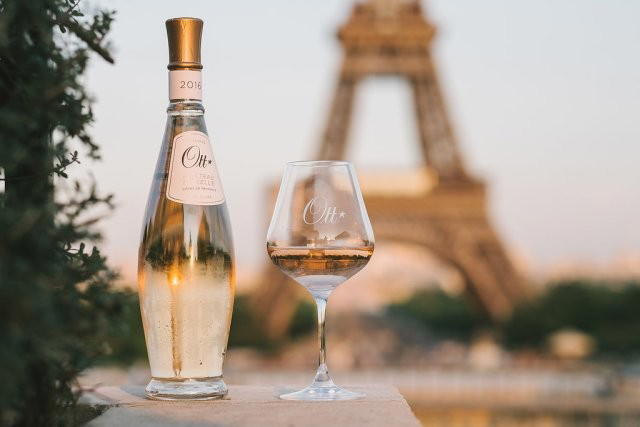
The wine served here is, logically, the estate's own production. A 515-hectare holding in the Var makes Château de Berne one of the more significant Provençal domaines, and the restaurant operates as its most demanding showcase. For guests arriving from the broader world of French wine, the Var remains somewhat underplayed relative to Burgundy or Bordeaux, which makes pairing a meal at this level with estate bottles a useful recalibration. The Provence that most wine drinkers know is rosé; the estate-grown reds and whites that accompany a Michelin-starred menu tell a more complex story about what the region's soils and climate can produce. Elsewhere in France, restaurants built around single-estate wine production tend to reach for alpine references, Flocons de Sel in Megève is an obvious peer in terms of five-star hotel ambition married to serious food, but the Provençal model has its own coherence, rooted in sun, stone, and herb rather than altitude and dairy.
Within the Estate
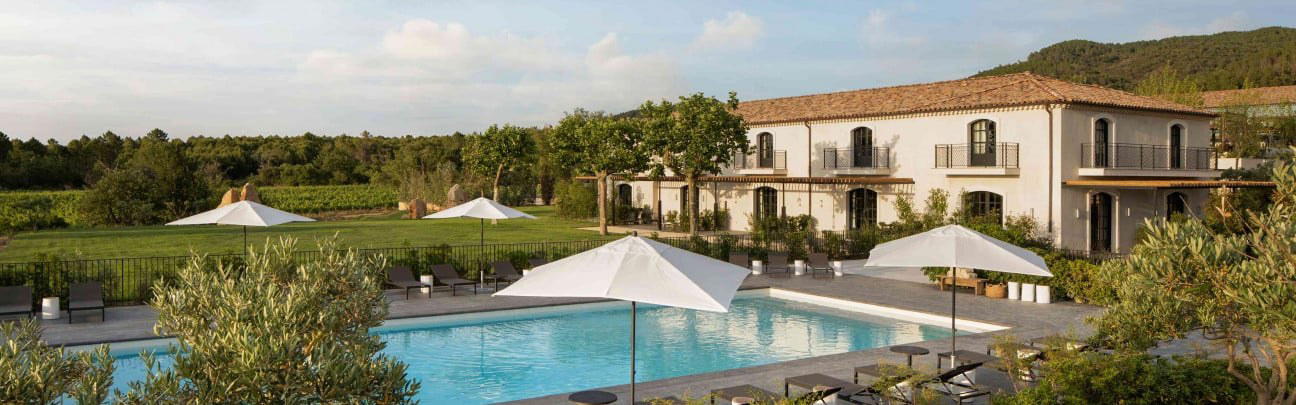
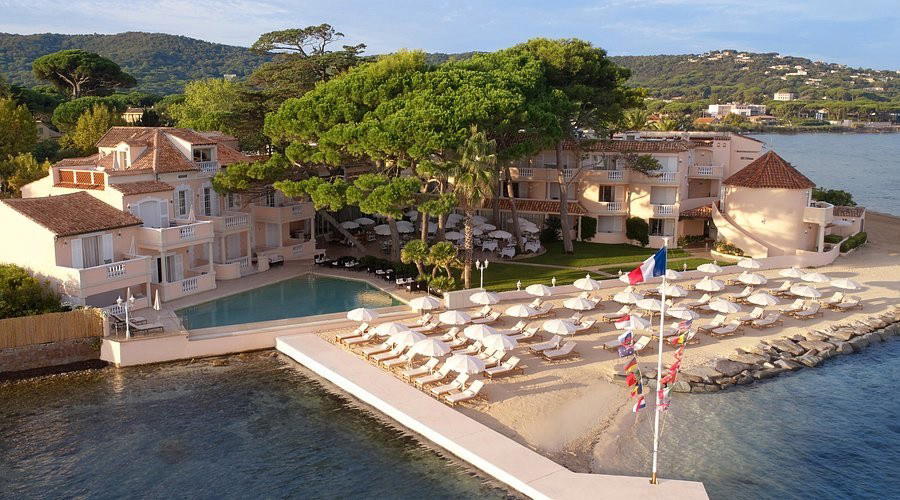
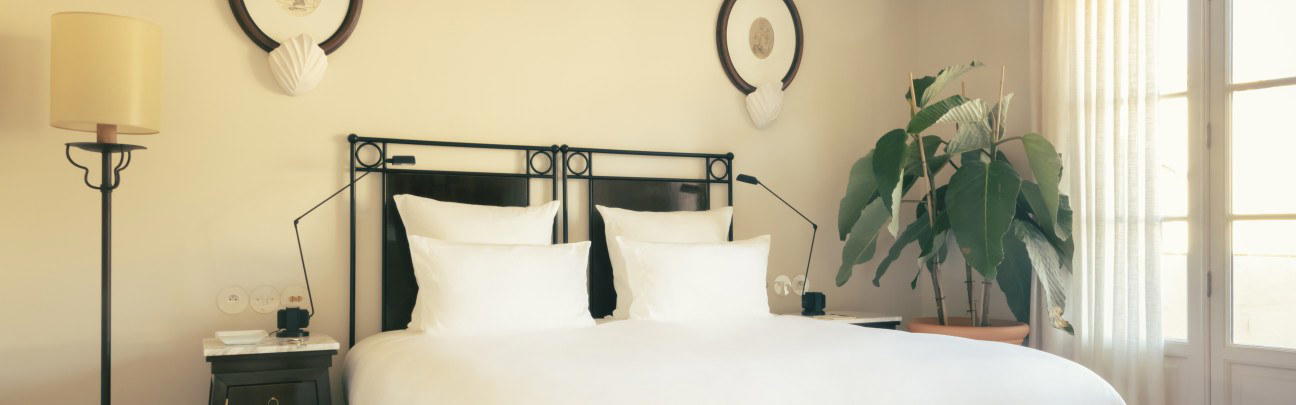
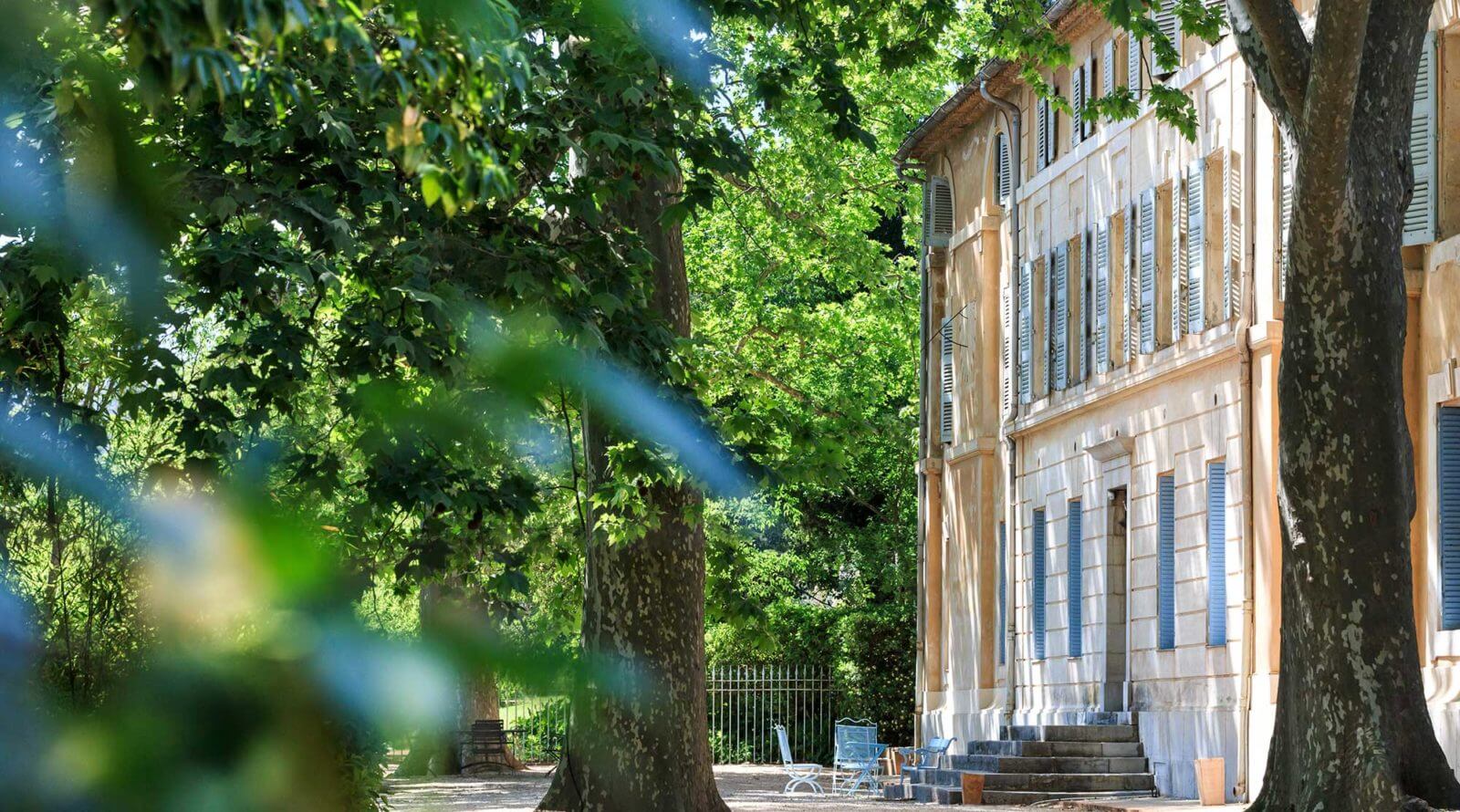
The restaurant is one of several dining options at Château de Berne, which runs a five-star hotel and spa across the estate. Guests staying on property can move between formats: Le Bistrot du Château de Berne handles the more casual, traditional end of the estate's food offer at a significantly lower price point (rated €€ against the restaurant's €€€€), while Château de Berne's French Provençal dining covers another register entirely. For travellers coming specifically for the Michelin dinner, it is worth planning a night or two on property rather than attempting a day trip: the estate's scale rewards time, and the evening-only format at the restaurant means the pace is unhurried.
Flayosc itself is a small commune in the Var, approximately fifteen kilometres from Draguignan and accessible by car from the coastal towns of the Côte d'Azur. The village offers limited dining alternatives at the level of the restaurant; the estate is the primary reason to make the journey to this part of the Haut-Var rather than staying near the coast. For those exploring the wider area, Le Nid is another modern cuisine address in Flayosc worth noting, and the full Flayosc restaurants guide covers the village's options in detail. The estate also connects to broader Var itineraries covering Flayosc wineries, hotels, bars, and experiences.
The restaurant holds, a figure that skews high for a property of this type, where the price point (€€€€) and evening-only format tend to attract guests with formed expectations. The front-of-house team is specifically called out in Michelin's notes as excelling in their craft, a detail worth registering: at this level in France, a technically accomplished floor team is part of what separates a serious dining experience from a hotel restaurant that happens to have good food. The two are not the same category, and the restaurant has been recognised as the former.
For those comparing across modern creative addresses in France and beyond, from Auberge de l'Ill in Illhaeusern to international expressions of estate-linked dining like Frantzén in Stockholm or FZN by Björn Frantzén in Dubai, the restaurant occupies a specific and coherent position: a single-estate, garden-driven Michelin address in a region with deep agricultural identity, where the cooking earns its recognition by taking the provenance seriously.
Planning Your Visit
The restaurant serves dinner only, with service from 7 to 9:30 PM daily. Given the €€€€ pricing and the Michelin recognition, advance booking is essential. The property sits at Château de Berne, chemin des Imberts, Flayosc 83780, and is most practically reached by car. Guests committed to the full experience should plan to stay on the estate; the combination of overnight accommodation with an evening at the restaurant suits the pace of dinner here.
Cuisine Lens
Comparable venues nearby, for context on price, style, and recognition.
| Venue | Cuisine | Price | Awards | Notes |
|---|---|---|---|---|
| Le Jardin de BerneThis venue — the venue you are viewing | Modern Provençal Fine Dining | $$$$ | Michelin 1 Star | Not listed |
| Le Nid | Modern French Seasonal Gastronomy | $$$ | Bib Gourmand | Flayosc |
| Le Bistrot du Château de Berne | Provençal French Bistro | $$$ | Bib Gourmand | Flayosc |
| Château de Berne | Provençal Bistro | $$$ | Not listed | Flayosc |
| Restaurant Pierre Grein | Modern Provençal Fine Dining | $$$$ | Michelin 1 Star | Business Park/Commercial Zone |
| Chez Jeannette | Modern Provençal Fine Dining | $$$$ | Michelin 1 Star | Flassans-sur-Issole |
Recognition history
Dated appearances from independent guides and award organizations, with the underlying list record or original source where available.
Michelin 1 Star
Michelin
Relais Chateaux Award
Relais Chateaux
Gault & Millau Remarkable Restaurant
Gault & Millau
Michelin 1 Star
Michelin
Relais Chateaux Award
Relais Chateaux
Michelin 1 Star
Michelin
Continue exploring
More in Flayosc
Restaurants in Flayosc
Browse all →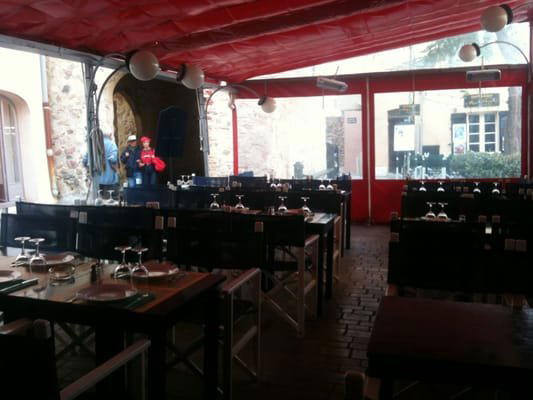
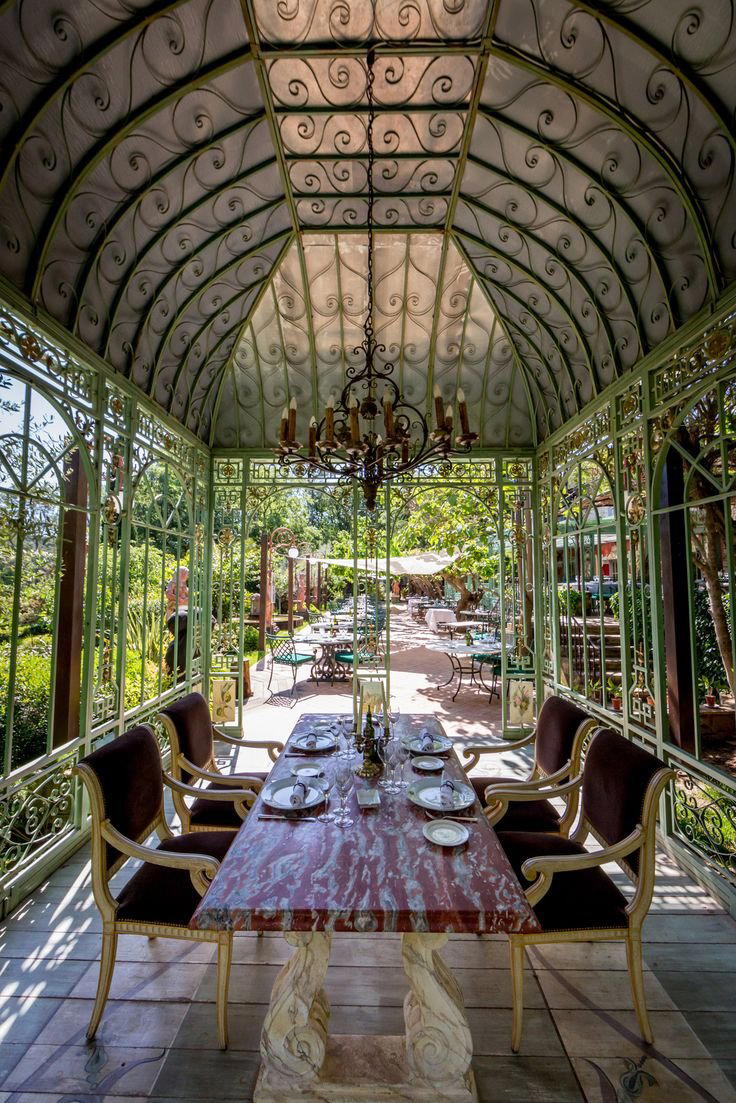
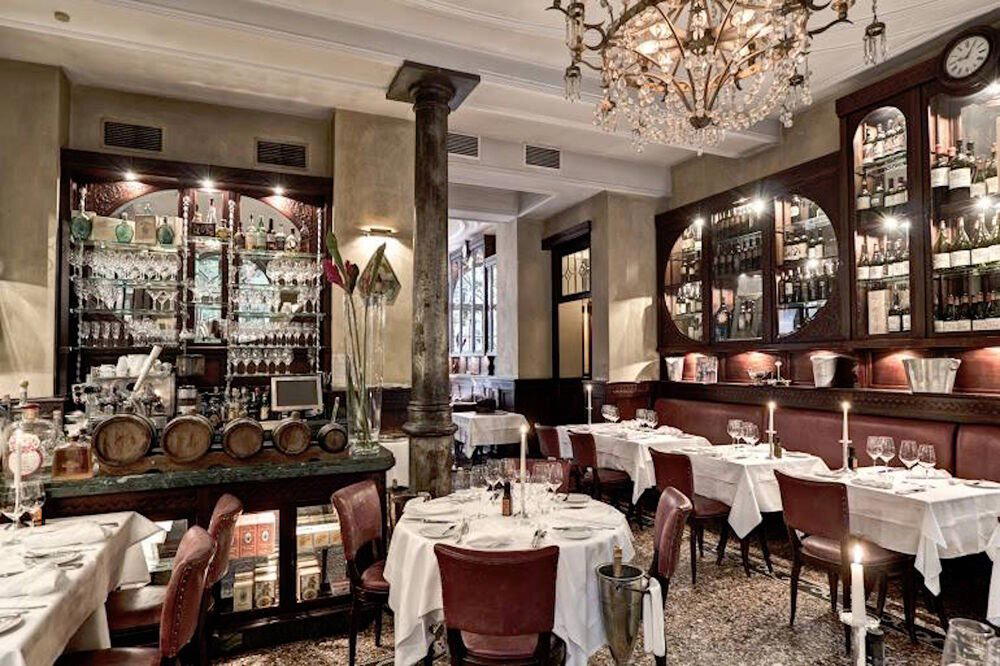
Bars in Flayosc
Browse all →

Hotels in Flayosc
Browse all →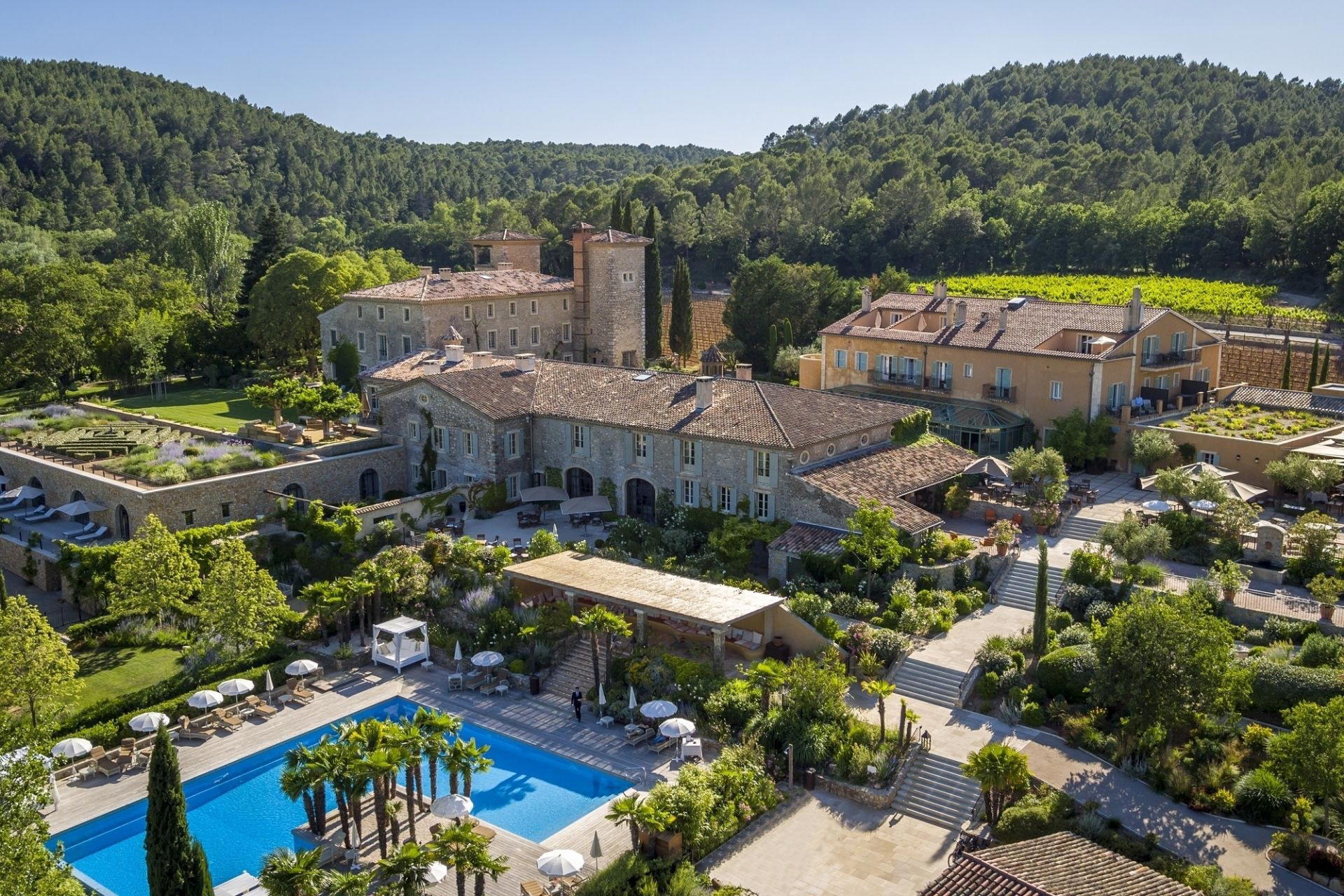
At a Glance
- Romantic
- Elegant
- Scenic
- Intimate
- Sophisticated
- Date Night
- Special Occasion
- Celebration
- Garden
- Terrace
- Hotel Restaurant
- Private Dining
- Extensive Wine List
- Sommelier Led
- Farm To Table
- Local Sourcing
- Organic
- Vineyard
- Garden
Current opening hours
- Monday
- 7–9:30 PM
- Tuesday
- 7–9:30 PM
- Wednesday
- 7–9:30 PM
- Thursday
- 7–9:30 PM
- Friday
- 7–9:30 PM
- Saturday
- 7–9:30 PM
- Sunday
- 7–9:30 PM
Hours can change for holidays and private events. Last verified .
Idyllic Provençal-Tuscan atmosphere with warm, professional service in a luxurious vineyard setting featuring terrasses and gardens.