One of Provence's most historically rooted estates, Château Sainte-Roseline has been producing wine since 1375 on the limestone and clay soils of Les Arcs.
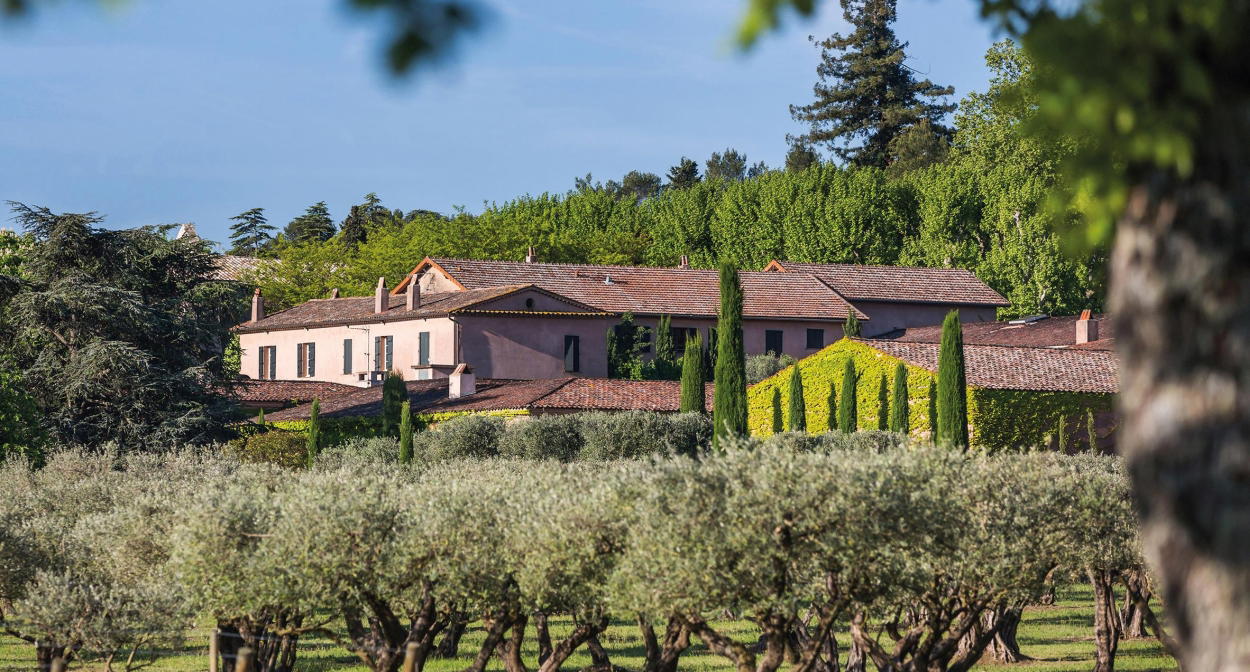
Six Centuries of Provençal Soil
The Var department's wine identity is still being written in many minds, but at Les Arcs, the conversation has been going since the Middle Ages. Château Sainte-Roseline first produced wine in 1375, placing it in a category of European estates where the land itself has accumulated centuries of observation, adaptation, and knowledge. That kind of temporal depth changes how a domaine operates: the terroir isn't a hypothesis to be tested season by season, but a body of evidence refined across more than 600 years of cultivation. For context, when most of Napa's founding estates were still forest, Sainte-Roseline's vines were already old.
The Arcs-sur-Argens basin, where the estate sits in the hinterland of the Côte de Provence appellation, delivers a Mediterranean climate moderated by altitude and the Massif des Maures to the south. The soils here shift between limestone, clay, and schist, the kind of varied geology that gives winemakers something to work with rather than a single-note canvas. Provence's dominant pink wine culture is well established internationally, but the region's most serious estates have always used rosé as the foundation of a broader program, not its ceiling. Sainte-Roseline operates within that tradition.
What the Land Gives the Wine
Terroir expression in Provence is a different argument from Burgundy or Bordeaux. There are no grand cru classifications to lean on, no century-old critical consensus about which hillside produces the finest fruit. Instead, the case is made wine by wine, vintage by vintage, with estates like Sainte-Roseline building their credibility through longevity and consistency rather than inherited prestige.
Winemaker Aurélie Bertin is the current custodian of that argument. In Provence's premium segment, where the conversation about terroir has intensified as rosé prices have climbed globally, the winemaker's role is to let the site speak without editorial overreach. The Var's warm, dry summers and mild winters create conditions that favour concentration and aromatic precision, particularly in Grenache, Cinsault, and Vermentino, the varieties most closely associated with the appellation's character. Sainte-Roseline's six-century track record means the viticulture has been calibrated to this specific terrain over a timescale that no modern project can replicate.
For comparison within the broader French premium wine context, estates like Château Bastor-Lamontagne in Preignac and Château Branaire Ducru in St-Julien draw their authority from classified appellations with long critical histories. Sainte-Roseline makes a different kind of case: not classification, but duration. The 1375 first vintage is not a marketing figure, it is a statement about how deeply the estate is embedded in its place.
Rosé at This Level: What the Category Means in Provence
Provence rosé has undergone a significant repositioning over the past two decades. What was once treated as a commodity category, priced for summer consumption and little else, now includes a tier of estate wines that command prices and critical attention comparable to serious whites and lighter reds. Château d'Esclans in Courthézon was instrumental in demonstrating that Provençal rosé could hold an international premium price point, and that shift raised the floor for serious Var producers across the board.
The 4 Star rating for 2025 substantiates the positioning rather than merely asserting it. At this level, the wine is less about immediate refreshment and more about the kind of structured, mineral-edged character that rewards attention.
This puts Sainte-Roseline in a different peer conversation from volume-driven Côtes de Provence producers. The relevant comparators are the handful of Var estates making a genuine terroir argument at price points that reflect that ambition. The Pearl tier, both in how it is produced and how it is priced, is designed to be assessed alongside serious French whites and Burgundy-adjacent rosés rather than against supermarket Provence.
Visiting the Estate
Les Arcs is accessible from Nice or Marseille by train, with the Les Arcs-Draguignan station serving the village. The estate's address at 83460 Les Arcs places it in the agricultural belt southwest of the village proper, the kind of working domaine setting that is characteristic of serious Var producers rather than the curated château tourism of better-known appellations. Visiting in late spring through early autumn covers both the growing season and the peak of the regional tourist calendar, though the estate's historical depth means it rewards a visit at any point in the year when the vines are accessible. For full context on what the area offers beyond the domaine, see our full Les Arcs restaurants guide.
What the historical record and award signals do confirm is that this is a property operating at the premium end of Provençal wine production, where the tasting experience is structured around the estate range rather than a casual drop-in format.
Where Sainte-Roseline Sits in the Broader French Estate Picture
French wine estates with medieval founding dates are not rare in Bordeaux or Burgundy, but in Provence they remain unusual enough to matter. Most of the appellation's serious producers are 20th-century projects, families who converted agricultural land, investors who arrived after the rosé boom, or négociants who built backward from commercial success. Sainte-Roseline's 1375 baseline puts it in a different founding category entirely.
That doesn't make the wine automatically superior to a well-made modern estate, but it does mean the site knowledge runs deep. Viticulture decisions at an estate of this age reflect accumulated understanding of how the land behaves across drought years, wet springs, and the microclimate variations that define individual blocks. For wine enthusiasts who find that kind of historical grounding meaningful, and many do, it adds a layer of context that no amount of technical investment can manufacture.
Comparable seriousness in different French contexts can be found at estates like Château Bélair-Monange in Saint-Emilion or Château Batailley in Pauillac, both of which operate within classified frameworks that make their positioning legible at a glance. Other estates worth cross-referencing for context across the French premium spectrum include Château Boyd-Cantenac in Cantenac, Château Cantemerle in Haut-Médoc, Château Clinet in Pomerol, and Château Dauzac in Labarde. For estate programs with a different regional character, Albert Boxler in Niedermorschwihr and Château d'Arche in Sauternes offer useful points of reference. And for those interested in the broader category of long-established French production, Chartreuse in Voiron represents another tradition where founding date and accumulated craft are inseparable from the product's meaning.
Frequently asked questions
What's the general vibe of Château Sainte-Roseline?
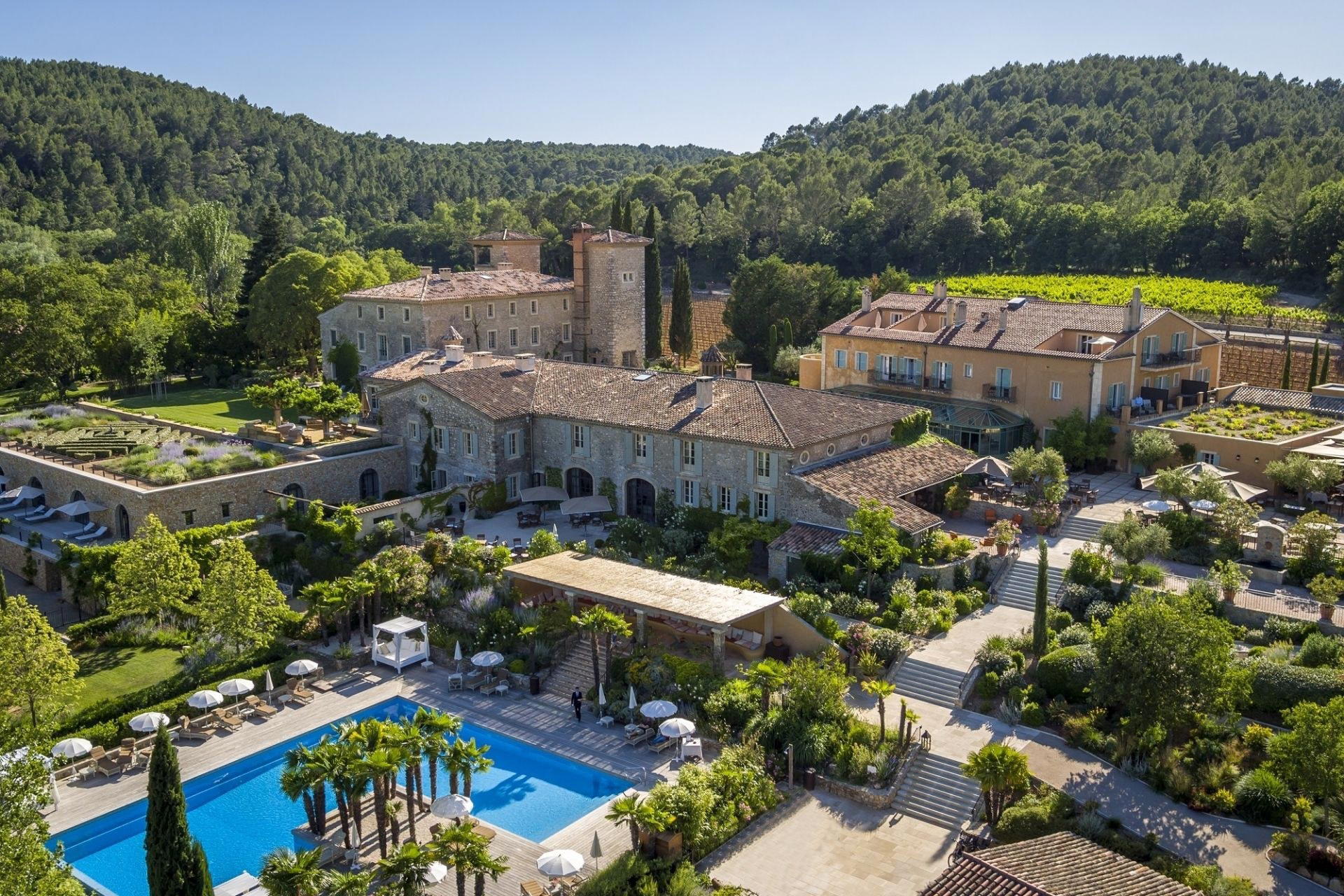
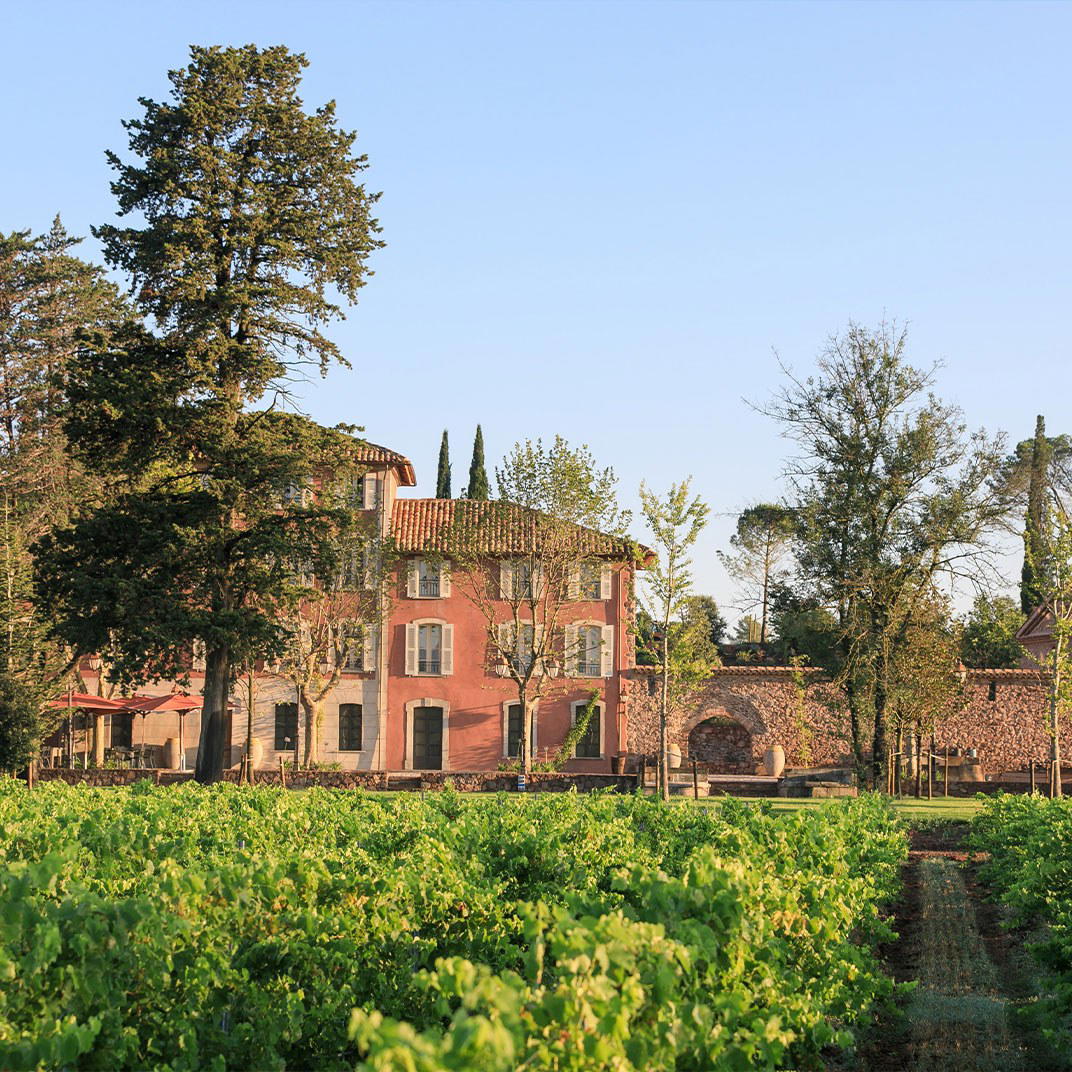
The estate operates from a medieval property in Les Arcs, Var, which sets a tone of historical weight rather than polished resort glamour. This is working wine country, the kind of address where the architecture and the land do the talking.
What wines should I try at Château Sainte-Roseline?
Provence rosé is the category that has repositioned the estate in contemporary wine conversations, and Sainte-Roseline is one of the Var producers making that case at the prestige tier. Beyond rosé, Var estates of this age typically produce red and white cuvées drawn from the same medieval vineyard holdings.
Where exactly is Château Sainte-Roseline?
Château Sainte-Roseline is located at Château Sainte-Roseline, 83460 Les Arcs, Les Arcs.
Why do people go to Château Sainte-Roseline?
Les Arcs is reachable from Nice or Marseille via the Les Arcs-Draguignan rail station, which removes the logistical friction that keeps many Var estates off serious itineraries. For visitors focused on Provence wine at the production level, this is a primary-source stop.
Fast Comparison
Comparable venues nearby, for context on price, style, and recognition.
| Venue | Cuisine | Price | Awards | Notes |
|---|---|---|---|---|
| Château Sainte-RoselineThis venue (the venue you are viewing) | Grenache, Syrah | Not listed | Not listed | Not listed |
| Château de Saint-Martin | Grenache, Syrah | Not listed | Not listed | Taradeau |
| Château de Roquefort | Grenache Noir, Syrah | $30–50 | Not listed | Taradeau |
| King Family Vineyards | Winery | $20–30 | Falstaff Winery - Listed | Crozet |
| Domaine de la Janasse | Grenache, Syrah | $20–30 | Not listed | Courthézon |
| Domaine du Clos Saint Jean | Grenache, Syrah | Not listed | Not listed | Châteauneuf-du-Pape |
Enquire about visiting Château Sainte-Roseline or buying its wine
Visits to Château Sainte-Roseline are usually kept for the estate's regular buyers and the wine trade. Tell us when you would like to go and a little about how you buy, and we put the request to the estate and reply to you by email. For buying, we source directly from the producer or from a licensed seller we know and vouch for, and tell you the route before you pay.
Continue exploring
More in Les Arcs
Wineries in Les Arcs
All wineries in Les Arcs →
Bars in Les Arcs
Browse all →
Restaurants in Les Arcs
All restaurants in Les Arcs →

Details
- Classic
- Elegant
- Scenic
- Historic
- Sophisticated
- Wine Education
- Special Occasion
- Group Outing
- Cave Tasting
- Vineyard Tour
- Historic Building
- Estate Grounds
- Sustainable
- Vineyard
- Garden
- Grenache
- Syrah
- Mourvèdre
- Cinsault
- Tibouren
- Rolle
- Sémillon
- Cabernet Sauvignon
- Still Rosé
- Still Red
- Still White
- Cave Tasting
- French
- English
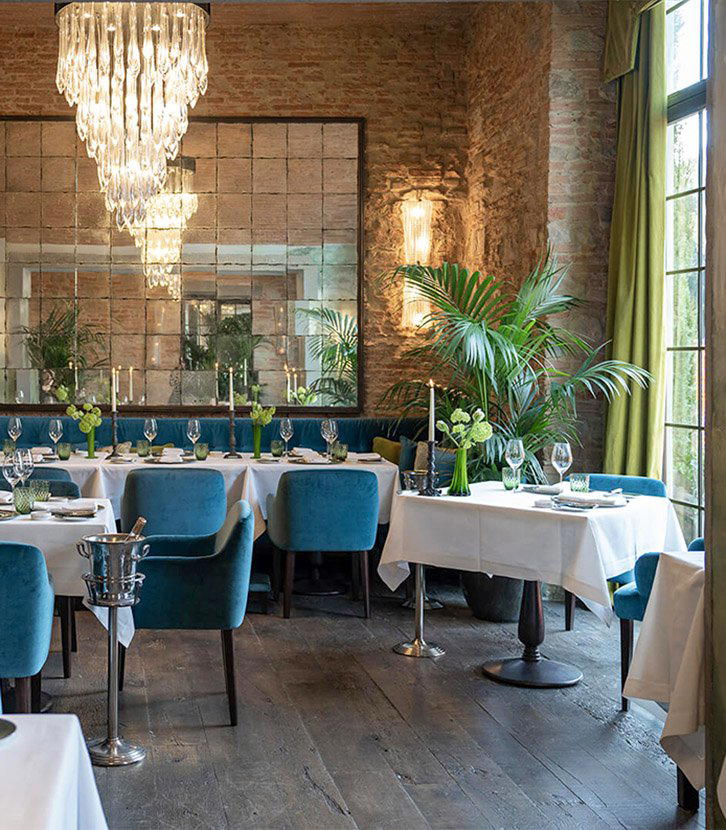
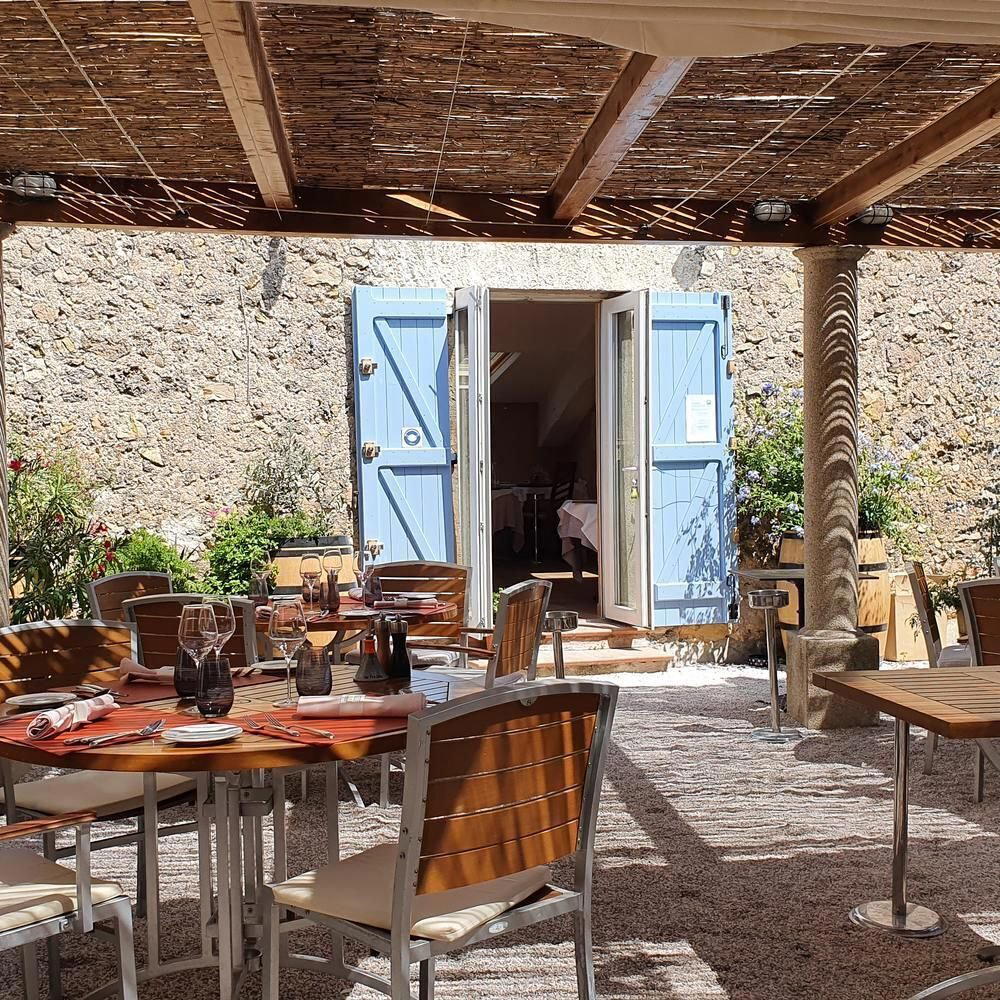
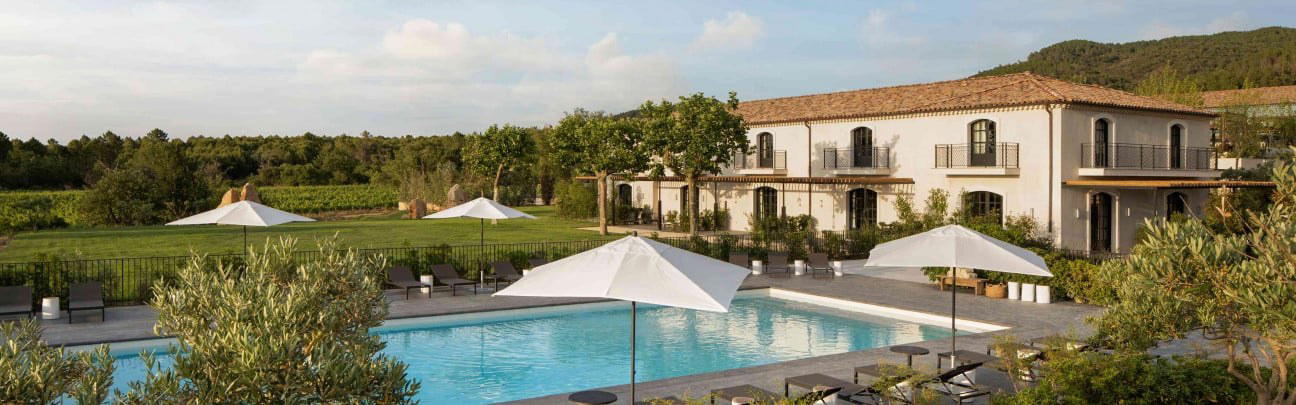
Serene and contemplative atmosphere in ancient stone chapel and cloister, with elegant modern winery amid scenic vineyards.