Domaine Ott has shaped Provence rosé for over a century, with first vintages dating to 1896 and current production led by Christian and Jean-François Ott. It occupies a reference position in French rosé that few producers anywhere in the region match.

Pearl is the En Primeur Club membership app, where members save venues, book tables and use the concierge.
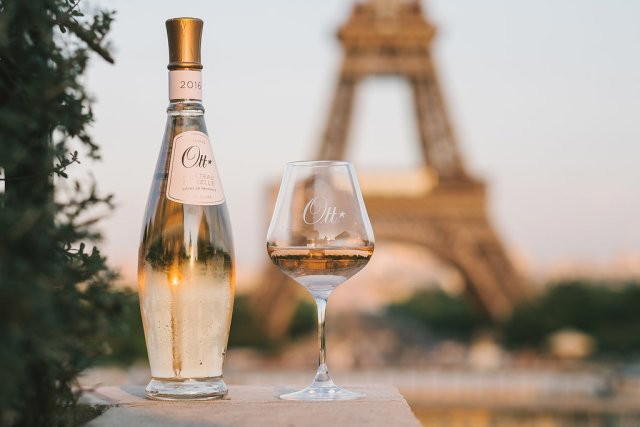
Where Provence Rosé Found Its Reference Point
The Var department does not announce itself dramatically. Provence rosé has become one of the most commercially discussed categories in contemporary wine, but Domaine Ott's position in that conversation is rooted in something that predates the trend entirely.
The domaine made its first vintage in 1896. That timestamp places it in a different historical register from the wave of Provençal producers who entered the category during the pale rosé boom of the 2000s and 2010s. Most of those producers were responding to a market. Domaine Ott was already part of the architectural record of southern French wine before the market existed. That longevity is the first thing to understand about the property, and it shapes how the wines are received by allocatees, collectors, and the broader French trade.
Christian and Jean-François Ott: A Winemaking Approach Rooted in the Var
Current winemaking is in the hands of Christian and Jean-François Ott, and their approach reflects a position the domaine has held across multiple generations: that Provence rosé should be constructed with the same technical rigour applied to serious white wine production, not treated as a seasonal by-product of red wine vinification. In a region where rosé can be made quickly and sold quickly, that distinction carries real weight.
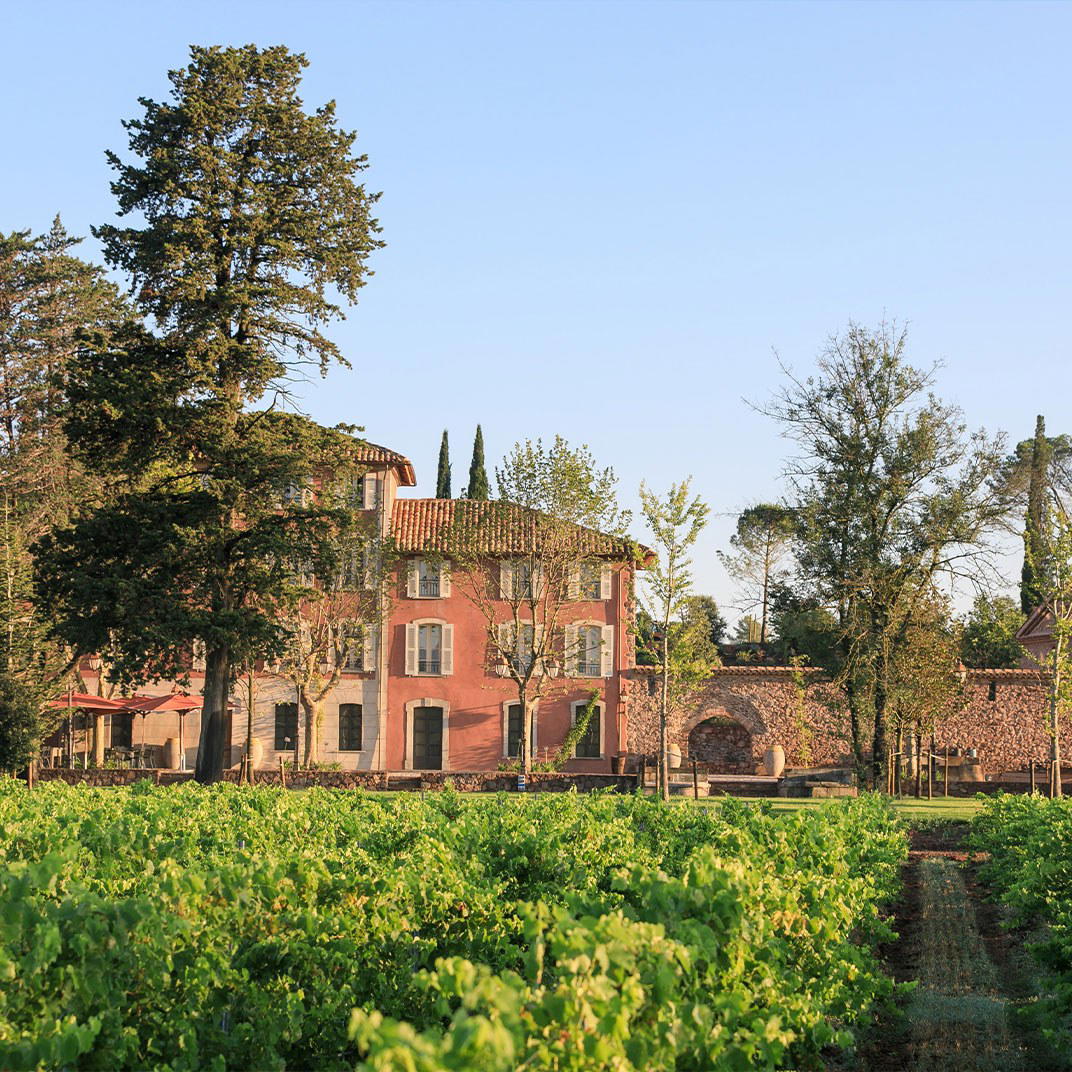
Ott approach has historically centred on direct-press extraction, careful temperature management during fermentation, and an attention to terroir differentiation that positions the domaine closer to Burgundian thinking about site expression than to the volume-rosé model more common in the southern Rhône corridor. What Christian and Jean-François Ott have maintained is the conviction that the Var's soil types, the schist, limestone, and sandy clay that characterise different parcels of the domaine, produce meaningfully different base material, and that winemaking should reveal rather than homogenise those differences.
This philosophy places Domaine Ott in a peer group that includes other terroir-focused French producers who treat their appellation's structural character as the starting point for every vintage decision. Producers like Château de Roquefort in the wider Provence region engage with similar questions about site and varietal expression. Further afield, the rigour of approach that defines Albert Boxler in Niedermorschwihr or the long-established production traditions at Chartreuse in Voiron reflect the same underlying principle: production decisions made at the level of individual parcels and vintage conditions, not scaled to market volume.
For a Provençal producer working primarily in rosé, a Prestige-level rating signals that the critical assessment has gone beyond appellation comparison and is measuring the domaine against a French and international reference standard.
That kind of recognition is worth contextualising. Provence rosé as a category receives substantial critical attention, but the quality spread within it is wide. A large number of producers occupy the commercial middle ground, making technically competent wine that satisfies demand without generating the kind of critical depth that drives collector interest or long-term allocation.
The contrast with how other French classified properties are assessed is instructive. Properties like Château Batailley in Pauillac, Château Branaire Ducru in St-Julien, or Château Bélair-Monange in Saint-Emilion are assessed within the structured hierarchy of Bordeaux classification. The village itself is small, but the surrounding terrain includes some of the most varied soil profiles in southern Provence. The combination of altitude, aspect, and soil type across this part of the Var produces conditions that reward careful viticulture: the diurnal temperature variation preserves acidity, the stony soils stress the vines in productive ways, and the proximity to the Maures massif moderates some of the extreme summer heat that can flatten wine character in lower-lying parts of the appellation.enprimeurclub.com/wineries/chateau-de-rayne-vigneau">Château de Rayne-Vigneau and Château d'Arche in Sauternes offer a useful comparison point: both are properties where terroir specificity within a defined appellation drives the critical reputation of the wine, even when the category itself is commercially broad.enprimeurclub.com/wineries/chateau-clinet-pomerol">Château Clinet similarly derives its standing from site-specific production within a competitive appellation. The address places it within comfortable driving range of the A8 autoroute, with Draguignan and Les Arcs-sur-Argens both functioning as useful reference points for navigation. For broader orientation on what the area offers, the Château Bastor-Lamontagne in Preignac and Accendo Cellars in St. Helena illustrate the range of properties operating at Prestige level across different regions, but Domaine Ott's category position within Provence rosé remains distinct.
Price Lens
Comparable venues nearby, for context on price, style, and recognition.
| Venue | Cuisine | Price | Awards | Notes |
|---|---|---|---|---|
| Domaine OttThis venue (the venue you are viewing) | Taradeau, Grenache, Cinsault | Not listed | Not listed | Not listed |
| Château de Rayne-Vigneau | Sauternes, Sémillon, Sauvignon Blanc | Not listed | Not listed | Not listed |
| Château de Roquefort | Taradeau, Grenache Noir, Syrah | $30–50 | Not listed | Not listed |
| Château Phélan Ségur | Not listed | $30–50 | Falstaff Winery - Listed | Saint-Estèphe, Cabernet Sauvignon, Merlot |
| Château de Bellet | Saint-Roman-de-Bellet, Rolle, Braquet | Not listed | Not listed | Not listed |
| Domaine de la Janasse | Courthézon, Grenache, Syrah | $20–30 | Not listed | Not listed |
Continue exploring
More in Taradeau
Wineries in Taradeau
All wineries in Taradeau →
Bars in Taradeau
Browse all →
Restaurants in Taradeau
Browse all →

Details
- Elegant
- Scenic
- Sophisticated
- Rustic
- Wine Education
- Special Occasion
- Vineyard Tour
- Estate Grounds
- Terrace
- Organic
- Vineyard
- Grenache
- Cinsault
- Syrah
- Mourvèdre
- Sémillon
- Rolle
- Still Rosé
- Still White
- Still Red
- Cave Tasting
- Private Tasting
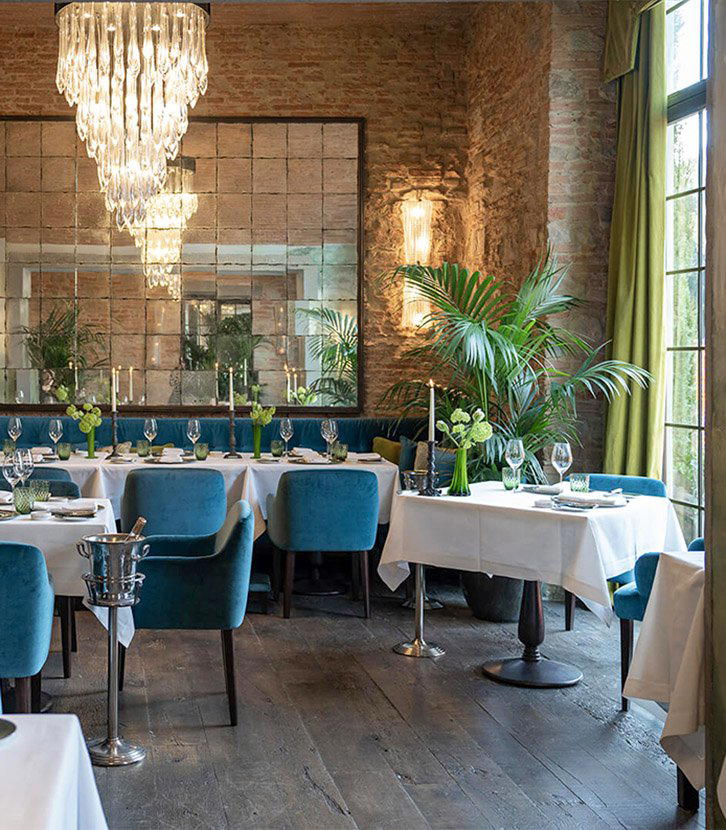
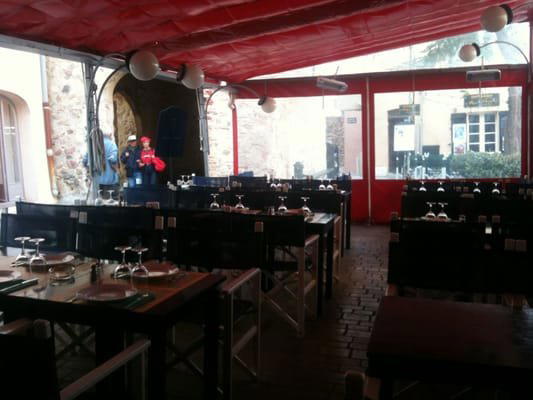
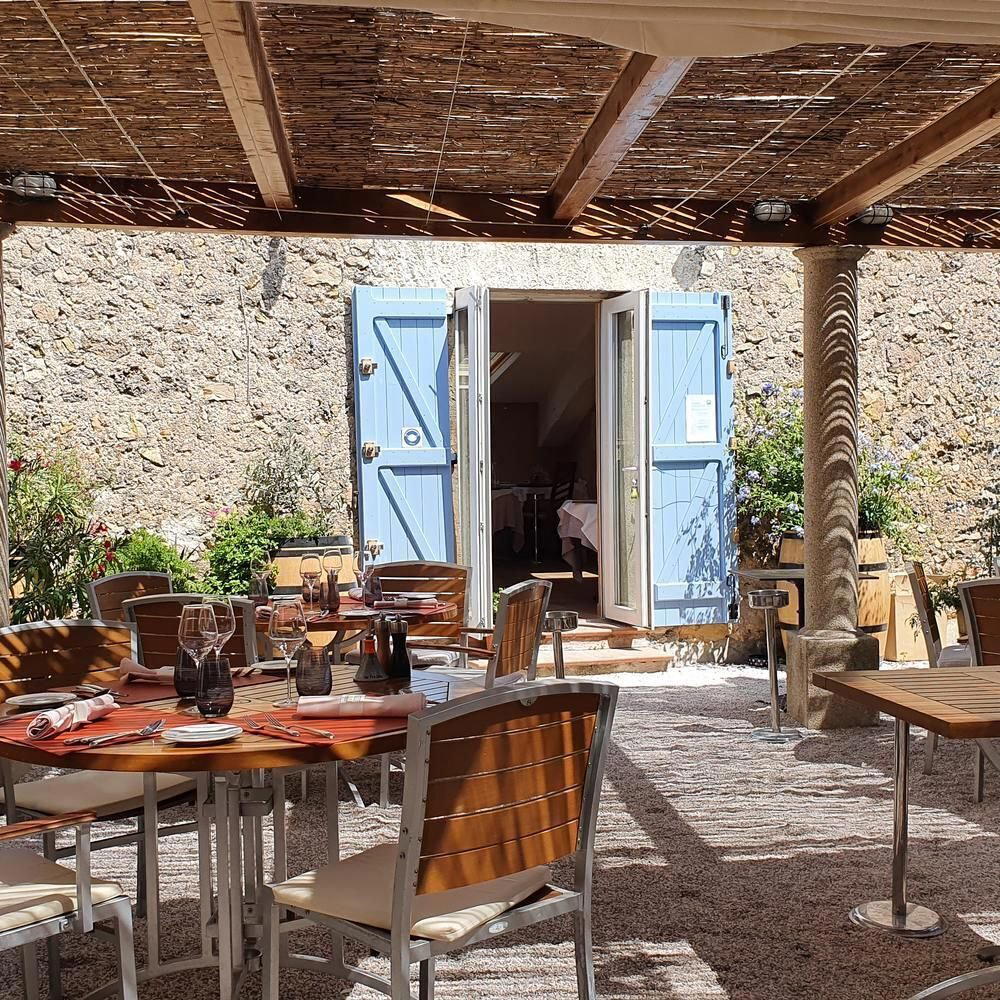
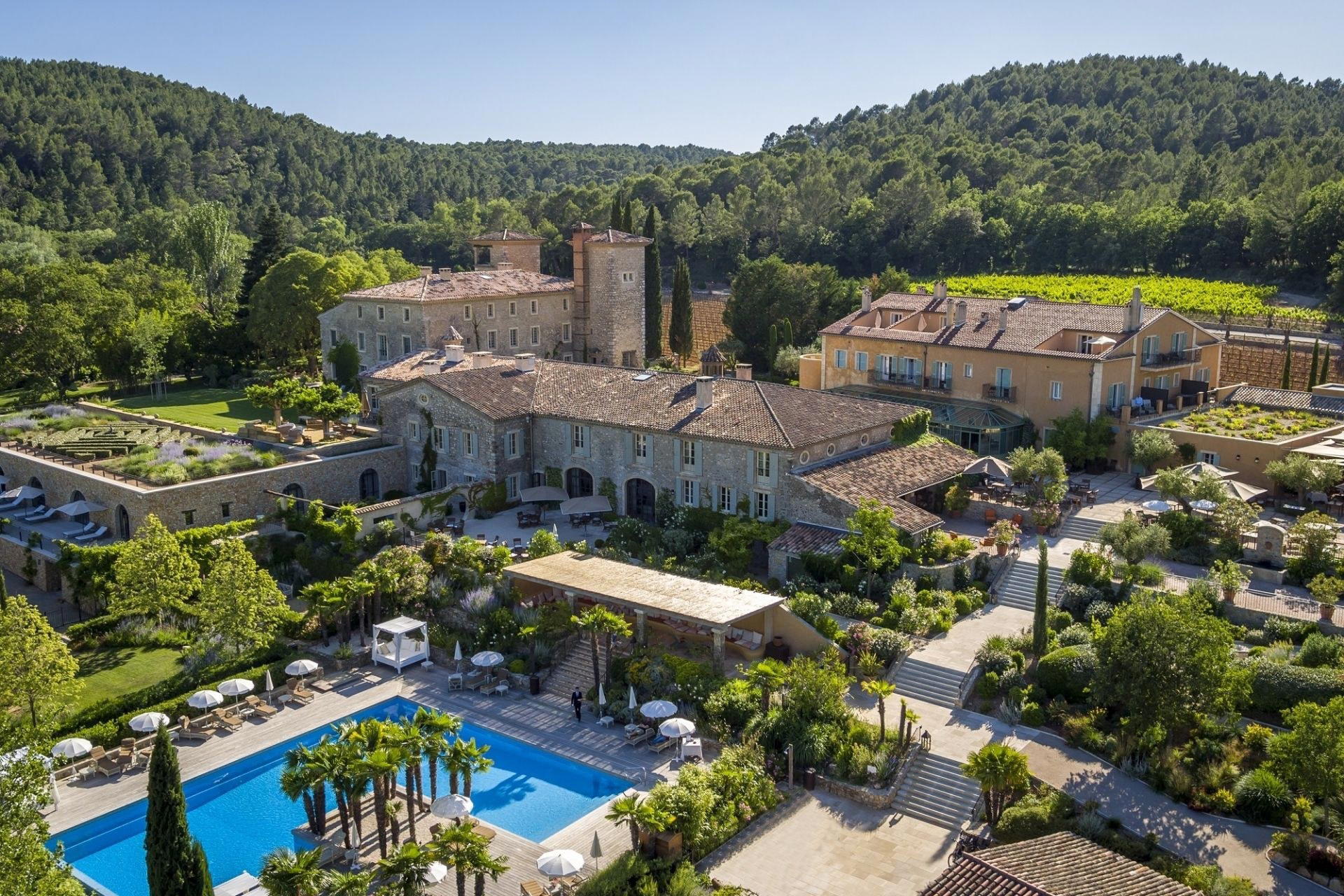
Refined and elegant atmosphere with mineral freshness and subtle salinity influenced by the arid, terraced Provençal terroir.