Domaine de la Sanglière
Winemakers Franck and Olivier Fabre oversee production from an address in Bormes-les-Mimosas, one of the Riviera hinterland's most serious wine communes, placing the estate within a comparable set defined by terroir precision rather than volume.
Pearl is the En Primeur Club membership app — saves, bookings, and concierge access live there. Same editors, same standards.
- Address
- 3886 Rte de Léoube, 83230 Bormes-les-Mimosas
- Phone
- +33 4 94 00 48 58
- Website
- domaine-sangliere.com
- Directions
- Get directions
 Saves & bookings on Pearl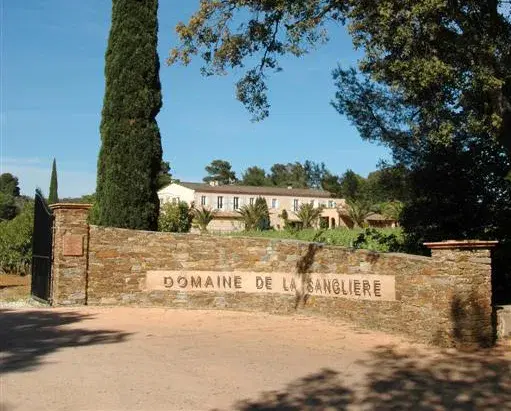
Provence Rosé at the Serious End of the Spectrum
The Côtes de Provence appellation covers more than 20,000 hectares, and the gap between its most considered producers and its most commercial ones is wider than the map suggests. At the serious end sits a cluster of domaines, concentrated around the Maures massif and the coastal communes east of Toulon, where producers work with the limestone and schist soils that give Provençal rosé its structure rather than its softness. Domaine de la Sanglière, sited on the Route de Léoube in Bormes-les-Mimosas, occupies that tier.
The road itself is instructive context. The Route de Léoube runs through among the more wine-concentrated stretches of the southern Var, passing estates that have spent decades arguing, through their bottles, that Provence deserves the same critical attention as Burgundy or the Rhône. That argument has largely been won on the global stage, where Provence rosé has moved from café filler to a category attracting serious collector interest. Domaine de la Sanglière has been part of that conversation since 1980.
Franck and Olivier Fabre: What Family Continuity Signals in Winemaking
In wine regions where generational transfer often brings stylistic rupture, the presence of two Fabre family members, Franck and Olivier, at the winemaking helm of a domaine founded in 1980 signals something specific: accumulated knowledge of a single terroir, applied consistently across decades. That kind of depth is harder to replicate than any single technique. The vines themselves carry the record of those decisions, in root depth, canopy management, and the relationship between yield and concentration that only long-term site stewardship produces.
In Alsace, producers like Albert Boxler in Niedermorschwihr have built reputations across generations through precisely this kind of continuity, where the winery's identity is inseparable from the family's cumulative reading of their plots. In Bordeaux, estates like Château Branaire Ducru in St-Julien and Château Batailley in Pauillac illustrate how long-term ownership structures underpin stylistic consistency. Domaine de la Sanglière follows that pattern on a southern Provence scale.
What this means in practice is that the Fabres' long experience shapes the domaine's wines. For a wine region where the relationship between microclimate, soil type, and grape variety is still being formally mapped, that institutional memory carries genuine weight.
Bormes-les-Mimosas as a Wine Address
The commune of Bormes-les-Mimosas is better known outside France for its medieval village architecture and its position on the Corniche des Maures than for its wine geography, but the two are not unrelated. The same topography that makes the area visually distinctive, the terraced slopes, the proximity to the sea, the shelter provided by the Maures massif, also creates the diurnal temperature variation and drainage conditions that serious vine cultivation requires.
Within the Côtes de Provence appellation, the land around Bormes sits in a sub-corridor that shares characteristics with the La Londe and Pierrefeu production zones: stony soils with significant schist content, strong maritime influence, and a growing season that runs warm but rarely hot enough to strip the wines of their tension. That tension, the balance between fruit weight and acidity that makes good Provençal rosé interesting rather than merely pleasant, is what separates the appellation's upper tier from its bulk production.
The winery operates with that same logic applied to the Var coast.
In appellation contexts where output is large and style variation is significant, tier-based ratings of this kind serve as navigation tools for buyers working above the supermarket level. They identify producers where quality is consistent enough across vintages to support purchase decisions without requiring bottle-by-bottle verification.
For buyers building a reference set of Côtes de Provence producers, this rating marks the domaine as a producer worth noting. Comparable recognition levels in adjacent categories, though not identical appellations, are held by properties like Château d'Arche in Sauternes and Château Bastor-Lamontagne in Preignac, estates where sustained critical recognition reflects a consistent approach to quality over time rather than a single strong vintage.
Château d'Esclans in Courthézon represents the premium, brand-led end of that investment wave. The winery, with its 1980 founding date and family winemaking structure, occupies a different position: an estate-first producer whose recognition is built on the wine rather than the label's cultural profile.
Planning a Visit to Bormes-les-Mimosas
The domaine sits at 3886 Route de Léoube, a road that connects Bormes-les-Mimosas to the coastal zone near Léoube beach. Access is by car from the village, which itself is reached most directly from the A8 motorway via Hyères or from the coastal road east of Toulon. Summer months bring significant traffic to the Corniche des Maures, so visits in late spring or early autumn allow easier movement through the area and cooler conditions for tasting.
For those combining a domaine visit with broader exploration of the region's wine and food offer, Reservations are recommended. Dress code is casual, and reservations are recommended.
Booking and Cost Snapshot
Comparable venues nearby, for context on price, style, and recognition.
| Venue | Cuisine | Price |
|---|---|---|
| Domaine de la SanglièreThis venue — the venue you are viewing | Bormes-les-Mimosas, Grenache, Cinsault | $$ |
| Château de Bellet | Saint-Roman-de-Bellet, Rolle, Braquet | $$$ |
| Philip Shaw Wines | Winery | Not listed |
| Château de Brégançon | Saint-Cyr-sur-Mer, Grenache, Cinsault | $$$ |
| Château Sainte-Roseline | Les Arcs-sur-Argens, Grenache, Syrah | $$$ |
| King Family Vineyards | Winery | Not listed |
Continue exploring
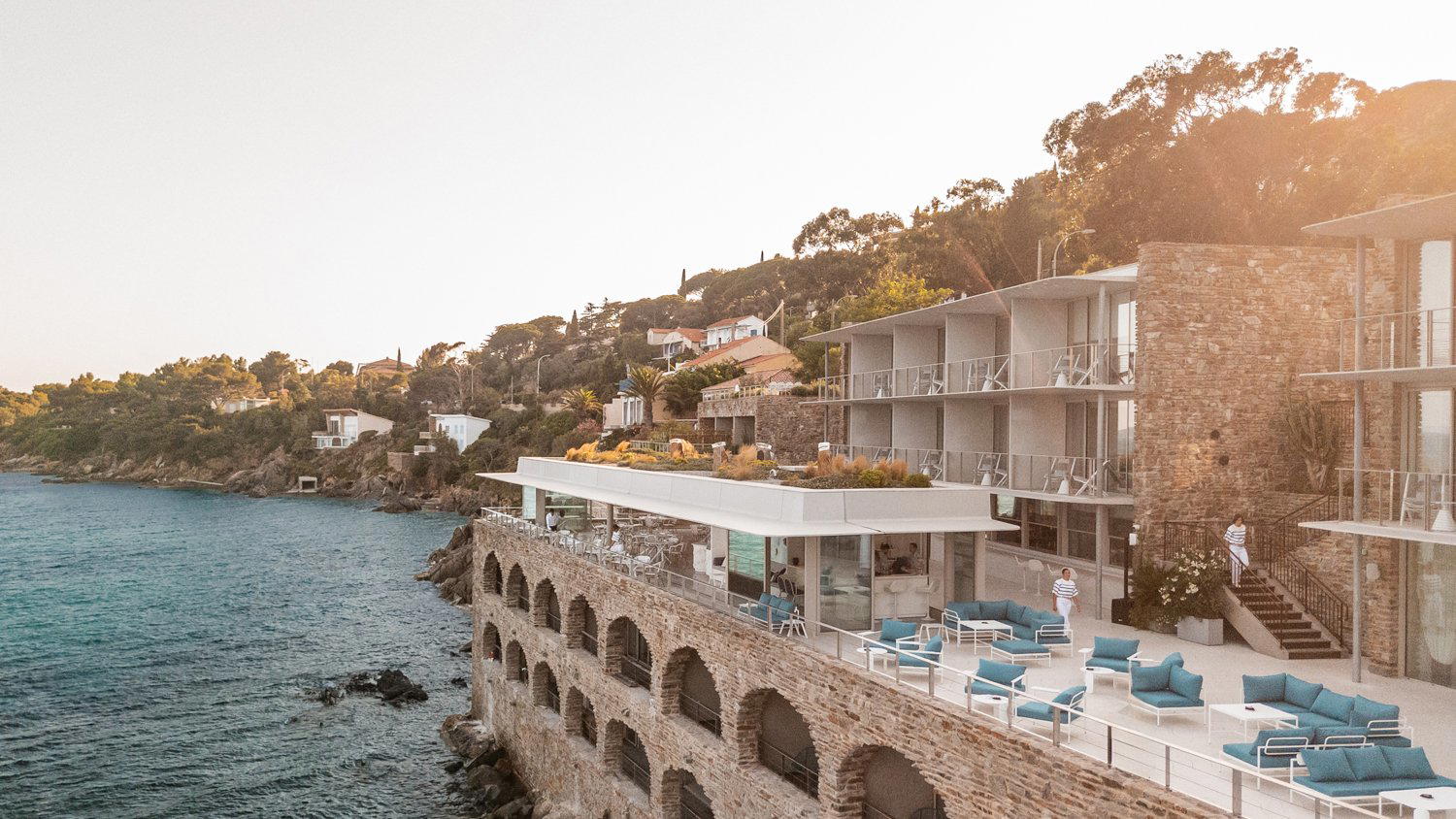
More in Bormes-les-Mimosas
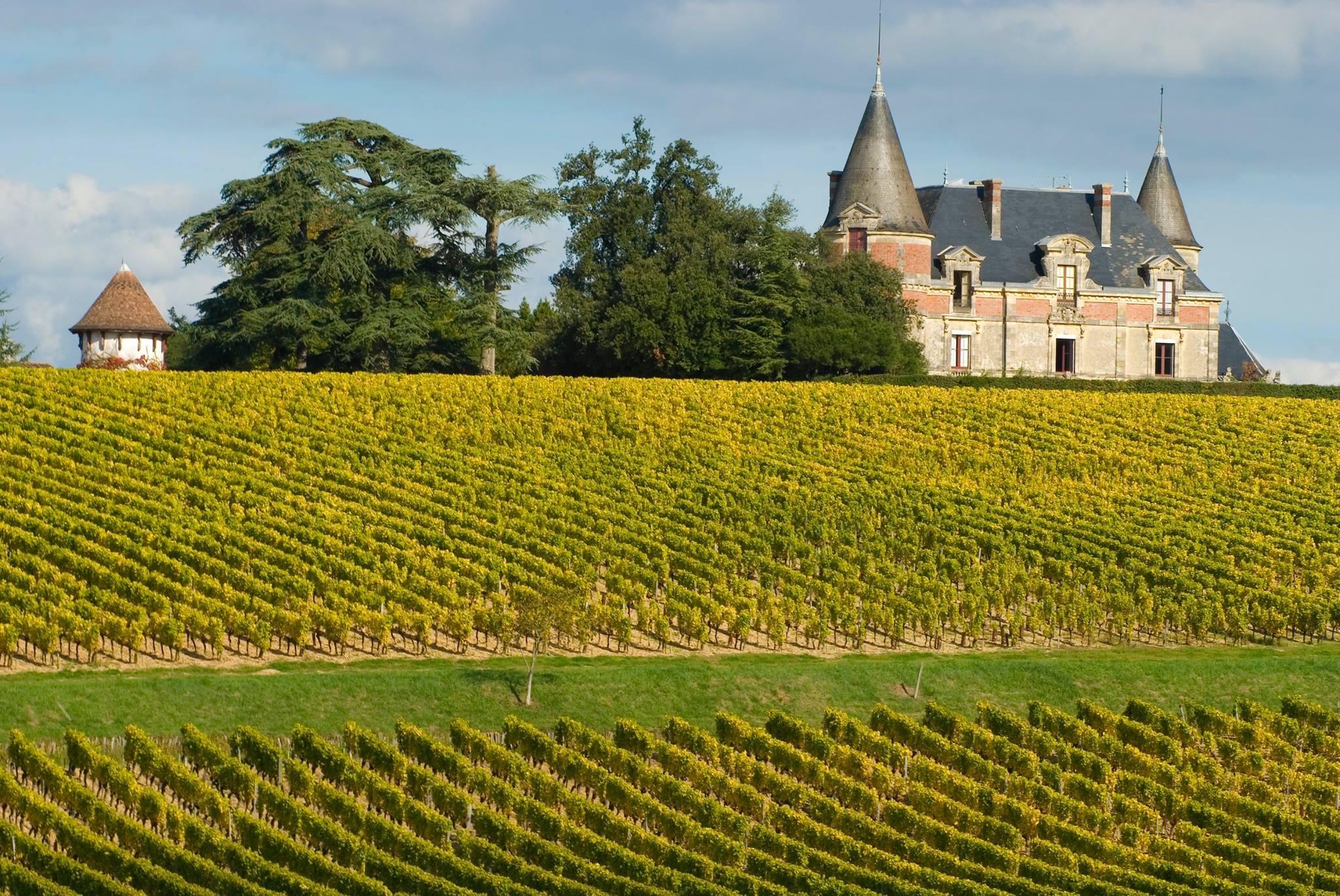
Wineries in Bormes-les-Mimosas
Browse all →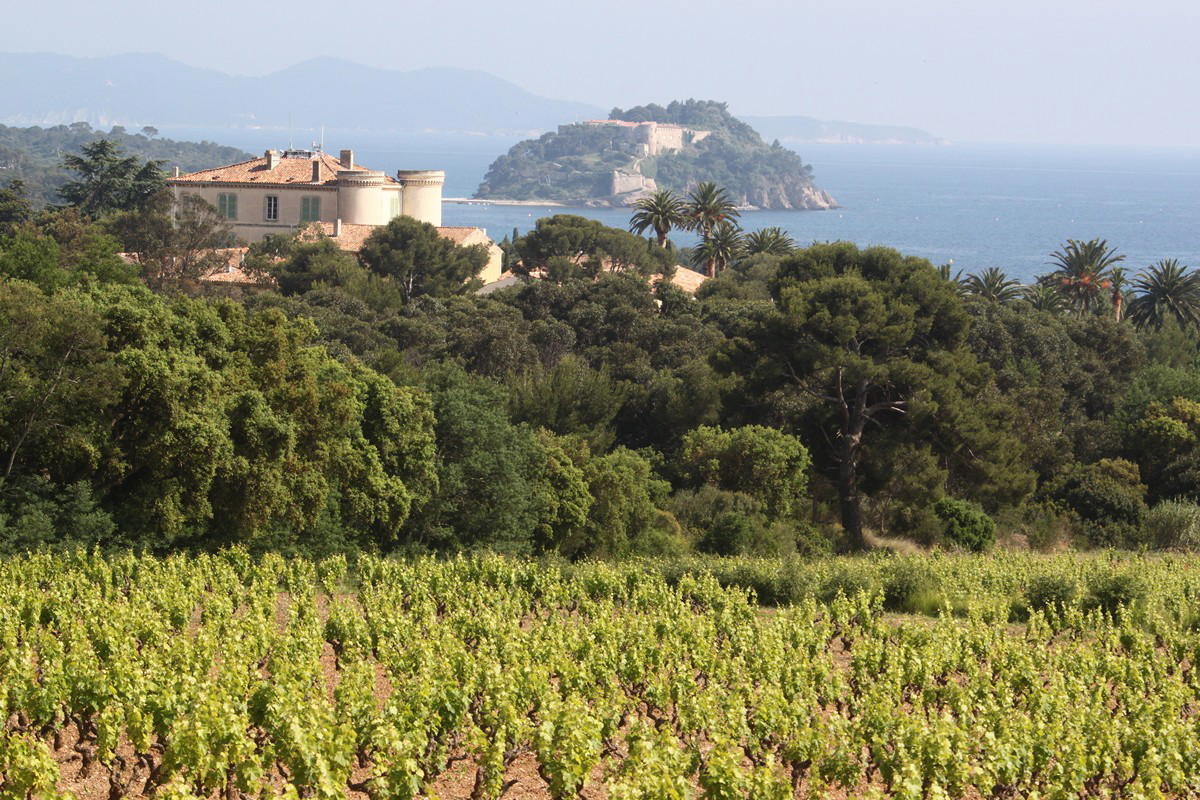
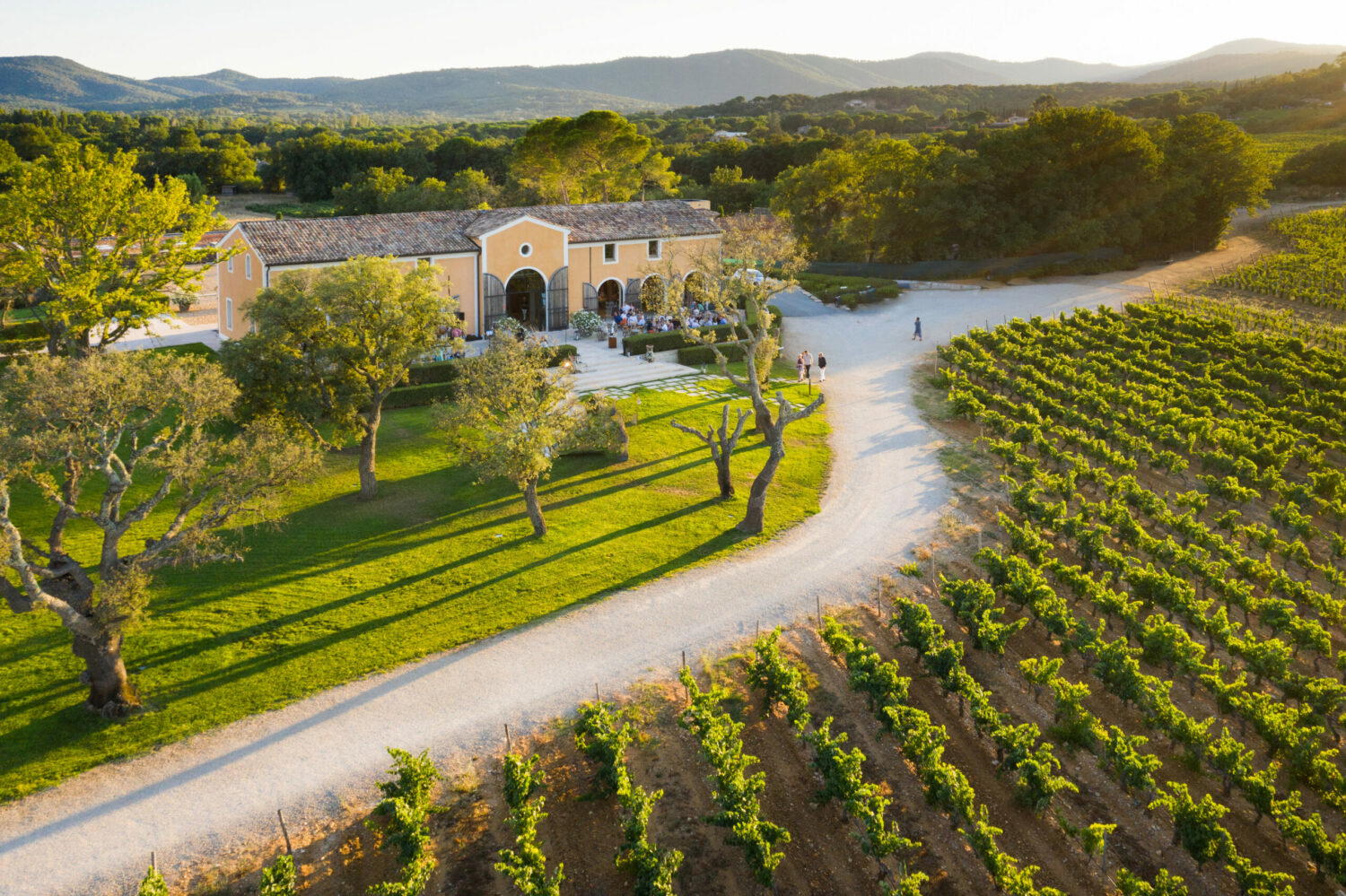

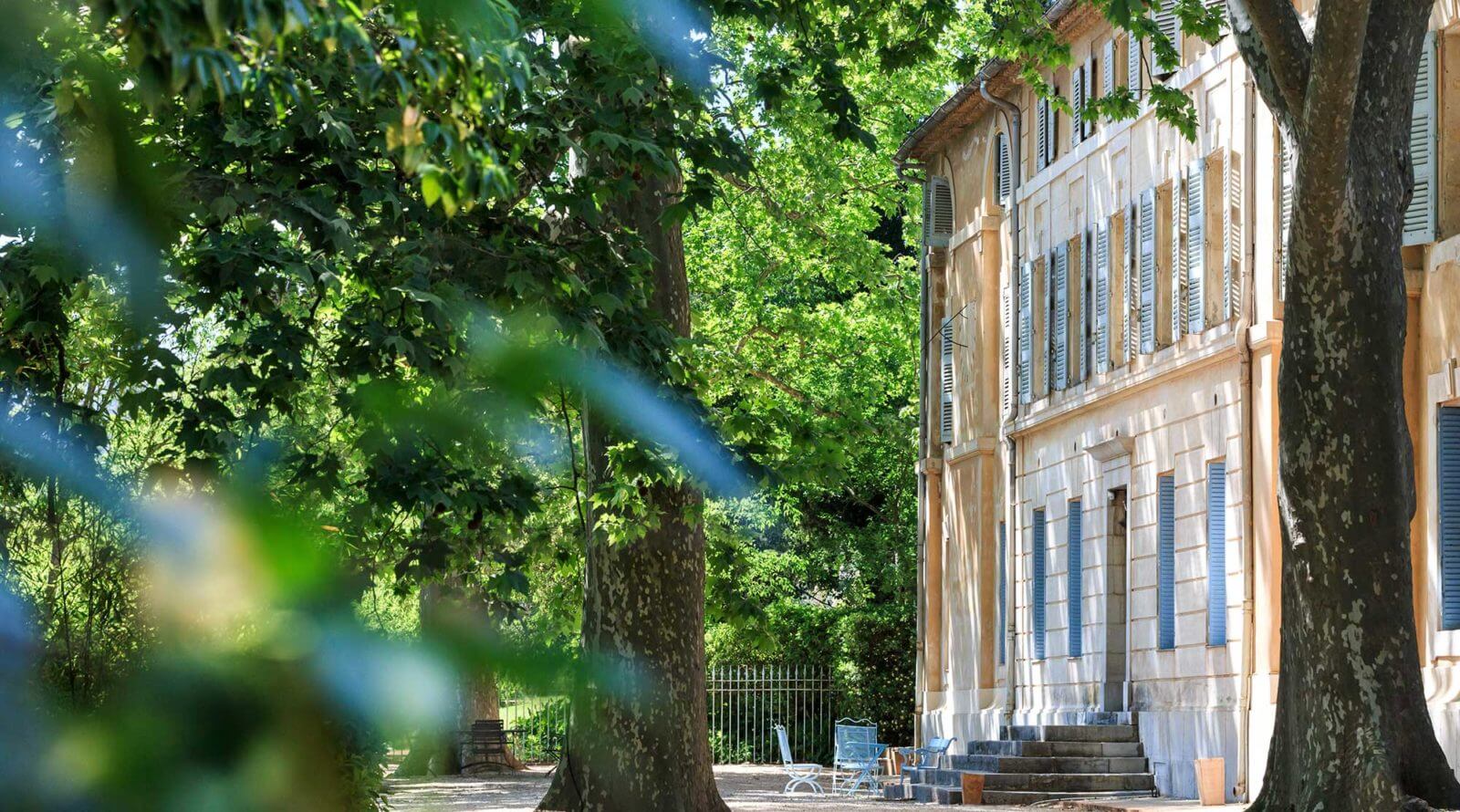
Bars in Bormes-les-Mimosas
Browse all →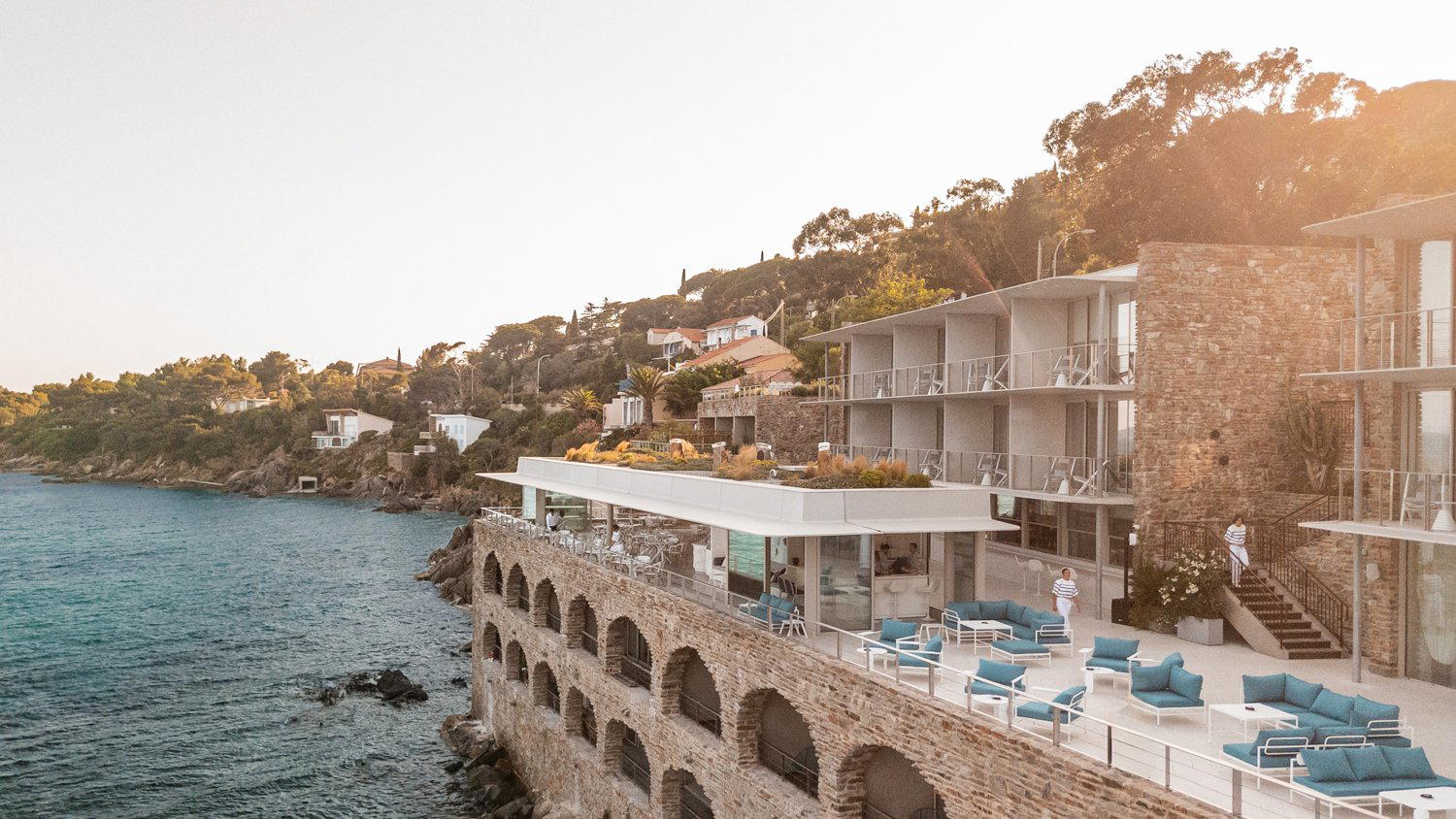
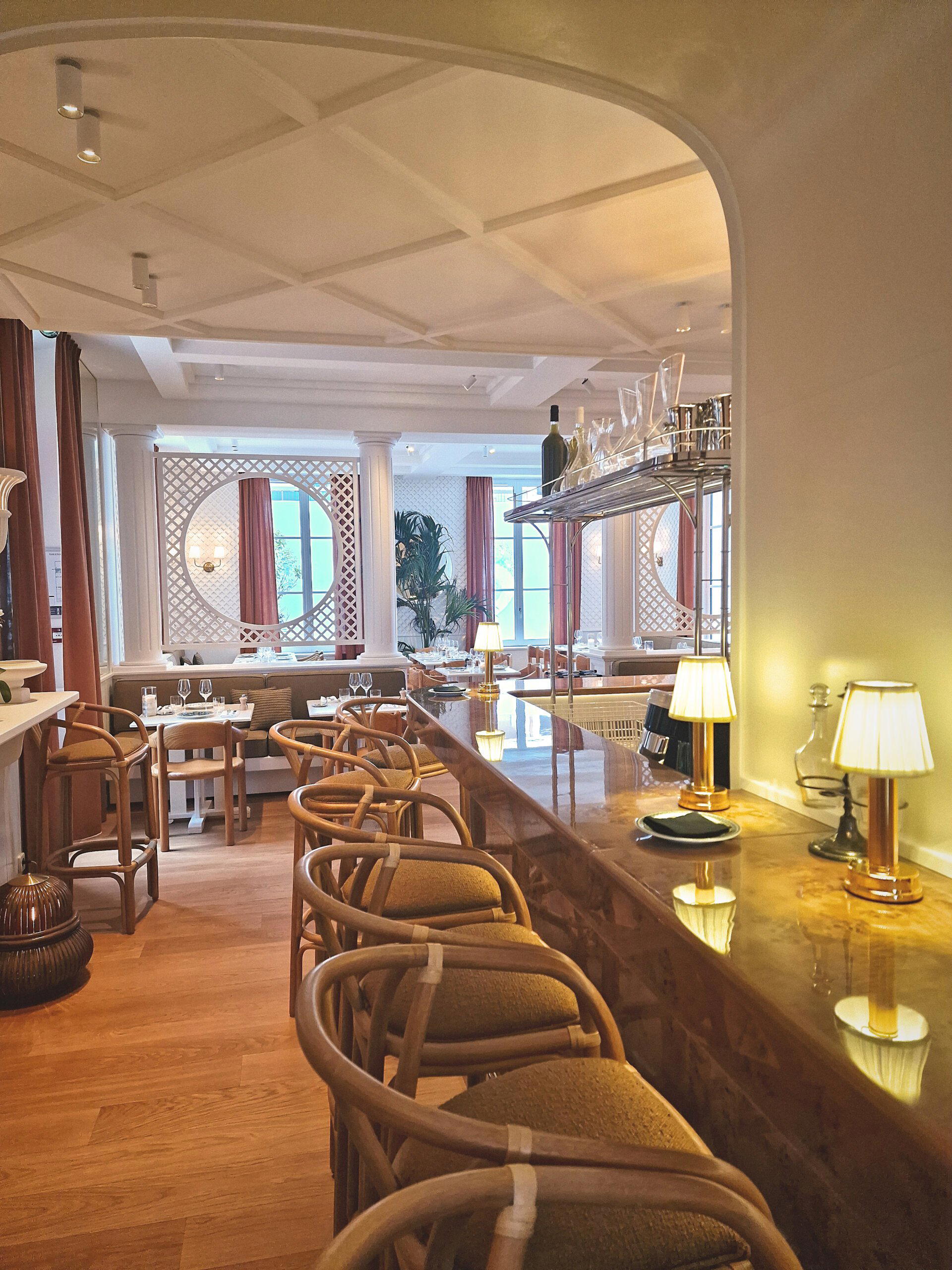
Restaurants in Bormes-les-Mimosas
Browse all →
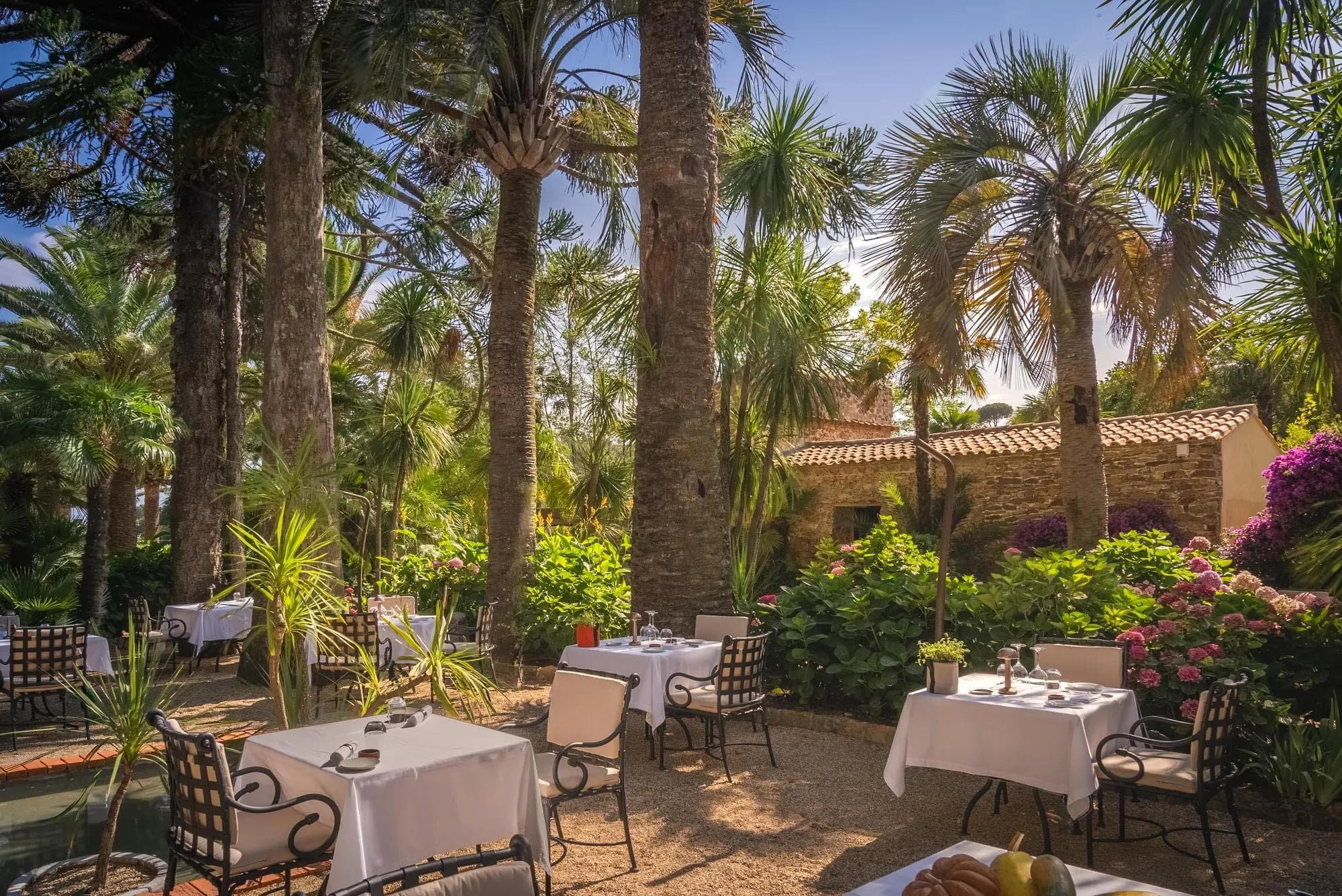
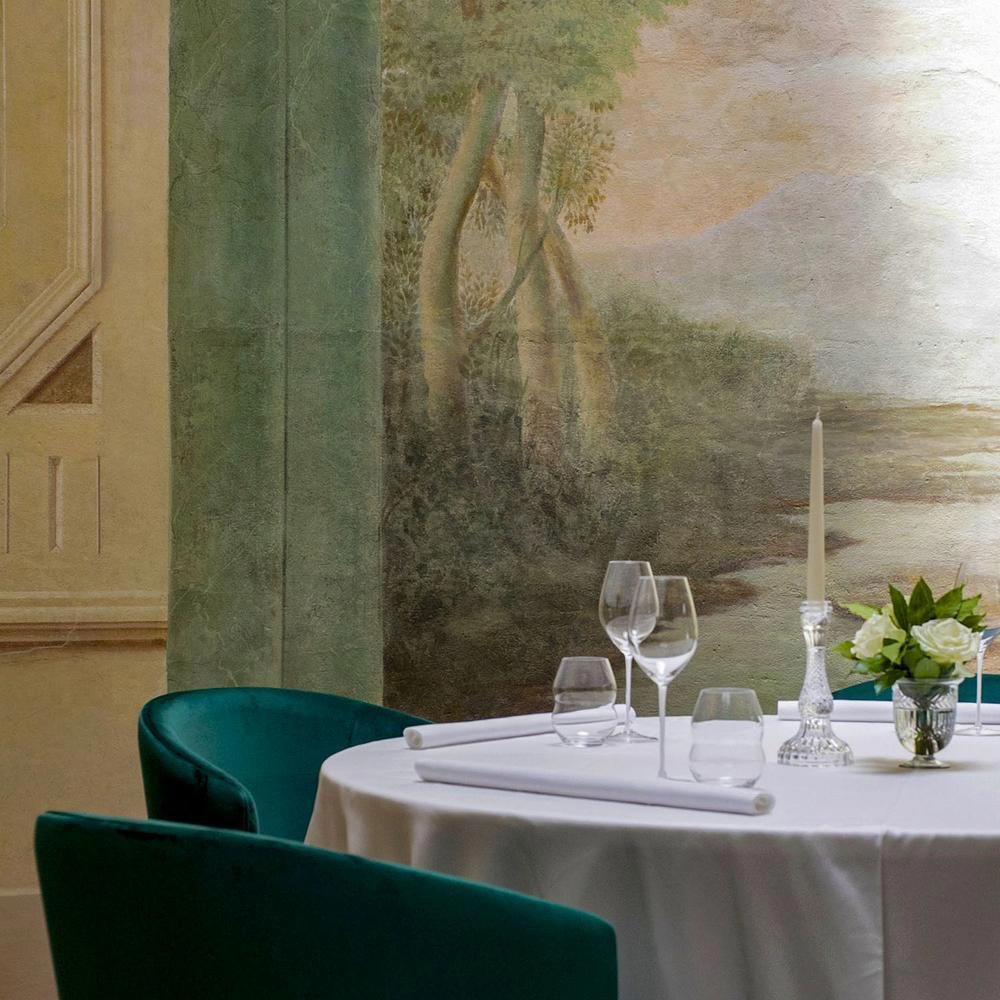
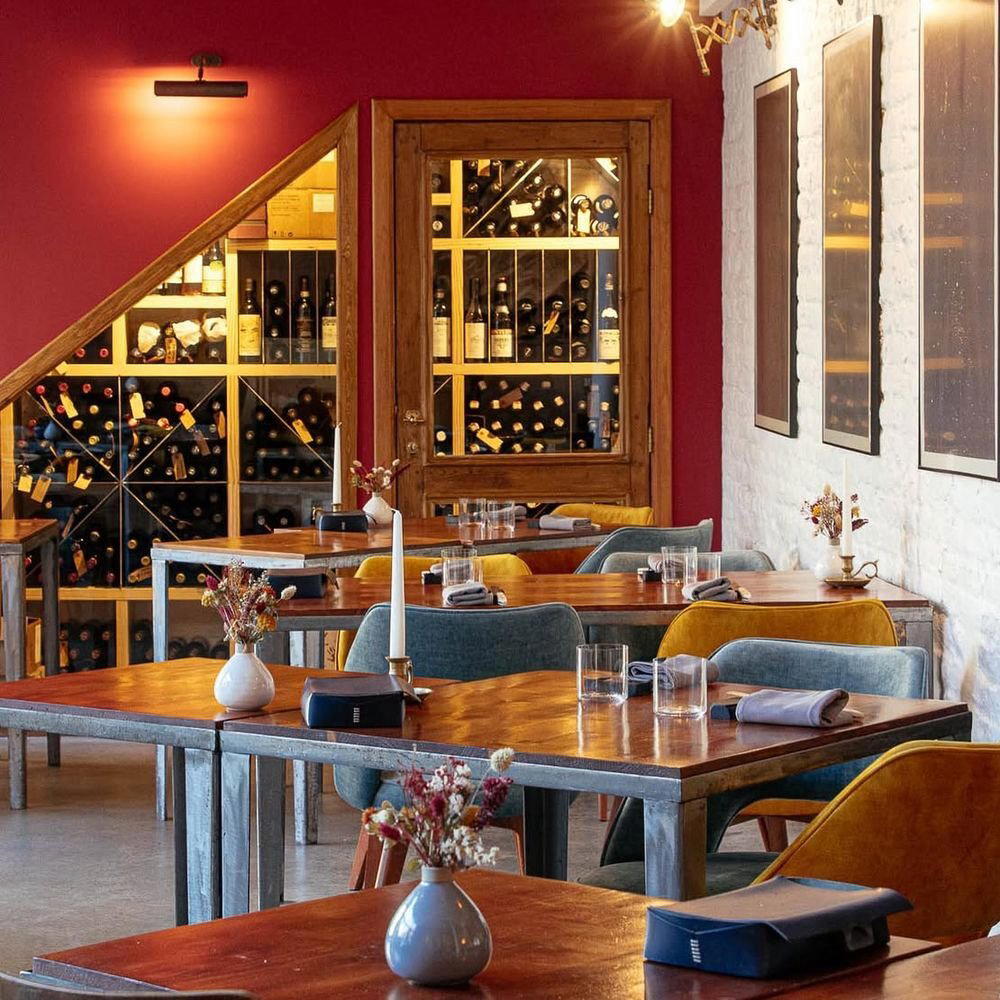
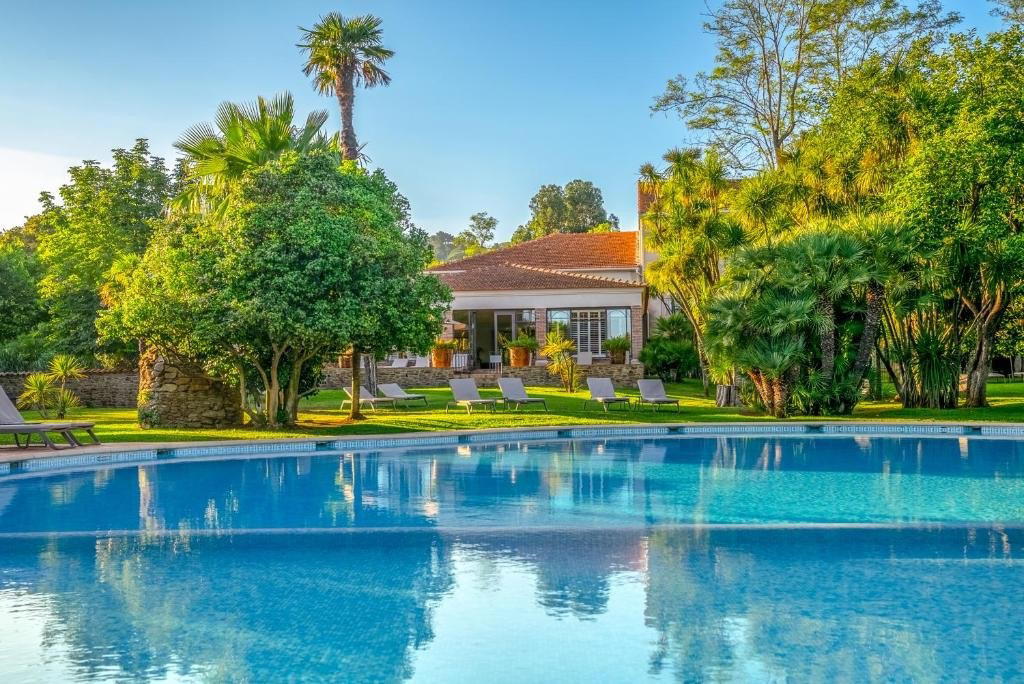
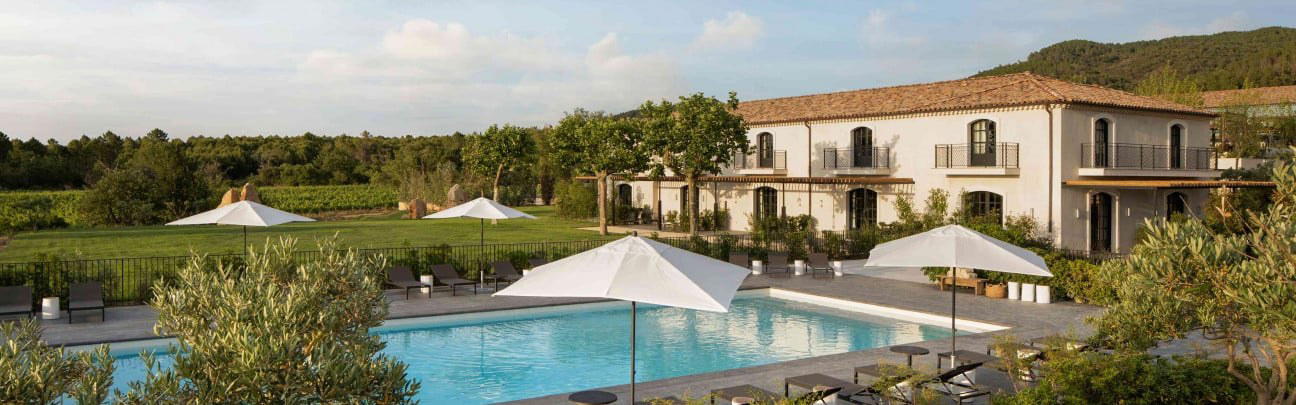
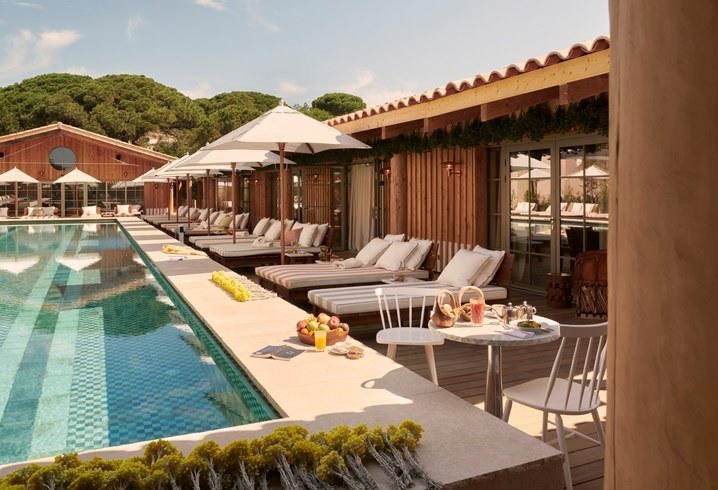
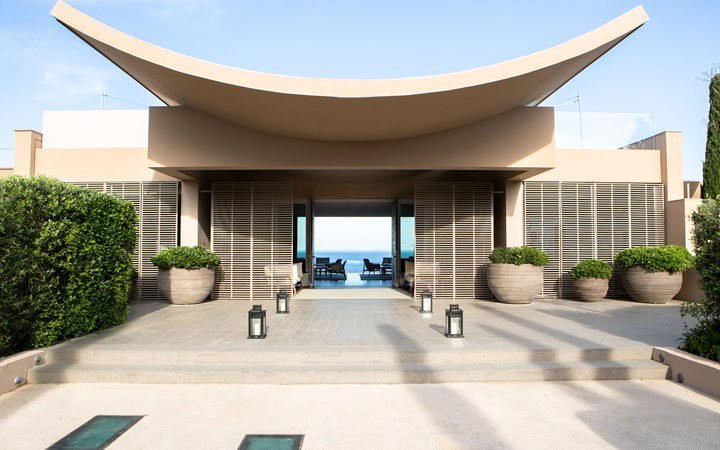
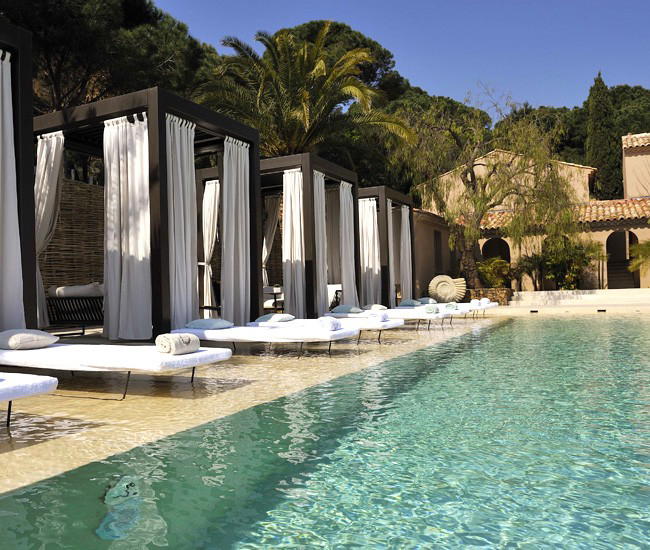
At a Glance
- Rustic
- Scenic
- Elegant
- Intimate
- Wine Education
- Solo Exploration
- Romantic Getaway
- Vineyard Tour
- Estate Grounds
- Organic
- Vineyard
- Waterfront
- AOP Côtes De Provence La Londe
- Grenache
- Cinsault
- Rolle
- Syrah
- Cabernet Sauvignon
- Still Rosé
- Still White
- Still Red
- Cave Tasting