

1 Michelin Star · Gault & Millau Remarkable Restaurant
Our verdict
A Michelin-starred table inside a 16th-century bastide above the Massif des Maures, Le Relais des Moines is where South-West French technique meets the full depth of Provence's Mediterranean terroir. Chef Sébastien Sanjou, shaped by Jacques Maximin and Alain Ducasse, works closely with local market gardeners to produce cooking that is colourful, precise, and rooted in place. At €€€€ pricing, it occupies the serious end of Var dining.

Pearl is the En Primeur Club membership app — saves, bookings, and concierge access live there. Same editors, same standards.
- Address
- 77 Chem. des Valises, 83460 Les Arcs, France
- Phone
- +33 4 94 47 40 93
- Hours
- Mon Open 24 hoursTue–Wed ClosedThu–Sun Open 24 hours
- Website
- lerelaisdesmoines.com
- Directions
- Get directions
- Booking
- Book on Zenchef
The menu
What to order
- Tomatoes with basil sorbet and burrata
- Poached white fish with fennel
- Pork with exotic mushrooms
Stone, Light, and the Var at Its Table
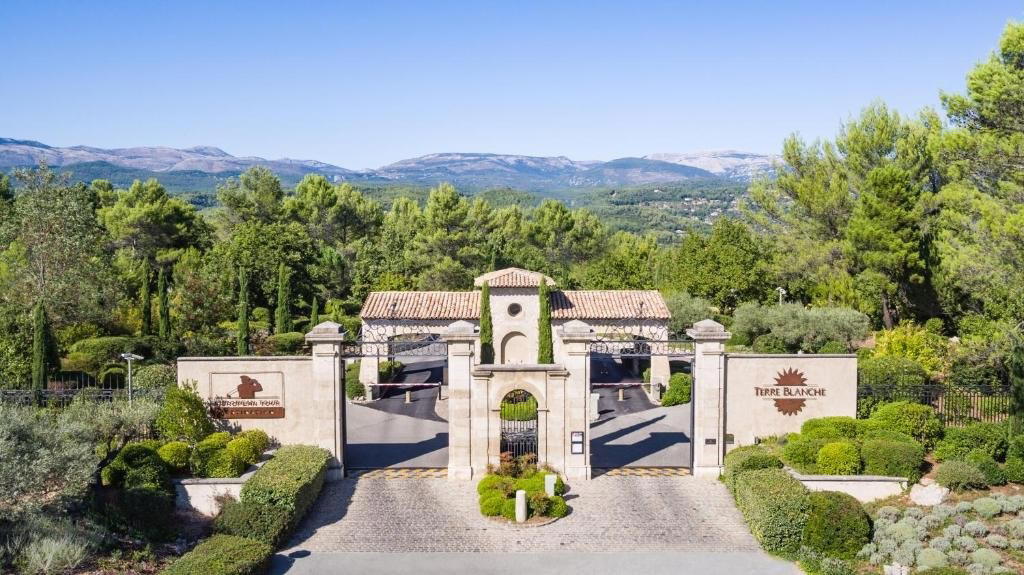
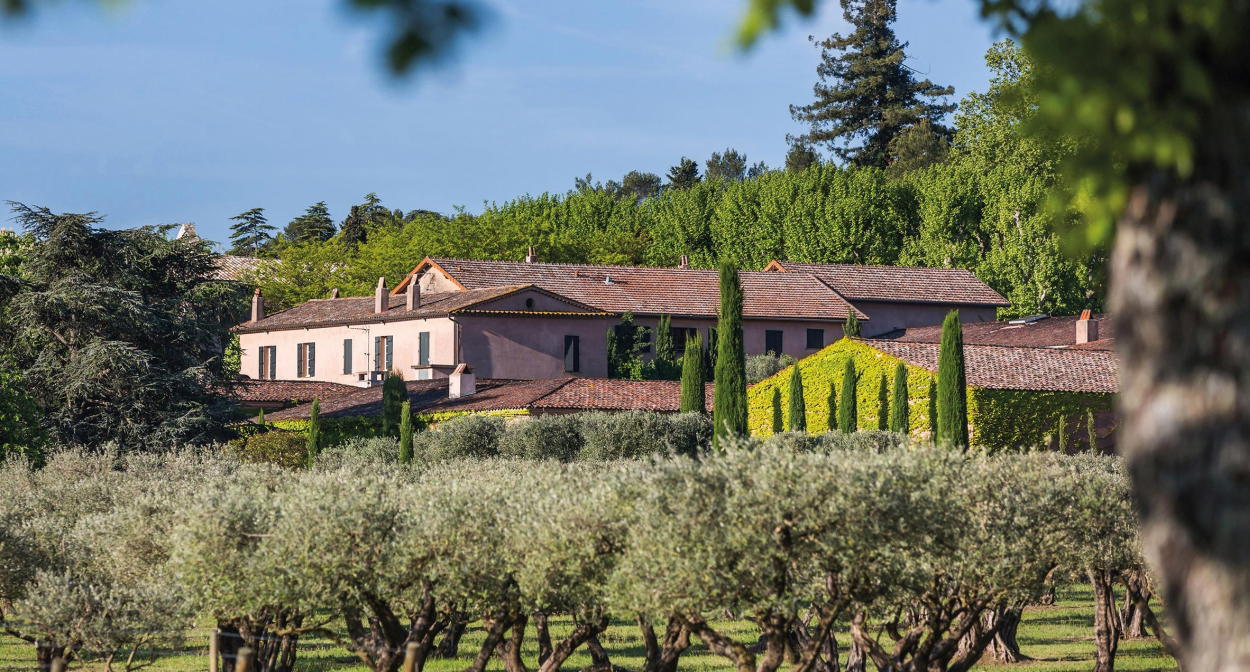
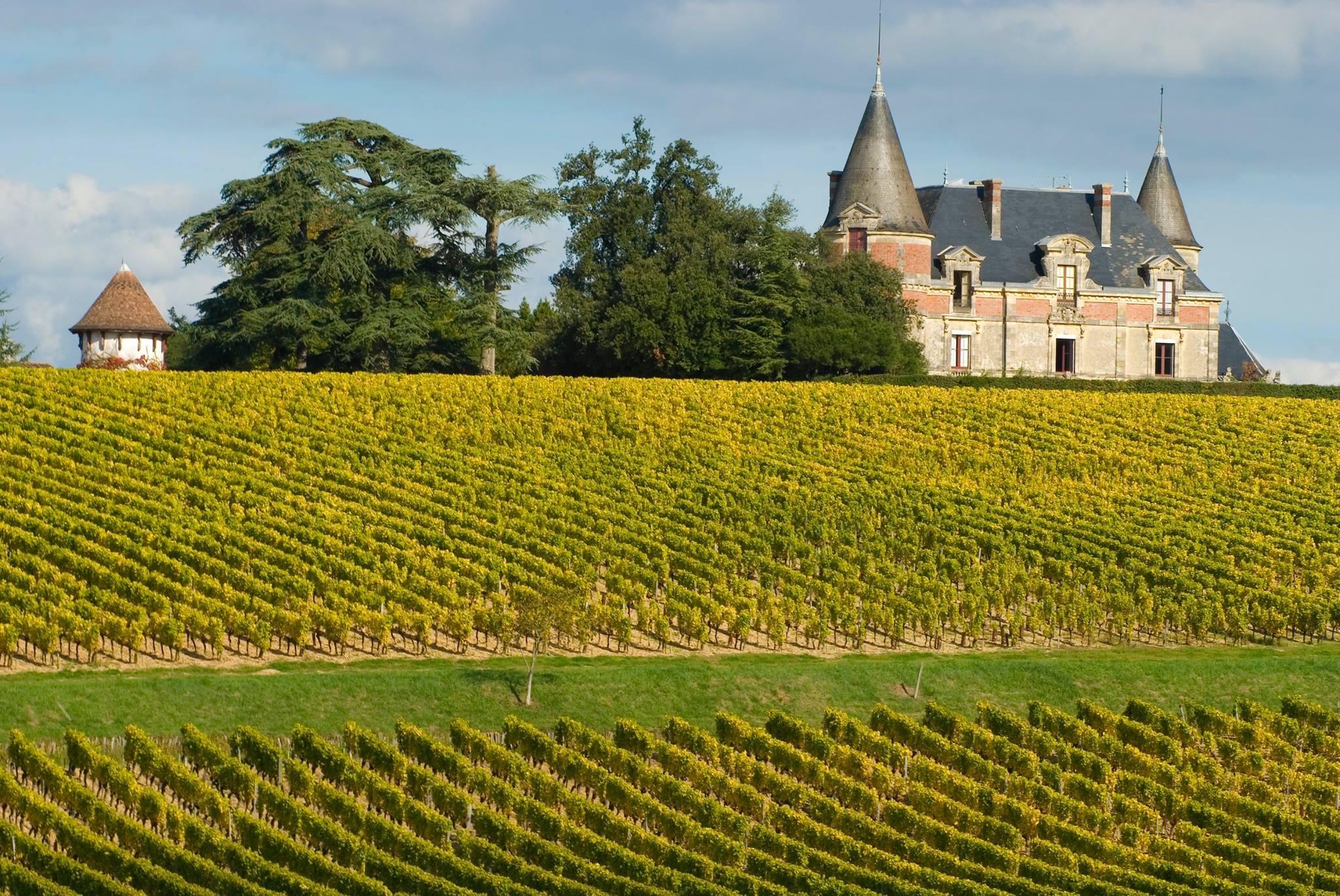
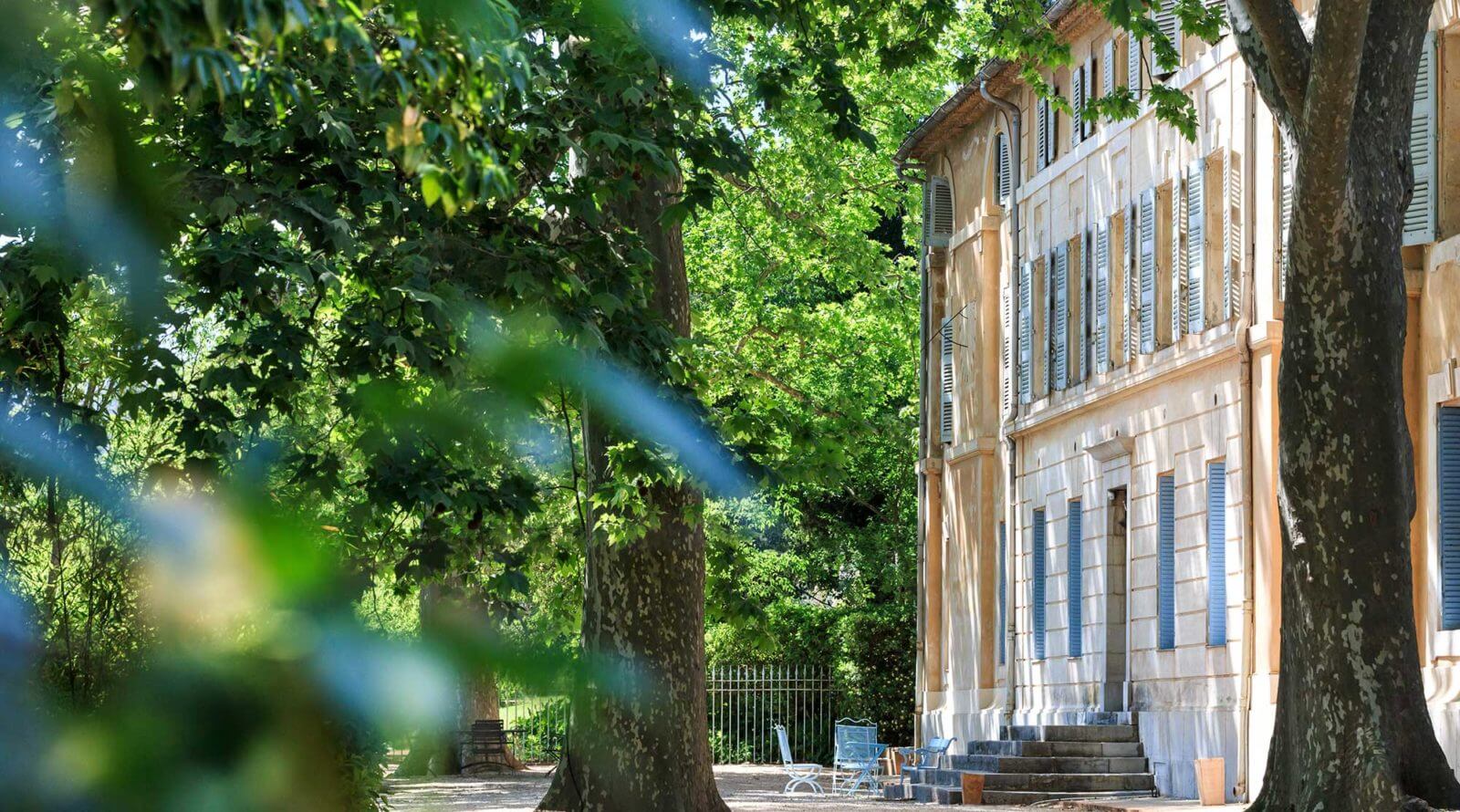
The approach to Le Relais des Moines sets the register before you reach the door. A 16th-century bastide sits above the Massif des Maures, the forested range that runs between the Provençal hills and the coast, with the village of Arc-sur-Argens spread below. The building belongs to a particular tradition of southern French architecture, where thick stone walls and high ceilings were designed to manage heat, and that functional logic translates, centuries later, into a dining room with a particular quality of stillness. It is a useful metaphor for what comes out of the kitchen: cooking that does not force itself.
For context on what serious regional dining looks like elsewhere in France, see our guides to Mirazur in Menton, Bras in Laguiole, and Auberge du Vieux Puits in Fontjoncouse, all of which share the same instinct for place-rooted cooking in non-urban settings.
A Kitchen Shaped by the South-West and Corrected by the Mediterranean
The trajectory that produces a chef like Sébastien Sanjou is worth understanding in structural terms, because it explains why this kitchen works differently from most of the Var's restaurant scene. South-West French cooking, the tradition Sanjou grew up in as the son of restaurateurs from Tarbes, is built on richness, on duck fat, on deep flavour accumulation. It is not, by instinct, a light cuisine. The Mediterranean correction is sharp: olive oil replaces the fat; tomatoes, aubergine, and courgette take the structural weight; aromatics shift from thyme and bay toward basil, fennel, and citrus.
That recalibration does not happen automatically. Sanjou's early formation in the Var was supported by two of the most exacting figures in French regional cooking: Jacques Maximin, the Nice-based chef who built a reputation for using Provençal ingredients at the level of haute cuisine, and Alain Ducasse, whose influence on southern French fine dining across the last three decades is substantial and documented. The mention of both names in Sanjou's formative years is a signal about the technical baseline he entered the kitchen with, not a biographical anecdote. It explains why a restaurant operating at €€€€ price range in a small Var village can hold a Michelin star with credibility.
For comparison, the level of technical ambition at this price point in French fine dining is visible in very different urban contexts at venues like Alléno Paris au Pavillon Ledoyen or Assiette Champenoise in Reims. The structural question at Le Relais des Moines is whether a kitchen at the same price tier, in a remote rural setting, can hold that standard through ingredient sourcing rather than team scale. The Michelin 1 Star awarded in 2024 suggests the answer is yes.
The Terroir Argument Made Concrete
Provence's identity in fine dining has always rested on a claim about ingredients: that the combination of sun hours, limestone soils, and maritime air produces produce that requires less intervention to be interesting. That claim, made sincerely by dozens of restaurants across the region, is routinely undercut by sourcing that does not match the rhetoric. Le Relais des Moines makes the argument concrete through an established partnership with market gardener Philippe Auda, whose produce forms the core of the menu's vegetable-led logic.
The Michelin citation is specific on this point: tomatoes from Auda's gardens, served with basil sorbet, burrata, and olive oil dressed with Baume de Bouteville vinegar, are cited as representative of the kitchen's approach. The detail worth noting is not the combination itself, which is a standard Mediterranean vocabulary, but the sourcing chain: a named grower, a specific vinegar, a preparation that asks the ingredient to carry the plate. That is the editorial argument Sanjou is making with each dish, and the Michelin inspectors found it convincing enough to mark as characteristic of the cuisine.
The description of the cooking in the Michelin record uses the term "Remarkable" in its category classification, which within the guide's architecture sits above a direct recommendation and signals a restaurant worth a specific journey. That positioning is relevant for readers considering Les Arcs as a destination rather than a stopover on the Provençal coast.
Where Le Relais des Moines Sits in the Var Dining Scene
Var département has a structural peculiarity in French fine dining: its most serious restaurants are not concentrated in a single city but distributed across the hills, often attached to properties with landscape value. This dispersal means that dining at the level of a Michelin star in the Var almost always involves a drive through the garrigue or the vines, and the experience of arrival is part of the proposition in a way it is not in Lyon or Paris.
Le Relais des Moines fits that pattern: the address, 77 Chemin des Valises in Les Arcs, places it outside the village centre on a rural road, and the bastide setting makes the journey intentional rather than incidental. This is not a restaurant you reach by accident, which concentrates the clientele and raises the average level of engagement in the room.
For a broader picture of what the region and the Var's surroundings offer in terms of restaurants, bars, accommodation, and producers, our full Les Arcs restaurants guide, Les Arcs hotels guide, Les Arcs bars guide, Les Arcs wineries guide, and Les Arcs experiences guide map the full offering. Les Arcs itself sits at the edge of the Côtes de Provence wine zone, so pairing a meal here with a visit to a domaine in the Arc valley is a practical itinerary, not a theoretical one.
Comparing the Modern Cuisine Register
Modern Cuisine as a category in the Michelin framework covers a wide span, from technically maximalist tasting menus in urban settings to produce-led cooking in rural bastides. At the Paris end of that range, venues like Flocons de Sel in Megève or the mountain-adjacent register of Troisgros in Ouches show how regional French fine dining can hold international relevance without urban infrastructure. Le Relais des Moines is in that conversation, operating in a Provençal key rather than a Alpine or Burgundian one, but sharing the same premise: that a kitchen in a non-metropolitan setting can be the primary reason to make a trip.
For readers interested in how modern cuisine operates at different scales and price points internationally, our profiles of Frantzén in Stockholm and FZN by Björn Frantzén in Dubai show the genre at its most technically ambitious. The register at Le Relais des Moines is different: less maximalist, more tied to what the Var's soils and producers can deliver in a given season, which is a different kind of ambition.
Other Michelin-starred tables worth knowing for regional French comparisons include AM par Alexandre Mazzia in Marseille, which takes Mediterranean ingredients into a far more experimental register, Auberge de l'Ill in Illhaeusern for the Alsatian counterpoint, and Au Crocodile in Strasbourg for another iteration of sustained regional French excellence. And for the institutional weight of French dining heritage, Paul Bocuse in Collonges-au-Mont-d'Or remains the reference point against which all French fine dining positions itself.
Planning a Visit
The restaurant is open Thursday through Sunday, 9 AM to 11 PM, and is closed Monday and Tuesday, with Wednesday also closed. Given the rural location and the Michelin star drawing diners from across the Var and the Riviera, booking ahead is advisable, particularly for weekend services during summer, when the region's population density rises sharply. The €€€€ pricing places this firmly in the special-occasion bracket for most visitors, though the setting, a hilltop bastide with views over the Massif des Maures, positions the full experience well above what a conventional fine-dining interior would provide at the same price level.
Frequently asked questions
What is the overall feel of Le Relais des Moines?
What do people recommend at Le Relais des Moines?
Would Le Relais des Moines be comfortable with kids?
How It Stacks Up
| Venue | Cuisine | Price | Awards |
|---|---|---|---|
| Le Relais des MoinesThis venue — the venue you are viewing | Modern Provençal Fine Dining | $50–100 | 1 Michelin Star · Gault & Millau Remarkable Restaurant |
| Alléno Paris au Pavillon Ledoyen | Creative | Not listed | Michelin 3 Star |
| Kei | Contemporary French, Modern Cuisine | Not listed | Michelin 3 Star |
| L'Ambroisie | French, Classic Cuisine | Not listed | Michelin 3 Star |
| Le Cinq - Four Seasons Hôtel George V | French, Modern Cuisine | Not listed | Michelin 3 Star |
| Plénitude | Contemporary French | Not listed | Michelin 3 Star |
Recognition history
Dated appearances from independent guides and award organizations, with the underlying list record or original source where available.
Michelin 1 Star
Michelin
Gault & Millau Remarkable Restaurant
Gault & Millau
Full recognition history (3 entries)
Michelin 1 Star
Michelin
Continue exploring
More in Les Arcs
Restaurants in Les Arcs
Browse all →
Bars in Les Arcs
Browse all →

Hotels in Les Arcs
Browse all →
Details
- Elegant
- Romantic
- Sophisticated
- Quiet
- Scenic
- Date Night
- Celebration
- Special Occasion
- Group Dining
- Terrace
- Garden
- Historic Building
- Private Dining
- Extensive Wine List
- Sommelier Led
- Farm To Table
- Local Sourcing
- Garden
- Mountain
- Prix Fixe
- Tasting Menu
- Wine Pairing
- Local Wines
- Provence Wines
- Vegetarian Friendly
Current opening hours
- Monday
- Open 24 hours
- Tuesday
- Closed
- Wednesday
- Closed
- Thursday
- Open 24 hours
- Friday
- Open 24 hours
- Saturday
- Open 24 hours
- Sunday
- Open 24 hours
Hours can change for holidays and private events. Last verified .
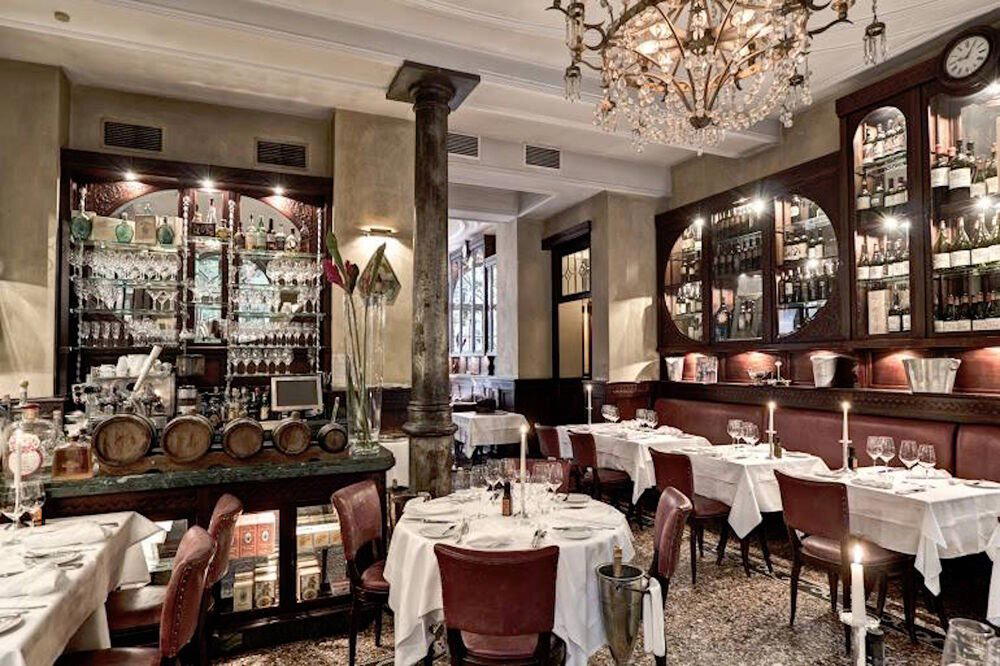
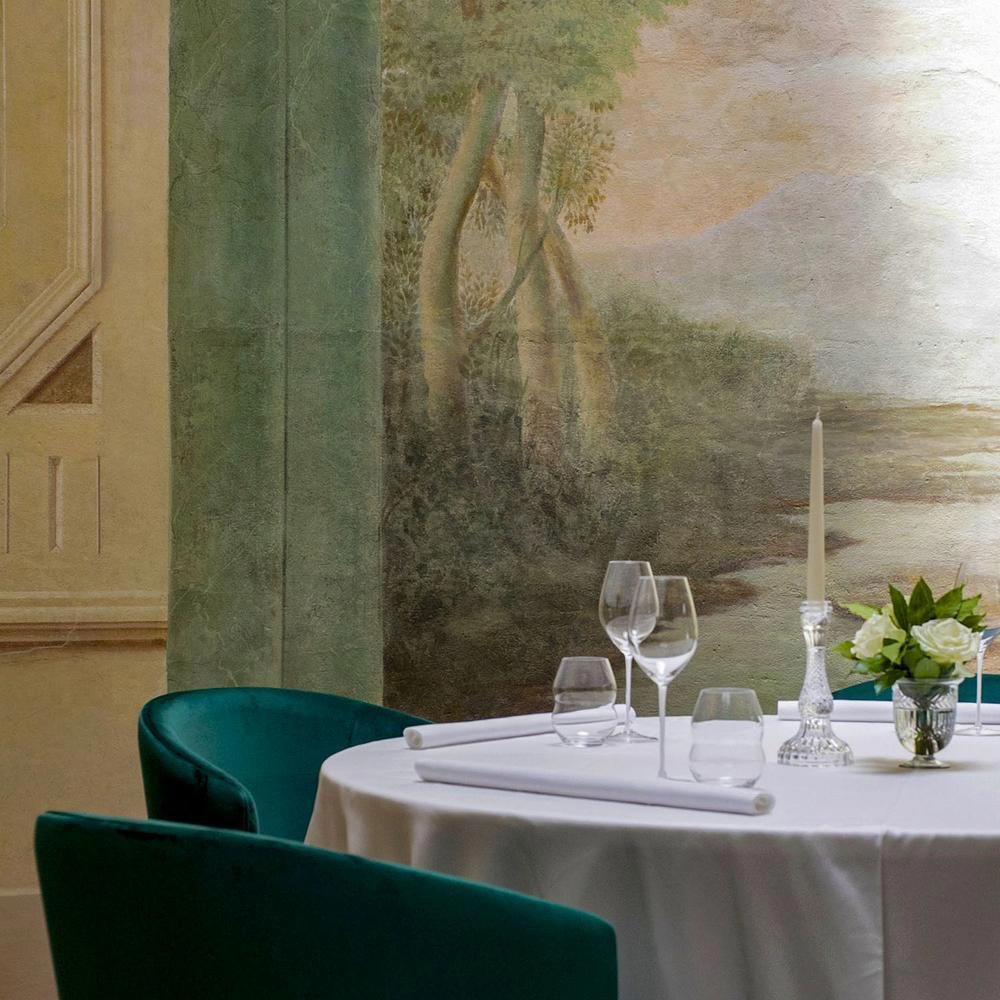
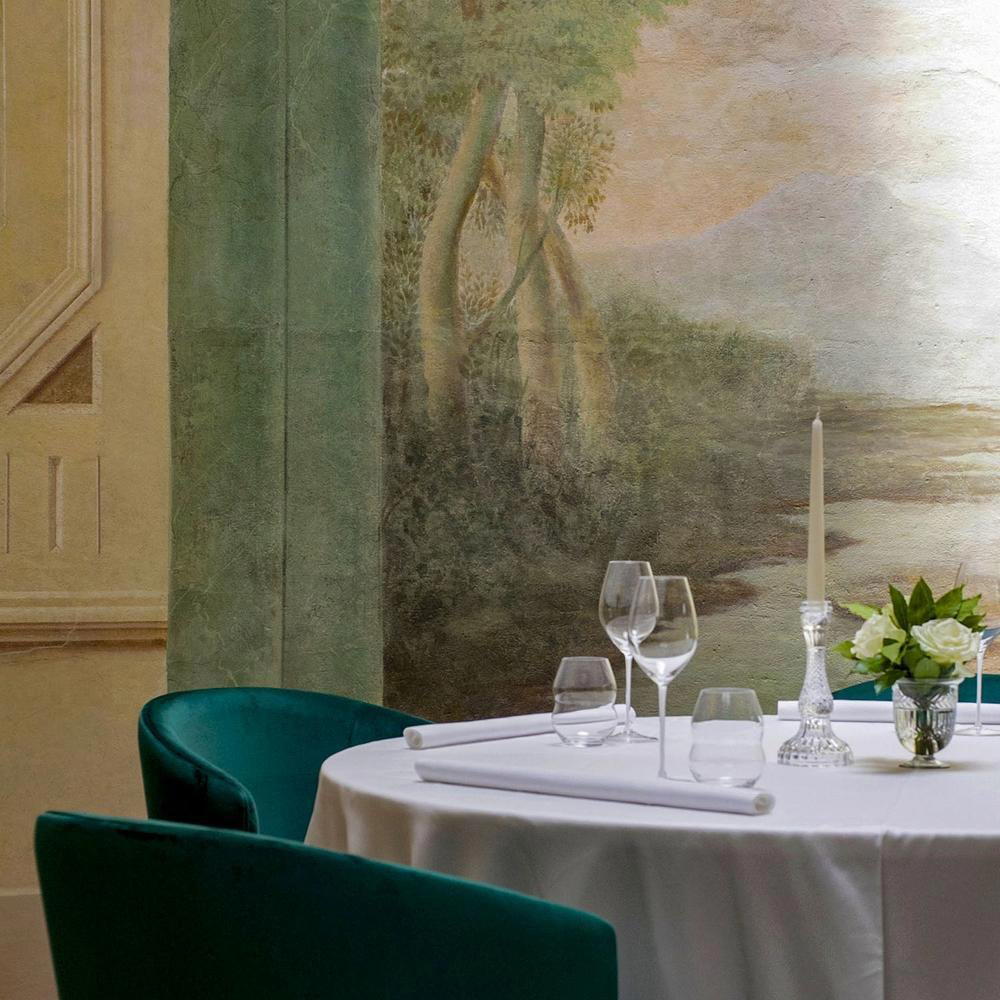
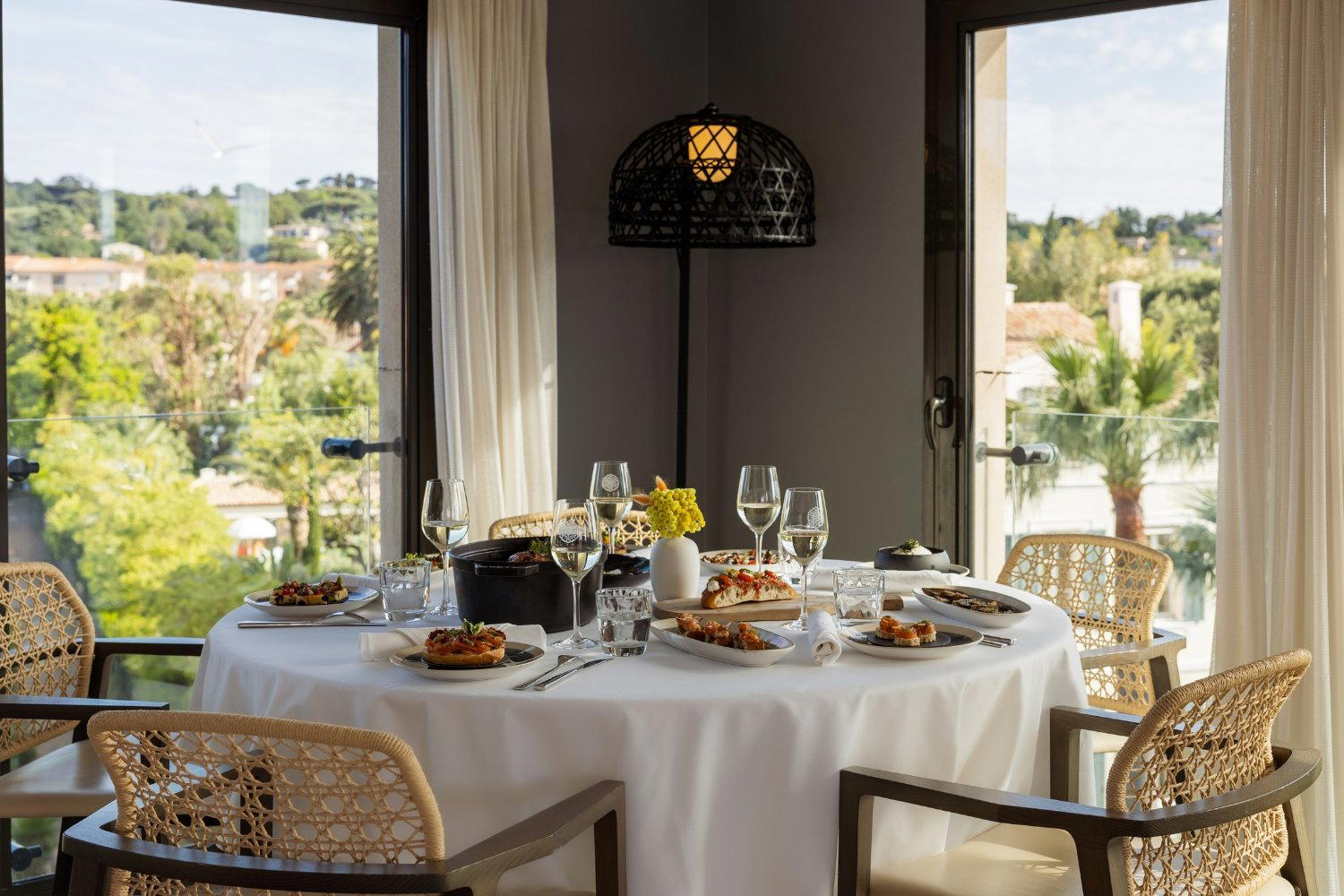
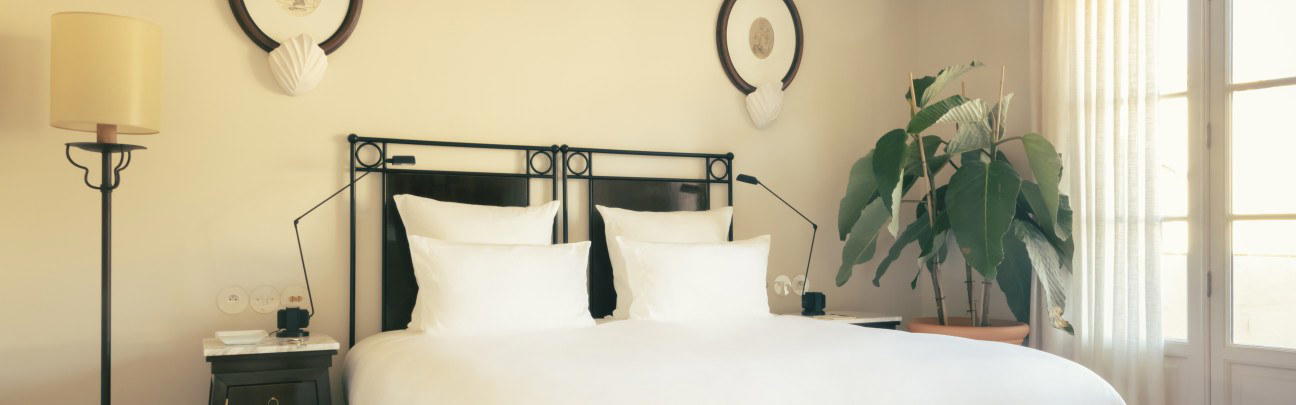
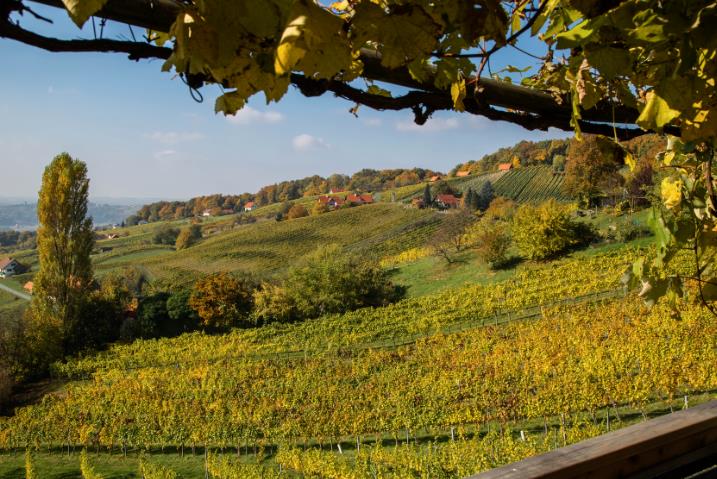
Elegant and refined with tasteful decor, intimate dining rooms across three vaulted levels, a shaded terrace overlooking the village of Arc-sur-Argens and Massif des Maures, warm lighting, and a peaceful countryside setting away from coastal bustle.