Le Dome

Situated at Les Verdiannes on the appellation's limestone plateau, it represents the micro-négociant wave that reshaped Saint-Émilion's premium tier in the late 1990s. Allocation volumes are limited and demand from collector markets runs consistently ahead of supply.
Pearl is the En Primeur Club membership app — saves, bookings, and concierge access live there. Same editors, same standards.
- Address
- 1 Les Verdiannes Lieu dit, 33330 Saint-Émilion
- Phone
- +33 5 57 84 64 22
- Website
- ledome-saintemilion.com
- Directions
- Get directions
 Saves & bookings on Pearl
Arriving on the Plateau: Le Dome in Context
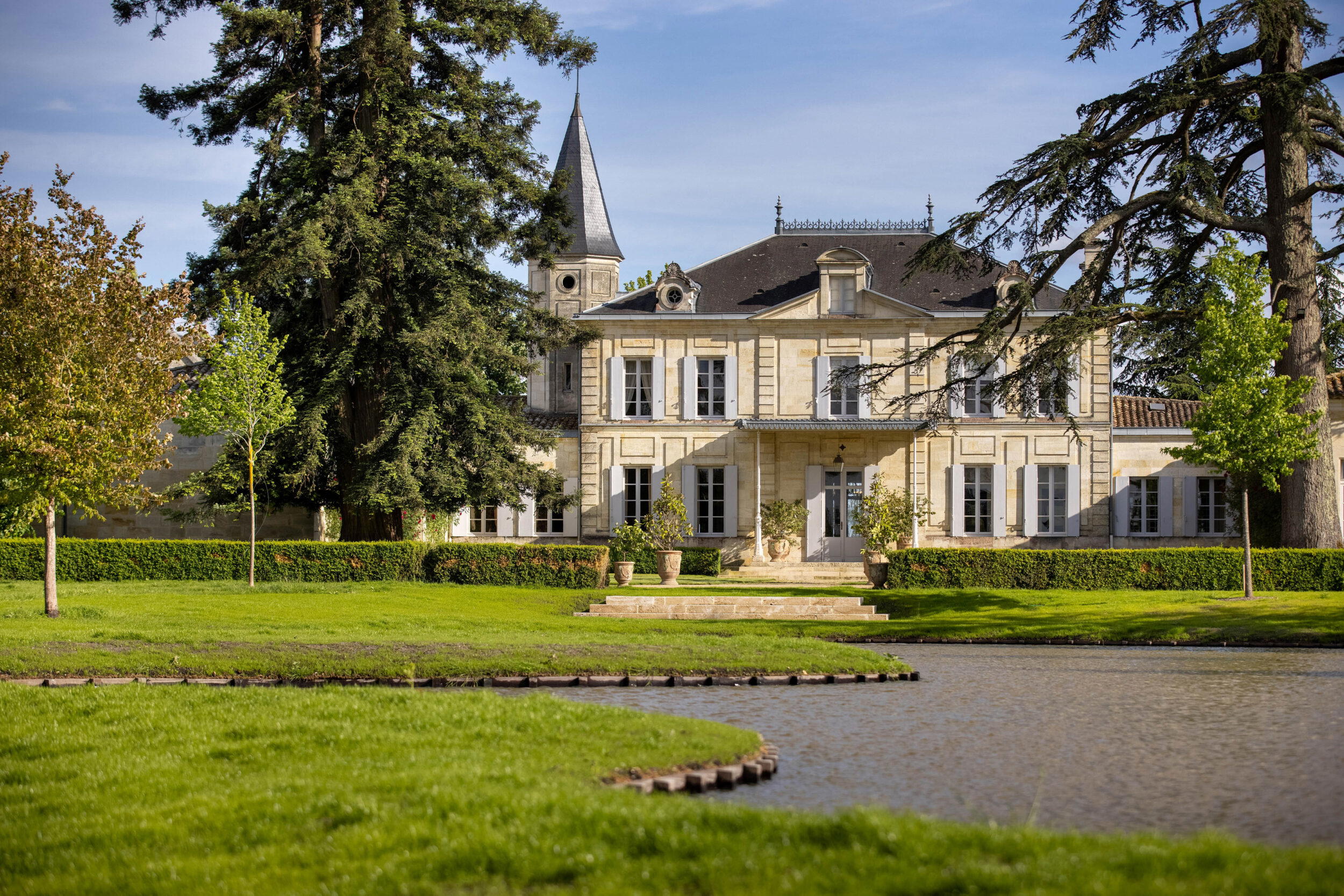
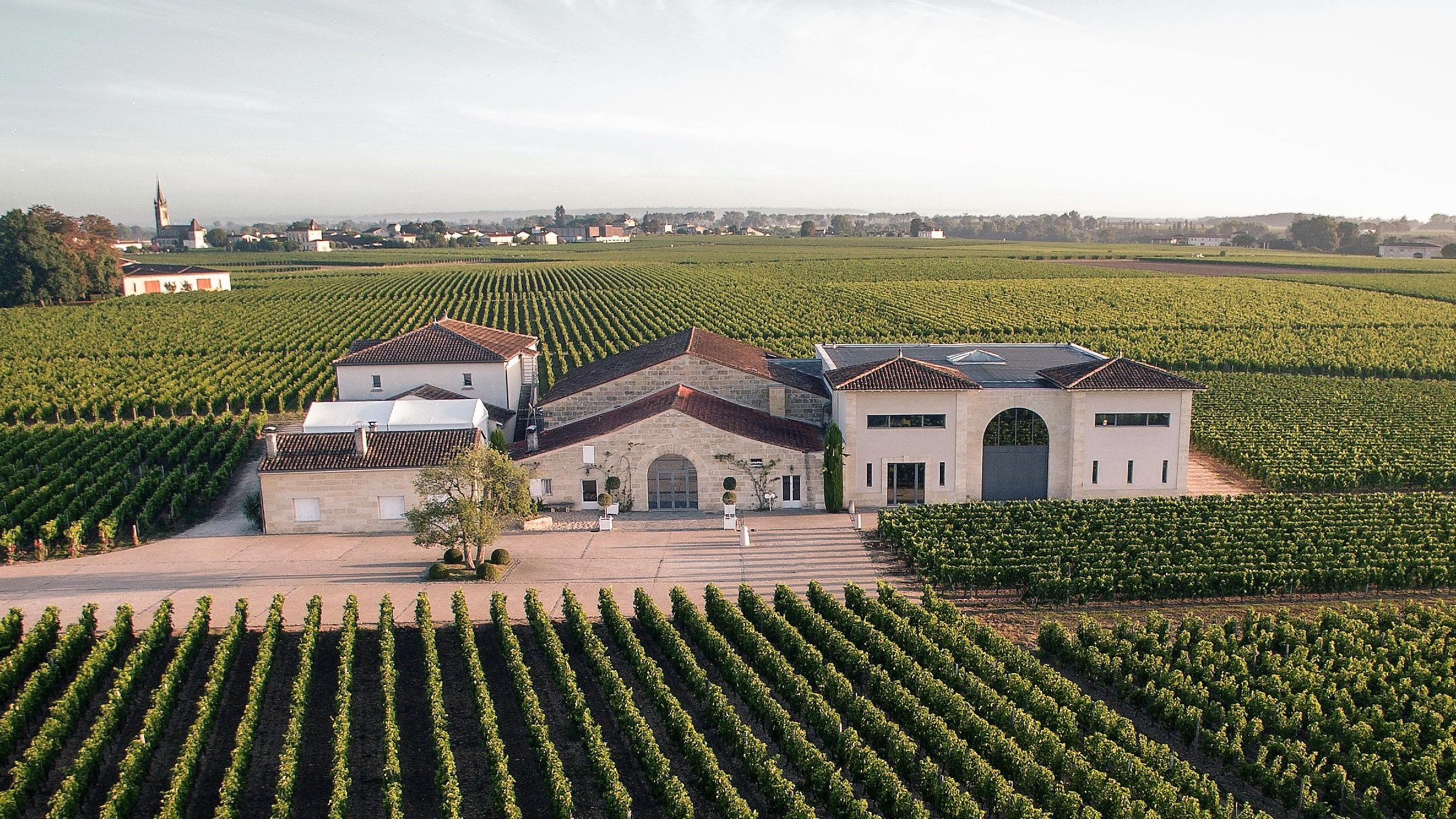
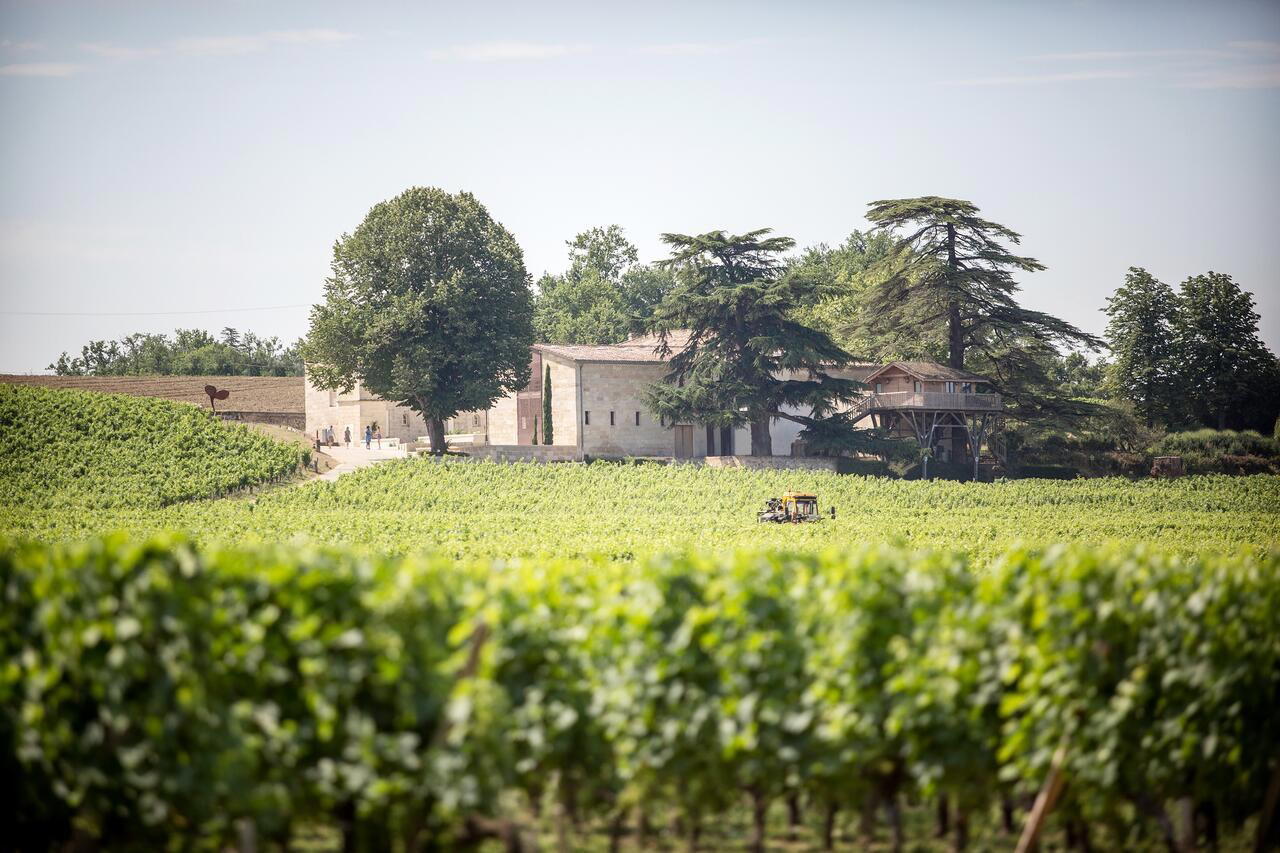
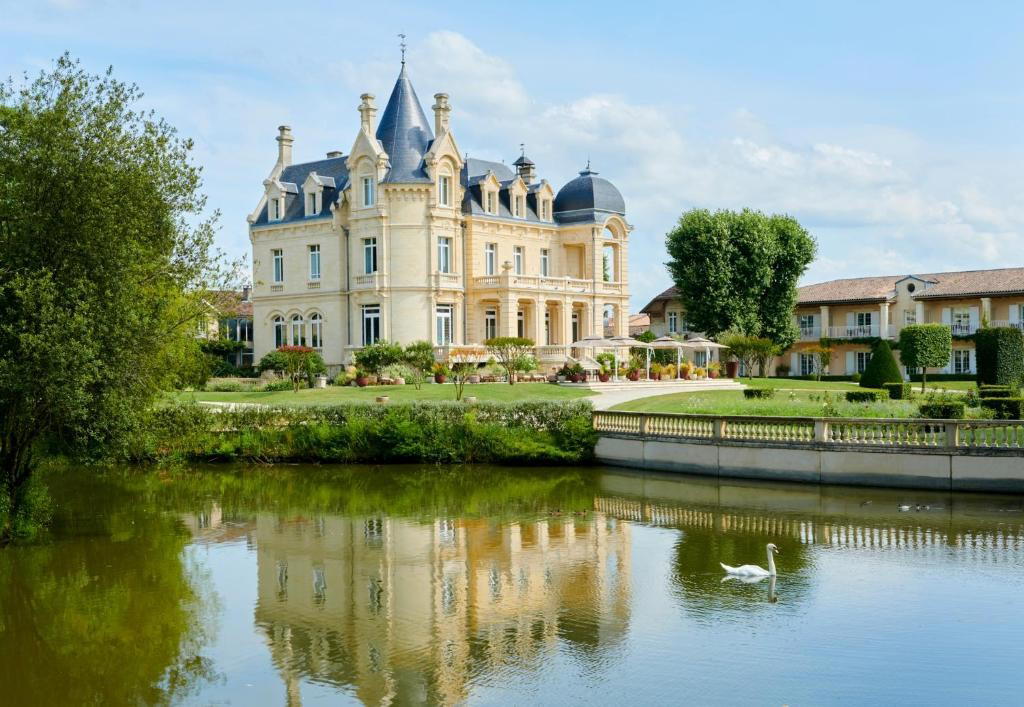
The road out toward Les Verdiannes runs through vine rows that have been producing classified wine since the medieval period. Saint-Émilion's plateau and its upper slopes are among the more densely planted prestige addresses in Bordeaux, where parcels of a hectare or two can carry as much weight as estates ten times their size. It is in this environment that Le Dome sits: a small-production Right Bank address that earns its place not through scale but through the precision of a single motivated winemaker working on a contained patch of limestone-clay soils. The physical setting tells you something about the wine before you open a bottle. There is no grand chai visible from the road, no branded signage angled at passing tour buses. What you find instead is the kind of quiet that surrounds serious small-parcel viticulture across the appellation's premium tier.
Jonathan Maltus and the Micro-Estate Movement
Saint-Émilion's classification history has always coexisted with an unofficial tier of producer-driven projects operating outside the formal hierarchy. In the late 1990s and through the 2000s, a cohort of non-native investors and winemakers began acquiring small parcels on the plateau and producing wines in deliberately low volumes, targeting the same collector audience as the appellation's most decorated châteaux. Jonathan Maltus sits within that cohort. A British entrepreneur who arrived in Saint-Émilion in the mid-1990s, Maltus built a portfolio of micro-estates across the Right Bank, of which Le Dome became the flagship. His work is instructive as an example of how credibility in Bordeaux was earned during that period: not through inherited classification status, but through critical score accumulation and deliberate positioning against peers like Château La Mondotte and the unclassified garage wines that were redefining what the appellation's price ceiling could look like.
The comparison set matters. Le Dome has never been a classified growth in the official Saint-Émilion sense, yet it has consistently traded and been reviewed alongside properties that carry formal classification weight. That positioning reflects a broader shift in how serious buyers evaluate Right Bank Bordeaux: appellation typicity, critical recognition, and winemaker track record have, for a portion of the market, become more relevant than the classification number on a label. Estates like Château Bélair-Monange and Château Canon-la-Gaffelière compete in a different register, but they operate in the same conversation about what defines the appellation's upper tier.
The Wine: Reading a Tasting Progression at Le Dome
Framing the winery through the arc of a vertical tasting reveals more about its ambitions than any single vintage snapshot. The estate's stylistic signature, as documented across multiple cycles of critical evaluation, leans into concentration and textural density rather than the lighter, more restrained profile associated with the appellation's limestone-dominant terroir in cooler hands. This is not an accident of soil or climate alone. It reflects a deliberate extraction and élévage approach that was highly fashionable during the early 2000s Parker-era peak and has since been moderated, as the market's appetite shifted back toward balance and longevity.
In practical terms, this means that a progression through the winery vintages from the mid-2000s through to the current decade tells a story about the appellation as much as about the estate. The earlier vintages arrive with a plushness and forward fruit density that reads as a document of their era. More recent releases show a tighter line, with the same parcel's limestone character coming through more clearly. For a collector assembling a cellar that traces Saint-Émilion's stylistic arc, a winery vertical sits alongside entries from Château Clos Fourtet as a useful calibration point between concentration-driven and terroir-expressive poles.
Where Le Dome Sits in the Right Bank Pecking Order
Bordeaux's Right Bank has two distinct valuation logics operating in parallel. The first is classification-driven: the Saint-Émilion Grand Cru Classé hierarchy, periodically revised and legally contested, establishes a framework that most château buyers understand intuitively. The second is market-driven: a looser consensus among négociants, critics, and collector demand that sometimes diverges sharply from classification status. The winery operates almost entirely in the second framework. Its pricing and allocation behaviour track more closely with the small-production prestige estates than with mid-tier classified growths.
This places it in interesting company. On the Right Bank, the market-driven prestige tier includes properties from Pomerol through to the Saint-Émilion plateau, spanning estates whose critical reputations were built vintage by vintage rather than through administrative reclassification. Château Coutet operates in a different appellation logic altogether, as does the Maltus-adjacent work in other parts of Bordeaux. But the principle, that small-parcel precision can command collector-tier pricing outside formal classification frameworks, connects producers across the region. You see a version of this dynamic in Alsace with estates like Albert Boxler in Niedermorschwihr, where appellation hierarchy and market hierarchy diverge significantly.
Buying and Cellaring Le Dome
The winery is acquired through the Bordeaux négociant system, primarily en primeur or through the Place de Bordeaux on release. It does not operate a direct-to-consumer sales channel in the manner of some smaller estates, and the address at Les Verdiannes is a production site rather than a cellar door. Visitors to Saint-Émilion planning to explore the appellation's micro-estate tier should note this distinction.
In terms of cellaring horizon, the estate's more recent vintages, made with a slightly lighter extraction hand than the early 2000s releases, are generally approachable within five to eight years of harvest while offering additional development potential at ten to fifteen years. This is consistent with the broader maturation profile of Right Bank blends dominated by Cabernet Franc and Merlot on limestone-clay soils. For comparison, the right-bank peers at Château Batailley in Pauillac or Château Branaire-Ducru in Saint-Julien have longer typical maturation windows given the Left Bank's Cabernet Sauvignon dominance, but the underlying logic of balancing accessibility against development applies across the river.
Planning Your Visit to the Appellation
Saint-Émilion receives significant tourist volumes through spring and autumn, with harvest period in September and October bringing the appellation to peak activity. The medieval town itself is walkable, and the plateau estates are concentrated within a few kilometres. Visitors focused on tasting across the appellation's prestige tier will find productive access through advance appointments with the larger classified estates such as Château Canon-la-Gaffelière or Château Bélair-Monange, which operate formal visitor programmes. For micro-estate producers including the winery, contact through the négociant network in advance of any visit is the appropriate channel. Walking in without an appointment at production-focused small estates is rarely productive, and the winery's address at Les Verdiannes is not configured for drop-in visitors.
Cost and Credentials
Comparable venues nearby, for context on price, style, and recognition.
| Venue | Cuisine | Price | Notes |
|---|---|---|---|
| Le DomeThis venue — the venue you are viewing | Saint-Emilion, Cabernet Franc, Merlot | $$$$ | Not listed |
| Château Peby Faugeres | Not listed | $$$$ | Saint-Emilion, Merlot, Cabernet Sauvignon |
| Château Coutet | Saint-Emilion, Merlot, Cabernet Franc | $$$$ | Not listed |
| Château Bélair-Monange | Saint-Emilion, Merlot, Cabernet Franc | $$$$ | Not listed |
| Château Larcis Ducasse | Saint-Emilion, Merlot, Cabernet Franc | $$$$ | Not listed |
| Château La Mondotte | Saint-Emilion, Merlot, Cabernet Franc | $$$$ | Not listed |
Recognition history
Dated appearances from independent guides and award organizations, with the underlying list record or original source where available.
Falstaff Winery - Listed
Falstaff
Continue exploring
More in Saint-Émilion
Wineries in Saint-Émilion
Browse all →
Bars in Saint-Émilion
Browse all →
Restaurants in Saint-Émilion
Browse all →
At a Glance
- Modern
- Elegant
- Well Known
- Wine Education
- Special Occasion
- Cave Tasting
- Vineyard Tour
- Historic Building
- Design Destination
- Vineyard
- Saint Emilion Grand Cru
- Cabernet Franc
- Merlot
- Still Red
- Private Tasting
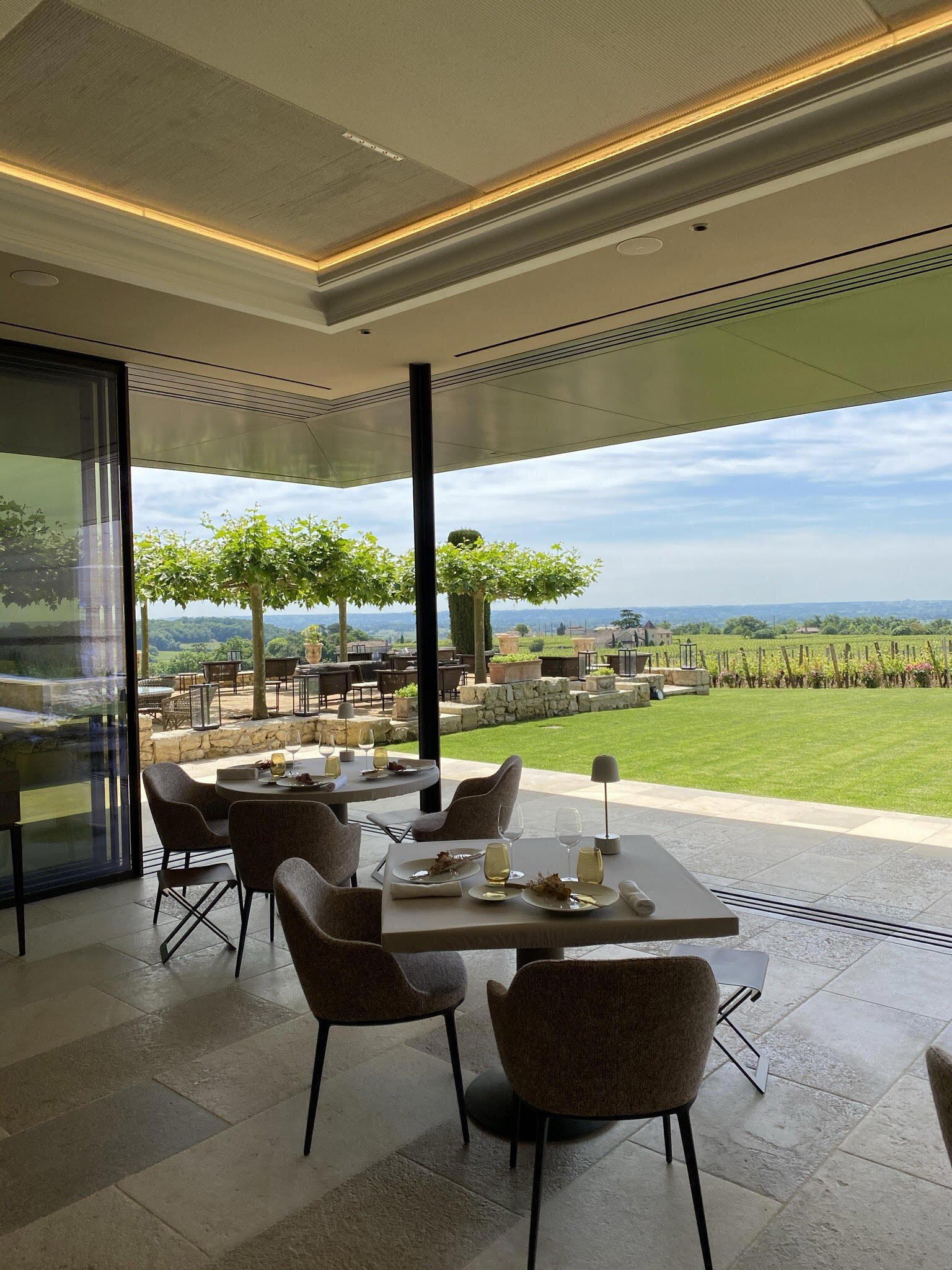
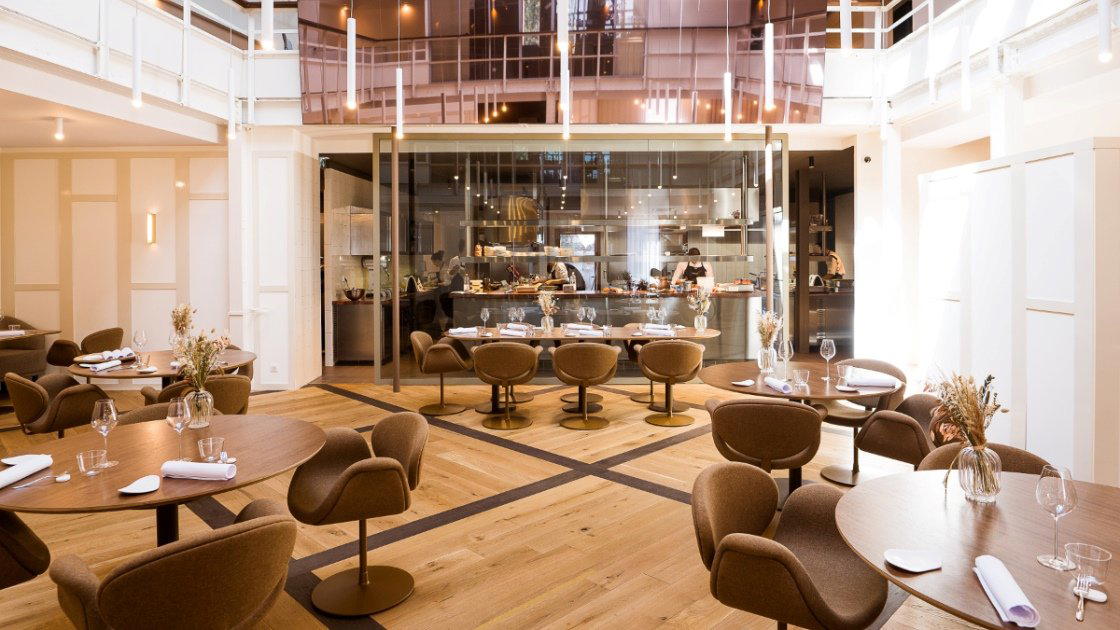
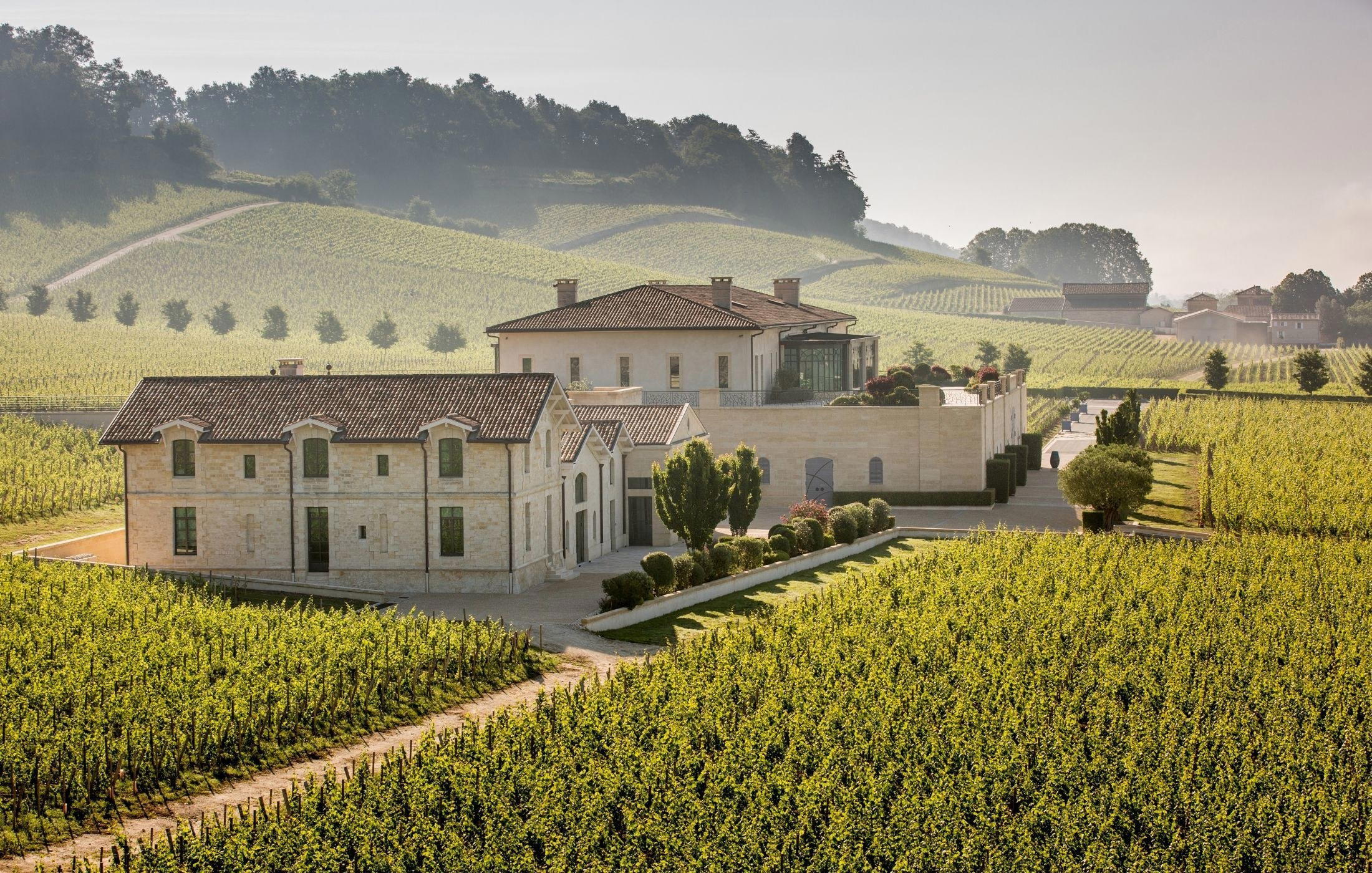
Modern architectural marvel blending with vineyard landscape, offering sophisticated and immersive wine experiences.