Portón del Uruguay
Set in Uruguay's capital, the venue operates in a city where wine culture and agricultural provenance are central to how food is understood. For travellers who follow Uruguay's emerging fine-dining circuit, it is a considered stop.

Pearl is the En Primeur Club membership app — saves, bookings, and concierge access live there. Same editors, same standards.
- Address
- Montevideo, Uruguay
- Directions
- Get directions
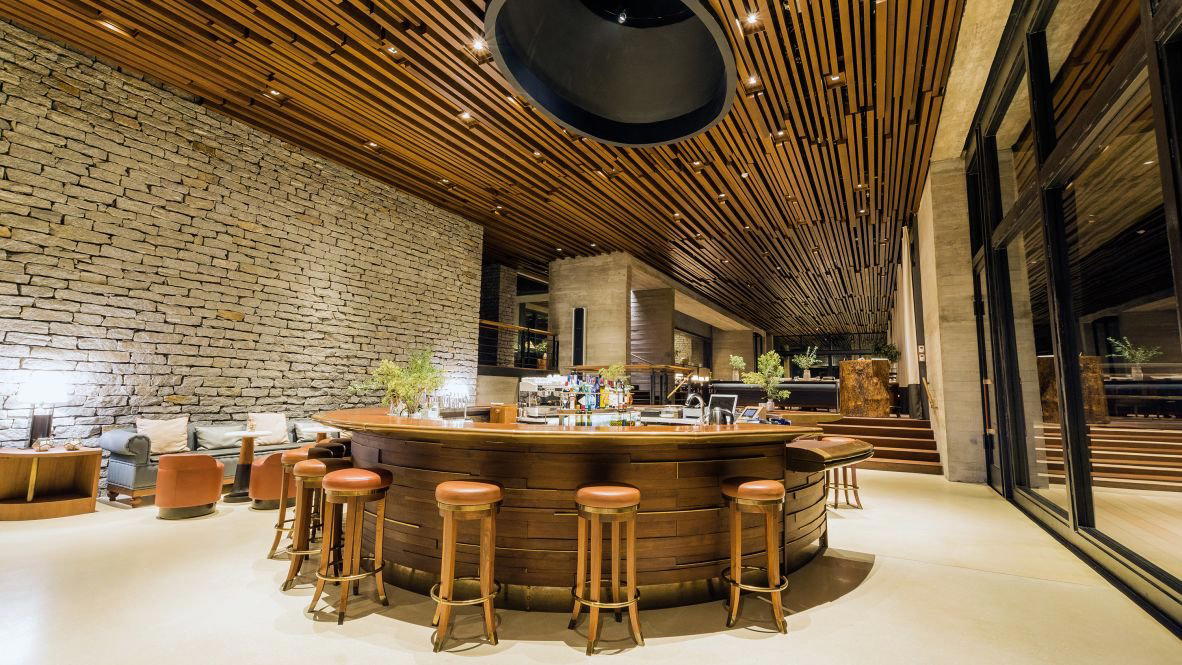
Where Uruguayan Wine Culture and the Table Meet
Montevideo's dining scene has spent the last decade quietly recalibrating around provenance. Where Argentine-influenced parrilla culture once dominated the conversation, a younger tier of restaurants and wine-forward venues has introduced a more precise vocabulary: which region the grapes came from, how the land was farmed, how the growing season shaped the glass. Portón del Uruguay. It is not an outlier so much as a signal of where the city's most considered dining addresses have settled.
The name itself carries geographic weight. "Portón" — a large gate or entrance — suggests threshold, and in the context of Uruguayan food and wine, that framing is apt. Uruguay's wine production, concentrated largely in Tannat but increasingly diversified into Albariño, Pinot Noir, and aromatic whites, has reached a quality tier where sommeliers and restaurateurs can build serious programmes around domestic bottles alone. A venue anchored in that identity is not making a parochial choice. It is making an editorial one.
Uruguay's Terroir Argument, Made at the Table
The broader context matters here. Uruguay is a small-production wine country operating on Atlantic-influenced terroir, with maritime breezes and high humidity shaping a growing profile that differs markedly from the drier, higher-altitude conditions across the Andes. Tannat, the country's signature red, carries genuine distinctiveness: structural and grippy in less careful hands, but with notable elegance when yields are managed and farming is attentive. Producers like Bodega Bouza in Montevideo and Varela Zarranz in Canelones have demonstrated what careful viticulture looks like at the domestic level. Bodega Carrau in Las Piedras, one of Uruguay's oldest wine families, and Cerro Chapeu (Carrau) in Rivera push that argument further north, into cooler elevations. A dining venue that takes Uruguayan wine seriously has, in 2025, a genuinely deep and differentiated cellar to draw from.
That connection between land management and what ends up in the glass is central to how the country's better producers frame their identity. Bodega Oceánica José Ignacio in Maldonado works coastal Atlantic-facing vineyards that produce whites of real salinity and tension. Bodega Cerro del Toro in Piriápolis and Bodega Los Cerros de San Juan in Colonia del Sacramento each represent the regional spread of Uruguayan viticulture beyond the Montevideo perimeter. For a restaurant positioned as a gateway into this wine culture, the ability to draw across these regions, coastal, inland, far north, is a programme-building advantage that venues in more internationally saturated markets cannot easily replicate.
The 2025 Pearl Star Prestige Recognition
Award structures in this region have historically lagged behind production quality. For a Montevideo venue, that kind of independent recognition places it in a tier that is still small by regional standards. The city has a handful of addresses with comparable institutional acknowledgment, and the shortlist shifts year to year.
Trust signals in Montevideo's fine-dining circuit tend to accumulate slowly. The city is not a stop on the international awards circuit in the way Buenos Aires or São Paulo are, which means that domestic recognition, word-of-mouth among serious wine travellers, and inclusion in curated platforms like EP Club carry proportionally more weight here. Our full Montevideo restaurants guide maps this tier across the city's neighbourhoods, placing Portón del Uruguay within a broader picture of where considered dining is concentrated.
Spirits, Distilleries, and the Wider Drinks Culture
Uruguay's drinks identity extends beyond wine. A younger craft distillery movement has established itself in and around Montevideo, with producers like Espíritu Libre Destilería and Destilería Montevideo developing domestic spirits programmes that a venue with regional ambition can fold into its bar offering. ANCAP Alcoholes represents the industrial-scale baseline against which these craft producers differentiate. And Bodega Traversa rounds out the city's winery set with a long-standing presence in Uruguayan wine production. El Legado in Carmelo, operating in the western wine corridor near the Argentine border, completes a regional map that any serious wine programme in the capital would draw from.
For context outside the region: the EP Club platform covers fine wine and spirits internationally, including celebrated addresses like Aberlour in Aberlour and Accendo Cellars in St. Helena. Portón del Uruguay occupies a different register, a city-anchored venue rather than a production estate, but the underlying editorial logic is consistent: specificity of place, integrity of product, and recognition built on verifiable criteria.
Planning Your Visit
Practical details for Portón del Uruguay are not publicly catalogued at the level of some internationally profiled venues. For travellers building a broader Uruguay itinerary around wine and food, combining a visit here with tastings at regional producers, from Canelones to Colonia del Sacramento to Rivera, produces a coherent and geographically varied programme.
Credentials Lens
Comparable venues nearby, for context on price, style, and recognition.
| Venue | Cuisine | Price | Awards | Notes |
|---|---|---|---|---|
| Portón del UruguayThis venue — the venue you are viewing | Winery | Not listed | Not listed | Not listed |
| Bodega Traversa | Tannat, Sauvignon Blanc | $30–50 | Not listed | Montevideo |
| ANCAP Alcoholes | Montevideo | Not listed | Not listed | Rambla Baltasar Brum |
| Bodega Bouza | Tannat, Albariño | $50–100 | World's 50 Best #55 | Melilla |
Continue exploring
More in Montevideo
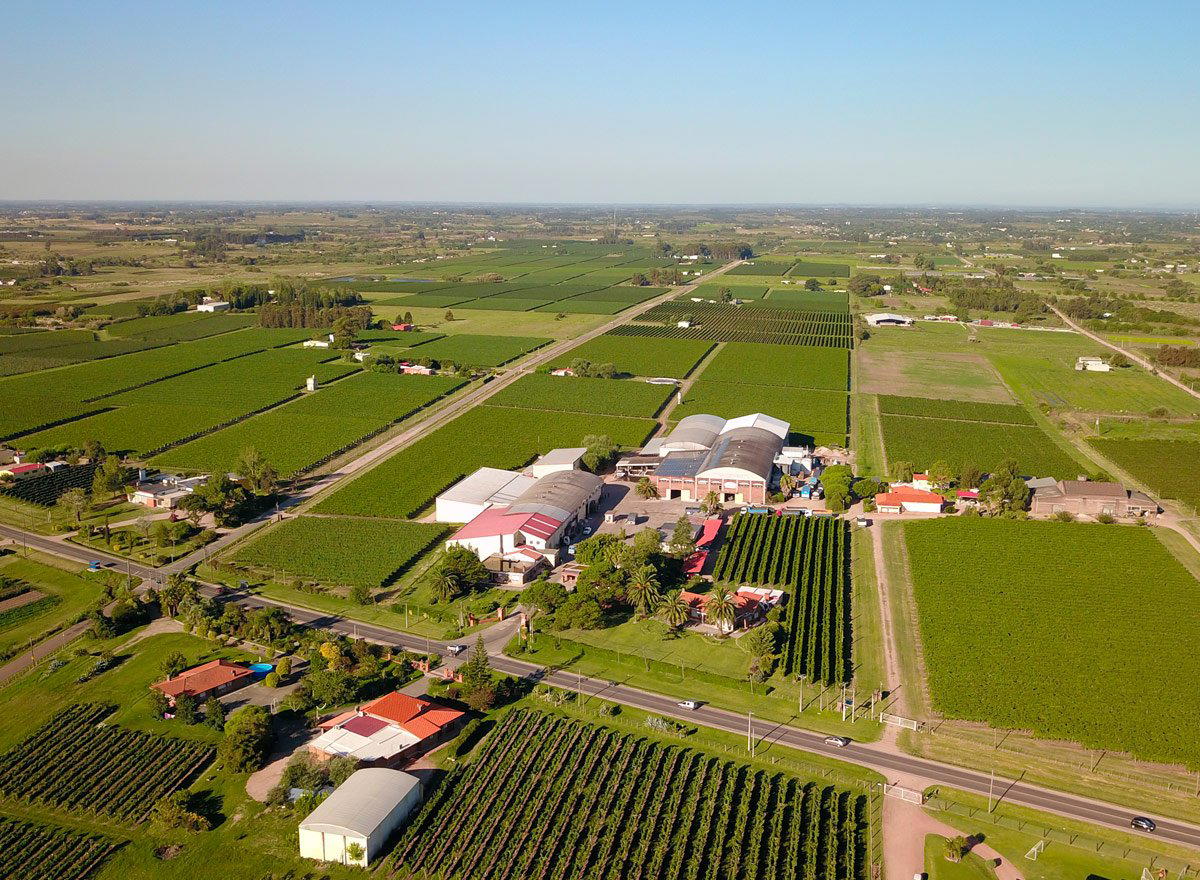
Wineries in Montevideo
Browse all →
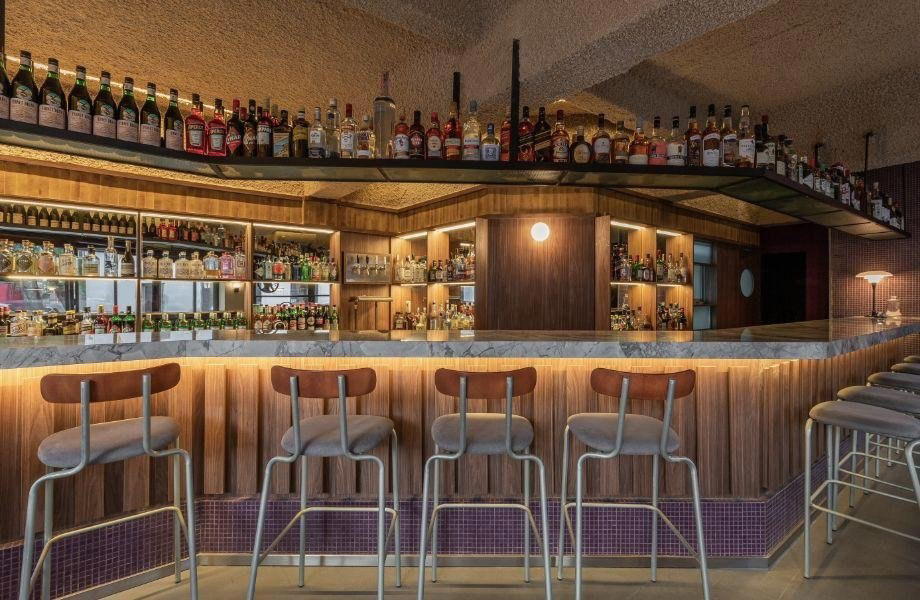
Bars in Montevideo
Browse all →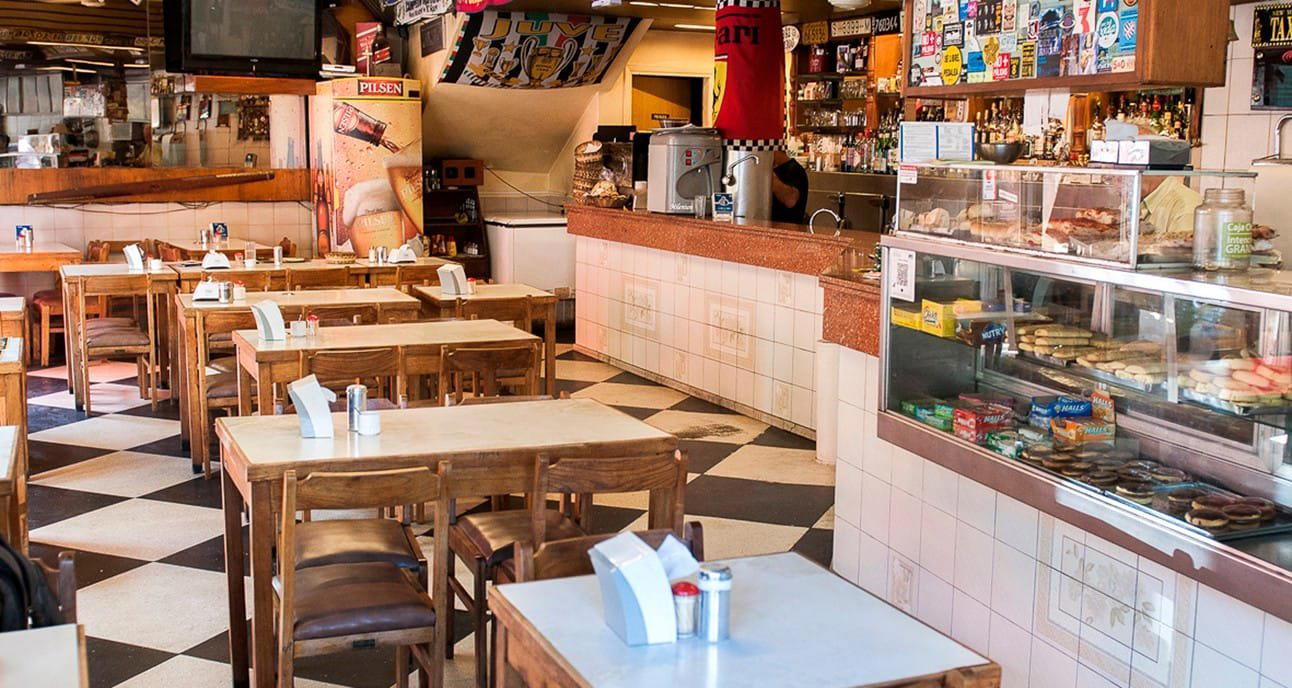
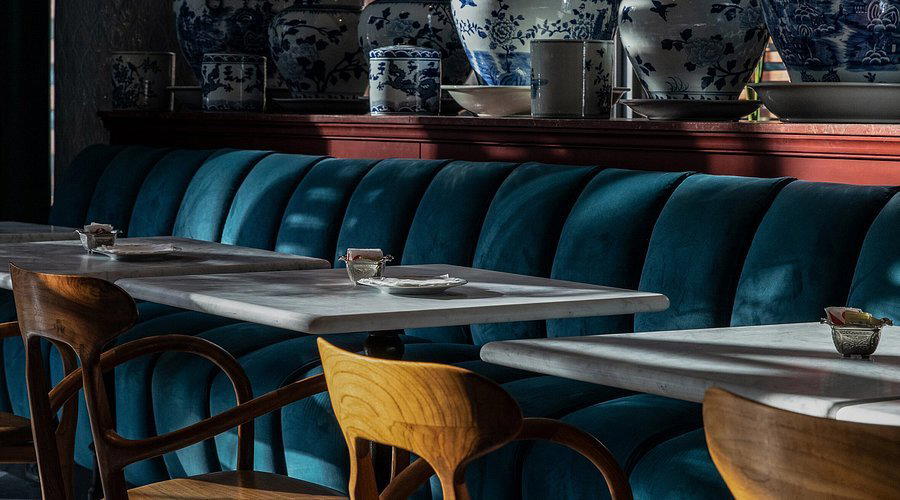
Restaurants in Montevideo
Browse all →

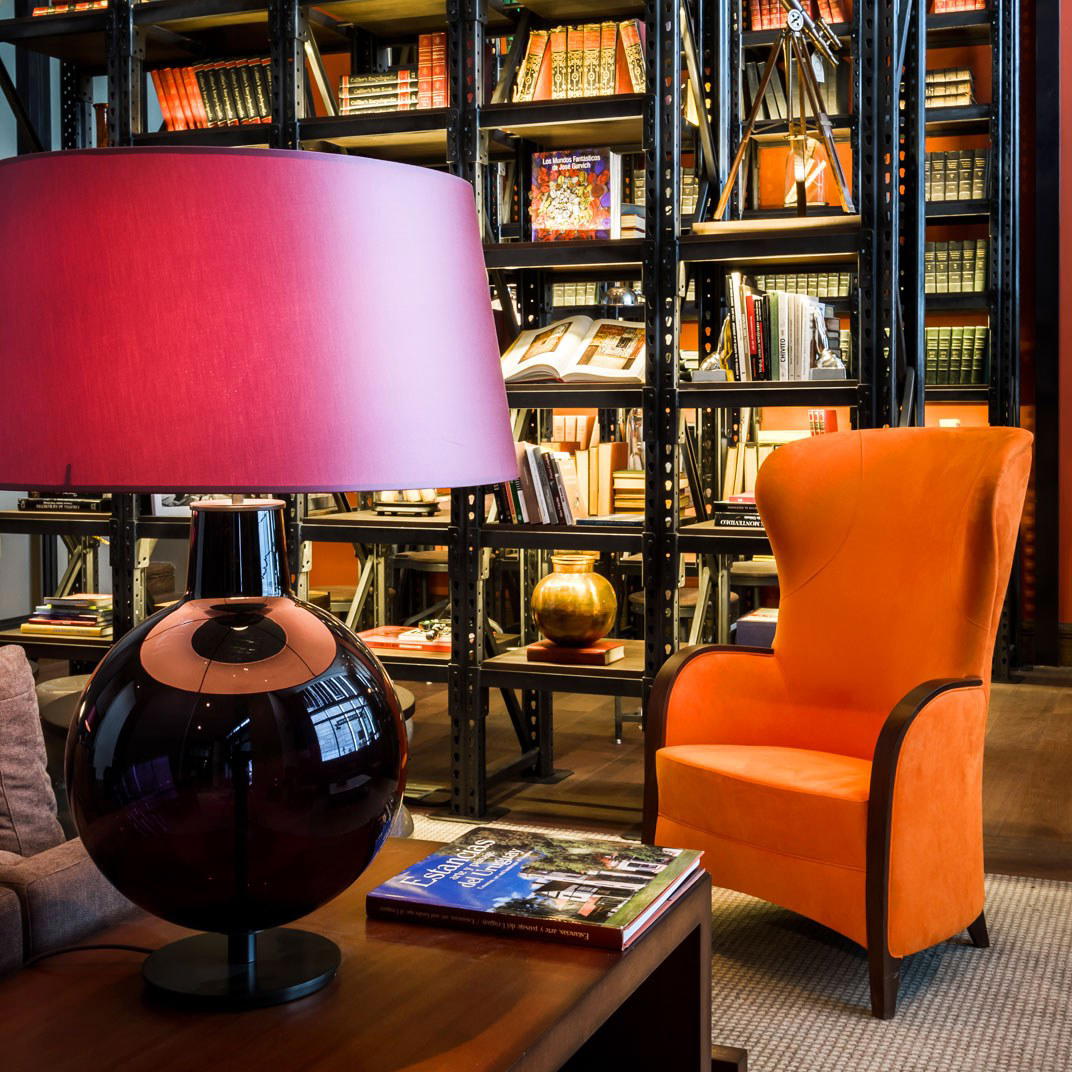
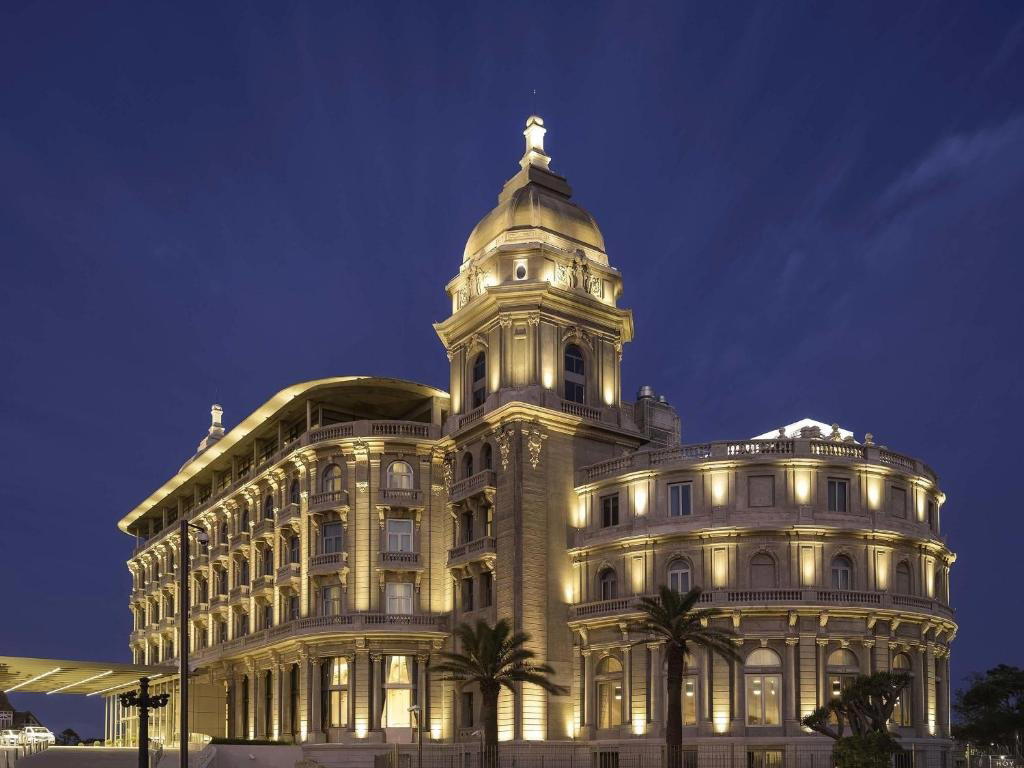
Details
- Intimate
- Sophisticated
- Solo Exploration
- Special Occasion
- Private Tasting
- Historic Building
- Still Red
- Private Tasting
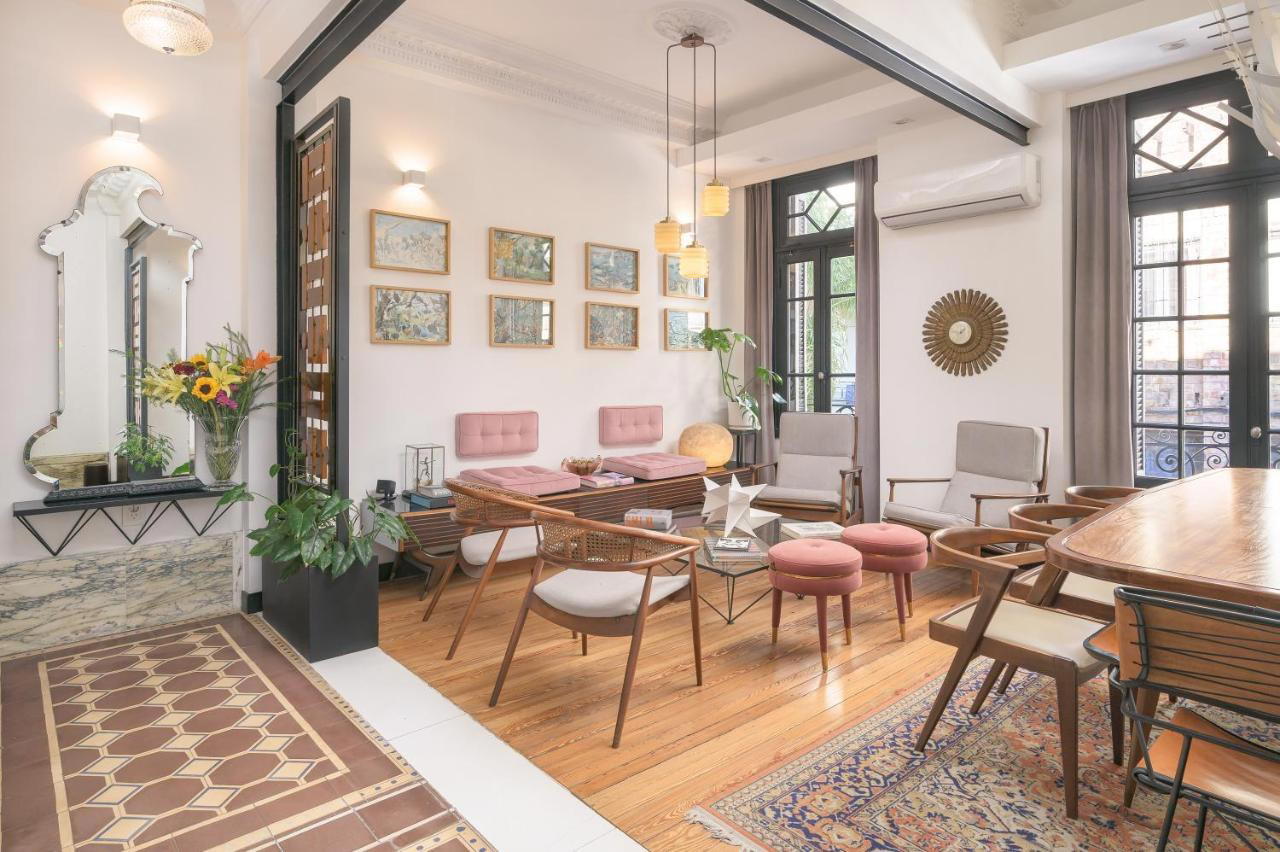
Intimate tasting program focused on provenance, technique, and barrel maturation, with layered aromas of toasted oak, dried fruits, and warm spice described in the venue feature.