Espíritu Libre Destilería

Montevideo's craft spirits scene has produced few operations with the critical standing of Espíritu Libre Destilería, which earned a Pearl 1 Star Prestige in 2025. Operating in a city where artisan distilling sits in the shadow of wine production and state-backed spirits manufacturing, Espíritu Libre represents a distinct tier: small-batch, award-recognised, and positioned outside the volume-driven mainstream.
 Discover on Pearl
Pearl is the En Primeur Club membership app — saves, bookings, and concierge access live there. Same editors, same standards.
Where Montevideo's Craft Spirits Scene Has Arrived
Uruguay's drinks industry has long been defined by two poles: a wine sector that has drawn serious international attention through producers like Bodega Bouza and Bodega Traversa, and a state-backed spirits infrastructure represented by operations such as ANCAP Alcoholes. Between those two poles, artisan distilling has been carving out a third category, one defined by small production, craft methodology, and formal recognition. Espíritu Libre Destilería sits inside that emerging tier, and its 2025 Pearl 1 Star Prestige award places it among the credentialed producers in Montevideo.
Montevideo is not a spirits city in the way that, say, Havana or Buenos Aires carries a dominant spirits identity. Its artisan distillers operate without the consumer shorthand that wine producers enjoy, which means operations like Espíritu Libre have had to build recognition through quality signals rather than category familiarity. The Pearl 1 Star Prestige is precisely that kind of signal: an external credential that positions the distillery against a comparable set defined by craft standards rather than volume output. Among Montevideo-based distillers, that places Espíritu Libre in a narrow competitive band alongside producers like Destilería Montevideo and Portón del Uruguay.
The Physical Setting and Sense of Place
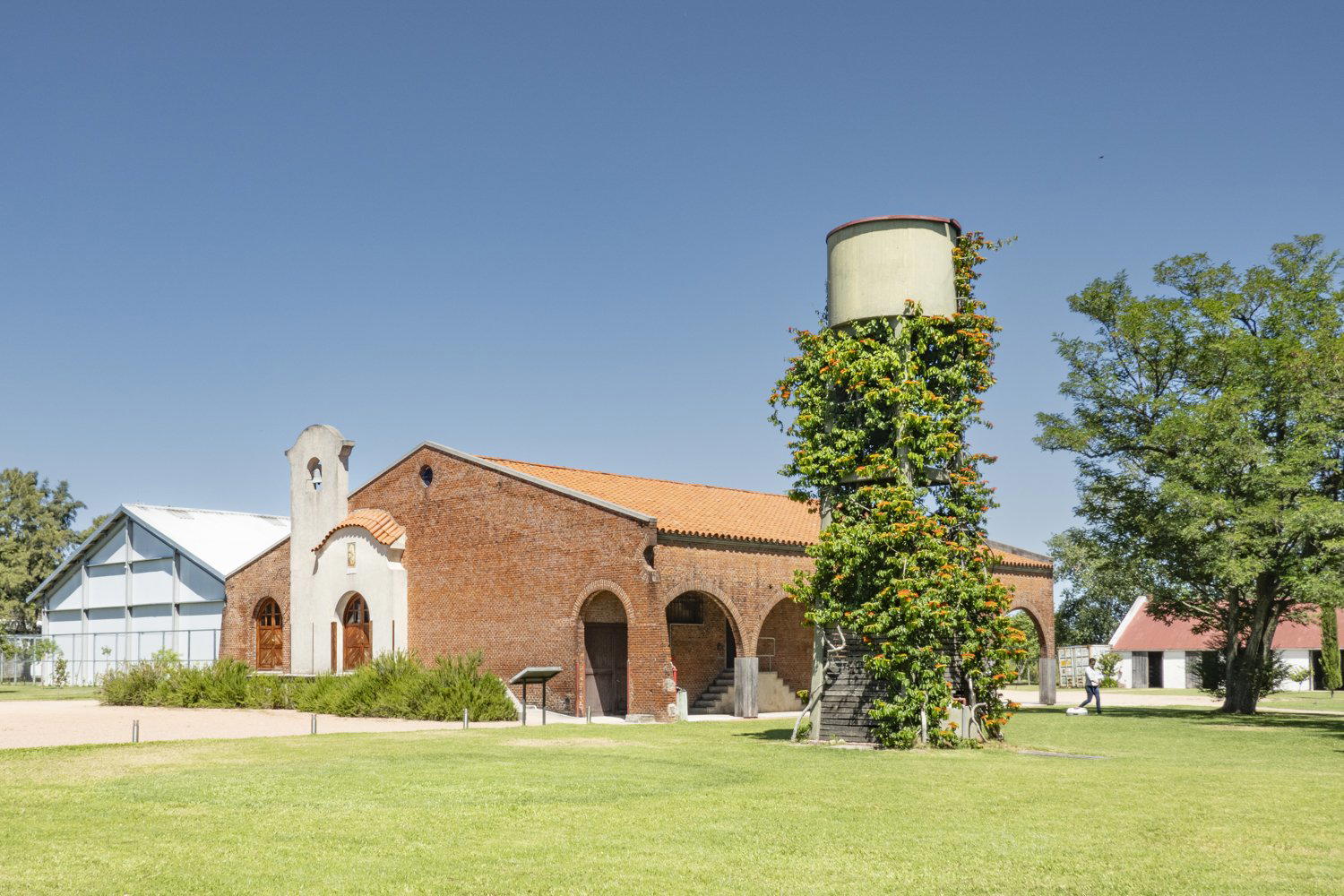
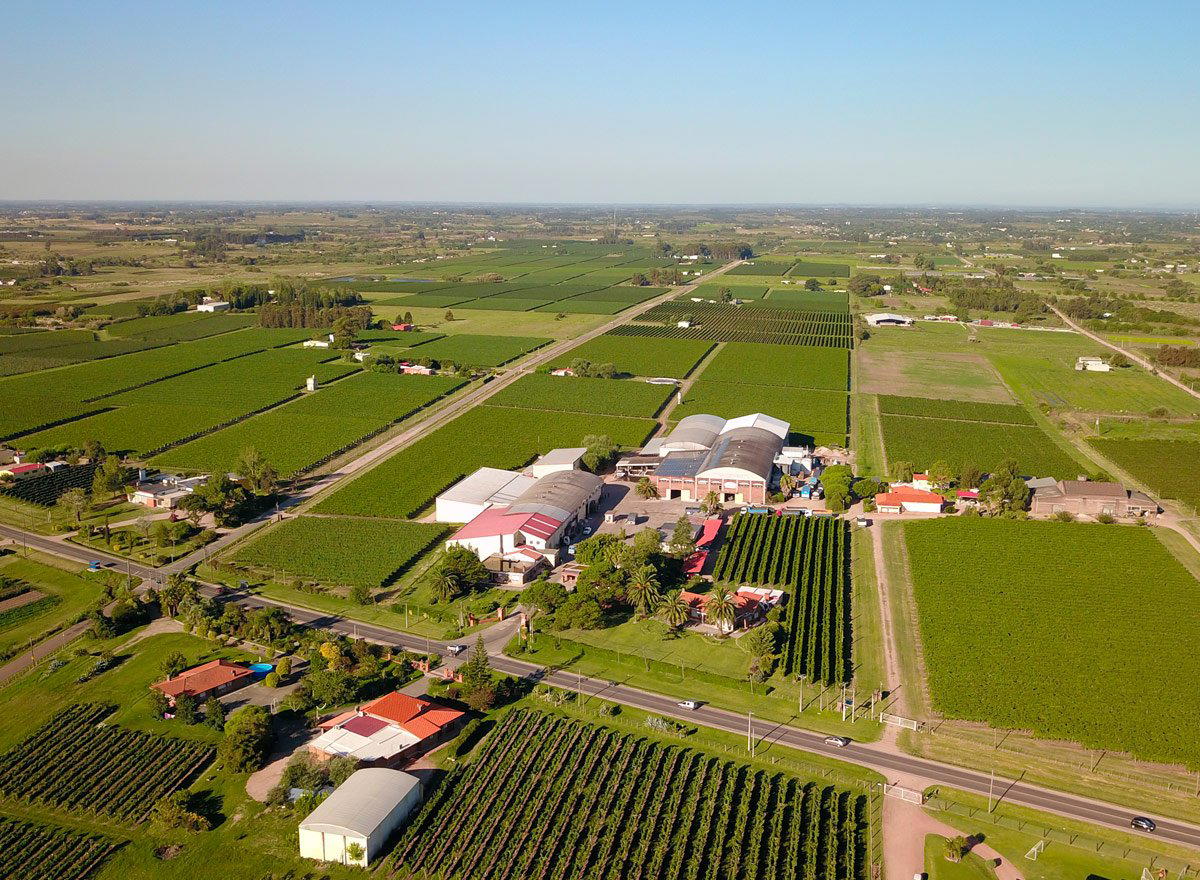
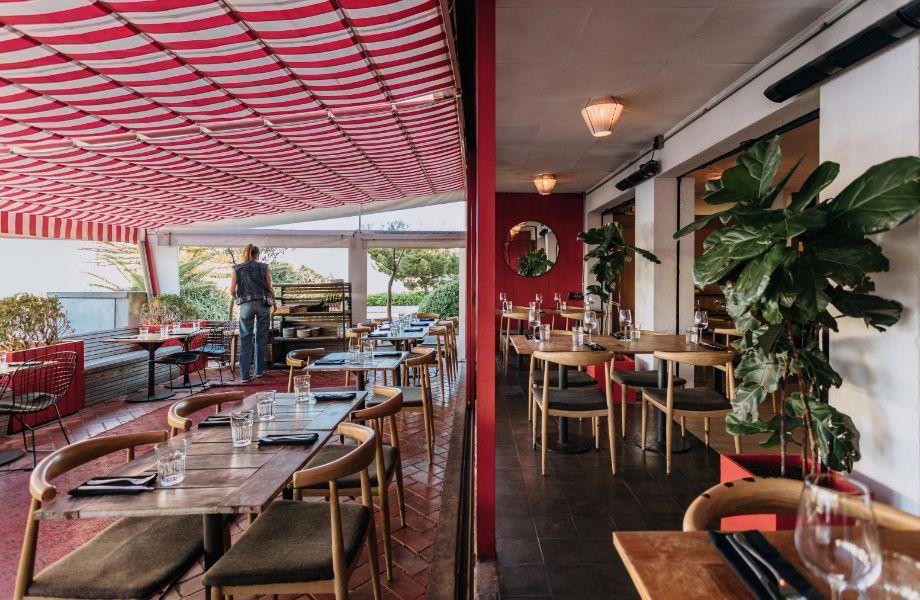
Uruguay's interior and coastal geography have shaped its wine producers in visible ways: the Atlantic-influenced slopes behind Bodega Oceánica José Ignacio in Maldonado, the refined terrain at Cerro Chapeu (Carrau) in Rivera, the colonial textures surrounding Bodega Los Cerros de San Juan in Colonia del Sacramento. For a city-based distillery, the relationship with place works differently. Espíritu Libre operates within Montevideo itself, where the environment is urban rather than agricultural, and where the sense of place is expressed through the character of the spirit rather than a view from a terrace.
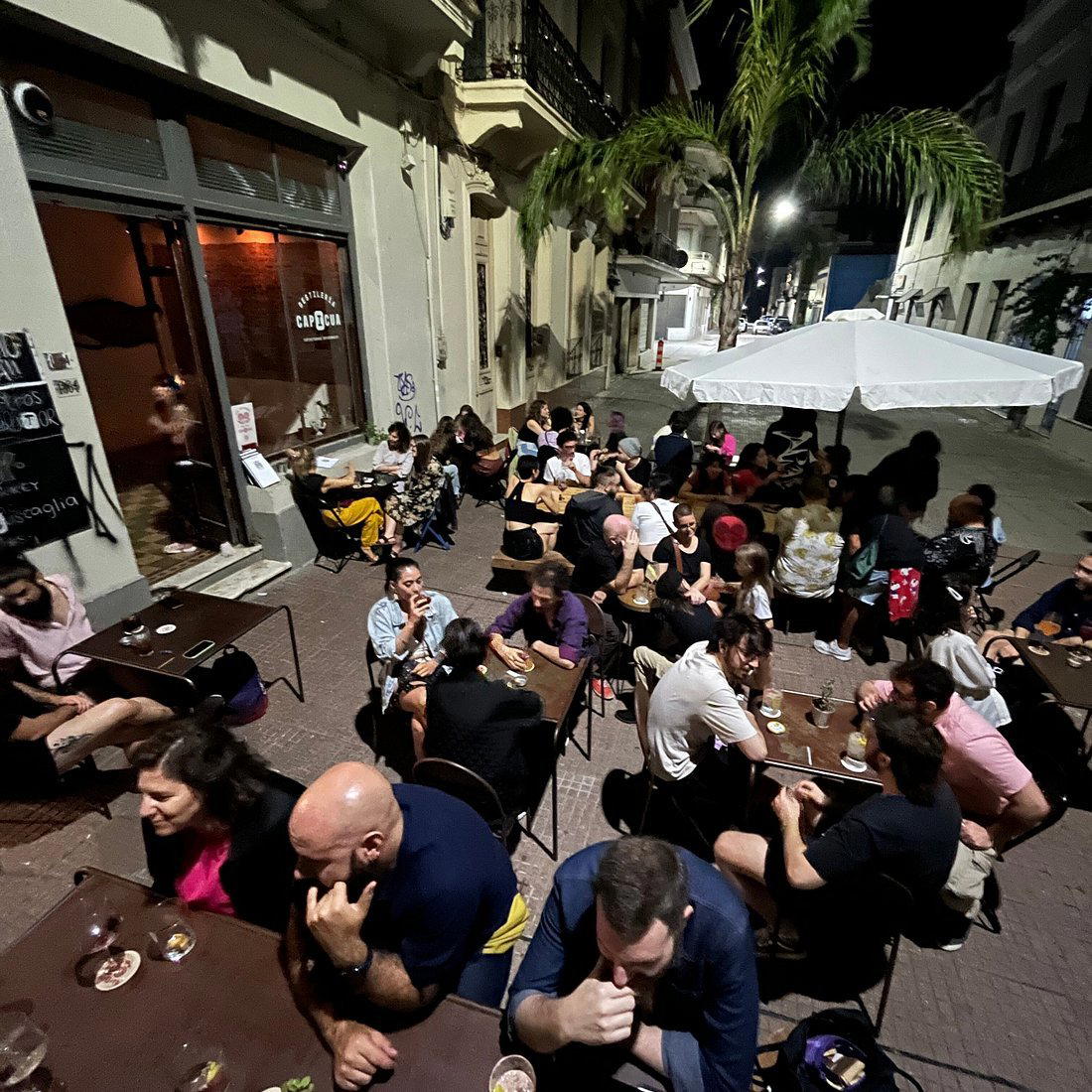
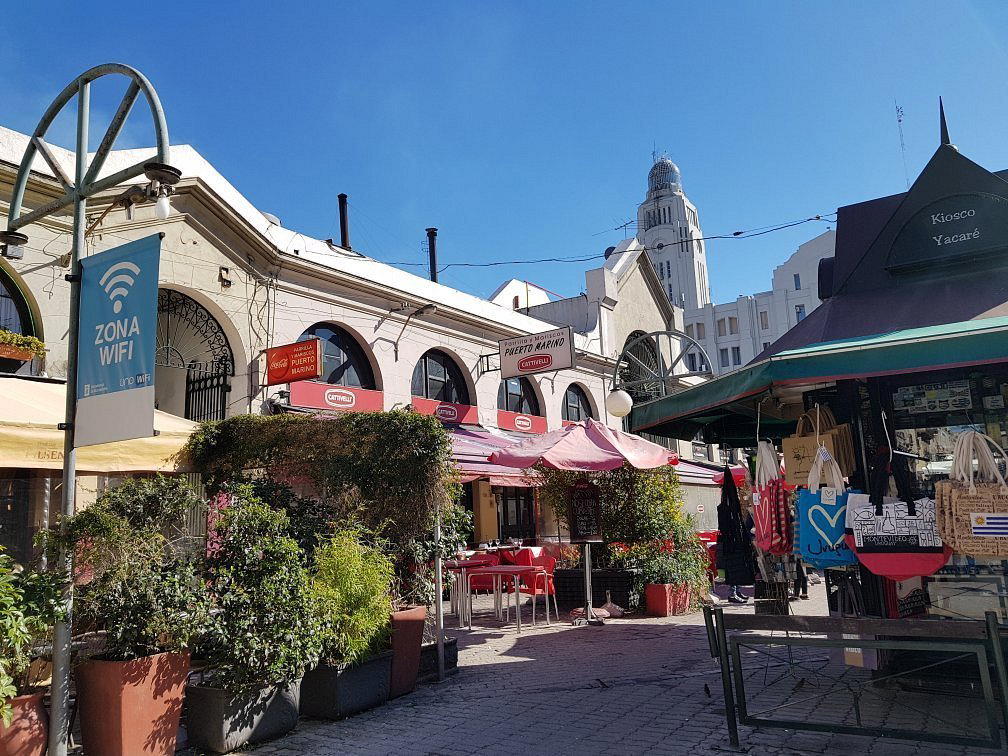
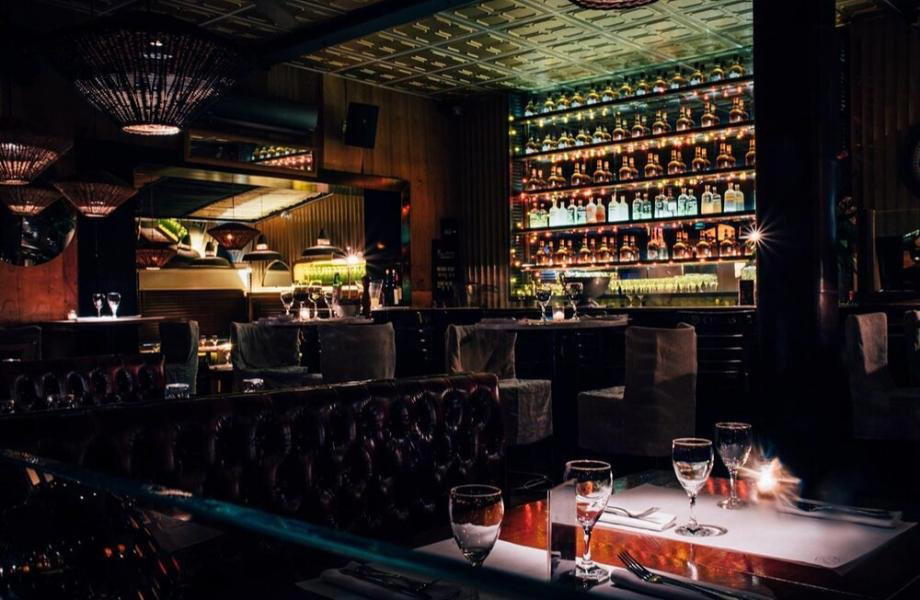
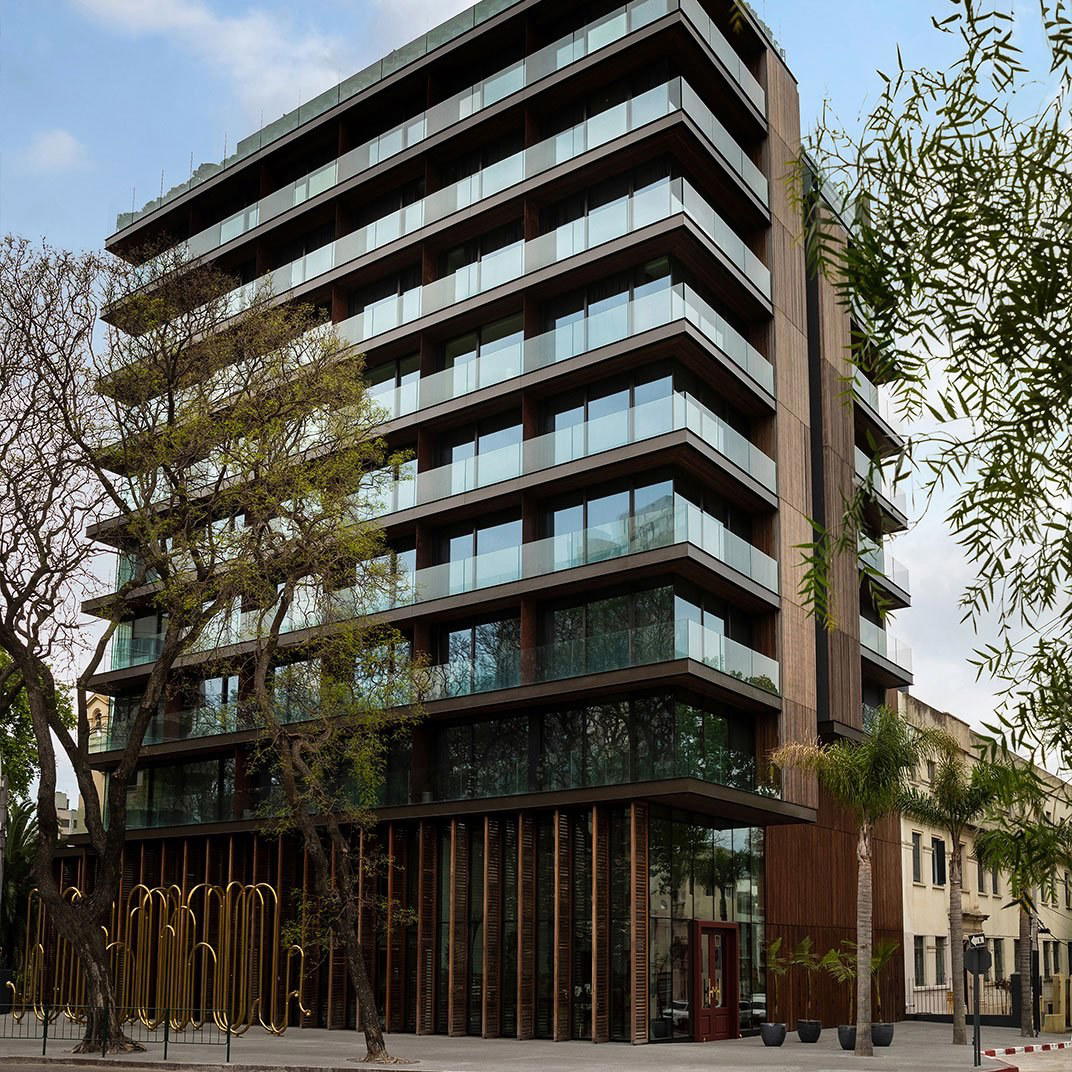
That urban context matters to how the distillery reads. Montevideo's older barrios carry a particular atmosphere: wide streets with plane trees, Rambla-facing architecture, the ambient texture of a mid-sized South American capital that has not been overtaken by rapid development. A craft distillery operating within that fabric draws on a different kind of terroir than a hillside winery does, one rooted in city character, in the rituals of Uruguayan social drinking, and in the slower pace at which the country's artisan food and drinks culture has developed. The name itself, Espíritu Libre, reads as a statement about that positioning: a free spirit, operating outside the industrial production model that has historically defined Uruguayan distilling.
Craft Distilling in Uruguay's Broader Drinks Map
To understand where Espíritu Libre sits, it helps to trace the structure of Uruguayan spirits production more broadly. The market has historically been dominated by state and large-commercial producers, with craft operations arriving significantly later than the craft wine movement. Uruguay's wine renaissance, led by producers like Varela Zarranz in Canelones, Bodega Carrau in Las Piedras, and Bodega Cerro del Toro in Piriápolis, accelerated through the 1990s and 2000s, building export credentials and attracting serious critical attention. Craft spirits have followed a slower trajectory, and the distilleries now earning formal recognition represent an early, formative cohort rather than a mature sector.
That timing creates both a challenge and an opportunity for producers like Espíritu Libre. The challenge is consumer education: Uruguayan drinkers and visiting travellers still default to wine and grappa-style grape-based spirits as their reference points for local production. The opportunity is differentiation: an award-recognised artisan distillery faces a less crowded competitive set than it would in a market where craft spirits culture is already established. The 2025 Pearl 1 Star Prestige recognition functions as a shortcut through that education gap, giving the distillery a credential that travels across contexts without requiring consumers to already know the category.
For travellers building an itinerary around Uruguay's drinks culture, the distillery fits within a broader circuit that extends beyond Montevideo. A visit to Espíritu Libre can anchor a city-based drinks day alongside a broader regional exploration that includes El Legado in Carmelo or the coastal producers further east.
What the Award Signals About Quality Positioning
Pearl Star Prestige recognition in 2025 places Espíritu Libre within a quality tier that carries specific implications. At one-star level, the credential signals consistent craft execution and a product profile that distinguishes itself from commodity production, without necessarily claiming the absolute ceiling of the category. In craft spirits terms, that is the credential that matters most during a market's formative period: it confirms that the producer is operating to a standard that justifies the premium positioning, even when consumer awareness of the category is still developing.
The analogy with craft whisky producers in other emerging markets is useful here. Operations like Aberlour in Aberlour or allocation-model wineries such as Accendo Cellars in St. Helena operate in well-established category markets where credentials layer on top of existing consumer literacy. Espíritu Libre operates in a market where the credential itself is doing heavier lifting, making the Pearl 1 Star Prestige more significant here than it would be in a saturated craft spirits environment.
Planning a Visit
Visitors should approach the distillery as they would other small-production craft operations in Montevideo: through advance contact rather than walk-in assumptions. Small-batch distilleries in this category typically operate on appointment-based or limited open-hours formats, and visiting during a window that includes a guided tasting is generally the more informative experience.
Continue exploring