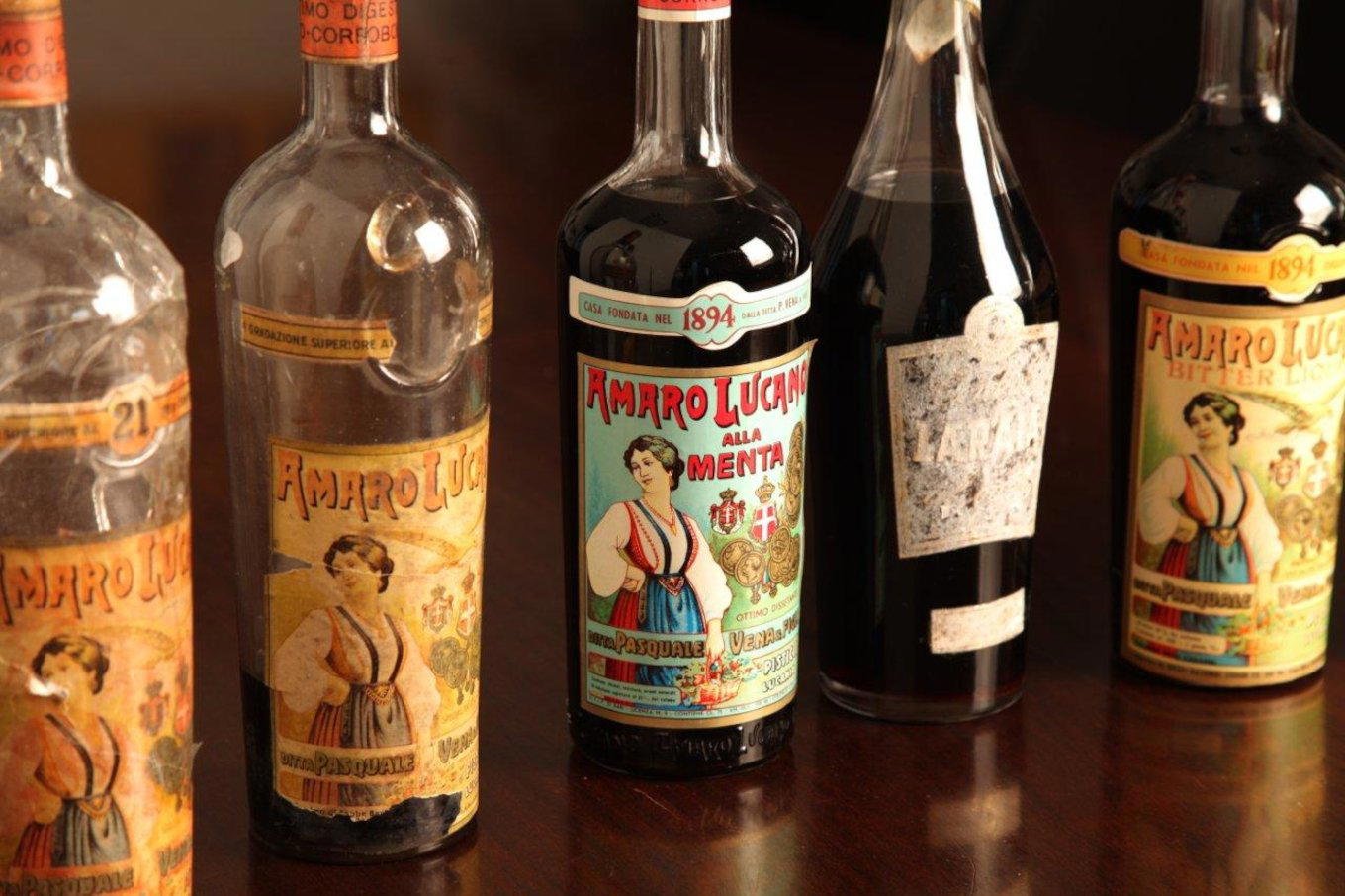
Distilleria Lucano in Pisticci sits at the heart of Basilicata's amaro tradition, producing the herbal liqueur that has defined the region's distilling identity for well over a century.. It belongs to a Southern Italian category where botanical terroir, not oak or vintage, drives the product's identity.

Pearl is the En Primeur Club membership app — saves, bookings, and concierge access live there. Same editors, same standards.
- Address
- 5, Via Cav. Pasquale Vena, Pisticci, Mt 75015, 75010 Pisticci Scalo MT
- Phone
- +39 0835 4691
- Website
- amarolucano.it
- Directions
- Get directions
Where Southern Italy Keeps Its Bitterest Secrets
The road into Pisticci drops through pale clay ravines and sun-cracked terrain that looks, at first glance, like it has no business producing anything delicate. Basilicata's interior is not Tuscany. There are no rolling vineyards softened by cypress lines, no gentle hills reassuring visitors that civilisation and pleasure are near. What you get instead is geology on full display: the Lucanian Apennines pressing down from the north, the Agri valley cutting through, and a light that arrives at midday with a particular insistence. It is this environment, not despite its severity but because of it, that has shaped the botanical character of the region's most recognised spirit. Our full Pisticci restaurants guide places this distillery in the broader context of what the town produces and protects.
The Terroir Argument for Amaro
In Italian spirits culture, the terroir argument has historically belonged to wine. Grappa producers, including houses such as Distilleria Romano Levi in Neive, Nonino Distillery in Pavia di Udine, Poli Distillerie in Schiavon, and Distilleria Marzadro in Nogaredo, have built their identities around source material tied to specific regional grape varieties, pressing the case that place shapes spirit. Amaro complicates that argument in productive ways. The base alcohol matters less than the botanical selection, and botanical selection in the south means drawing on Mediterranean scrubland, wild herbs, and roots that grow in soils far more mineral-dense and unforgiving than those of Friuli or the Trentino. Amaro Lucano's botanical list, kept proprietary in the tradition of the category, reflects an environment where plants concentrate their character under stress. The result, across the amaro category broadly, is bitterness that reads as earned rather than constructed.
That distinction separates southern amaro from its northern counterparts in ways that parallel, loosely, the divide between southern Italian wines and those of the north. Where producers like Ca' del Bosco in Erbusco or Aldo Conterno in Monforte d'Alba work with climates that offer consistent elegance as a baseline, southern producers operate against heat accumulation and irregular rainfall, conditions that push botanicals toward intensity. Amaro from this zone tends toward fuller body and a more pronounced bitter register, in contrast to lighter alpine styles.
A Spirit Category Shaped by Place, Not Vintage
Unlike wine, amaro does not carry a vintage. There is no single harvest year to read against climatic data, no barrel program that shifts character from one bottling to the next in ways that critics can track across decades. What replaces vintage variation is recipe continuity: the discipline to keep a botanical formula stable over time while sourcing from ingredients whose quality fluctuates with growing seasons. This is a less romantic story to tell, but it is arguably a more demanding production challenge. The Campari model, visible through the work of Campari in Milan, built a global category around exactly that kind of locked-in botanical consistency. Distilleria Lucano operates in the same structural tradition at a regional rather than multinational scale, anchored to Pisticci and to the specific botanical vocabulary of Basilicata.
Southern Italian producers in categories adjacent to amaro face a similar challenge around visibility. Wine estates like Planeta in Menfi and Lungarotti in Torgiano spent decades building recognition for regions that critics historically bypassed in favour of Tuscany and Piedmont. The parallel holds: Basilicata is not a default destination for spirits tourism, yet producers here have been operating at serious scale for well over a century. The award recognition Distilleria Lucano received in 2025 is consistent with a pattern of reassessment happening across southern Italian food and drink production, where heritage credentials that existed quietly for generations are now receiving formal acknowledgement.
Heritage Distilling in Context
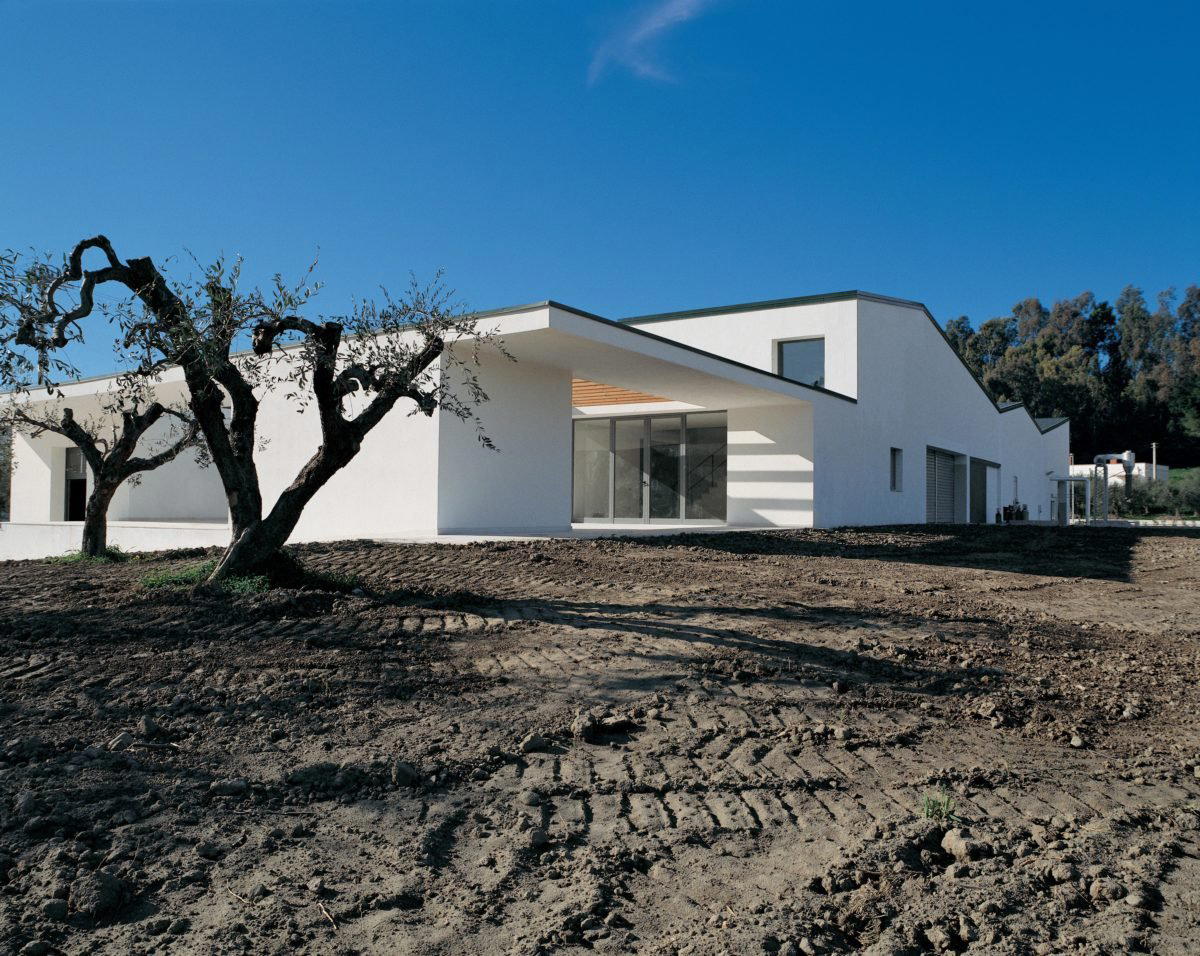
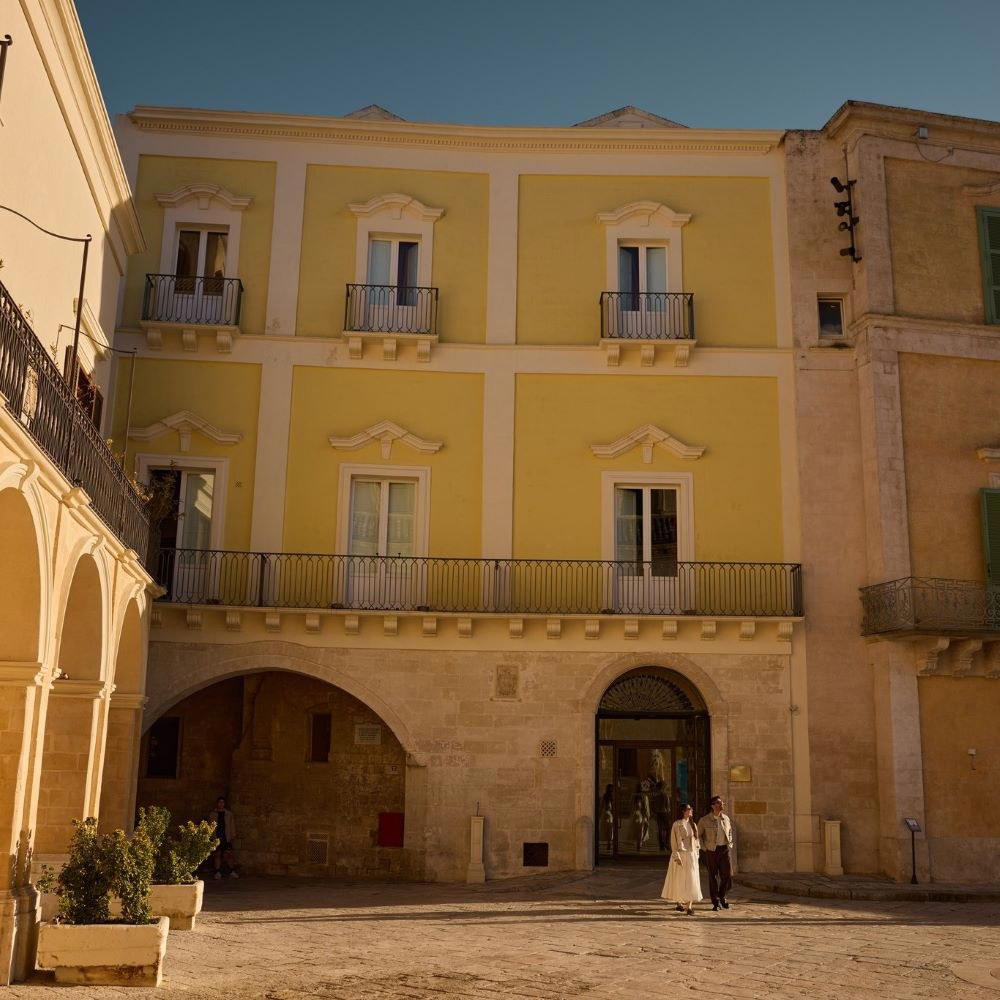
Italy's heritage distillery landscape splits roughly between operations that have repositioned themselves as experience-led destinations and those that remain production-first. Houses like Castello di Volpaia in Radda in Chianti have made the tourism infrastructure as legible as the product itself, blending estate visits with hospitality in ways that serve both the traveller and the brand. Others, particularly in the south, maintain a lower-key presence relative to production scale. Distilleria Lucano at Via Cav. Pasquale Vena sits in Pisticci Scalo, the newer industrial extension of the hilltop town, which positions it less as a scenic estate and more as a working production facility with genuine historical depth. That orientation is not a limitation; it reflects a category of Italian heritage site where the product is the spectacle and the facility exists to make it, not to perform picturesque domesticity for visiting cameras.
For context on how Tuscan wine estates have handled the same tension between production authenticity and visitor accessibility, the approaches taken by L'Enoteca Banfi in Montalcino and Poggio Antico in Monte San Vito offer a useful contrast. Both estates occupy a high-visibility tier of Brunello production where the visitor experience is carefully curated. The Lucano distillery operates from a different logic, one where the product's domestic penetration across Italy has long been the primary measure of relevance rather than international critical coverage or estate tourism receipts.
Basilicata as a Spirits Region
Basilicata sits between Campania, Puglia, and Calabria: one of Italy's smallest and least densely populated regions, with an economy historically shaped by agriculture rather than industry or tourism. Its spirits tradition is narrower than its wine tradition, with Aglianico del Vulture representing the region's clearest claim on vinous terroir. Yet amaro production has given Basilicata a national identity in the spirits category that wine alone would not have delivered. Amaro Lucano became a reference product in Italian bars and households over decades of distribution, reaching visibility in markets where the region's name would otherwise register as a blank. That market presence, built without the benefit of a wine-tourism infrastructure or a celebrity winemaker narrative, is a form of place-building that merits attention from anyone studying how southern Italian producers create category leadership.
For travellers making the trip to Pisticci specifically, the town itself offers the tiered hilltop architecture typical of Basilicatan inland settlements: narrow streets, a historic centre with long views over the Basento valley, and the kind of quietness that signals genuine remove from the main tourist circuits. Planning a visit to the distillery requires advance coordination given the production-first orientation of the facility; checking directly with the operation before arrival is advisable. Pisticci Scalo, where the distillery address sits, is accessible by rail on the Taranto-Potenza line, which serves the broader Basento valley corridor. Road access from Matera, Basilicata's better-known cultural draw, takes approximately one hour depending on the route.
Side-by-Side Snapshot
| Venue | Price | Awards |
|---|---|---|
| Amaro Lucano (Distilleria Lucano)This venue — the venue you are viewing | Not listed | Not listed |
| L'Enoteca Banfi | $50–100 | Not listed |
| Antinori nel Chianti Classico | Not listed | World's 50 Best #1 |
| Argiano | $50–100 | Falstaff Winery - 5 Stars |
| Biondi-Santi Tenuta Greppo | Not listed | Falstaff Winery - 5 Stars |
Continue exploring
More in Pisticci
Wineries in Pisticci
Browse all →

Bars in Pisticci
Browse all →
Restaurants in Pisticci
Browse all →
Details
- Wine Education
- Historic Building
Industrial production setting with a classic, historic family-run atmosphere.