Our verdict
On Via Bruno Buozzi in the heart of Matera, La Lopa sits within a city where the geology itself shapes what ends up on the plate. Basilicata's pantry, ancient grains, legumes, aged cheeses, and foraged herbs from the Murgia plateau, defines the cooking tradition here, placing La Lopa inside a dining culture where provenance is not a selling point but a baseline assumption.

Pearl is the En Primeur Club membership app, where members save venues, book tables and use the concierge.
The menu
What to order
- Orecchiette di grano arso
- Fave e Cicoria
- Crapiata
- Peperoni cruschi
Stone City, Stone Pantry: Eating in Matera's Ingredient Tradition
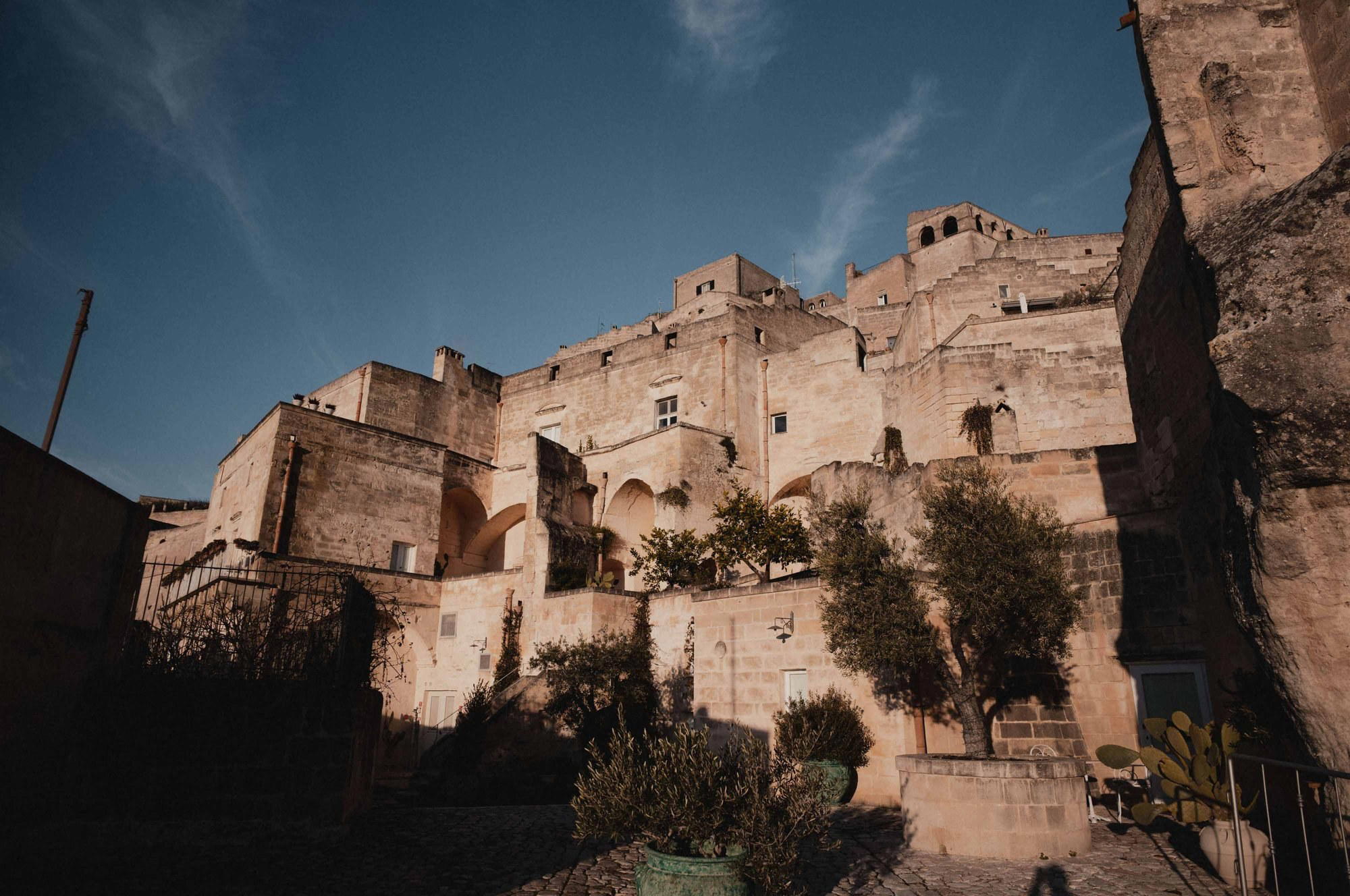
Matera does something to a visitor's sense of scale. Walking through the Sassi, the ancient cave districts carved from tufo limestone, it becomes difficult to separate the architecture from the landscape, the city from the geology. That same compression of ancient and immediate applies to how this city eats. Basilicata is one of Italy's least-exported food cultures, which means what reaches the table here rarely travels far before it arrives. Via Bruno Buozzi, where La Lopa is addressed, sits within this context: a city where the ingredient tradition is not a marketing strategy but a product of centuries of necessity and isolation.
Matera's position as European Capital of Culture in 2019 brought wider attention to a place that had operated largely below the radar of Italy's established food circuit. That attention has since translated into a more articulated restaurant tier, ranging from Vitantonio Lombardo, Matera's most formally decorated creative table, down through mid-tier addresses like Baccanti and DA MÓ, both operating at the €€ price point with a regional focus.
Where the Food Comes From, and Why That Matters Here
Basilicata's agricultural identity is among the most specific in southern Italy. The Murgia plateau, the high limestone tableland that extends from Matera toward Puglia, yields a suite of ingredients that define the regional pantry: crusco peppers, dried and fried to a brittle, sweet-smoky crisp; ancient wheats used for hand-rolled pasta like cavatelli and lagane; aged sheep's milk cheeses, particularly pecorino di Filiano; and wild greens that vary by elevation and season. This is a cuisine where the sourcing question is almost redundant, because the supply chain is short by default. Restaurants operating within this tradition at any price point are implicitly working with regional ingredients, not as a choice to communicate, but because alternatives require more effort to source than locals.
That context matters when reading a Materan menu. Dishes that might appear as regional affectations in a northern Italian city, cicerchie (grass peas), 'nduja-adjacent sausage traditions, baked lamb with wild herbs, represent the functional cooking culture here. ARTEMA and Dimora Ulmo both work within this tradition at different price registers, with Dimora Ulmo's €€€ positioning reflecting a more composed presentation of the same regional larder. At the broader Italian level, the discipline of cooking from a circumscribed local pantry is something that connects Matera's scene to addresses like Reale in Castel di Sangro and Atelier Moessmer Norbert Niederkofler in Brunico, both of which have built internationally recognised programs on hyper-local ingredient sourcing in regions that, like Basilicata, are not Italy's obvious culinary capitals.
La Lopa in Its Neighbourhood Setting
Via Bruno Buozzi runs through the more residential fabric of Matera, away from the most tourist-dense sections of the Sassi. That address positions La Lopa closer to the city's working grain rather than its spectacle, which in practical terms means a dining room that likely serves local custom alongside visitors rather than operating primarily as a destination for heritage tourism. This is not a minor distinction in Matera, where some addresses have recalibrated menus and pricing in response to increased visitor numbers since 2019.
For comparison, the more formally decorated end of Matera's restaurant circuit, including Vitantonio Lombardo at the €€€€ tier, draws from the same regional pantry but processes it through a creative fine-dining lens. The gap between that register and an everyday neighbourhood table is a familiar one across Italian cities. In Modena, the distance between Osteria Francescana and a working trattoria involves the same ingredients read through entirely different ambitions. In Florence, Enoteca Pinchiorri occupies a position relative to neighbourhood restaurants that mirrors how Vitantonio Lombardo sits above the rest of Matera's scene. The point is not hierarchy but difference in register, and La Lopa appears to occupy the register where cooking is less about composition and more about the ingredient itself.
Placing La Lopa in the Matera Dining Decision
For a visitor building a multi-day Matera itinerary, the city's restaurant tier is narrow enough that most serious tables are findable with a short list. The formal end is covered by the creative and Basilicata-rooted tasting menus at Vitantonio Lombardo and Dimora Ulmo. The mid-tier, where regional cooking is delivered with contemporary awareness at accessible prices, includes Baccanti and DA MÓ. La Lopa sits in or adjacent to this tier, with a Via Bruno Buozzi address that suggests a kitchen feeding the city rather than primarily performing it for visitors.
Visitors who have eaten through Matera's more prominent addresses and want a less formatted experience of the city's ingredient culture are the natural audience for a restaurant at this position. The same logic applies in other Italian regional cities: after the composed tasting menus at Piazza Duomo in Alba or Quattro Passi in Marina del Cantone, the most honest read on a region's food culture often comes from the smaller, quieter address that wasn't designed with the guide inspector in mind. See our full Matera restaurants guide for a broader map of the city's current dining positions.
Planning a Visit
La Lopa is located at Via Bruno Buozzi 13 in Matera. Given the absence of published booking data, the most direct approach is to visit in person or contact the restaurant directly on arrival in the city. Matera's restaurant district is compact enough that most addresses are walkable from the Sassi, and Via Bruno Buozzi is accessible from the civic centre without needing transport. Hours, pricing, and reservation policies are best confirmed locally; the restaurant's positioning within the city's everyday dining tier suggests it may accommodate walk-ins more readily than the formal tasting-menu houses, which tend to require advance booking.
Frequently asked questions
Does La Lopa work for a family meal?
La Lopa's address on Via Bruno Buozzi, in the residential fabric of Matera rather than the high-traffic Sassi tourist zone, points toward the kind of neighbourhood restaurant that accommodates mixed groups without ceremony. Matera's everyday dining tier is generally informal and accessible by price, making places at this level a practical option for families. For specific seating arrangements or children's options, contacting the restaurant directly before arrival is advisable.
What's the vibe at La Lopa?
The address on Via Bruno Buozzi places La Lopa in Matera's residential quarter, away from the concentrated foot traffic around the Sassi cave districts. That positioning typically signals a room serving regulars as much as visitors, lower ambient theatre than the town's more prominent tourist tables.
Is La Lopa a good option for eating away from Matera's main tourist restaurants?
Via Bruno Buozzi 13 sits outside the concentrated dining corridor that runs through the most-visited sections of the Sassi, which makes La Lopa a practical choice for visitors who want a meal at less distance from Matera's everyday neighbourhood life. The city's serious tourist tables are few enough that a residential-address restaurant like this one occupies a distinct and useful position in any multi-day itinerary.
What do people recommend at La Lopa?
What can be said is that restaurants at this address in Matera typically draw from Basilicata's agricultural base: the Murgia plateau produces distinct legumes, aged sheep's cheeses, and the region's characteristic peperoni cruschi, dried sweet peppers that appear across local cooking. Asking staff what is current on arrival is the most reliable approach.
Comparable Venues
Comparable venues nearby, for context on price, style, and recognition.
| Venue | Cuisine | Price | Awards | Notes |
|---|---|---|---|---|
| La LopaThis venue (the venue you are viewing) | Traditional Lucanian Cuisine | $30–50 | Not listed | Not listed |
| Baccanti | Modern Lucanian Italian | $50–100 | Michelin Plate | Sassi di Matera |
| DA MÓ | Modern Regional Basilicata | $30–50 | Michelin Plate | Sassi |
| Dimora Ulmo | Modern Italian Fine Dining | $50–100 | Michelin Plate | Sassi |
| ARTEMA | Contemporary Mediterranean Fine Dining | $50–100 | Relais Chateaux Award | Sassi |
Continue exploring
More in Matera
Restaurants in Matera
All restaurants in Matera →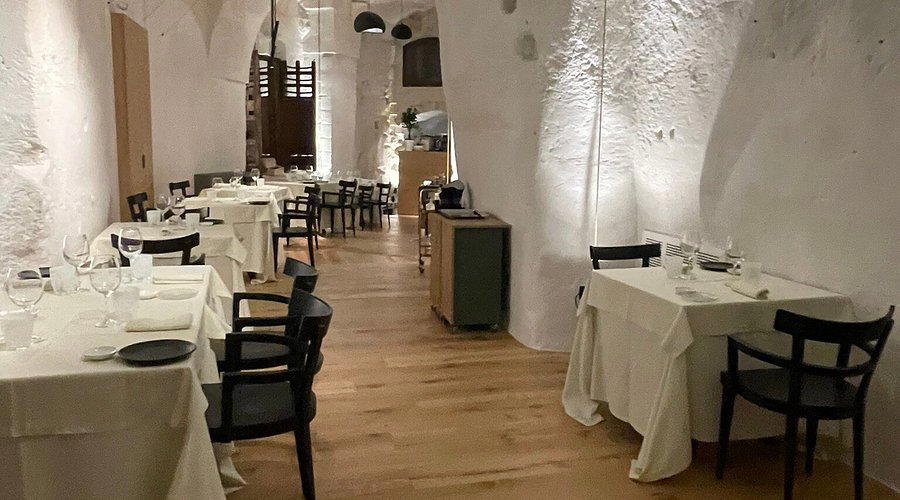
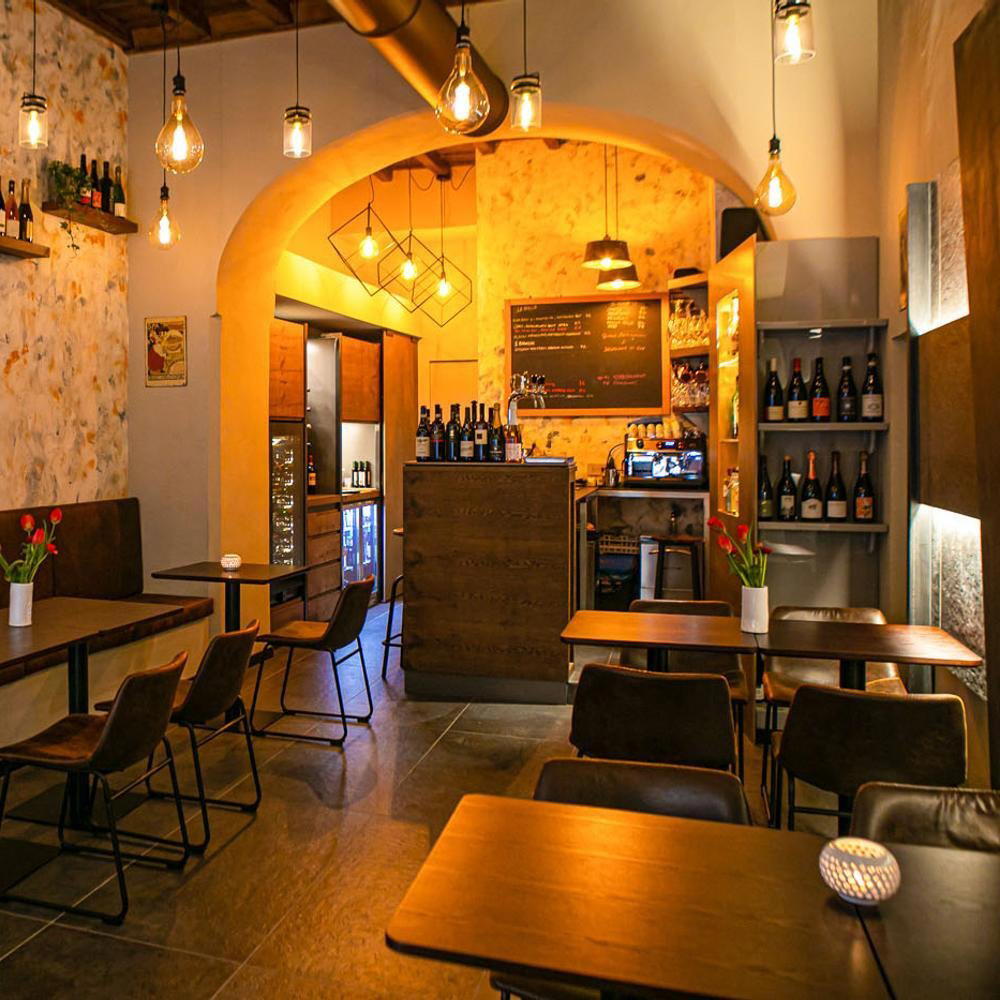
Bars in Matera
Browse all →

Details
- Cozy
- Rustic
- Intimate
- Special Occasion
- Family
- Historic Building
- Local Sourcing
- A La Carte
- Local Wine
- Vegetarian Friendly
- Vegan Options
Current opening hours
- Monday
- Closed
- Tuesday
- 7–9:45 PM
- Wednesday
- 12:30–2:30 PM, 7–9:45 PM
- Thursday
- 12:30–2:30 PM, 7–9:45 PM
- Friday
- 12:30–2:30 PM, 7–9:45 PM
- Saturday
- 12:30–2:30 PM, 7–9:45 PM
- Sunday
- 12:30–2:30 PM, 7–9:45 PM
Hours can change for holidays and private events. Hours as of .
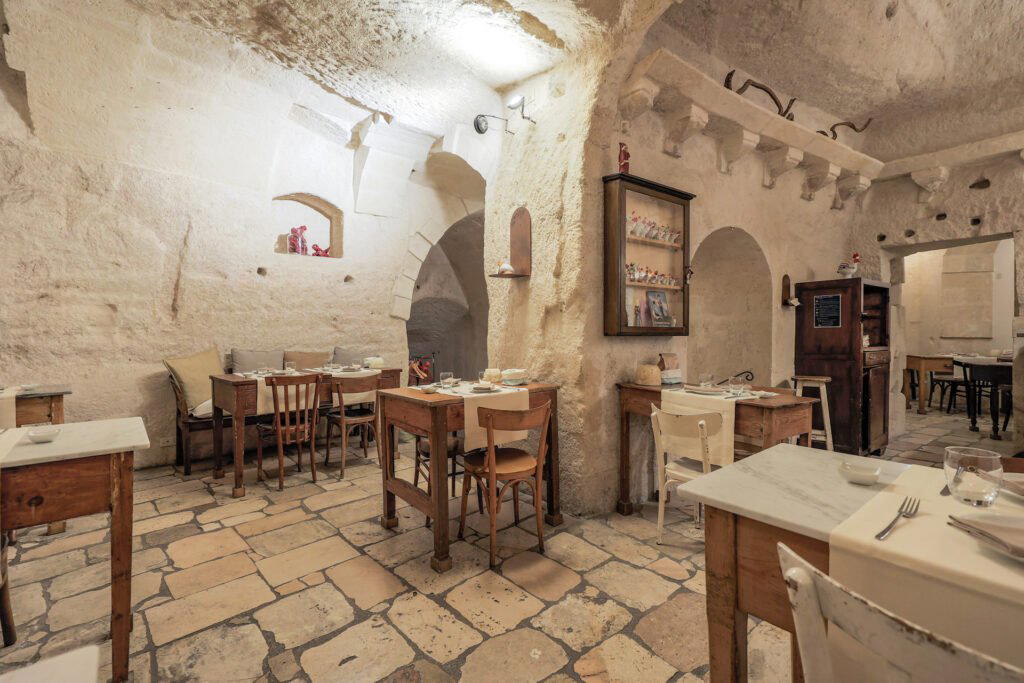
Cozy cave atmosphere enhanced by candlelight, warm and relaxed with historic charm.