
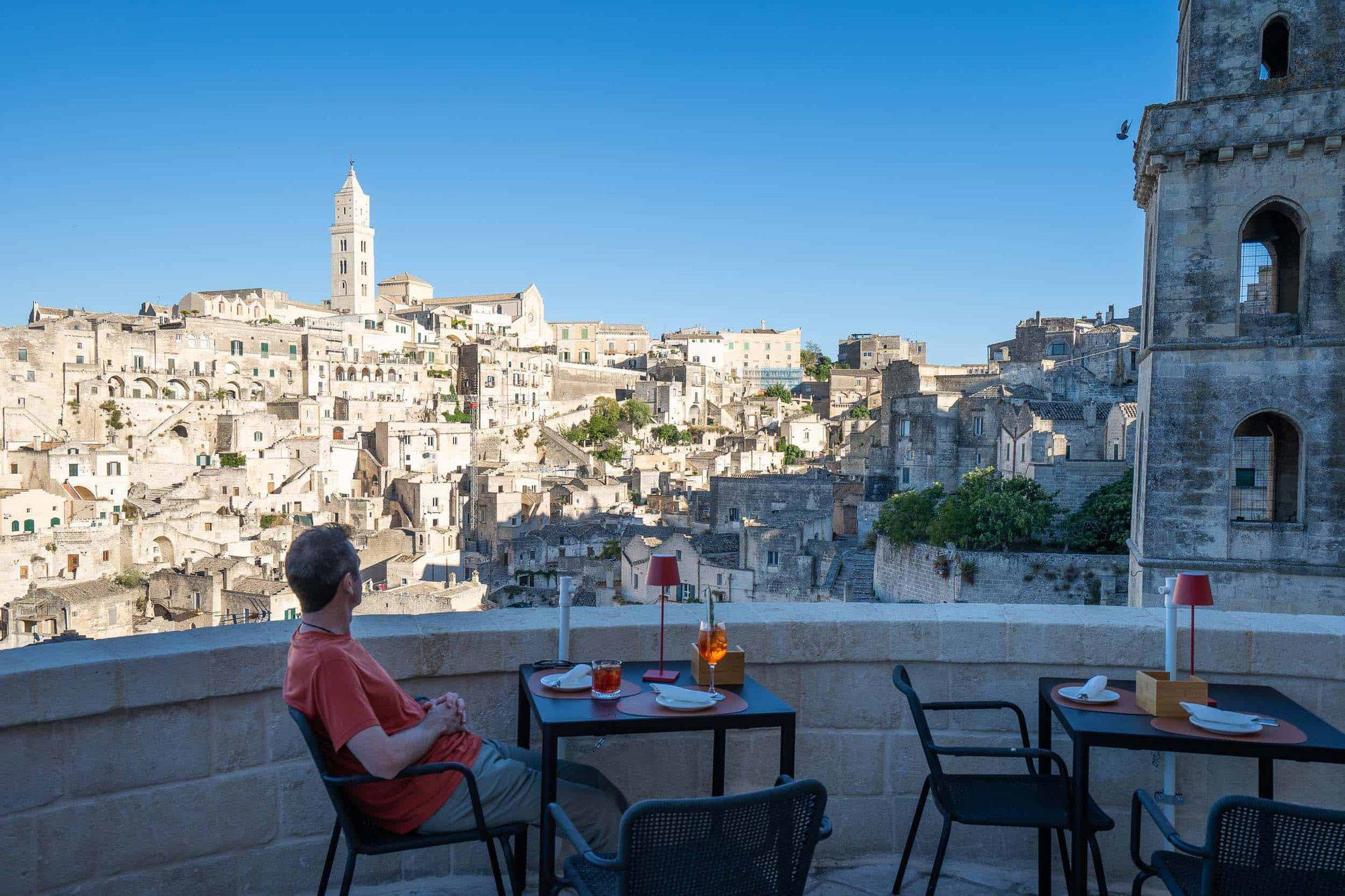
Set in a restored palazzo on Via Pennino with a summer terrace overlooking the Sassi, Dimora Ulmo holds Michelin Plate recognition for 2024 and 2025 and serves Basilicata cuisine across three tasting menus. At the €€€ tier, it sits between Matera's casual regional trattorias and the starred fine-dining bracket, making it the direct entry into the city's structured tasting-menu format.
Pearl is the En Primeur Club membership app — saves, bookings, and concierge access live there. Same editors, same standards.
- Address
- Via Pennino, 28, 75100 Matera MT, Italy
- Phone
- +39 0835 165 0398
- Website
- dimoraulmo.it
- Directions
- Get directions
 Saves & bookings on Pearl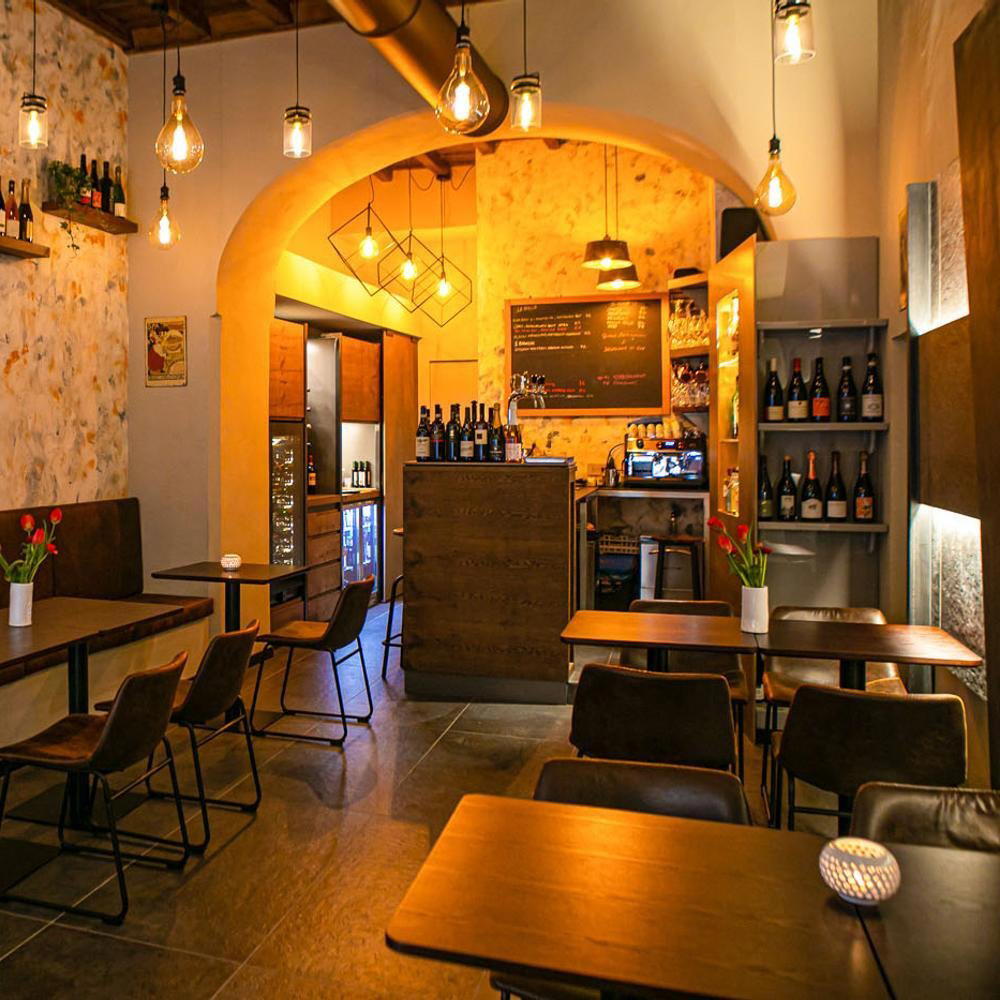
Stone, Terrace, and the Sassi Below
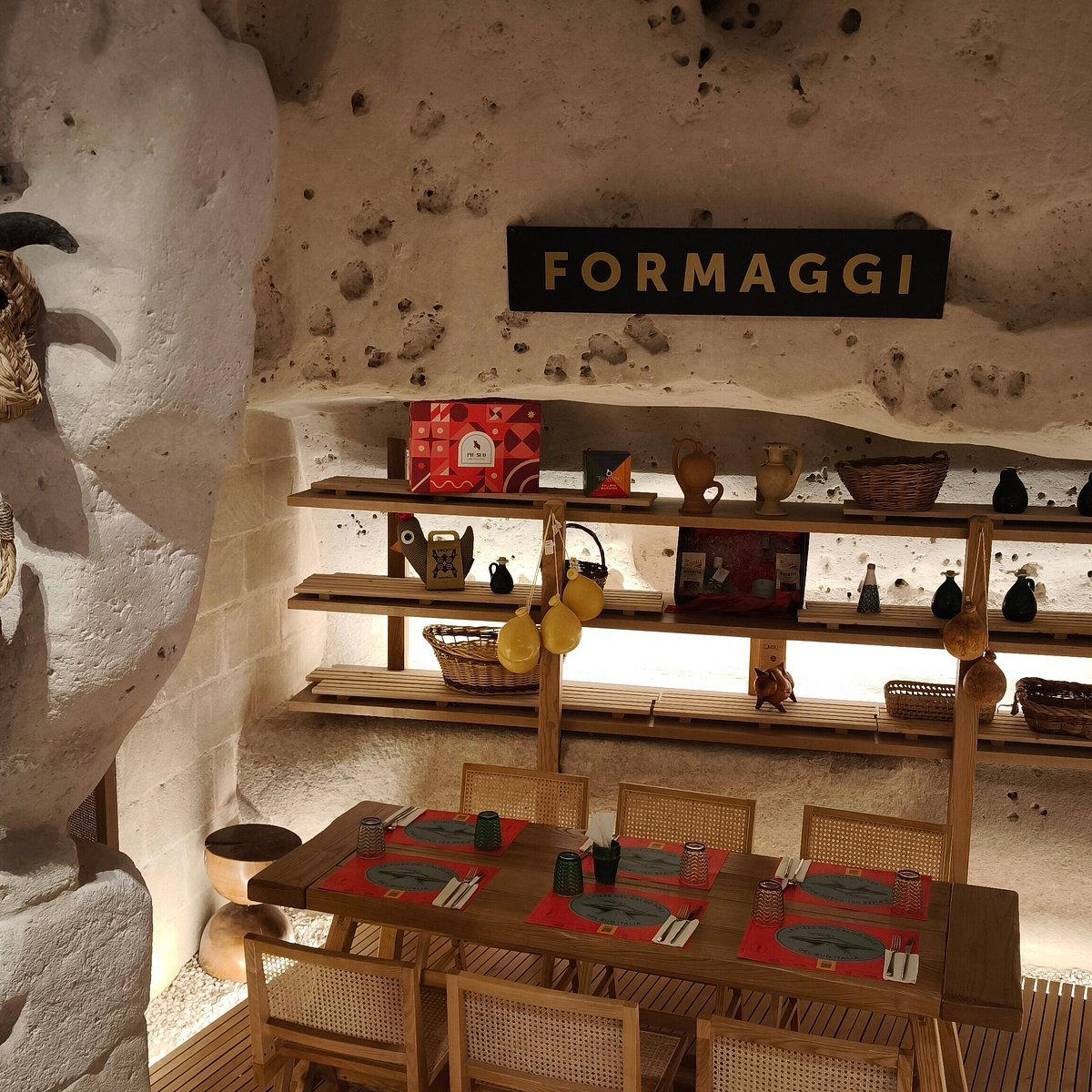
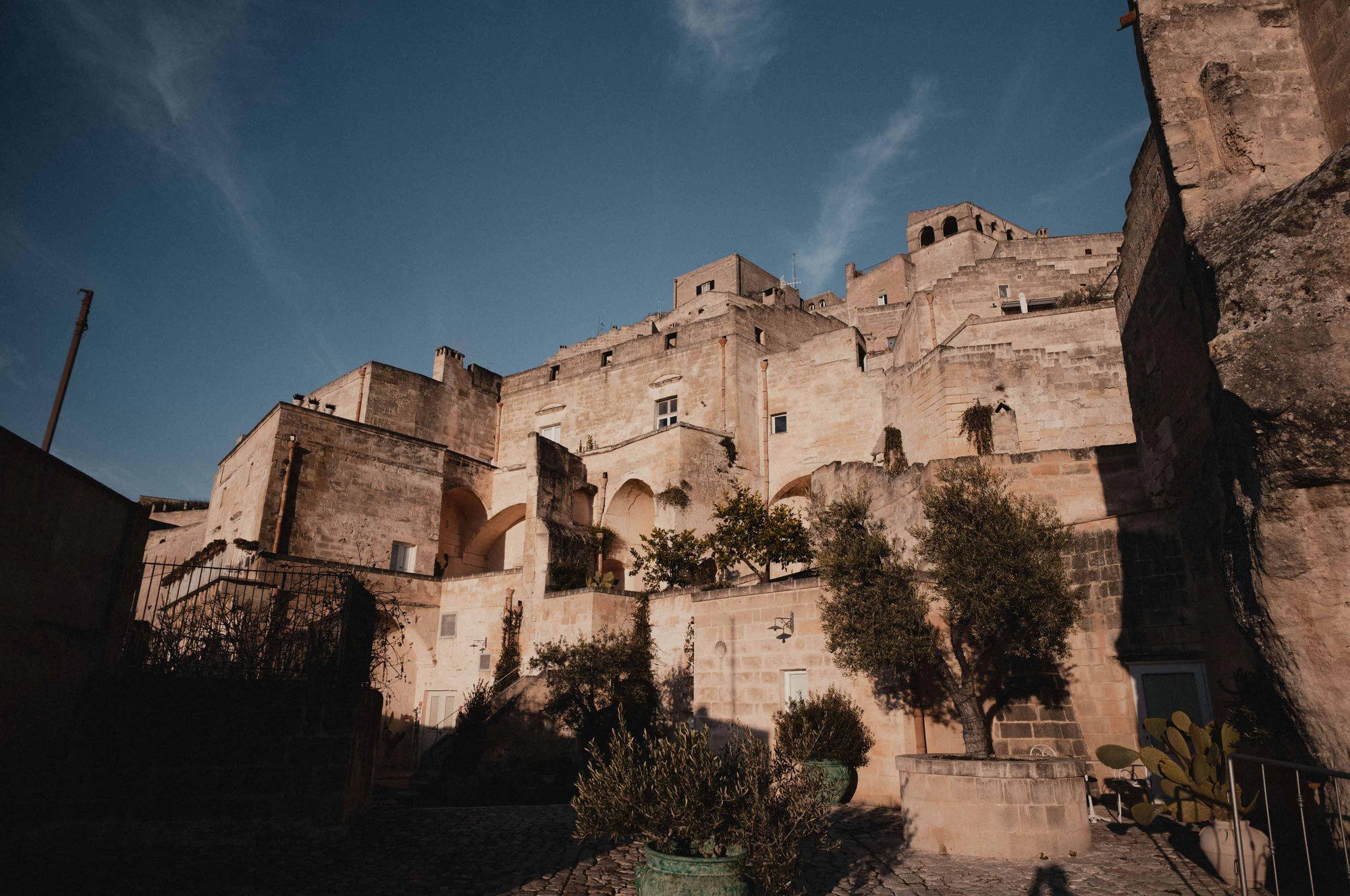
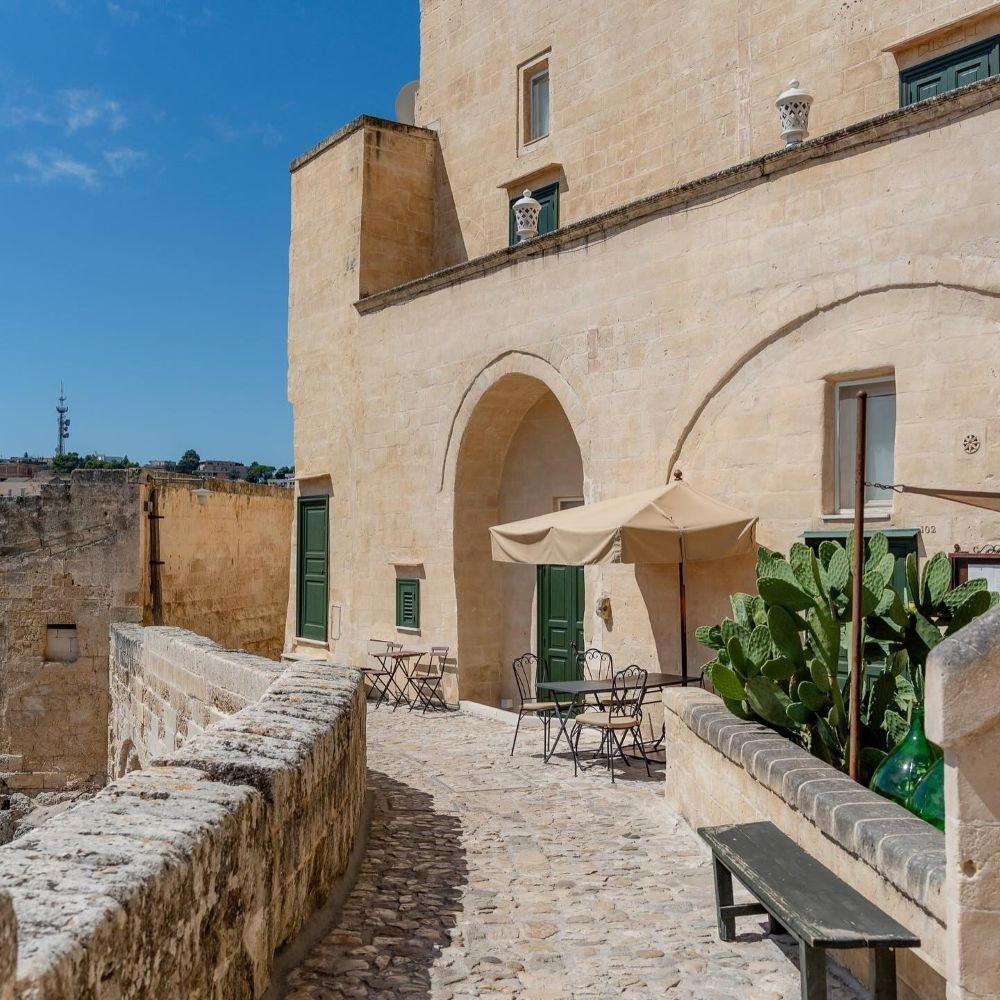
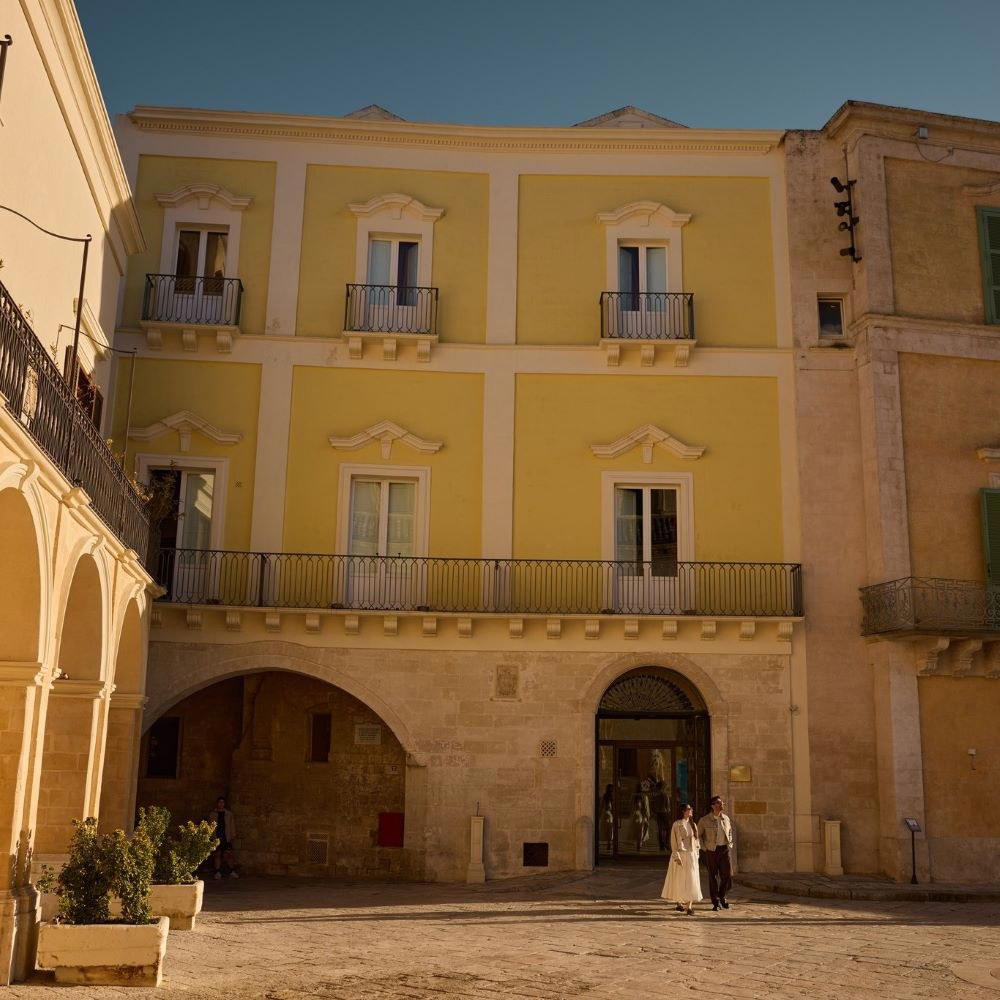
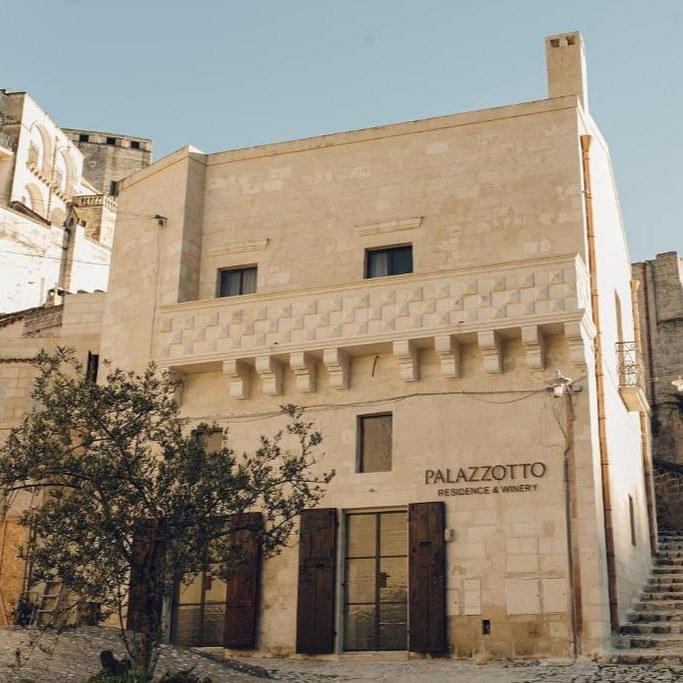
Dimora Ulmo is a restaurant in Matera, Italy, serving Modern Italian Fine Dining at about $70 per person. Via Pennino climbs through one of Matera's older residential quarters, away from the concentrated tourist pull of the main Sassi viewpoints. Arriving at the restored palazzo that houses Dimora Ulmo, the transition from street to interior follows a pattern common to Matera's finer dining rooms: thick tufa walls, architectural fragments of an earlier century, and then, in warmer months, the revelation of a summer terrace that opens over the ravine. The Sassi, those Bronze Age cave dwellings that earned Matera its UNESCO designation in 1993, spread across the gorge below. Few dining settings in the Mezzogiorno put that view to work quite as directly.
Matera sits in Basilicata, a region that receives less international dining traffic than Puglia to the east or Campania to the north, which means restaurants serving serious regional cuisine operate in a smaller, more locally anchored ecosystem. That insularity has a culinary upside: the pressure to perform for a global audience is lower, and the incentive to draw from Basilicata's specific larder, peperone crusco, Senise peppers, aged caciocavallo, lamb from the Agri valley, the earthy Aglianico del Vulture grape, remains high. Dimora Ulmo works within that context, holding a Michelin Plate recognition in both 2024 and 2025, a designation that signals consistent technical quality without claiming star-level ambition.
Three Menus, One Kitchen Logic
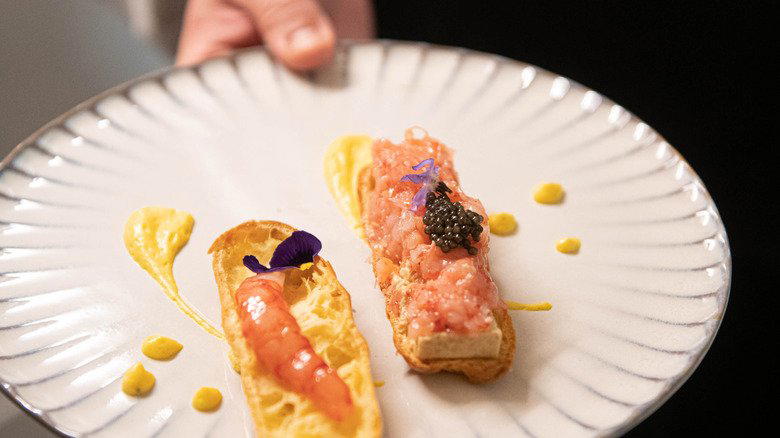
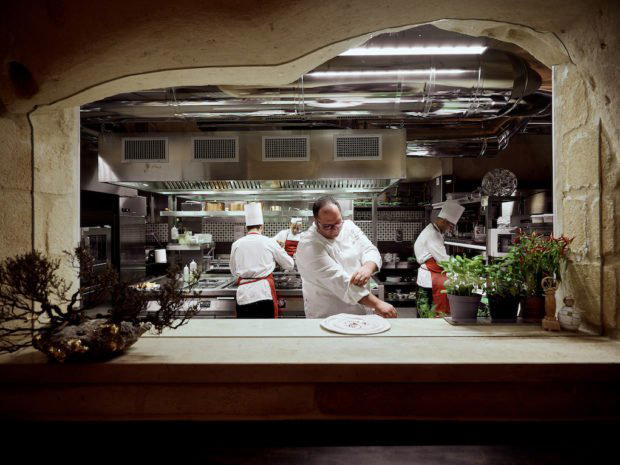
The menu architecture at the restaurant is worth understanding before you book. Three tasting formats are on offer: Contaminazioni, the restaurant, and A mano libera. The names signal different approaches to the same kitchen. Contaminazioni, contaminations, frames the cuisine as a product of influence and exchange, which is historically honest: Basilicata absorbed Arab, Norman, and Spanish agricultural legacies over centuries, and those currents still show up in the region's cooking. The namesake menu reads as a more defined house statement, while A mano libera (freehand) suggests the loosest, most chef-directed format of the three.
That structure places the restaurant in a small but coherent tier of Matera restaurants where tasting menus are the primary format and the kitchen is making a case for the region rather than simply feeding the room. Vitantonio Lombardo, the city's sole Michelin-starred address, sits a price bracket above at €€€€ and operates with a more overtly creative brief. The restaurant's €€€ positioning puts it closer to the middle of the local fine-dining range, where the balance between modern technique and traditional Basilicata dishes is the defining editorial question rather than pure innovation. For visitors working through Matera's restaurant scene, the two addresses are complementary rather than competing.
Basilicata on the Plate
The cuisine of Basilicata is among southern Italy's least exported, which gives it a coherence that more travelled regional styles can lose. Pasta formats like strascinati and lagane remain in regular use; the agrodolce tradition runs through preparations of lamb and pork; dried Senise peppers add a smoky, paprika-adjacent depth that distinguishes Lucan cooking from both Calabrian heat and Pugliese restraint. A kitchen working in Matera with this material has a clear brief: use it seriously, don't dilute it for tourist palates, and find the line between museum-piece preservation and forward-looking technique.
The Plate does not imply the innovation density of a starred address like Osteria Francescana in Modena or the technical scale of Le Calandre in Rubano, but within Basilicata's dining context, consistent Michelin recognition over multiple years is a meaningful credential. The broader Italian fine-dining network, from Enoteca Pinchiorri in Florence to Enrico Bartolini in Milan, operates on a different scale entirely, but the south has its own rigorous practitioners, including Atelier Moessmer Norbert Niederkofler, who demonstrate what place-focused cooking can achieve when regional identity is taken seriously.
For a fuller picture of how Basilicata cuisine reads across different formats and price points, Al Becco della Civetta in Castelmezzano and Da Peppe in Rotonda offer useful reference points from elsewhere in the region.
The Wine Dimension
The wine list at the restaurant anchors to Basilicata labels, primarily Aglianico del Vulture, the region's most serious red grape, which produces structured, often tannic wines that age well and pair with the lamb and pork preparations typical of local menus. That regional core is extended with selections from elsewhere in Italy and beyond, a structure that allows the kitchen's Basilicata identity to remain legible on the list without boxing diners into a single appellation. For those approaching Matera from a wine angle, the city's winery landscape extends the conversation beyond the restaurant table.
Matera as a Dining Destination
Matera entered serious international tourism relatively late. The 2019 European Capital of Culture designation accelerated outside attention, and the years since have seen the restaurant tier develop unevenly: a handful of addresses doing serious regional work, a larger number serving to the day-tripper market. The city's dining scene now has enough depth to warrant a dedicated stay rather than a detour from Bari or Lecce.
Within that scene, the split runs roughly between creative fine-dining (Vitantonio Lombardo at the leading), Michelin-recognised trattorias and modern regionals (where the restaurant sits), and more casual formats. Baccanti and DA MÓ operate at €€ with a regional focus, while ARTEMA and Vetera Matera cover different Italian southern registers. Visitors spending two or more nights can reasonably work across several tiers; the restaurant fits the evening when the view matters as much as the menu.
Reservations at the restaurant are advisable well in advance during Matera's peak season, which runs from April through October and sharpens around the summer months when the terrace comes into its own. The palazzo address on Via Pennino, 28 is a short walk from the main Sassi belvedere points; the €€€ price range places it above the city's casual trattorias but below the starred tier, making it the accessible entry into Matera's structured tasting-menu format.
A Tight Comparison
Comparable venues nearby, for context on price, style, and recognition.
| Venue | Cuisine | Price | Notes |
|---|---|---|---|
| Dimora UlmoThis venue — the venue you are viewing | Sassi, Modern Italian Fine Dining | $$$ | Not listed |
| DA MÓ | Sassi, Modern Regional Basilicata | $$$ | Not listed |
| Vetera Matera | Not listed | $$$$ | Sassi di Matera, Modern Italian Fine Dining |
| Baccanti | Sassi di Matera, Modern Lucanian Italian | $$$ | Not listed |
| ARTEMA | Not listed | $$$$ | Sassi, Contemporary Mediterranean Fine Dining |
| La Lopa | Not listed | $$ | Sassi di Matera, Traditional Lucanian Cuisine |
Recognition history
Dated appearances from independent guides and award organizations, with the underlying list record or original source where available.
Michelin Plate
Michelin
Michelin Plate
Michelin
Michelin Plate
Michelin
At a Glance
- Elegant
- Modern
- Intimate
- Sophisticated
- Rustic
- Date Night
- Special Occasion
- Terrace
- Historic Building
- Private Dining
- Extensive Wine List
- Local Sourcing
- Street Scene
Current opening hours
- Monday
- 12:45–2 PM, 7:45–9 PM
- Tuesday
- 12:45–2 PM, 7:45–9 PM
- Wednesday
- 7:45–9 PM
- Thursday
- 7:45–9 PM
- Friday
- 12:45–2 PM, 7:45–9 PM
- Saturday
- 12:45–2 PM, 7:45–9 PM
- Sunday
- 12:46–2 PM, 7:45–9 PM
Hours can change for holidays and private events. Last verified .
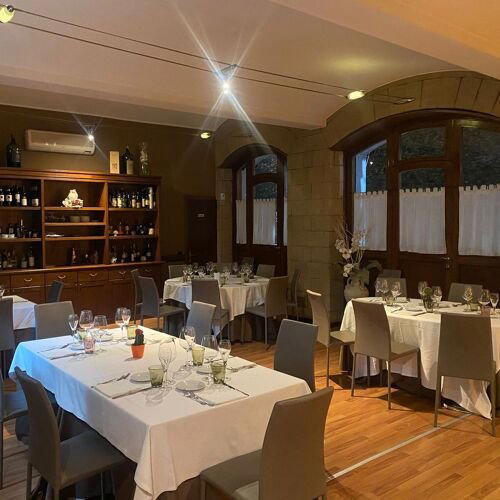
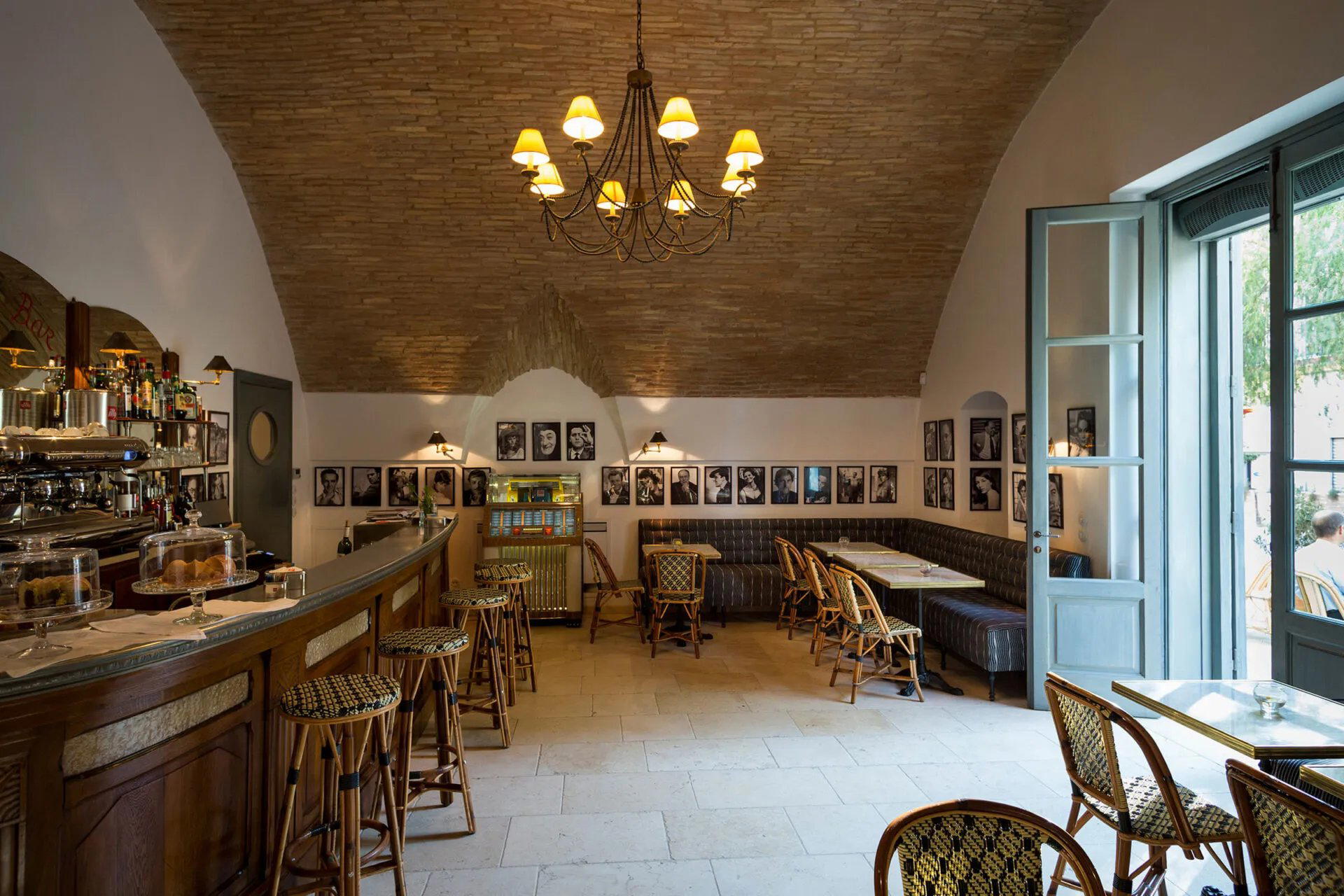
Elegant minimalist interior blending historic frescoed ceilings with modern art and design, bright lighting, chic and refined atmosphere.