
Michelin Plate
Our verdict
Housed in a complex of ancient cave rooms on Via Sant'Angelo, Baccanti holds a 2025 Michelin Plate and earns. The kitchen draws on the agricultural traditions of Basilicata while working in a clearly modern register — creative plating, seasonal thinking, mid-range pricing. One of the more considered addresses in Matera's old town dining scene.

Pearl is the En Primeur Club membership app — saves, bookings, and concierge access live there. Same editors, same standards.
- Address
- Via Sant'Angelo, 58/61, 75100 Matera MT, Italy
- Phone
- +39 0835 333704
- Hours
- Mon ClosedTue–Sat 12:30–2:30 PM, 7:30–10:30 PMSun 12:30–3 PM
- Website
- baccantiristorante.com
- Directions
- Get directions
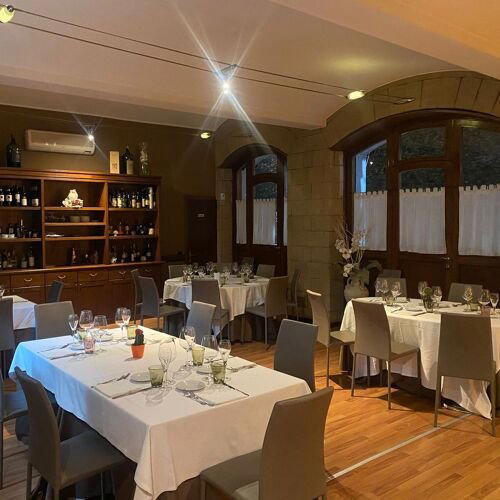
The menu
What to order
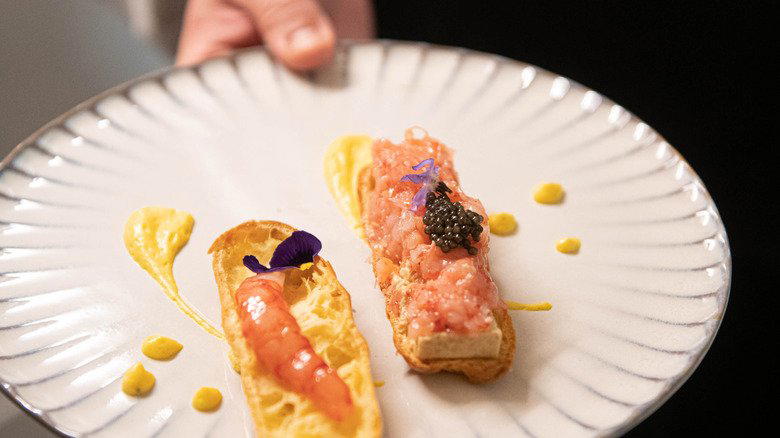
- Orecchiette with ragu
- Veal cheek
- Caciocavallo flan
Stone Rooms and Southern Roots: Dining Inside Matera's Sassi
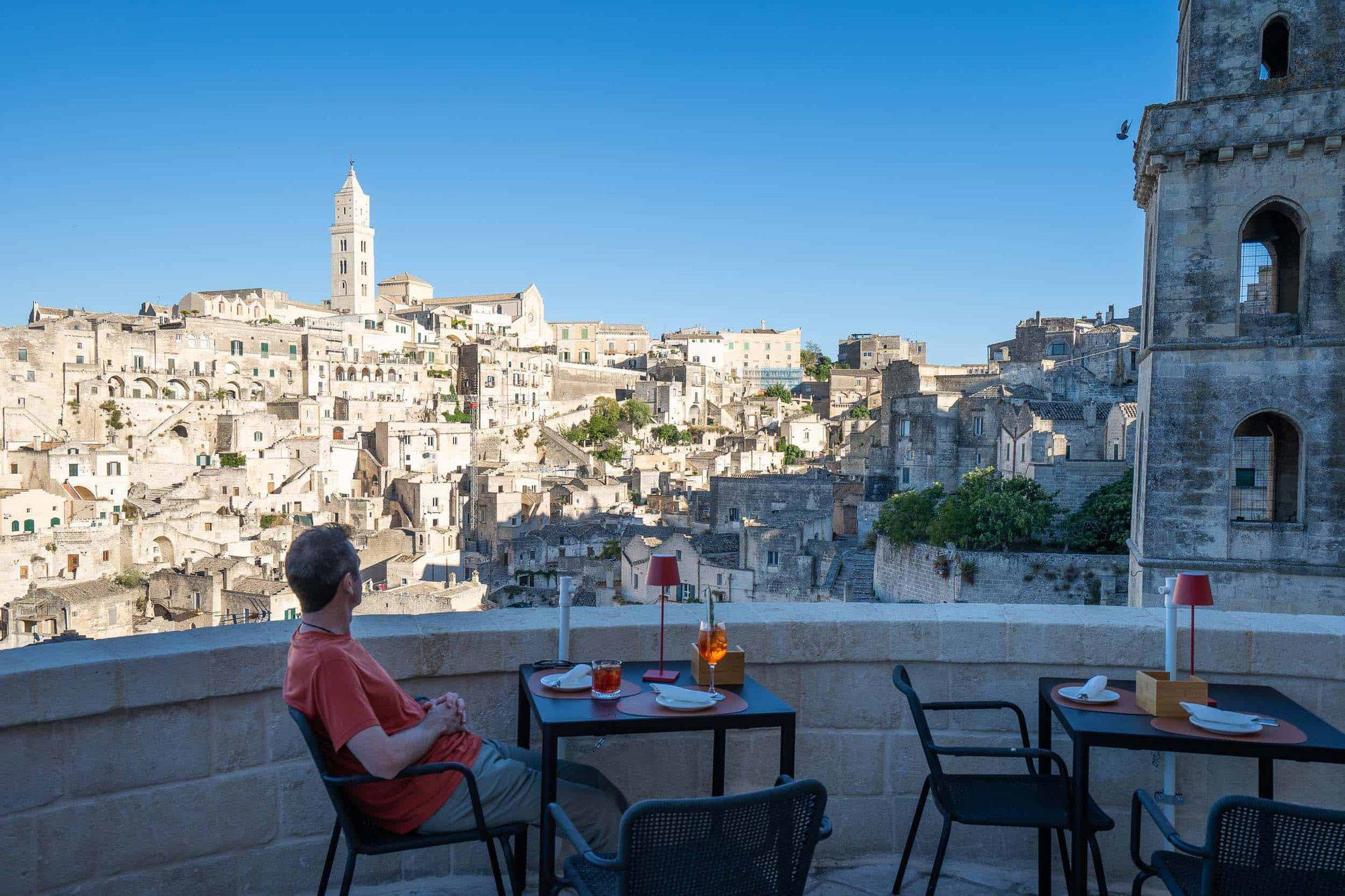
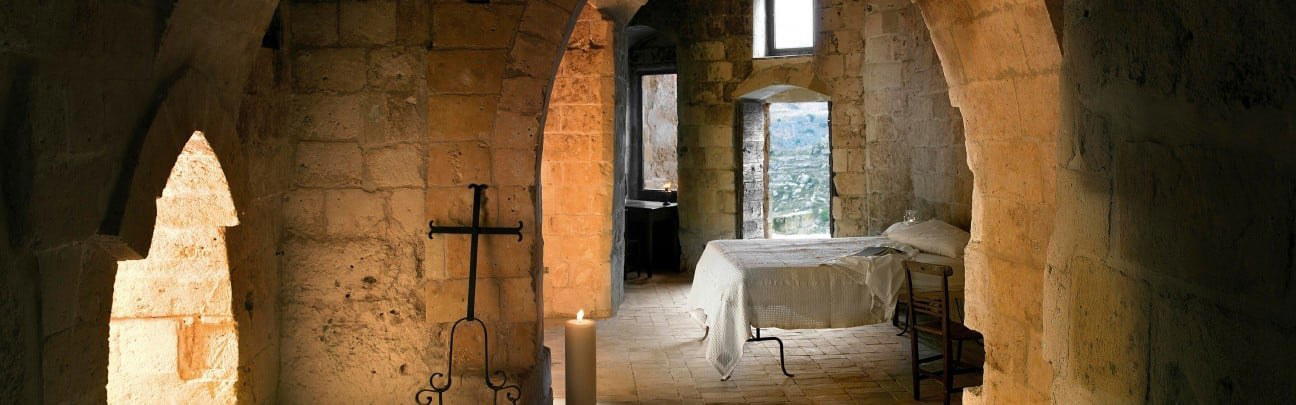
Few cities in southern Italy demand as much from their restaurants as Matera does from geography alone. The Sassi — the UNESCO-listed cave districts carved into the ravine over millennia — set an immediate visual standard that any dining room inside them must either match or quietly ignore. Baccanti, on Via Sant'Angelo, does not ignore it. The restaurant occupies a sequence of old cave rooms directly facing Matera's rupestrian churches, the ancient rock-cut sanctuaries that define the most photographed stretch of the Sasso Caveoso. Sitting inside a cave that has been inhabited in some form since prehistory and eating food that references the same soil and seasons those inhabitants worked is, at minimum, a disorienting kind of continuity. At its finest, it frames what modern Basilicatan cooking is actually trying to do.
What Modern Basilicatan Cooking Actually Means
Southern Italian cuisine carries the weight of a long poverty narrative, cucina povera, the cooking of scarcity, that has shaped both its genuine traditions and, more recently, its marketing. Basilicata sits at the far end of that story: landlocked, sparsely populated, with a food culture built around dried legumes, aged cheeses, preserved meats, and the kind of vegetables that survive a harsh summer. What the more ambitious kitchens in the region have spent the past decade working out is how to honour that inheritance without simply plating nostalgia. The answer, at Baccanti and at a handful of peers across the city, has been a modern and creative register applied to deeply local ingredients and techniques.
This is a different project from what you find at the top of the Italian fine dining tier. Restaurants like Osteria Francescana in Modena or Enoteca Pinchiorri in Florence operate from a position of established regional culinary prestige, drawing on centuries of codified technique. The southern Italian kitchen, by contrast, is still negotiating what contemporary expression of its own traditions should look like, and that negotiation is more interesting, if less settled, than it might appear from the outside. Baccanti's Michelin Plate recognition in 2025 signals that the guide considers the kitchen to be executing at a level worth noting, even if it sits below the starred tier occupied by neighbours like Vitantonio Lombardo, which holds a Michelin star and prices accordingly at €€€€.
Where Baccanti Sits in Matera's Dining Tier
Matera's restaurant scene is narrow enough that positioning is relatively easy to read. At the leading, Vitantonio Lombardo operates a creative, technically demanding kitchen at a price point that reflects that ambition. A step below, Dimora Ulmo offers Basilicatan-rooted cuisine at €€€, sitting between the flagship and the mid-range. Baccanti lands in the €€ bracket alongside DA MÓ, which also works in regional cuisine at comparable pricing. The question at this tier is whether the kitchen's ambition holds across the full experience, whether modern technique is being applied with genuine craft or as surface decoration.
Elsewhere in Matera, ARTEMA works the Italian southern tradition, and Vetera Matera covers Italian cuisine in a more direct register. Neither carries the same combination of awards recognition and volume of diner feedback that Baccanti has accumulated. For readers who want a broader picture of where to eat across the city, our full Matera restaurants guide maps the scene in more detail.
The Cave Setting as Context, Not Costume
It is worth separating what the cave setting contributes from what the kitchen contributes, because in less disciplined venues they can become confused. Matera's Sassi have drawn enough tourism since the 2019 European Capital of Culture designation to sustain restaurants that trade primarily on atmosphere. A dramatic tuff-stone ceiling and a view of the San Pietro Caveoso church will fill tables regardless of what arrives on them. The Michelin Plate and the volume of positive diner feedback at Baccanti suggest the kitchen is not relying on the architecture to carry the evening. The setting is real, the cave rooms on this stretch of Via Sant'Angelo are among the most physically striking in the Sassi, but it functions as context for the food rather than compensation for it.
That distinction matters more in Matera than in most cities. The rupestrian churches opposite are the same rock-face devotional structures that rural Basilicatan communities maintained for centuries, and the agricultural calendar they organised around is the same one that produced the regional ingredients the kitchen draws on. The physical continuity between the setting and the food's cultural roots is not theatrical in Baccanti's case; it is simply accurate.
For Wider Context: Modern Cuisine at Scale
Placing Baccanti in a purely local frame understates the broader movement it belongs to. Modern cuisine built on regional specificity and traditional ingredients is a practice running across European kitchens in very different contexts, from Atelier Moessmer Norbert Niederkofler in Brunico in the Alps to Le Calandre in Rubano in the Veneto. Even at the international end of that conversation, Frantzén in Stockholm and FZN by Björn Frantzén in Dubai represent the same instinct applied at a very different scale and price tier. Baccanti operates at the entry point of this movement's Italian southern chapter, accessible pricing, a specific geographic identity, and a kitchen working with genuine craft rather than imported vocabulary. It is, in that sense, a good place to understand what Basilicatan modern cooking looks like before it acquires the confidence, or the pricing, of a flagship.
For readers planning a longer stay in Matera, Enrico Bartolini in Milan and Dal Pescatore in Runate offer useful reference points for what Italian fine dining looks like at a more established level. And if you are organising the full Matera trip, our Matera hotels guide, bars guide, wineries guide, and experiences guide cover the broader visit.
Planning Your Visit
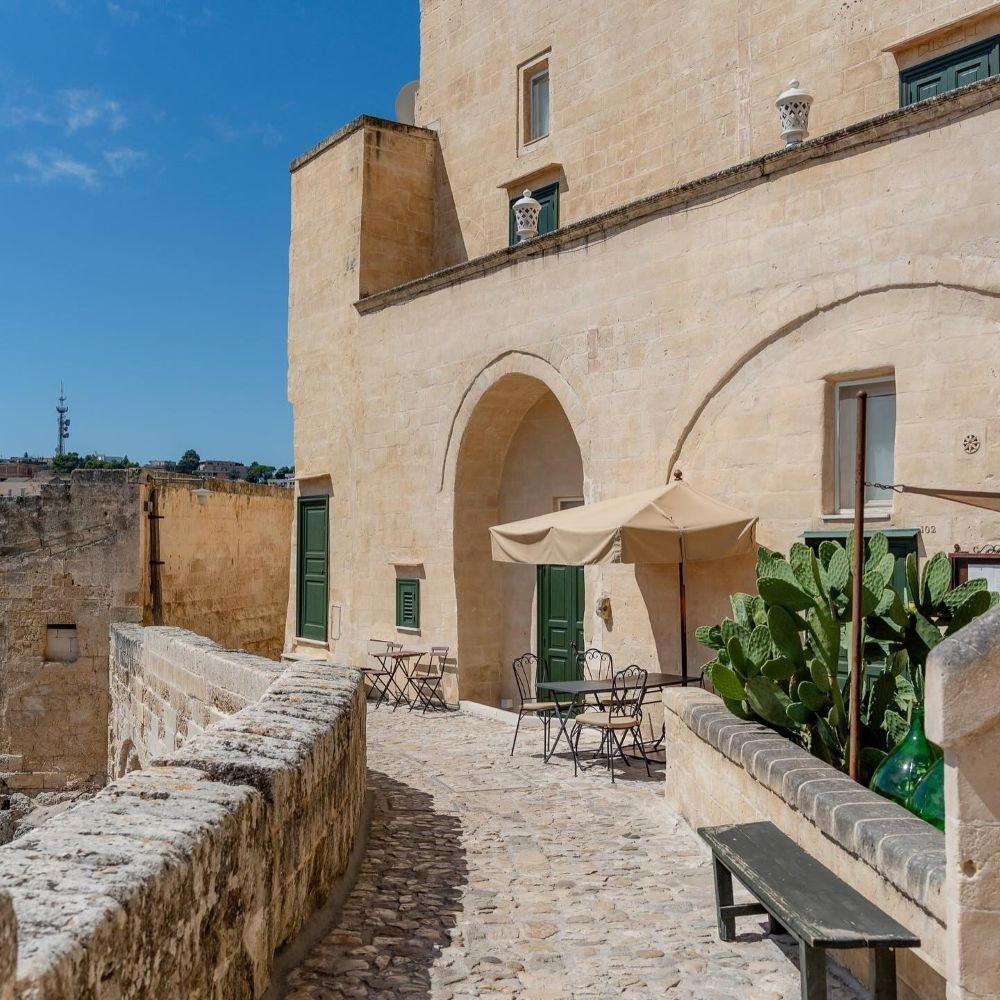
Baccanti sits at Via Sant'Angelo 58/61 in the Sasso Caveoso, on a stretch of the old town that faces the rupestrian churches directly. The €€ pricing makes it one of the more accessible addresses with formal recognition in the area. Given the cave setting and the location in the most-visited part of the Sassi, reservations are advisable, particularly in the warmer months when Matera draws its highest visitor numbers.
Frequently asked questions
Where is Baccanti in Matera?
Baccanti is located at Via Sant'Angelo, 58/61, 75100 Matera MT, Italy, Matera.
Is Baccanti Michelin-listed?
Baccanti has received recognition including: Facing Matera’s picturesque cave churches in one of the most charming parts of the old town, this restaurant is housed in a complex of old caves. Despite being inspired by local traditions, the cuisine is modern and creative in style and al….
What do regulars order at Baccanti?
The kitchen works in a modern, creative register grounded in Basilicatan ingredients and tradition, so the menu tracks local agricultural staples reframed through contemporary technique. Dishes draw on the same regional larder that defines southern Italian cooking without replicating it wholesale. The €€ price range keeps the cooking accessible relative to the setting, and the Michelin Plate recognition for 2025 confirms consistent kitchen quality across the menu rather than isolated standout dishes.
Price Lens
| Venue | Cuisine | Price | Awards | Notes |
|---|---|---|---|---|
| BaccantiThis venue — the venue you are viewing | Modern Lucanian Italian | $50–100 | Michelin Plate | Not listed |
| Vitantonio Lombardo | Modern Italian Fine Dining | Not listed | 1 Michelin Star | Creative |
| ARTEMA | Contemporary Mediterranean Fine Dining | $50–100 | Relais Chateaux Award | Not listed |
| DA MÓ | Modern Regional Basilicata | $30–50 | Michelin Plate | Not listed |
| Dimora Ulmo | Modern Italian Fine Dining | $50–100 | Michelin Plate | Not listed |
Recognition history
Dated appearances from independent guides and award organizations, with the underlying list record or original source where available.
Michelin Plate
Michelin
Full recognition history (3 entries)
Michelin Plate
Michelin
Michelin Plate
Michelin
Continue exploring
More in Matera
Restaurants in Matera
Browse all →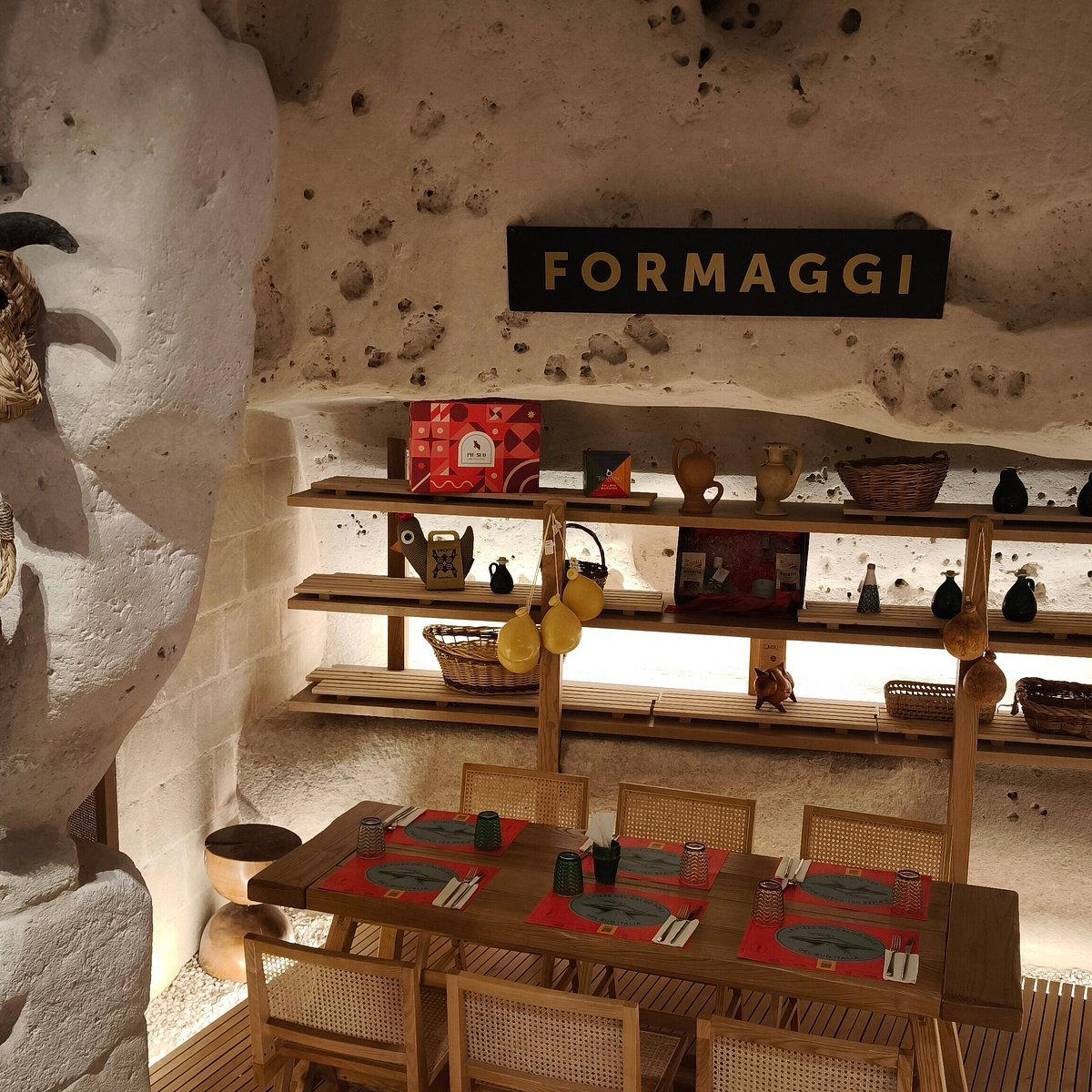
Bars in Matera
Browse all →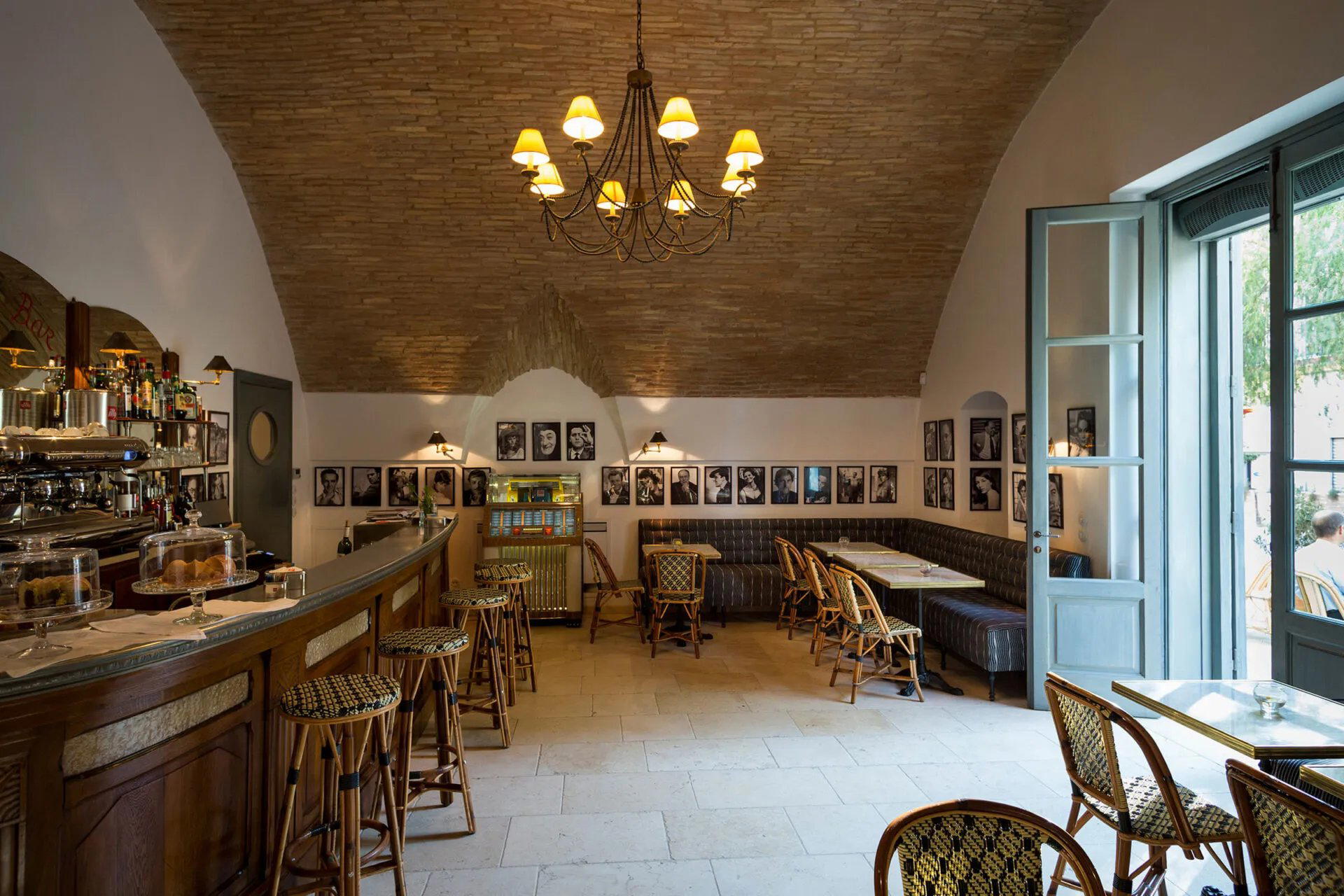
Hotels in Matera
Browse all →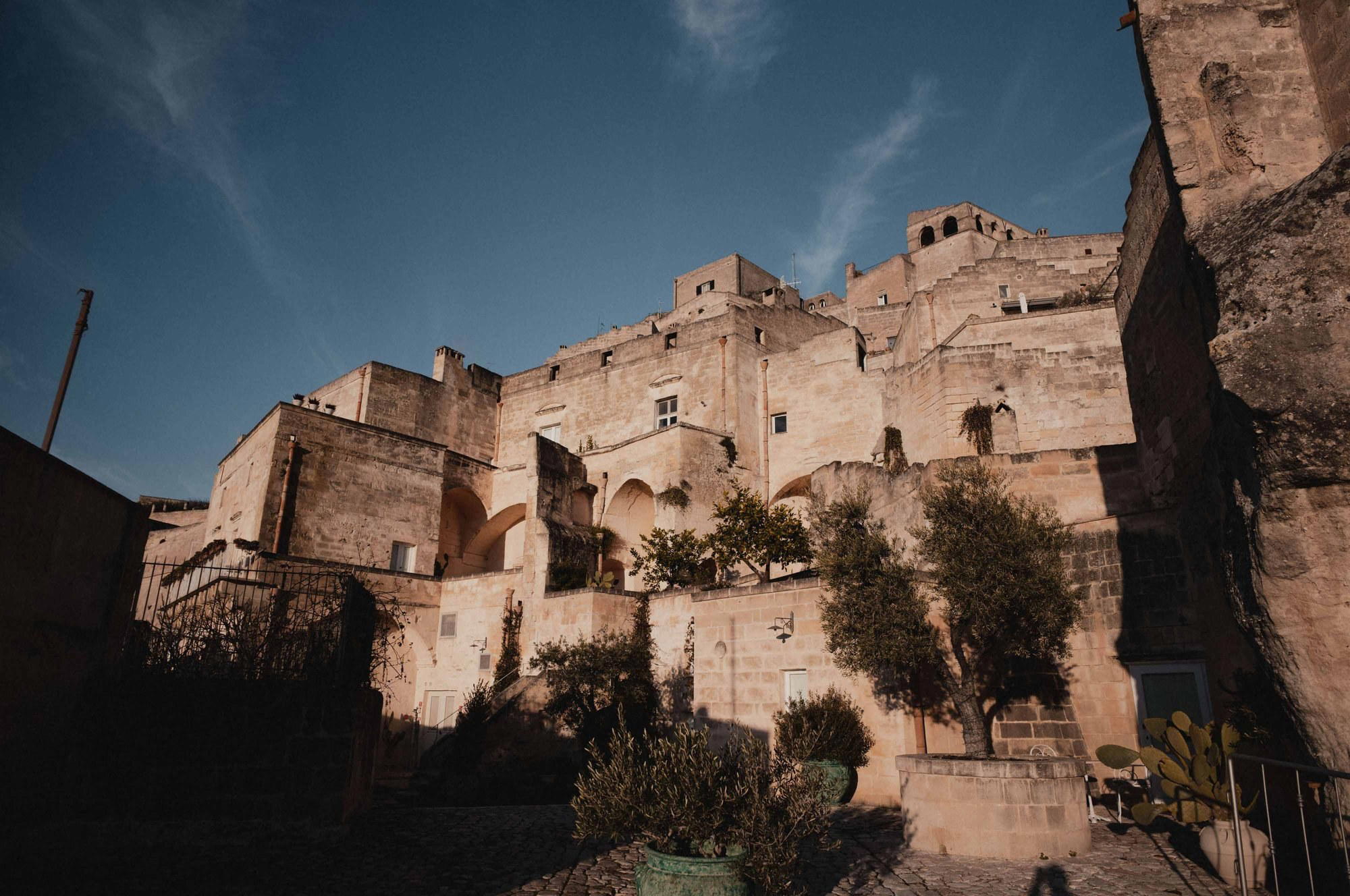

Details
- Elegant
- Romantic
- Rustic
- Intimate
- Sophisticated
- Date Night
- Special Occasion
- Celebration
- Historic Building
- Extensive Wine List
- Local Sourcing
- Street Scene
- A La Carte
- Wine
- Vegetarian Friendly
- Allergy Accommodating
Current opening hours
- Monday
- Closed
- Tuesday
- 12:30–2:30 PM, 7:30–10:30 PM
- Wednesday
- 12:30–2:30 PM, 7:30–10:30 PM
- Thursday
- 12:30–2:30 PM, 7:30–10:30 PM
- Friday
- 12:30–2:30 PM, 7:30–10:30 PM
- Saturday
- 12:30–2:30 PM, 7:30–10:30 PM
- Sunday
- 12:30–3 PM
Hours can change for holidays and private events. Last verified .
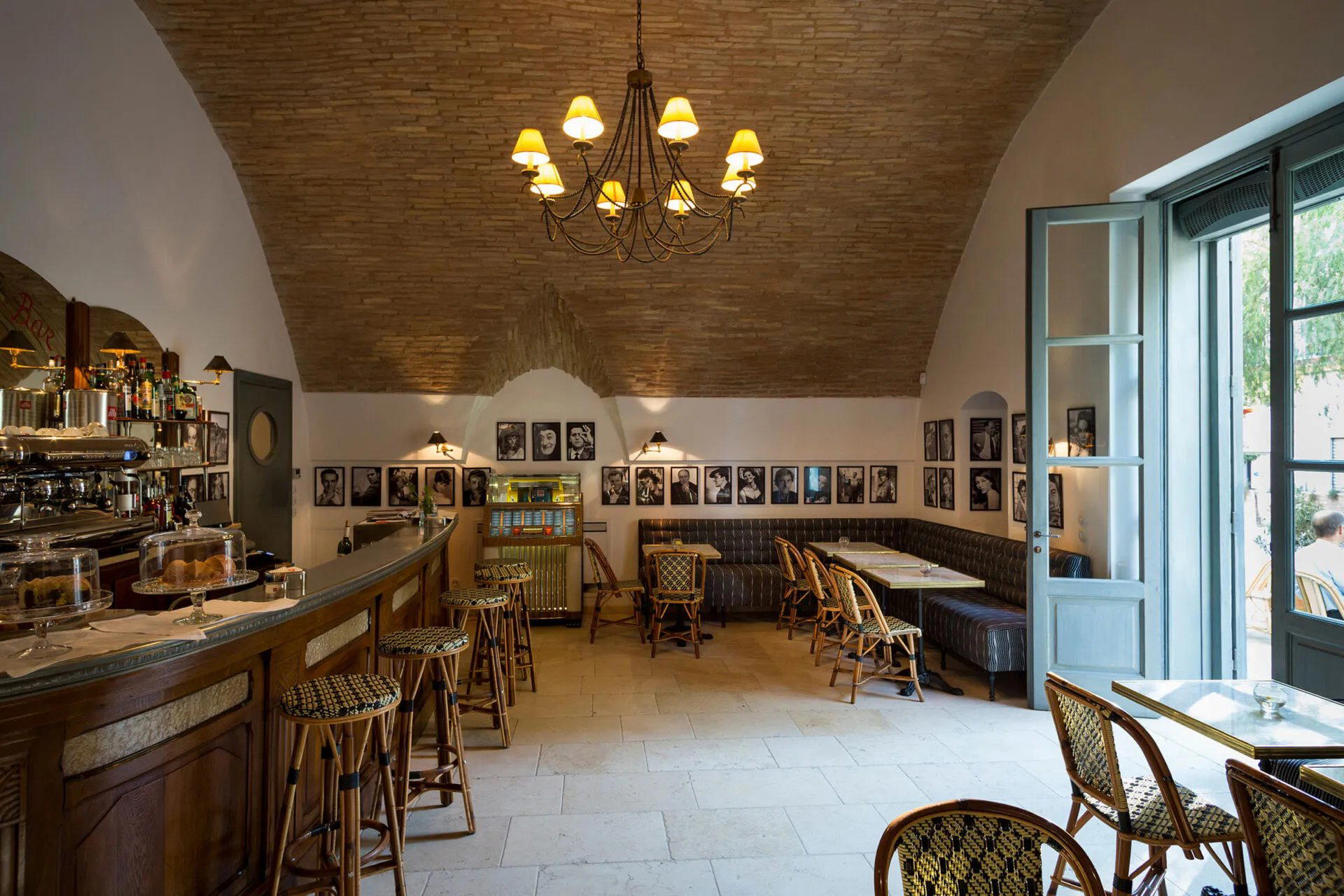
Elegant cave setting with exposed stone walls, minimalist furnishings, strategic lighting, and a charming historic atmosphere.