

Michelin Selected · Small Luxury Hotels of the World Member
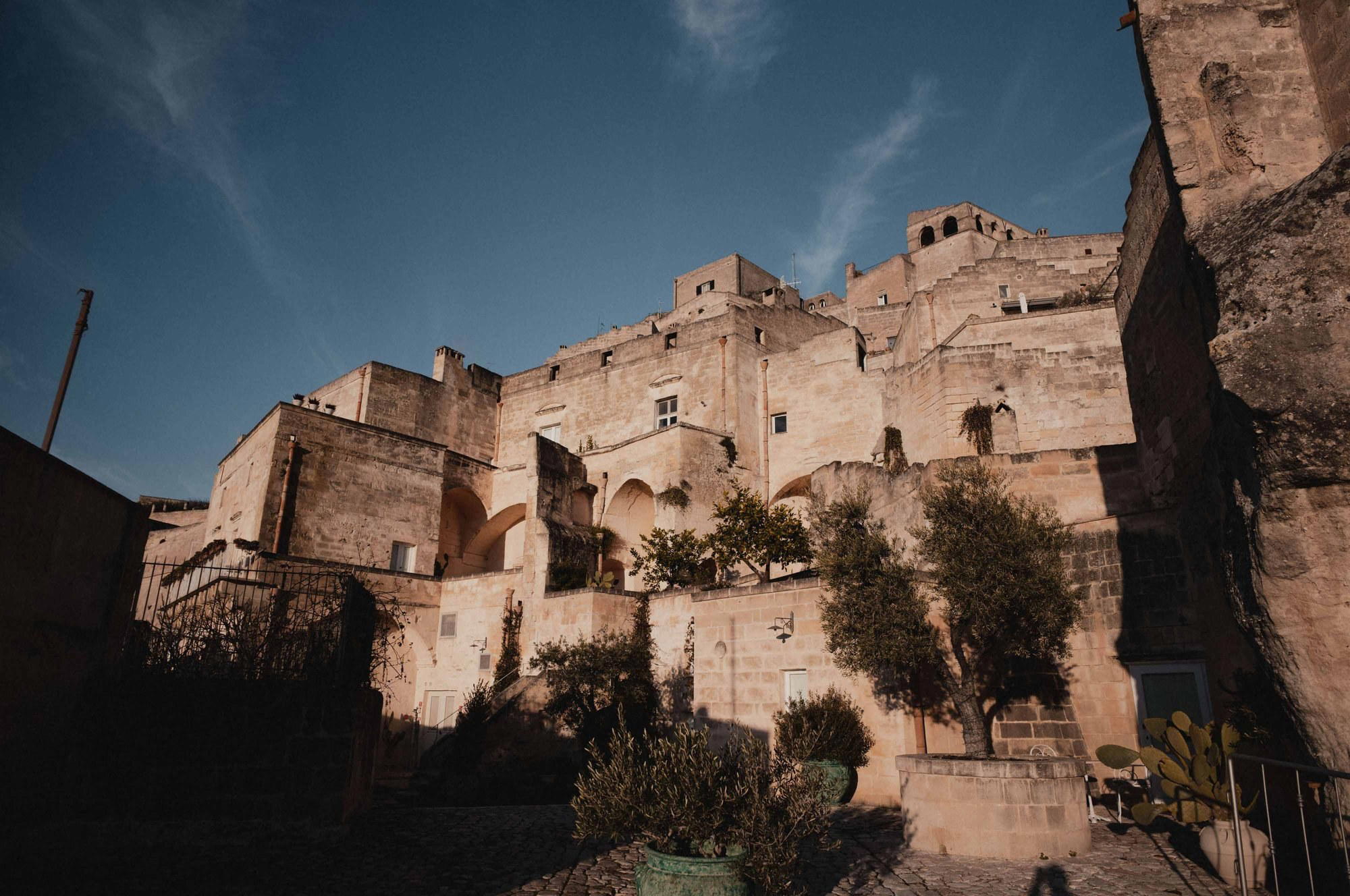
Positioned on Piazza San Pietro Caveoso in the heart of the Sassi di Matera, Sant'Angelo Matera occupies one of Southern Italy's most architecturally arresting addresses. Church facades and ancient cave dwellings frame every sightline, while the hotel's al-fresco terraces give guests a direct conversation with the UNESCO-listed ravine below. For travellers serious about place, this is where Matera's stone-carved character becomes the primary experience.

Pearl is the En Primeur Club membership app, where members save venues, book tables and use the concierge.
Where the Stone City Becomes the Setting
Matera earns its UNESCO World Heritage designation not through a single monument but through the accumulated weight of continuous human habitation stretching back over nine thousand years. The Sassi districts, carved into two ravines flanking the Gravina gorge, function less like a historic quarter and more like a living geological record. Hotels in this city don't decorate a room with local character, they inherit it from walls that predate the Renaissance by millennia. Sant'Angelo Matera, positioned directly on Piazza San Pietro Caveoso, sits at the gravitational centre of this environment.
The piazza itself is one of the Sassi's defining reference points. The church of Santa Maria de Idris rises from the rock immediately behind the square, and the rupestrian church of San Pietro Caveoso anchors the opposite end. Guests arriving at Sant'Angelo Matera enter this frame from the first moment, with centuries-old ecclesiastical facades visible from virtually every window in the property. This is not ambient scenery in the background, it is the foreground. The architecture of the hotel and the architecture of the city read as a continuous surface.
Dining in the Sassi: What the Setting Demands
The hotel's al-fresco dining format is the natural consequence of its address. In Matera's Sassi, enclosed stone interiors and open-air terraces create a counterpoint that defines how residents and visitors relate to the city across the hours of the day. Breakfast and evening drinks taken outside, with the ravine dropping away below and the cave-church facades catching the changing Mediterranean light, position the meal itself as secondary to the atmospheric context. Across Southern Italy's most dramatic hotel settings, from the clifftop terraces at Borgo Santandrea in Amalfi Coast to the hillside dining at Il San Pietro di Positano, the physical placement of the table does much of the editorial work. Sant'Angelo Matera operates within this tradition, where the view carries as much weight as the kitchen.
Basilicata's culinary identity, the regional frame into which any Matera hotel dining programme sits, is defined by restraint and agricultural directness. Cruschi peppers dried on strings, lamb from the Apennine foothills, aged pecorino from local shepherds, and handmade pasta formats like strascinati reflect a pantry shaped more by geography than by trend. A hotel dining offer in Matera that ignores this foundation risks disconnection from what makes the city worth visiting in the first place. The al-fresco format at Sant'Angelo, bookending the day at the piazza's edge, sets the conditions for that connection even where specific menu details are not available for review.
The Competitive Context: Sassi Hotels and What They Offer
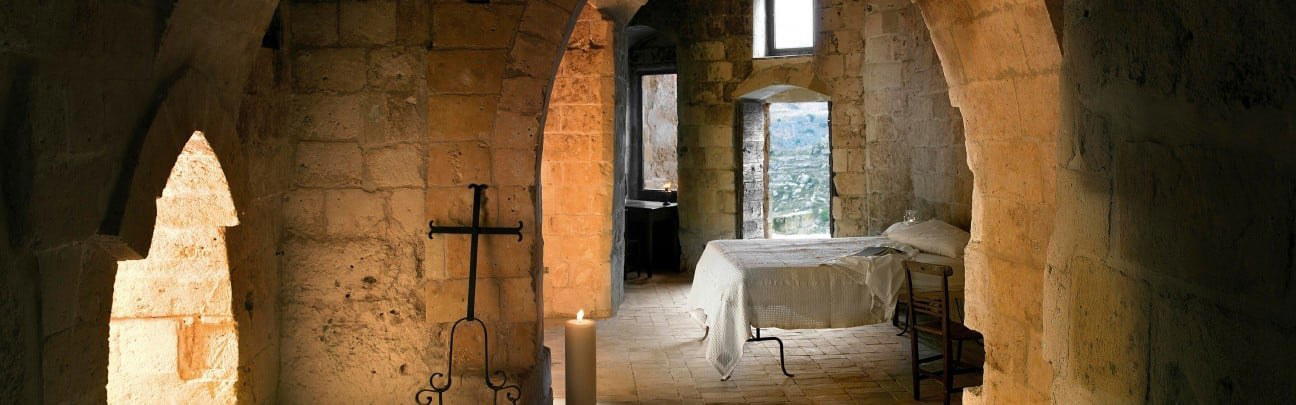
Matera's hotel category has developed significantly since the city's designation as European Capital of Culture in 2019. Two broad formats now define the premium end. The first converts ancient cave structures into accommodation directly, with guests sleeping inside the tufa rock. Sextantio Le Grotte della Civita represents this approach at its most committed, with rooms that preserve the raw materiality of the cave environment and a philosophy that treats minimal intervention as the design brief. The second format, where Sant'Angelo Matera sits, uses the Sassi's historic fabric as context rather than literal shell, positioning stone-walled interiors and panoramic sightlines as the primary offering while maintaining conventional room infrastructure. Both approaches draw from the same urban theatre. Vetera Matera represents another point of comparison within the city's more intimate property tier.
Against the broader Italian luxury hotel map, Matera properties occupy a niche defined by place specificity rather than brand recognition. Properties like Aman Venice, Four Seasons Hotel Firenze, or Bulgari Hotel Roma carry international brand infrastructure and attract a globally mobile clientele drawn partly by those flags. Matera's leading properties, including Sant'Angelo, compete on a different axis: the irreducibility of the address. No other city in Europe looks like the Sassi at dusk. That is the offer, and guests who arrive here have already made an informed choice about what they are prioritising.
For travellers building an extended Italian itinerary that goes beyond the established northern circuit, the Mezzogiorno properties deserve placing alongside reference points like Borgo Egnazia in Savelletri di Fasano and Rosewood Castiglion Del Bosco in Montalcino, both of which use deep regional identity as their primary editorial position. The geography of southern Italy, its slower pace of tourism development and more direct relationship with agricultural and culinary tradition, is increasingly where serious travellers are directing attention.
Planning Your Stay: Timing, Access, and Practical Notes
Matera is reached most directly by rail from Bari, approximately an hour away, with Bari Karol Wojtyla Airport serving multiple European hubs. The Sassi districts are pedestrianised at their core, and Sant'Angelo Matera's address on Piazza San Pietro Caveoso places it within the walking circuits that form the natural rhythm of a stay here. The piazza functions as a gathering point in the evenings, when the heat drops and the carved stone takes on a warm amber tone under ambient light. Arriving in spring (April to June) or early autumn (September to October) provides the most manageable temperatures for extended walking and outdoor dining. July and August push visitor numbers higher and daytime temperatures into the mid-thirties Celsius, which the stone city absorbs and radiates with some intensity. Given the city's sustained international profile since 2019, booking ahead for the summer high season is advisable.
For those extending a southern Italian trip toward the coasts, Bellevue Syrene 1820 in Sorrento and JK Place Capri offer a natural contrast in register, trading Matera's austere stone for the Campanian coastline's differently theatrical scenery. Travellers interested in other Italian heritage-property formats, where historic architecture drives the experience, might also look at Castello di Reschio in Lisciano Niccone, Corte della Maestà in Civita di Bagnoregio, or Castelfalfi in Montaione as points in the same itinerary logic. See our full Matera restaurants guide for dining options across the city.
A Pricing-First Comparison
Comparable venues nearby, for context on price, style, and recognition.
| Venue | Price | Awards | Notes |
|---|---|---|---|
| Sant’Angelo MateraThis venue (the venue you are viewing) | Not listed | Michelin Selected · Small Luxury Hotels of the World Member | Not listed |
| Vetera Matera | $300–500 | 2 Michelin Keys · Travel + Leisure It List Hotels | Rione Vetera, Luxury scattered albergo diffuso in restored Sassi caves |
| Palazzo Del Duca Hotel & Restaurant | $200–300 | Michelin Guide New Hotels New Hotel · Michelin Selected | Sassi di Matera, Historic luxury palace hotel with scattered hospitality in restored Sassi buildings |
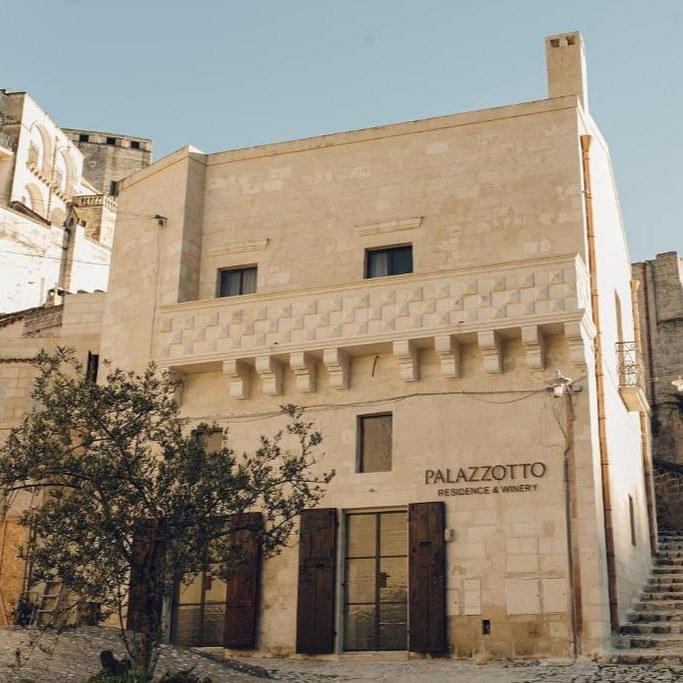
| Il Palazzotto I Residence & Winery | Not listed | Michelin Selected | Sasso Barisano, Restored historic cave residence with winery |
| Masseria Fontana di Vite | $100–200 | Michelin Selected | Contrada Fontana Di Vite, Restored historic masseria blending heritage architecture with modern hospitality |
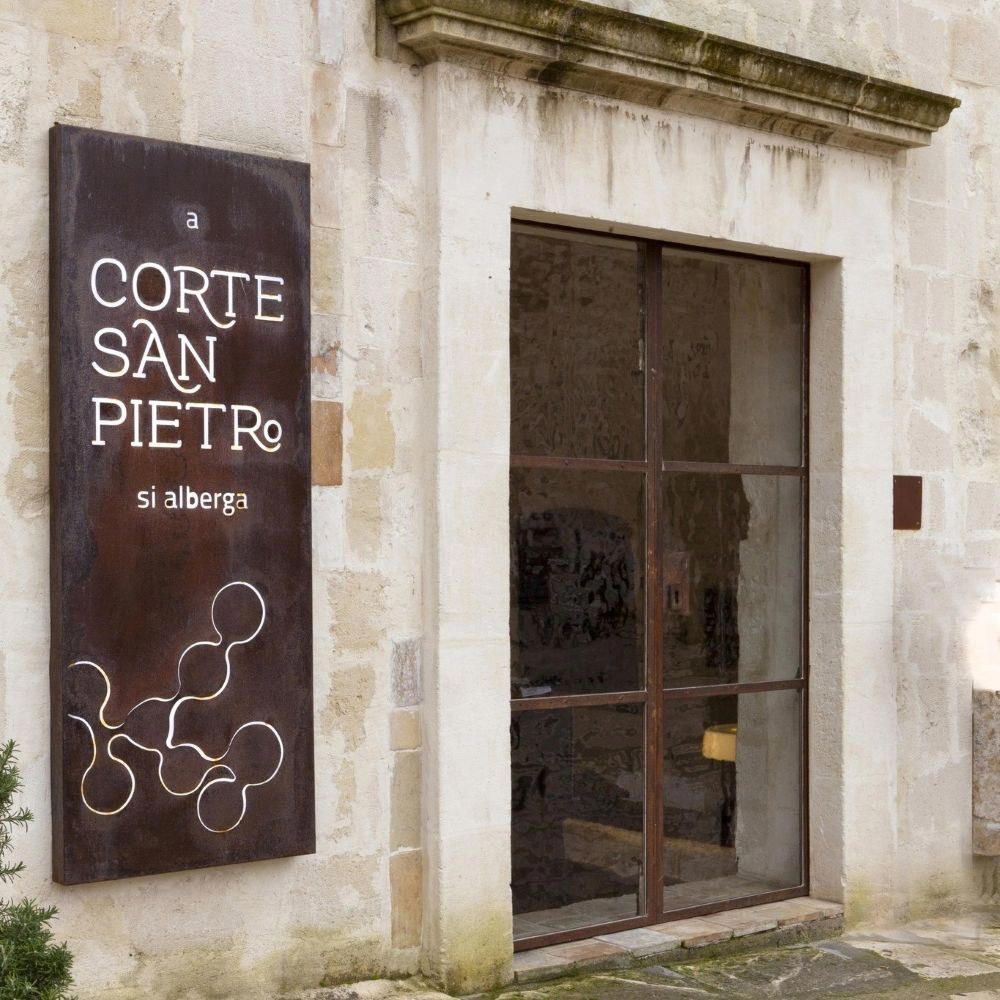
| Corte San Pietro | Not listed | Michelin Selected | Sassi di Matera, Restored cave dwellings in a historic palazzo forming a village-like micro district. |
Recognition history
Dated appearances from independent guides and award organizations, with the underlying list record or original source where available.
Michelin Selected
Michelin
Small Luxury Hotels of the World Member
Small Luxury Hotels of the World
Continue exploring
More in Matera
Hotels in Matera
All hotels in Matera →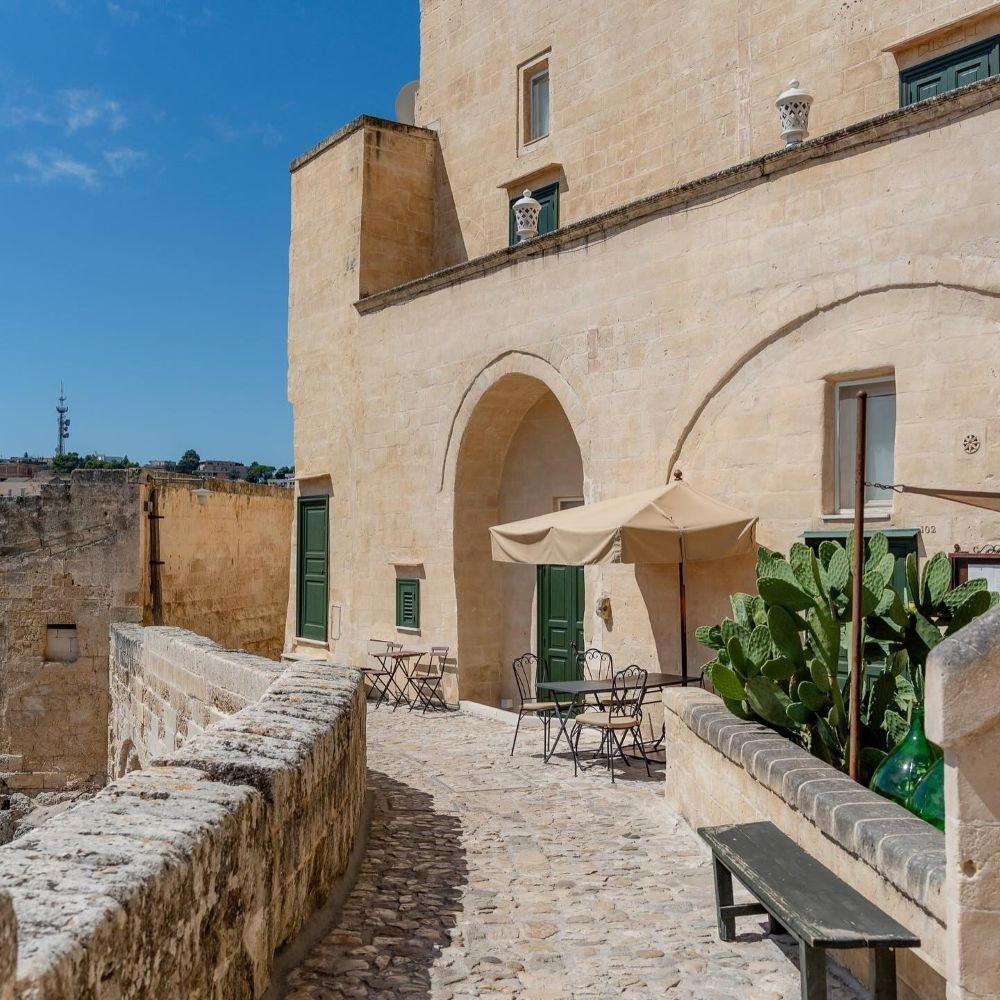
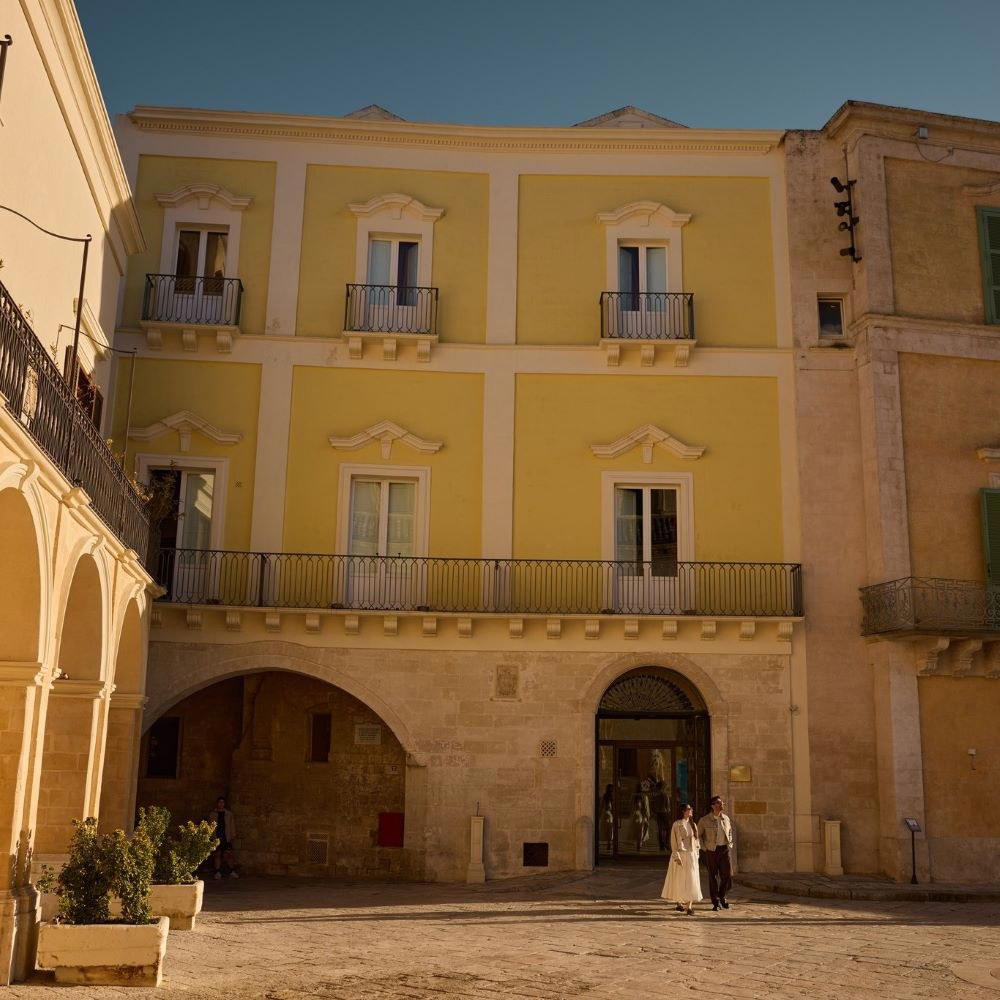
Bars in Matera
Browse all →
Restaurants in Matera
All restaurants in Matera →

Details
- Romantic
- Rustic
- Scenic
- Elegant
- Intimate
- Historic
- Romantic Getaway
- Honeymoon
- Anniversary
- Weekend Escape
- Historic Building
- Terrace
- Panoramic View
- Wi Fi
- Room Service
- Concierge
- Restaurant
- Mountain
- Street Scene
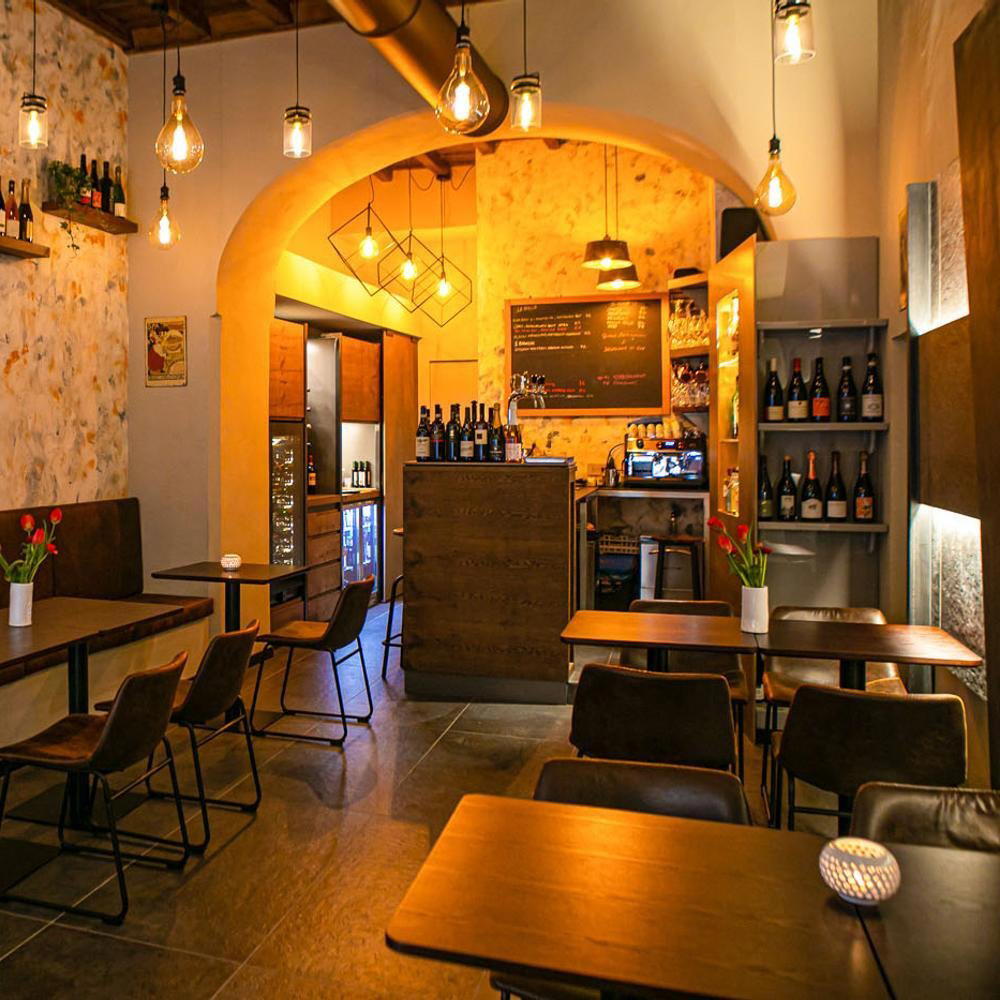
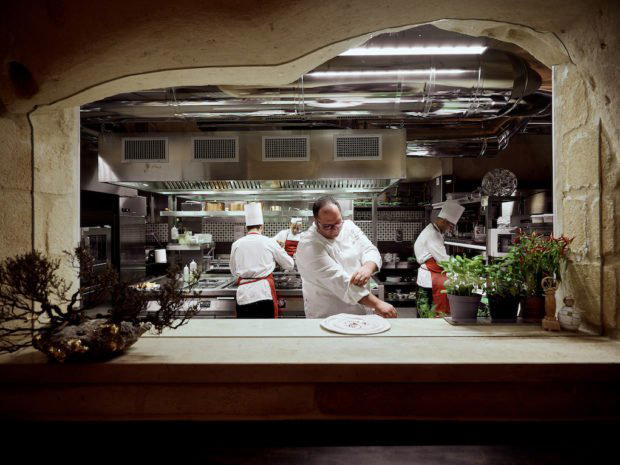
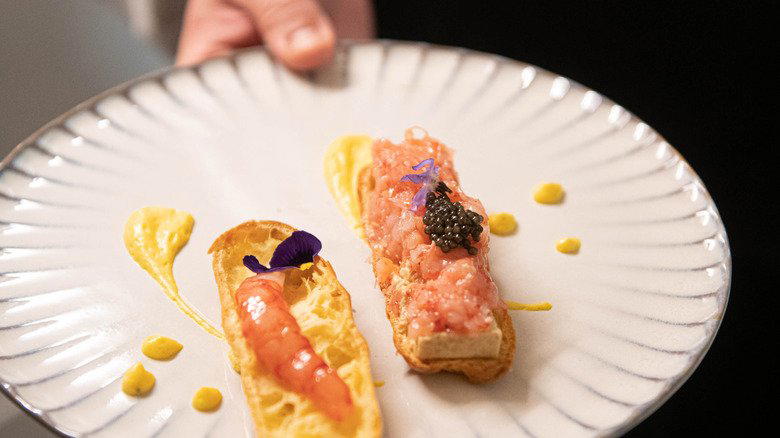
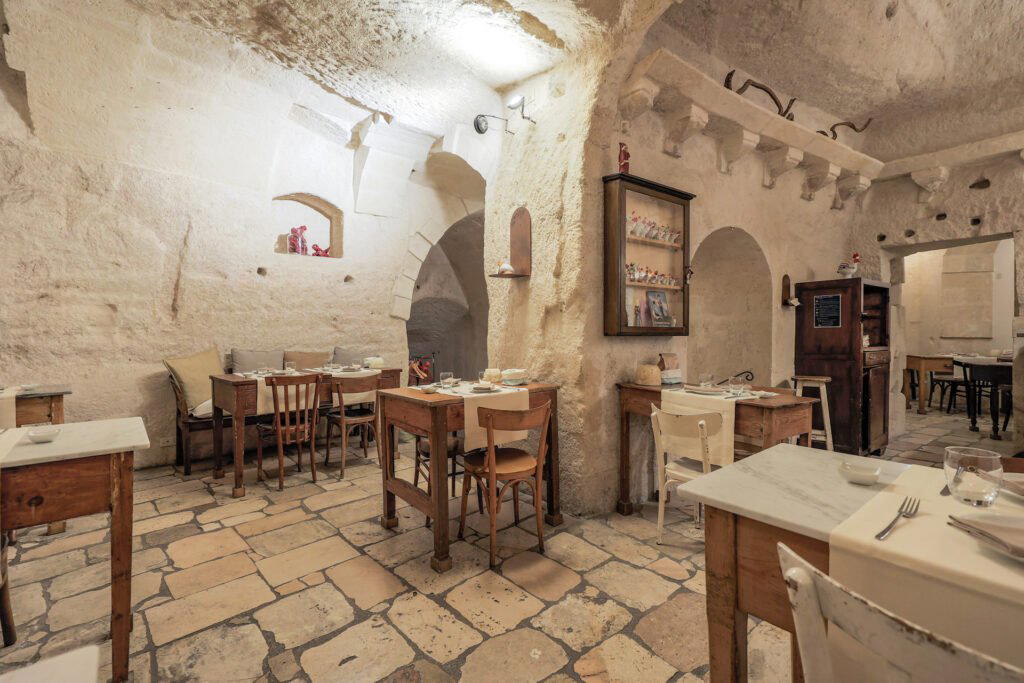
Cozy cave atmosphere with soft lighting, historic stone walls, and terrace views over the sassi.