
On Via Domenico Ridola, steps from Matera's Sassi district, ARTEMA works within the farm-to-table tradition that defines particularly serious southern Italian kitchens today.
Pearl is the En Primeur Club membership app — saves, bookings, and concierge access live there. Same editors, same standards.
- Address
- Via Domenico Ridola, 44, 75100 Matera MT, Italy
- Phone
- +39 0835 231156
- Website
- aromamatera.it
- Directions
- Get directions
 Saves & bookings on Pearl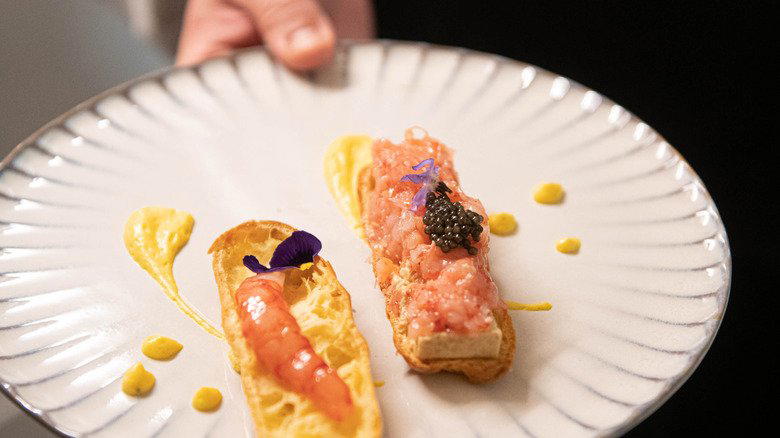
Stone, Soil, and the Southern Table
ARTEMA is a restaurant in Matera, Italy, serving Contemporary Mediterranean Fine Dining at Via Domenico Ridola, 44, 75100 Matera MT, Italy. The city's designation as a European Capital of Culture in 2019 accelerated what was already in motion: a generation of kitchens turning away from tourist-facing simplicity and toward a more rigorous engagement with Basilicata's agricultural identity. The region grows some of Italy's most underrated raw material, Senise peppers, Matera bread, Lucanian lamb, wild mountain herbs, and the restaurants serious about this larder have started earning national attention to match. ARTEMA, at Via Domenico Ridola 44, sits at the edge of this movement.
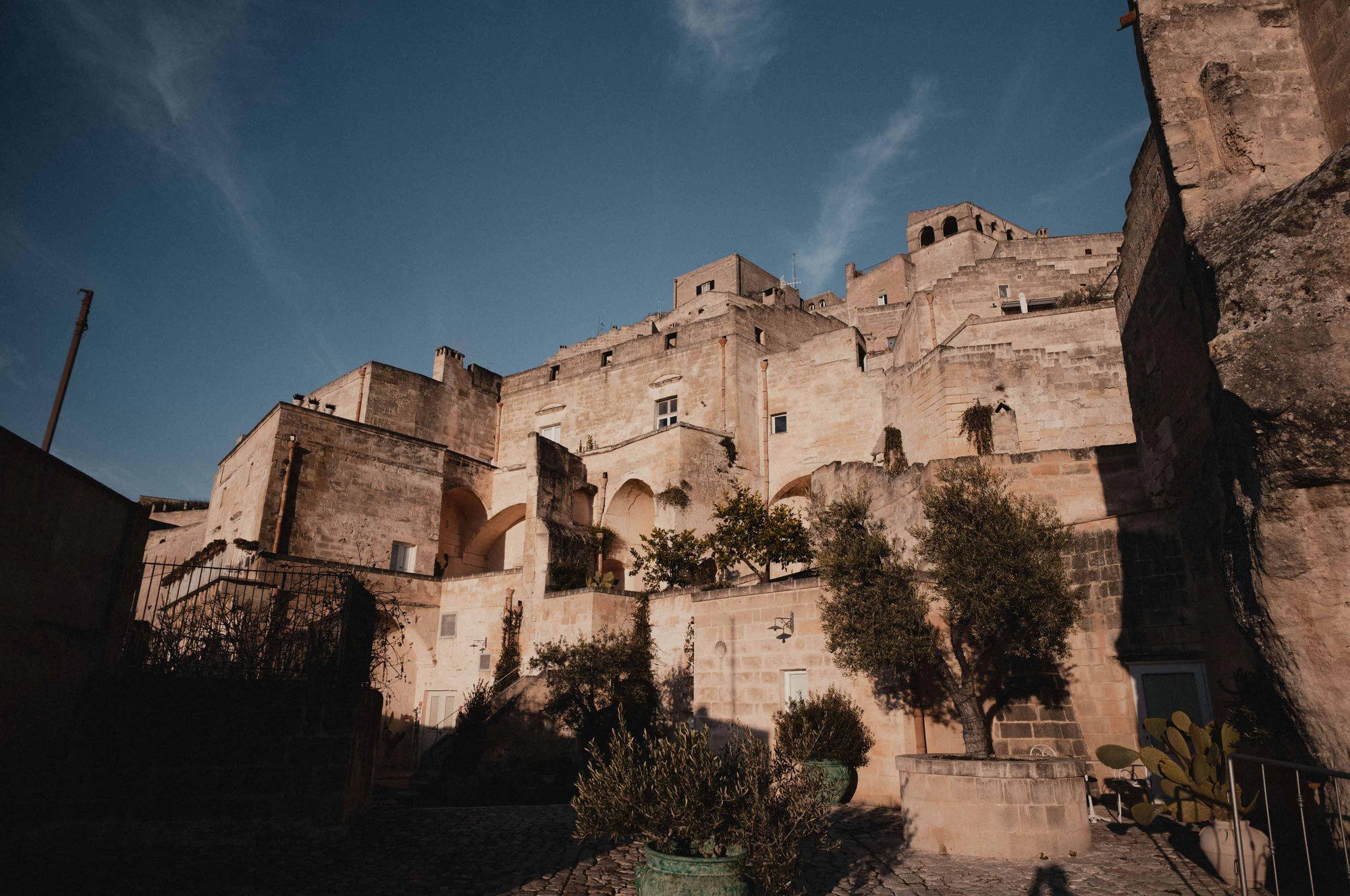
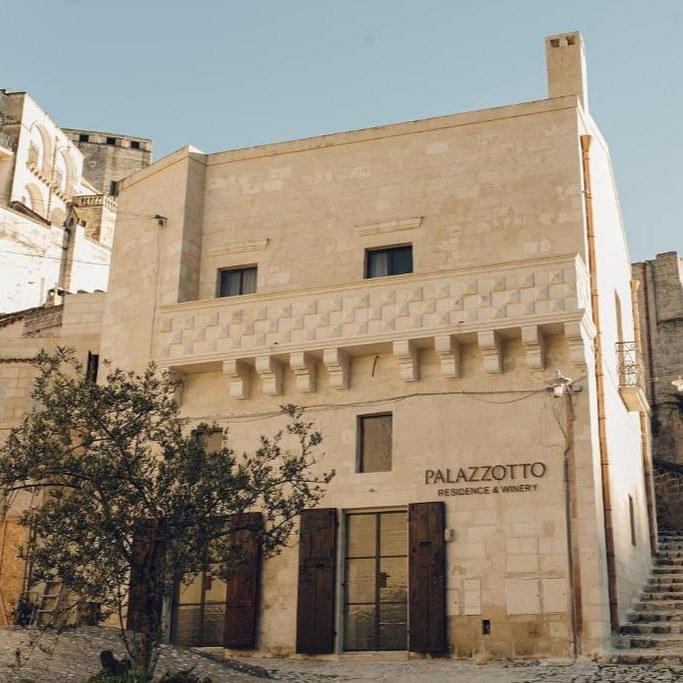
The address alone signals something about the kitchen's priorities. Via Domenico Ridola runs through the older civic core of the city, close to the Sassi districts that have drawn visitors for decades, but the street itself carries a quieter weight, residential, stone-fronted, less trafficked than the routes that funnel tourists toward the canyon overlooks. Arriving here, the architecture does the contextualising. Matera is a city where the built environment is inseparable from the agricultural one: the same tufa stone that lines the streets is the same substrate from which this region's food culture grew.
Expression of the Terroir: What the Award Actually Means
ARTEMA carries the recognition "Expression of the Terroir," a designation that places it within a specific critical category: kitchens evaluated not primarily on technical innovation but on their fidelity to place. In Italy's southern regions, this framing carries particular weight. Basilicata's vocabulary of recognition tends to track local sourcing, seasonal discipline, and the preservation of disappearing techniques as much as creative departure.
Across Italy, the farm-to-table lineage has evolved from a philosophical stance into something closer to a professional standard at the higher end of the market. At Atelier Moessmer Norbert Niederkofler in Brunico, the Alpine terroir framework is explicit and award-laden. At Osteria Francescana in Modena, the connection to Emilian ingredients underpins even particularly conceptually ambitious dishes. ARTEMA's terroir recognition positions it within this broader Italian conversation, applied to a region whose ingredients remain less internationally known but are no less interesting for that.
Where ARTEMA Sits in Matera's Dining Hierarchy
Matera's current restaurant market has a reasonably clear structure. At the summit of the creative range sits Vitantonio Lombardo, an address in the €€€€ bracket where Basilicatan ingredients are handled with technical precision. A tier below, kitchens like Baccanti and DA MÓ work in the €€ range, with modern and regional cuisine respectively, serving a broader audience without the formality of a full tasting format. Dimora Ulmo occupies a middle tier at €€€, with cuisine specifically framed around Basilicata's identity. Vetera Matera rounds out the more traditional Italian end of the market.
ARTEMA's position in this set is shaped by its terroir recognition and its, a figure that suggests sustained consistency rather than a single spike of attention. In the context of Italian southern cuisine, that combination of editorial recognition and documented guest satisfaction marks a kitchen that has moved past the opening phase and settled into a working identity.
Southern Italian Cuisine and the Sourcing Question
The farm-to-table movement in southern Italy operates differently from its northern European or American counterparts. In Basilicata, the supply chains are shorter not because they have been engineered that way but because the region's agricultural economy never fully industrialised. Farmers here still grow Matera DOP bread wheat, still raise Lucan black pig, still harvest caciocavallo podolico from free-range cattle on the Murge plateau. The question for a serious kitchen is not whether to source locally, that is often the default, but how thoughtfully to shape the menu around what those ingredients can actually do across the seasons.
This is the context in which a designation like "Expression of the Terroir" carries meaning beyond a marketing frame. It implies a kitchen that has thought carefully about which producers to work with, which seasonal windows to respect, and which dishes to retire when the ingredient cycle demands it. Compared to the more internationally celebrated addresses in Italy's north, such as Enoteca Pinchiorri in Florence, Dal Pescatore in Runate, or Le Calandre in Rubano, the Matera kitchen operates with a different set of constraints and a different vocabulary of ambition. The goal is not to transcend the ingredient but to make it legible.
Planning a Visit
ARTEMA is located at Via Domenico Ridola 44, in the part of Matera that sits between the civic museum district and the entry point to the Sassi. For visitors spending time in the Sassi neighbourhoods, this is a natural dinner address: walkable, geographically coherent with the day's movement. Reservations are essential.
Comparison Snapshot
Comparable venues nearby, for context on price, style, and recognition.
| Venue | Cuisine | Price | Awards | Notes |
|---|---|---|---|---|
| ARTEMAThis venue — the venue you are viewing | Contemporary Mediterranean Fine Dining | $$$$ | Not listed | Not listed |
| La Lopa | Traditional Lucanian Cuisine | $$ | Not listed | Sassi di Matera |
| DA MÓ | Modern Regional Basilicata | $$$ | Michelin Plate | Sassi |
| Dimora Ulmo | Modern Italian Fine Dining | $$$ | Michelin Plate | Sassi |
| Vetera Matera | Modern Italian Fine Dining | $$$$ | Not listed | Sassi di Matera |
| Vitantonio Lombardo | Modern Italian Fine Dining | $$$$ | Michelin 1 Star | Rione Sassi |
Recognition history
Dated appearances from independent guides and award organizations, with the underlying list record or original source where available.
Relais Chateaux Award
Relais Chateaux
Relais Chateaux Award
Relais Chateaux
At a Glance
- Intimate
- Elegant
- Sophisticated
- Rustic
- Date Night
- Special Occasion
- Historic Building
- Extensive Wine List
- Local Sourcing
Current opening hours
- Monday
- 12–2:30 PM, 7:30–10:30 PM
- Tuesday
- Closed
- Wednesday
- 12–2:30 PM, 7:30–10:30 PM
- Thursday
- 12–2:30 PM, 7:30–10:30 PM
- Friday
- 12–2:30 PM, 7:30–10:30 PM
- Saturday
- 12–2:30 PM, 7:30–10:30 PM
- Sunday
- 12–2:30 PM
Hours can change for holidays and private events. Last verified .
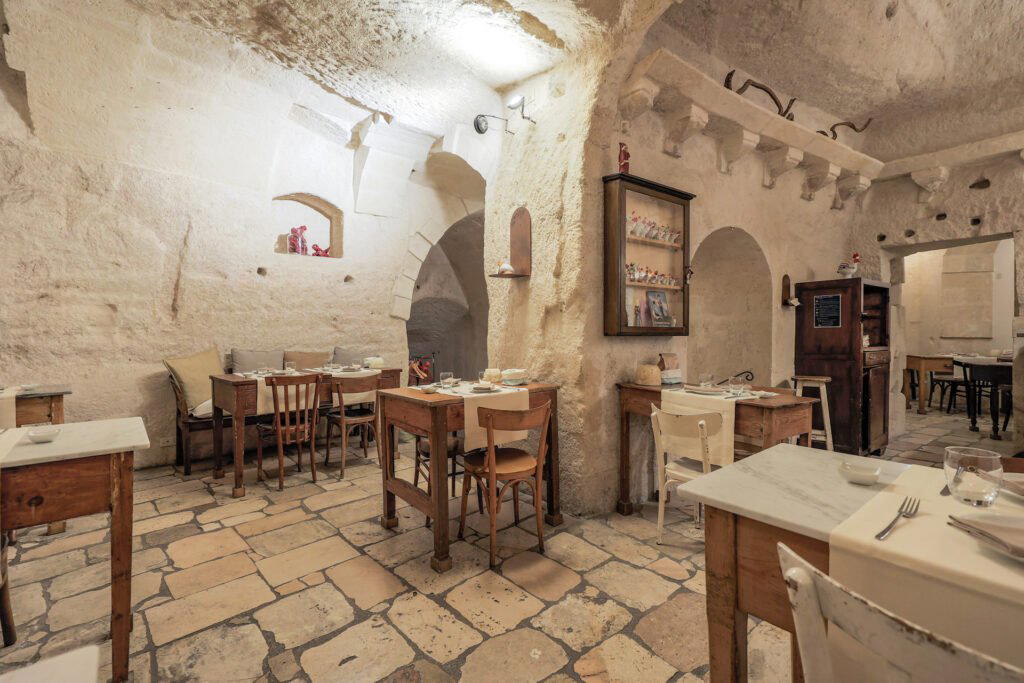
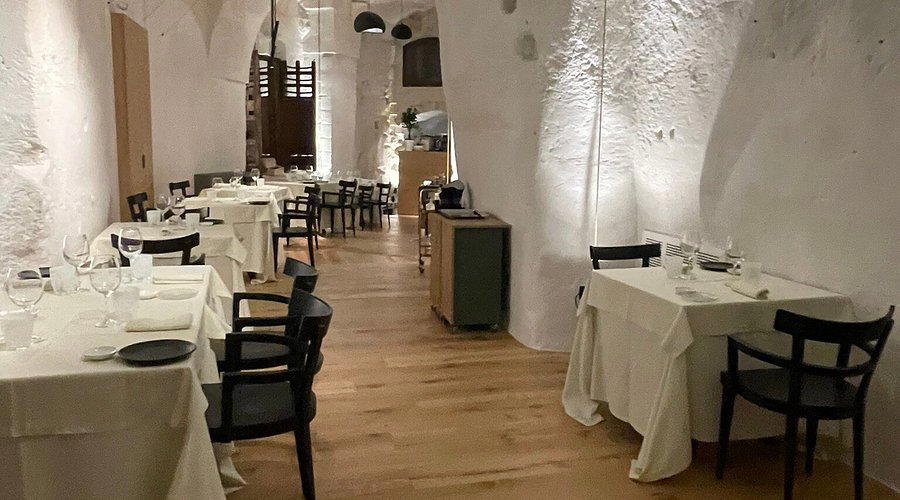
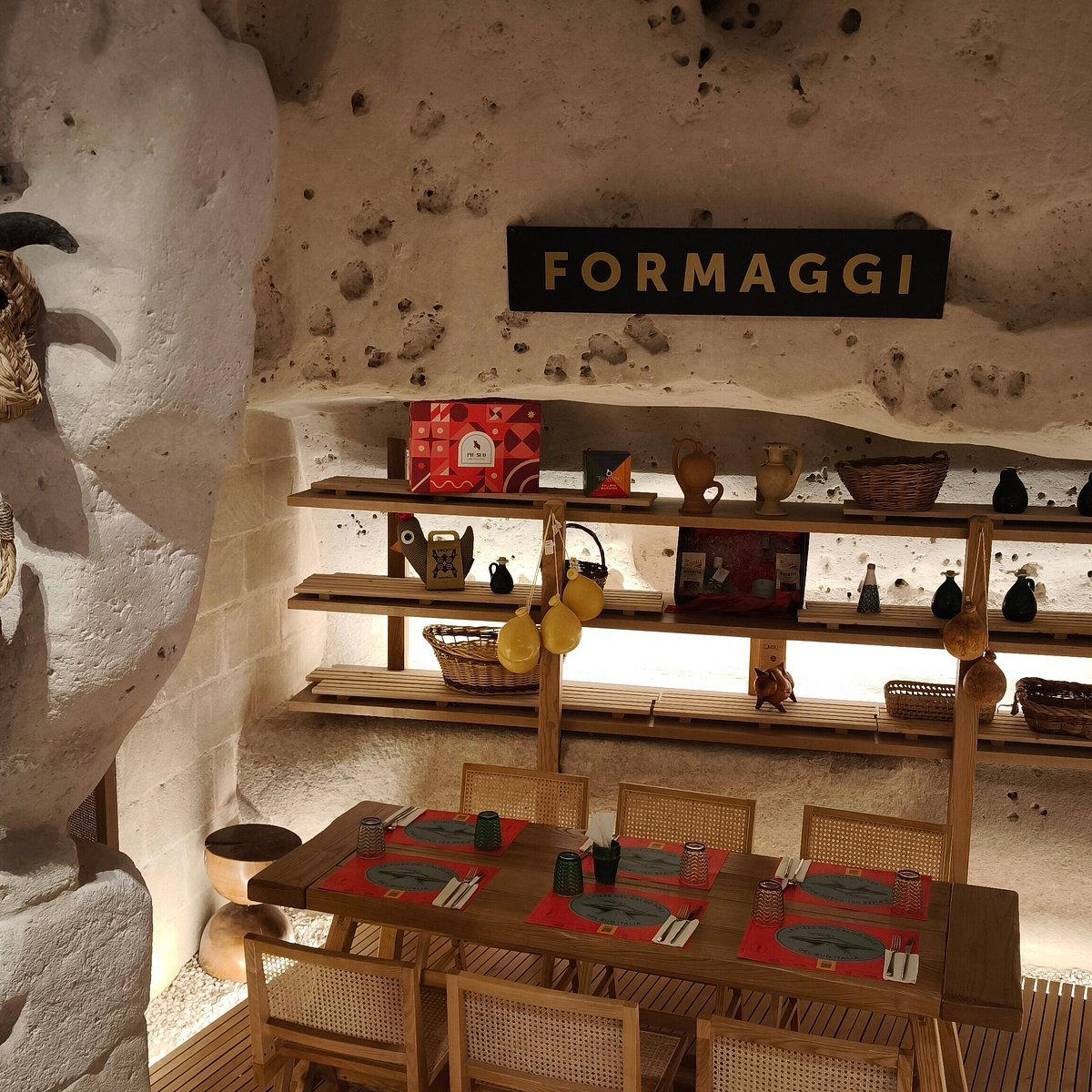
Warm intimate lighting in an ancient stone-carved underground chamber with restrained contemporary table settings and low noise levels.