Chelsea occupies a pair of Vienna's repurposed U-Bahn arches in the 8th district, operating as a live music venue and bar that has become part of the city's underground cultural circuit. The brick-vaulted space draws a crowd that ranges from students to long-term regulars, and its programming has shifted over the years to reflect broader changes in Vienna's nightlife. For visitors looking beyond the historic centre's restaurant strip, it represents the Gürtel arc's more restless, less curated side.
Pearl is the En Primeur Club membership app — saves, bookings, and concierge access live there. Same editors, same standards.
- Address
- U-Bahnbögen 29-30, 1080 Wien, Austria
- Phone
- +434314079309
- Website
- chelsea.co.at
- Directions
- Get directions
 Saves & bookings on Pearl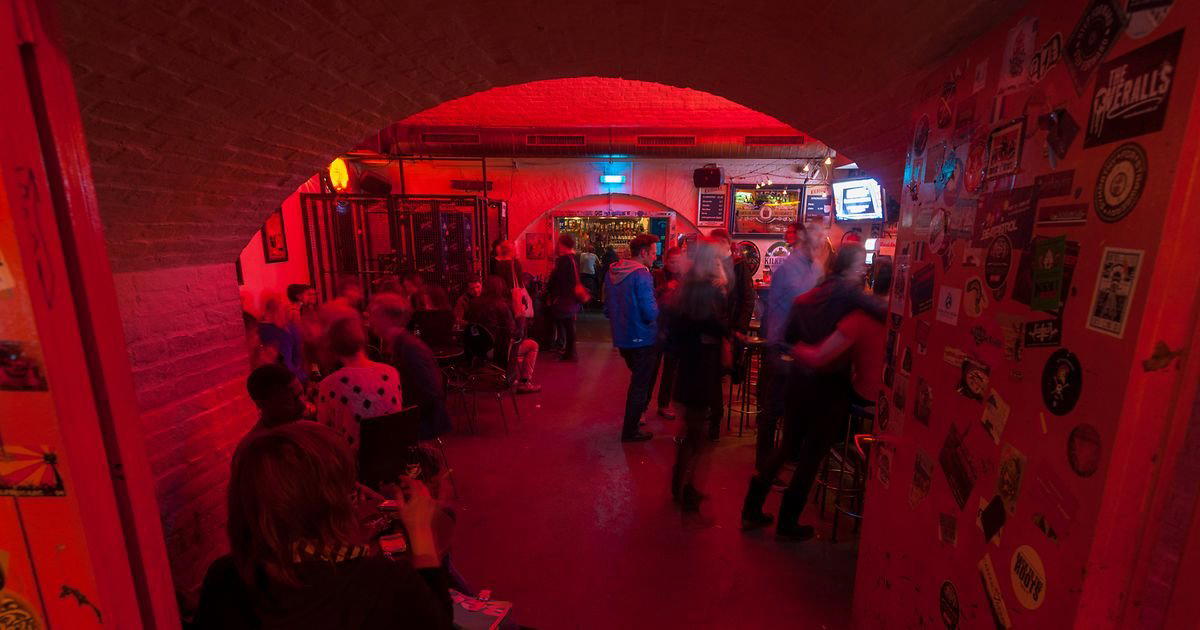
The Gürtel Arc and What It Became
Vienna's relationship with its refined U-Bahn viaduct has been one of the more deliberate urban reinventions in central Europe. The arches running along the Gürtel ring road, built at the turn of the twentieth century, spent decades as storage units and auto workshops before the city moved to reclassify them as cultural and commercial space. That shift, which accelerated through the late 1990s and into the 2000s, produced a stretch of bars, clubs, and live venues that now forms one of Vienna's most coherent alternative nightlife corridors. Chelsea, occupying U-Bahnbögen 29 and 30 in the 8th district, is among the earlier tenants of that conversion and has outlasted several neighbours who came and went as the scene matured.
The Gürtel arc sits at a comfortable remove from the tourist-facing restaurants of the 1st district. Where venues like Steirereck im Stadtpark or Konstantin Filippou operate within the high-formality register of Viennese dining, the Gürtel strip runs on a different logic entirely: longer opening hours, lower price points, and programming that responds to local demand rather than international critic attention.
The Evolution of a Vaulted Space
The physical structure itself is the starting point for understanding Chelsea. The two connected brick arches create a low, curved ceiling that absorbs sound in a way purpose-built venues rarely replicate. In the early years of operation, the space leaned heavily into indie and alternative programming, positioning itself alongside other Gürtel arch venues as a live music destination for genres that had limited foothold in Vienna's more established club circuit. That identity held through the 2000s.
Over time, as the Gürtel corridor grew more recognisable and the initial novelty of the arch conversion settled into routine, Chelsea adjusted its programming mix. The live music component remains, but the venue now functions as much as a bar and gathering space as a gig destination. This trajectory mirrors what happened across the arc more broadly: early venues that anchored themselves in a single programming identity eventually found that the audience wanted more flexibility, and the spaces that survived were those that could absorb multiple functions across a single week without losing coherence.
That kind of evolution is not distinctive to Vienna. Comparable shifts happened to the repurposed railway arches in London's Brixton and Shoreditch, where the initial wave of specialist venues gave way to more hybrid formats as rents normalised and audiences diversified. The difference in Vienna is that the Gürtel arches were municipally managed from the start, which gave the corridor more structural stability than privately driven arch conversions elsewhere in Europe. Chelsea has benefited from that continuity.
Where It Sits in the Vienna Night Scene
Vienna's after-dark options have split along fairly clear lines. The city's formal dining tier, represented by venues such as Amador and Mraz and Sohn, closes relatively early and draws a crowd that treats the evening as a structured progression from aperitivo to dessert course. The Gürtel corridor operates on a different clock, with venues that begin filling from ten onwards and stay open into the early hours. Chelsea sits within that later bracket.
For visitors arriving from Austria's broader fine-dining circuit, the contrast is marked. The alpine and regional restaurant scene produces serious cooking at venues like Döllerer in Golling an der Salzach, Obauer in Werfen, or Ikarus in Salzburg. Vienna absorbs those visitors but also has a parallel circuit that runs independently of the restaurant world, and Chelsea represents the accessible end of that circuit, the point at which a night that started elsewhere on the arc can continue without requiring a plan.
Within the city itself, the 8th district sits between the denser residential character of the 7th and the wider commercial activity around the Westbahnhof. The neighbourhood has a working feel that distinguishes it from the more conspicuously designed bar quarters in Neubau. Chelsea's address reflects that character: it is reached easily by U-Bahn but does not announce itself in the way that venues in higher-footfall areas do.
Programming and the Venue's Current Direction
The live music format that originally defined Chelsea continues to shape its calendar, though the range of genres covered has broadened. British indie, alternative rock, and electronic programming have all featured, and the venue's long-term position on the Gürtel has given it a booking history that newer competitors in the corridor cannot match. That institutional continuity is one of the things that distinguishes older arch tenants from more recent arrivals.
Compared to similarly scaled venues in other European cities with active live-music arch scenes, Chelsea operates at a format that prioritises access over curation. There are no multi-tier ticket categories and no VIP infrastructure of the kind that has come to define larger club venues in Berlin or Amsterdam. The result is a room that functions, on most nights, as a democratic space: the bar is the same for everyone, the sightlines are determined by arrival time rather than spend level.
For context on what premium programming looks like at a different scale, the contrast with destination dining experiences such as Le Bernardin in New York City or Atomix in New York City is instructive: both represent the highly structured, reservation-dependent end of the premium experience spectrum. Chelsea operates at the other pole, where the format is deliberately open and the experience is shaped by who else happens to be in the room.
Planning Your Visit
Getting there: The venue is directly accessible via the U6 line; Thaliastrasse station places you on the Gürtel arc within a few minutes' walk. Reservations: Walk-in format; no advance booking is required or typically available for standard evenings, though live music nights may carry a door charge. Dress code: None enforced; the crowd skews casual. Budget: Bar pricing is in line with mid-range Viennese nightlife, below the formal dining tier. Timing: The venue operates late, from 6 PM to 4 AM daily.
Pricing, Compared
Comparable venues nearby, for context on price, style, and recognition.
| Venue | Cuisine | Price | Notes |
|---|---|---|---|
| ChelseaThis venue — the venue you are viewing | Josefstadt, Pub & Bar | $$ | Not listed |
| Lebenbauer | Not listed | $$ | Inner City, Vollwert Wholefood with Vegan Focus |
| The Sign | Not listed | $$ | Franz Josefs Bahnhof, Craft Cocktail Lounge |
| Nobilis | Wien-Mitte, Modern Austrian Fine Dining | $$ | Not listed |
| Café Schwarzenberg | Staatsoper, Traditional Viennese Café | $$ | Not listed |
| SpoonFood | Not listed | $$ | Praterstern Wien Nord, Soups, Stews & Salads |
Continue exploring
More in Vienna
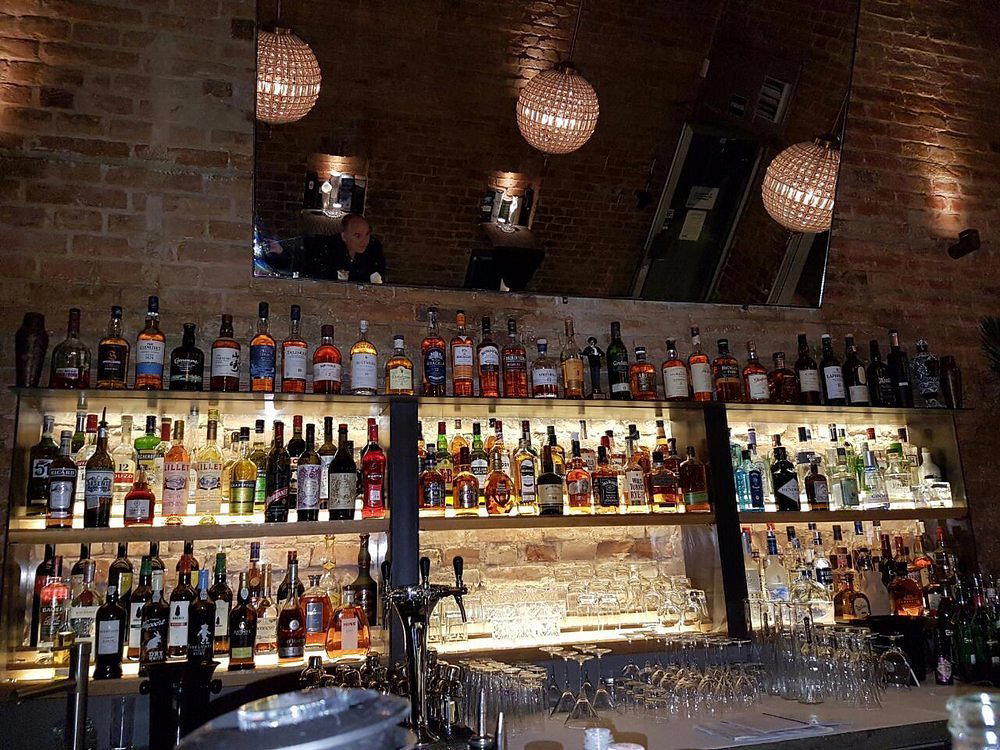
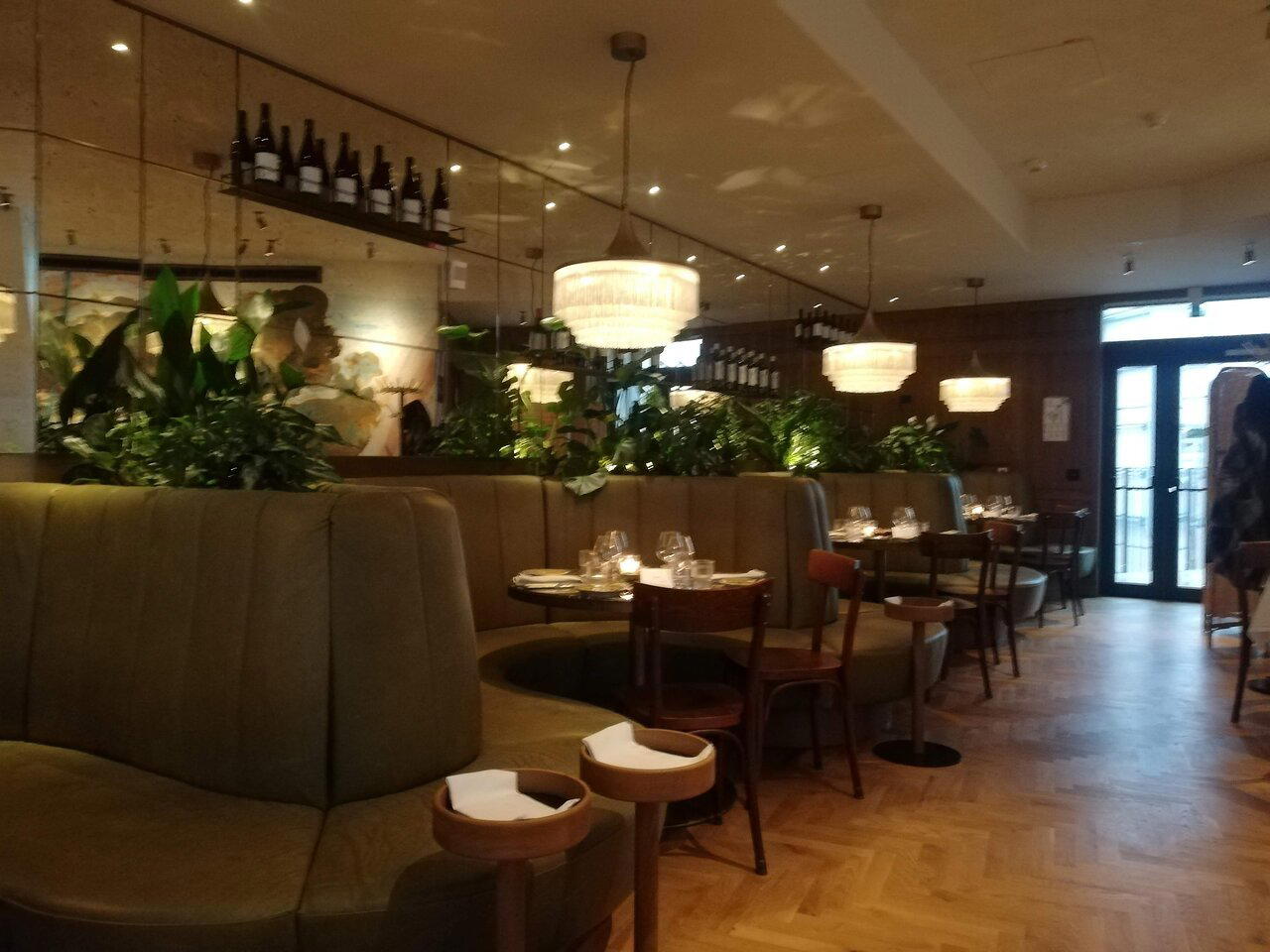
Restaurants in Vienna
Browse all →
Bars in Vienna
Browse all →

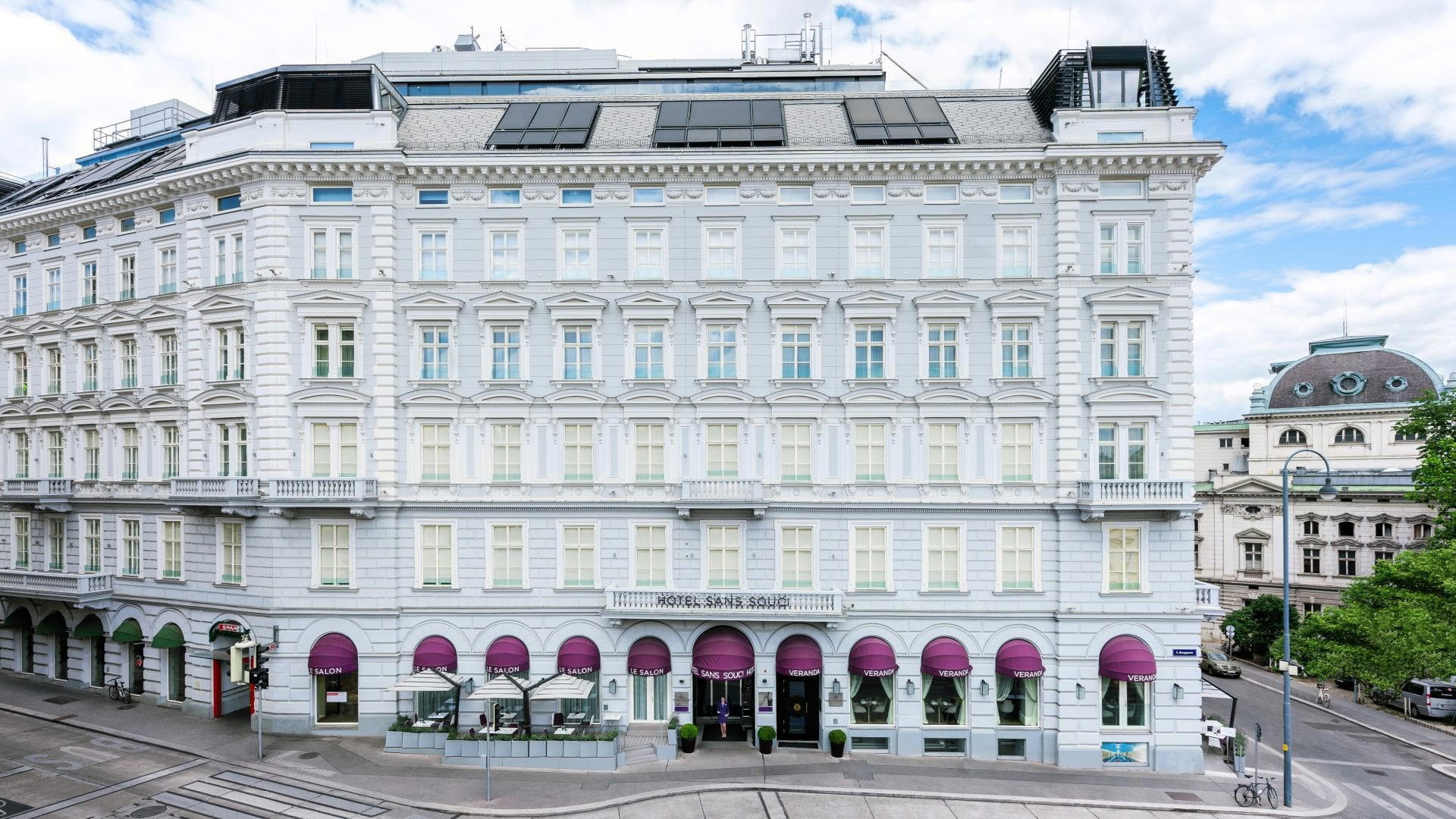
Hotels in Vienna
Browse all →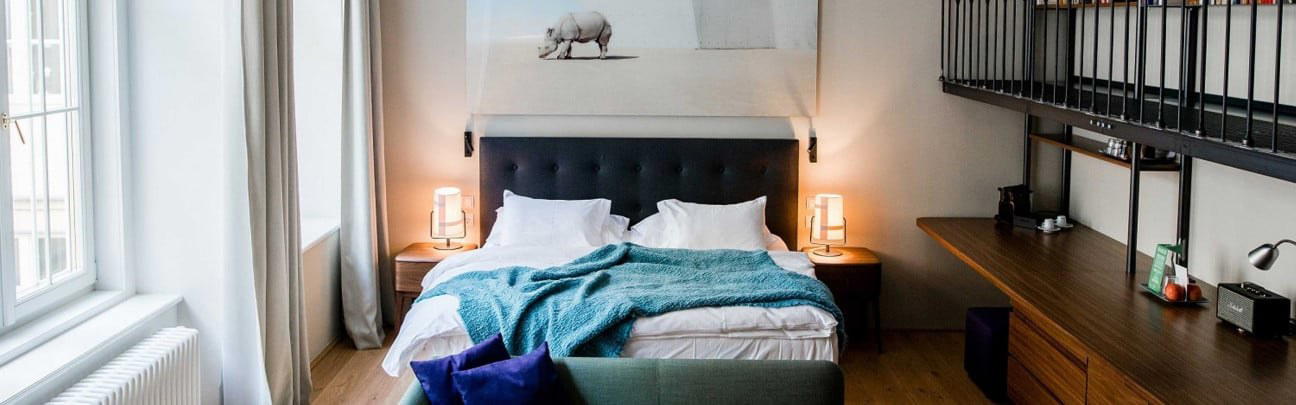
At a Glance
- Lively
- Trendy
- Energetic
- Casual Hangout
- Late Night
- Live Music
- Beer Program
- Street Scene
Current opening hours
- Monday
- 6 PM–4 AM
- Tuesday
- 6 PM–4 AM
- Wednesday
- 6 PM–4 AM
- Thursday
- 6 PM–4 AM
- Friday
- 6 PM–4 AM
- Saturday
- 6 PM–4 AM
- Sunday
- 6 PM–4 AM
Hours can change for holidays and private events. Last verified .
Alternative nightlife atmosphere with music and dancing in interconnected arches under train tracks, relaxed vibe for chatting early evening turning lively later.