
Yugen Tei Shinjuku puts Tokyo yakiniku into a Kabukicho scale rarely associated with intimate counter dining: multi-floor rooms, tatami private spaces, and a serious beef-grill format under the Jojoen group banner. Its selection for Tabelog 100 Yakiniku Tokyo 2025 places it within the city’s recognized yakiniku circuit rather than the casual grill category.
Pearl is the En Primeur Club membership app — saves, bookings, and concierge access live there. Same editors, same standards.
- Address
- 東京都新宿区歌舞伎町1-10-7 叙々苑ビル
- Phone
- +81352850089
- Website
- jojoen.co.jp
 Saves & bookings on Pearl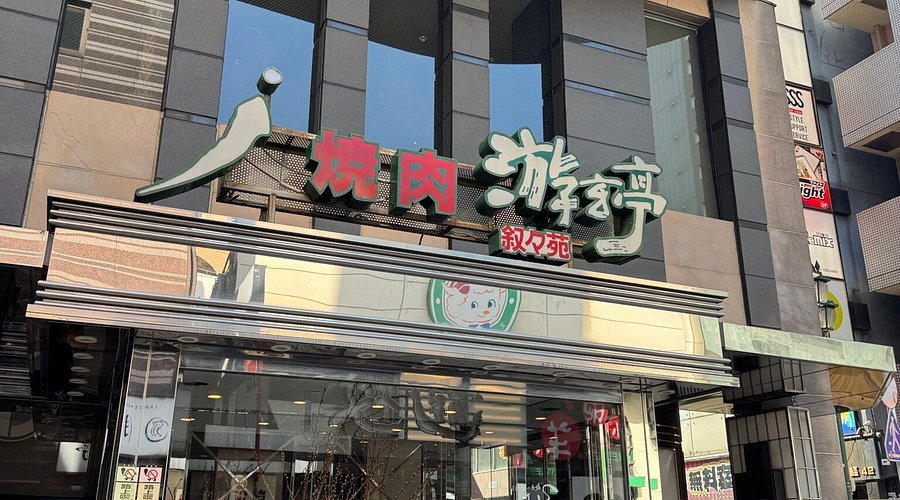
Kabukicho shifts register fast: neon, station traffic, late dinners, private-room business meals, and charcoal-grilled beef drifting through side streets. Here, yakiniku is not just meat over heat; it is a social format of pace, shared control, and small negotiations over who cooks, who pours, and how long each cut stays on the grill. Strong Tokyo yakiniku rooms know the table is kitchen, stage, and meeting room at once.
Yugen Tei Shinjuku belongs to that urban tradition at scale. Its room count and floor-by-floor seating make it unlike compact specialty counters or chef-led tasting rooms: this is yakiniku for families, business groups, and late Shinjuku evenings, while keeping the recognition signals that matter in Tokyo dining. Selection for Tabelog 100 Yakiniku Tokyo 2025, after appearances in the same Tokyo yakiniku selection in earlier years, places it among the city’s dedicated grill specialists rather than broad Japanese dining rooms.
Kabukicho yakiniku, built for groups rather than counter theatre
Tokyo grill culture splits several ways. One end has small beef-focused rooms where scarcity, butcher relationships, and tightly sequenced courses drive the experience. The other has large-format restaurants where value lies in consistency, private seating, drinks, and handling groups without becoming anonymous banquets. Yugen Tei Shinjuku sits nearer the second model, but Tabelog recognition keeps it from reading as a simple chain-style dining room.
The comparison is not sushi omakase or kaiseki, where the chef controls each minute. Yakiniku returns control to the table, so room and service structure matter differently: ventilation, pacing, cut selection, drink compatibility, and table privacy shape the meal as much as the grill. Sake, shochu, and wine are listed, a practical sign that Tokyo yakiniku has moved beyond beer-only informality into a broader dinner format.
For a Tokyo food itinerary, this matters because Shinjuku rewards meals that absorb changing plans. A night may begin with curry, yakitori, or a bar crawl and end with grilled beef after Kabukicho’s theatre has worn down. Nearby editorial references run from 12/10 Shinjuku ten to Our full Tokyo restaurants guide, but yakiniku has its own lane: less ceremonial than kaiseki, more communal than ramen, and more dependent on table dynamics than most sushi meals.
What the Tabelog 100 signal means in Tokyo beef dining
Tabelog’s Hyakumeiten lists are useful in Japan because they sort by category and area rather than a single hierarchy. Selection for Yakiniku Tokyo 2025 frames the restaurant within a specific competitive set: beef-grill restaurants in a city where yakiniku ranges from neighborhood smoke rooms to high-spend wagyu specialists. The 3.68 Tabelog score gives orientation, though repeated category selection across recent years is the stronger signal.
That recognition separates this address from casual beef restaurants competing mainly on volume. Dinner sits in the JPY 15,000 to JPY 19,999 band, with lunch lower, so expectations should match premium yakiniku rather than a quick grill stop. Contextual Tokyo entries sit elsewhere: PRETTY PORK FACTORY is listed below this level, while Katsu Pulipo occupies a mid-range dinner bracket. The decision is clear: not minimal spend, but group format, recognition, and Shinjuku location justifying a more expensive beef-focused meal.
The roots are Korean barbecue filtered through decades of Japanese beef sourcing, portioning, and service polish. In Tokyo, yakiniku is where Korean culinary influence, Japanese wagyu culture, and corporate dining habits meet without resolving into one national story. That hybridity is central to the appeal: shared heat and individual preference, with service formal enough for clients and relaxed enough for families.
Planning the meal around Shinjuku's dining circuit
The scale is unusually useful: 332 seats, table floors, tatami private rooms, and private-use options for groups. That does not make the restaurant casual in budget or recognition, but it makes it more flexible than many award-listed Tokyo dining rooms. Private rooms come in multiple sizes, and some tatami rooms carry additional fees, so match room type to occasion rather than treating bookings as interchangeable.
Near Seibu Shinjuku Station, it works before or after a wider night in the area. Parking is unavailable, standard enough for central Tokyo that rail or taxi planning is cleaner. The non-smoking policy with a separate smoking room also matters for mixed groups; yakiniku already brings grill aromas to the table, and smoke control is part of comfort.
Tokyo itineraries can pair this meal with other formats rather than stacking heavy dinners. For contrast, Akihabara seafood and charcoal cooking appears at . 鮪と炭火焼き うお炭 秋葉原店, while yakitori tradition sits differently at 124. KAGURAZAKA (Yakitori). Lighter or more playful stops such as 2D Cafe and 3 Chome no Curry Ya San show the city’s casual-to-premium range.
For travelers building Japan around beef rather than only sushi, the national frame helps. -Grilled beef Sukiyaki- KAMAKURA TANUKIAN 鎌倉 たぬき庵 in Kamakura points to another beef tradition, while regional entries such as.cafe in Osaka.know in Kumamoto, (Shoku) Vietnam in Kawasaki, [Curry Senmon Ten] Maruyama Kyoju. in Sapporo, and [ki:] in Kyoto show how differently Japanese dining categories behave by city. Overseas, the Japanese drinks-and-snacks grammar travels through Jōdo Saké Bar in Los Angeles and Onigiri Time in Pasadena.
The editorial verdict is narrow and useful: choose Yugen Tei Shinjuku for recognized Tokyo yakiniku with room for a group, a Shinjuku setting, and a meal that lets the table participate. For a solo counter pilgrimage, Tokyo has sharper formats. For a beef dinner that can absorb families, colleagues, and late-city energy while carrying Tabelog 100 credibility, this address makes a clear case.
For the rest of the trip, keep the category map broad: Our full Tokyo hotels guide, Our full Tokyo bars guide, Our full Tokyo wineries guide, and Our full Tokyo experiences guide place a Shinjuku grill night inside the wider city rather than treating it as a standalone plan.
A Lean Comparison
Comparable venues at the same tier.
| Venue | Cuisine | Price | Notes |
|---|---|---|---|
| Yugen Tei ShinjukuThis venue — the venue you are viewing | Not listed | $$$$ | Not listed |
| Torioka | Not listed | $$$$ | Azabudai, Minato Ward, Premium Yakitori Omakase |
| Inoue (井上) | Ginza, Modern Yakiniku | $$$$ | Not listed |
| 割烹 隆 | Minato, Edomae Omakase | $$$$ | Not listed |
| Azabu Wakei | Minato, Traditional Japanese Kaiseki | $$$$ | Not listed |
| Kawasaki | Not listed | $$$$ | Minato, Seasonal Japanese Kaiseki / Omakase |
Recognition history
Dated appearances from independent guides and award organizations, with the underlying list record or original source where available.
Tabelog 100 #63 · No. 63
Tabelog · Tabelog 100 - Yakiniku - TOKYO - 2025












At a Glance
- Elegant
- Sophisticated
- Romantic
- Intimate
- Well Known
- Date Night
- Business Dinner
- Group Dining
- Celebration
- Late Night
- Special Occasion
- Private Dining
- Standalone
- Sake Program
- Beer Program
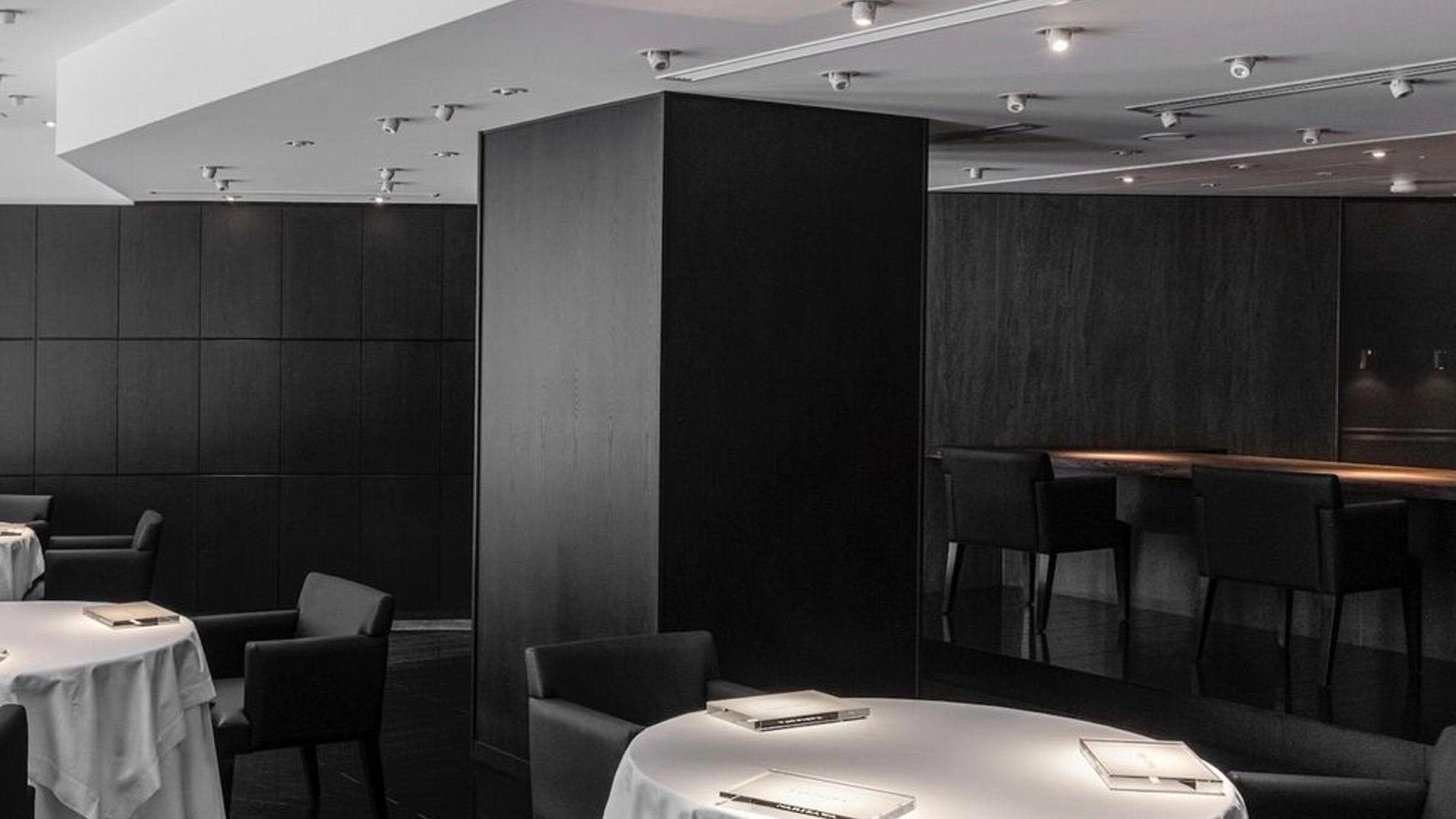
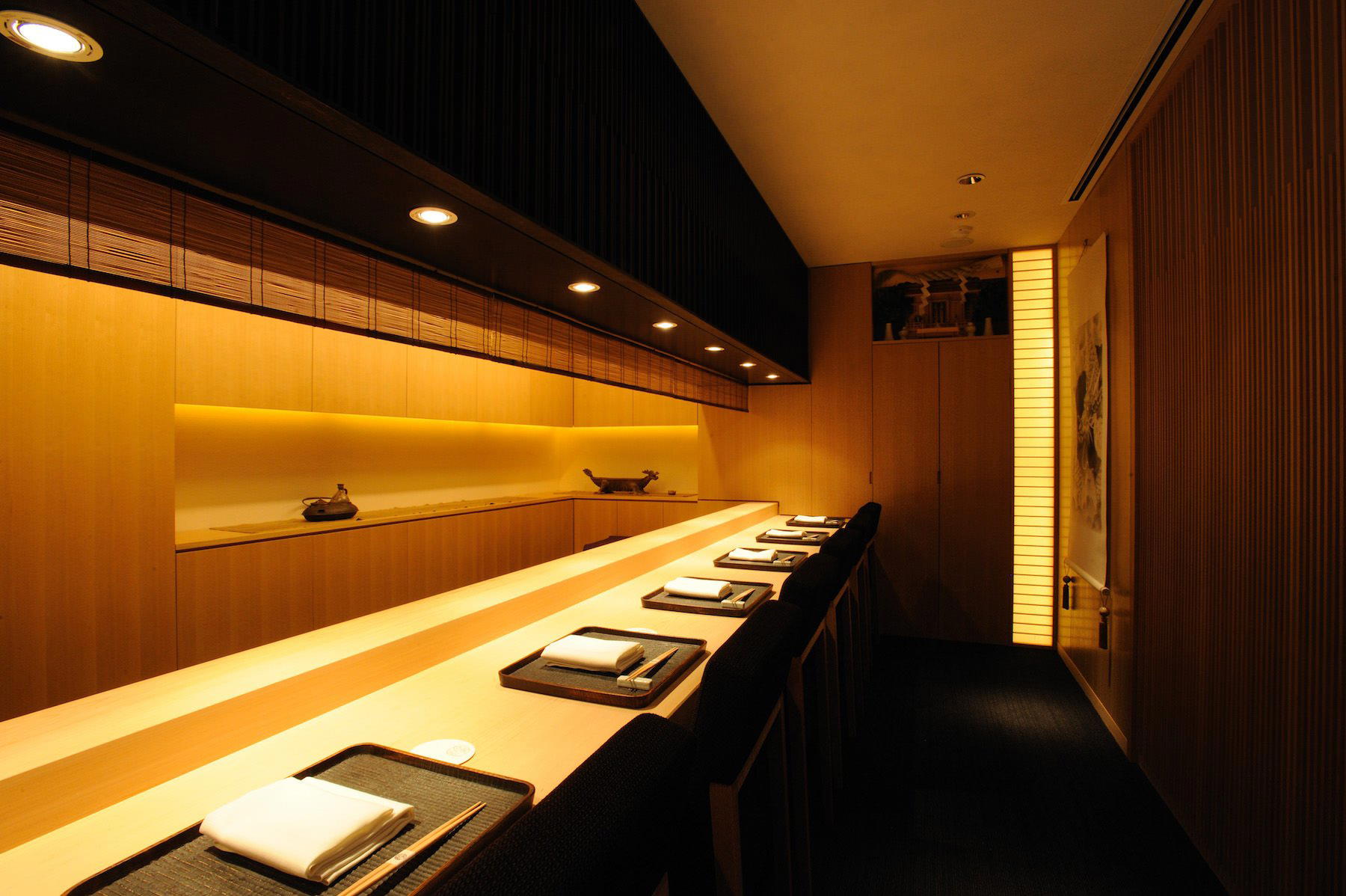
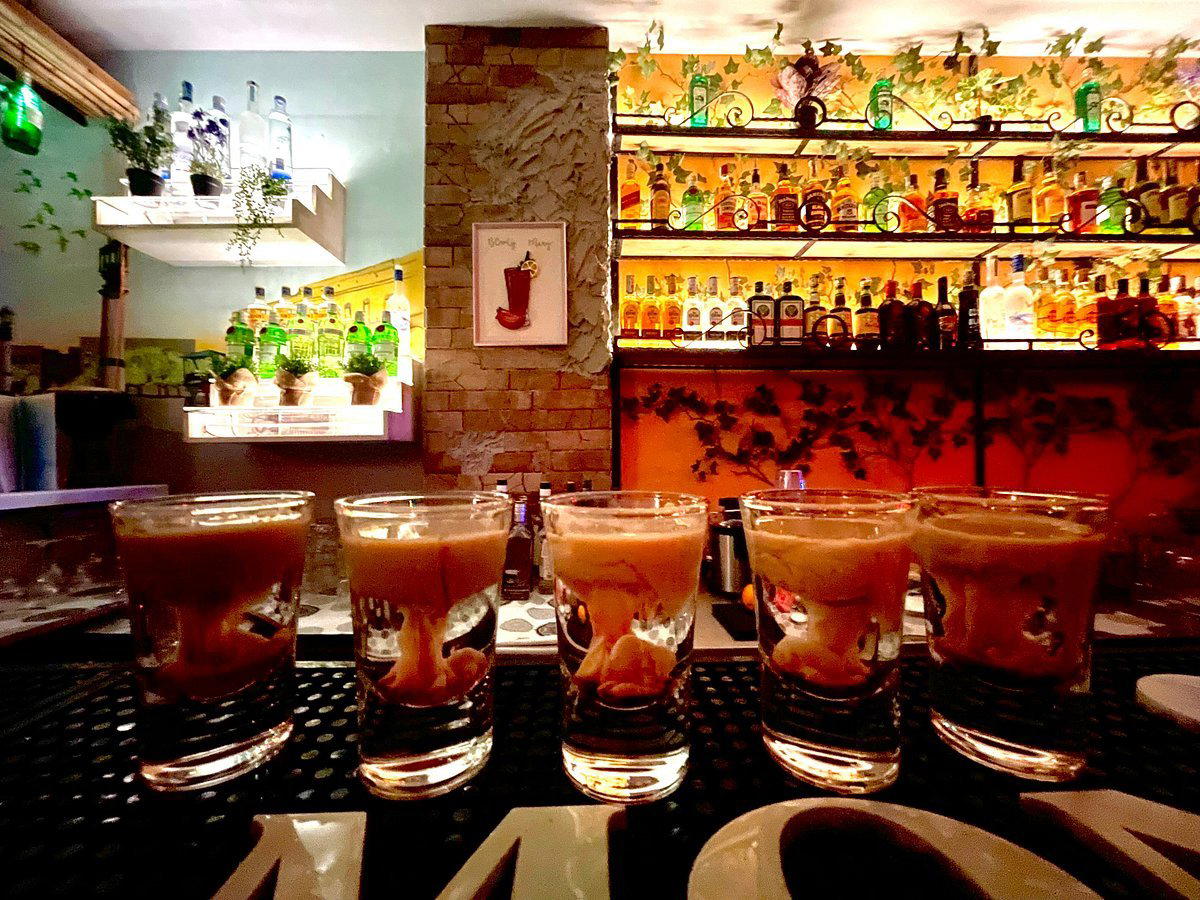
Upscale yakiniku with refined, hotel-like interiors, private rooms and dim, warm lighting that creates a calm, exclusive atmosphere despite the busy Kabukicho location.