
Yuan Wei sits in Taipei's Datong District with back-to-back Michelin Bib Gourmand recognition in 2024 and 2025, making it one of the more consistently decorated affordable Taiwanese tables in the city. The kitchen operates under chef Victor Moya, an unusual pairing of a non-Taiwanese chef with deeply local cooking traditions. At the $$ price tier, it holds its own against a city where serious Taiwanese food spans every bracket.
Pearl is the En Primeur Club membership app — saves, bookings, and concierge access live there. Same editors, same standards.
- Address
- No. 227巷2號, Huayin St, Datong District, Taipei City, Taiwan 103
- Phone
- +886 2 2559 0721
- Directions
- Get directions
 Saves & bookings on Pearl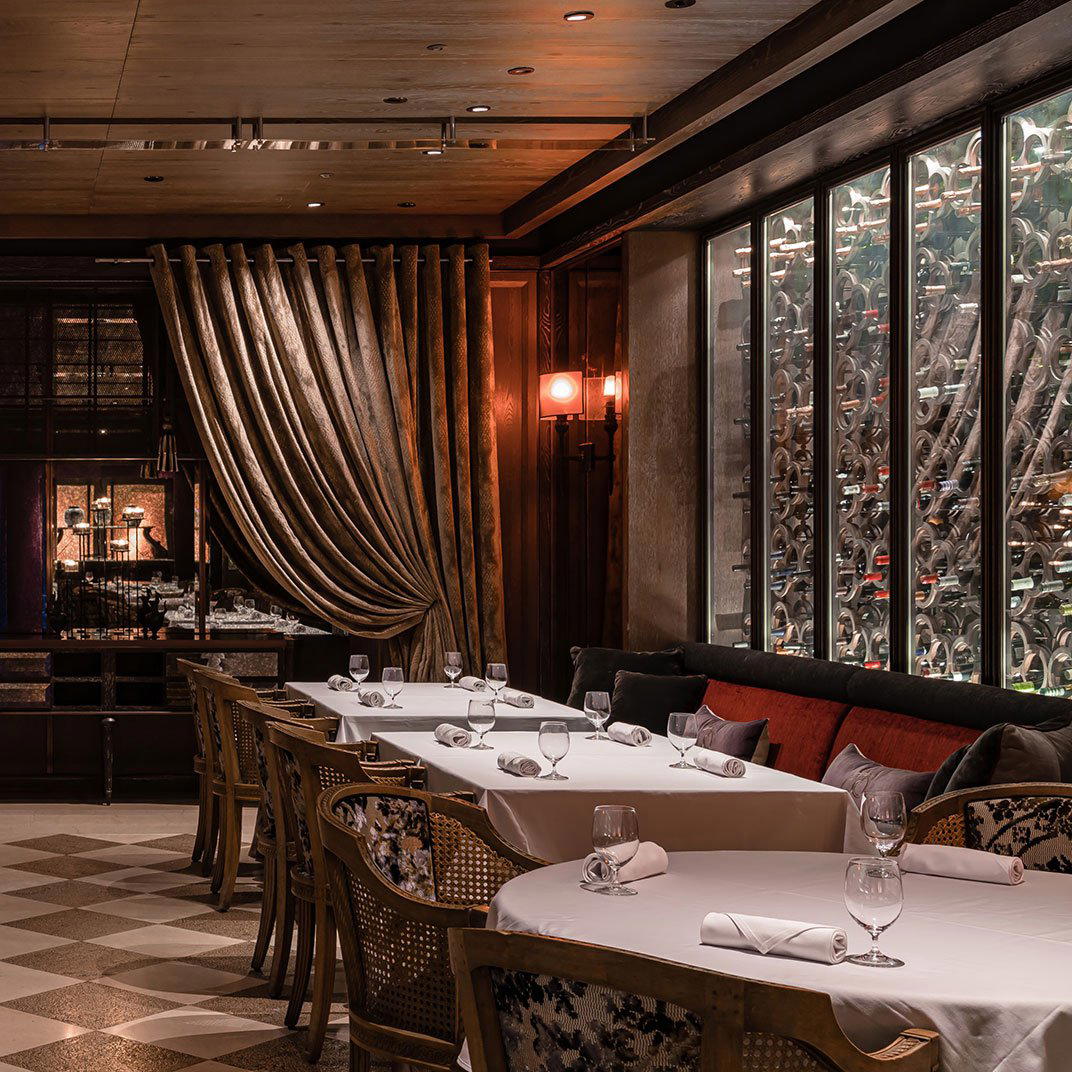
Where Datong's Street-Level Tradition Meets the Bib Gourmand Tier
Huayin Street in Datong District sits a short walk from Taipei Main Station, in a part of the city that has never fully transitioned into a dining destination the way Da'an or Zhongshan have. The streets here are dense and functional, the shopfronts practical. Arriving at Yuan Wei, the surroundings signal neighbourhood rather than spectacle. Michelin's Bib Gourmand category exists specifically to identify where serious cooking operates below the fine-dining threshold, and Yuan Wei has landed on that list two years running, in 2024 and 2025.
The Datong District has its own hospitality character: proximity to Dihua Street's preserved Baroque shophouses, the Xiahai City God Temple, and the older commercial fabric of the city gives the area a different energy from southern Taipei's design-driven restaurant corridors. Dining here tends to be rooted rather than fashionable, and that rootedness is part of what makes a Bib Gourmand result here feel like a statement about cooking rather than about atmosphere or brand.
Tea as Table Partner: Reading the Meal Through the Cup
Tea is not incidental to serious Taiwanese dining. In the formal registers of Taiwanese cuisine, the kind on display at Mountain and Sea House or Ming Fu, tea service functions as a structural companion to the meal, calibrated by season, course, and ingredient weight. At the Bib Gourmand tier, that philosophy typically becomes more informal but no less considered. Taiwan's own production, Taiwanese High Mountain Oolong, Dong Ding, Oriental Beauty, gives local restaurants a native pairing vocabulary that few other cuisines can match so precisely.
The logic of tea pairing in Taiwanese cooking follows the food's flavour architecture. Braised dishes with soy and five-spice pull toward darker, more oxidised oolongs that echo the caramelised depth of the sauce. Lighter preparations, steamed vegetables, seafood in clear broths, favour greener, less-oxidised teas where the tea's grassy or floral register amplifies rather than competes with the dish. In colder months, from roughly October through February, warming roasted teas take on greater relevance; spring and summer shift toward fresher styles harvested in the March-May or June-July picking windows. This seasonal correspondence is embedded in how tea is produced on the island, which makes it a natural guide to what arrives in the cup at a given time of year.
A $$ restaurant in Taipei is not typically the address where an elaborate multi-pot tea service unfolds beside every table. But the presence of Taiwanese tea, even informally offered, as a companion to the food is a baseline expectation at a table where the cooking draws on traditional Taiwanese technique. Visiting in the cooler months aligns the table with both the warmest cooking traditions and particularly appropriate tea styles.
A Non-Taiwanese Chef in a Taiwanese Kitchen: The Broader Pattern
Chef Victor Moya's presence at a Michelin-recognised Taiwanese table is worth reading as a category signal rather than a biographical footnote. Taipei has seen a generation of chefs, many returning from abroad or trained across borders, reshape what Taiwanese cooking can look like. JL Studio in Taichung represents one decorated version of that cross-cultural approach, with its Southeast Asian-Taiwanese framework earning significant recognition. Across the island, at places like Akame in Wutai Township, indigenous Taiwanese cooking has entered the fine-dining frame through chefs who bring personal and regional perspectives to traditional ingredients.
The Bib Gourmand tier rarely features non-native chefs in highly specific regional cuisines, which makes Yuan Wei an outlier worth noting. The recognition itself, back-to-back across two consecutive years, functions as the substantive credential here.
Positioning Yuan Wei in Taipei's Taiwanese Dining Spectrum
Taipei's Taiwanese restaurant scene now runs from street stalls and temple-side noodle shops through to the fine-dining formalism of Golden Formosa and Mipon. The Bib Gourmand bracket sits in a specific middle space: more disciplined and consistent than casual dining, more accessible in price than the $$$$-tier tables. At $$, the restaurant occupies the same broad tier as much of Taipei's beloved everyday cooking, but with inspection-backed consistency that separates it from the general crowd.
For comparison, Taipei's Taiwanese dining range includes venues like Fujin Tree Taiwanese Cuisine and Champagne in Songshan, which pairs Taiwanese cooking with wine in a more contemporary format. The starred tier for Taiwanese cooking in the city sits at a higher price point and a different formality level. The restaurant's comparable set is the city's Bib Gourmand cohort: places where the cooking earns recognition on its own terms without the overhead of a fine-dining format.
Outside Taipei, the context extends to tables like A Cun Beef Soup in Tainan, where a single-dish focus earns its own form of recognition, or A Fung's Harmony Cuisine in Kaohsiung and GEN in Kaohsiung, which show how Taiwanese cooking disciplines operate across the island's cities. The broader Taiwanese diaspora table, 886 in New York City, offers a point of reference for how these flavours translate internationally. The restaurant, in Datong, remains rooted in the original.
Planning Your Visit
The Bib Gourmand designation attracts attention, and two consecutive years of recognition may increase walk-in competition at the restaurant. Datong District is accessible from Taipei Main Station, keeping the address practical for visitors staying in central Taipei. The area around Huayin Street is worth arriving early to, given proximity to Dihua Street's preserved shophouse stretch, which provides a strong context-setting walk before a meal. The cooler months, October through March, align with both grounded Taiwanese cooking traditions and the warmest tea styles. Booking ahead is advisable where possible.
| Venue | Cuisine | Price Tier | Awards | Booking Approach |
|---|---|---|---|---|
| The restaurant | Taiwanese | $$ | Michelin Bib Gourmand 2024, 2025 | Advance recommended |
| Mountain and Sea House | Taiwanese | $$$$ | Michelin-recognised | Reservation required |
| Ming Fu | Taiwanese | $$$$ | Michelin-recognised | Reservation required |
| Golden Formosa | Taiwanese | $$$$ | Michelin-recognised | Reservation required |
Comparable Spots
Comparable venues nearby, for context on price, style, and recognition.
| Venue | Cuisine | Price | Notes |
|---|---|---|---|
| Yuan WeiThis venue — the venue you are viewing | Authentic Taiwanese Home-Style | $$ | Not listed |
| Hang Zhou Xiao Long Bao (Da'an) | Traditional Shanghai Soup Dumplings | $$ | Guangming |
| Sung Chu Yuan | Traditional Taiwanese Farm-to-Table | $$ | Gongguan |
| Tsui Feng Yuan | Traditional Cantonese | $$ | Fucheng |
| Talking Heads | Hunan & Jiangzhe Home-style Chinese | $$ | De'an |
| Chung Chia Sheng Jian Bao | Shanghai-Style Sheng Jian Bao | $ | Renyong |
Recognition history
Dated appearances from independent guides and award organizations, with the underlying list record or original source where available.
Michelin Bib Gourmand
Michelin
Michelin Bib Gourmand
Michelin
Continue exploring
More in Taipei
Restaurants in Taipei
Browse all →
Bars in Taipei
Browse all →
Hotels in Taipei
Browse all →
Wineries in Taipei
Browse all →
At a Glance
- Cozy
- Classic
- Casual Hangout
- Family
Current opening hours
- Monday
- 12–3 PM
- Tuesday
- 12–3 PM
- Wednesday
- 12–3 PM
- Thursday
- 12–3 PM
- Friday
- 12–3 PM
- Saturday
- 12–3 PM
- Sunday
- Closed
Hours can change for holidays and private events. Last verified .
Warm, nostalgic, and inviting home-like atmosphere with aromas of simmering traditional dishes.