

Holding a Michelin star since 2024 and ranked among Asia's top casual dining addresses by Opinionated About Dining, Ming Fu has operated on Zhongshan North Road since 1976. The six-table restaurant deals in home-style Taiwanese cooking built for sharing: abalone sticky rice chicken, stir-fried wild ferns, and a pre-order-only Buddha jumps over the wall that sets it apart from the neighbourhood's broader dining scene.
 Discover on Pearl
Pearl is the En Primeur Club membership app — saves, bookings, and concierge access live there. Same editors, same standards.
- Address
- No. 18-1, Lane 137, Section 2, Zhongshan N Rd, Zhongshan District, Taipei City, Taiwan 10491
- Phone
- +886 2 2562 9287
- Website
- m.facebook.com
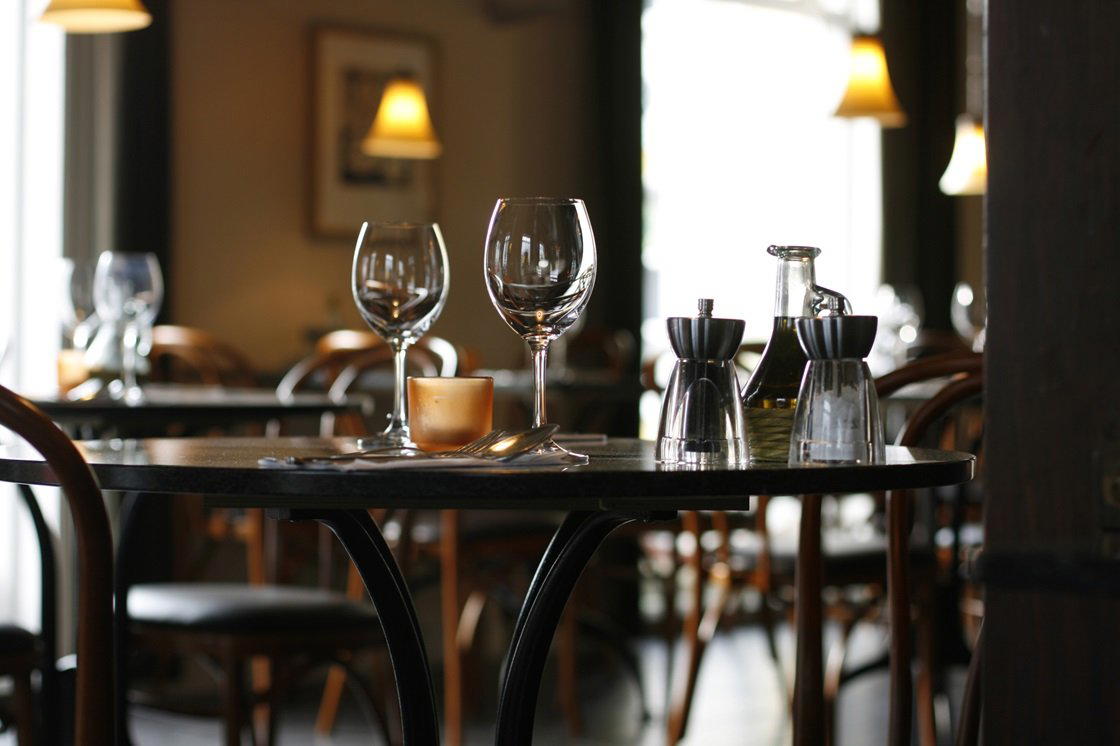
Six Tables, Forty-Eight Years, One Shared Table at a Time
On a lane off Zhongshan North Road, the kind of side street that Taipei's mid-century residential blocks produce in abundance, Ming Fu occupies a room small enough that arriving early is less a suggestion than a structural necessity. Six tables. Lunch runs from noon to two, and dinner from six to nine, seven days a week. The numbers alone frame the experience before a single dish arrives: this is a room built around the choreography of shared eating, not solo dining or tasting-menu theatre.
The atmosphere inside reads less like a restaurant than a dining room that happens to serve the public. That distinction matters in Taipei, where home-style Taiwanese cooking exists along a wide spectrum, from night-market stalls to the formal register of places like Mountain and Sea House or Shin Yeh Taiwanese Signature. Ming Fu occupies a particular position in that range: the cooking is technically careful and the sourcing deliberate, yet the format remains firmly communal. Dishes arrive to be passed, divided, and argued over. The table is the point.
The Logic of the Shared Table
Taiwanese banquet tradition organises a meal around the table as a social unit. The lazy Susan, the overlapping plates, the rhythm of one person serving another, these gestures encode something older than any individual dish. At Ming Fu, that tradition is not performed for visitors. It is simply how the room functions. Couples and families occupy the same tables in the same way, and the menu is calibrated accordingly: portions are generous, dishes are built for division, and the cooking rewards a group that orders broadly.
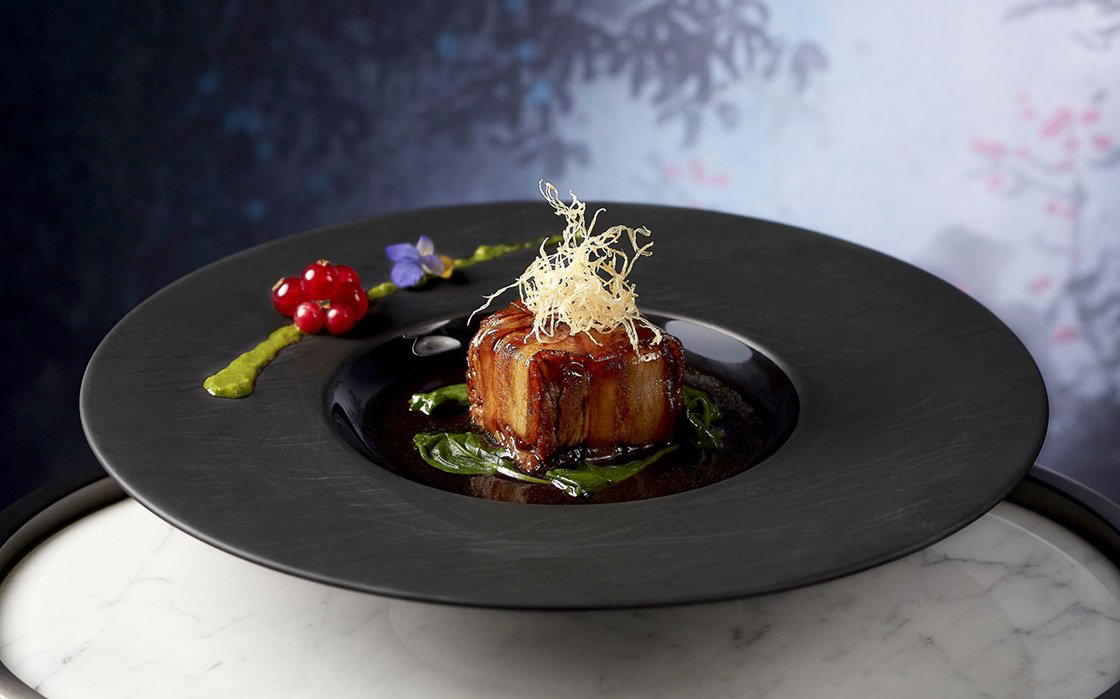
Abalone sticky rice chicken anchors the menu in the kind of ingredient combination that signals occasion food in Taiwanese domestic cooking, abalone as luxury marker, sticky rice as comfort register, chicken as the structural centre. Stir-fried wild ferns carry a different logic: foraged or semi-cultivated greens that shift with availability, representing the seasonal and the local rather than the premium. Fried mullet tripe with garlic completes a picture of a kitchen operating well outside the safe centre of the menu. Mullet tripe is not a dish most Taipei restaurants attempt. The fact that it appears alongside more accessible options tells you something about how the kitchen thinks about its audience: this is food for people who know what they are ordering.
Buddha Jumps Over the Wall: The Pre-Order Signal
Among Taiwanese restaurants at this price tier, the requirement to pre-order a signature dish is a meaningful signal. It implies production complexity that cannot be staged for a full dining room, ingredients that need advance sourcing, or a preparation window longer than the standard service schedule allows. At Ming Fu, all three apply to its version of Buddha jumps over the wall.
The dish itself has deep roots in Fujianese cooking, traditionally built around pork ribs, taro, and a long list of secondary proteins and aromatics slow-braised in a sealed ceramic vessel. Ming Fu's interpretation diverges from that template in a direction that explains the pre-order requirement: matsutake mushrooms, gingko nuts, and abalone replace the conventional base, producing a soup that sits closer to the Taiwanese luxury ingredient vocabulary than to Fujianese peasant tradition. That shift in ingredients changes the dish's cost structure, its preparation time, and its character. It also positions it distinctly relative to what comparable restaurants in the city are doing with the same dish, a point of reference for anyone tracking how Taiwanese restaurants handle inherited recipes from mainland Chinese culinary traditions.
The pre-order requirement functions, in practice, as a filter. Guests who arrive without having planned for it will not encounter it. Those who commit in advance signal a level of engagement with the menu that the kitchen appears to take seriously. It is the kind of arrangement that defines a certain category of Taipei dining: not formal enough to require a tasting menu, but attentive enough to reward preparation.
Where Ming Fu Sits in the Taipei Scene
Taipei's restaurant scene has, over the past decade, developed two distinct tracks for serious Taiwanese cooking. One track moves toward refinement and cross-cultural reference, restaurants like Fujin Tree Taiwanese Cuisine & Champagne or Golden Formosa position themselves as contemporary interpretations. The other track maintains fidelity to home-style registers while applying the same ingredient care and kitchen discipline. Ming Fu belongs firmly to the second track.
That positioning is confirmed by its award record. Opinionated About Dining, which surveys casual dining across Asia with particular rigour at the mid-market level, ranked Ming Fu 26th among casual Asian restaurants in both 2023 and 2024, moving it to 31st in the 2025 survey. A Michelin star, awarded in 2024, places it in a smaller subset still: Taiwanese restaurants that earn Michelin recognition at the $$$ price point rather than the $$$$ tier where Taipei's starred dining is more concentrated. That combination, sustained OAD ranking plus Michelin recognition at a mid-range price, defines a specific peer set. For reference, Mipon operates in adjacent Taiwanese territory at a higher price tier, and the gap in format and cost between the two illustrates how Ming Fu's value proposition differs.
Across Taiwan, the broader range of serious cooking extends to JL Studio in Taichung, which applies Southeast Asian influence to a fine-dining format, and GEN in Kaohsiung, where the direction is different again. What Ming Fu offers that most of those addresses do not is institutional continuity. That longevity carries its own credibility signal, independent of awards.
Zhongshan: The Neighbourhood Register
Zhongshan District occupies a useful middle position in Taipei's geography: close enough to the city centre to attract a wide audience, residential enough to retain a local character that more tourist-facing districts have lost. Zhongshan North Road, with its tree-lined median and mixed residential and commercial blocks, produces a dining scene that skews toward established, often family-run addresses rather than the trend-chasing that defines some of the city's newer dining corridors.
Ming Fu fits that neighbourhood profile precisely. It is not a restaurant designed to attract passing foot traffic. At six tables, it cannot absorb walk-in volume. Its audience is predominantly composed of regulars and deliberate visitors, people who have made a reservation, thought about what they intend to order, and possibly called ahead about the Buddha jumps over the wall. That audience shapes the energy of the room in ways that distinguish it from larger, louder Taiwanese restaurants operating in more visible locations.
For visitors building a Taipei itinerary around serious eating, the district's other dining addresses and the broader context of the city's food culture are worth exploring through our full Taipei restaurants guide. Beyond dining, our full Taipei hotels guide, bars guide, and experiences guide map the rest of the city's offer. For those extending beyond Taipei, A Cun Beef Soup in Tainan, Akame in Wutai Township, and A Fung's Harmony Cuisine in Kaohsiung illustrate how diverse Taiwan's serious dining has become outside the capital. YUENJI in Taichung and Volando Urai Spring Spa & Resort in Wulai District round out the picture for those travelling widely across the island. For Taiwanese cooking interpreted from abroad, 886 in New York City provides a useful comparative reference. Our full Taipei wineries guide covers the wine angle for those interested.
Know Before You Go
- Address: No. 18-1, Lane 137, Section 2, Zhongshan North Road, Zhongshan District, Taipei
- Hours: Monday to Sunday, lunch 12:00 to 14:00, dinner 18:00 to 21:00
- Price range: $$$
- Seating: Six tables, reservations are effectively required
- Pre-orders: Buddha jumps over the wall must be arranged in advance; plan this before arrival, not on the day
- Awards: Michelin 1 Star (2024); Opinionated About Dining Casual in Asia Ranked #26 (2023, 2024), #31 (2025)
- Chef: A Ming
- Google rating: 4.4 from 1,623 reviews
What Dish is Ming Fu Famous For?
Ming Fu is most closely associated with its version of Buddha jumps over the wall, a gourmet soup that requires pre-ordering and departs from the Fujianese original by substituting matsutake mushrooms, gingko nuts, and abalone for the conventional pork-and-taro base. That adaptation reflects the Taiwanese luxury ingredient vocabulary and signals the kitchen's approach to inherited recipes: respectful of tradition in method, selective in how it sources and reconfigures. Beyond the signature soup, abalone sticky rice chicken and fried mullet tripe with garlic represent the home-style register that has kept the restaurant's audience consistent across nearly five decades.
At a Glance
| Venue | Cuisine | Price | Notes |
|---|---|---|---|
| Ming FuThis venue — the venue you are viewing | Taiwanese | $$$ | |
| logy | Modern European, Asian Contemporary | $$$$ | |
| Le Palais | Cantonese | $$$$ | |
| Taïrroir | $$$$ | Taiwanese/French, Taiwanese contemporary | |
| Mudan Tempura | Tempura | $$$$ | |
| de nuit | French Contemporary | $$$$ |
Continue exploring
More in Taipei
Restaurants in Taipei
Browse all →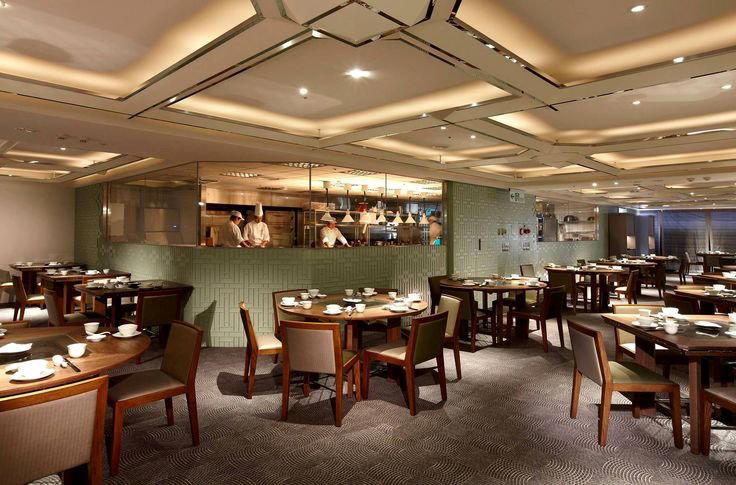
Bars in Taipei
Browse all →
Hotels in Taipei
Browse all →

Wineries in Taipei
Browse all →
At a Glance
- Classic
- Cozy
- Group Dining
- Family
- Celebration
- Standalone
Simple, old-fashioned residential-style interior with a timeless, humble atmosphere.