
886 on St. Marks Place brings Taiwanese cooking to the East Village with an energy that matches the block's restless character. Eric Sze's kitchen draws on the ingredient logic of Taiwanese street food and home cooking, reframed for a New York dining room that has earned consecutive Opinionated About Dining recognition since 2023. It books walk-in and reservation, runs lunch and late-night on weekends, and sits comfortably in the casual-serious tier of the city's Taiwanese dining scene.
Pearl is the En Primeur Club membership app — saves, bookings, and concierge access live there. Same editors, same standards.
- Address
- 26 St Marks Pl, New York, NY 10003
- Phone
- (646) 882-0231
- Website
- eighteightsix.com
- Directions
- Get directions
 Saves & bookings on Pearl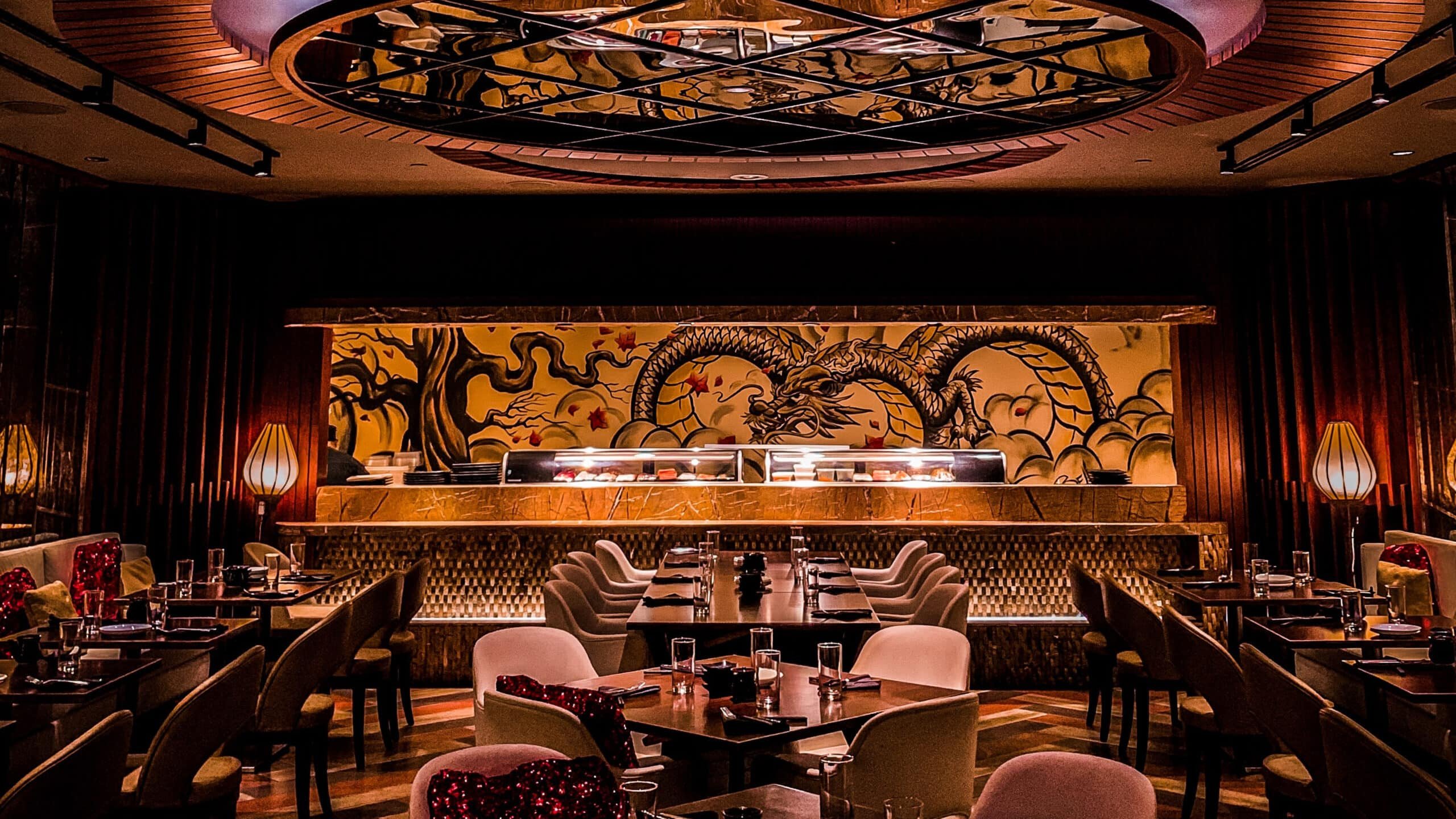
St. Marks Place and the Taiwanese Casual Tier
St. Marks Place has always operated on a different frequency from the rest of Manhattan's dining corridors. The block between Second and Third Avenues in the East Village carries decades of subcultural residue: record shops, cheap eats, late-night foot traffic from people who are not thinking about prix fixe. It is, in other words, an odd address for a restaurant that has earned recognition from Opinionated About Dining, climbing from a 2023 recommendation to a ranked position at #696 in 2024 and #501 in 2025. That trajectory says something not just about 886 but about where serious Taiwanese cooking now sits in the New York hierarchy: no longer a background note in the city's Asian dining scene, but a distinct category with a competitive tier of its own.
The restaurant's address is 26 St. Marks Pl, and the approach to it matters. The street-level energy of the block feeds directly into what happens inside: this is not a dining room designed for ceremonial slowness. The format belongs to the casual-serious school that has become one of the more interesting spaces in American restaurant culture, where the food carries genuine craft but the room does not perform reverence. If you arrive expecting the composed silence of, say, Atomix or the precise service architecture of Le Bernardin, you will need to recalibrate. If you arrive expecting a kitchen that takes ingredients seriously, you will not be disappointed.
Where the Food Comes From and Why It Matters
Taiwanese cooking draws from a specific and layered pantry. The island's culinary identity is partly Han Chinese, partly Japanese colonial, partly indigenous, and partly the product of what a densely populated subtropical place grows, catches, and ferments. That combination produces an ingredient vocabulary that does not translate easily into the generalized Asian-American casual format. The question for any Taiwanese kitchen operating in New York is how much of that source logic survives the Atlantic crossing.
At 886, chef Eric Sze has built a program that keeps the ingredient argument visible. The cooking does not sand down the sharper or more fermented edges of Taiwanese sourcing. Preserved elements, pork-forward preparations, the kind of heat that comes from chili oil rather than fresh pepper, the textural registers that scallion pancake or braised tendon demand: these are not adapted for a nervous palate. That fidelity to the source material is what separates this kitchen from a more neutralized version of the same cuisine.
Restaurants like Fujin Tree Taiwanese Cuisine and Champagne in Songshan or Golden Formosa in Taipei operate within a culinary culture where the ingredients are native and the reference points are everywhere. A New York kitchen working in the same tradition is doing something harder: maintaining ingredient integrity without the supply chain and cultural context that Taipei takes for granted. The OAD ranking progression at 886 suggests the kitchen is meeting that challenge with some consistency.
The New York Taiwanese Scene: Peer Context
New York's Taiwanese dining scene has always been wider than casual observers give it credit for, but it has historically been concentrated in specific geographies: Flushing, parts of Queens, a few scattered Manhattan addresses. The East Village positioning of 886 is not accidental; it places Taiwanese cooking in a neighborhood where the audience skews younger and more open to the kind of casual-serious format the restaurant occupies.
Taiwanese Gourmet occupies a more traditional register, grounded in the immigrant-generation cooking that defined the city's Taiwanese presence for decades. Ho Foods has built a focused reputation around a single dish executed with discipline. Wenwen in Brooklyn takes a different angle on the same tradition. 886 sits in this ecosystem as the address that most directly bridges the old-school ingredient logic of Taiwanese cooking with the format expectations of a contemporary New York casual room.
Nationally, the restaurants earning comparison in terms of kitchen seriousness operate at different price points and formats. Lazy Bear in San Francisco and Alinea in Chicago are building in entirely different registers, as are The French Laundry in Napa, Single Thread Farm in Healdsburg, Providence in Los Angeles, and Emeril's in New Orleans. The point is not to compare formats but to note that OAD recognition at #501 nationally in the casual category places 886 in serious company on its own terms.
Planning a Visit: Hours, Timing, and Format
The operational model runs seven days a week, with lunch service from noon to 4 pm and dinner from 5 pm daily. Thursday through Saturday dinner extends later: 11 pm on Thursday, midnight on Friday and Saturday. Sunday dinner closes at 10 pm. That extended weekend service is worth noting for anyone whose New York schedule pushes dining toward late evening.
Seasonal Angle: When to Go
Taiwanese cooking leans into warming, pork-rich, and fermented preparations that read particularly well in cooler months. The braised and preserved elements of the pantry do not disappear in summer, but the cuisine's deeper registers come through more clearly when the season calls for them. Late autumn through early spring is the period when the kitchen's ingredient logic aligns most naturally with what diners are ready to receive. Weekend late-night slots in winter, when the block is busy and the food hits hardest, are among the more satisfying ways to encounter this particular address.
Peers in This Market
Comparable venues nearby, for context on price, style, and recognition.
| Venue | Cuisine | Price | Notes |
|---|---|---|---|
| 886This venue — the venue you are viewing | Modern Taiwanese | $$ | Not listed |
| Mimi Cheng’s | Taiwanese Dumplings | $$ | East Village |
| Taiwanese Gourmet | Authentic Taiwanese | $$ | Elmhurst |
| China Cafe | Stylish Szechuan | $$ | Midtown-Times Square |
| Nin Hao | Modern Fujianese | $$ | Prospect Heights |
| Cha Kee | Japanese-Influenced Cantonese | $$ | Chinatown-Two Bridges |
Recognition history
Dated appearances from independent guides and award organizations, with the underlying list record or original source where available.
Opinionated About Dining Casual in North America Recommended
Opinionated About Dining
Opinionated About Dining Casual in North America Ranked #501
Opinionated About Dining
Opinionated About Dining Casual in North America Ranked #696
Opinionated About Dining
Opinionated About Dining Casual in North America Recommended
Opinionated About Dining
Continue exploring
More in New York City
Restaurants in New York City
Browse all →
Bars in New York City
Browse all →
Hotels in New York City
Browse all →





At a Glance
- Lively
- Trendy
- Modern
- Casual Hangout
- Group Dining
- Date Night
- Open Kitchen
- Sake Program
Current opening hours
- Monday
- 12–4 PM, 5–10 PM
- Tuesday
- 12–4 PM, 5–10 PM
- Wednesday
- 12–4 PM, 5–10 PM
- Thursday
- 12–4 PM, 5–11 PM
- Friday
- 12–4 PM, 5–11 PM
- Saturday
- 12–4 PM, 5–11 PM
- Sunday
- 12–4 PM, 5–10 PM
Hours can change for holidays and private events. Last verified .
Unpretentious, upbeat, colorful, and neon-lit with a fun, crowded vibe.