

1 Michelin Star
Our verdict
Among Taichung's handful of Michelin-starred restaurants, YUENJI occupies a particular niche: a formal tasting room in Xitun District where Taiwanese heritage cooking is reframed through contemporary technique. Ranked #127 in Opinionated About Dining's 2025 Asia list, it offers two structured formats, a flexible Tasting Set Menu and an omakase-style Chef's Menu, in a room that reads more East-meets-West salon than traditional banquet hall.

Pearl is the En Primeur Club membership app, where members save venues, book tables and use the concierge.
The menu
What to order
- Pan-fried scallion pancake
- Yuenji fried rice
- Lukang roasted wheat flour soup
Where Taiwan's Banquet Tradition Meets the Tasting Counter
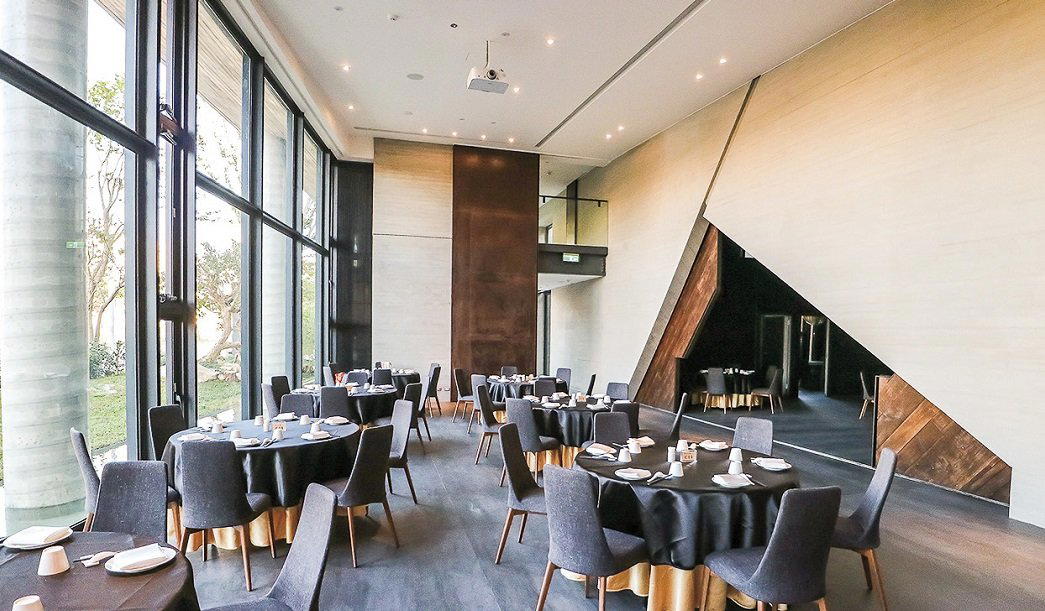
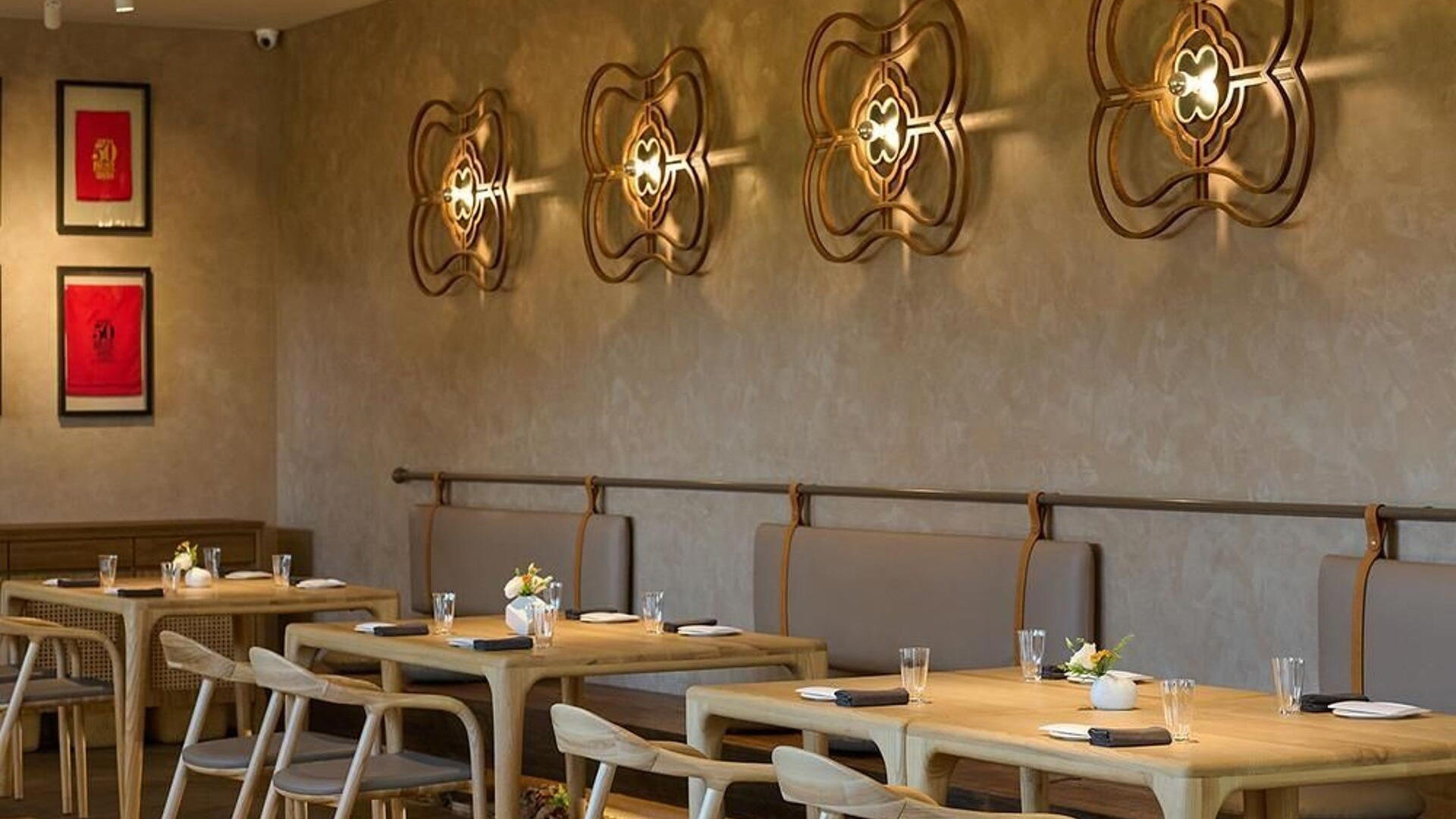
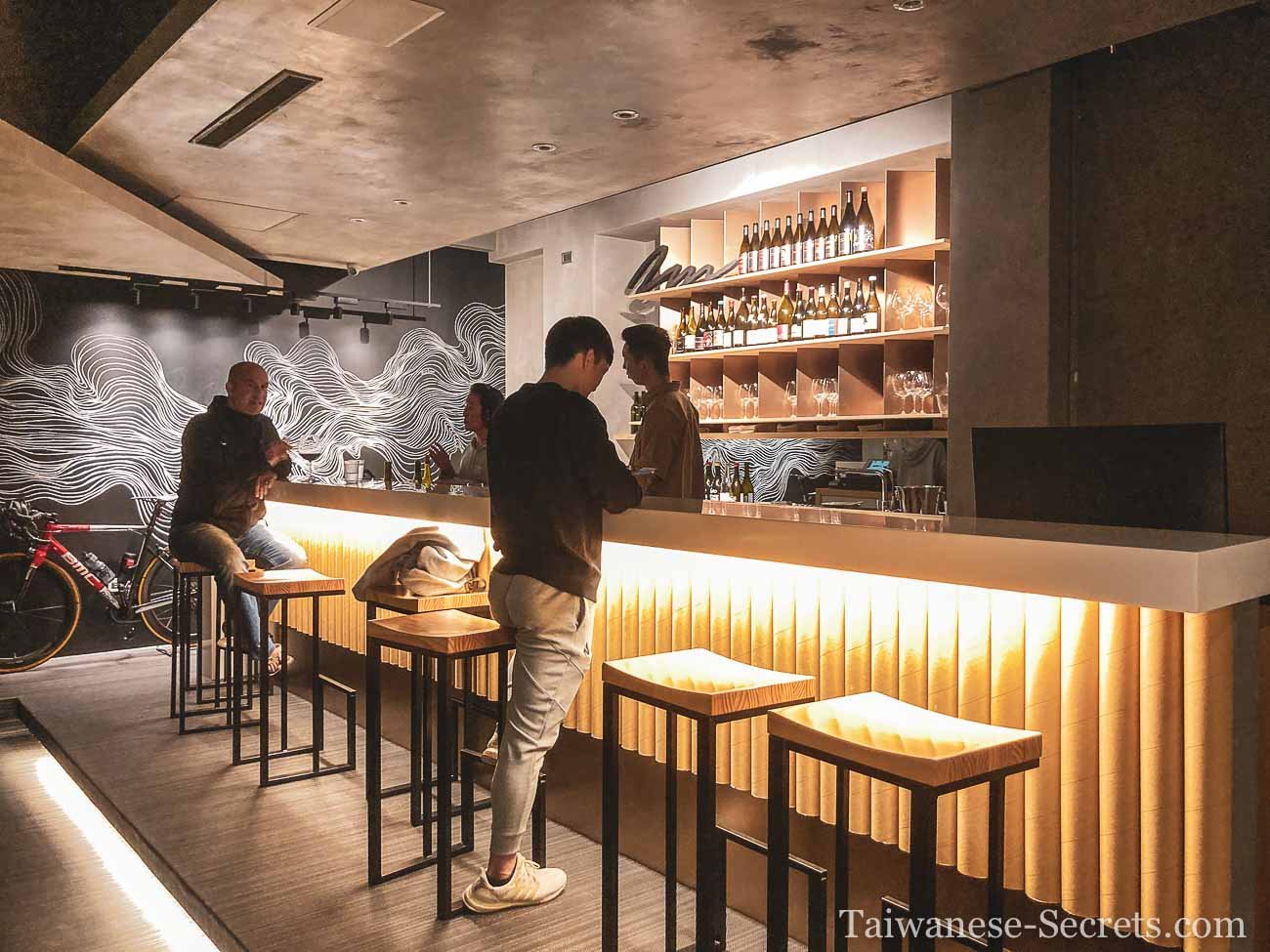
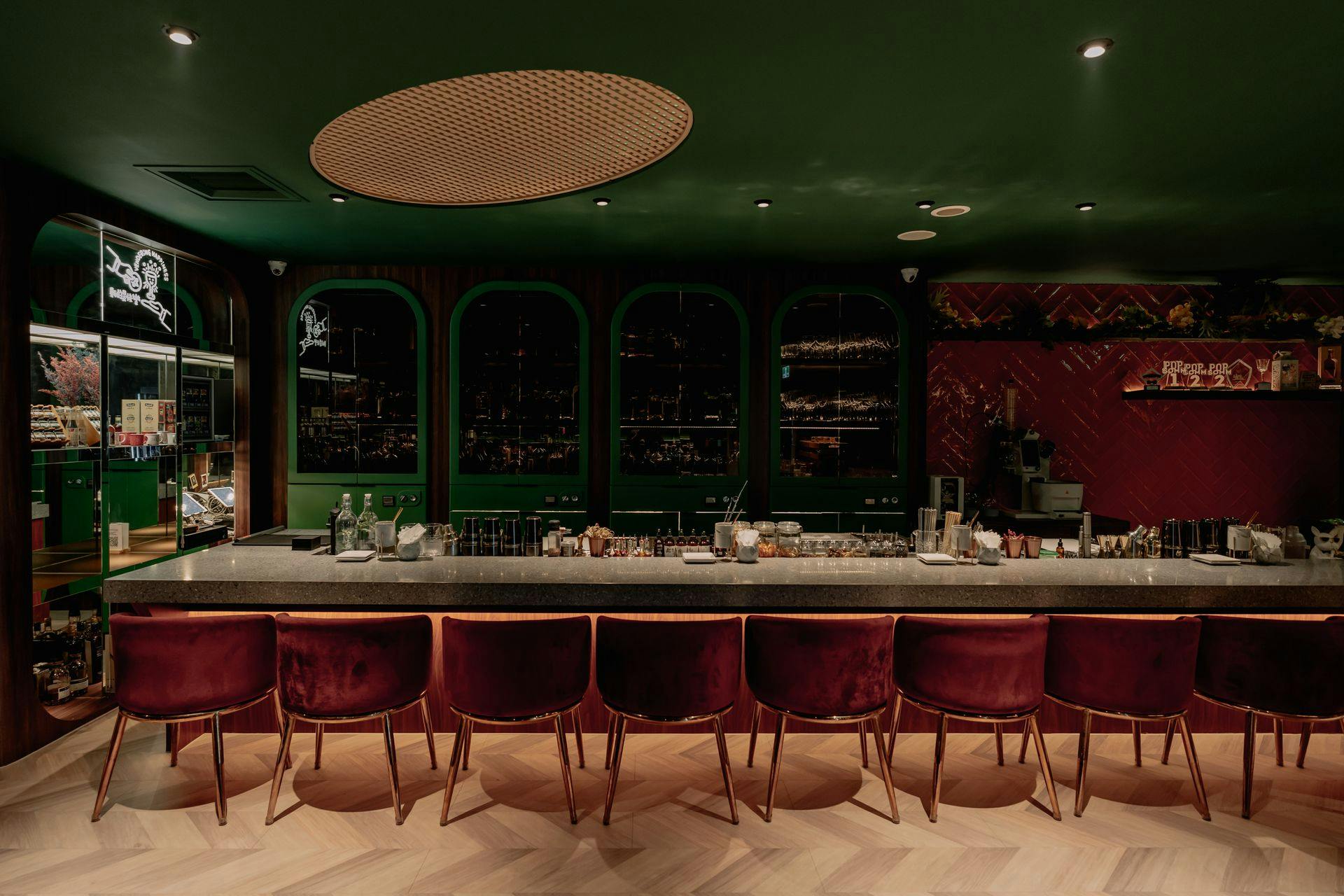
Taichung has quietly built a serious fine-dining tier over the past decade, distinct from Taipei's more internationally covered scene. The city's Michelin-starred restaurants tend toward precision and restraint rather than spectacle, and YUENJI, located in Xitun District on Anhe East Road, fits that profile. The dining room leans into a layered aesthetic, lacquered surfaces, warm lighting, an interior that sits somewhere between a Shanghainese salon and a contemporary European tasting room. The effect is deliberate: the setting signals that what follows at the table will occupy a similar in-between space, neither a faithful reproduction of Taiwanese grandmother cooking nor a wholesale reinvention of it.
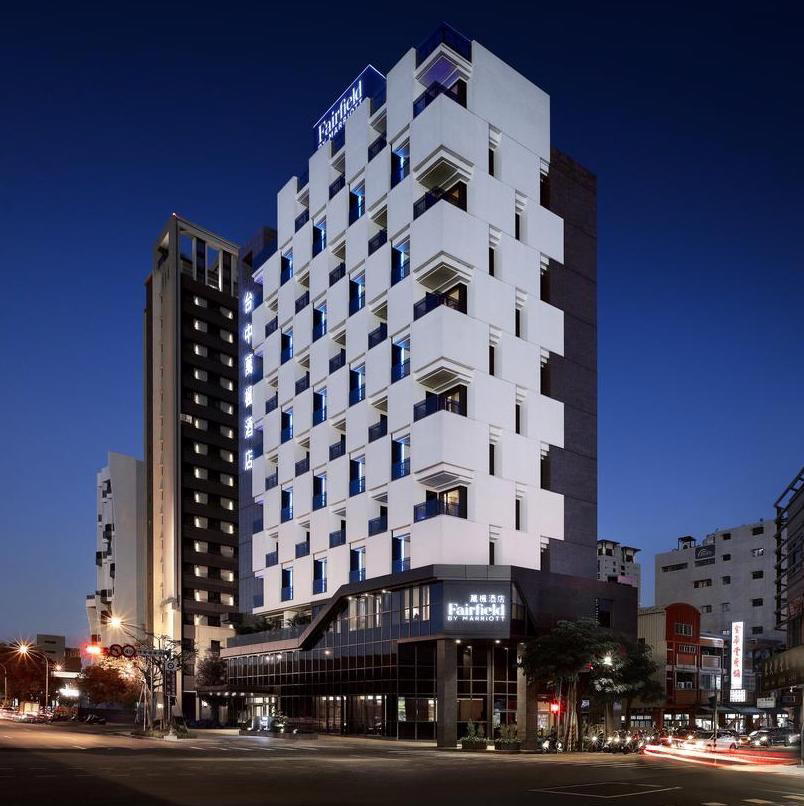
Xitun is one of Taichung's more prosperous districts, and the restaurant's address within a commercial building with a basement car park entrance is the kind of quiet urbanism that characterises this corner of the city. There is no theatrical reveal, no courtyard garden, no dramatic staircase. The entrance is functional. What the room does once you're inside is carry the weight.
The Logic of the Table
Taiwan's formal dining heritage is inseparable from the banquet format: the lazy Susan loaded with communal dishes, the sequence of arrival that communicates hierarchy and hospitality simultaneously, the expectation that the table itself becomes the main event. YUENJI works within that structural logic while redirecting it toward a tasting-menu framework. The tension between those two traditions, the shared table of Taiwanese family cooking and the individual progression of a contemporary tasting menu, is where the kitchen does its most interesting work.
Two formats govern the experience. The Tasting Set Menu allows diners to select from the main menu for each course, preserving an element of personal agency that aligns with the broader Taiwanese dining habit of composition and negotiation at the table. The Chef's Menu, served omakase-style, requires pre-ordering and removes that agency entirely, handing the sequencing over to the kitchen. For solo diners or couples at the tasting counter, the Chef's Menu functions like a private audience with the kitchen's current thinking. For larger groups, the Tasting Set Menu reinstates something closer to the communal construction of a Taiwanese banquet, with each person's choices contributing to a spread that belongs to the table rather than the individual.
Chef Lin Ju-Wei and the kitchen team approach Taiwan's food heritage as source material rather than script. The result is a menu that moves between registers, familiar flavour references refracted through precise technique. Among the documented dishes, the Lukang roasted wheat flour soup (炒麵粉湯) is the most instructive example of what this kitchen is attempting. Lukang, the historic port town in Changhua County, is one of the oldest settled areas of Taiwan, and its roasted wheat flour soup is a sweet, deeply regional preparation that rarely appears in fine-dining contexts. Here it arrives mixed with almond milk, which adds a creamy, nutty dimension to the original. The gesture is not about improving the original but about making it legible to a table that may encounter it for the first time in a formal setting.
Where YUENJI Sits in Taiwan's Broader Fine-Dining Tier
Across Taiwan, the past several years have produced a cohort of restaurants treating Taiwanese cuisine with the same structural seriousness that Japanese and French kitchens have applied to their own traditions for decades. In Taipei, restaurants like logy, Fujin Tree Taiwanese Cuisine & Champagne, Golden Formosa, and Mipon occupy different positions within that broader project. Further south, GEN in Kaohsiung and Akame in Wutai Township apply similar rigour to distinct regional traditions. YUENJI's Michelin star (awarded 2024) and its ranking at #127 in Opinionated About Dining's 2025 Asia list place it within this peer cohort, but its base in Taichung rather than Taipei gives it a different competitive context: it is working within a city that already has a dense and serious eating culture at every price point, from street-level to the starred tier.
At the $$$$ price point, YUENJI competes locally with a handful of formal tasting rooms while simultaneously positioning against the broader Taiwan fine-dining tier. By comparison, Sur-, a Taiwanese contemporary restaurant operating at $$$, sits one tier lower and typically attracts a different kind of diner, one less committed to the full formal progression. The gap between those two formats reflects something real about how Taichung's dining public segments: there is a casual-contemporary middle ground and a formal upper tier, with relatively little in between. For Taichung's other Taiwanese options at more accessible price points, Chin Chih Yuan (Central) operates at the single-dollar tier, the kind of institutional Taiwanese cooking that reminds you what the fine-dining version is in conversation with.
For a restaurant at this price and formality level, sustained high scores at that volume suggest the kitchen is not relying on novelty to drive satisfaction.
Planning a Meal at YUENJI
YUENJI is located in Xitun District, with parking access through the basement car park of the Bao Yuan Ji building on Anhe First Street, a useful detail given that Xitun is more car-oriented than Taichung's older central districts. The restaurant operates at the $$$$ price tier, meaning a full tasting experience represents a considered commitment rather than a casual dinner. The Chef's Menu requires pre-ordering, so decisions about format need to be made at the time of reservation rather than at the table.
Visitors combining YUENJI with a broader Taichung eating itinerary will find the city's restaurant range substantial. Across the city, Chef Ah-Hsi's Old Time Restaurant covers the nostalgia-forward Taiwanese end, Chien Wei Seafood handles the seafood-centric tradition, and Feng Chi Goose and Fu Din Wang (Central) represent the city's strong roasted-meat lineage. YUENJI sits at the formal apex of a genuinely varied local scene. For those arriving from other parts of Taiwan, A Cun Beef Soup in Tainan and Volando Urai Spring Spa & Resort in Wulai District offer useful reference points for how different parts of the island are handling the conversation between tradition and contemporary presentation.
For full planning across the city, see our full Taichung restaurants guide, our Taichung hotels guide, our Taichung bars guide, our Taichung wineries guide, and our Taichung experiences guide.
Frequently asked questions
What's the must-try dish at YUENJI?
The Lukang roasted wheat flour soup, reworked with almond milk, is the dish that most directly illustrates what the kitchen is doing at a structural level. Lukang's sweet wheat flour soup is a regional preparation from one of Taiwan's oldest Hokkien settlements, rarely seen in formal dining rooms. At YUENJI, the almond milk addition shifts the texture and flavour profile without overwriting the original. It is the point where the restaurant's approach, restoring visibility to Taiwanese culinary heritage through precise, contemporary technique, is most legible on the plate. Chef Lin Ju-Wei and the kitchen team hold a Michelin star (2024) and a 2025 Opinionated About Dining Asia ranking (#127), credentials that situate this dish within a broader commitment to reframing Taiwanese regional cooking rather than simply deploying it as aesthetic backdrop.
The Quick Read
Comparable options at a glance, pulled from our tracked venues.
| Venue | Cuisine | Price | Awards | Notes |
|---|---|---|---|---|
| YUENJIThis venue (the venue you are viewing) | Modern Taiwanese Fine Dining | $100–150 | 1 Michelin Star | Not listed |
| JL Studio | Modern Singaporean Cuisine | $100–150 | 3 Michelin Stars · World's 50 Best #50 | Modern Singaporean, Singaporean |
| Sur- | Modern Taiwanese Fine Dining | $50–100 | 1 Michelin Star | Taiwanese contemporary |
| L'Atelier par Yao | Modern French Fine Dining with Eastern Fusion | Not listed | 1 Michelin Star | French Contemporary |
| Oretachi No Nikuya | Japanese Yakiniku | $50–100 | 1 Michelin Star | Barbecue |
| Chin Chih Yuan (Central) | Taiwanese Bib Gourmand Fried Chicken & Rice | $1–10 | Michelin Bib Gourmand | Taiwanese |
Recognition history
Dated appearances from independent guides and award organizations, with the underlying list record or original source where available.
Michelin 1 Star
Michelin
Opinionated About Dining Top Restaurants in Asia Ranked #120
Opinionated About Dining
Full recognition history (5 entries)
Michelin 1 Star
Michelin
Opinionated About Dining Top Restaurants in Asia Ranked #127
Opinionated About Dining
Michelin 1 Star
Michelin
Continue exploring
More in Taichung
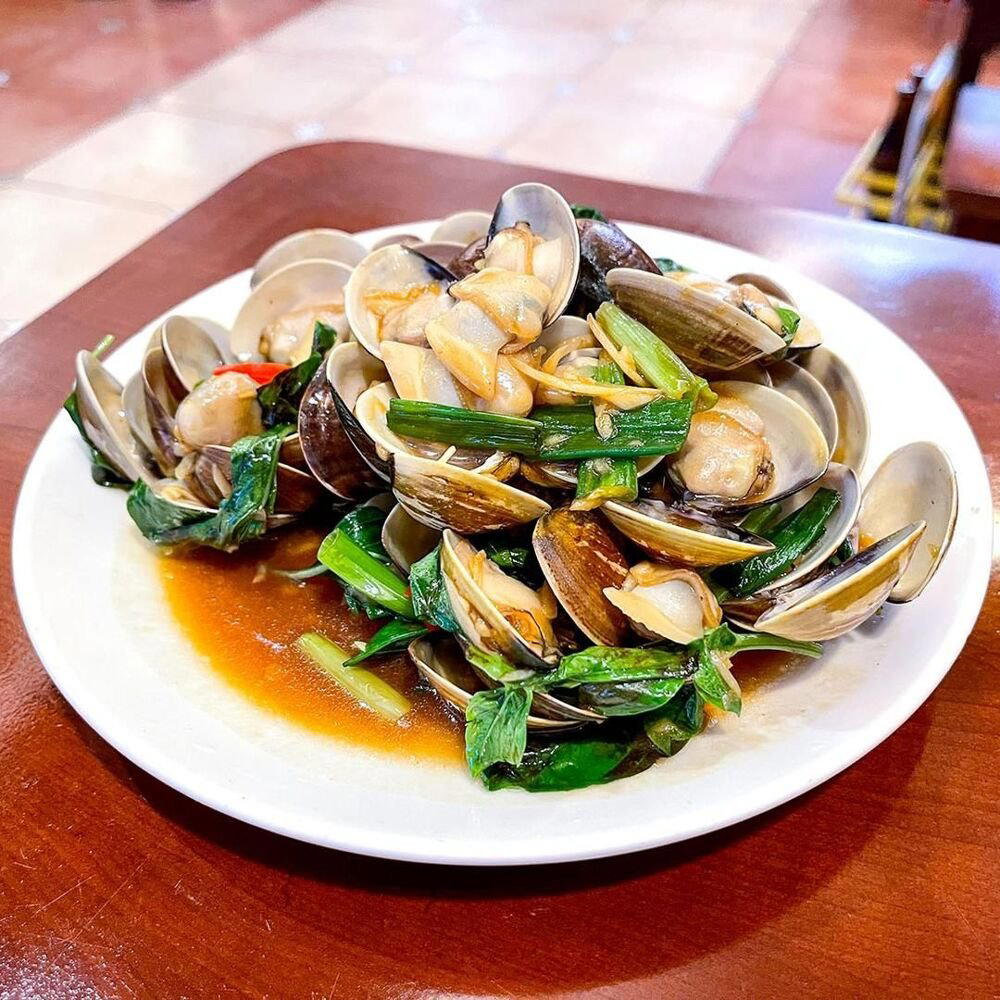
Restaurants in Taichung
All restaurants in Taichung →
Bars in Taichung
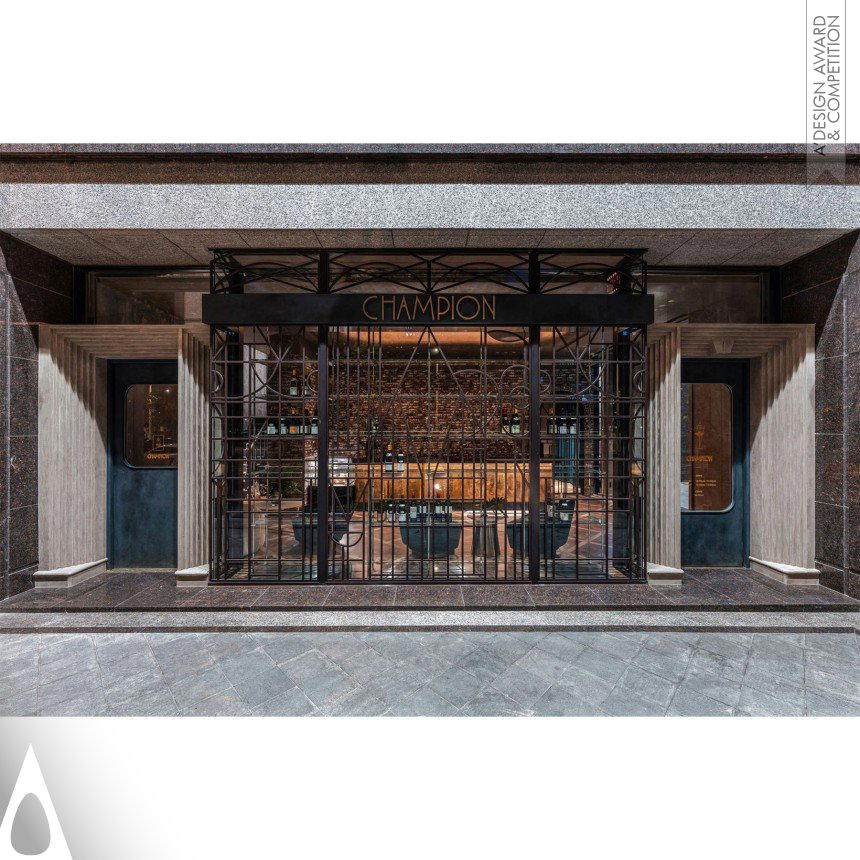
All bars in Taichung →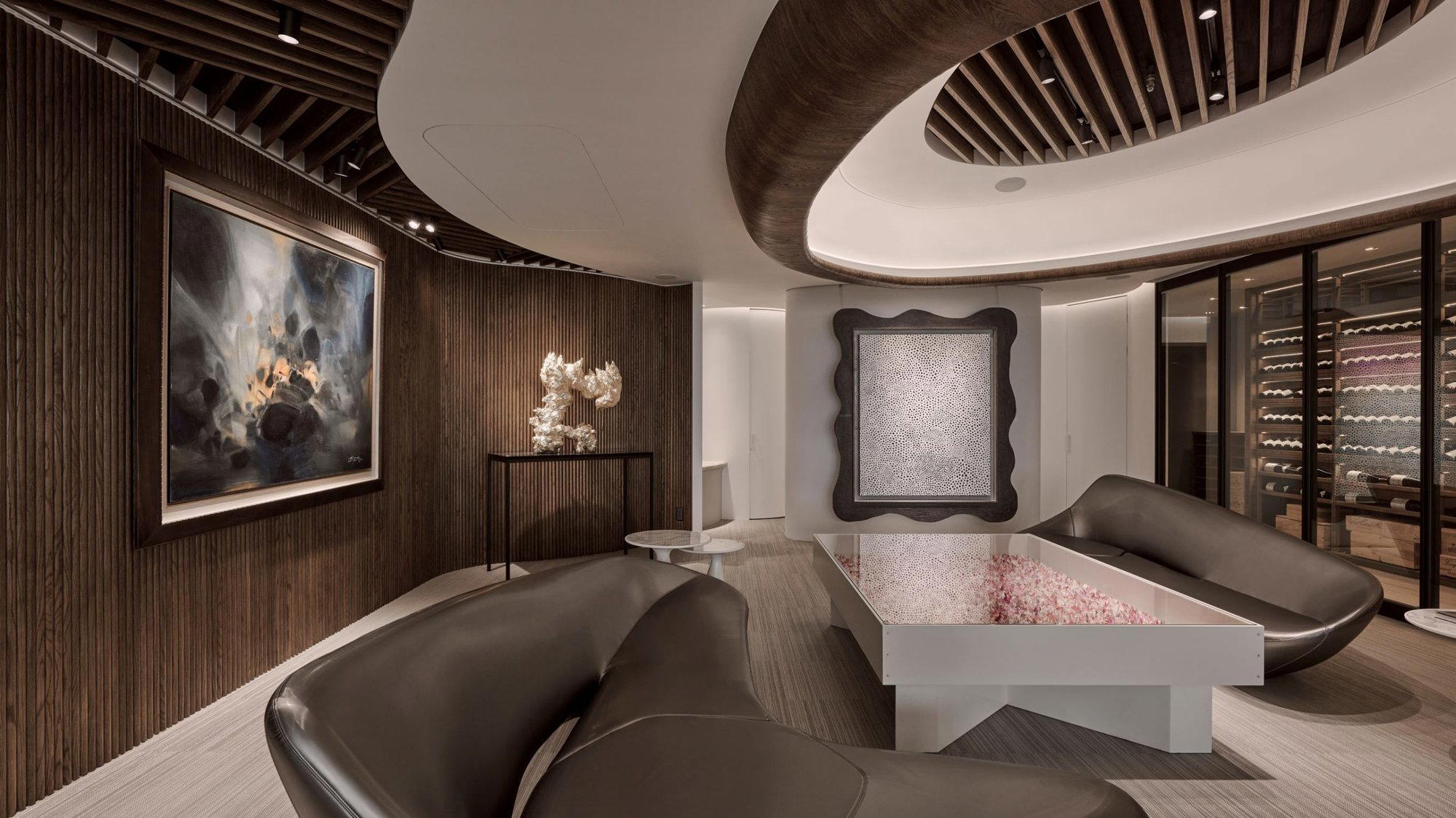
Details
- Elegant
- Sophisticated
- Modern
- Cozy
- Special Occasion
- Date Night
- Group Dining
- Sake Program
- Local Sourcing
- Tasting Menu
- A La Carte
- Set Menu
- Tea
- Vegetarian Friendly
Current opening hours
- Monday
- Closed
- Tuesday
- 11:30 AM–2:30 PM, 5:30–9:30 PM
- Wednesday
- 11:30 AM–2:30 PM, 5:30–9:30 PM
- Thursday
- 11:30 AM–2:30 PM, 5:30–9:30 PM
- Friday
- 11:30 AM–2:30 PM, 5:30–9:30 PM
- Saturday
- 11:30 AM–2:30 PM, 5:30–9:30 PM
- Sunday
- 11:30 AM–2:30 PM, 5:30–9:30 PM
Hours can change for holidays and private events. Hours as of .
East-meets-West fusion with elegant, sophisticated decor blending modern Taiwanese cultural heritage and refined intimacy.