1 Michelin Star · Star Wine List
Our verdict
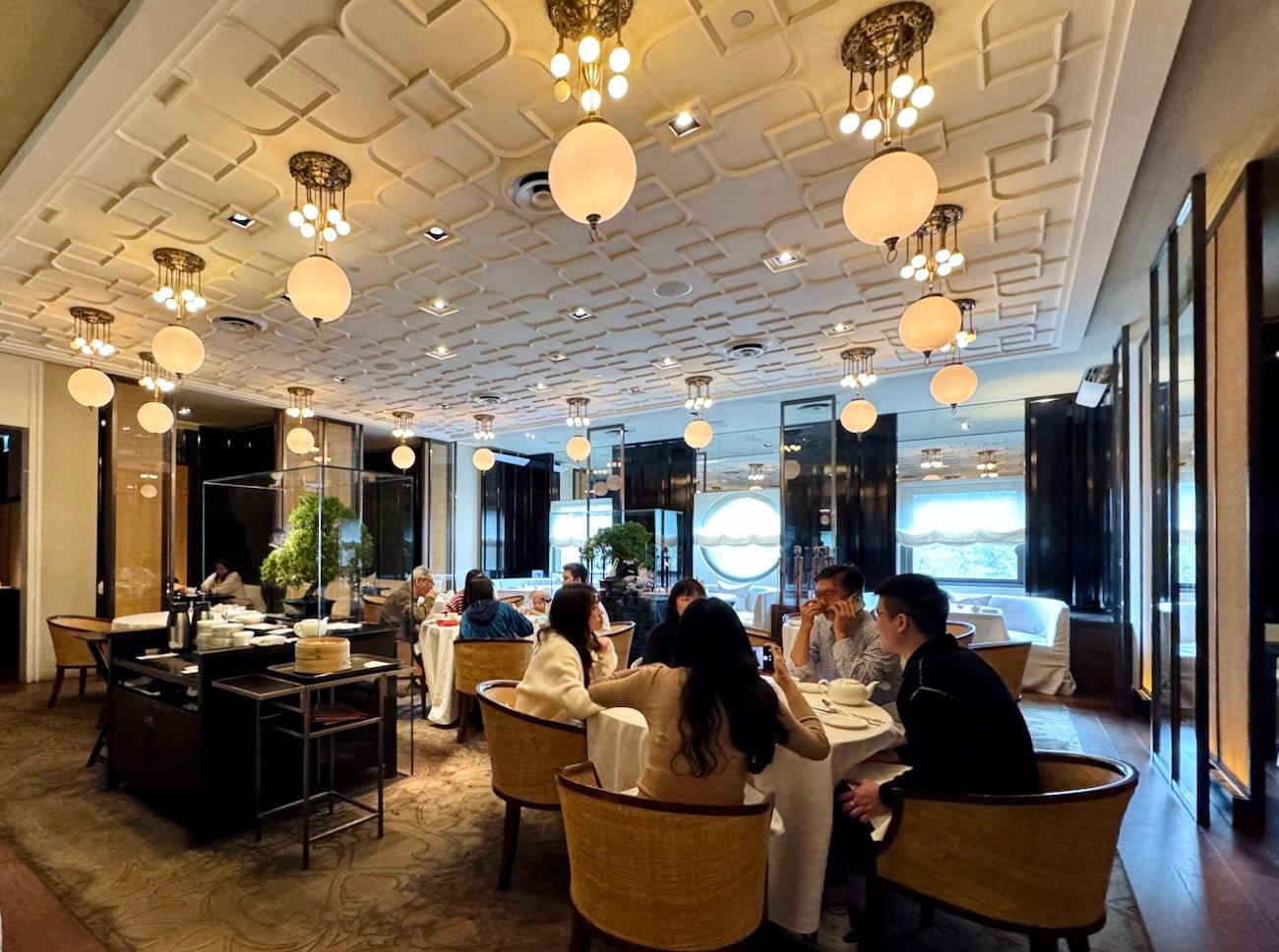
The menu reinterprets Tainan-rooted cooking through a seasonal lens, with champagne pairings as a through-line.

Pearl is the En Primeur Club membership app, where members save venues, book tables and use the concierge.
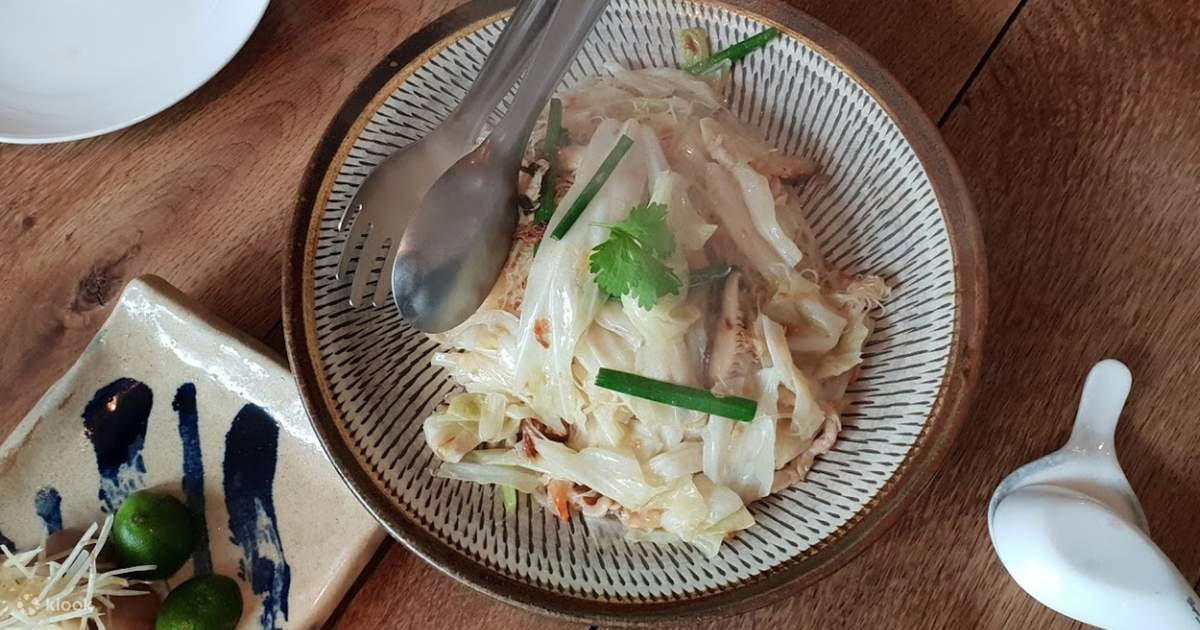
The menu
What to order
- Fujin Mapo Tofu
- Stir-Fried Oysters with Crispy Bean Stick
- Chicken Soup with Bamboo Fungus & Dried Scallops
- Braised Pork Stew with Taro
- Scrambled Eggs with Tomato and Lobster
This is not an isolated outpost.enprimeurclub.enprimeurclub.enprimeurclub. Fujin Tree's pricing makes it one of the more accessible starred Taiwanese restaurants in the city.
The Case for Champagne With Taiwanese Food
The champagne pairing concept at Fujin Tree is not decorative branding. Tainan cooking, the tradition the founder draws from, has a pronounced sweet profile, built on generous use of sugar in savoury contexts and a general preference for rounded flavours over sharp acidity. That sweetness, counterintuitively, creates a natural affinity with the dosage levels and autolytic complexity found in many non-vintage and prestige champagnes. Dry, high-acid wines that work well with Japanese or Northern Chinese food often clash with Tainan-inflected dishes. Champagne, with its bridging effervescence and layered richness, navigates that tension more reliably.
The same cross-format ambition is visible elsewhere in Taiwan's evolving restaurant scene. JL Studio in Taichung has built a reputation around Southeast Asian-influenced tasting menus with Western wine pairings, and YUENJI in Taichung operates a comparable Taiwanese contemporary format. Fujin Tree's approach is more specific: a single regional cooking tradition, one wine category, iterated across multiple locations. That specificity is part of what the 2024 Michelin recognition appears to validate.
A Menu That Moves With the Season
Fujin Tree's menu changes regularly to follow what is available, which is standard practice in serious seasonal kitchens but worth underscoring here because it affects how repeat visits accumulate. The cooking reinterprets Tainan traditions rather than reproducing them, meaning dishes are filtered through a contemporary lens while retaining the flavour architecture of the source cuisine. From the available record, two preparations remain as permanent anchors regardless of seasonal rotation: stir-fried leafy greens with wax apple, and scrambled eggs with tomato and lobster. The wax apple combination is notable because the fruit, known locally as liánwù, has a light sweetness and crisp texture that rarely appears in fine dining contexts despite being a cornerstone of Taiwanese fruit culture. Its presence as a pairing for stir-fried greens reflects the kind of locally grounded thinking that separates credible Taiwanese restaurant cooking from more generic pan-Asian formats.
The scrambled eggs with tomato and lobster takes one of Taiwan's most domestic, everyday dishes and extends it upward without erasing its origin. Scrambled egg with tomato is Taiwanese comfort food at its most accessible; adding lobster maintains the dish's essential character while shifting its register.enprimeurclub.enprimeurclub.
For a broader view of how Taiwanese regional cooking is being reinterpreted across the island, A Cun Beef Soup (Baoan Road) in Tainan represents the opposite end of the formality spectrum, while Akame in Wutai Township demonstrates how indigenous Taiwanese ingredients are being developed into standalone fine dining propositions outside the urban centre. On weekends, the kitchen runs continuously from noon to 10 PM, which removes the mid-afternoon gap and makes Saturday or Sunday the more flexible entry point if you want to arrive without committing to a precise session window. If you are planning around seasonal availability, the fact that the menu rotates means timing matters: visiting in different seasons across multiple trips will produce meaningfully different meals. Spring and autumn are the periods when Taiwan's subtropical agriculture delivers the widest range of quality produce, though the kitchen's sourcing decisions will determine what that actually means on the plate at any given visit.enprimeurclub. At the upper end, three-star addresses and $$$$-rated counters like 886 in New York City offers a point of comparison for how the cuisine translates to an international market, while A Fung's Harmony Cuisine in Kaohsiung and
Frequently asked questions
What awards or recognition does Fujin Tree Taiwanese Cuisine & Champagne (Songshan) have?
Fujin Tree Taiwanese Cuisine & Champagne (Songshan) has received recognition including: Fujin Tree Taiwanese & Champagne is a modern Taiwanese restaurant with locations in Dazhi and Dunbei, as well as a flagship in the Taipei 101 tower that opened in 2024. Owner Jay Wu has seeks to redef...; Tainan cuisine is known for its sug….
What's the pricing like at Fujin Tree Taiwanese Cuisine & Champagne (Songshan)?
Pricing at Fujin Tree Taiwanese Cuisine & Champagne (Songshan) is listed as $$.
What should I order at Fujin Tree Taiwanese Cuisine & Champagne (Songshan)?
The menu rotates with the season, but two dishes hold permanent status on the record: stir-fried leafy greens with wax apple and scrambled eggs with tomato and lobster. Both reflect the Tainan kitchen's characteristic sweetness, and both are built to hold up alongside champagne. Given the menu changes regularly, arriving with flexibility rather than a fixed target is the practical approach at this Michelin-starred address.
What cuisine category does Fujin Tree Taiwanese Cuisine & Champagne (Songshan) fall under?
What are Fujin Tree Taiwanese Cuisine & Champagne (Songshan)'s hours?
Hours at Fujin Tree Taiwanese Cuisine & Champagne (Songshan): Monday 12 PM-3 PM 5 PM-10 PM Tuesday 12 PM-3 PM 5 PM-10 PM Wednesday 12 PM-3 PM 5 PM-10 PM Thursday 12 PM-3 PM 5 PM-10 PM Friday 12 PM-3 PM 5 PM-10 PM Saturday 12 PM-10 PM Sunday 12 PM-10 PM.
Where do I go for Fujin Tree Taiwanese Cuisine & Champagne (Songshan)?
Fujin Tree Taiwanese Cuisine & Champagne (Songshan) is located at 10548, Taiwan, Taipei City, Songshan District, Lane 199, Dunhua N Rd, 17號1樓, Taipei.
Nearby-ish Comparables
| Venue | Cuisine | Price | Awards | Notes |
|---|---|---|---|---|
| Fujin Tree Taiwanese Cuisine & Champagne (Songshan)This venue (the venue you are viewing) | Modern Taiwanese Cuisine with Champagne Pairings | $50–100 | 1 Michelin Star · Star Wine List | Not listed |
| logy | Modern Japanese-Taiwanese Fusion Omakase | $100–150 | 2 Michelin Stars · World's 50 Best #22 | Modern European, Asian Contemporary |
| Le Palais | Fine Dining Cantonese | $150–200 | 3 Michelin Stars · La Liste Top Restaurants | Cantonese |
| Taïrroir | Taiwanese-French Fusion Fine Dining | $150–200 | 3 Michelin Stars · La Liste Top Restaurants | Taiwanese/French, Taiwanese contemporary |
| Mudan Tempura | Michelin-Starred Tempura | Not listed | 2 Michelin Stars · La Liste Top Restaurants | Tempura |
| de nuit | Contemporary French | $150–200 | 1 Michelin Star · Star Wine List | French Contemporary |
Recognition history
Dated appearances from independent guides and award organizations, with the underlying list record or original source where available.
Michelin 1 Star
Michelin
Star Wine List
Star Wine List
Opinionated About Dining Top Restaurants in Asia Recommended
Opinionated About Dining
Full recognition history (5 entries)
Michelin 1 Star
Michelin
Michelin 1 Star
Michelin