
Yoshoku Masuda sits in Kobe’s everyday yoshoku tradition, where hamburger steak, curry and Japanese-style Western cooking carry more weight than ceremony. Its 2025 Tabelog 100 Yoshoku WEST selection gives it a clear credential, while the modest spend level makes the appeal unusually direct for travellers comparing Kobe’s casual dining with its costlier beef-focused rooms.
Pearl is the En Primeur Club membership app — saves, bookings, and concierge access live there. Same editors, same standards.
- Address
- 兵庫県神戸市中央区花隈町33-12
- Phone
- +81783620126
- Website
- tabelog.com
 Saves & bookings on Pearl
Hanakuma is not the version of Kobe that sells itself through harbour views and polished hotel lobbies. The area feels more local and compressed: station streets, small dining rooms, and a rhythm shaped by lunch breaks rather than destination dining theatre. In that setting, yoshoku has the right scale. It is Western food translated through Japanese habits, less about imported authenticity than about rice-friendly sauces, set-meal logic and the comfort of familiar formats done with care.
That context matters because Kobe’s dining identity is often flattened into beef. Visitors arrive primed for teppanyaki, wagyu counters and polished rooms such as Aburi Niku Kobo Wakkoku Shinkobe ten or Aburi Niku Kobo Wakkoqu Kitano Sakamoto Ten. Yoshoku offers a different reading of the city: everyday Western-derived cooking that became Japanese through repetition, portioning and sauce work. Yoshoku Masuda belongs to that lane, with hamburger steak and curry anchoring the category rather than acting as casual afterthoughts.
Yoshoku in Kobe works because value is part of the format
Yoshoku’s appeal is not built on rarity. It is built on the promise that familiar dishes can carry serious local judgment without the ceremony or spend of a tasting-menu restaurant. A Tabelog 100 Yoshoku WEST 2025 selection puts Yoshoku Masuda inside a defined regional group for Japanese-style Western cooking, which is useful because the category is broad: old-school counters, family restaurants, curry specialists and polished bistros can all use the same vocabulary. Recognition narrows the field.
The value proposition is especially clear in Kobe, where the gap between everyday meals and beef-led dining can be wide. Comparison venues in the city show the spread: Marche sits in a similar low-spend bracket, while Akari is listed much higher, and Mangetsu higher again. That does not make one format superior; it clarifies the decision. Yoshoku is the answer when the meal should feel local, specific and grounded, without turning dinner into the main financial event of the day.
For travellers building a Kobe itinerary, this kind of restaurant also fills a practical gap between more deliberate reservations and lighter stops. A coffee break at Akaneya Coffee Ten, a higher-spend dinner at Akari, or a broader sweep through Ali's Halal Kitchen all say different things about the city’s range. Yoshoku sits in the middle of that map: casual enough for a weekday, distinctive enough to beat an anonymous station meal.
The room tells you not to overcomplicate the order
Small rooms change the way yoshoku reads. With only a limited number of seats, the format tends to reward direct ordering rather than grazing. The categories here point the reader toward the essentials: Japanese-style Western cuisine, hamburger steak and curry. Those labels are broad, but they are also the point. Yoshoku is a cuisine of translation, where the question is not whether a dish is French, American or British in origin, but how convincingly it has been absorbed into Japanese daily eating.
That is why the stronger move is to treat the meal as a study in category rather than chase novelty. Hamburger steak in Japan is not merely a substitute for a burger; it is its own domestic standard, judged by texture, sauce and how it sits with rice. Curry, likewise, belongs to a Japanese lineage separate from South Asian curry houses and European hotel curries. The same traveller who would compare regional ramen styles should apply that same seriousness here.
The Tabelog score of 3.52 is another useful signal, not as a universal verdict but as a local calibration point. Japanese review culture often compresses numbers more tightly than international travellers expect, and specialist lists carry weight because they sort dense categories into more readable shortlists. In a cuisine where the differences can be quiet, the award matters more than a dramatic narrative.
How to place it in a Kobe day
Kobe rewards a mixed itinerary. The city has hotel dining, beef counters, coffee culture, Chinese and port-city influences, and compact neighbourhood restaurants that do not need a long preamble. For a wider scan, Our full Kobe restaurants guide is the right starting point, with parallel planning through Our full Kobe hotels guide, Our full Kobe bars guide, Our full Kobe wineries guide and Our full Kobe experiences guide. The point is balance: one polished meal, one local-format meal, one neighbourhood stop.
Yoshoku Masuda fits that second slot. It is not trying to compete with steakhouse ceremony or cocktail-bar technique. Its usefulness lies in showing how Kobe eats when the meal is about appetite, price discipline and local habit. For visitors moving beyond the city, the comparison can widen: beef-focused cooking at -Grilled beef Sukiyaki- KAMAKURA TANUKIAN 鎌倉 たぬき庵 in Kamakura, casual Tokyo drinking food at. 鮪と炭火焼き うお炭 秋葉原店 in Tokyo, cafe culture at.cafe in Osaka, regional dining at.know in Kumamoto, Vietnamese cooking at (Shoku) Vietnam in Kawasaki, curry specialization at [Curry Senmon Ten] Maruyama Kyoju. in Sapporo, sake-led Los Angeles dining at Jōdo Saké Bar in Los Angeles, and Japanese comfort food abroad at Onigiri Time in Pasadena all frame how specific formats travel, adapt and hold their identity.
The editorial case is simple: in a city where premium dining often points visitors toward beef, yoshoku offers a lower-cost way to understand Kobe’s everyday palate. The restaurant earns attention because the category is humble, the recognition is concrete, and the spend-to-specificity ratio is strong. That combination is harder to find than another expensive meal with better lighting.
Recognition Snapshot
Comparable options at the same price tier.
| Venue | Cuisine | Price | Notes |
|---|---|---|---|
| Yoshoku MasudaThis venue — the venue you are viewing | Traditional yoshoku (Japanese-style Western) | $ | Not listed |
| Tsukemen Shigeta | Tsukemen & Ramen Shop | $ | Nada |
| ENISHI | Tantanmen ramen specialist | $ | Nada |
| Pan Yakidokoro RIKI | Japanese artisan bakery | $ | Chūō |
| Gyoza no Mise Hyotan Sannomiya ten | Kobe-style gyoza specialty shop | $ | Chūō |
| Kinton Koube ten | Tonkatsu (Japanese pork cutlet) | $ | Chūō |
Recognition history
Dated appearances from independent guides and award organizations, with the underlying list record or original source where available.
Tabelog 100 #84 · No. 84
Tabelog · Tabelog 100 - Yoshoku - WEST - 2025
Continue exploring
More in Kobe
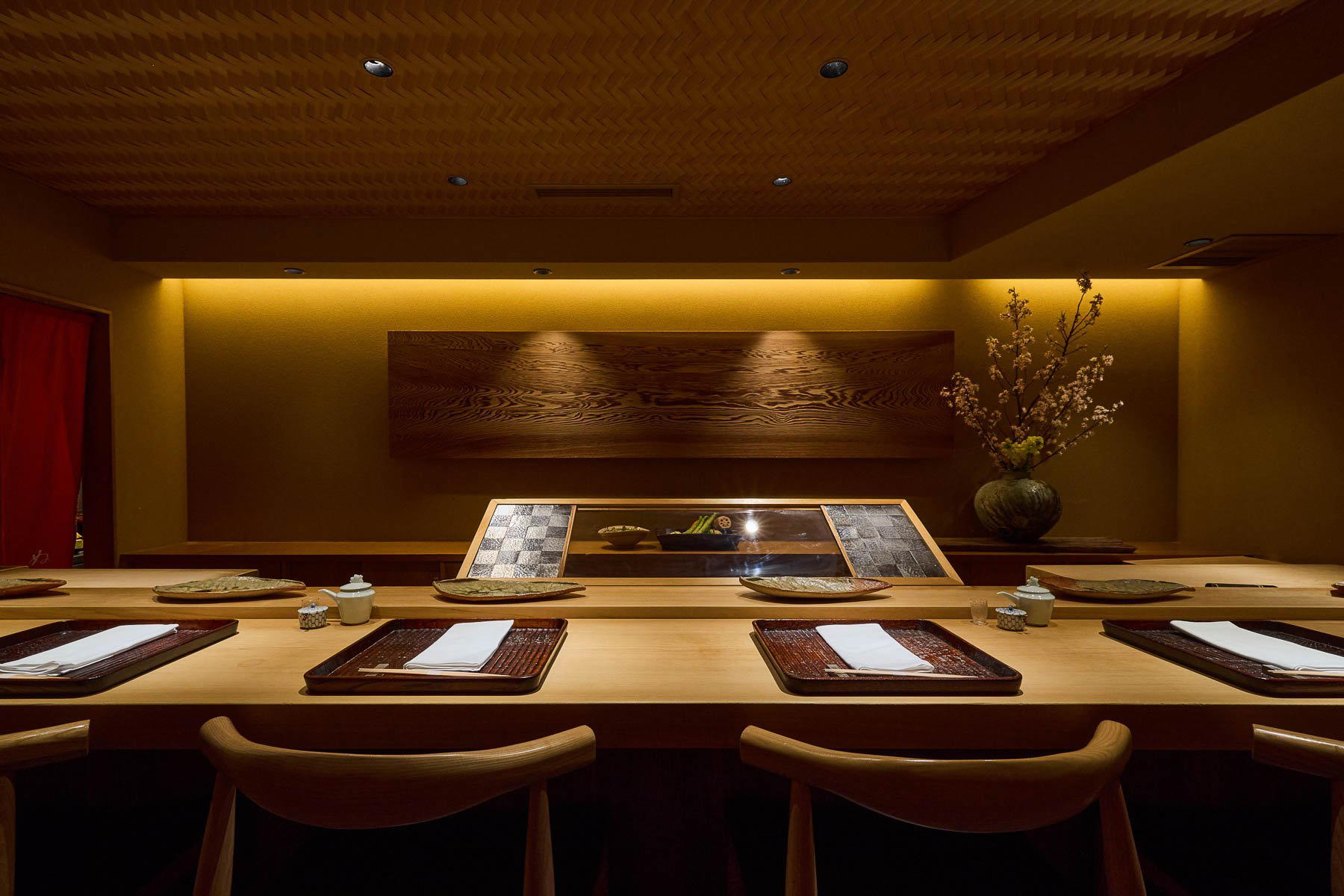
Restaurants in Kobe
Browse all →
Bars in Kobe
Browse all →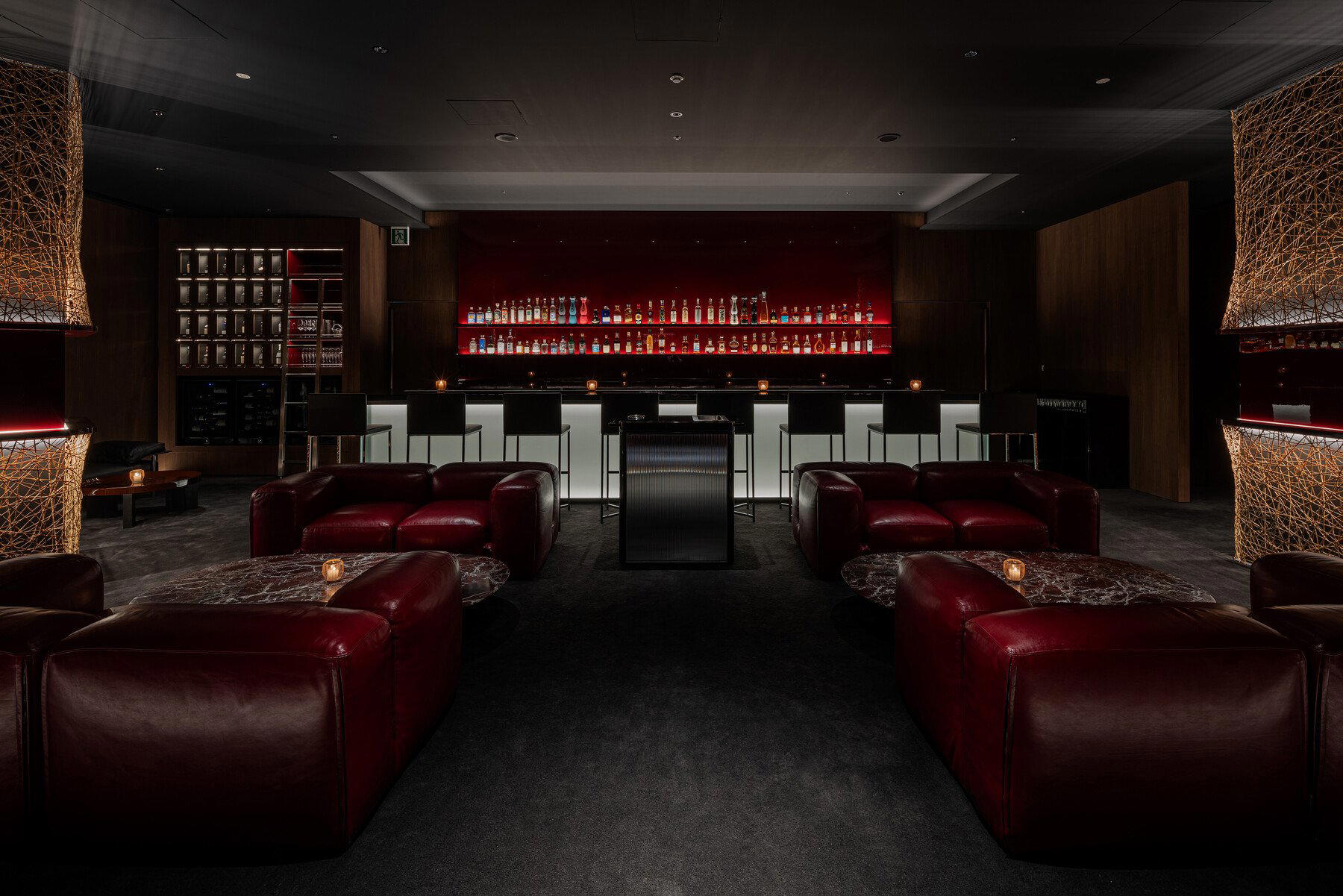



Hotels in Kobe
Browse all →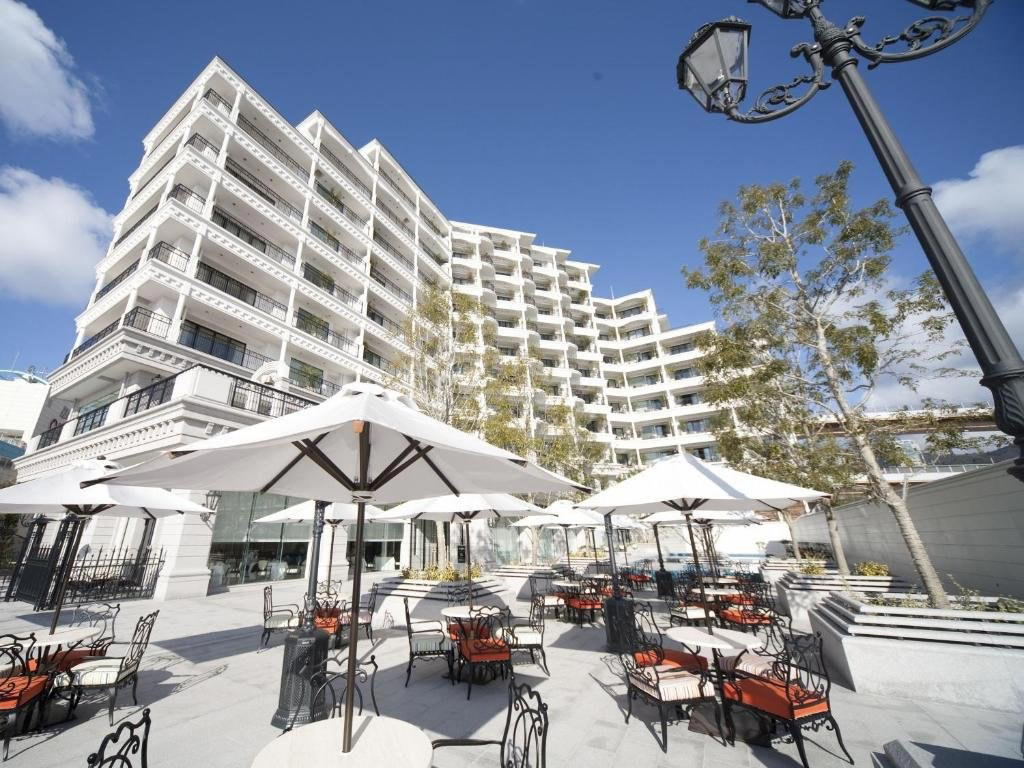


At a Glance
- Cozy
- Classic
- Intimate
- Family
- Casual Hangout
- Solo
- After Work
- Group Dining
- Standalone
A small, non-smoking neighborhood hideout with only 14 seats and a relaxed, unpretentious atmosphere, offering a calm, cozy space for families and friends over classic yoshoku comfort food.