
ENISHI places Kobe’s compact noodle-counter ritual in sharp focus: fast pacing, a small room, and dan dan noodles rather than the city’s usual beef shorthand. Its repeated selection for Tabelog Ramen WEST “Tabelog 100” and Michelin Bib Gourmand recognition give it serious credentials without moving it out of the everyday ramen register.
Pearl is the En Primeur Club membership app — saves, bookings, and concierge access live there. Same editors, same standards.
- Address
- 5 Chome-2-32 Iwaya Kitamachi, Nada Ward, Kobe, Hyogo 657-0846, Japan
- Phone
- +81 78-861-7776
- Website
- omo-kansha.com
 Saves & bookings on Pearl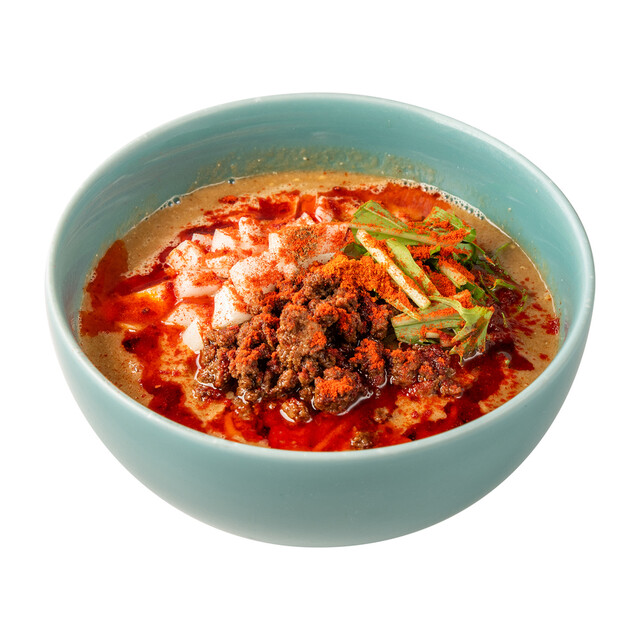
Approaching a serious ramen counter in Kobe is unlike entering a long-form kaiseki room or ceremony-led steakhouse. The ritual is compressed: decide quickly, sit close, eat while the noodles peak, and make room for the next person. ENISHI belongs to that tighter grammar of Japanese dining, where drama sits in timing, seasoning, and small-room discipline rather than linen, course cards, or drawn-out service.
Visitors often reduce Kobe to beef, but its everyday dining culture is broader and more useful. Nada and Iwaya sit away from the hotel-heavy centre, and that shift matters. This is Kobe as a single bowl, counter seat, and narrow specialty. The premium end has Aburi Niku Kobo Wakkoku Shinkobe ten, Aburi Niku Kobo Wakkoqu Kitano Sakamoto Ten, Daiei, and Kiraku, where beef and higher budgets define the choice. ENISHI sits on another axis: low-cost, high-turnover, and judged by how convincingly one specialty carries the room.
Dan dan noodles as Kobe counter culture, not a side category
In Japan, ramen excellence is rarely only about soup. Serious shops narrow the field: brothless tantan-men, spicy noodle soup, tsukemen, shio, niboshi, or another tightly held lane. ENISHI’s lane is tantan-men, in brothless and soup versions, a format that rewards balance over excess. Heat, oil, nutty weight, noodle texture, and minced meat must work in sequence; if one dominates, the bowl turns flat or punishing. The public description names more than 20 types of homemade spicy oil, minced Kobe pork, Awaji Island onions, Indian cashews, shiba-zuke, and whole-wheat noodles. Those details show why the category works here: layering, not brute chilli.
The Michelin Bib Gourmand reference attached to its dan dan noodles suits this tier. Bib Gourmand does not ask a ramen counter to act like luxury dining; it rewards value, clarity, and consistency in a brief meal. Tabelog’s repeated selection of ENISHI for Ramen WEST “Tabelog 100” from 2017 through 2025 adds another signal. In a region crowded with noodle specialists, repeated selection matters more than a single-year mention; it suggests the shop has stayed visible in a restless category where new openings quickly draw attention.
The comparison is not only other ramen counters. Kobe’s casual range includes Akaneya Coffee Ten, Akari, Ali's Halal Kitchen, Yoshoku SAEKI, Karapincha, and Kanmidokoro Akachaya, each serving a different everyday appetite: coffee-house ritual, local cooking, halal dining, yoshoku, Sri Lankan spice, or sweets. ENISHI belongs in that practical Kobe map, not a luxury-only itinerary. It is a specialist stop for readers who want the city below the headline price tier.
The meal moves fast, and that is part of the point
Counter-based noodle dining in Japan has its own etiquette. The meal is not carelessly rushed; it is paced around the product. Noodles change as they sit, spice oils separate, and brothless tantan-men demands mixing, eating, and finishing with attention rather than lingering conversation. The compact seating count reinforces that rhythm. A small counter-and-table room feels social without becoming performative: close enough to read the cadence of orders and bowls, tight enough that hesitation has consequences.
That is why the absence of a reservation culture is not a flaw. Ramen and tantan-men shops run on appetite, queue discipline, and turnover. For a traveler, treat the meal as a focused stop, not the anchor of an entire evening. It suits a day including the Hyogo Prefectural Museum of Art area, Nada’s sake-brewing districts, or movement between Sannomiya and the eastern neighbourhoods. Readers planning a longer Kobe sequence can pair this meal with Our full Kobe restaurants guide, then widen the trip through Our full Kobe hotels guide, Our full Kobe bars guide, Our full Kobe wineries guide, and Our full Kobe experiences guide.
The ordering logic is simple: choose the tantan-men style that matches your tolerance for chilli and richness, then respect the bowl’s pace. The restaurant’s description also notes non-spicy dan dan noodles and Chinese soba, making the room more flexible than a spice-only specialist. That flexibility is not the central achievement, but it helps mixed groups and families. A small, serious noodle counter that handles different heat tolerances fits more easily into a Kobe day than one built only for maximal intensity.
Where ENISHI fits in a serious Kobe itinerary
The strongest case for ENISHI is editorial rather than touristic. It shows how Kobe’s dining identity works when beef is not the lens. The city has premium meat rooms, port-city cafés, neighbourhood sweets, and a growing appetite for spice-led cooking; this counter sits where Japanese noodle culture meets a Sichuan-derived form reshaped through local ingredients and ramen-shop discipline. That makes it more revealing than another generic lunch stop.
For travelers moving through Japan with food as the organising principle, ENISHI also connects Kobe to a national pattern: highly specific, low-friction meals competing on craft rather than luxury signals. That logic appears differently at -Grilled beef Sukiyaki- KAMAKURA TANUKIAN 鎌倉 たぬき庵 in Kamakura. 鮪と炭火焼き うお炭 秋葉原店 in Tokyo.cafe in Osaka.know in Kumamoto, (Shoku) Vietnam in Kawasaki, and [Curry Senmon Ten] Maruyama Kyoju. in Sapporo. Outside Japan, the same interest in focused formats draws readers toward Jōdo Saké Bar in Los Angeles and Onigiri Time in Pasadena, though those are different cities and dining cultures.
The verdict is clear without overselling it: this is a Kobe stop for people who understand that a short meal can carry as much local information as a long one. Go for the tantan-men, read the room’s pace, and treat the bowl as a precise expression of the city’s everyday dining intelligence.
- Tantanmen (small spice)
- Tantanmen (medium spice)
- Noko rich broth tantanmen
- Koujun aromatic tantanmen
- Mala tantanmen
- Curry spice tantanmen
- Tokusei chuka soba
- Tokusei miso chuka soba
Cuisine Context
Comparable venues by category and price.
| Venue | Cuisine | Price | Notes |
|---|---|---|---|
| ENISHIThis venue — the venue you are viewing | Tantanmen ramen specialist | $ | Not listed |
| Rojiura Stand Abec | Japanese Izakaya | $ | Chūō |
| Ipposhi | Tori paitan ramen shop | $ | Nada |
| Gyoza no Mise Hyotan Sannomiya ten | Kobe-style gyoza specialty shop | $ | Chūō |
| Yaoki | Traditional Soba & Japanese Small Plates | $$ | Chūō |
| European Ryori Mon | Classic Yoshoku (Japanese Western-style) | $$ | Chūō |
Recognition history
Dated appearances from independent guides and award organizations, with the underlying list record or original source where available.
Tabelog 100 #49 · No. 49
Tabelog · Tabelog 100 - Ramen - WEST - 2025
Continue exploring
More in Kobe
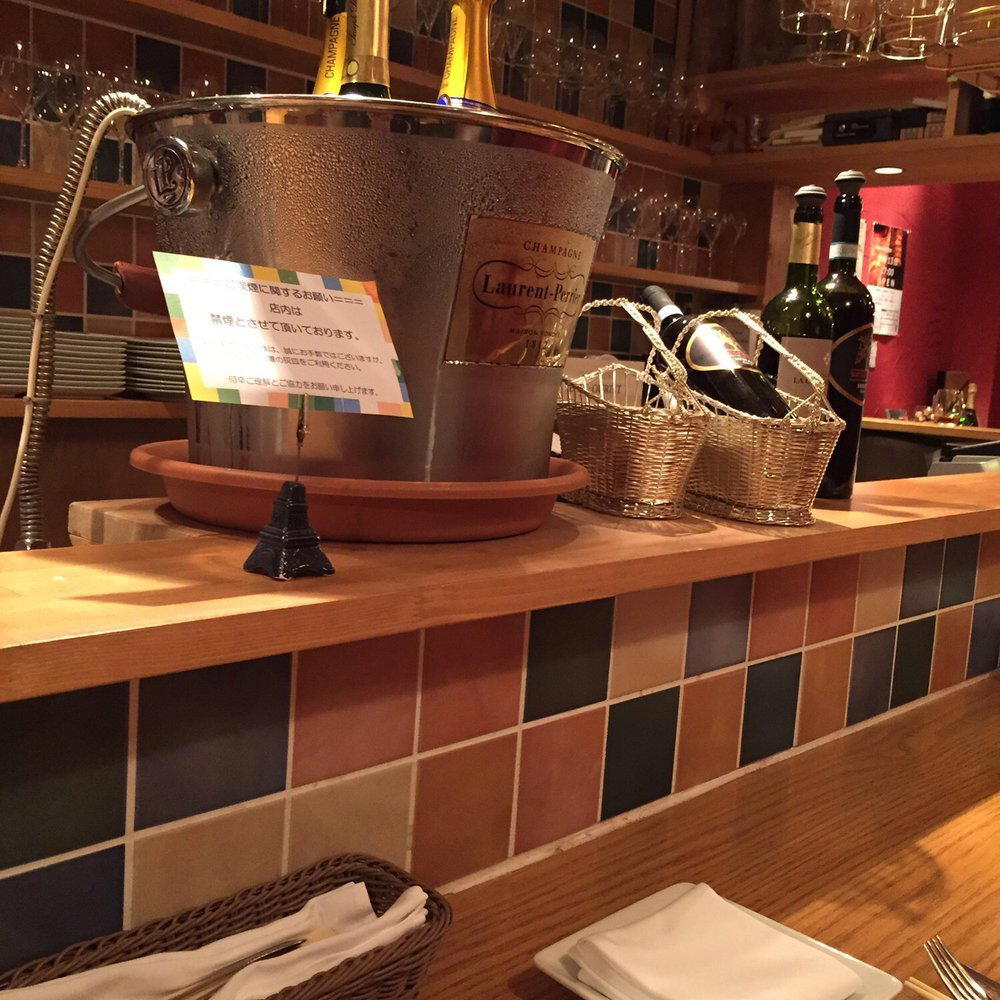
Restaurants in Kobe
Browse all →
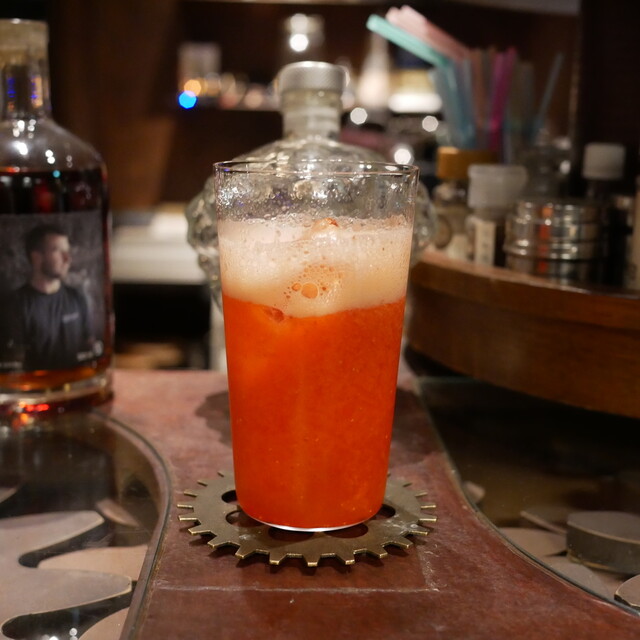
Bars in Kobe
Browse all →
Hotels in Kobe
Browse all →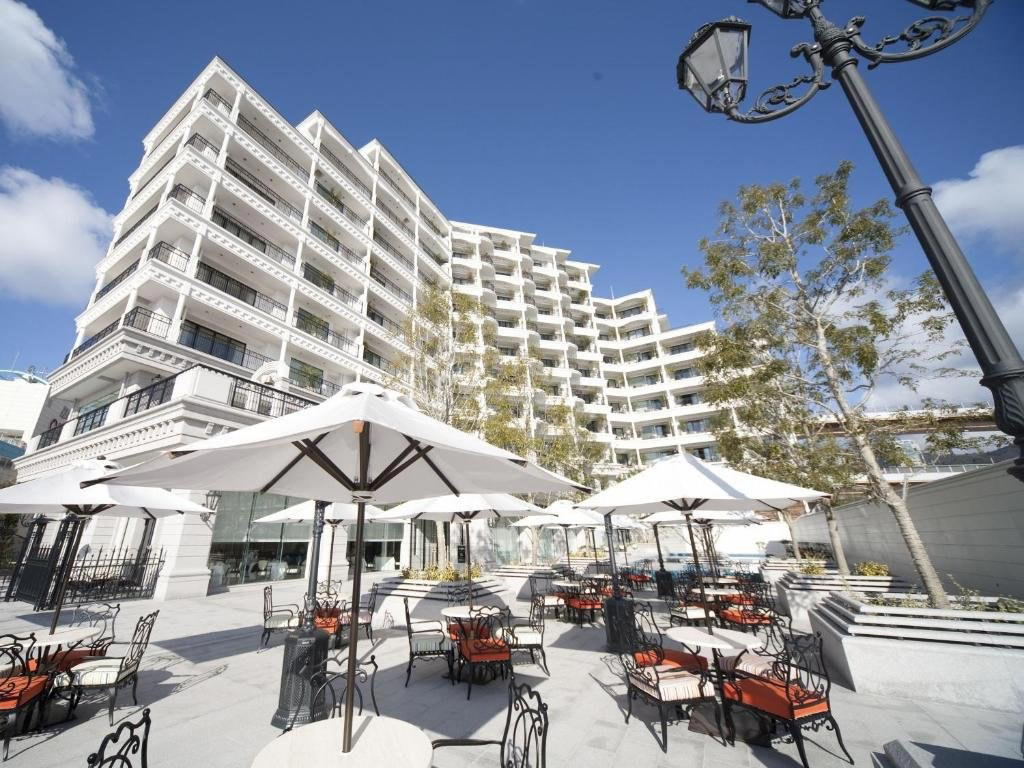


At a Glance
- Lively
- Cozy
- Solo
- Casual Hangout
- After Work
- Standalone
Current opening hours
- Monday
- 11 AM–11 PM
- Tuesday
- 11 AM–11 PM
- Wednesday
- 11 AM–11 PM
- Thursday
- 11 AM–11 PM
- Friday
- 11 AM–11 PM
- Saturday
- 11 AM–11 PM
- Sunday
- 11 AM–11 PM
Hours can change for holidays and private events. Last verified .
Compact, counter-focused ramen shop with a bustling, casual atmosphere where guests quickly slurp bowls of spicy tantanmen in a simple, no-frills setting typical of neighborhood noodle joints.