
Alpenjiro Honten places Yokohama’s curry culture in a precise, ritual-led format: soup curry, curry, and steak in a compact Naka Ward room with counter, table, and terrace seating. Its repeated Tabelog Curry Hyakumeiten selections, including the 2024 EAST list, put it in a serious regional curry bracket without pushing it into formal dining territory.
Pearl is the En Primeur Club membership app — saves, bookings, and concierge access live there. Same editors, same standards.
- Address
- 3 Chome-26 Yayoicho, Naka Ward, Yokohama, Kanagawa 231-0058, Japan
- Phone
- +81 45-261-4307
- Website
- alpinjiro.jp
- Directions
- Get directions
 Saves & bookings on Pearl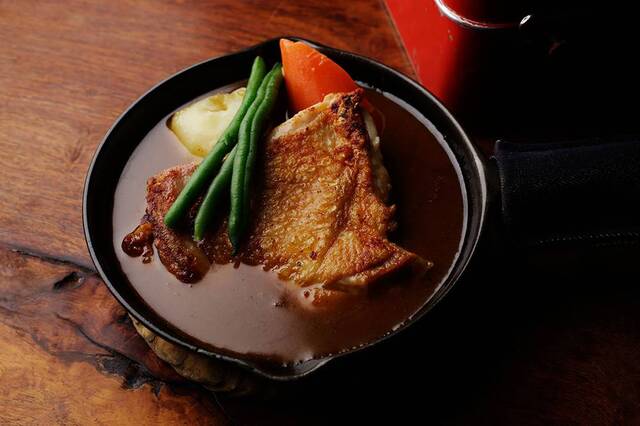
The first cue is not ceremony in the sushi-counter sense, but the practical choreography of a busy Yokohama curry room: a compact dining space, counter seats for solo diners, tables for groups, and a terrace that changes the rhythm from quick lunch to slower evening plate. Curry in Japan often reads as comfort food, but Yokohama gives the category a broader frame. The city has long absorbed foreign foodways through its port history, then folded them into everyday eating rather than museum-piece nostalgia. In that context, Alpenjiro Honten belongs to the serious casual tier: focused enough to earn repeated curry recognition, accessible enough to remain part of ordinary city dining.
Its category tells the story before any biography would. Soup curry, curry, and steak sit together here, which places the meal between Japanese curry’s rice-and-sauce familiarity and the more ingredient-forward style associated with soup curry shops. The ritual is direct: choose heat and sweetness, settle into a room built for turnover as much as lingering, and treat the plate as a complete meal rather than a tasting exercise. That makes it different from Yokohama’s higher-ticket heritage beef rooms such as the comparison set around Arai Ya Honten or Ota Nawanoren, where price and pacing signal a separate occasion. Here, recognition comes from consistency inside a narrower, everyday format.
Yokohama curry as a fixed ritual, not a tasting-menu performance
Japanese curry rewards repetition. Diners return to the same places because the format is legible: spice level, rice, sauce texture, protein, and the house’s balance between sweetness and heat. Alpenjiro Honten’s listing in Tabelog Curry EAST “Tabelog 100” 2024, alongside previous selections in 2017, 2018, 2019, 2020, 2022, and 2023, matters because curry rankings tend to favour shops that can repeat a narrow promise under daily pressure. A 3.70 Tabelog score adds another signal, less glamorous than a star rating but useful in Japan’s restaurant culture, where fractional movement can reflect sustained diner scrutiny.
The meal’s discipline is closer to ramen or tonkatsu than to fine dining. Seats turn, regulars know the rhythm, and the kitchen’s identity sits in the format rather than a long chef narrative. That is why the steak-curry positioning carries weight: meat changes the register without turning the room into a steakhouse. In Yokohama, where casual dining can swing from Chinese legacy cooking to port-city Western yoshoku, that hybrid category feels natural rather than forced.
For readers mapping a Yokohama food day, this sits in a different lane from yakitori at 1000 (Yakitori (Grilled chicken skewers)), Chinese cooking at Aichun, spice-focused meals at Ajowan, or meatier local dining at Arai Ya Bankokubashi ten. Curry should not be treated as a filler lunch between bigger reservations. In Japan, a serious curry shop often carries its own grammar, and the repeat Hyakumeiten record is the useful proof point here.
The room suits families, solo diners, and low-friction meals
The venue’s 26-seat format, with 10 counter seats and 16 table seats, shapes the experience. Counter seating keeps solo dining normal, while table seating and a terrace broaden the audience beyond office workers and curry obsessives. Children are explicitly accommodated, including babies, preschoolers, school-age children, and strollers, with sweetness and spiciness adjustable across curries. That detail matters because curry heat is often the barrier for family meals; here, the ritual can be tuned without asking the kitchen to step outside its core category.
Service details reinforce the same casual-serious register. The space is non-smoking, private rooms are unavailable, and private use is not part of the format. Payment coverage is broad, spanning major cards, transport IC cards, and QR options, which makes the meal feel current rather than old-school cash-only. Wine and cocktails are listed, an unusual enough signal for a curry room to suggest that dinner can stretch beyond a quick plate, though the food remains the anchor.
Yokohama’s restaurant map rewards this kind of segmentation. A visitor can treat the city as a single dining field, moving between neighborhood specialists rather than chasing only formal counters. For a wider scan, use Our full Yokohama restaurants guide, then place this meal against adjacent categories: Our full Yokohama hotels guide for where to stay, Our full Yokohama bars guide for after dinner, Our full Yokohama wineries guide for wine-led planning, and Our full Yokohama experiences guide for the city beyond the table.
How to read it against the wider Japanese casual canon
Alpenjiro Honten is useful because it shows how a casual Japanese meal can carry critical weight without adopting luxury codes. Yokohama has bargain counters such as Suzukiya Akebono chou ten in the comparison set, midrange everyday meals such as Trouville and Ganso Juhachiban, and much higher-spend beef traditions. This curry room sits in the middle by price and at the serious end by category recognition. That is the point: not every meal with editorial value needs scarcity, ceremony, or a named chef.
The broader Japanese context is helpful. Curry specialists in Sapporo, Tokyo, Kanagawa, and beyond often define themselves through sauce structure, heat calibration, and protein choices rather than long menus. Readers following that thread can compare the category with [Curry Senmon Ten] Maruyama Kyoju. in Sapporo, then branch into other casual formats such as Anzen Shokudo, (Shoku) Vietnam in Kawasaki, -Grilled beef Sukiyaki- KAMAKURA TANUKIAN 鎌倉 たぬき庵 in Kamakura. 鮪と炭火焼き うお炭 秋葉原店 in Tokyo.cafe in Osaka, and.know in Kumamoto.
For international comparison, the appeal is not that the venue imitates global premium dining; it does the opposite. It proves that a tightly controlled everyday format can be as destination-worthy as a bar with a larger drinks narrative or a dining room with heavier service architecture. Readers moving between Japan and the United States can set that against the focused formats at Jōdo Saké Bar in Los Angeles or Onigiri Time in Pasadena. The through-line is format discipline: a short idea, repeated well, with enough specificity to justify the detour.
Where It Fits
Nearby venues at a similar price tier for orientation.
| Venue | Cuisine | Price | Notes |
|---|---|---|---|
| Alpenjiro Honten | Soup and steak curry house | $$ | Naka |
| TRICK (鶏喰) | Chicken Shoyu Ramen | $$ | Yoshinocho |
| Rakkyo & Star | Hokkaido-style Soup Curry & Café | $$ | Kōhoku |
| Yoshoku Kimura Noge ten | Classic Yokohama yoshoku (Japanese Western-style) | $$ | Naka |
| Ashibi | Neighborhood Tonkatsu & Japanese Set Meals | $$ | Tsuzuki |
| Ramen Garaku | Japanese Ramen | $$ | Aoba |
Recognition history
Dated appearances from independent guides and award organizations, with the underlying list record or original source where available.
Tabelog 100 #39 · No. 39
Tabelog · Tabelog 100 - Curry - EAST - 2024











At a Glance
- Cozy
- Rustic
- Well Known
- Casual Hangout
- Family
- Group Dining
- Solo
- After Work
- Standalone
- Local Sourcing
Current opening hours
- Monday
- Closed
- Tuesday
- 11 AM–2:30 PM, 5–9 PM
- Wednesday
- 11 AM–2:30 PM, 5–9 PM
- Thursday
- 11 AM–2:30 PM, 5–9 PM
- Friday
- 11 AM–2:30 PM, 5–9 PM
- Saturday
- 11 AM–2:30 PM, 5–9 PM
- Sunday
- 11 AM–2:30 PM, 5–9 PM
Hours can change for holidays and private events. Last verified .
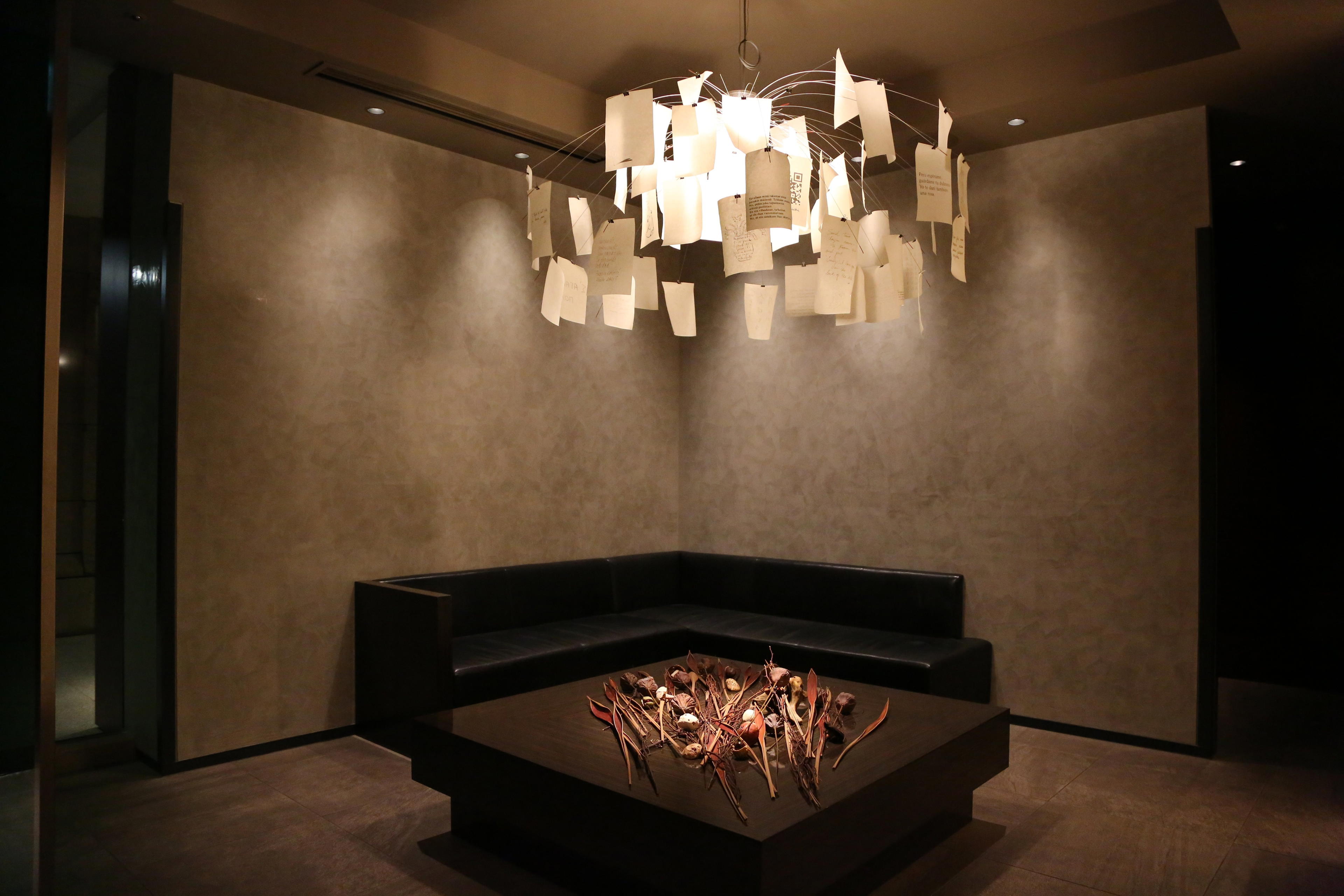
Warm and rustic, with a mountain-lodge feel and a casual, lively atmosphere suited to friends and families rather than formal dining.