
Yakiniku AJITO Souhonten sits in Yokohama’s station-area yakiniku circuit, with Tabelog 100 Yakiniku EAST 2025 selection placing it among the region’s more visible grill rooms. The appeal is less ceremony than coordination: counter, table service, drinks, and grill pacing working around beef, tripe, and Korean-influenced categories in a compact urban setting.
Pearl is the En Primeur Club membership app — saves, bookings, and concierge access live there. Same editors, same standards.
- Address
- 神奈川県横浜市神奈川区鶴屋町2-19-6 ガレリア横浜 2F
- Phone
- +81455947015
- Website
- instagram.com
 Saves & bookings on Pearl
Yokohama Station’s north-west side is built for quick transitions: rail commuters, office dinners, date-night pairs, and small groups heading upstairs into compact dining rooms rather than destination temples. Yakiniku fits this setting. Guests control pace, but the better rooms are not casual free-for-alls; they rely on timing, cut selection, grill management, and front-of-house rhythm that keeps dinner moving without becoming a checklist.
Yakiniku AJITO Souhonten belongs to that station-adjacent genre, not the theatrical end of Japanese beef dining. Its selection for Tabelog 100 Yakiniku EAST 2025 is the clearest external signal: this is not just a neighbourhood grill room, but a Yokohama address visible in the wider eastern Japan yakiniku conversation. Tabelog’s yakiniku lists tend to reward places that hold repeat attention from diners who know the difference between a pleasant beef dinner and a room where sourcing, seasoning, ventilation, drinks, and service cadence align.
Yokohama yakiniku, judged by pace as much as beef
Yakiniku in Japan sits between restaurant and participatory craft. The kitchen can season, slice, and portion precisely, but the final seconds happen at the grill. That makes team dynamics central: front-of-house staff must read tables, drinks must match smoke and fat, and the room must support counter diners and groups without letting the grill dominate the evening.
Here, the format suggests collaboration rather than a chef-led stage. The listed categories cover yakiniku, tripe, and Korean cooking, tracking the genre’s history in Japan: beef culture shaped by Korean barbecue technique, offal cookery, sauce work, and drinking food. Wine and shochu both sit in the drinks frame. Shochu anchors the meal in familiar grill-room territory; wine signals flexibility for richer cuts and longer dinners.
Compared with Yakiniku Ushigoro Yokohama ten, which occupies a higher dinner spend band in the same city, AJITO sits in a more accessible bracket while holding a Tabelog 100 selection. That is the editorial point. Yokohama does not force every serious meal into luxury pricing. Its appeal often lies in tightly run mid-to-premium formats: ramen counters, curry houses, Chinese rooms, yakitori counters, and yakiniku tables delivering focus without a tasting-menu procession.
For wider Yokohama context, read the city’s dining range through contrasts rather than hierarchy. 1000 (Yakitori (Grilled chicken skewers)) represents the skewer-counter side; Aichun points to Yokohama’s Chinese dining depth; Ajowan and Alpenjiro Honten show curry’s loyal circuit; Anzen Shokudo adds an everyday counterpoint. Together, they explain why a yakiniku room near the station can be serious without looking formal.
Where service, drinks, and grill discipline do the work
The strongest yakiniku rooms are not defined by one named dish, but by how the table functions over ninety minutes: when first plates arrive, how quickly the grill is reset, whether offal is handled confidently, and whether staff can support guests who know exactly how they like each cut cooked alongside those needing direction. AJITO’s small scale reinforces that logic. A room with counter seating and table seating must move precisely because guests are not all eating in the same mode.
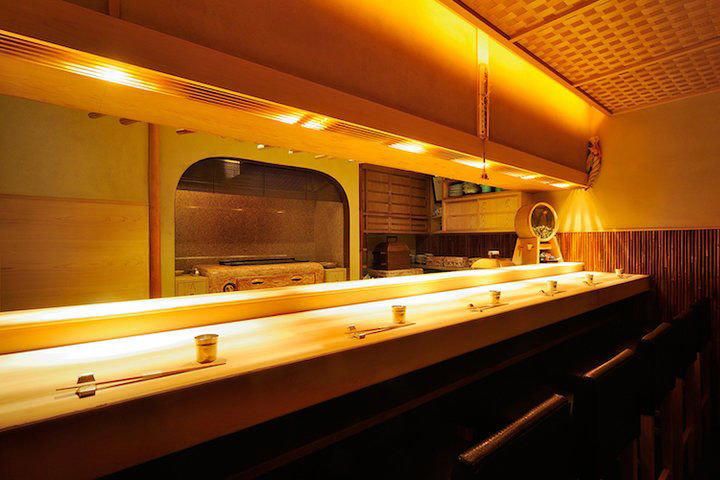
The counter matters because it changes the social contract. At a table, the grill is communal property; at a counter, the experience tightens and becomes more observational. That duality suits Yokohama Station dining, where two-person dinners and small celebrations sit alongside family meals. Family-friendly policies and stroller acceptance broaden use without turning the concept into a generic casual restaurant.
There is also a broader Yokohama point. Tokyo often absorbs attention for premium beef dining, but Yokohama has a practical relationship with restaurants: access, station proximity, and repeat use matter. CAMBUSA occupies a different Italian lane at a higher dinner spend, Menba Hamatora and Shio Ramen Honmaru Tei Yokohama ten sit in lower-cost noodle territory, and Enishi fills another local slot. Against that spread, a selected yakiniku address in the middle band reads as not maximalist, not bargain-driven, but disciplined and socially flexible.
Travellers building a Yokohama food itinerary should not treat yakiniku as an interchangeable beef stop. The category rewards appetite and attention. It works after a lighter lunch or before a bar-led evening, and suits diners who enjoy controlling the final cooking stage more than those seeking a fully plated tasting sequence. For the broader city map, use Our full Yokohama restaurants guide, then branch into Our full Yokohama bars guide, Our full Yokohama hotels guide, Our full Yokohama wineries guide, and Our full Yokohama experiences guide to see how station dining fits the wider trip.
How it fits a Japan dining itinerary
Yakiniku AJITO Souhonten is a useful Yokohama pick for travellers wanting regional recognition without the rigidity of a counter-only tasting format. The Tabelog score of 3.62 and the 2025 Yakiniku EAST selection are measurable signals, but the better reason to go is category fit: beef, tripe, Korean-inflected grilling, and drinks in a room built for pairs and groups.
It also corrects a common Japan itinerary mistake. Visitors often stack sushi, ramen, and kaiseki, then treat grilled beef as an afterthought. In practice, yakiniku reveals another side of Japanese dining culture: convivial, technique-dependent, and sensitive to service rhythm. The meal is not passive. Guests have a role, and the restaurant’s job is to make it feel natural.
For comparison beyond Yokohama, beef-focused travellers may look at -Grilled beef Sukiyaki- KAMAKURA TANUKIAN 鎌倉 たぬき庵 in Kamakura, while broader Japan planning might include. 鮪と炭火焼き うお炭 秋葉原店 in Tokyo.cafe in Osaka.know in Kumamoto, (Shoku) Vietnam in Kawasaki, and [Curry Senmon Ten] Maruyama Kyoju. in Sapporo. For readers connecting Japan and the United States through casual Japanese formats, Jōdo Saké Bar in Los Angeles and Onigiri Time in Pasadena show how different parts of the tradition translate abroad.
The Quick Read
Comparable venues at the same tier for side-by-side context.
| Venue | Cuisine | Price |
|---|---|---|
| Yakiniku AJITO SouhontenThis venue — the venue you are viewing | Not listed | $$$ |
| Oishi | Hodogaya, Premium Wagyu Yakiniku | $$$ |
| Tempura Fukunishi Zen to Takumi | Nishi, Seasonal Tempura | $$$ |
| Yakitori Hifumi | Naka, Omakase Yakitori | $$$ |
| Yakitori Midori | Naka, Yakitori Omakase | $$$ |
| hoshinochuukasoba | Kanazawa, Ramen and Tsukemen | $$ |
Recognition history
Dated appearances from independent guides and award organizations, with the underlying list record or original source where available.
Tabelog 100 #43 · No. 43
Tabelog · Tabelog 100 - Yakiniku - EAST - 2025










At a Glance
- Lively
- Cozy
- Date Night
- Group Dining
- Casual Hangout
- After Work
- Late Night
- Standalone
- Sake Program
- Beer Program
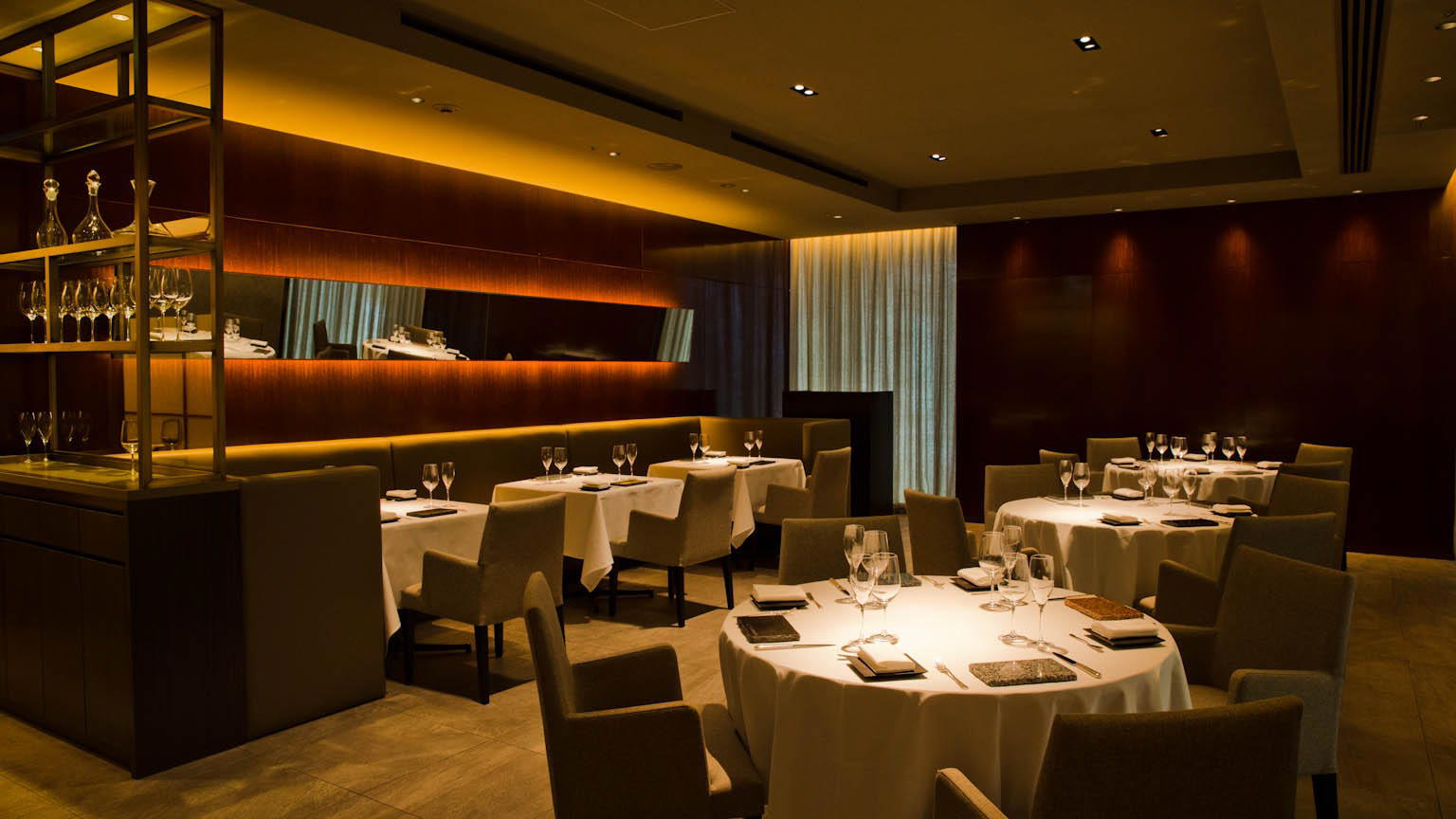
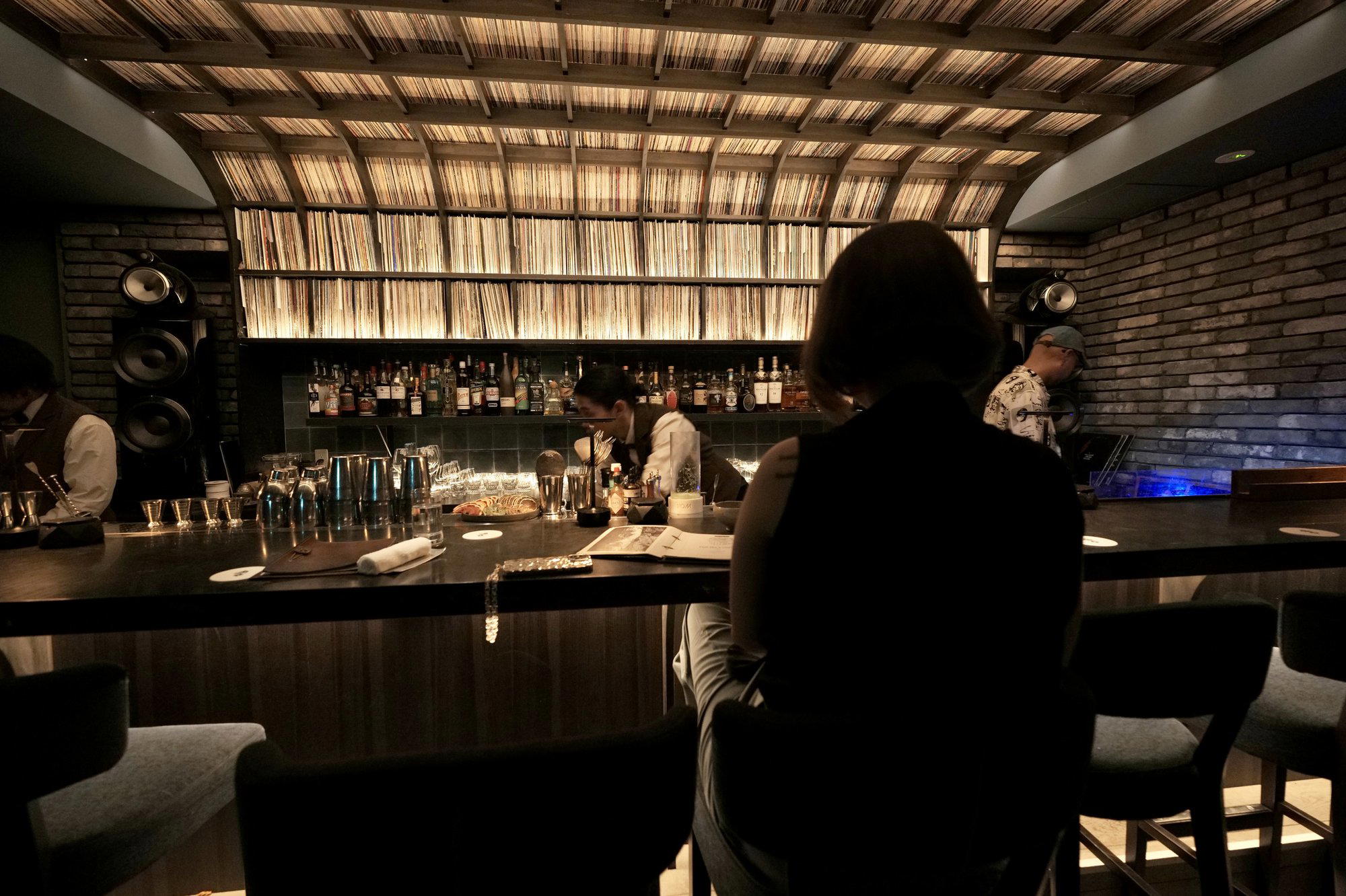
Casual, energetic yakiniku spot on the second floor of a building near Yokohama Station, with the feel of a cozy local favorite rather than a formal steakhouse.