
Yakitori Hifumi belongs to Yokohama’s serious skewer-counter tier: reservation-only, omakase-format yakitori with a 19-seat room and recognition in Tabelog’s Yakitori EAST 100 for 2025. The appeal is the ritual as much as the grill: counter pacing, sake or wine alongside smoke and salt, and a Kannai setting that keeps it closer to local dining culture than destination theatrics.
Pearl is the En Primeur Club membership app — saves, bookings, and concierge access live there. Same editors, same standards.
- Address
- Japan, 〒231-0012 Kanagawa, Yokohama, Naka Ward, Aioicho, 2 Chome−52 Kaneko Bld., 5階
- Phone
- +81 70-1381-0123
- Website
- res-reserve.com
 Saves & bookings on Pearl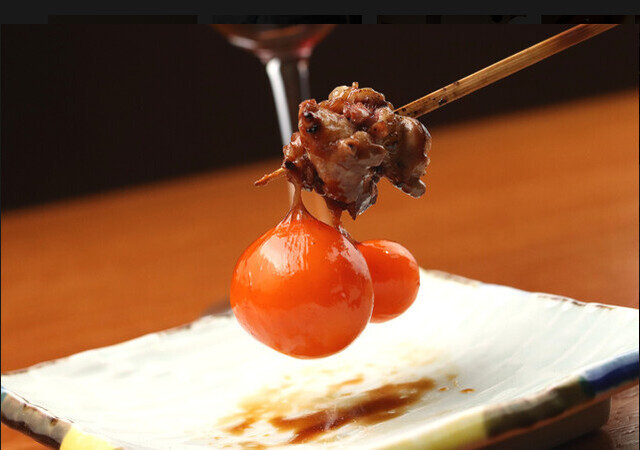
The approach is urban Yokohama rather than postcard Japan: an Aioicho building, an upper-floor dining room, and the shift from street noise to counter discipline. Yakitori at this level is not a casual procession of skewers dropped at random. It is a paced meal built around timing, heat, and etiquette, where the grill sets the rhythm and the diner’s job is to keep up.
That matters in Kannai, a district with a long after-dark appetite: offices, izakaya culture, old port-city habits, and enough serious cooking to reward diners who leave the bigger Tokyo map alone for a night. Yakitori Hifumi sits in that narrower band of Yokohama restaurants where the format is small, the meal is controlled, and the pleasure comes from repetition handled precisely rather than variety for its own sake.
Omakase yakitori makes the grill, not the menu, the point
High-end yakitori has moved far beyond the old binary of salt or tare. The better counters treat chicken as a sequence of cuts, textures, and degrees of heat, with offal, skin, thigh, breast, and supporting skewers arranged so the meal does not flatten into smoke and sweetness. Hifumi’s reservation-only omakase course places it firmly inside that modern grammar: the diner is not assembling dinner from a checklist, but entering a fixed cadence.
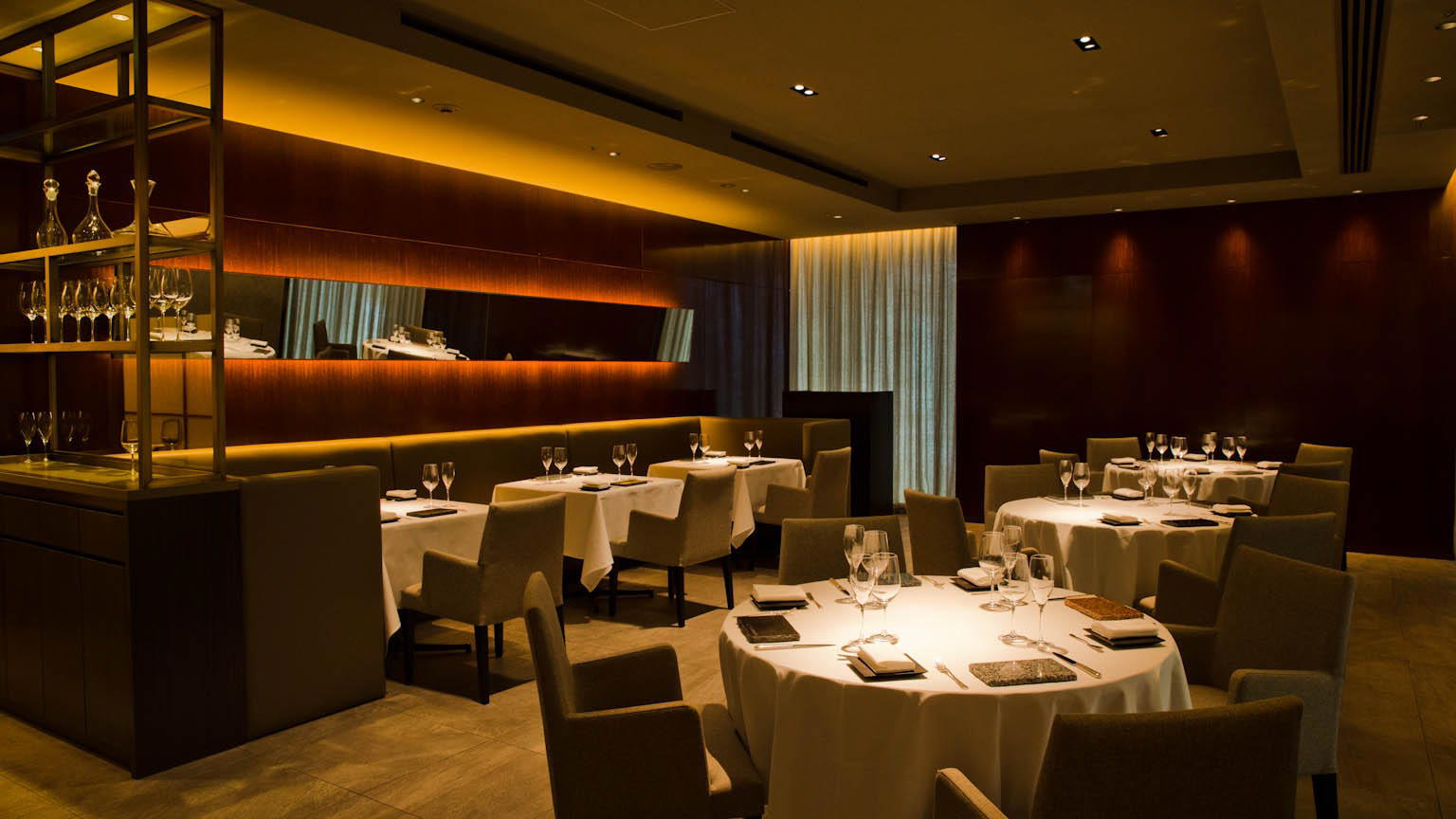
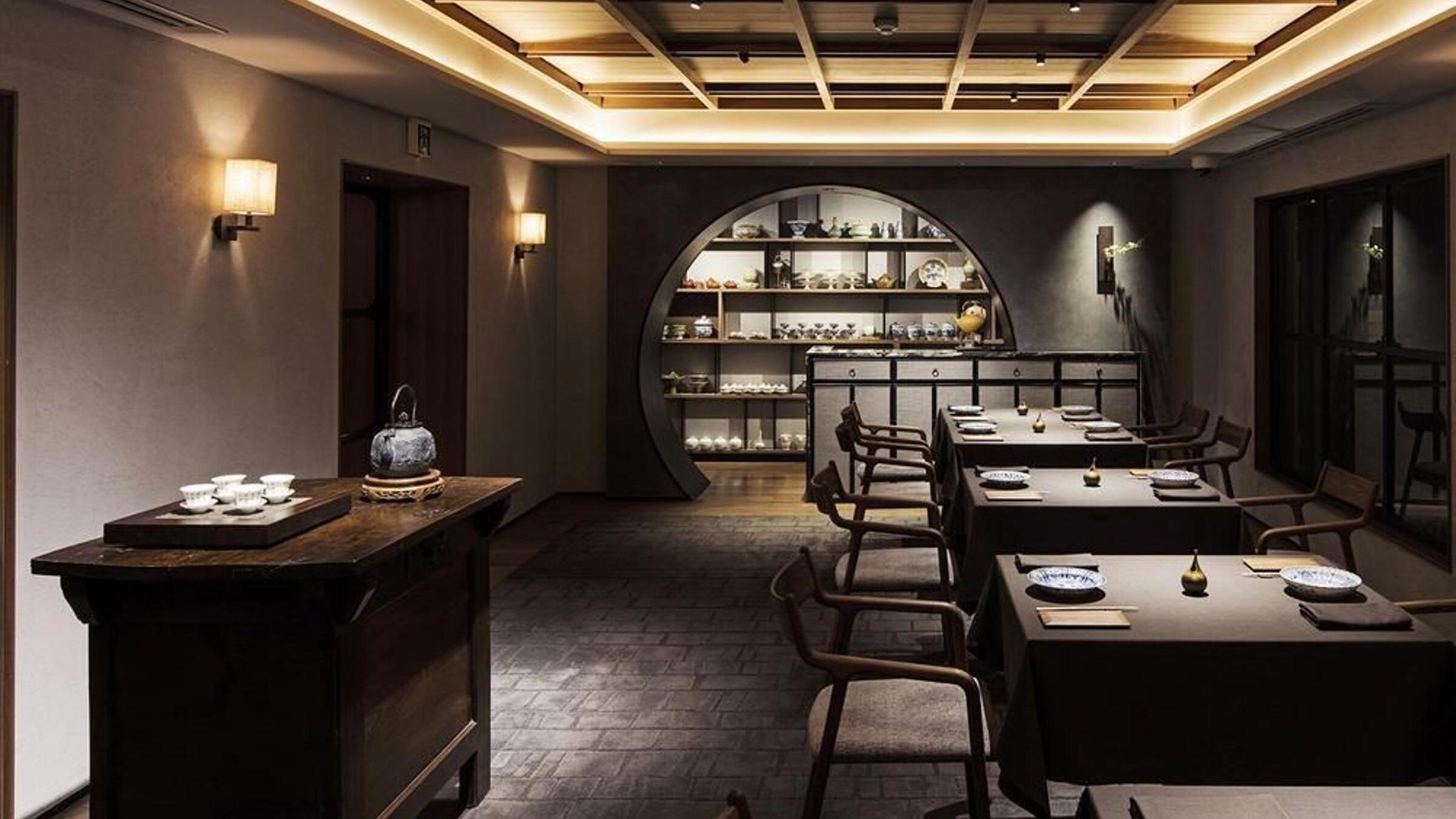
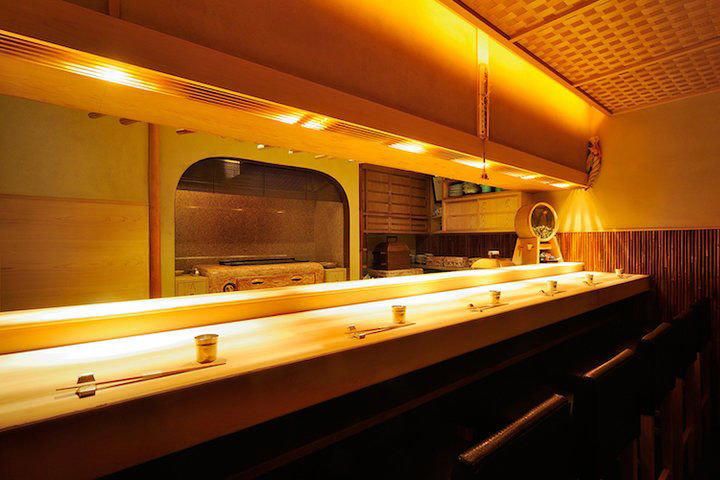
The room reinforces that discipline. Nineteen seats is small enough for the counter to matter, with nine counter seats and private rooms that change the social register without turning the restaurant into a banquet space. This is a useful distinction in Yokohama, where yakitori can mean anything from open-door drinking dens to controlled-course counters. Compared with 1000 (Yakitori (Grilled chicken skewers)), which occupies a higher listed dinner band, and Yakitori Midori, listed below Hifumi’s range, Hifumi reads as a serious mid-to-upper Kannai choice rather than a splurge built on spectacle.
The 2025 selection for Tabelog’s Yakitori EAST 100 gives the restaurant a useful external marker. Tabelog’s Hyakumeiten lists tend to reward genre specialists, which is especially relevant for yakitori, a cuisine where mastery is less visible than in sushi or kaiseki. There may be no grand theatre in a skewer course, but the format is unforgiving: each piece has a short window between underpowered and dried out, and the meal depends on the kitchen maintaining tempo across the entire sequence.
Kannai suits a counter meal with adult pacing
Yokohama’s dining identity is often flattened into Chinatown, waterfront hotels, and international nostalgia. Kannai offers a more useful lens for serious restaurants: compact streets, late meals, and a customer base that understands drinking as part of dinner rather than an add-on. Hifumi’s drinks orientation, spanning sake, shochu, and wine, places it in the contemporary yakitori category where the beverage list is expected to handle fat, char, and salt with more range than a single beer order.
That makes the meal feel closer to a dining ritual than a tasting-menu performance. Yakitori etiquette is simple but consequential: arrive on time, follow the pace of the course, and avoid treating the counter as an à la carte negotiation. The restaurant’s format is not well suited to diners who want heavy substitutions or rare-cooked preferences; that is not a hospitality flaw so much as a structural truth of this kind of cooking. A skewer course depends on sequence, and sequence depends on consent.
For a broader Yokohama itinerary, the useful comparison is not only within yakitori. Aichun, Ajowan, Alpenjiro Honten, and Anzen Shokudo point to the city’s range outside the polished hotel-dining lane. The smart move is to treat Kannai yakitori as one night in a wider Yokohama eating plan, then use Our full Yokohama restaurants guide for the rest of the map.
Who this meal rewards
Hifumi is for diners who value control over choice. The counter format, course structure, and Tabelog recognition all point to a meal where the kitchen’s timing carries the evening. It is less compelling for travelers chasing a long list of famous dishes or a loose izakaya crawl. The better expectation is a focused yakitori dinner in which the grammar of the cuisine, not a chef biography or room design, does the work.
That distinction matters because Yokohama has several parallel premium experiences. Some visitors will build the trip around hotels and waterfront views, in which case Our full Yokohama hotels guide is the better starting point. Others will pair dinner with cocktail or sake-led evenings through Our full Yokohama bars guide, or widen the trip through Our full Yokohama experiences guide. Wine-focused travelers can check Our full Yokohama wineries guide, though yakitori’s drink culture is more naturally anchored in sake, shochu, beer, and increasingly wine.
For readers comparing Japanese dining formats across cities, Hifumi belongs in the same conversation about compact specialist rooms as -Grilled beef Sukiyaki- KAMAKURA TANUKIAN 鎌倉 たぬき庵 in Kamakura. 鮪と炭火焼き うお炭 秋葉原店 in Tokyo.cafe in Osaka.know in Kumamoto, (Shoku) Vietnam in Kawasaki, and [Curry Senmon Ten] Maruyama Kyoju. in Sapporo. Abroad, venues such as Jōdo Saké Bar in Los Angeles and Onigiri Time in Pasadena show how Japanese formats travel, but the Kannai counter remains a different proposition: smaller, stricter, and more dependent on the diner understanding the rhythm before sitting down.
Cuisine Lens
Nearby venues at a similar price tier for orientation.
| Venue | Cuisine | Price | Notes |
|---|---|---|---|
| Yakitori HifumiThis venue — the venue you are viewing | Omakase Yakitori | $$$ | Not listed |
| Yakitori Midori | Yakitori Omakase | $$$ | Naka |
| Arai Ya Honten | Traditional Japanese Gyunabe / Sukiyaki | $$$ | Naka |
| Oishi | Premium Wagyu Yakiniku | $$$ | Hodogaya |
| Tempura Fukunishi Zen to Takumi | Seasonal Tempura | $$$ | Nishi |
| Tachinomi Shokudo Ultra Suzuki | Tachinomi stand-up bar with yoshoku and bistro-style plates | $$ | Naka |
Recognition history
Dated appearances from independent guides and award organizations, with the underlying list record or original source where available.
Tabelog 100 #20 · No. 20
Tabelog · Tabelog 100 - Yakitori - EAST - 2025









At a Glance
- Intimate
- Cozy
- Classic
- Date Night
- After Work
- Casual Hangout
- Group Dining
- Solo
- Late Night
- Chefs Counter
- Standalone
- Sake Program
- Beer Program
Current opening hours
- Monday
- 6–10 PM
- Tuesday
- 6–10 PM
- Wednesday
- 6–10 PM
- Thursday
- 6–10 PM
- Friday
- 6–10 PM
- Saturday
- 6–10 PM
- Sunday
- Closed
Hours can change for holidays and private events. Last verified .
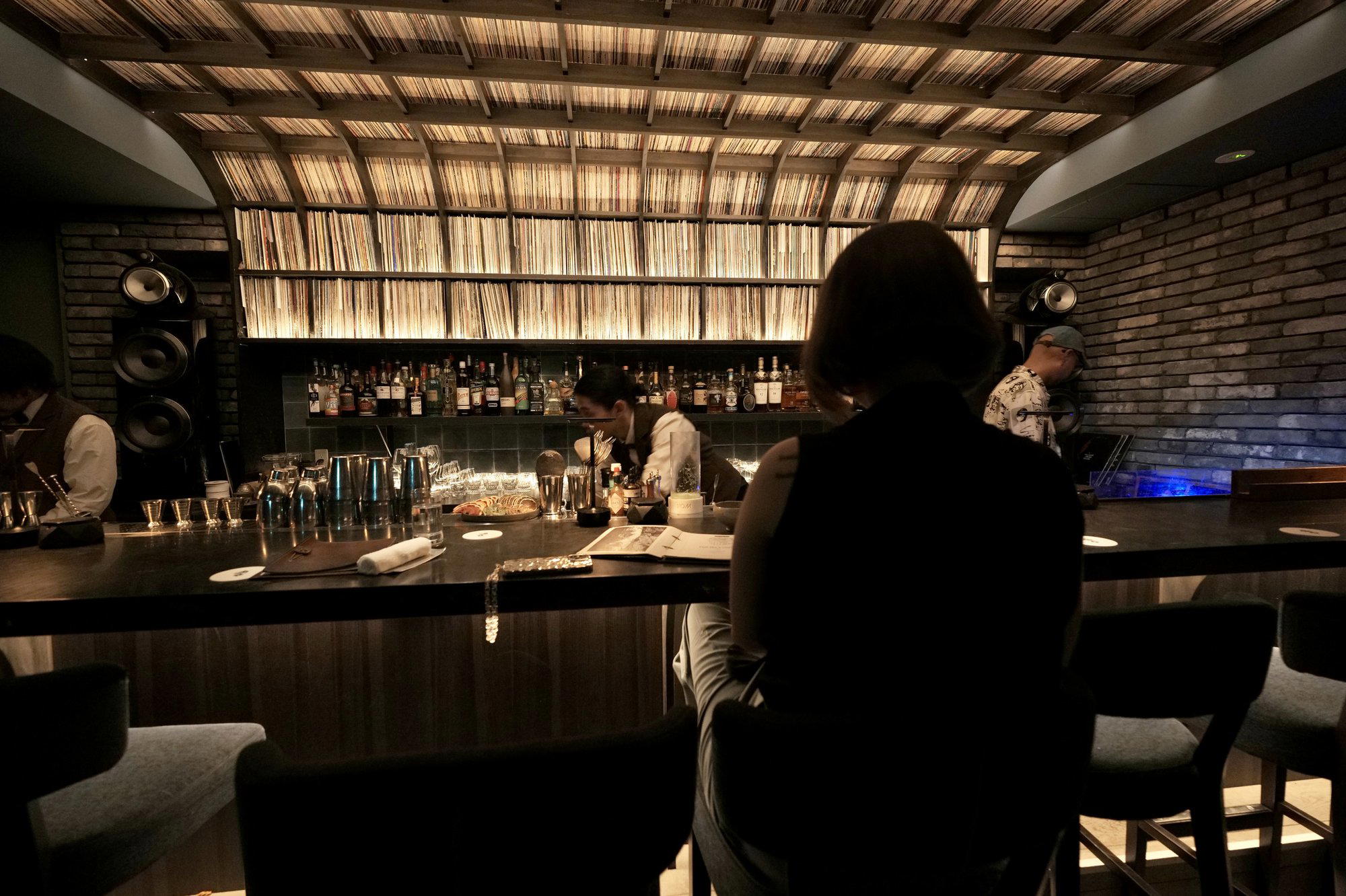
Small, quietly bustling yakitori counter with warm lighting, a simple classic interior, and a focus on watching the chef grill skewers right in front of guests; more like a refined yakitori bar than a casual izakaya.