Yeongdong Jang-eo & Mirak
Our verdict
Yeongdong Jang-eo & Mirak is a Seoul institution built around eel, one of Korean cuisine's most technically demanding proteins. Operating in a city where specialist restaurants earn loyalty through repetition rather than novelty, it positions itself firmly within the tradition-led end of Seoul's dining spectrum, drawing regulars who return for a single, precisely executed focus rather than a broad menu.

Pearl is the En Primeur Club membership app — saves, bookings, and concierge access live there. Same editors, same standards.
- Address
- Seoul, South Korea
- Hours
- Mon–Sat 11:30 AM–1 AMSun 11:30 AM–12 AM
- Directions
- Get directions
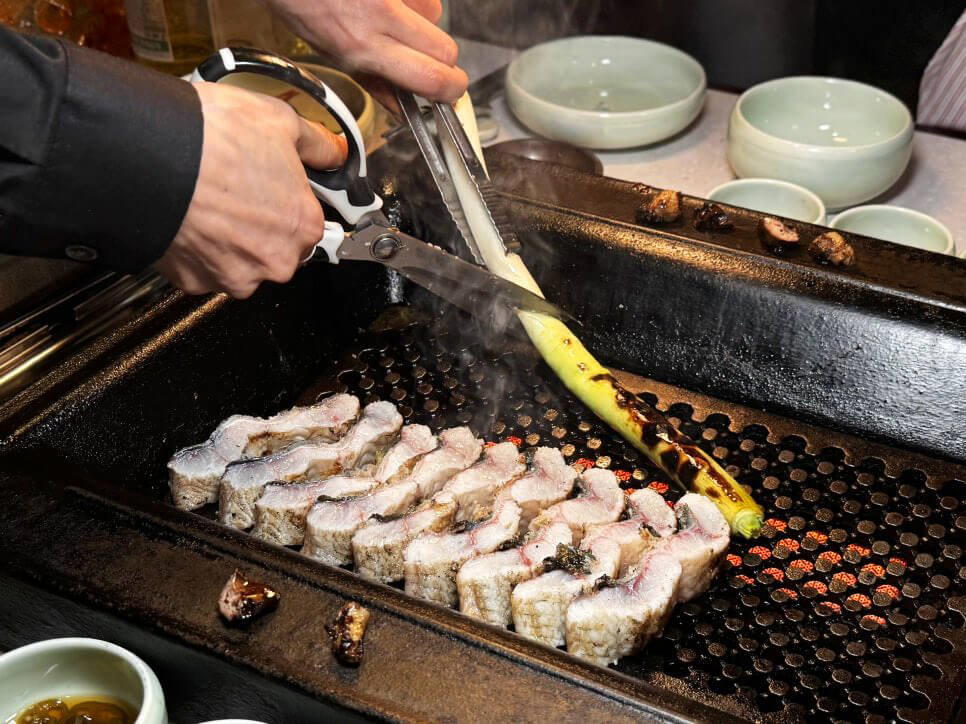
The menu
What to order
- Grilled Mud Eel
Eel as a Discipline: Seoul's Specialist Dining Tradition
Seoul's restaurant culture has always made space for the specialist. While the city's fine-dining tier, represented by places like Mingles and Jungsik, competes on ambition and range, a parallel and older tradition rewards restaurants that do one thing with accumulated precision. Eel restaurants occupy a distinct place in that tradition. Jang-eo (장어), prepared across several regional styles, is among Korean cuisine's most technically demanding proteins: the fat content requires controlled heat, the skin demands timing, and the preparation varies meaningfully between grilled (구이), braised (탕), and steamed formats. Restaurants that centre their entire operation on this single ingredient are making an implicit argument about depth over breadth.
Yeongdong Jang-eo & Mirak sits inside that argument. Located in Seoul's Yeongdong area, it carries the kind of name-as-address brevity that signals local institution rather than trend destination. The dual name, pairing a geographic anchor with the word mirak (미락, meaning something close to flavour pleasure), positions it within a category of restaurants whose identity is earned through return visits rather than discovery.
The Booking Experience: Planning Around a Specialist
Seoul's specialist restaurants, particularly those operating at the intersection of regional tradition and loyal local clientele, follow a different booking logic than the city's internationally recognised fine-dining addresses. Places like Kwonsooksoo or Soigné attract advance international bookings through platforms and reputation pipelines that feed reservation demand months out. Specialist neighbourhood restaurants work differently: their capacity fills from a recurring local base, and the challenge for a visiting diner is less about securing a slot weeks ahead and more about understanding how and when to approach the reservation.
Because no centralised booking data is publicly indexed for Yeongdong Jang-eo & Mirak, the practical approach follows the pattern established by comparable Seoul specialists: arrive with flexibility on timing, treat lunch service as the lower-friction entry point relative to dinner, and consider that walk-in capacity at peak evening hours is generally limited at well-regarded eel houses. Korean-language communication, either directly or through hotel concierge support, will meaningfully improve your chances at restaurants of this type that have not globalised their front-of-house operations.
For context on how Seoul's broader dining spectrum is organised, including which neighbourhoods concentrate specialist restaurants versus destination fine dining, our full Seoul restaurants guide maps the city's key dining corridors and price tiers in detail.
What Eel Cookery Tells You About the Menu
Korean eel preparation is regional in character. The Yeongdong area of Seoul has historically served as a hub for restaurants drawing on traditions from the country's eel-producing inland and coastal areas. At a restaurant named for the ingredient and the district, the menu is almost certainly organised around eel preparations, with secondary dishes functioning as accompaniments rather than alternatives. This is a different dining logic than the broad-format Korean meal: you are not selecting across a wide banchan-anchored spread so much as committing to a protein and choosing its preparation style.
Grilled eel, the most common format, involves fat-rendered skin and firm flesh, typically eaten wrapped or alongside rice and fermented condiments. Braised preparations, where eel is cooked in a soy-and-chilli base, offer a different texture register. The discipline of a specialist restaurant is that these distinctions matter and are understood by the kitchen with the granularity that comes from repetition. Compared to the innovative Korean formats at alla prima or the tasting-menu structure at Soigné, Yeongdong Jang-eo & Mirak operates in a register where the cooking is evaluated against tradition rather than ambition.
Korea's regional specialist restaurant culture runs deep, and eel houses are among its more technically exacting expressions.
Positioning Within Seoul's Dining Spectrum
Seoul's current fine-dining conversation is dominated by internationally recognised addresses and a growing tier of Korean-contemporary restaurants that have attracted Michelin attention and global press. That tier is real and worth engaging with. But it sits on top of, rather than replacing, an older stratum of specialist restaurants that Seoulites have maintained loyalty to across decades. Eel restaurants are part of that stratum.
At the price tier typical of well-regarded specialist eel restaurants, which generally sits below the ₩₩₩₩ level commanded by Seoul's contemporary fine-dining addresses like Zero Complex or Onjium, a meal at Yeongdong Jang-eo & Mirak represents a different value calculus: you are paying for accumulated technique and ingredient sourcing rather than for the labour-intensive service architecture and premium interior of the city's leading tasting-menu rooms. This is also a meaningfully different experience from Korean-American interpretations of the cuisine; for comparison, the kind of refined Korean tasting format found at Atomix in New York draws on traditional Korean ingredients but operates through a contemporary fine-dining lens that is quite distinct from the specialist domestic tradition.
Visitors arriving in Seoul with time to engage both tiers, the internationally oriented contemporary addresses and the specialist neighbourhood institutions, will get a more complete picture of what Seoul actually eats. Restaurants like Yeongdong Jang-eo & Mirak represent the latter category with clarity.
For those exploring beyond Seoul, Korea's broader regional dining culture includes further specialist reference points worth noting: Gobojeong Galbi #1 in Suwon, Doosoogobang in Suwon, Hwangnam Bread and Busan Steamed Bun in Gyeongju, Gyeongju Wonjo Kongguk, Badang Lounge in Jeju, Hinode in Seogwipo, and Dining Room in Busan. Each operates within a specific regional tradition rather than a global fine-dining framework, and together they illustrate how specialist focus functions as a consistent thread through Korean restaurant culture at every price point.
Know Before You Go
- Cuisine focus: Specialist eel (jang-eo) restaurant; expect preparations centred on a single protein across grilled, braised, and supplementary formats
- Booking approach: No centralised online booking system publicly confirmed; Korean-language contact or hotel concierge assistance recommended for visitors
- Timing: Lunch service typically offers lower demand than peak evening hours at specialist restaurants of this type in Seoul
- Walk-in: Possible during off-peak hours, but capacity at well-regarded eel houses fills from local regulars; advance contact preferred
- Language: Korean-language menus are standard at specialist restaurants in this category; translation support or familiarity with preparation styles (gui, tang) is useful
- Context: Sits within Seoul's tradition-led specialist tier rather than the internationally oriented contemporary fine-dining circuit
Frequently asked questions
How does Yeongdong Jang-eo & Mirak compare to other eel restaurants in Seoul?
Seoul supports a distinct tier of single-ingredient specialist restaurants, and eel houses in the Yeongdong area represent one of the more durable strands of that tradition. Where broader Korean BBQ restaurants treat eel as one option among many, Yeongdong Jang-eo & Mirak — as its name signals — centres the entire kitchen around it. That degree of focus is less common in Seoul's current restaurant scene, where Korean-contemporary and tasting-menu formats have drawn considerable attention.
What dish is Yeongdong Jang-eo & Mirak famous for?
The restaurant is built around jang-eo, the Korean term for eel, prepared according to regional traditions associated with the Yeongdong area of Seoul. Eel cookery in this tradition is not incidental to the menu — it is the menu. Seoul has historically supported a cluster of such specialist addresses, and Yeongdong Jang-eo & Mirak sits within that focused lineage.
Can I walk in to Yeongdong Jang-eo & Mirak?
Seoul's specialist restaurants of this type tend to draw a loyal, repeat local clientele, which means walk-in availability is not guaranteed, particularly at peak dining hours. Contacting the restaurant in advance is advisable. Operating at the intersection of neighbourhood institution and regional tradition, this kind of address fills seats through regulars as much as new visitors.
What's the signature at Yeongdong Jang-eo & Mirak?
Eel, prepared in the Korean regional style associated with the Yeongdong district, is the defining focus. Korean eel preparation varies by region — grilling method, seasoning, and accompaniments shift depending on tradition — and Yeongdong Jang-eo & Mirak positions itself squarely within a specific local school of that craft. The name itself encodes the commitment: jang-eo means eel in Korean.
A Tight Comparison
Comparable venues nearby, for context on price, style, and recognition.
| Venue | Cuisine | Price | Awards | Notes |
|---|---|---|---|---|
| Yeongdong Jang-eo & MirakThis venue — the venue you are viewing | Grilled Mud Eel Specialist | $50–100 | Not listed | Not listed |
| Dooreyoo (두레유) | Modern Korean Temple-Inspired Cuisine | $50–100 | Not listed | Bukchon Hanok Village, Modern Korean Temple-Inspired Cuisine |
| Panello | Authentic Neapolitan Pizza | $20–30 | Gambero Rosso 2 Spicchi | Seongsan-dong, Authentic Neapolitan Pizza |
| TocToc | Modern French-Asian Fusion | $50–100 | Michelin Plate | Noyu-dong, Modern French-Asian Fusion |
| Ondabile | European Fine Dining | Not listed | Not listed | 한남동, European Fine Dining |
| IMOK Smoke Dining | Modern Smoke Dining BBQ | $100–150 | Star Wine List | 한남동, Modern Smoke Dining BBQ |
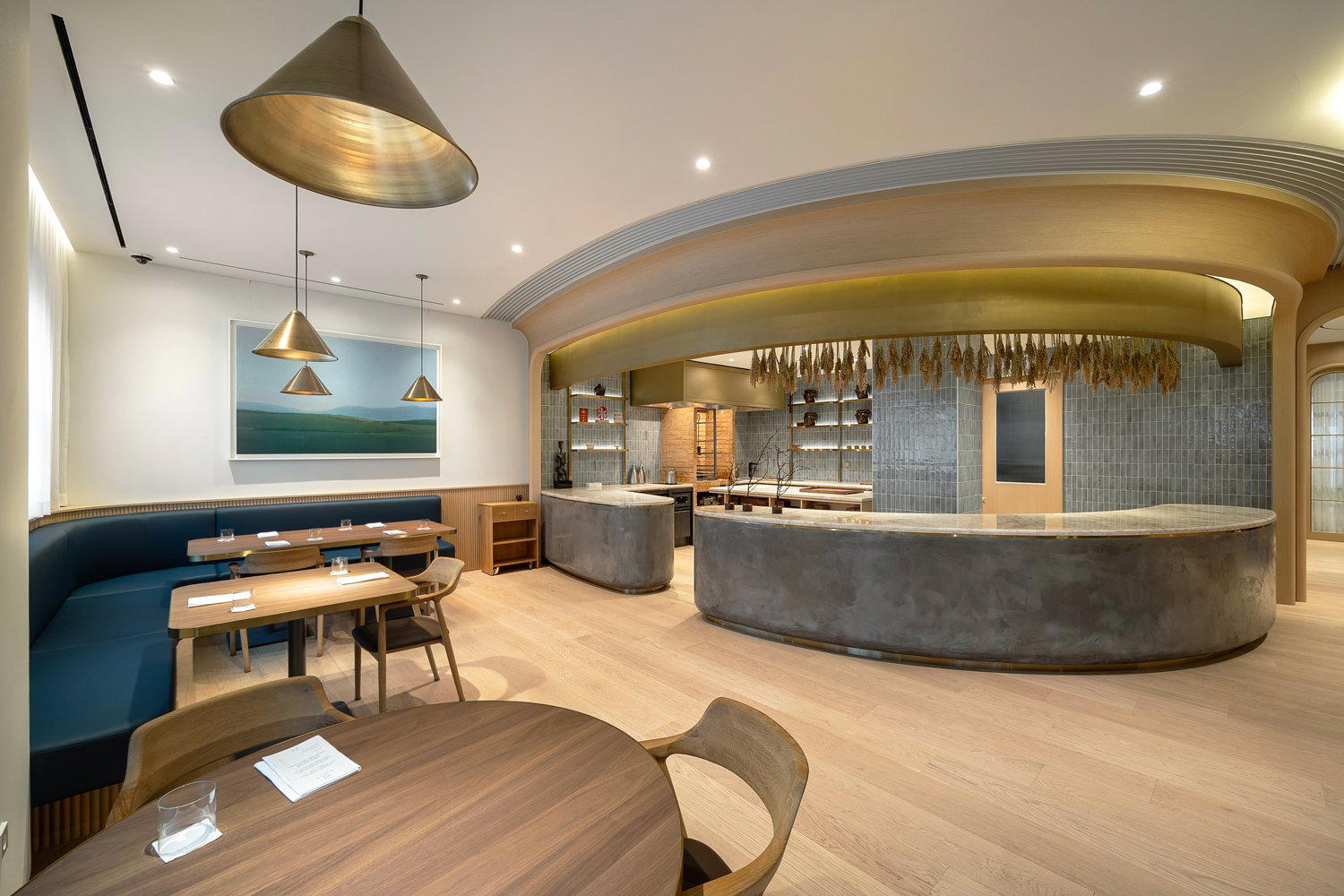
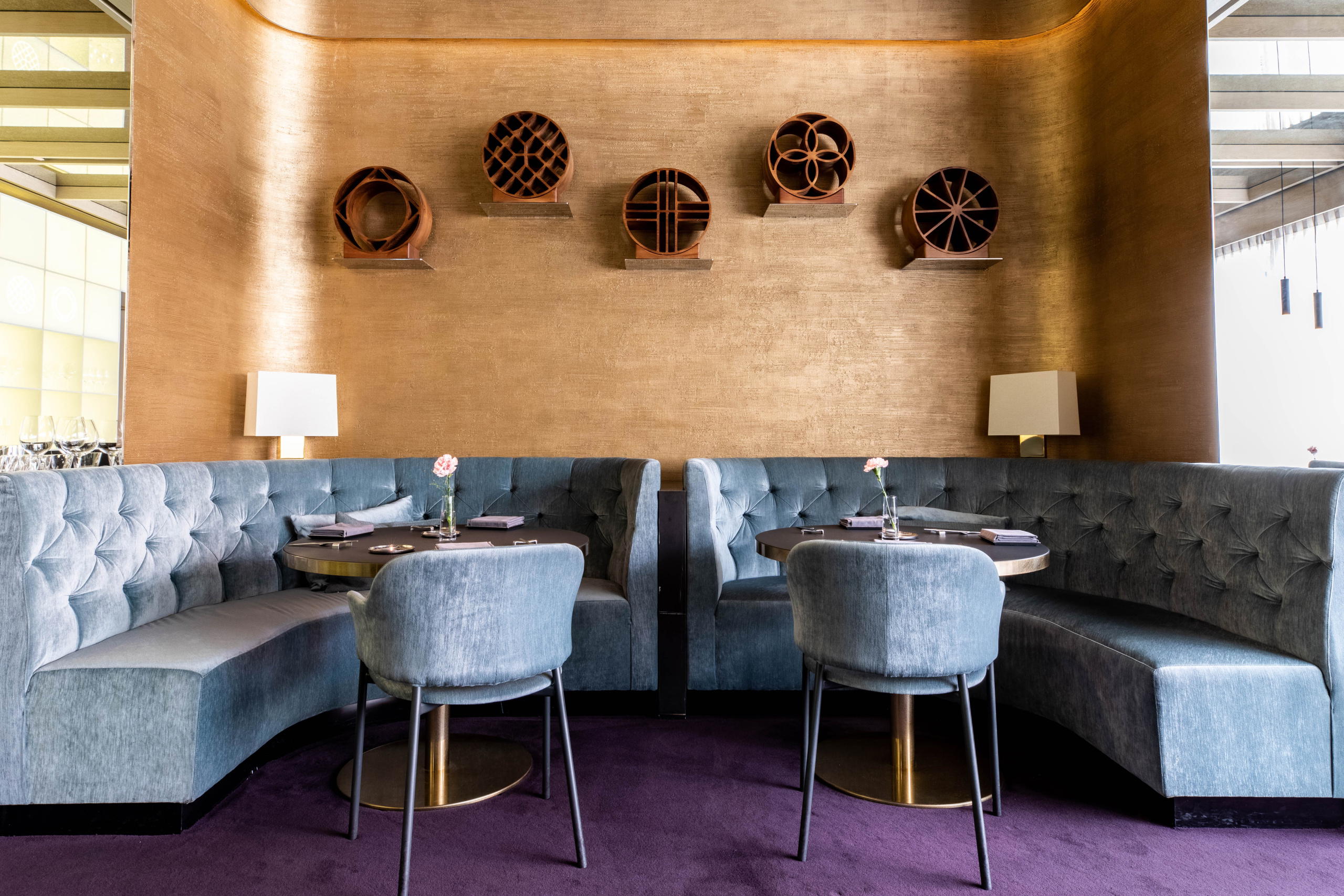
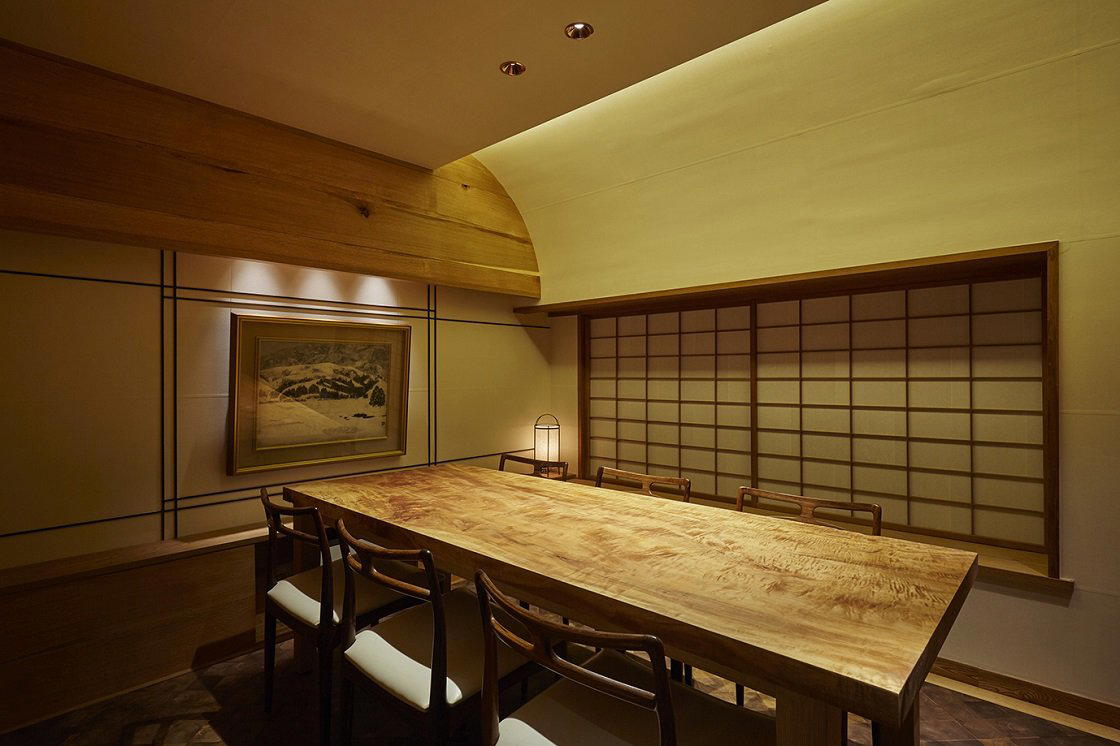
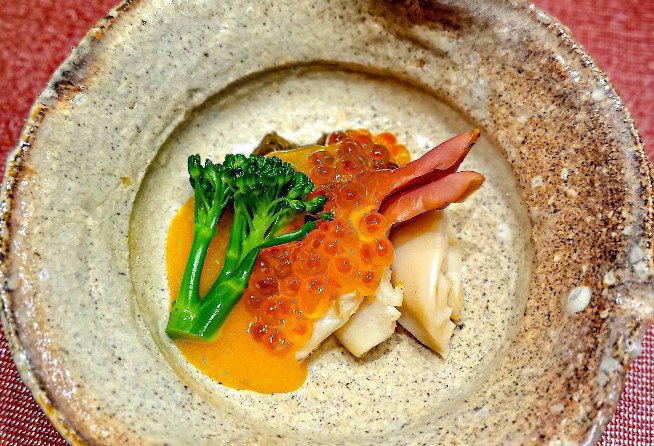
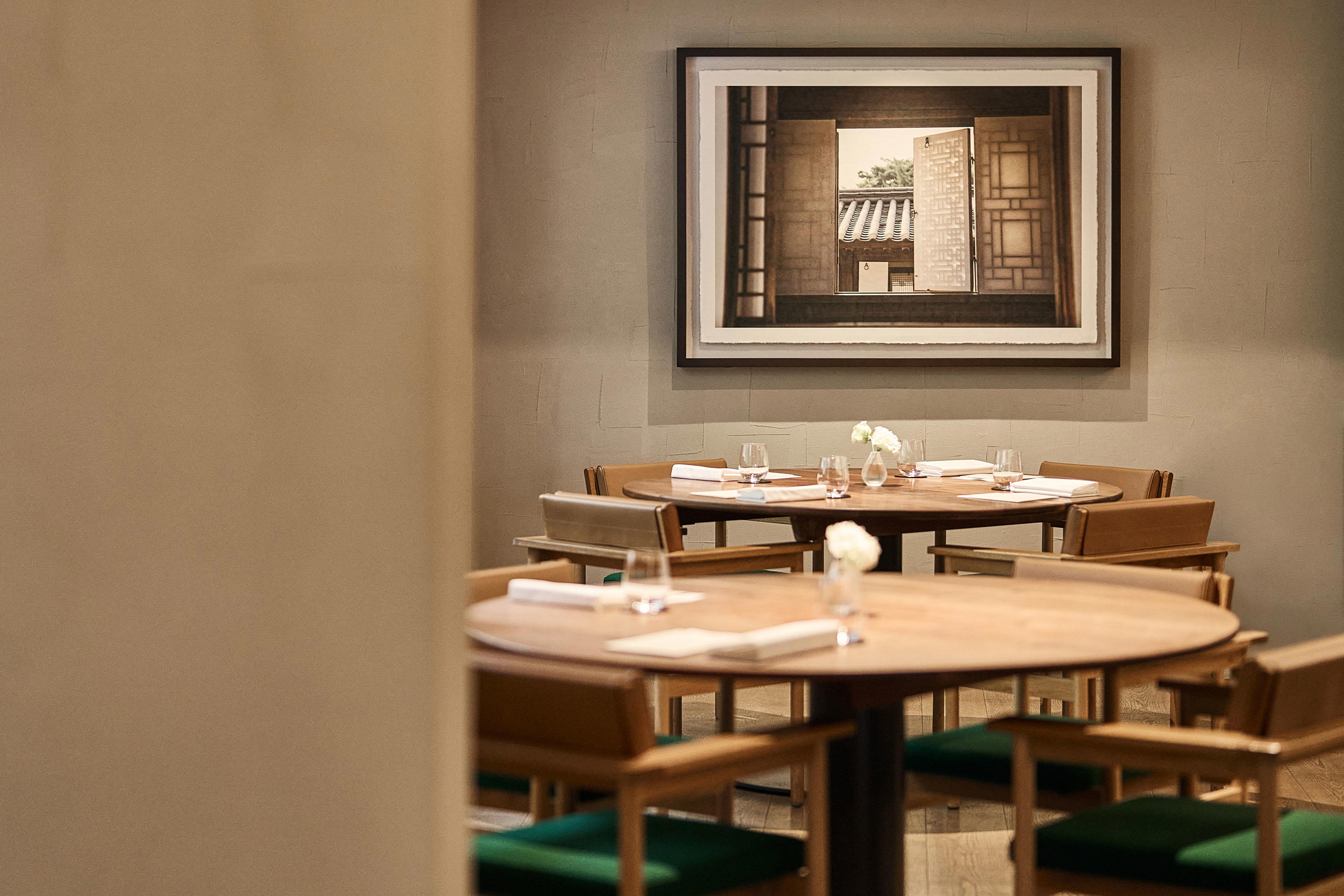
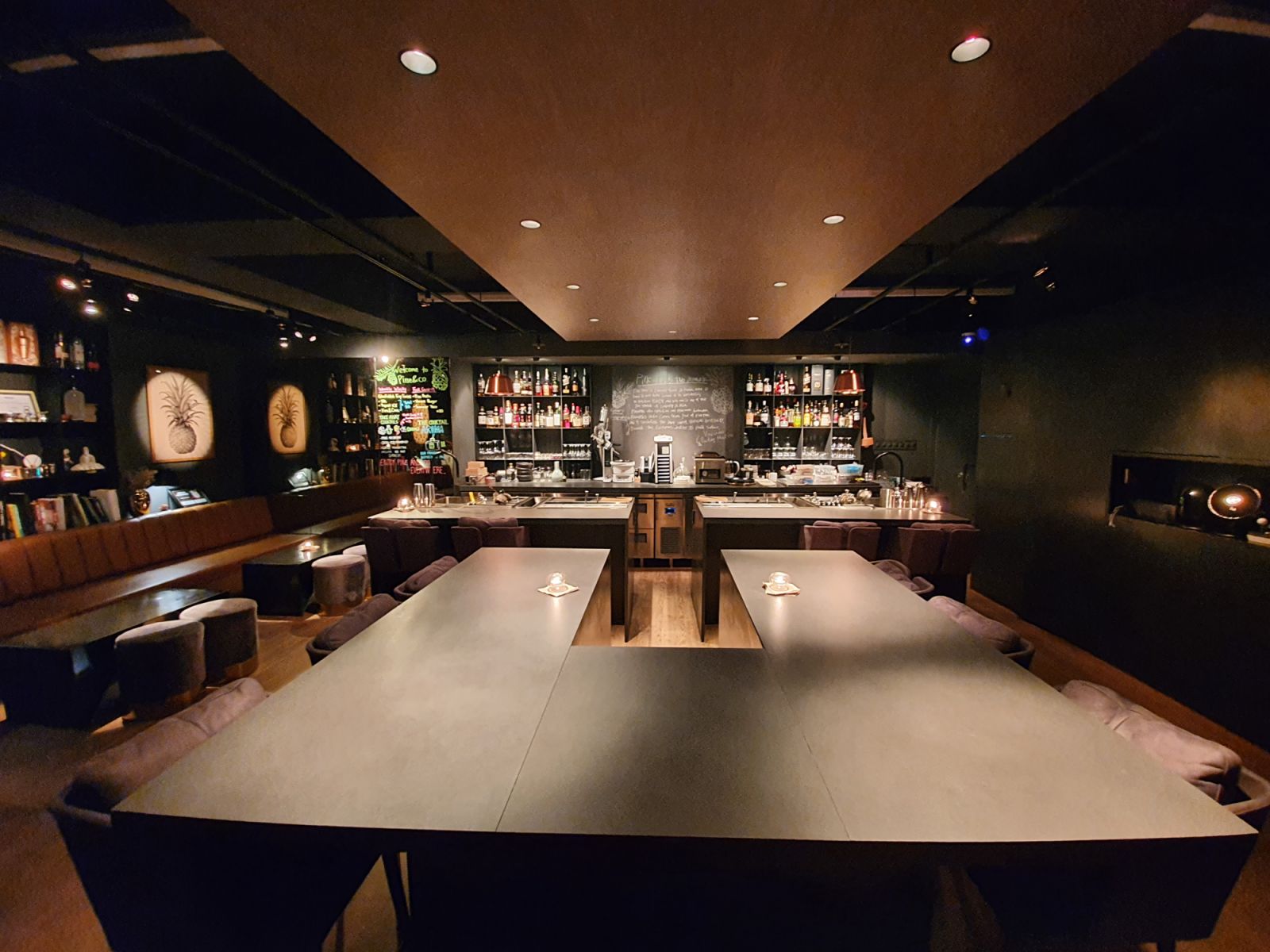
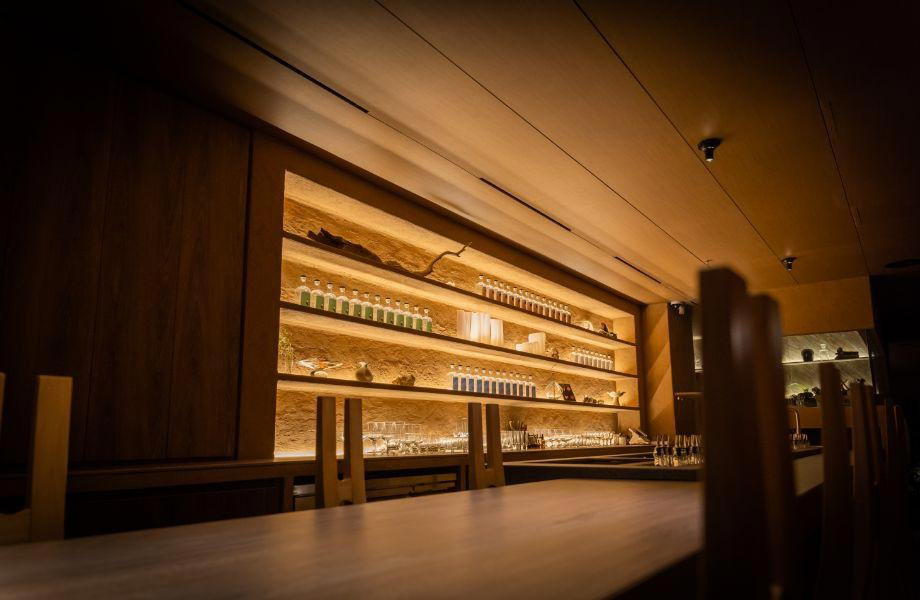
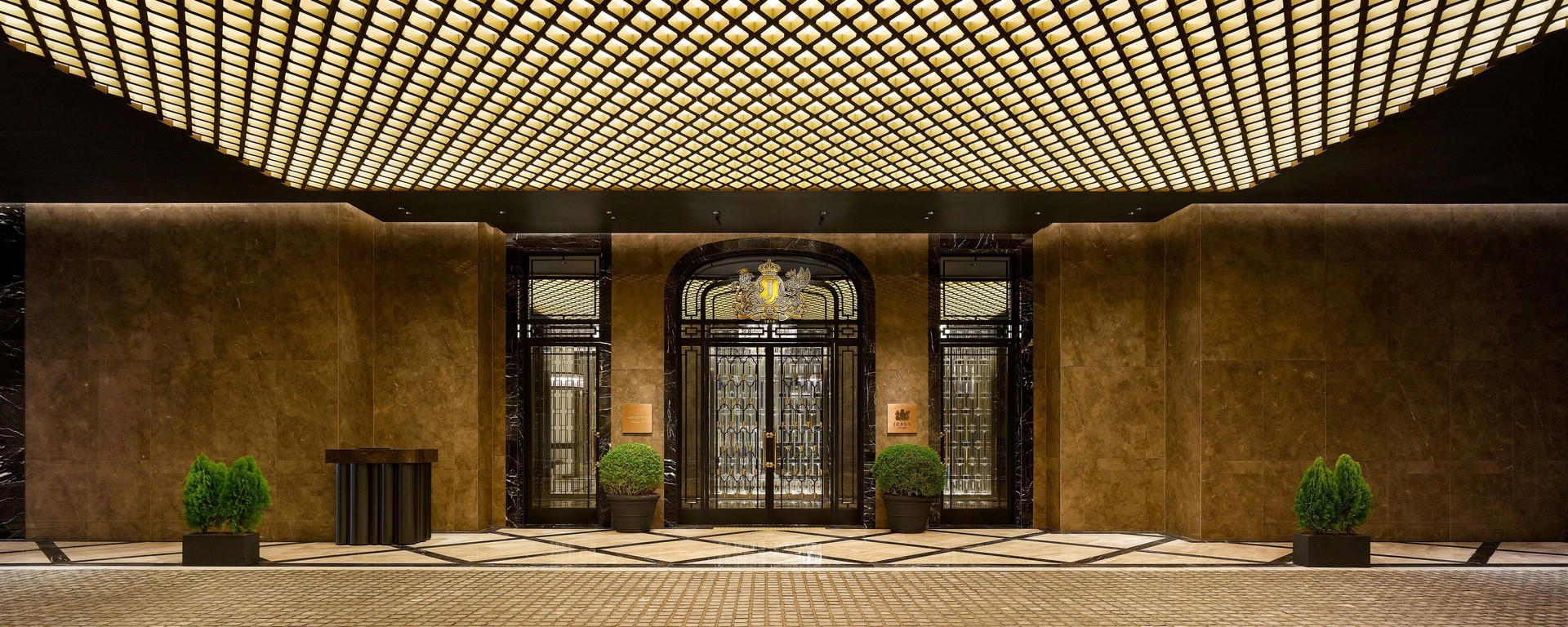
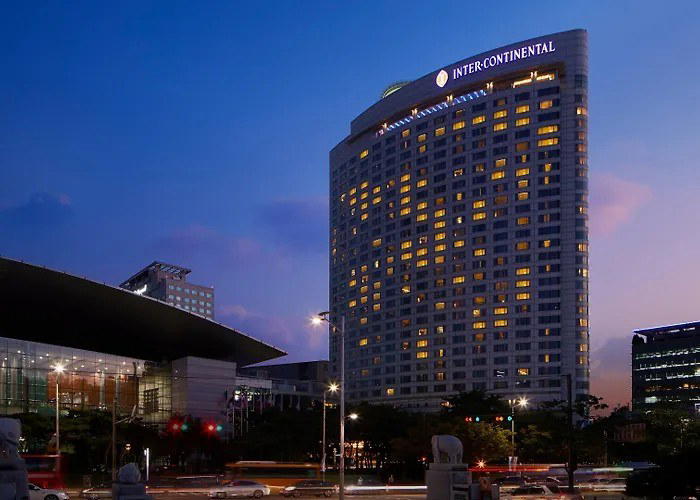
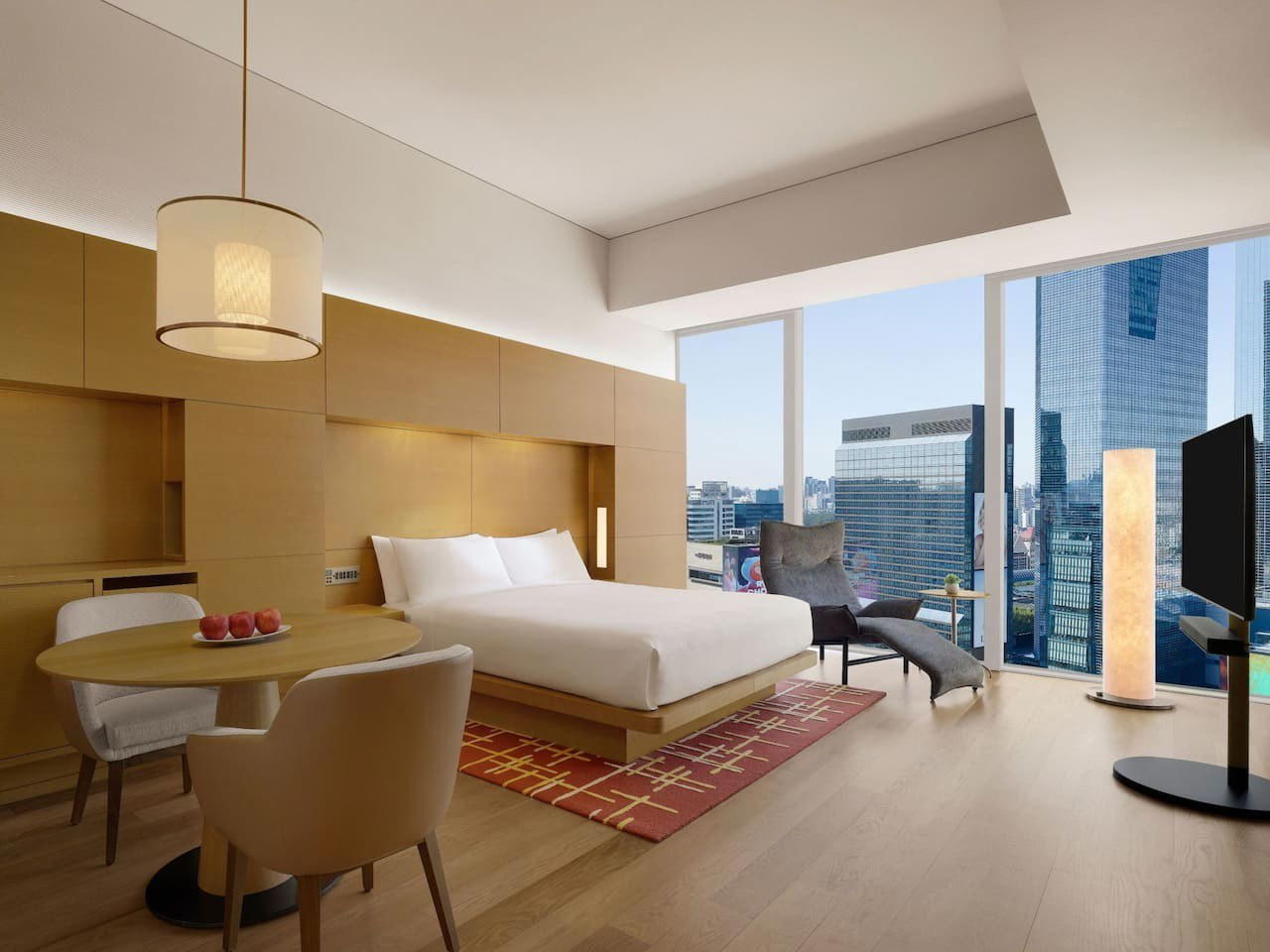
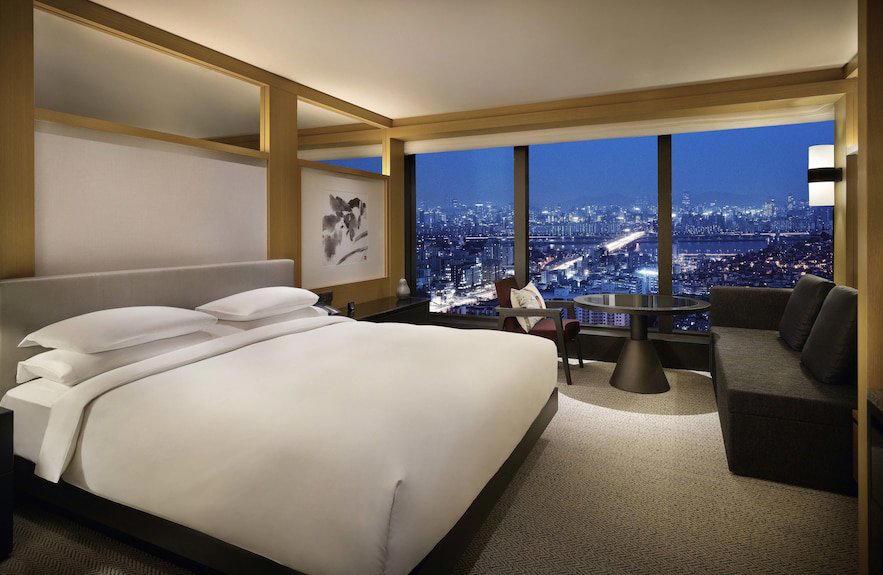
Yeongdong Jang-eo & Mirak
The wine
- Wine program
- Curated wine list
- Sake program
Details
- Elegant
- Sophisticated
- Special Occasion
- Date Night
- Open Kitchen
- Sake Program
- Local Sourcing
- A La Carte
Current opening hours
- Monday
- 11:30 AM–1 AM
- Tuesday
- 11:30 AM–1 AM
- Wednesday
- 11:30 AM–1 AM
- Thursday
- 11:30 AM–1 AM
- Friday
- 11:30 AM–1 AM
- Saturday
- 11:30 AM–1 AM
- Sunday
- 11:30 AM–12 AM
Hours can change for holidays and private events. Last verified .
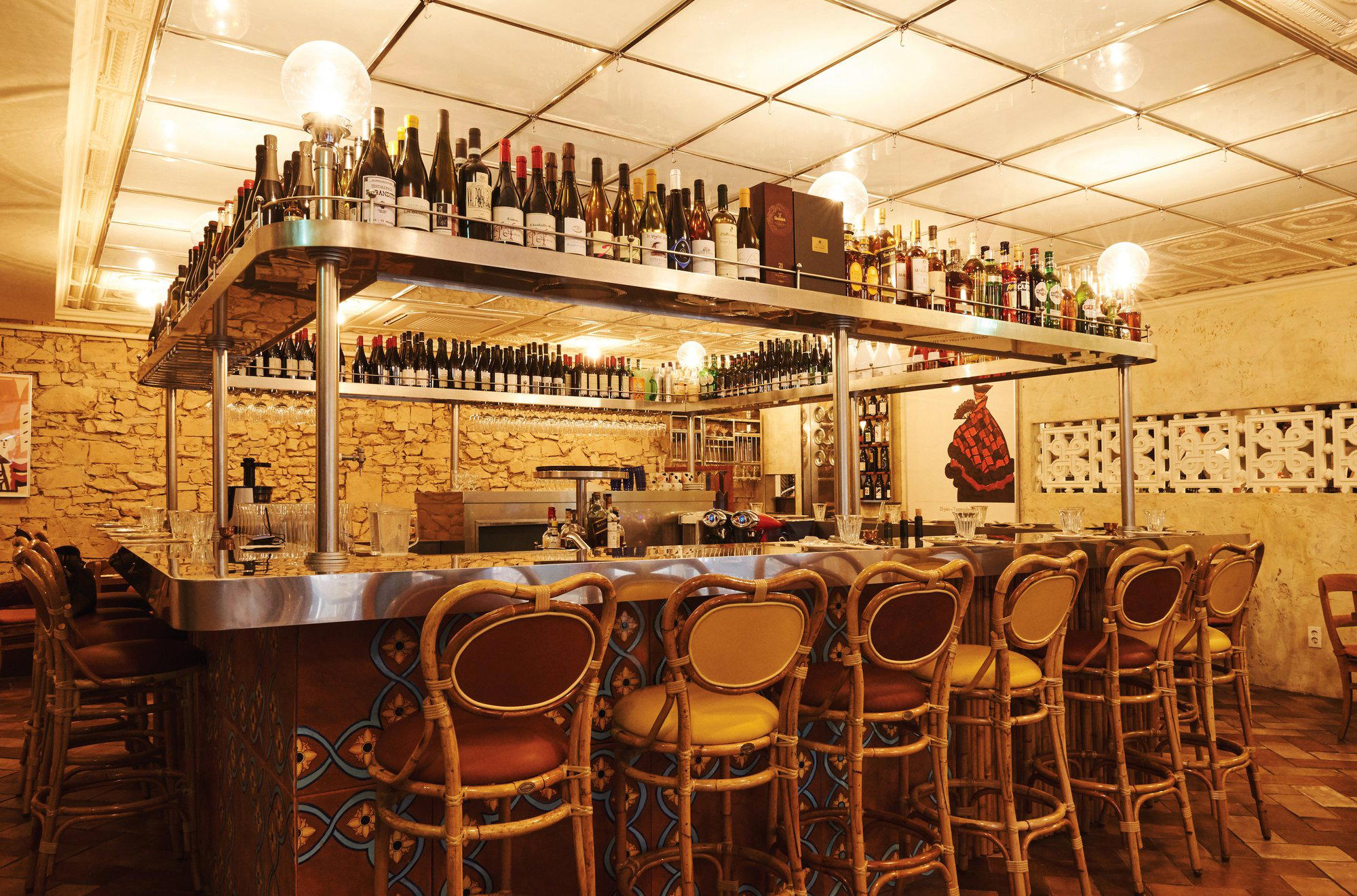
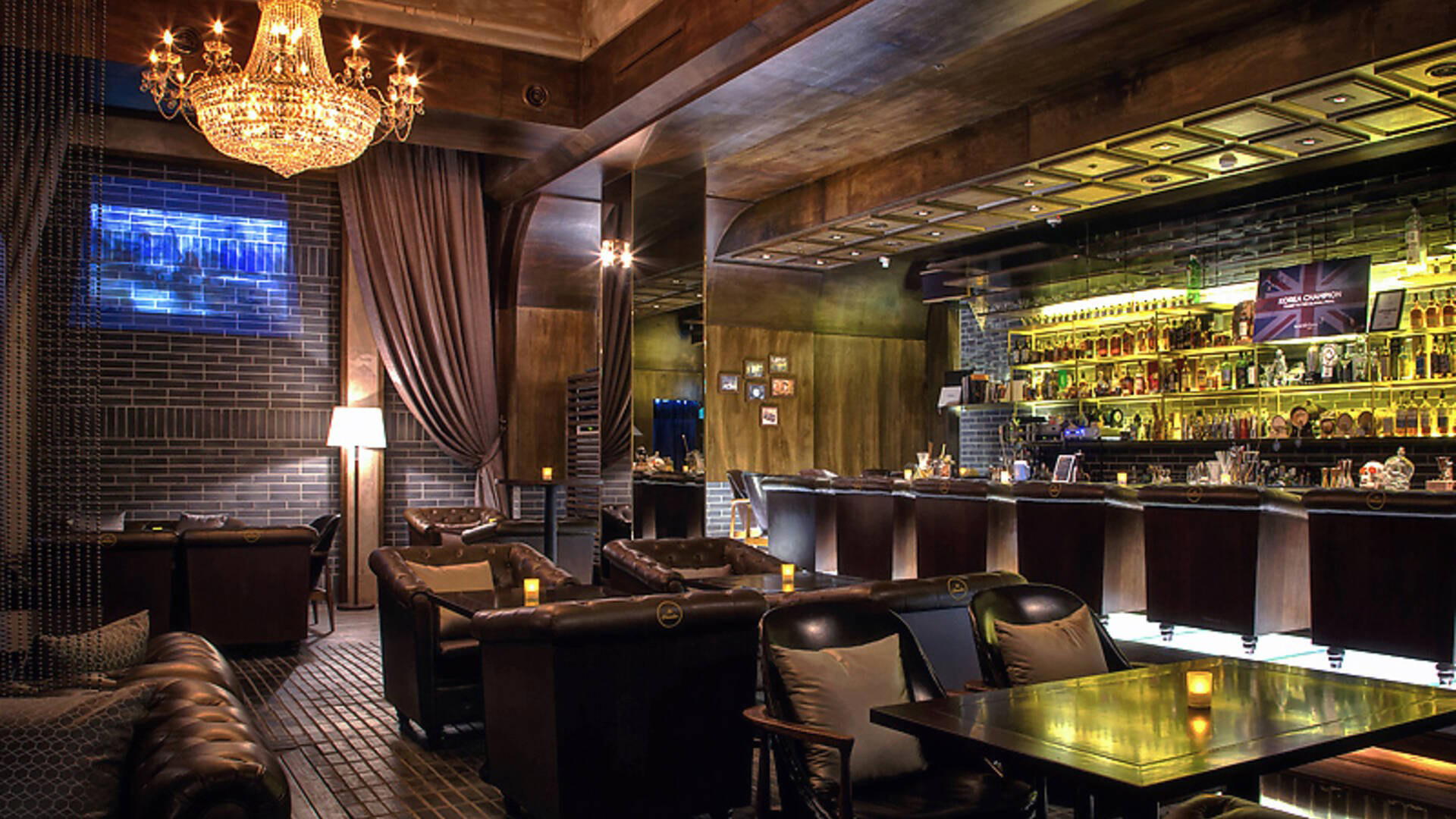
Elegant and fancy atmosphere with an open grill experience allowing diners to hear the sizzle of premium eels.