Mitou


A two-Michelin-star Japanese restaurant in Cheongdam-dong, Mitou sits at the intersection of Seoul's appetite for precision dining and its willingness to look beyond national borders for it. Helmed by chef Alex Wnorowski and recognised by La Liste with 89 points in 2026, it occupies the upper tier of Gangnam's serious dining circuit, where the occasion often matters as much as the meal itself.
Pearl is the En Primeur Club membership app — saves, bookings, and concierge access live there. Same editors, same standards.
- Address
- South Korea, Seoul, Gangnam District, Cheongdam-dong, 17-24 1층
- Phone
- +82 10-7286-9914
- Website
- instagram.com
- Directions
- Get directions
 Saves & bookings on Pearl
Where Cheongdam-dong Sets the Scene
Cheongdam-dong does not ease you in. The streets around Mitou's address on 17-24 1층 carry the particular tension of a neighbourhood that has spent decades deciding what serious money looks like in Seoul: quiet facades, deliberate lighting, the absence of anything that needs to shout. Japanese fine dining has found a coherent home in this part of Gangnam not by accident but by alignment. The neighbourhood's clientele expects precision, discretion, and the kind of service architecture where every decision has been made before you arrive. Mitou fits that expectation completely. It is a two-Michelin-star Japanese Kaiseki restaurant in Seoul, with dinner service from Tuesday through Saturday and a price tier of ₩₩₩₩.
The broader context matters here. Seoul's upper tier of Japanese restaurants has grown substantially over the past decade, and the city now hosts a concentration of high-calibre Japanese cuisine that rivals the density of specialised neighbourhoods in Tokyo itself. What Cheongdam-dong offers these restaurants is a local dining culture with the budget and the patience for multi-course formats. Milestone dinners, corporate entertaining, and anniversary meals drive a significant share of reservations in this part of the city, and that shapes the entire rhythm of what a room like Mitou needs to deliver.
The Occasion Case: When the Meal Has to Mean Something
There is a category of dinner where the food is almost secondary to what the evening represents. Birthdays with a zero on the end. Deals that took eighteen months to close. The proposal you have rehearsed. Seoul's Gangnam dining circuit has several restaurants built around this weight, GAGGEN by Choi Junho, Gaon, and 권숙수 - Kwon Sook Soo all operate in the same register of formality and intent. Mitou earns its place in that company through two Michelin stars and a La Liste score that moved from 87 points to 89 between 2025 and 2026, a trajectory that signals continued momentum rather than a plateau.
What makes Japanese fine dining particularly well-suited to occasion meals is structural. The omakase or chef-led format, common at this price tier, removes the pressure of choosing, the menu unfolds on its own terms, and guests are freed to concentrate on the evening rather than the decision architecture of ordering. At a restaurant operating at two-star level, that structure carries an implicit contract: the kitchen has thought about this more than you have, and the sequencing will hold.
Among peer restaurants at the ₩₩₩₩ price tier in Seoul, Japanese cuisine occupies a distinctive position. While Muni, Sanro, and Sobajuu each address different facets of Japanese culinary tradition in Seoul, the two-Michelin-star designation places Mitou in a smaller, more pressurised bracket where the margin for error is narrow and the expectations arrive fully formed.
Chef, Credentials, and What the Awards Signal
Seoul's two-star Japanese restaurants are a small group, and the presence of a chef with a non-Korean name at this level is worth noting for what it says about the scene rather than about the individual. The city's premium dining circuit has, over the past decade, become genuinely international in its willingness to award leading recognition across culinary traditions and regardless of the chef's origin. Alex Wnorowski holding two Michelin stars in Gangnam is less a biographical curiosity than evidence of how Seoul now evaluates cooking: on technical merit and consistency, not provenance.
La Liste's scoring method aggregates critical opinion across multiple review sources and applies a points-based ranking. Moving from 87 to 89 points between 2025 and 2026 inside the Leading Restaurants designation is not the kind of jump that happens by accident. It suggests that the critical consensus around Mitou is strengthening, which in practical terms means more external attention and tighter availability.
For context on what two-star Japanese cooking looks like in adjacent markets, Myojaku in Tokyo, Azabu Kadowaki in Tokyo, and Isshisoden Nakamura in Kyoto offer reference points in the source markets for this tradition. What Seoul's version of this category adds is a clientele that brings high expectations across both Japanese and Korean fine dining, which raises the competitive bar considerably.
The Dining Circuit Around Mitou
Planning an occasion around Mitou means thinking about what the full evening can hold. Cheongdam-dong and the surrounding Gangnam corridor have the bar and wine infrastructure to support a multi-stop evening at this level.
The neighbourhood also positions Mitou naturally within a broader Seoul itinerary for visitors coming specifically for serious dining. The two-star designation makes it a logical anchor around which to build a Seoul trip, particularly for those whose framework for the city includes Kirameki or other high-precision Japanese formats in the city. Seoul's dining geography rewards planning: the concentration of serious restaurants in Gangnam means that a well-structured two-night itinerary can cover significant ground without the transit friction that affects other dining capitals.
For those extending the Korea trip beyond the capital, Mori in Busan and Baegyangsa Temple in Jangseong-gun represent the kind of out-of-Seoul dining that rounds a considered Korea itinerary. And for those interested in the full range of Korea's regional and temple food traditions, 더 플라잉 호그 - The Flying Hog in Seogwipo adds another register entirely.
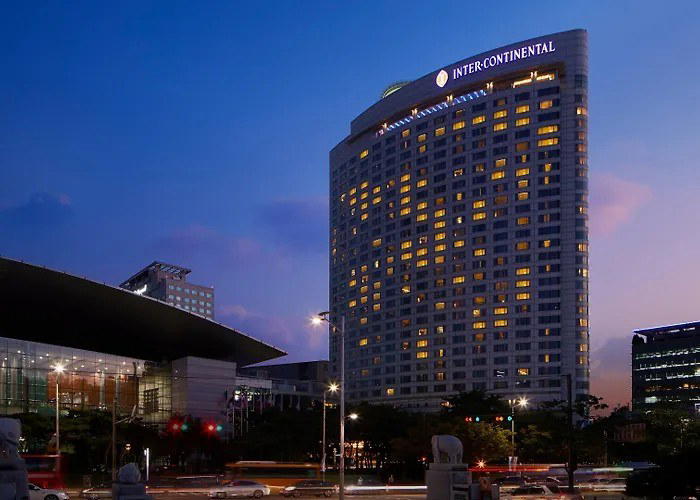
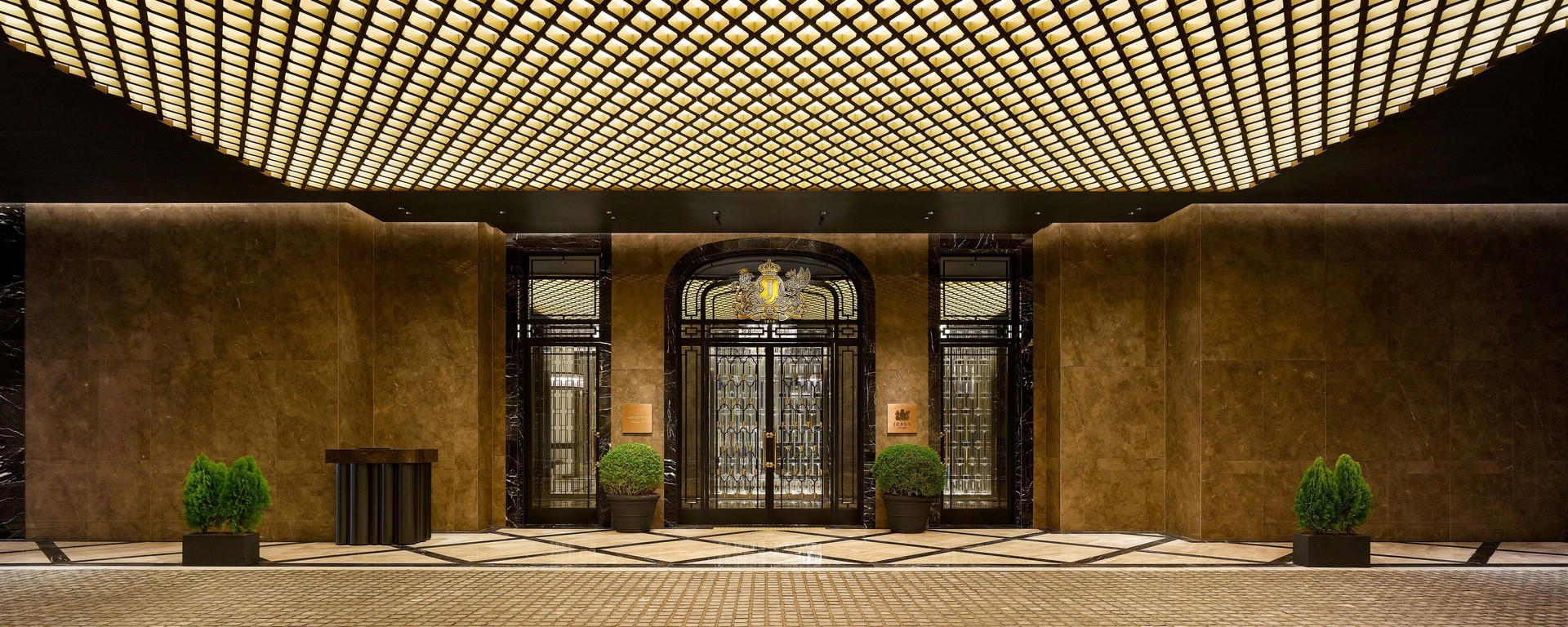
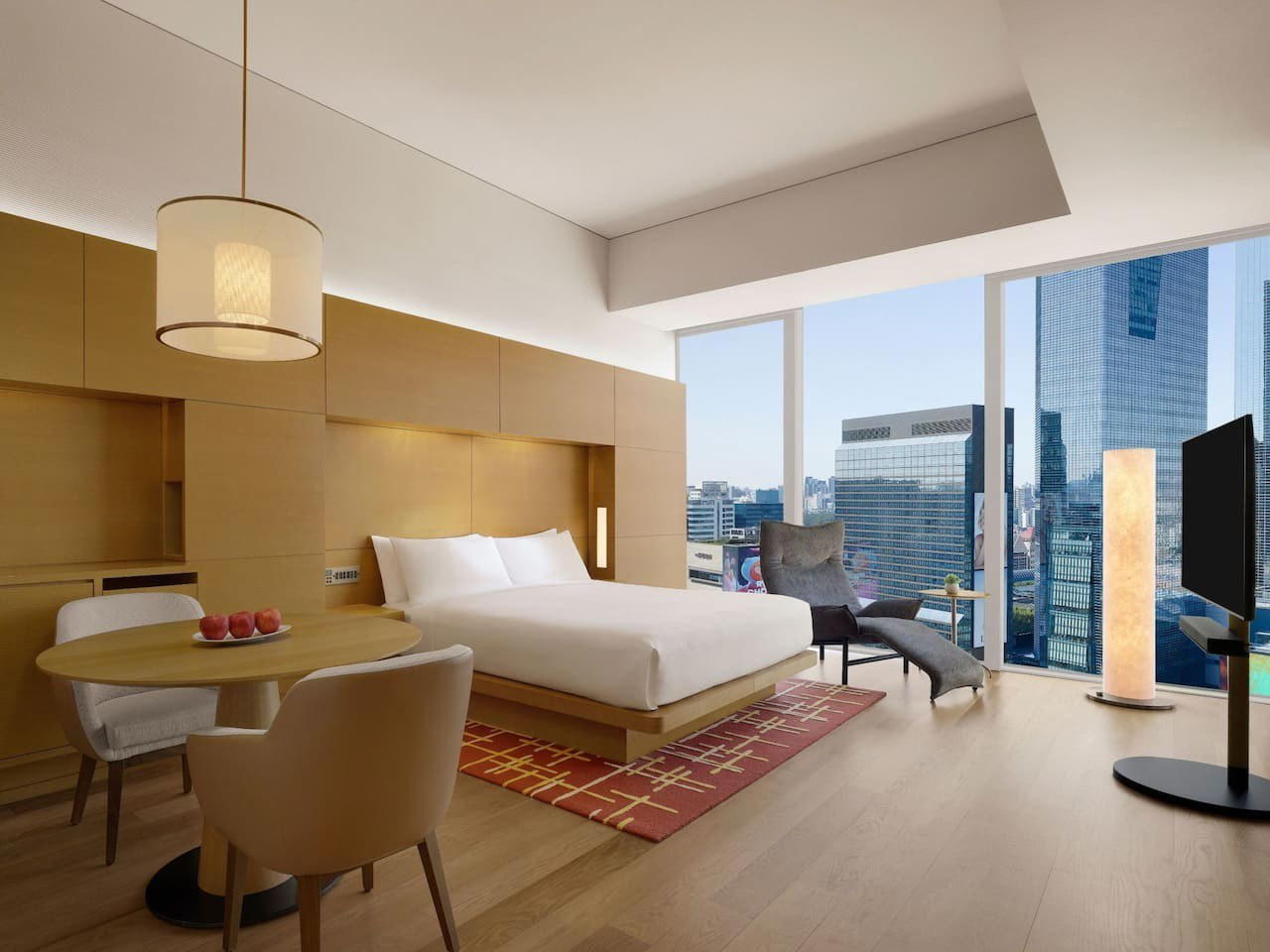
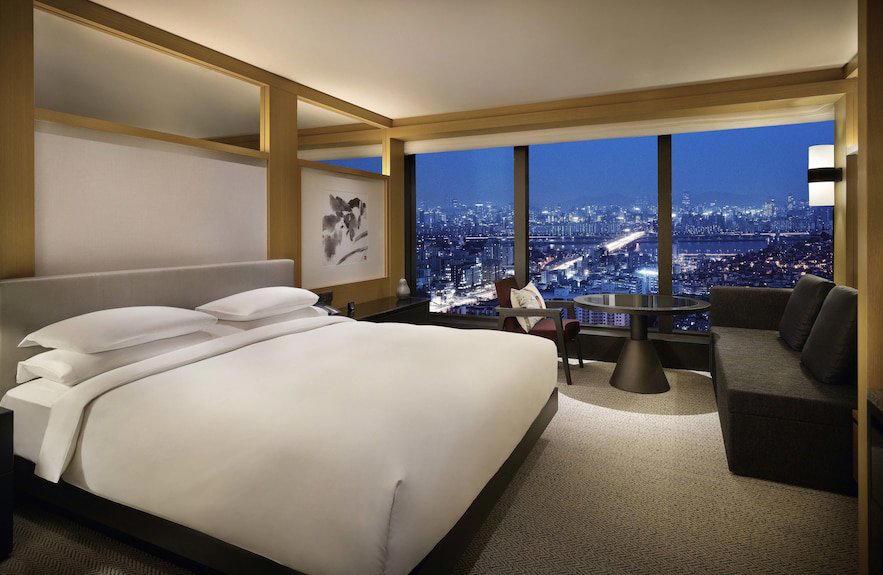
Accommodation in Gangnam for a dinner of this calibre warrants the same level of attention as the booking itself.
8 From 84 Actually Says. The review count is low, which is typical for a restaurant where the clientele skews toward private dining, corporate entertainment, and occasions where guests are unlikely to be first-time reviewers in any public sense. The score itself, held across a relatively concentrated pool of reviews, reflects consistent delivery rather than viral enthusiasm. At ₩₩₩₩ pricing in Seoul's most demanding dining district, the margin for a three-star review without a stated reason is small. The 4.8 implies that the room consistently meets the expectations of people who arrived with high ones.
The comparable set and Where Mitou Sits
Seoul's ₩₩₩₩ restaurant tier includes a range of approaches to modern and traditional Korean, European, and Japanese formats. Zero Complex, Onjium, and Solbam operate at comparable price points with different culinary anchors. What separates Mitou within that group is the combination of consecutive two-star recognition and a rising La Liste score, which places it inside a smaller subset of restaurants where sustained critical attention is a feature of the dining proposition rather than background noise.
Within the Japanese dining category specifically, the two-star level in Seoul means competing against a short list of peers. For the occasion diner evaluating options, that distinction matters: the question is not whether the meal will be good but whether the specific register of Japanese precision at this level fits the occasion being marked. For formal milestone dining with a preference for a chef-led format and a room that treats silence as a feature rather than a problem, Mitou occupies a clearly defined position in Seoul's dining circuit.
Know Before You Go
- Address: 17-24 1층, Cheongdam-dong, Gangnam District, Seoul, South Korea
- Cuisine: Japanese
- Price tier: ₩₩₩₩
- Awards: Michelin 2 Stars (2024, 2025); La Liste Leading Restaurants 87pts (2025), 89pts (2026) 8 from 84 reviews
- Chef: Alex Wnorowski
- Booking: Essential; advance planning of several weeks to months is advisable given the award profile and occasion-dining demand
- Leading for: Milestone celebrations, formal entertaining, occasion dining at the two-star tier
Cuisine Context
Comparable venues nearby, for context on price, style, and recognition.
| Venue | Cuisine | Price | Awards | Notes |
|---|---|---|---|---|
| MitouThis venue — the venue you are viewing | Japanese Kaiseki | $$$$ | Michelin 2 Star | Not listed |
| Born and Bred | Premium Korean Hanwoo Beef Omakase | $$$$ | Michelin Plate, World's 50 Best #56 | 마장동 |
| Mosu Seoul | Modern Korean Fusion Fine Dining | $$$$ | World's 50 Best #41 | 필동 |
| Bium | Korean Temple Cuisine | $$$ | Michelin Plate, World's 50 Best #43 | Noyu-dong |
| Zero Complex | Modern French Neo-Bistro | $$$$ | Michelin 1 Star | 서빙고 |
| Goryori Ken | Contemporary Japanese with Western Influences | $$$$ | Michelin 1 Star | 압구정동 |
Recognition history
Dated appearances from independent guides and award organizations, with the underlying list record or original source where available.
La Liste Top Restaurants
La Liste
La Liste Top Restaurants
La Liste
Michelin 2 Stars
Michelin
Michelin 2 Stars
Michelin
At a Glance
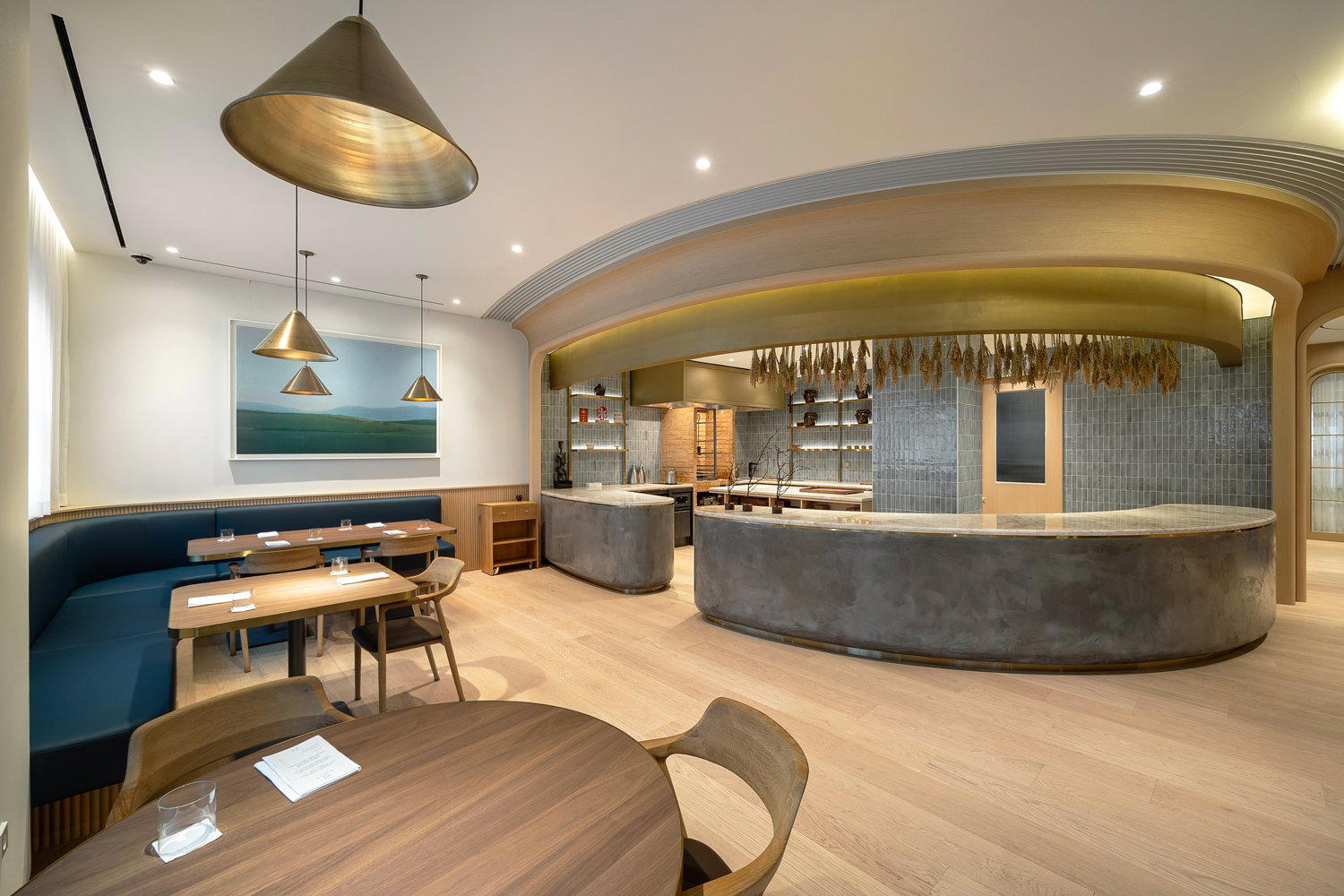
- Intimate
- Elegant
- Minimalist
- Cozy
- Sophisticated
- Date Night
- Special Occasion
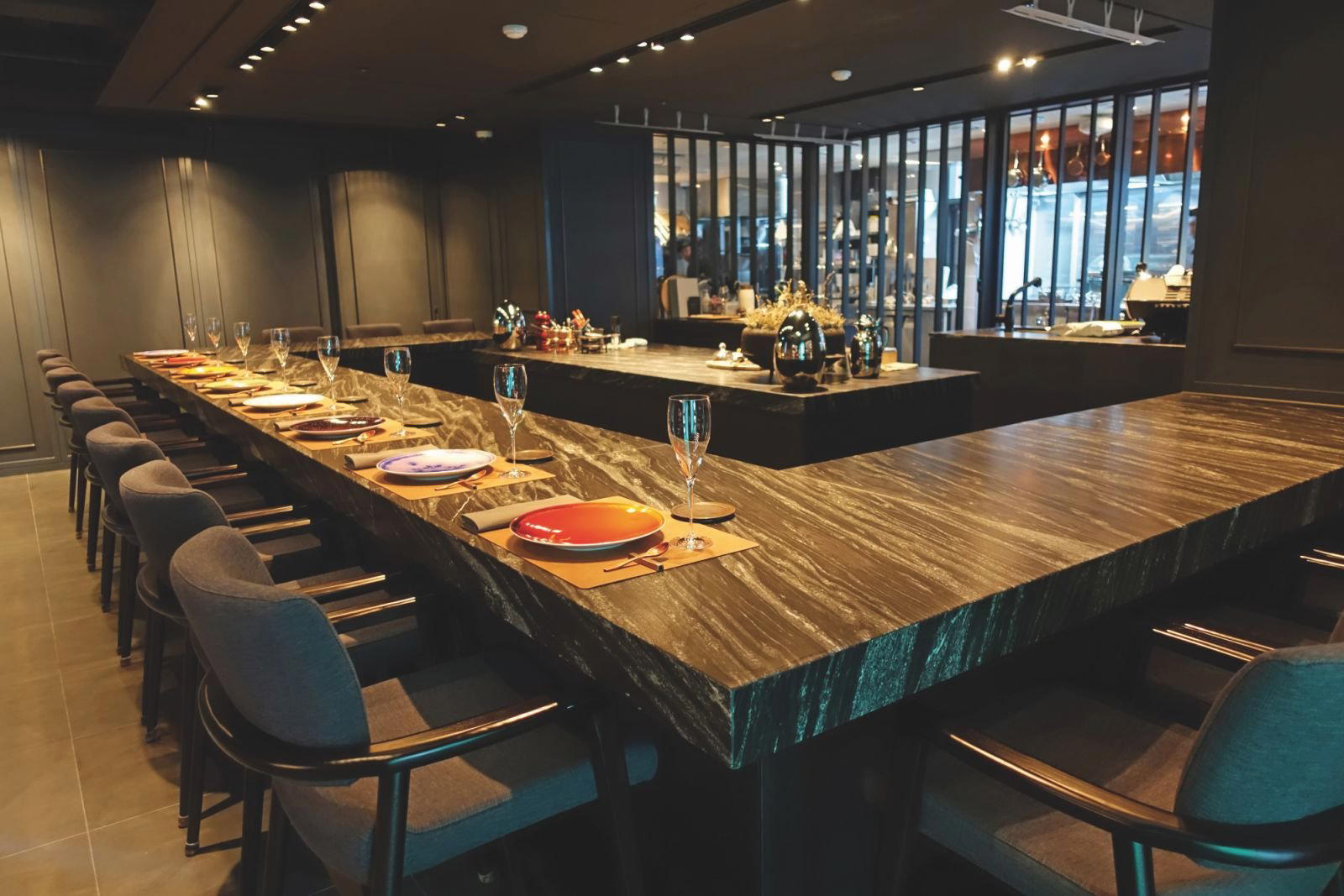
- Chefs Counter
- Open Kitchen
- Local Sourcing
Current opening hours
- Monday
- Closed
- Tuesday
- 6–10 PM
- Wednesday
- 6–10 PM
- Thursday
- 6–10 PM
- Friday
- 6–10 PM
- Saturday
- 6–10 PM
- Sunday
- Closed
Hours can change for holidays and private events. Last verified .
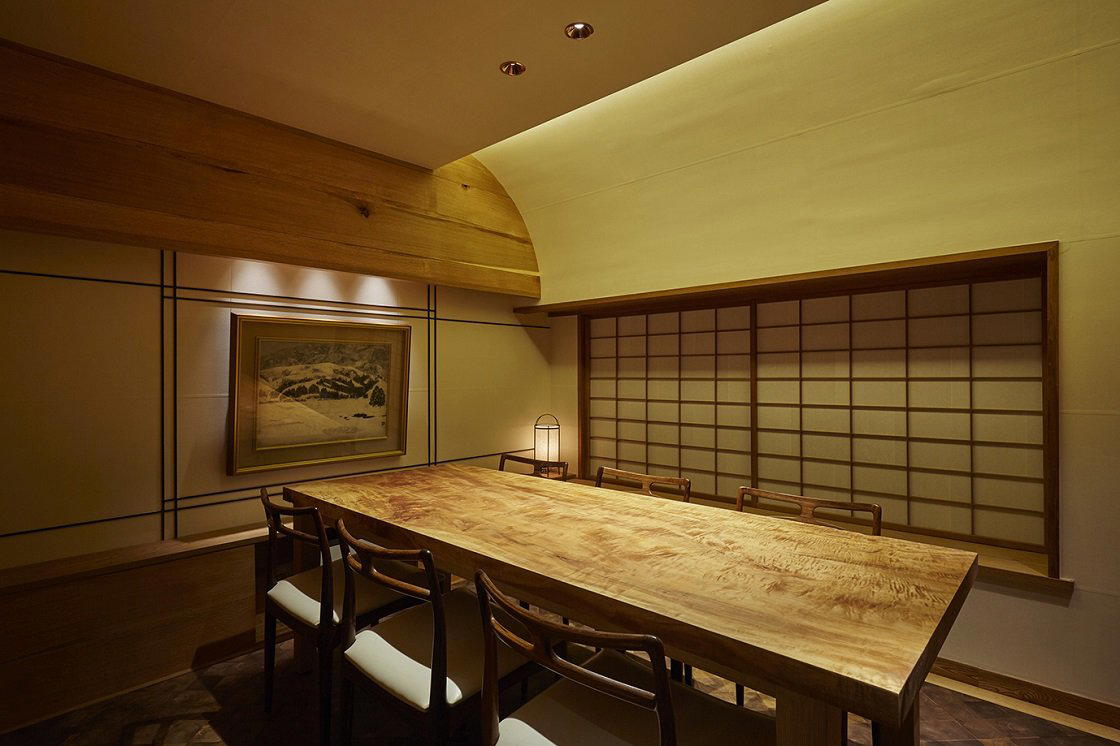
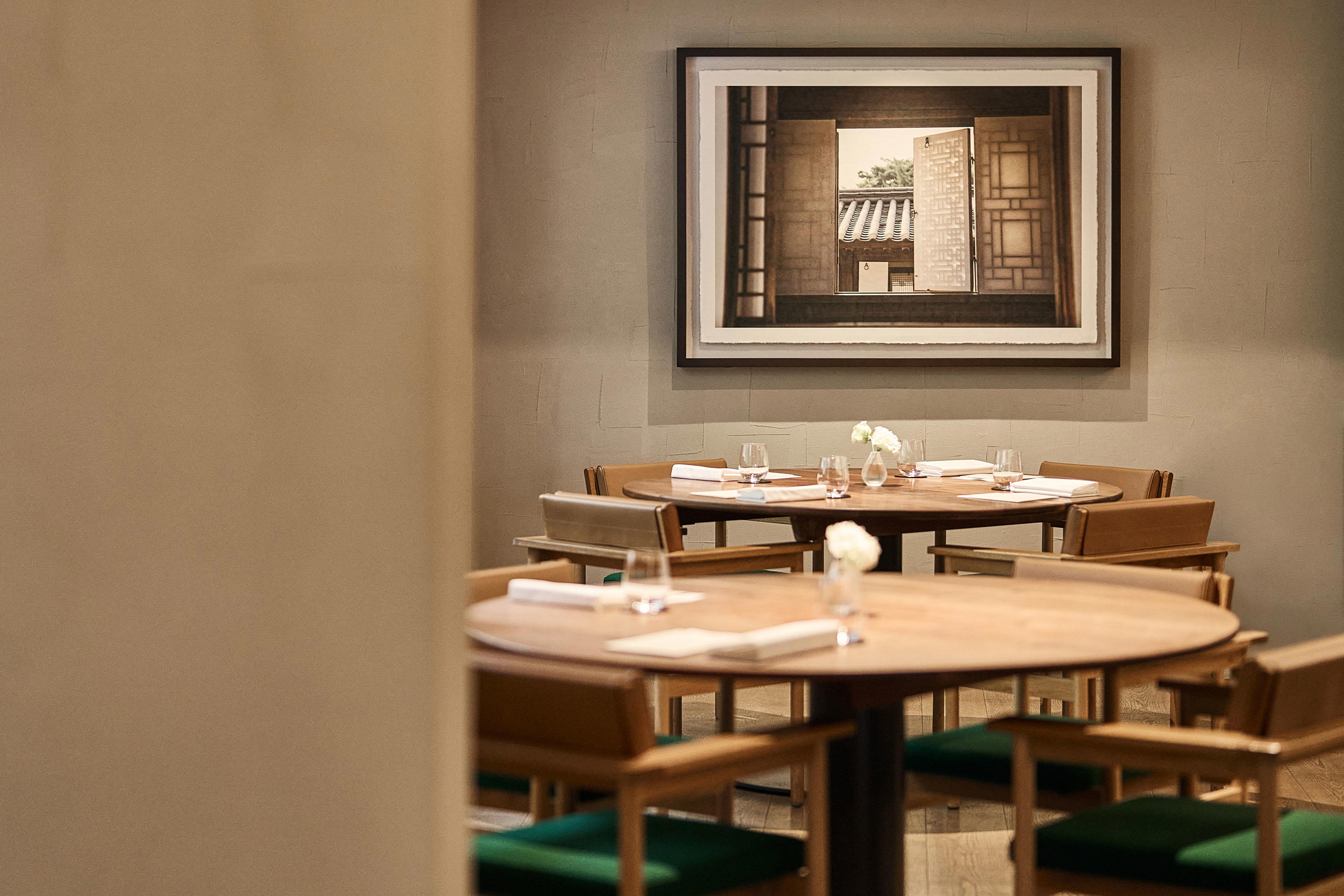
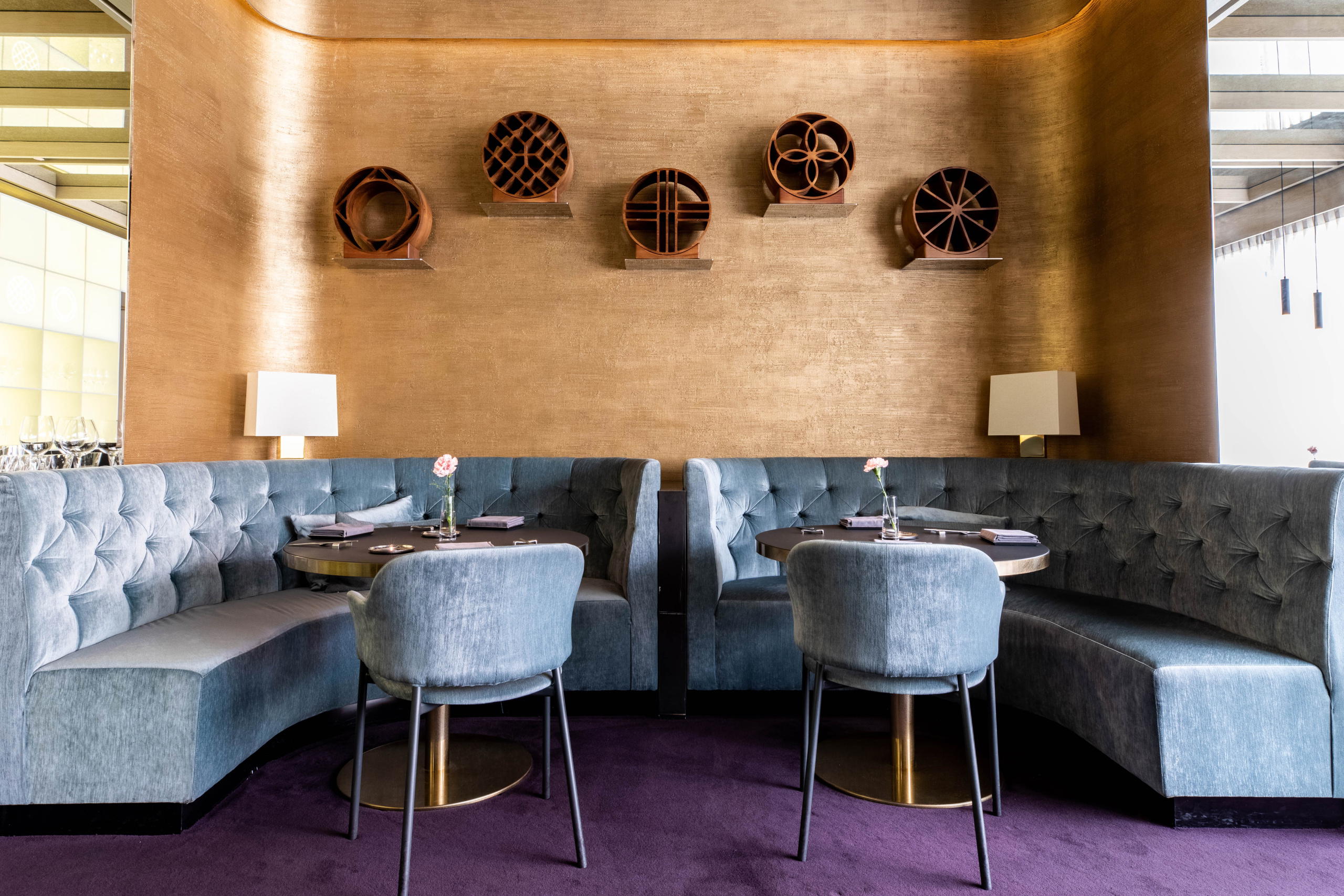
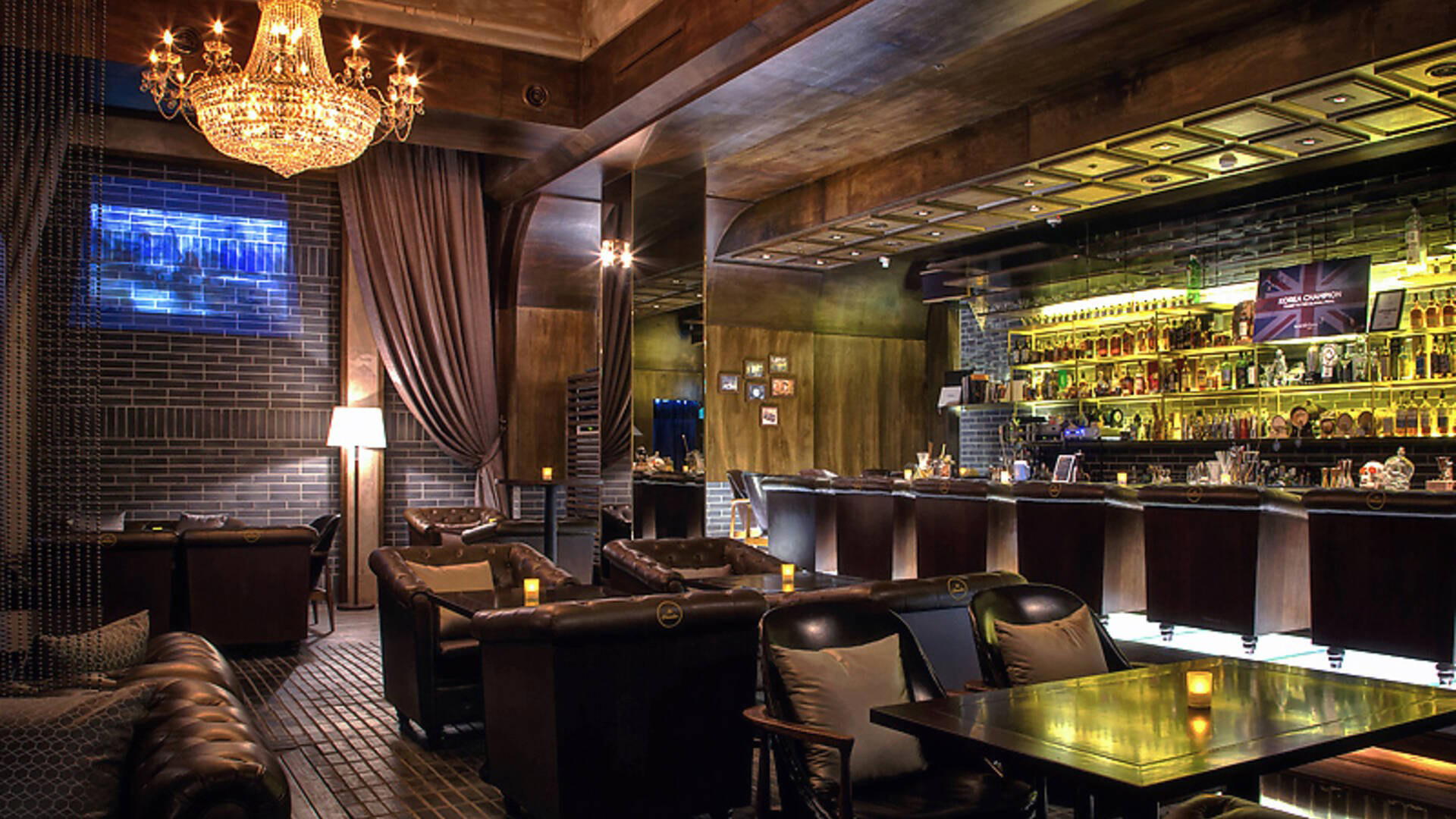
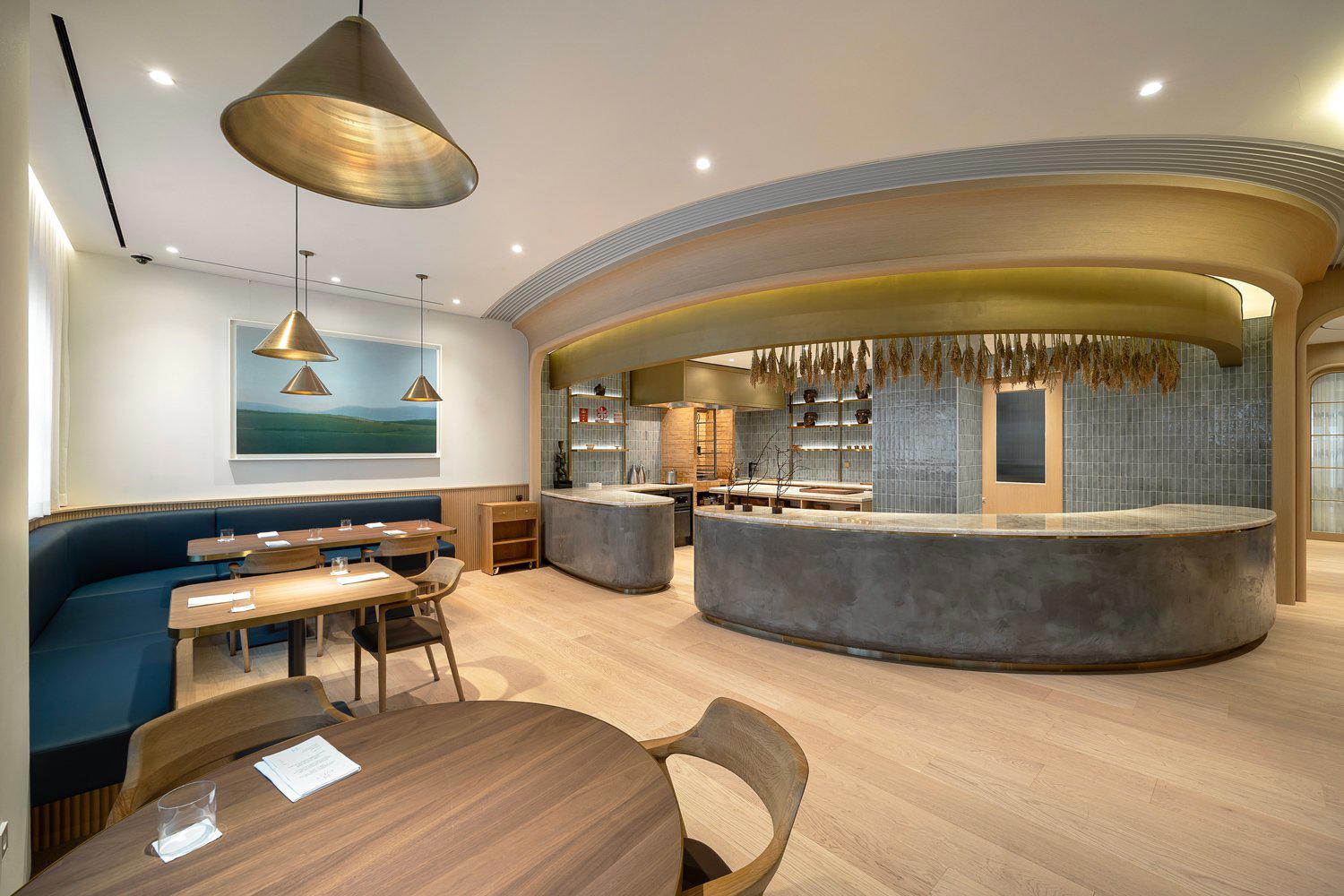
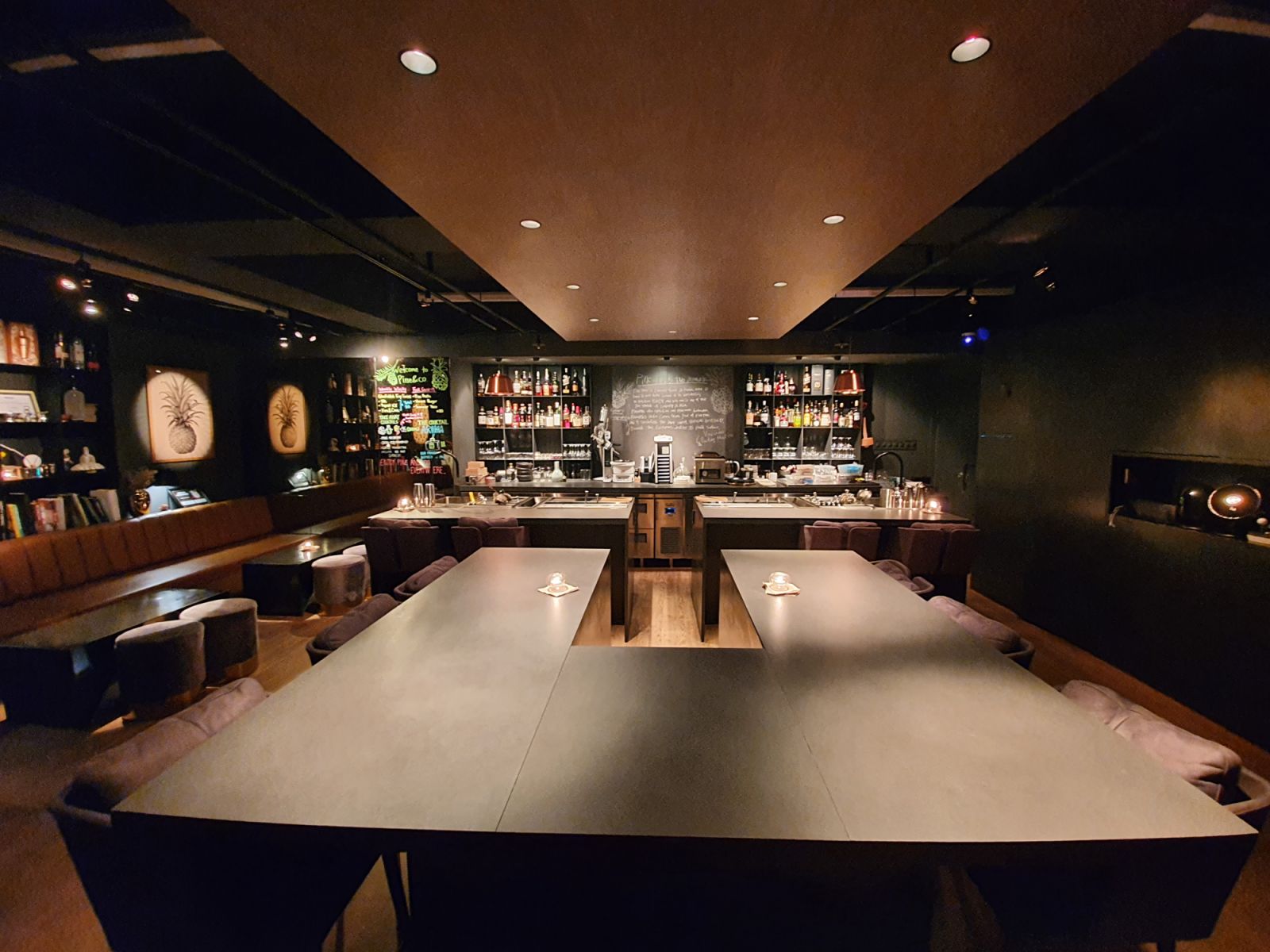
Cozy and intimate setting with minimalist design, emphasizing precision and artistry in a formal, serene atmosphere.