
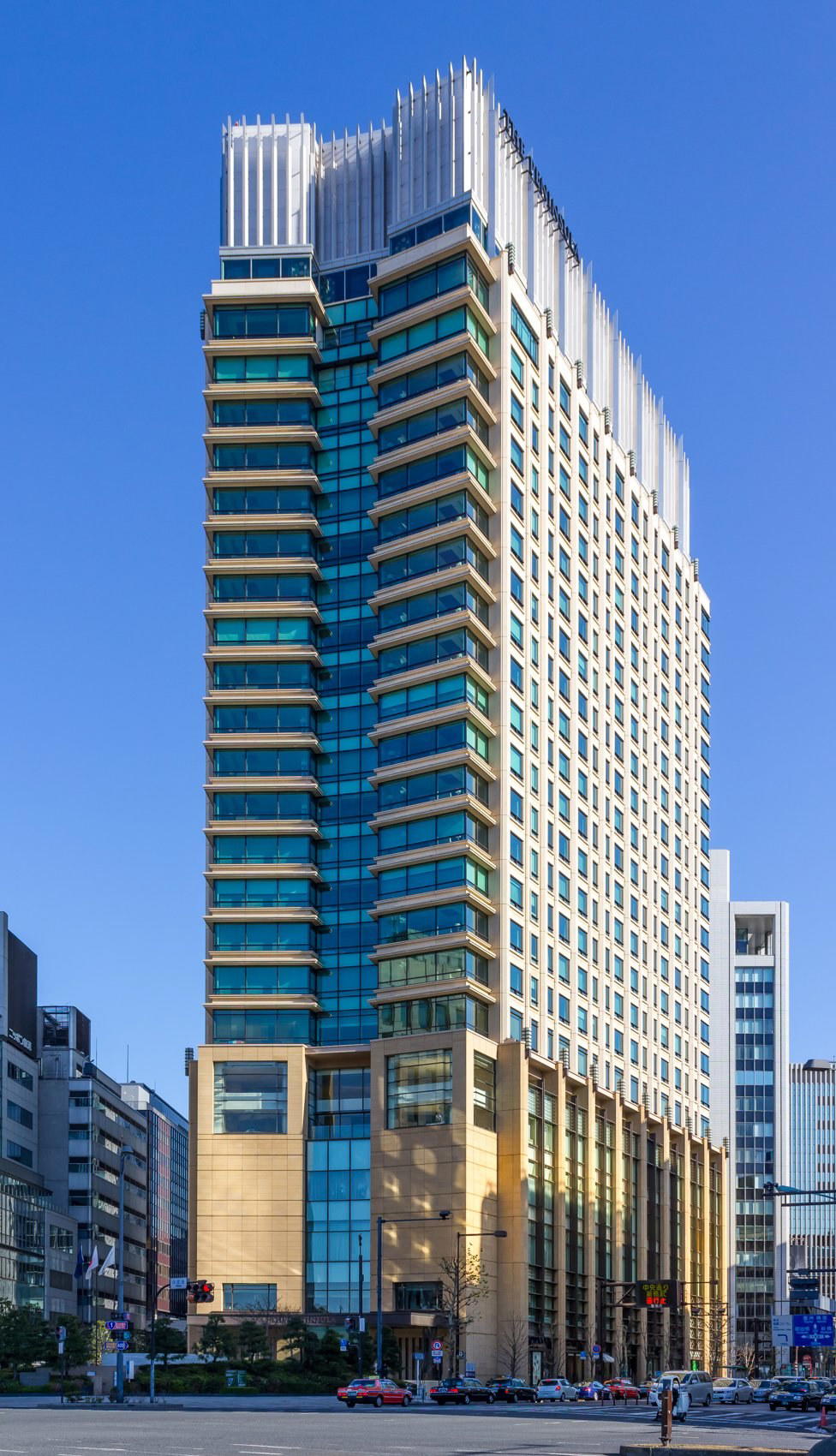
Yamazato, inside the Forbes Travel Guide Five-Star Okura Tokyo in Minato-ku, is one of the city's most authoritative addresses for classical Japanese cuisine. The kitchen works across sushi, tempura, and kappo, three disciplines that together represent the formal register of Japanese cooking. For visitors with limited time in Tokyo's fine-dining scene, this is where the tradition holds its ground most clearly.
Pearl is the En Primeur Club membership app — saves, bookings, and concierge access live there. Same editors, same standards.
- Address
- 2-10-4 Toranomon, Minato-ku
- Phone
- 81-3-3505-6070
- Website
- theokuratokyo.jp
 Saves & bookings on Pearl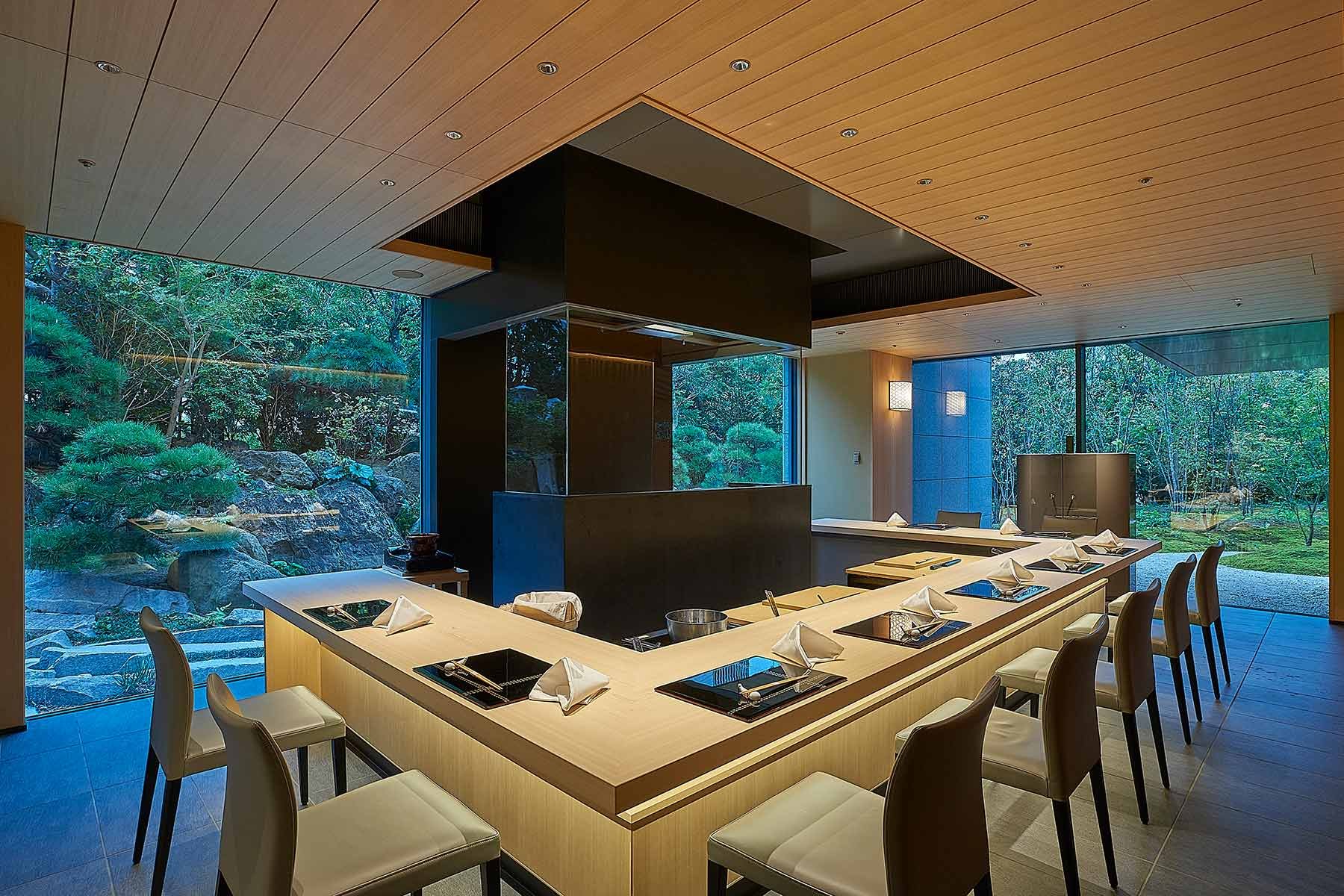
Where Classical Japanese Cuisine Holds Its Ground
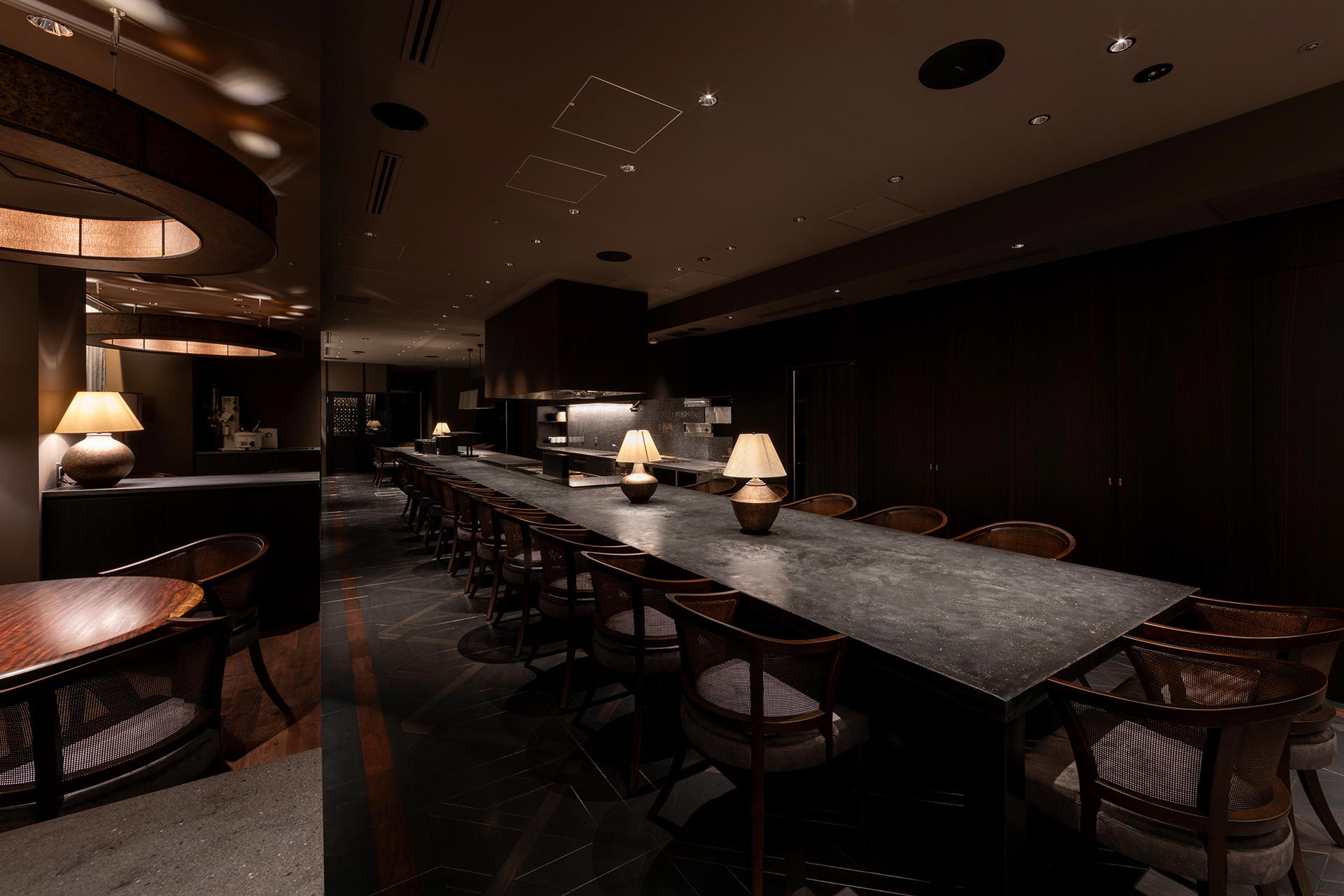
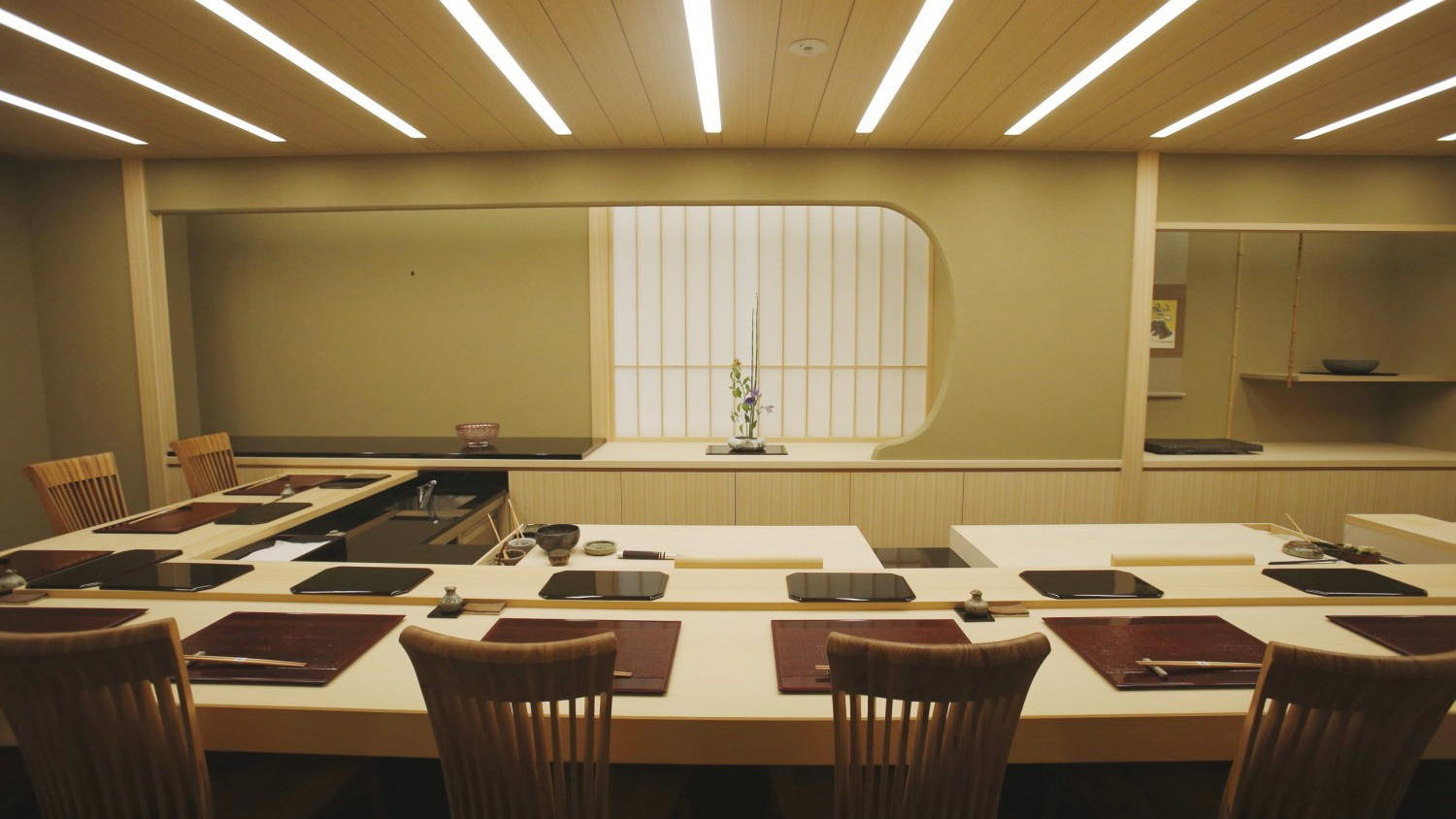
Yamazato Tokyo is a Japanese restaurant in Toranomon, Tokyo, serving Traditional Japanese Kaiseki and Sushi at The Okura Tokyo. The building in Toranomon, Minato-ku, carries the architectural weight of mid-century Japanese modernism, and the interior registers that seriousness without performing it. Approaching Yamazato within the property, the setting moves from hotel corridor to something quieter and more deliberate: lacquerwork, subdued lighting, the spatial logic of a room designed around ceremony rather than throughput. This is an environment shaped by the conviction that context is inseparable from the food itself.
That conviction is worth taking seriously, because it frames everything about what Yamazato does and why it occupies the position it does among Tokyo's fine-dining options. Forbes Travel Guide awarded the Okura Tokyo its Five-Star designation, placing Yamazato in a select hotel dining category where service and cuisine are expected to match the setting. Five-Star hotel restaurants operate in a different register than standalone venues: the service infrastructure is deeper, the consistency expectations are higher, and the guest profile tends toward those for whom a single evening needs to carry the full weight of a destination's dining character.
Sushi, Tempura, and the Less-Understood Art of Kappo
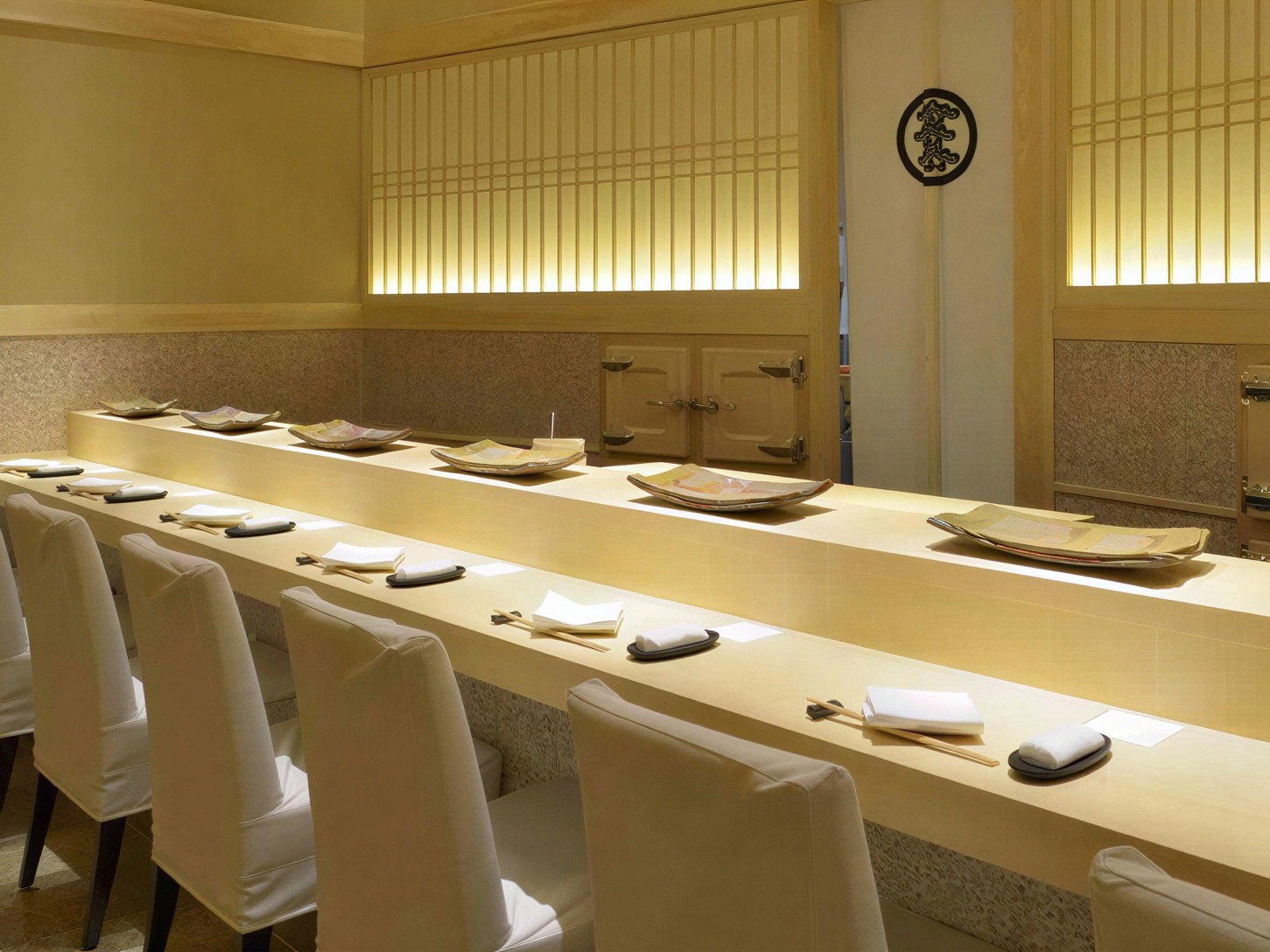
The kitchen works across three disciplines: sushi, tempura, and kappo cuisine. Kappo is different. The term refers to a style of Japanese cooking where the chef prepares dishes at a counter in view of the guest, in a format that predates kaiseki but shares its emphasis on seasonal ingredients and technical precision. Unlike kaiseki, which follows a structured progression of courses with codified form, kappo allows more direct exchange between kitchen and guest, with the chef adjusting the meal in response to the table. It is a format that rewards repeat visitors and those who communicate preferences clearly.
Kappo sits in a distinct position. The kaiseki format has attracted most of the critical attention and Michelin recognition in recent years, with venues like RyuGin representing the pinnacle of that tradition at the summit of the price tier. Kappo operates with less ceremony and more directness, though the ingredient standards and skill requirements are no less demanding. For a visitor trying to understand Japanese fine dining across its registers, a kappo experience offers a different kind of access to the tradition than an omakase sushi counter such as Harutaka or a tasting-menu format like L'Effervescence.
The Position Yamazato Occupies in Tokyo's Fine-Dining Order
Tokyo's fine-dining scene has fractured over the past decade into increasingly specialised tiers. At one end sit the small counter restaurants. At the other end are the hotel dining rooms that can accommodate larger groups while maintaining high technical standards. Yamazato belongs firmly in the second category, but the Forbes Five-Star designation signals that the hotel's ambition for the restaurant goes beyond convenience dining for guests who don't want to leave the building.
Yamazato's orientation is entirely different: it operates as a statement about Japanese classical tradition rather than a dialogue with Western fine dining. In a city where that dialogue dominates much of the high-profile restaurant conversation, a kitchen committed to sushi, tempura, and kappo in a serious hotel context represents a deliberate choice about what Tokyo cooking has always been capable of without outside reference points.
That positioning carries significance beyond the meal itself. For visitors from outside Japan, Yamazato offers a clear entry point into the classical tradition, with the support infrastructure of a Five-Star hotel around it. For those who have already worked through Tokyo's more intimate counter experiences, it offers a different kind of evening: spacious, formally supported, and anchored in a property with genuine historical weight.
Classical Japanese Dining Across Japan
Understanding Yamazato's approach becomes sharper when you place it against how the classical tradition operates elsewhere in Japan. Kyoto remains the reference point for kaiseki formality, where restaurants like Gion Sasaki hold the tradition at its most codified. Osaka has its own counter culture, represented at the high end by HAJIME, while Fukuoka's scene, anchored by venues such as Goh, reflects a different regional sensibility. Further afield, Bleston Court Yukawatan in Nagano and giueme in Akita show how regional ingredients reshape the same classical vocabulary. Against this national picture, Yamazato's commitment to classical forms in central Tokyo is less about novelty than about holding a standard that the city's more trend-sensitive restaurant culture sometimes moves past. Internationally, the equivalent seriousness of purpose in hotel fine dining is visible at places like Le Bernardin in New York City, where technical discipline in a grand setting defines the proposition. Emeril's in New Orleans represents a different cultural anchoring in its own city, which is a useful parallel: restaurants that carry the weight of a tradition rather than departing from it. In Nara, akordu shows how a serious kitchen can operate outside the metropolitan fine-dining circuit entirely.
Planning a Visit
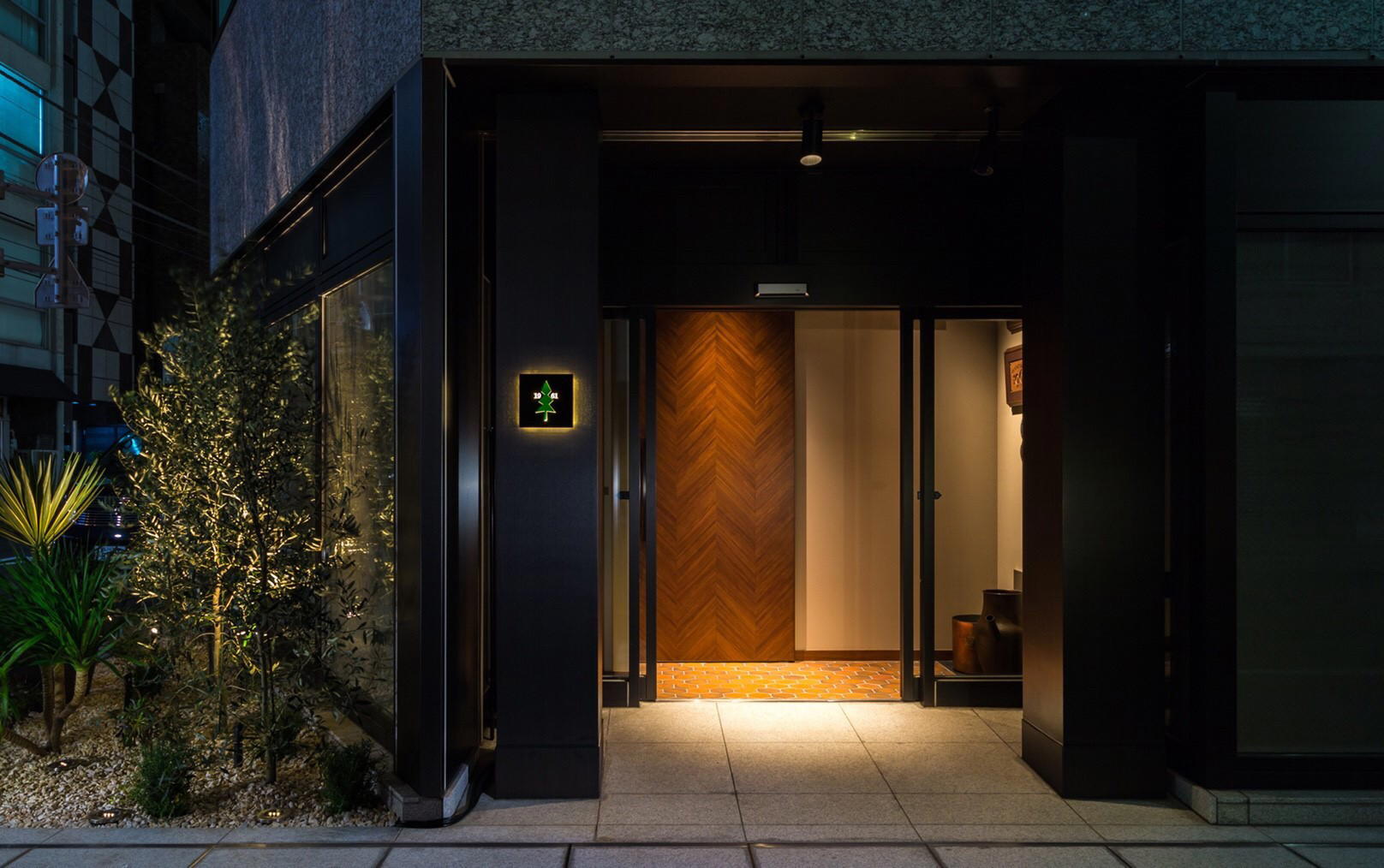
Yamazato sits within the Okura Tokyo at 2-10-4 Toranomon, Minato-ku, a Minato-ku address that is direct to reach from central Tokyo. The Forbes Five-Star status of the parent hotel means reservations for Yamazato are worth making in advance, particularly if you are working around a fixed itinerary. The hotel's concierge can assist with booking. Given the breadth of the menu across sushi, tempura, and kappo, communicating preferences or dietary considerations at the time of reservation is advisable rather than assumed.
For those building a wider Tokyo itinerary, the EP Club guides cover the full spectrum: our full Tokyo restaurants guide, our full Tokyo hotels guide, our full Tokyo bars guide, our full Tokyo wineries guide, and our full Tokyo experiences guide provide the context needed to place Yamazato within a broader visit.
Budget Reality Check
Comparable venues nearby, for context on price, style, and recognition.
| Venue | Cuisine | Price | Notes |
|---|---|---|---|
| Yamazato TokyoThis venue — the venue you are viewing | Not listed | $$$$ | Not listed |
| Ara Ki | Minato, Edomae Sushi | $$$$ | Not listed |
| Hoshinoya Restaurant | Not listed | $$$$ | Chiyoda, Modern Japanese Kaiseki with French Techniques |
| Tokyo Niku Shabuya | Not listed | $$$$ | Shinjuku, Premium Tajima Wagyu Shabu-Shabu & Sukiyaki |
| 久丹 | Not listed | $$$$ | Shintomicho, Chuo, Modern kaiseki "Tokyo washoku" tasting menu |
| Toribayashi | Minato, Modern Yakitori Omakase | $$$$ | Not listed |
Recognition history
Dated appearances from independent guides and award organizations, with the underlying list record or original source where available.
Forbes 4-Star
Forbes










At a Glance
- Elegant
- Sophisticated
- Classic
- Quiet
- Intimate
- Business Dinner
- Special Occasion
- Celebration
- Chefs Counter
- Hotel Restaurant
- Sake Program
- Extensive Wine List
- Sommelier Led
Current opening hours
- Monday
- 7–9:30 AM, 11:30 AM–2:30 PM, 5:30–9:30 PM
- Tuesday
- 7–9:30 AM, 11:30 AM–2:30 PM, 5:30–9:30 PM
- Wednesday
- 7–9:30 AM
- Thursday
- 7–9:30 AM, 11:30 AM–2:30 PM, 5:30–9:30 PM
- Friday
- 7–9:30 AM, 11:30 AM–2:30 PM, 5:30–9:30 PM
- Saturday
- 7–10 AM, 11:30 AM–2:30 PM, 5:30–9:30 PM
- Sunday
- 7–10 AM, 11:30 AM–2:30 PM, 5:30–9:30 PM
Hours can change for holidays and private events. Last verified .
Minimalist Japanese inn-style with neutral refined wood interiors, calm oasis-like atmosphere, well-spaced tables, soft lighting, and peaceful elegance.