

Our verdict
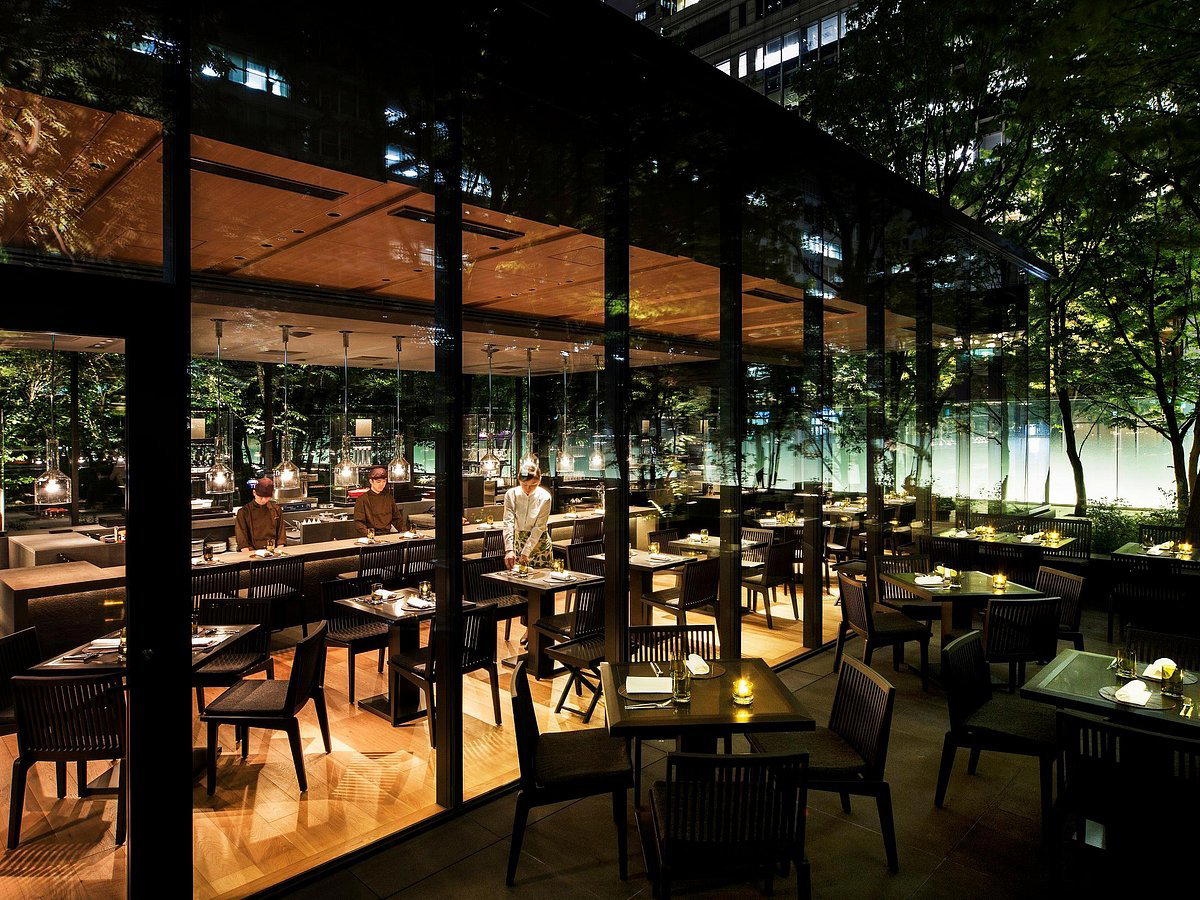
A French dining address in Ōtemachi that sits inside Tokyo's competitive haute cuisine tier, Hoshinoya Restaurant brings classical European technique to one of the city's most formal business districts. Chef Ryosuke Oka's kitchen holds an Opinionated About Dining ranking among Japan's top restaurants for 2025. The address suits travellers who want French cooking positioned against serious peers like L'Effervescence and Sézanne.

Pearl is the En Primeur Club membership app, where members save venues, book tables and use the concierge.
The menu
What to order
- Ankimo with kumquat and yuzu meringue
- Five Flavors of Delight
- Kinmedai with horse meat tartare
- Kobako-gani with crab eggs
- Cold Smoked Sawara
- Soup de Poisson
French Haute Cuisine in the Heart of Tokyo's Financial Core
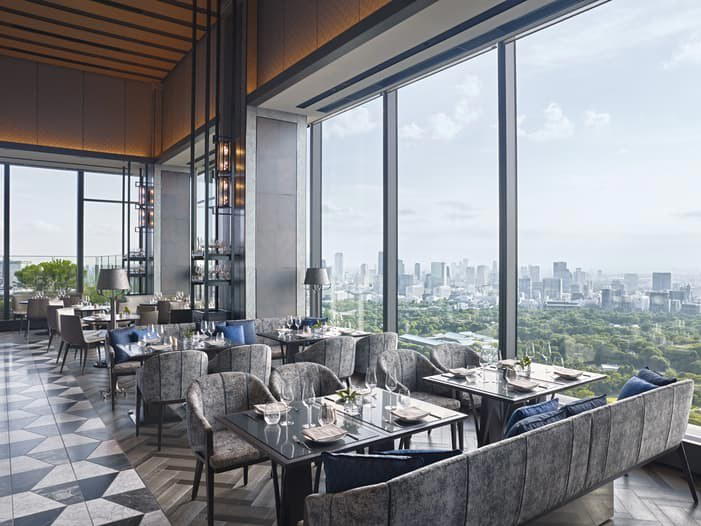
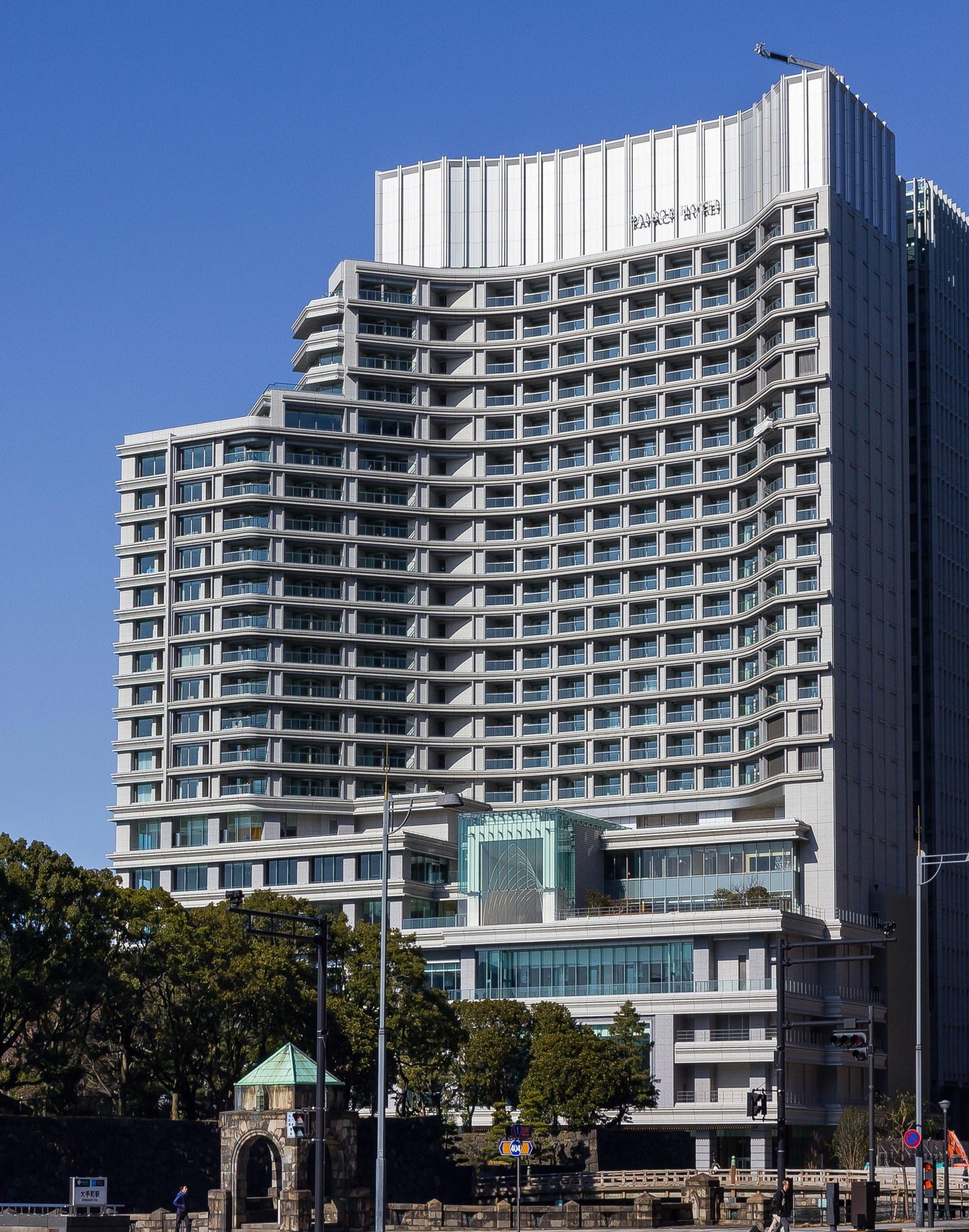
Ōtemachi is not the neighbourhood most visitors associate with Tokyo's restaurant culture. It sits on the eastern edge of the Imperial Palace grounds, a district of bank headquarters, law firms, and corporate towers where lunch crowds move quickly and dinner reservations tend to be driven by client entertainment rather than destination dining. Yet that context has historically supported some of the city's most serious French kitchens, rooms where the formality of the setting and the depth of the wine list align with the expectations of guests accustomed to dining at this level in Paris, Geneva, or Hong Kong.
Where Tokyo's French Scene Places This Kitchen
Tokyo's French dining tier has stratified considerably over the past decade. At the summit sit rooms like L'Effervescence and Sézanne, both carrying Michelin recognition at the three-star level and drawing international attention that puts them in conversation with leading European addresses. A tier below, kitchens like ESqUISSE and Florilège have built distinct identities through either ingredient sourcing or structural innovation. Further along the spectrum, Château Restaurant Joël Robuchon represents the legacy end of French fine dining in the city, its gilded formality a point of reference against which newer rooms define themselves.
Hoshinoya Restaurant enters this conversation holding an Opinionated About Dining ranking of #281 among Japan's leading restaurants for 2025, a recognition system that weights peer votes and repeat visits from a community of frequent diners rather than anonymous inspection. That ranking places the kitchen within a considered tier: not at the very leading of Tokyo's French hierarchy, but consistently named by the kind of eaters who cross-reference their bookings across Michelin, OAD, and the Asia's 50 Best lists. Chef Ryosuke Oka leads the kitchen, and while his training history is not elaborated in the public record available here, the OAD placement signals peer recognition within the Japan fine dining circuit.
The Wine List as a Measure of Ambition
In Tokyo's upper French tier, the wine program often tells you more about a restaurant's self-positioning than the menu does. Rooms that invest seriously in cellar depth, and the sommelier infrastructure to support it, signal a commitment to the full European fine dining model rather than a hybridised version where food is the primary performance. This matters in Ōtemachi particularly, where clients entertaining at the highest corporate level expect a list that can match any occasion: aged Burgundy for the serious wine drinker, a credible Champagne selection for the ceremonial opener, and enough depth across Bordeaux and the Rhône to sustain an evening's conversation on its own terms.
Tokyo has a small number of French rooms where the cellar genuinely competes with what a well-resourced Parisian address would offer. The Hoshinoya Restaurant's placement in the OAD rankings, combined with the formality implied by its Ōtemachi address, suggests it operates within that category of establishment where wine is treated as a parallel programme to the food rather than a supporting element. For travellers whose primary measure of a French restaurant is the quality and depth of what arrives in the glass, the address is worth examining before a booking decision.
Cooking with a French Foundation in a Japanese Context
The broader pattern across Tokyo's serious French kitchens is an increasing integration of Japanese produce and technique within a European framework. What was once a fairly direct transplant of classical French cooking, the model that dominated the city's fine dining rooms through the 1980s and 1990s, has evolved into something more considered, where chefs with French training make deliberate choices about which Japanese ingredients earn a place at the table and how they are treated. This is a different project from French-Japanese fusion, which tends to operate as a marketing concept rather than a culinary one. The better rooms approach it as a sourcing and craft question.
Within the French dining circuit in Japan, parallel conversations are happening in other cities. HAJIME in Osaka approaches European fine dining from a position of philosophical inquiry about nature and ecology. akordu in Nara brings Basque technique to a heritage Japanese setting. The broader Japan French scene has coherence as a category, and travellers building a multi-city itinerary will find productive comparisons across these addresses. For a broader view of how Tokyo's restaurants map across cuisine types and price tiers, our full Tokyo restaurants guide provides the context.
Ōtemachi as a Dining Address
The address at 1 Chome-9-1 Ōtemachi, Chiyoda City places the restaurant within one of Tokyo's most accessible central districts. Ōtemachi station connects directly to multiple subway lines, making it direct to reach from most hotel concentrations in Shinjuku, Roppongi, or Ginza. The neighbourhood itself offers little in the way of pre-dinner wandering, this is a corporate district that quiets after office hours, so arrivals tend to be purposeful rather than exploratory. That suits a dining occasion oriented around the table rather than the surrounding neighbourhood.
For travellers using Tokyo as a base for wider Japan travel, the Chiyoda location connects efficiently to Shinkansen access points. Addresses like Gion Sasaki in Kyoto, Goh in Fukuoka, 1000 in Yokohama, and 6 in Okinawa each represent distinct regional expressions of serious dining that reward side trips from the capital. The full EP Club guides for Tokyo hotels, Tokyo bars, Tokyo wineries, and Tokyo experiences cover the city's broader offer for visitors building a detailed itinerary.
For comparison, the French fine dining model at this price positioning also has strong practitioners elsewhere in Asia and Europe. Les Amis in Singapore operates a comparable format in a regional financial centre with a similarly corporate-professional guest profile. Hotel de Ville Crissier in Switzerland represents the European end of the classical French tradition that informs kitchens like this one.
Planning Your Visit
Reservations: Dress: No formal dress code is confirmed, but the Ōtemachi setting and OAD peer recognition imply smart-formal is appropriate. Budget: Timing: The OAD 2025 ranking reflects recognition current as of this writing, a useful anchor for planning, though rankings update annually. Location: 1 Chome-9-1 Ōtemachi, Chiyoda City, Tokyo 100-0004; directly accessible from Ōtemachi Station.
Frequently asked questions
What's Hoshinoya Restaurant's location?
Hoshinoya Restaurant is located at 1 Chome-9-1 Ōtemachi, Chiyoda City, Tokyo 100-0004, Japan, Tokyo.
What's the best way to book Hoshinoya Restaurant?
No direct booking link or phone number is publicly listed, which is common among Tokyo French kitchens ranked in the OAD Top Restaurants Japan tier. The most reliable route is through your hotel concierge, particularly if staying in Chiyoda or Marunouchi, where concierge teams maintain direct contacts with Ōtemachi-area restaurants. Alternatively, reach the restaurant at its registered address: 1 Chome-9-1 Ōtemachi, Chiyoda City, Tokyo.
Just the Basics
Comparable venues nearby, for context on price, style, and recognition.
| Venue | Cuisine | Price | Awards | Notes |
|---|---|---|---|---|
| Hoshinoya RestaurantThis venue (the venue you are viewing) | Modern Japanese Kaiseki with French Techniques | $150–200 | Not listed | Not listed |
| Sushi Miyaba | Edomae Sushi | $200–300 | Tabelog 100 #90 | Minato, Edomae Sushi |
| Inoue (井上) | Modern Yakiniku | $150–200 | Not listed | Ginza, Modern Yakiniku |
| 寿司 健 | High-End Edo-Mae Sushi Omakase | $300–500 | Black Pearl 1 Diamond | Ginza, High-End Edo-Mae Sushi Omakase |
| Japanese Cuisine Yamazaki | Seasonal Japanese Kaiseki | $300–500 | Tabelog 100 #39 | Chūō, Seasonal Japanese Kaiseki |
| Toku Uchiyama | Traditional Japanese Kaiseki | $200–300 | Tabelog 100 #77 | Chūō, Traditional Japanese Kaiseki |
Recognition history
Dated appearances from independent guides and award organizations, with the underlying list record or original source where available.
Opinionated About Dining Top Restaurants in Japan Recommended
Opinionated About Dining
Robb Report Selected for 2026 Robb Report Best Luxury Hotels in Tokyo
Robb Report
Full recognition history (3 entries)
Opinionated About Dining Top Restaurants in Japan Ranked #281
Opinionated About Dining
Continue exploring
More in Tokyo
Restaurants in Tokyo
All restaurants in Tokyo →








Details
- Elegant
- Sophisticated
- Intimate
- Quiet
- Classic
- Special Occasion
- Celebration
- Date Night
- Private Dining
- Hotel Restaurant
- Open Kitchen
- Sake Program
- Sommelier Led
- Local Sourcing
- Tasting Menu
- Prix Fixe
- Sake
- Wine
- Pescatarian Friendly
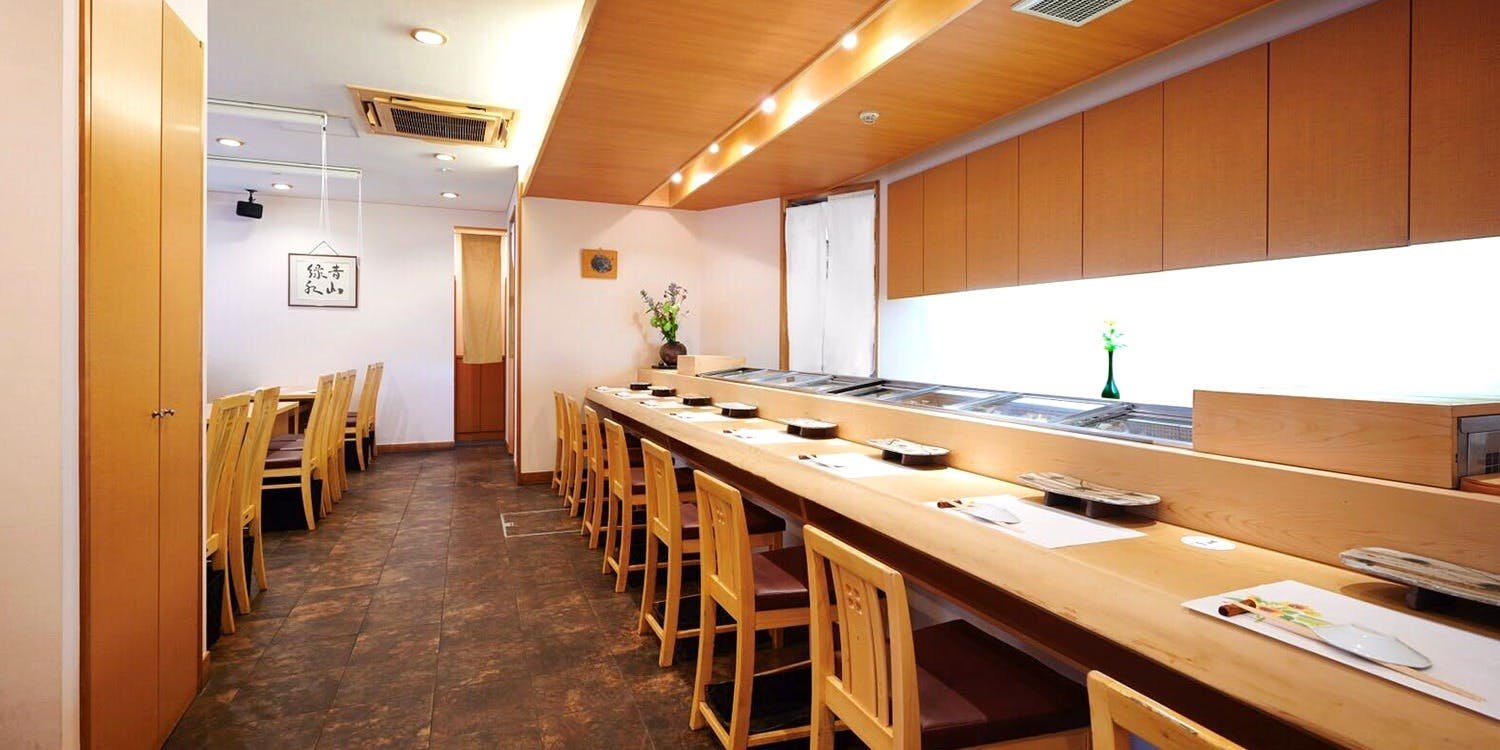
Serene and refined with traditional Japanese design elements; intimate private dining spaces with meticulous attention to detail and presentation.