
Tabelog Bronze #462
Our verdict
Tokyo Niku Shabuya sits in Tokyo’s serious hotpot tier, where shabu shabu and sukiyaki are treated with the composure usually associated with multi-course Japanese dining. Tabelog Award Bronze recognition from 2019 through 2026, plus selection for Tabelog 100 Hot Pot 2024, makes it a useful marker for how beef-led dining has moved beyond casual winter comfort into a tightly managed counter format.

Pearl is the En Primeur Club membership app, where members save venues, book tables and use the concierge.
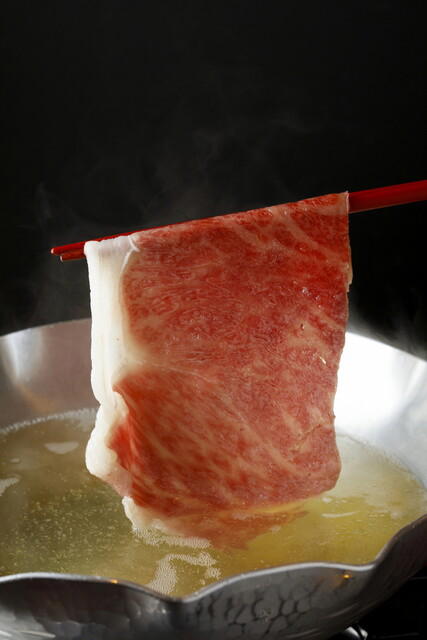
The menu
What to order
- Tajima Gyu Shabu-Shabu
- Tajima Beef Tongue
Okubo’s side streets feel far from the polished restaurant theatre of Ginza or Marunouchi, which is why serious dining in this part of Shinjuku rewards attention. Tokyo Niku Shabuya’s small room makes hotpot mechanics visible: course pacing, heat control, and the rhythm between beef, broth, sauce, and rice. In Tokyo, shabu shabu and sukiyaki are often seen as convivial group food, but at this level they behave more like a kaiseki sequence, where seasonality, restraint, and progression matter as much as generosity.
That distinction matters. Kaiseki’s influence in contemporary Tokyo extends beyond formal ryotei dining. Its deeper lesson is sequencing: a meal should arrive not as abundance alone, but as a controlled arc. Beef-led restaurants increasingly borrow that logic. Rather than presenting premium wagyu as spectacle, sharper houses build tension through temperature, cut, condiment, and portion. Tokyo Niku Shabuya belongs to that narrower category: hotpot as composed meal, not table-centred free-for-all.
Hotpot treated with kaiseki discipline, not winter comfort-food nostalgia
Shabu shabu and sukiyaki occupy different emotional registers in Japanese dining. Shabu shabu prizes clarity, using broth for texture and temperature; sukiyaki turns sweeter and deeper, built on soy, sugar, and beef richness. Serious Tokyo versions do not need theatrical plating to justify their price. They rely on procurement, knife work, broth management, and timing: harder to photograph, easier to misunderstand.
Tokyo Niku Shabuya’s recognition makes that point. A Tabelog score in the high-three range carries weight in Japan’s conservative restaurant culture, and its Tabelog Award Bronze run from 2019 through 2026 signals unusual consistency for a format dependent on product quality and service rhythm. Selection for Tabelog 100 Hot Pot 2024 places it in a national conversation around sukiyaki and shabu shabu, not merely on a Shinjuku dining list.
The kaiseki connection is not about copying temple-seasonal aesthetics or ceremonial courses. It is about hierarchy. The meal asks diners to notice incremental shifts: lighter preparations before richer ones, leaner impressions before fattier satisfaction, clean broth logic before sweet-soy depth. That is where high-end hotpot earns its place in Tokyo’s premium dining culture. The pleasure is cumulative, not loud.
Why Shinjuku's beef counters feel different from Ginza polish
Shinjuku has always tested Tokyo dining better than visitors expect. Around Okubo and Higashi-Shinjuku, the city is layered rather than pristine: Korean restaurants, late-night bars, small counters, office workers, residents, and destination diners share the same blocks. Here, a tightly run beef restaurant reads differently from a luxury address in a formal district. The neighbourhood lowers the ceremonial temperature; the dining format raises it again at the table.
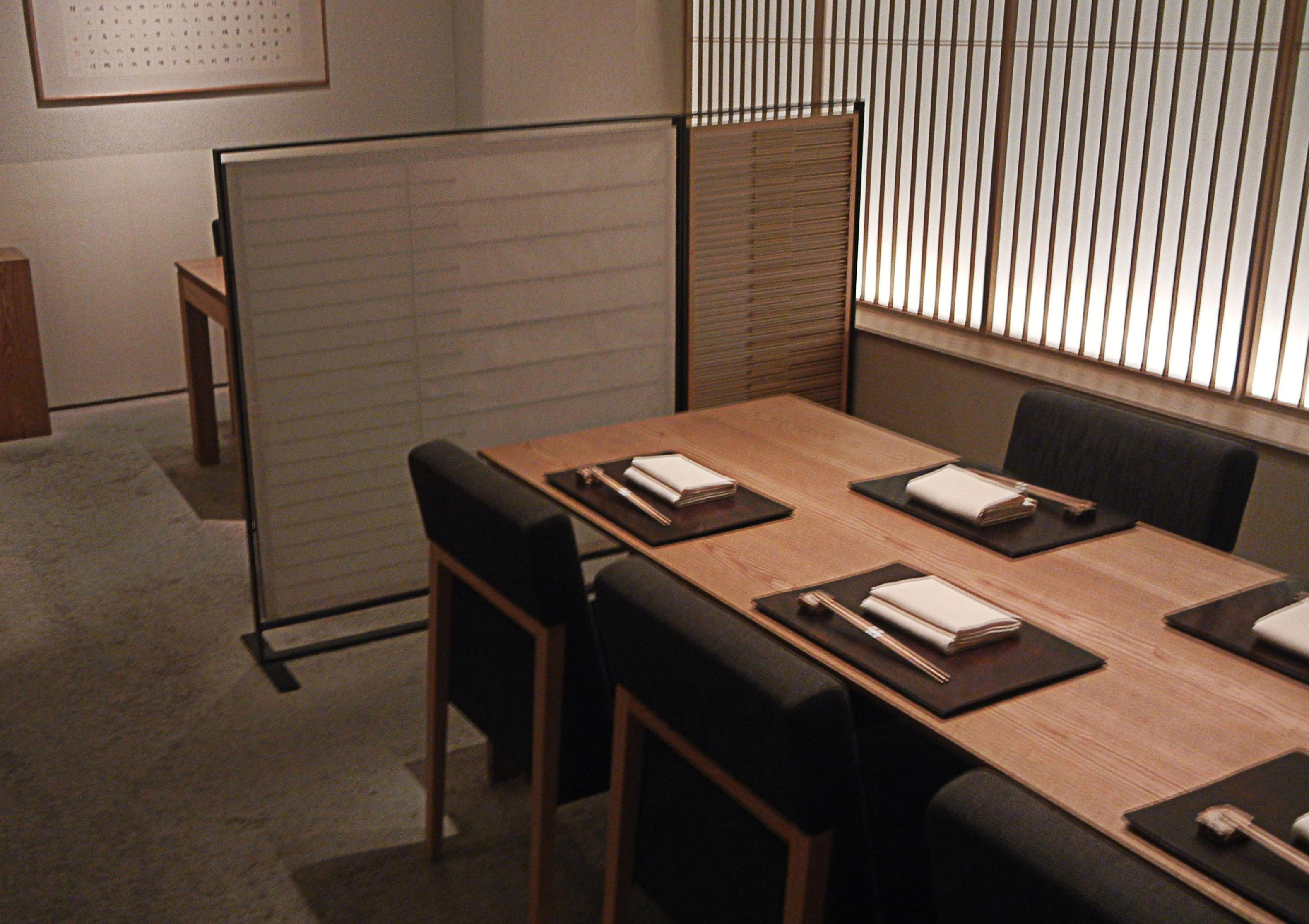
This is where Tokyo’s counter culture helps. A small room compresses the distance between preparation and consumption, making hotpot feel less like domestic cooking and more like a controlled performance of heat and timing. The Shinjuku site’s absence of private-room sprawl reinforces the point: value sits in the room’s shared concentration, not insulation from it.
For diners mapping Tokyo by category rather than postcode, understand the restaurant alongside specialist formats: sushi counters, kappo rooms, yakitori counters, tempura bars, and beef-focused tasting structures. Each turns familiar Japanese food into disciplined sequence. That is the broader Tokyo pattern. Casual forms become serious when scale shrinks, sourcing sharpens, and service timing becomes craft.
How to read the experience before committing a Tokyo dinner slot
This is not for diners seeking a loose, conversational hotpot night where the table controls pace. It better fits someone who knows Japanese beef dining can be quiet, expensive, and exacting, and prefers a narrow format confidently executed over a long browsing menu. The adult-focused policy and scent-conscious dress guidance also point to a room calibrated around aroma and concentration, not celebratory noise.
The drinks program’s emphasis on sake, shochu, and wine reflects modern Tokyo beef dining. Pairing wagyu only with red wine is an old habit; shabu shabu and sukiyaki require more nuance. Sake can meet broth clarity, shochu can cut sweetness and fat, and wine can frame richer beef courses when handled with restraint. Sommelier service and BYO flexibility further signal a serious table for diners who plan meals rather than choose restaurants last minute.
For broader context, Tokyo rewards itineraries built by format. Pair beef-led dining with seafood at . 鮪と炭火焼き うお炭 秋葉原店, Shinjuku dining at 12/10 Shinjuku ten, or counter cooking at 124. KAGURAZAKA (Yakitori). For lighter city texture, 2D Cafe and 3 Chome no Curry Ya San show how Tokyo’s casual addresses can be as specific as its formal ones. Use Our full Tokyo restaurants guide for dining, then widen the trip through Our full Tokyo hotels guide, Our full Tokyo bars guide, Our full Tokyo wineries guide, and Our full Tokyo experiences guide.
Travellers extending the same appetite across Japan can compare regional expressions without false equivalence: beef sukiyaki in Kanagawa at -Grilled beef Sukiyaki- KAMAKURA TANUKIAN 鎌倉 たぬき庵 in Kamakura, cafe culture at.cafe in Osaka, contemporary dining at.know in Kumamoto, Vietnamese cooking in Kanagawa at (Shoku) Vietnam in Kawasaki, curry in Hokkaido at [Curry Senmon Ten] Maruyama Kyoju. in Sapporo, and Kyoto’s contemporary register at [ki:] in Kyoto. For Japanese food culture abroad, Jōdo Saké Bar in Los Angeles and Onigiri Time in Pasadena show how sake-bar and rice-ball formats translate outside Japan.
The critical reason to choose Tokyo Niku Shabuya is not novelty. It is how a familiar Japanese genre tightens until it behaves like serious course-based dining. Tokyo has many beef restaurants built on luxury signals; this one is more interesting as a study in control, with hotpot as a lens on pacing, product, and the quieter aesthetics of Japanese hospitality.
Frequently asked questions
Where do I go for Tokyo Niku Shabuya?
Tokyo Niku Shabuya is located in Tokyo.
What style of cooking does Tokyo Niku Shabuya do?
Tokyo Niku Shabuya serves Shabu shabu (Japanese hotpot), Sukiyaki (Japanese sweet soy hotpot), Beef dishes cuisine.
What does dinner at Tokyo Niku Shabuya typically cost?
Pricing at Tokyo Niku Shabuya is listed as JPY 20,000 - JPY 29,999 JPY 15,000 - JPY 19,999.
What are the operating hours at Tokyo Niku Shabuya?
Hours at Tokyo Niku Shabuya: Mon: 12–2 PM, 5–10:30 PM; Tue: 12–2 PM, 5–10:30 PM; Wed: 12–2 PM, 5–10:30 PM; Thu: 12–2 PM, 5–10:30 PM; Fri: 12–2 PM, 5–10:30 PM; Sat: 12–2 PM, 5–10:30 PM; Sun: Closed.
Booking and Cost Snapshot
Comparable venues nearby, for context on price, style, and recognition.
| Venue | Cuisine | Price | Awards | Notes |
|---|---|---|---|---|
| Tokyo Niku ShabuyaThis venue (the venue you are viewing) | Premium Tajima Wagyu Shabu-Shabu & Sukiyaki | $150–200 | Tabelog Bronze #462 | Not listed |
| Ginza Kani Matsu | Matsuba Crab Kaiseki | $500+ | Tabelog Bronze #161 | Chūō, Matsuba Crab Kaiseki |
| Toriryori Torishou | Satsuma Jidori Chicken Specialty | $500+ | Tabelog Bronze #475 | Shinjuku, Satsuma Jidori Chicken Specialty |
| Sushi Sugawara | Edomae Omakase Sushi | $200–300 | Not listed | Chūō, Edomae Omakase Sushi |
| Akimoto | Premium Traditional Unagi (Eel) | $50–100 | Opinionated About Dining Casual in Japan | Setagaya, Premium Traditional Unagi (Eel) |
| おにく 花柳 | Michelin-starred Wagyu kaiseki / meat kappo | $200–300 | Black Pearl 1 Diamond | Ginza, Michelin-starred Wagyu kaiseki / meat kappo |
Recognition history
Dated appearances from independent guides and award organizations, with the underlying list record or original source where available.
Tabelog Bronze #462
Tabelog
Full recognition history (2 entries)
Tabelog 100 #85 · No. 85
Tabelog · Tabelog 100 - Hot Pot - 2024
Continue exploring
More in Tokyo
Restaurants in Tokyo
All restaurants in Tokyo →


Bars in Tokyo
All bars in Tokyo →



Details
- Cozy
- Intimate
- Date Night
- Special Occasion
- Chefs Counter
- Sake Program
- A La Carte
- Counter Dining
- Sake
Current opening hours
- Monday
- 12–2 PM, 5–10:30 PM
- Tuesday
- 12–2 PM, 5–10:30 PM
- Wednesday
- 12–2 PM, 5–10:30 PM
- Thursday
- 12–2 PM, 5–10:30 PM
- Friday
- 12–2 PM, 5–10:30 PM
- Saturday
- 12–2 PM, 5–10:30 PM
- Sunday
- Closed
Hours can change for holidays and private events. Hours as of .
Cozy and comfortable counter-only space with friendly, engaging chef interaction and authentic local atmosphere.