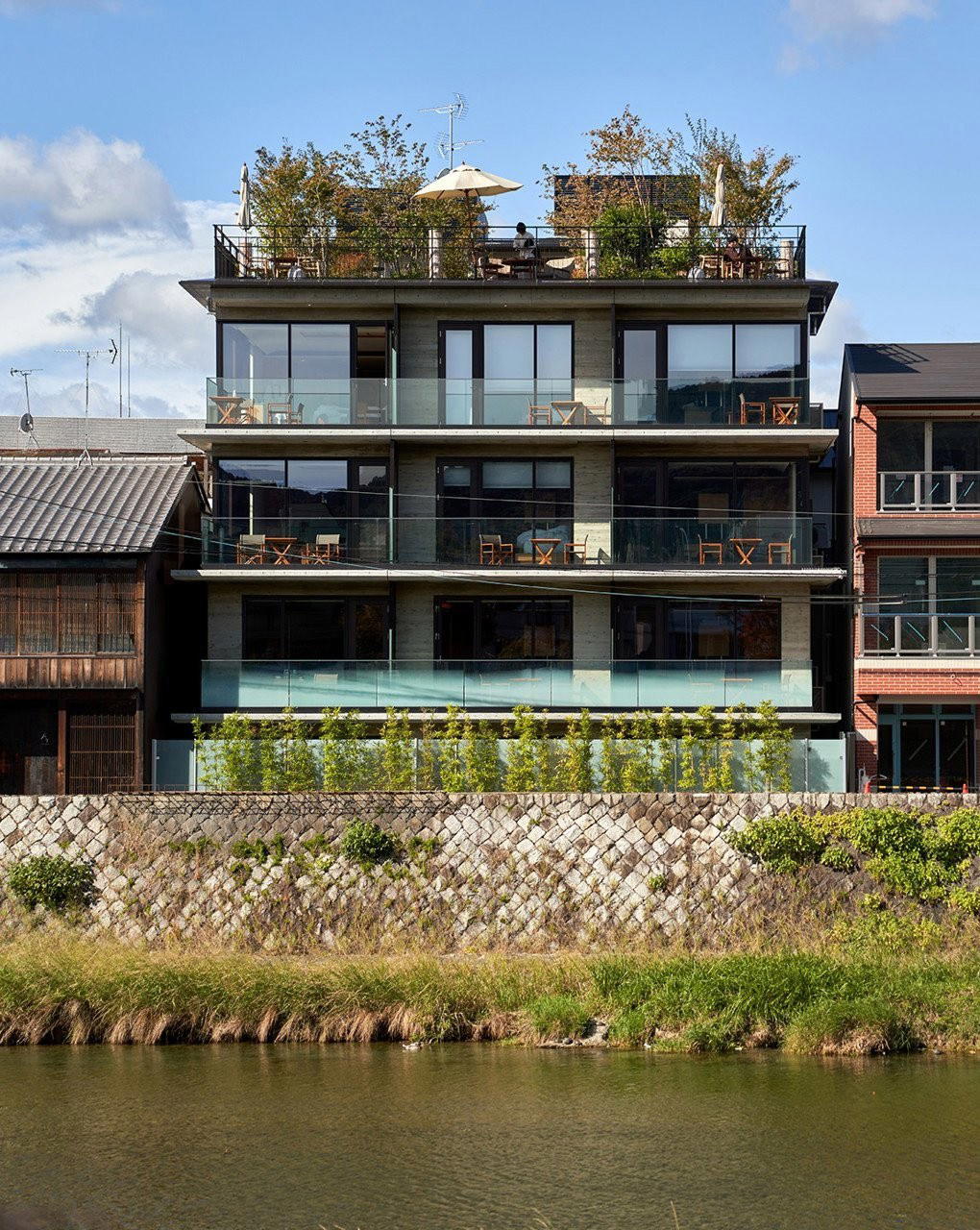
Michelin Plate · Tabelog 100 #45
Our verdict
Yakitori Matsuoka operates within Osaka's Chuo Ward, where Hiroki Matsuoka works with aged free-range Kagoshima chickens to push yakitori well beyond its street-food origins. Michelin Plate recognition in both 2024 and 2025 positions it within the city's mid-to-upper yakitori tier, while a format that moves between skewers, stews, earthenware rice, and chicken-broth ramen sets it apart from straightforward grill counters.

Pearl is the En Primeur Club membership app, where members save venues, book tables and use the concierge.
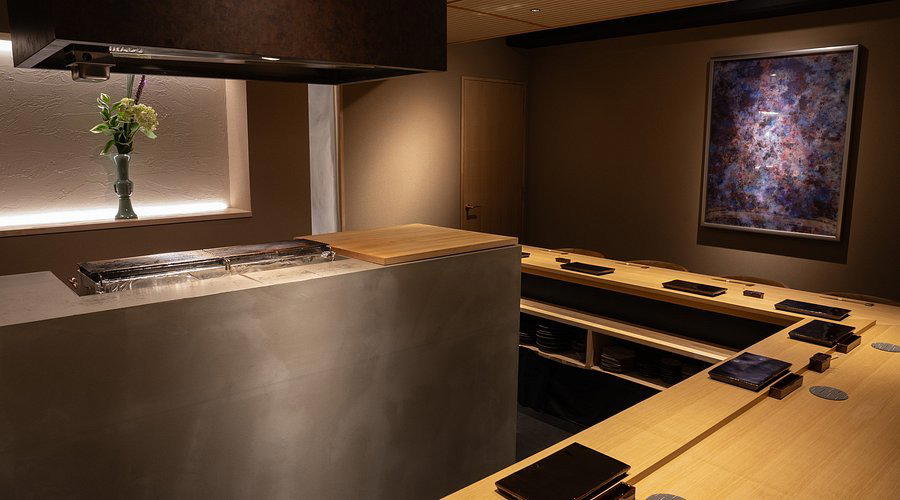
The menu
What to order
- Kuro-Ō yakitori
- Chicken broth ramen
- Earthenware pot rice
Smoke, Source, and Restraint: Yakitori in Osaka's Chuo Ward
The leading smoke in Osaka does not always announce itself from the street. In the denser residential pockets of Chuo Ward, small counter restaurants operate without the signage or tourist footfall that marks the more prominent dining corridors around Shinsaibashi or Namba. Yakitori Matsuoka sits in this quieter register: a Tohei address, a low-key entrance, and a format that relies entirely on what happens over the coals rather than on atmosphere engineered for first impressions.
Yakitori as a category has undergone significant reframing in Japan's major cities over the past decade. What was once defined by casual izakaya settings and quick turnover now encompasses a tier of counter restaurants where sourcing philosophy, aging practice, and technique earn Michelin recognition. Matsuoka has received a Michelin Plate in both 2024 and 2025, placing it inside that upper bracket of the format without crossing into the rarefied pricing of multi-starred French or kaiseki houses like Ichimatsu or Taian. The ¥¥¥ price tier positions it at a meaningful remove from the city's ¥¥¥¥ operators such as Hajime, La Cime, and Fujiya 1935, while still signalling that this is not a casual grill stop.
Sourcing as the Foundation of the Menu
Osaka's serious yakitori counters tend to distinguish themselves at the sourcing level before any technique is applied. Matsuoka works with free-range chickens from Kagoshima, one of Japan's most respected provenance regions for poultry, and ages them to concentrate flavour before any skewer meets the grill. This approach aligns with a wider movement in Japanese grilling culture that treats the interval between slaughter and service as a culinary variable rather than a logistical footnote, a philosophy with direct parallels in the dry-aging practices of high-end beef restaurants and fish-aging at Edomae sushi counters.
The environmental case for this approach is implicit in the method. Sourcing from a single identified region, working with free-range birds, and using the whole animal across multiple menu formats, from skewers through stews and soups to ramen broth, means that the kitchen's relationship with its primary ingredient extends well beyond the individual cut. Nothing in the chicken is treated as a commodity byproduct. The earthenware pots that arrive at the meal's close, carrying rice cooked in chicken stock, are a literal expression of whole-animal discipline: the residual stock from the day's preparation finding its way onto every table before service ends.
For diners interested in ethical sourcing within Japan's restaurant culture, this structure compares favourably to operations where the supply chain remains opaque. Kagoshima poultry has a traceable regional identity, and free-range designation in Japanese chicken farming carries more regulatory weight than equivalent labelling in some Western markets. The Michelin recognition, while not specifically awarded for sustainability criteria, implies a level of ingredient scrutiny consistent with these sourcing commitments.
The Format: Beyond the Skewer
What separates the serious yakitori counter from its more casual counterpart is range. A standard yakitori-ya delivers variations on the grill with salt or tare sauce as the primary variables. Matsuoka's menu moves on a different axis. Alongside skewers prepared with both salt and sauce, Hiroki Matsuoka applies a fragrant oil prepared in-house, a third seasoning register that shifts the flavour profile away from the familiar binary and introduces a layer of aromatic complexity that the grill alone cannot produce.
This kind of house-prepared condiment is significant beyond flavour. It represents a form of culinary self-sufficiency: rather than relying on commercially produced finishing oils or standard tare, the kitchen absorbs the production of its own seasoning components into the daily workflow. This is consistent with the whole-chicken philosophy that defines the sourcing end of the operation, and it places Matsuoka closer to the craft-kitchen model than the assembly-counter model that defines volume yakitori operations.
Interspersed among the skewers are chicken stews and soups, formats that serve a dual purpose: they balance the intensity of the grill with something slower and more broth-forward, and they make use of parts of the bird that the skewer format cannot accommodate. The meal closes with rice in earthenware pots or ramen in chicken broth, a structural decision that gives the experience a complete arc rather than a plateau of repeated grill notes. Comparable format thinking can be found at Yakitori Omino in Tokyo and Torisaki in Kyoto, both of which operate within the same refined yakitori tier and use multi-format menus to distinguish themselves from grill-only counters.
Osaka's Yakitori Tier in Context
Within Osaka specifically, the yakitori category spans a wide range. At the accessible end, casual grill bars around Dotonbori and Tennoji operate on volume and price. At the other extreme, a small number of counter restaurants have pushed the format into territory where reservation lead times and sourcing credentials matter as much as the grill itself. Matsuoka sits in this latter group alongside Osaka peers such as Torisho Ishii, Yakitori Torisen, Ayamuya, and Ishii.
The city's broader dining identity tends to foreground its kaiseki tradition and its international-technique fine dining operators. Yakitori at this level represents a different cultural argument: that a single ingredient, handled with precision across multiple cooking and serving formats, can produce a meal that competes in depth with far more elaborate kitchen structures.
For travellers building a multi-city itinerary, it is worth noting how the yakitori tier compares across Japan's major dining centres. Harutaka in Tokyo, Gion Sasaki in Kyoto, and Goh in Fukuoka each represent different expressions of Japanese culinary rigour, and Osaka's contribution to that conversation now includes a small but serious yakitori layer that was less visible a decade ago. Regional venues such as akordu in Nara, 1000 in Yokohama, and 6 in Okinawa show that Japan's serious dining culture extends well beyond the three major urban centres.
Planning Your Visit
Yakitori Matsuoka is located at 1 Chome-4-17 Tohei, Chuo Ward, Osaka. Budget: ¥¥¥, placing it in the mid-to-upper tier of Osaka's specialist restaurants, below the ¥¥¥¥ French and innovative houses but above the city's casual grill operations. Reservations: Contact details are not publicly listed; approach through hotel concierge services for introductions, or check current booking channels closer to your travel dates. Timing: The aged-poultry and whole-animal format means the kitchen's rhythm follows seasonal availability of Kagoshima free-range chickens; visits during the cooler months, when richer broths and earthenware rice feel most appropriate to the format, tend to align well with the menu's closing courses. Dress: No formal dress code is confirmed, but the counter setting and price tier suggest smart-casual.
For a fuller picture of where Matsuoka sits within the city's dining options, see our full Osaka restaurants guide. Broader city planning resources include our full Osaka hotels guide, our full Osaka bars guide, our full Osaka wineries guide, and our full Osaka experiences guide.
Frequently asked questions
What distinctions does Yakitori Matsuoka have?
Yakitori Matsuoka has received recognition including: Cuisine rich with the fertile imagination of Hiroki Matsuoka expresses a spirit of relentless curiosity. Free-range chickens from Kagoshima are aged to draw out their flavour. In addition to the usual salt and sauce, the chef brushes yakito….
What's the pricing like at Yakitori Matsuoka?
Pricing at Yakitori Matsuoka is listed as ¥¥¥.
What's the signature dish at Yakitori Matsuoka?
The kitchen does not anchor itself to a single signature skewer. The Michelin Plate citations (2024 and 2025) describe a menu built around aged free-range chickens from Kagoshima, brushed with a fragrant oil Hiroki Matsuoka prepares in-house rather than the standard salt-or-sauce binary. The format extends beyond the grill to include chicken stews, soups, and a closing course of rice cooked in earthenware pots or ramen in chicken broth, which together form the kitchen's clearest statement of intent.
What type of food is Yakitori Matsuoka known for?
Peers You’d Cross-Shop
| Venue | Cuisine | Price | Awards | Notes |
|---|---|---|---|---|
| Yakitori MatsuokaThis venue (the venue you are viewing) | Yakitori Omakase | $50–100 | Michelin Plate · Tabelog 100 #45 | Not listed |
| HAJIME | Avant-Garde Japanese Fine Dining | $300–500 | 3 Michelin Stars · World's 50 Best #83 | French, Innovative |
| La Cime | Modern French with Japanese Ingredients | $150–200 | 2 Michelin Stars · World's 50 Best #13 | French |
| Kashiwaya Osaka Senriyama | Seasonal Kaiseki Omakase | $200–300 | 3 Michelin Stars · La Liste Top Restaurants | Japanese |
| Taian | Traditional Japanese Kaiseki Omakase | $150–200 | 3 Michelin Stars · La Liste Top Restaurants | Kaiseki, Japanese |
| Fujiya 1935 | Modern Japanese with European influences | $100–150 | 2 Michelin Stars · La Liste Top Restaurants | Innovative |
Recognition history
Dated appearances from independent guides and award organizations, with the underlying list record or original source where available.
Michelin Plate
Michelin
Tabelog 100 #45 · No. 45
Tabelog · Tabelog 100 - Yakitori - WEST - 2025
Full recognition history (4 entries)
Michelin Plate
Michelin
Michelin Plate
Michelin