
Among Beijing's premium regional Chinese restaurants, Xin Rong Ji's Jianguomenwai branch positions Taizhou seafood cuisine inside the capital's most internationally connected business corridor. Daily air-freight from the Zhejiang coast brings wild-caught yellow croaker and hairtail to a neighbourhood that houses embassies, five-star hotels, and expense-account dining. Pre-ordering is advised; the set menu is one efficient entry point for first visits.
Pearl is the En Primeur Club membership app — saves, bookings, and concierge access live there. Same editors, same standards.
- Address
- China, Bei Jing Shi, Chao Yang Qu, Xin Yuan Nan Lu, 8号1层启皓北京东塔 CN 北京市 邮政编码: 100027
- Phone
- +86 10 8517 1789
- Directions
- Get directions
 Saves & bookings on Pearl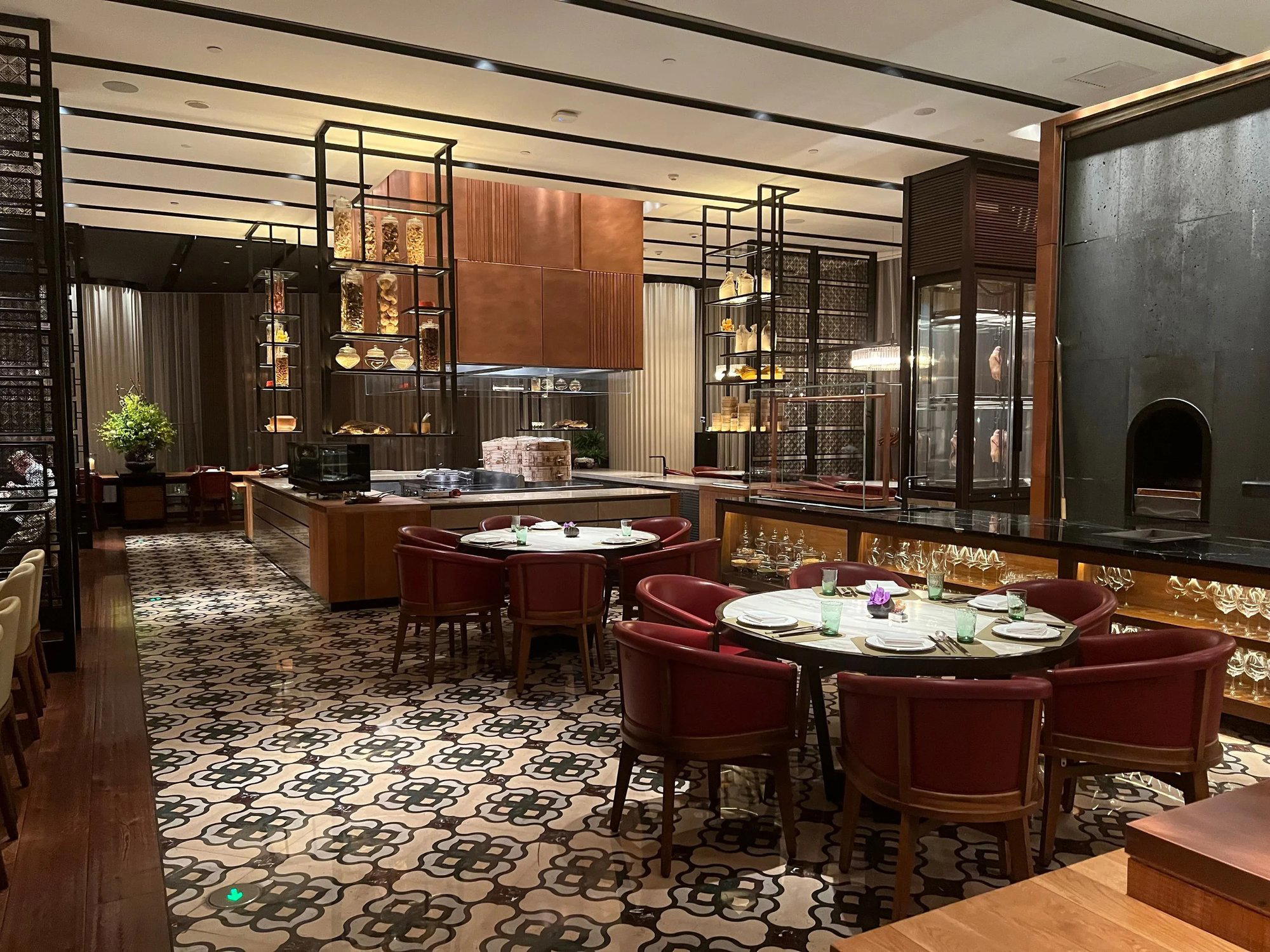
Chaoyang's Business Corridor and the Case for Regional Seafood
The stretch of eastern Chaoyang that runs from Guomao toward Sanlitun has long been Beijing's most internationally oriented dining district. Embassy compounds, multinational headquarters, and a concentration of five-star hotels have produced a restaurant scene calibrated for professional entertaining, where the premium tier covers everything from French contemporary at Jing through to high-end Cantonese and regional Chinese formats. Inside that context, Taizhou cuisine occupies a specific and somewhat contrarian position: a coastal regional tradition built around ingredient purity and restrained technique, competing on provenance rather than spectacle.
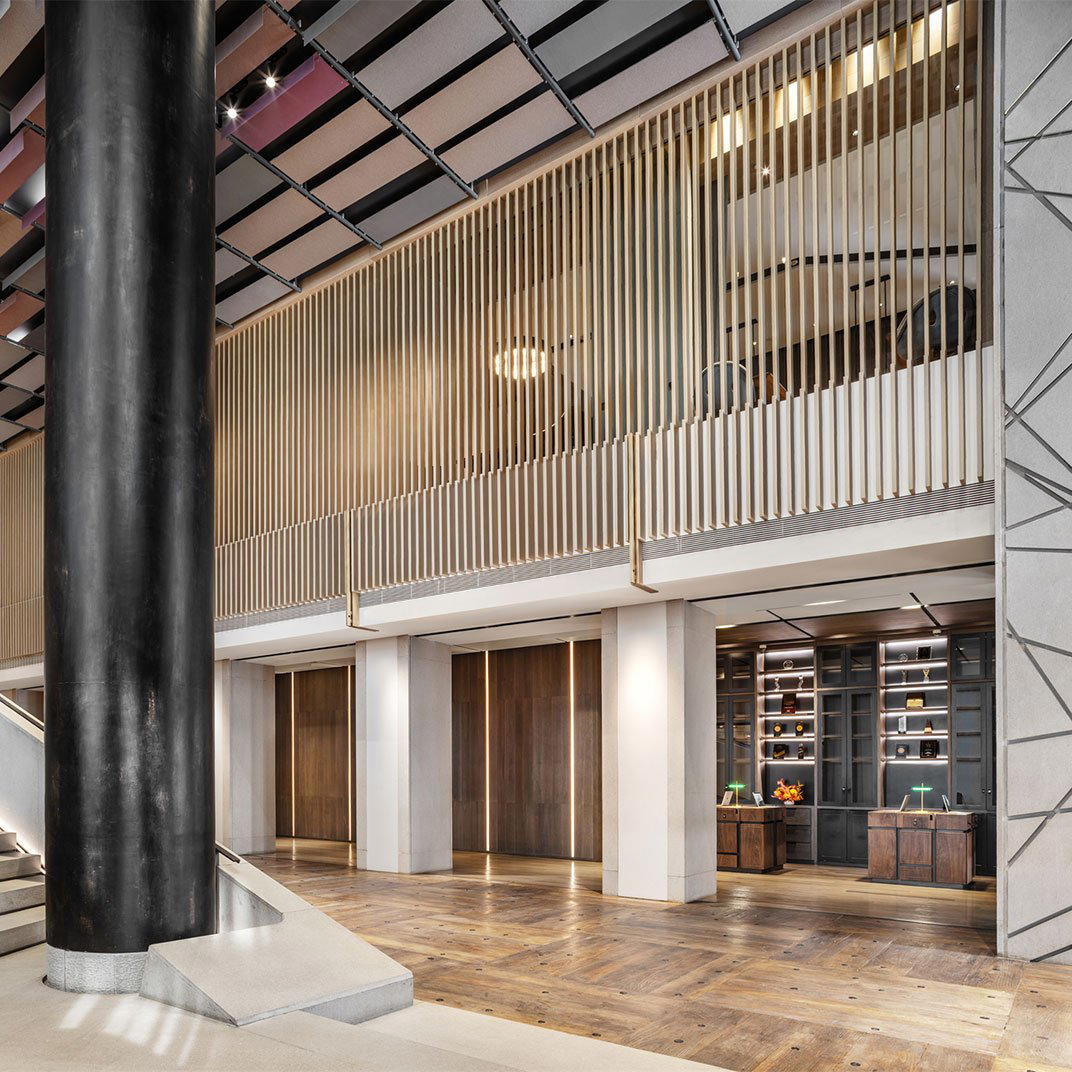
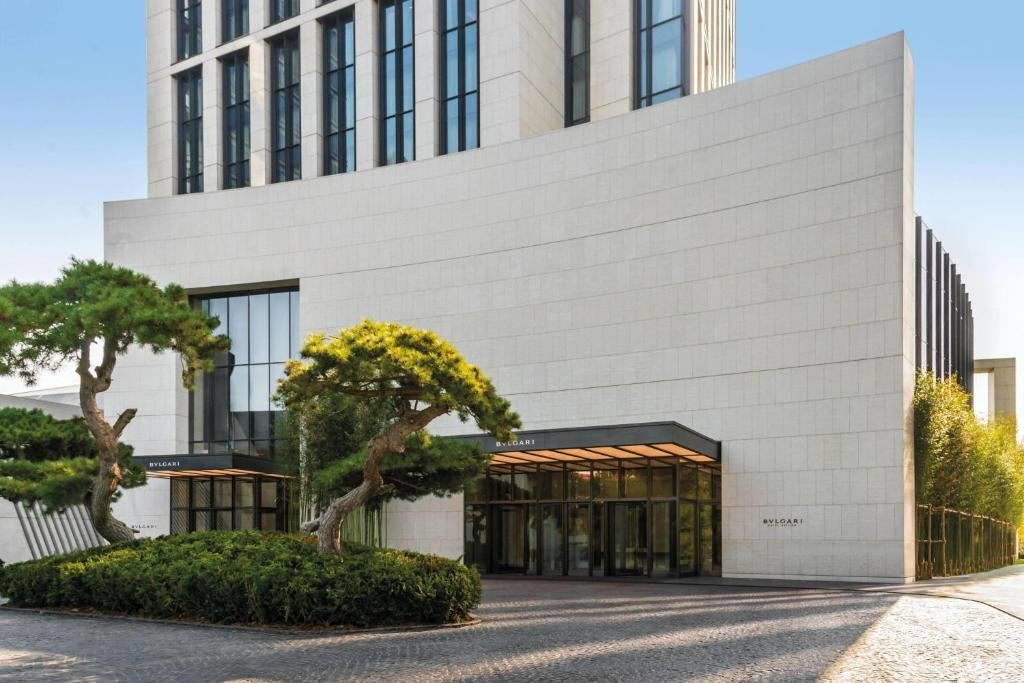
Xin Rong Ji, the Michelin-starred Taizhou seafood restaurant, operates its Jianguomenwai Street branch inside Qihao Beijing East Tower on Xinyuan South Road in Chaoyang. The location matters. This is a neighbourhood where dining decisions are often made by corporate bookers.
What Taizhou Cuisine Actually Is
Taizhou sits on the Zhejiang coast south of Shanghai, and its culinary tradition is built around the catch that comes out of the East China Sea. The cuisine is less fiery than Sichuan, less sweet than Shanghainese, and less reliant on aged or fermented elements than some other regional schools. What it prioritises is the condition of the raw material: freshness measured in hours, not days, and cooking methods chosen to amplify rather than transform the primary ingredient. Steaming, light frying, and minimal seasoning are the recurring grammar.
That emphasis on freshness creates a logistical challenge when the cuisine moves to a landlocked capital. The solution that defines Xin Rong Ji's model is daily air-freight from Taizhou. Fish and shellfish flown in each morning arrive at the table the same day, a supply chain discipline that distinguishes this tier of Taizhou dining from the broader category of regional seafood restaurants in Beijing, where provenance claims are more loosely applied. The Jianguomenwai branch operates within the same sourcing framework as the chain's other high-profile locations, including Xin Rong Ji on Xinyuan South Road.
The Dishes That Define the Format
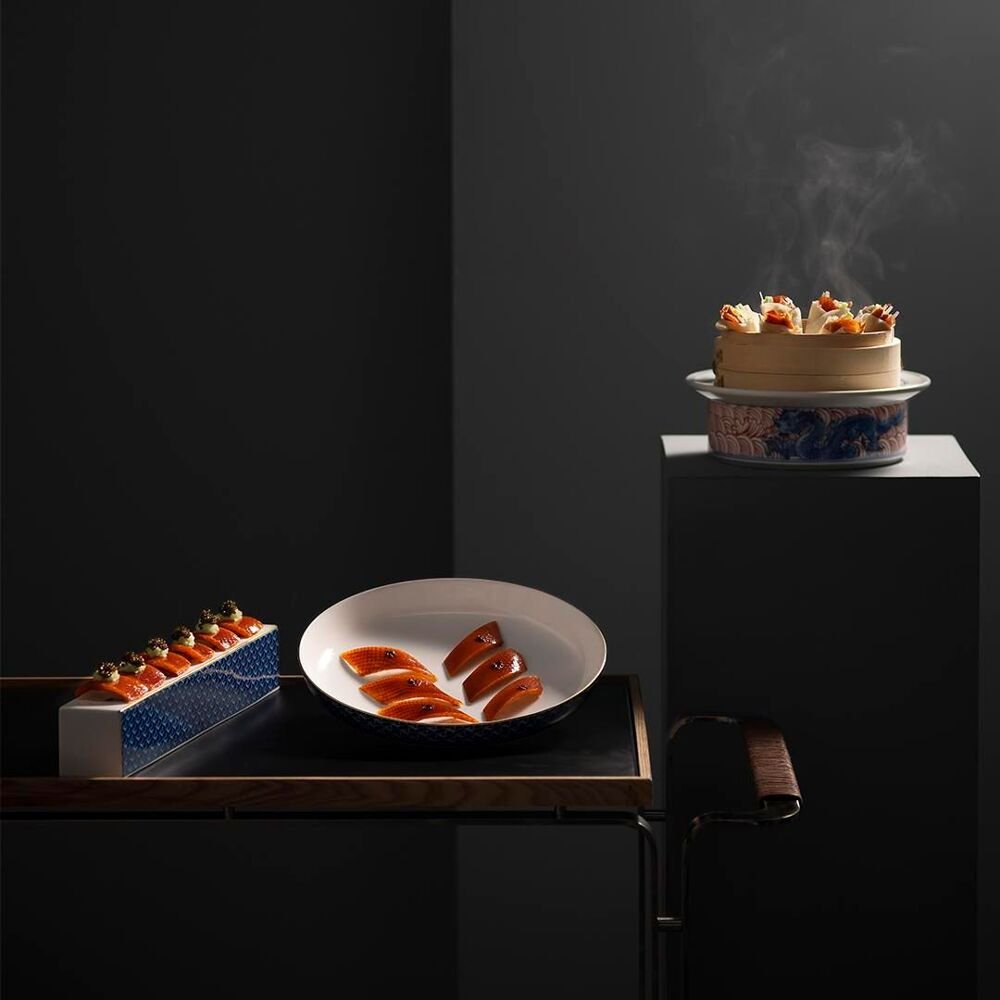
Two preparations carry most of the reputational weight at Xin Rong Ji across its network. Wild-caught yellow croaker, a fish that has become something close to a status marker in premium Chinese dining, arrives here in a form that reflects the freshness of the supply chain rather than any particular culinary transformation. The fried hairtail, a second signature, is a preparation that rewards attention to texture: the exterior carries a clean, light crust while the flesh retains moisture, a balance that degrades quickly in lesser-sourced examples. Both dishes operate as a direct argument for the air-freight model.
The menu extends significantly beyond those two anchors. Bird's nest sweet soup with coconut water and buffalo milk represents the dessert register: a combination that sits at the intersection of traditional Chinese luxury ingredients and a lighter, more contemporary palate. For diners unfamiliar with the breadth of the Taizhou format, the set menu offers structured access to the range without requiring fluency in a long à la carte list. Pre-ordering is recommended, particularly for larger tables and group bookings, where specific preparations require advance preparation time.
This kind of cooking shares its commitment to ingredient-led restraint with a number of regional formats elsewhere in China. Ru Yuan in Hangzhou and 102 House in Shanghai both operate in a similar register, where sourcing discipline and technique economy are the primary editorial statements. The international parallel, though operating in a different culinary language entirely, is the philosophy that has made Le Bernardin in New York City a reference point for seafood-led fine dining.
Where This Branch Sits in Beijing's Premium Chinese Tier
Beijing's premium regional Chinese scene has stratified over the past decade into roughly two cohorts: restaurants making an argument through ingredient sourcing and cooking precision, and those competing primarily on environment and service theatre. Xin Rong Ji belongs to the first group. The ¥¥¥¥ pricing at this Jianguomenwai branch positions it alongside comparators such as Chao Shang Chao (Chaoyang), which brings Chaozhou seafood to a similar premium-but-composed format, and Jingji, which anchors Beijing cuisine at the same price level.
For diners who want vegetable-focused alternatives in the same premium bracket, Lamdre and King's Joy both operate at ¥¥¥¥ and represent a different set of priorities. Neither competes directly with a seafood-forward format like Xin Rong Ji, but they map the range of what premium Chinese dining in Beijing has become: more technically serious, more ingredient-conscious, and more willing to make a single regional or dietary argument with conviction.
Elsewhere in the Xin Rong Ji network, the Macau-adjacent fine Chinese tier is represented by Chef Tam's Seasons in Macau, and the Guangzhou end of premium Cantonese is covered at Imperial Treasure Fine Chinese Cuisine. Dai Yuet Heen in Nanjing offers a further point of comparison for how coastal-influenced Chinese cooking translates to inland capitals. None of those venues operate with the same Taizhou-specific sourcing model, which remains the clearest differentiator in Xin Rong Ji's positioning.
Planning Your Visit
| Venue | Cuisine | Price Tier | Booking Note |
|---|---|---|---|
| Xin Rong Ji (Jianguomenwai) | Taizhou seafood | ¥¥¥ | Book ahead; pre-order for specific dishes |
| Xin Rong Ji (Xinyuan South Road) | Taizhou seafood | ¥¥¥¥ | Higher price tier; same sourcing model |
| Chao Shang Chao (Chaoyang) | Chao Zhou | ¥¥¥¥ | Chaozhou-focused seafood alternative |
| Jingji | Beijing cuisine | ¥¥¥¥ | Capital-tradition focus; same price tier |
The Jianguomenwai branch sits in Chaoyang. A table reservation is recommended for dinner; pre-ordering specific preparations, particularly for groups, is not optional so much as the condition for getting the experience the kitchen is designed to deliver.
What Should I Eat at Xin Rong Ji (Jianguomenwai Street)?
The two preparations with the clearest reputational grounding are the wild-caught yellow croaker and the fried hairtail, both of which reflect the chain's daily air-freight sourcing from the Taizhou coast. The bird's nest sweet soup with coconut water and buffalo milk is the dessert to order if you want to cover the full register of the menu. For a first visit, the set menu is especially practical structure: it samples across the kitchen's range without requiring fluency in a long à la carte list. Pre-order in advance for any specific preparations, and book a table rather than arriving without a reservation.
A Tight Comparison
Comparable venues nearby, for context on price, style, and recognition.
| Venue | Cuisine | Price |
|---|---|---|
| Xin Rong Ji (Jianguomenwai Street)This venue — the venue you are viewing | Sanlitun, Taizhou Seafood | $$$$ |
| Forum | Dongcheng, Deluxe Cantonese | $$$$ |
| Mansion Cuisine by Jingyan | Sanlitun, Modern Beijing Cuisine | $$$$ |
| Fu Chun Ju | Dongcheng, Modern Cantonese | $$$$ |
| Lu Style (Anding Road) | Sanlitun, Modern Shandong Seafood | $$$$ |
| Xin Rong Ji (Jinrong Street) | Fengsheng, Taizhou Seafood | $$$$ |
Recognition history
Dated appearances from independent guides and award organizations, with the underlying list record or original source where available.
Michelin 1 Star
Michelin




At a Glance
- Elegant
- Sophisticated
- Cozy
- Business Dinner
- Special Occasion
- Celebration
- Open Kitchen
- Sake Program
- Local Sourcing
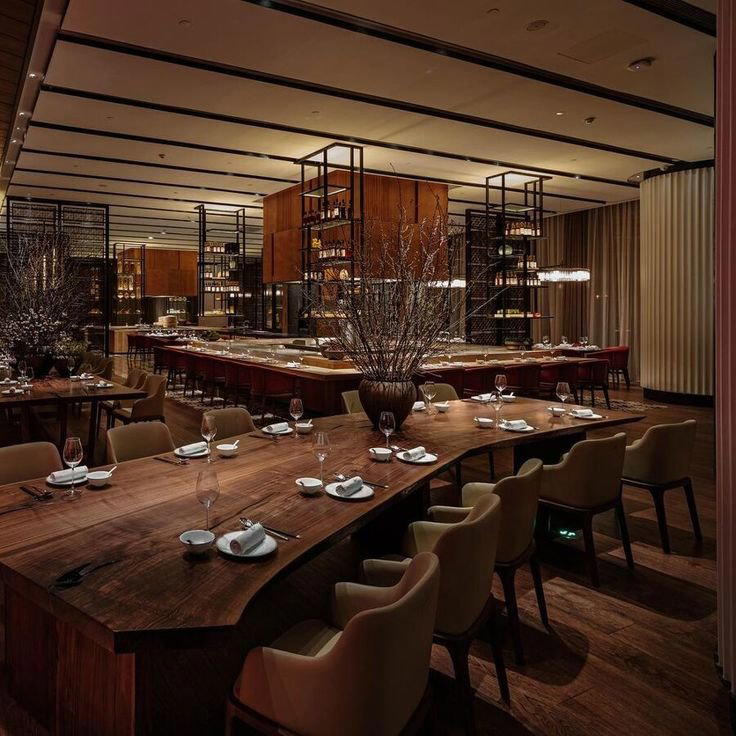
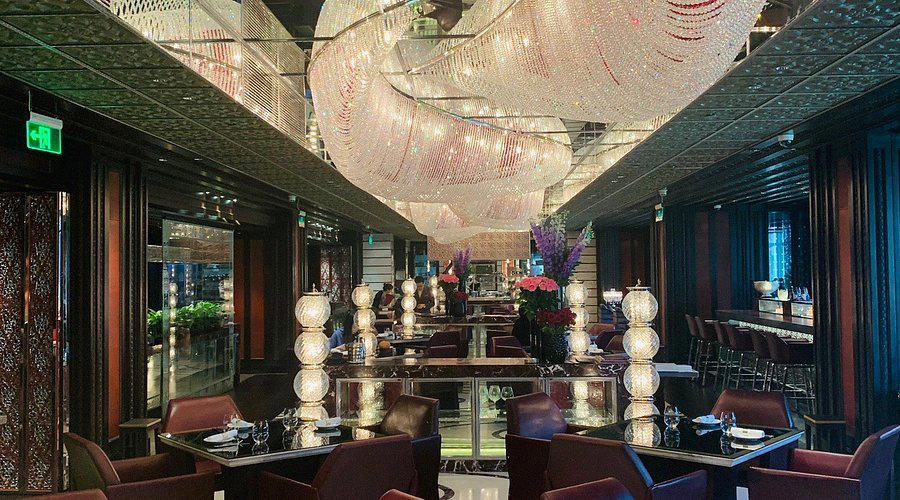
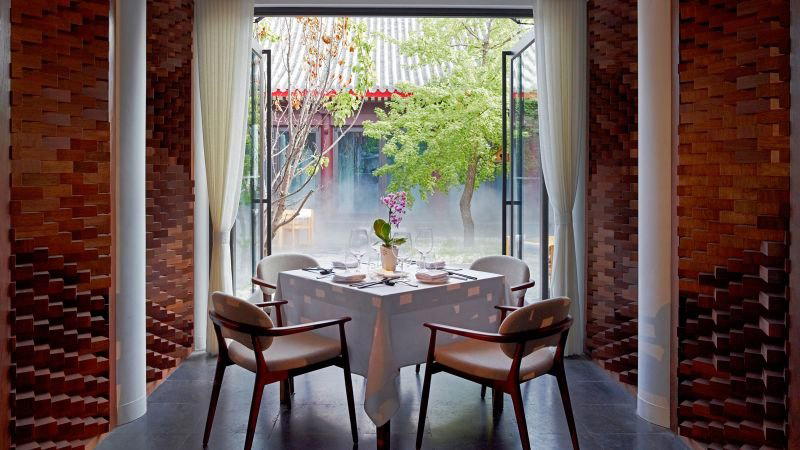
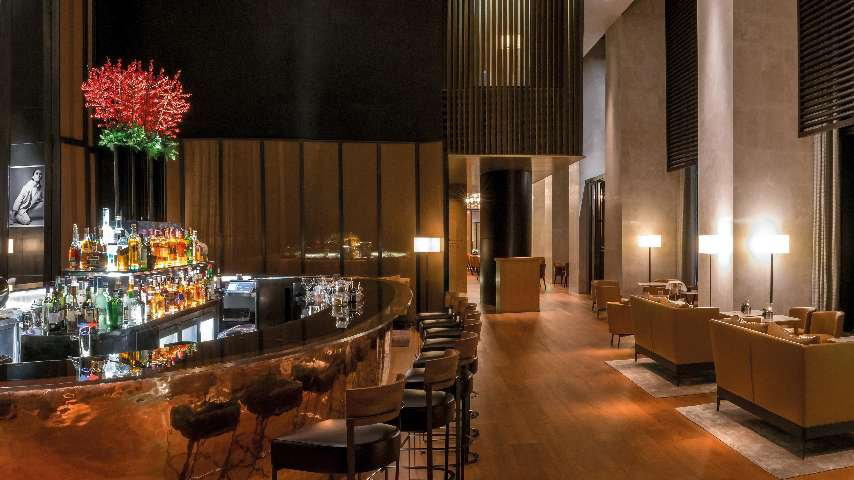
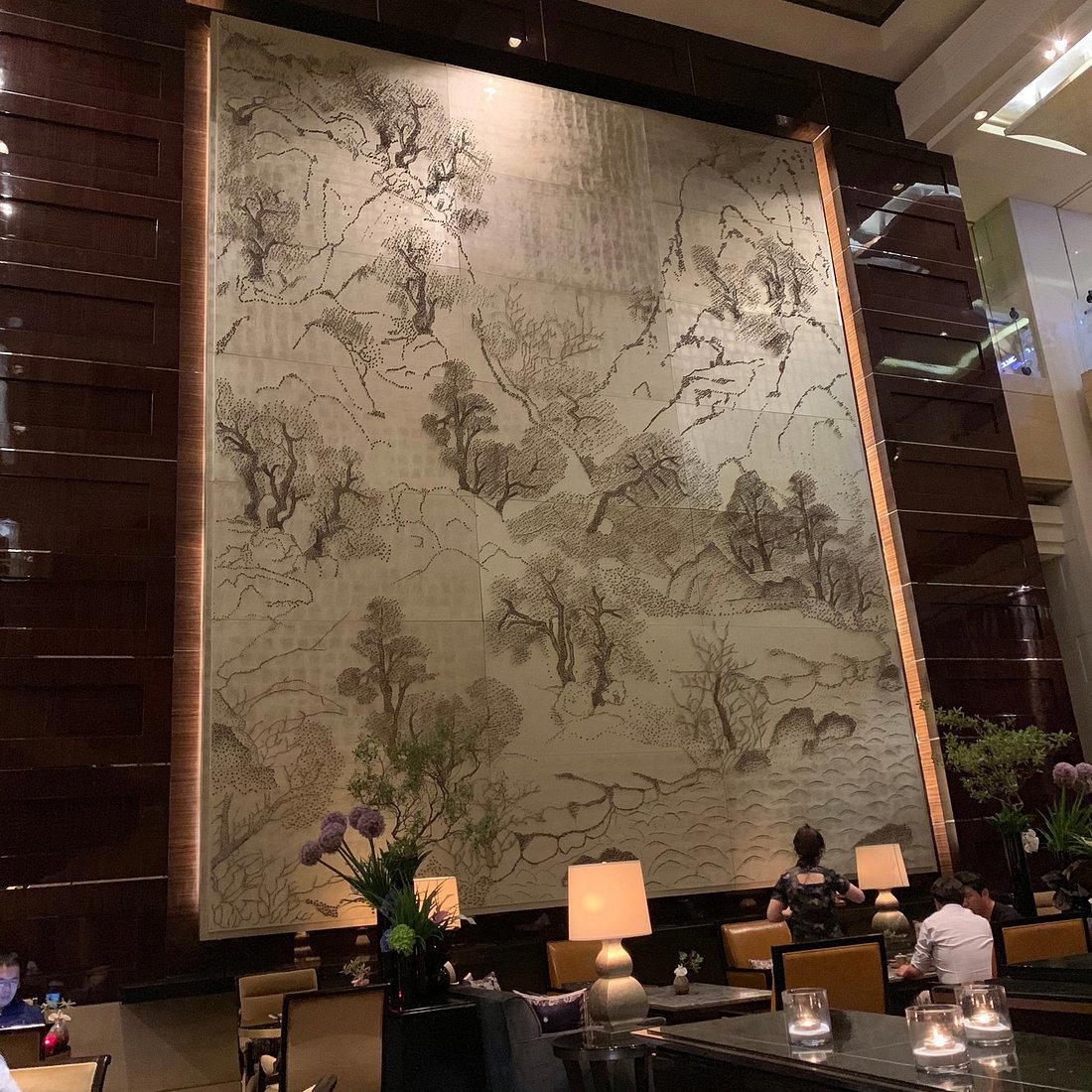
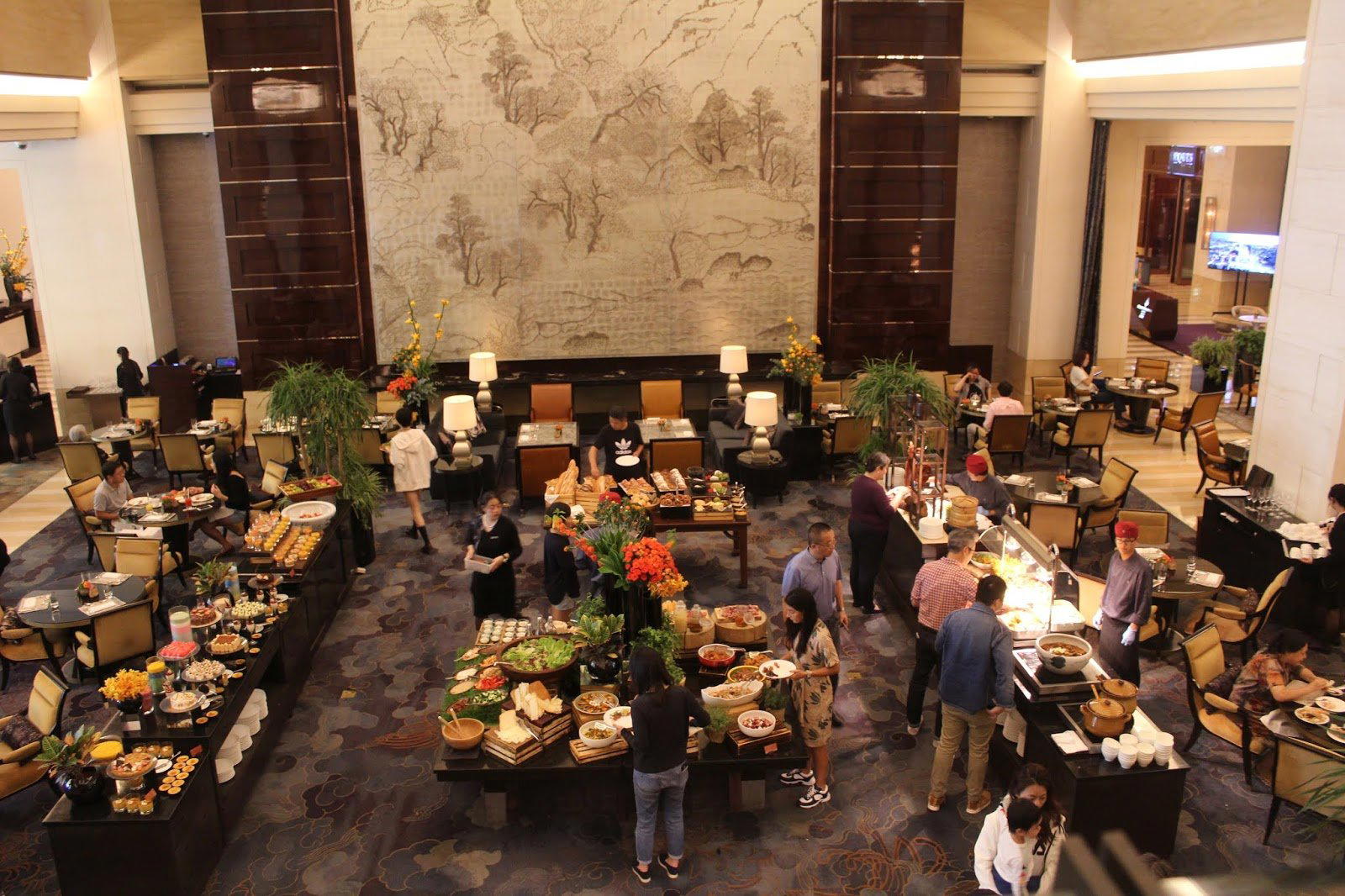
Understated dining room with dim lighting, Chinese motifs, and decorative bird-cage elements providing a refined, calm atmosphere.