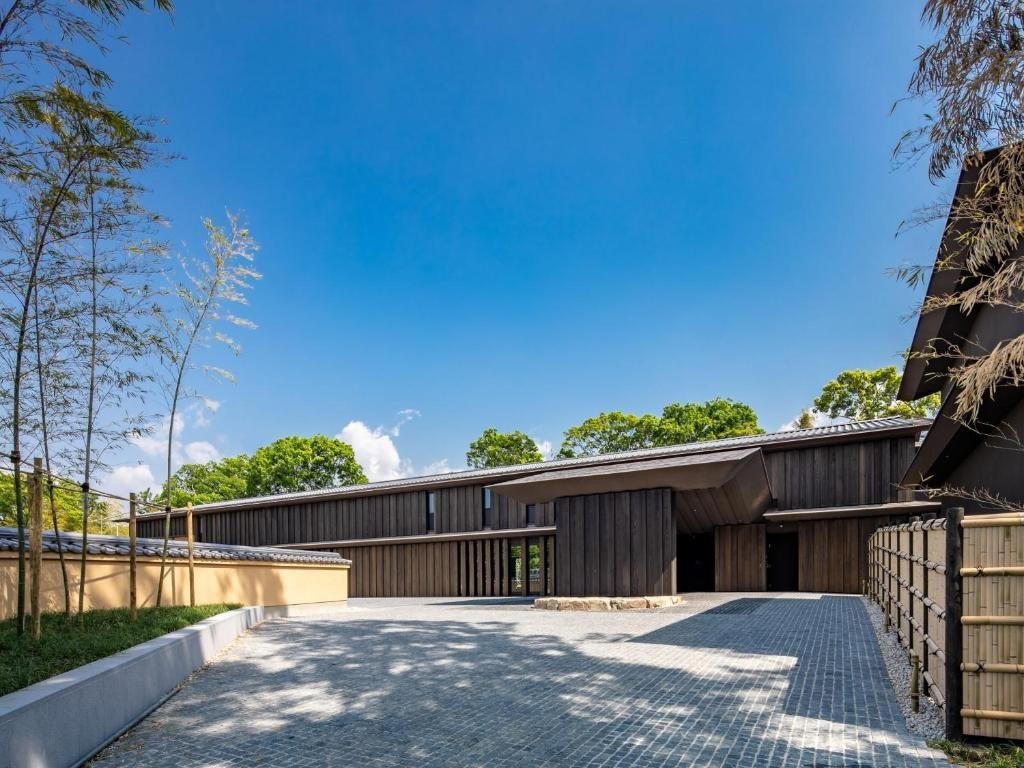
Michelin Plate · Tabelog 100 #61
Our verdict
Few restaurants in Osaka approach Chinese cuisine with the breadth that Xiang Hua does. The name translates as 'serving the cuisine of every region of China', and the kitchen makes good on that premise, drawing on a Michelin Plate-recognised approach shaped by strict seasonal discipline. For a special-occasion meal that reaches beyond Japan's dominant kaiseki and omakase formats, Nishitenma's mid-price Chinese counter is a compelling case.

Pearl is the En Primeur Club membership app, where members save venues, book tables and use the concierge.
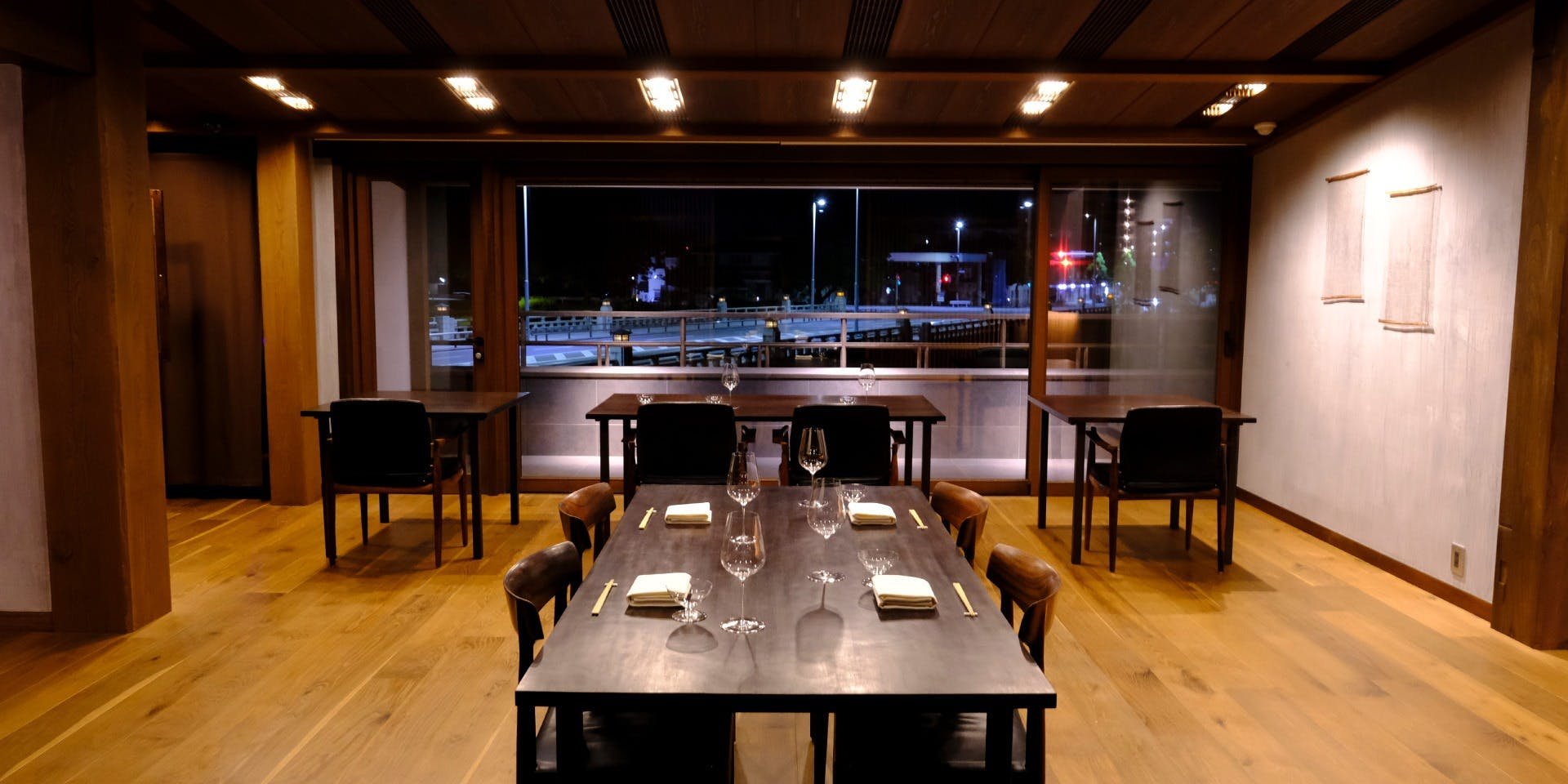
The menu
What to order
- West Lake Longjing Shrimp
- Mapo Tofu
- Suzhou-style Sweet Soy-Braised Mandarin Fish
- Yunnan Matsutake Broth
A Different Kind of Occasion Table in Nishitenma
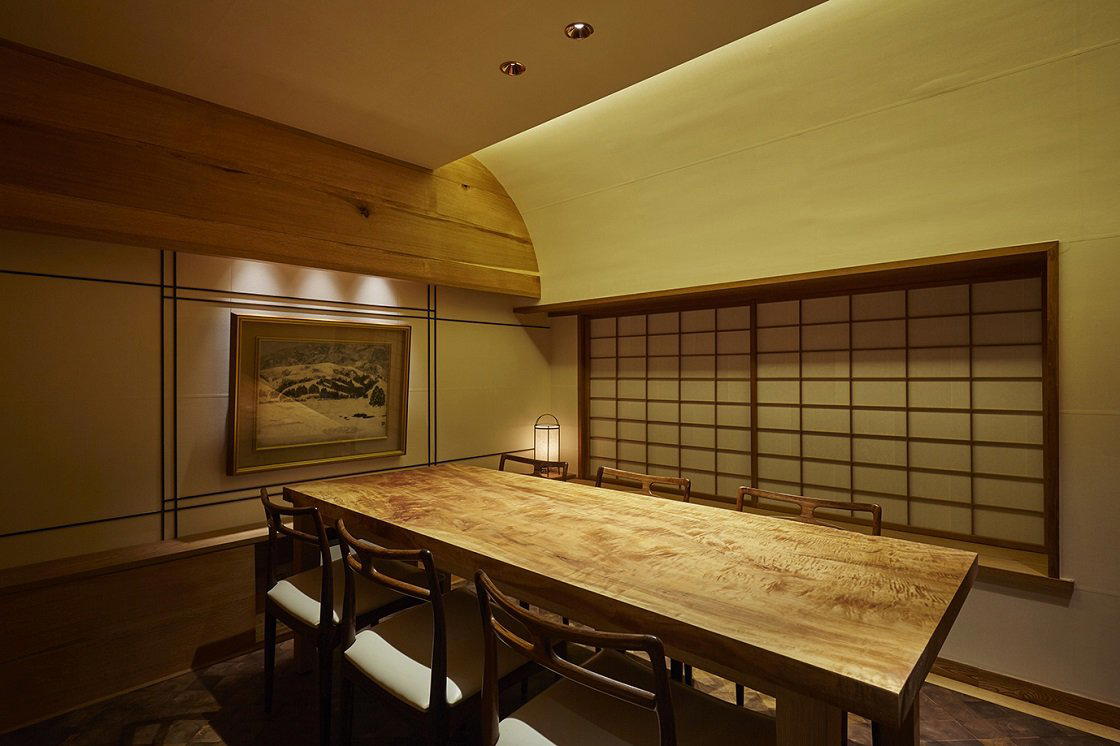
Nishitenma is Osaka's quieter upmarket flank, a neighbourhood where the dining rooms tend toward intimacy rather than spectacle. Walking into this part of Kita Ward, the streets narrow and the pace drops relative to the neon corridors of Namba or the retail density of Shinsaibashi. A restaurant that situates itself here is making a deliberate choice: it is pitching to a diner who has already chosen purpose over buzz. Xiang Hua occupies a ground-floor space on a residential-facing stretch of 1-chome, and the address alone signals a room more interested in the food than the foot traffic.
That context matters when choosing where to mark a significant occasion. Osaka's celebration-dining tier is dominated by kaiseki and high-end Japanese formats. Venues like Taian and the French-inflected innovation of Hajime define the upper bracket of the city's special-occasion circuit. Chinese cuisine in Osaka, by contrast, has historically occupied either the affordable end or the formal Cantonese banquet register. The small group of restaurants that have earned Michelin recognition for serious regional Chinese cooking represent a genuinely different option for the occasion diner who wants to step outside the kaiseki template.
What the Name Commits To
The restaurant's name, Xiang Hua, translates directly as 'serving the cuisine of every region of China'. That is a precise promise and, in a single-chef restaurant operating at the ¥¥¥ price tier, an unusually demanding one to keep. China's regional culinary traditions are not interchangeable. The heat logic of Sichuan, the vinegar-forward brightness of Shanxi, the seafood-centred cooking of Fujian, and the roast techniques of Cantonese kitchens represent distinct culinary grammars. A menu that genuinely traverses that range requires command of multiple technique sets, not just a broad ingredient palette.
The kitchen's framing principle is drawn from Confucian philosophy: Bù shí bù shí, the idea that food should be eaten in its proper season. This is a principle that Japanese culinary culture has long institutionalised through kaiseki's seasonal progression, but its application to Chinese regional cooking in a Japanese city creates something less common. The result is a menu that changes with the seasons while drawing from a substantially wider geographic and technical reference pool than any single-region Chinese restaurant could offer. For a diner planning a milestone meal in late autumn or early spring, the seasonal timing of a visit to Xiang Hua carries real content implications, not just atmospheric ones.
The Michelin Plate Signal and What It Means for Peer Positioning
Xiang Hua has held a Michelin Plate in both 2024 and 2025, the Guide's designation for restaurants producing cooking of consistent quality that stops short of the star tier. The Plate also positions Xiang Hua at a different price point than the city's starred Chinese rooms, making it the kind of address where the quality ceiling is high but the financial commitment is measured against ¥¥¥ peers rather than the ¥¥¥¥ bracket occupied by atelier HANADA by Morimoto.
For the occasion diner, this is a meaningful distinction. A Michelin Plate at the ¥¥¥ tier means the cooking earns its recognition without requiring the pricing architecture of a full tasting-menu destination. That bracket also means Xiang Hua functions as a credible special-occasion choice for groups where not every guest wants to commit to a four-hour multi-course format.
Chinese Regional Cooking as an Occasion Format
There is a broader argument for Chinese regional cooking as an occasion format that goes beyond this specific restaurant. The shared-table convention built into most Chinese dining styles, where dishes arrive for the group rather than the individual, creates a naturally convivial structure that suits celebrations in ways that tasting-menu formats do not always match. A birthday dinner or a family gathering reads differently when the table is populated with multiple dishes from different regions, each one a small discovery, rather than a choreographed sequence delivered to each diner simultaneously.
That dynamic is increasingly recognised at serious Chinese restaurants operating in non-Chinese cities. Mister Jiu's in San Francisco and Restaurant Tim Raue in Berlin both use Chinese technique and flavor logic as the foundation for destination-level dining that attracts the same occasion-oriented clientele that Japanese or French fine dining commands elsewhere. Xiang Hua in Osaka is operating within the same broader shift: Chinese cooking as the serious choice, not the default fallback after the kaiseki reservation failed.
Osaka's Wider Dining Circuit for Special Occasions
If your trip includes multiple occasion meals, Osaka's restaurant scene spans formats and price tiers with enough range to sustain a full itinerary. Az offers a contrasting approach within the city's progressive dining set, while Kansai-region comparisons extend to Gion Sasaki in Kyoto and akordu in Nara for day-trip formats. If you are building a Japan itinerary around milestone dining, Harutaka in Tokyo, Goh in Fukuoka, 1000 in Yokohama, and 6 in Okinawa each represent a distinct regional register worth building around. For the full Osaka picture across dining, hotels, bars, wineries, and experiences, our guides cover the city in detail: Osaka restaurants, hotels, bars, wineries, and experiences.
Planning Your Visit
Address: 1F, 1-13-8 Nishitenma, Kita Ward, Osaka 530-0047. Price tier: ¥¥¥, positioned in the middle of Osaka's serious-dining range. Recognition: Michelin Plate 2024 and 2025. Timing: Given the kitchen's commitment to seasonal ingredients, the menu will differ meaningfully between visits in different seasons, making the time of year a relevant factor in planning a return occasion meal.
What Should I Eat at Xiang Hua?
The kitchen at Xiang Hua draws from multiple Chinese regional traditions rather than anchoring to a single province, so the most direct approach is to eat across the menu rather than arriving with a fixed idea of one regional style. The Confucian seasonal principle Bù shí bù shí, means the dishes available will reflect what is genuinely in season at the time of your visit, which is the appropriate frame for ordering decisions. Ask the kitchen which regional dishes represent the current season most directly: that question will be understood, and the answer will tell you more about what to eat than any fixed recommendation made in advance. The chef's background in culinary education means explanations of regional provenance and technique are part of the experience, not an interruption to it. Trust the seasonal logic and let the regional range do what the name promises.
Frequently asked questions
What type of food is xiang hua known for?
Is xiang hua expensive?
Pricing at xiang hua is listed as ¥¥¥.
What distinctions does xiang hua have?
xiang hua has received recognition including: True to its name, which means ‘serving the cuisine of every region of China’, the menu features a rich variety of regional dishes. The background to the recipes is a tale worth telling. As the chef used to teach at a cooking school, he is w….
What should I eat at xiang hua?
The kitchen draws from multiple Chinese regional traditions rather than a single province, so ordering across the menu gives the fullest picture of what the chef has built here. The chef's grounding in culinary education and his adherence to Confucius's principle of eating seasonally, 'Bù shí bù shí', means the menu shifts with the calendar, making dishes tied to the current season the most considered choices. At the ¥¥¥ price tier, this is a sit-down occasion format, so allow time to move through several courses rather than ordering selectively.
What part of town is xiang hua in?
xiang hua is located at Japan, 〒530-0047 Osaka, Kita Ward, Nishitenma, 1 Chome−13−8 1F, Osaka.
Compact Comparison
| Venue | Cuisine | Price | Awards | Notes |
|---|---|---|---|---|
| xiang huaThis venue (the venue you are viewing) | Seasonal Regional Chinese Fine Dining | $100–150 | Michelin Plate · Tabelog 100 #61 | Not listed |
| HAJIME | Avant-Garde Japanese Fine Dining | $300–500 | 3 Michelin Stars · World's 50 Best #83 | French, Innovative |
| La Cime | Modern French with Japanese Ingredients | $150–200 | 2 Michelin Stars · World's 50 Best #13 | French |
| Kashiwaya Osaka Senriyama | Seasonal Kaiseki Omakase | $200–300 | 3 Michelin Stars · La Liste Top Restaurants | Japanese |
| Taian | Traditional Japanese Kaiseki Omakase | $150–200 | 3 Michelin Stars · La Liste Top Restaurants | Kaiseki, Japanese |
| Fujiya 1935 | Modern Japanese with European influences | $100–150 | 2 Michelin Stars · La Liste Top Restaurants | Innovative |
Recognition history
Dated appearances from independent guides and award organizations, with the underlying list record or original source where available.
Michelin Plate
Michelin
Tabelog 100 #61 · No. 61
Tabelog · Tabelog 100 - Chinese cuisine - WEST - 2026
Full recognition history (4 entries)
Michelin Plate
Michelin
Michelin Plate
Michelin