At Alser Strasse 4 in Vienna's 9th district, Würstlstand represents the Viennese sausage stand tradition at its most direct: a street-level counter where the city's working rhythm plays out in real time. No reservation, no dress code, no ceremony, just the particular pleasure of eating well while standing on a pavement in one of Europe's great food cities.
Pearl is the En Primeur Club membership app — saves, bookings, and concierge access live there. Same editors, same standards.
- Address
- Alser Str. 4, 1090 Wien, Austria
- Phone
- +4368012467137
- Directions
- Get directions
 Saves & bookings on Pearl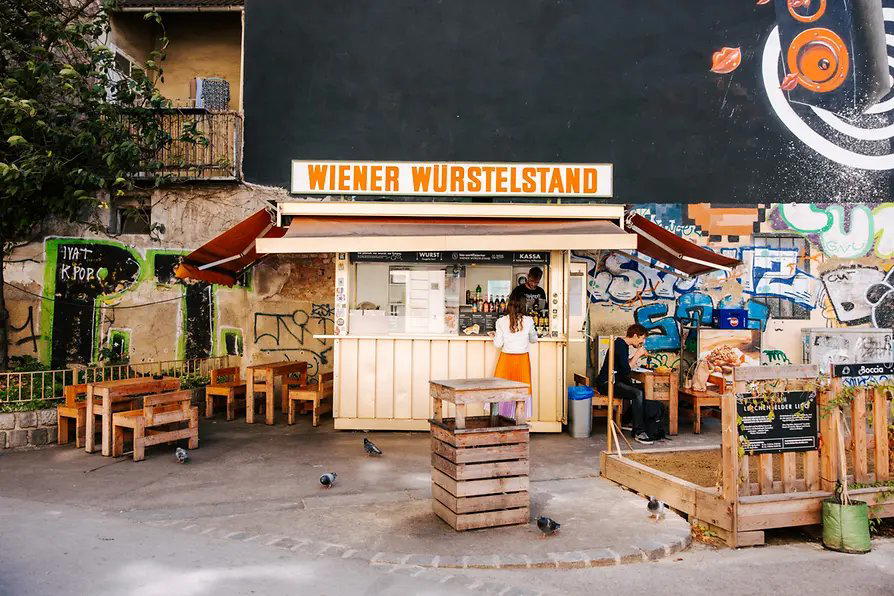
Where Vienna Eats Standing Up
There is a particular discipline to the Viennese sausage stand that fine dining cannot replicate. In a city that has spent centuries calibrating what a meal should cost, how long it should take, and how formally it should be conducted, the Würstlstand sits at the opposite end of that spectrum, not as a rejection of those values, but as their logical counterpart. Vienna's food culture has always run on two parallel tracks: the Heurigen table stretched long into the evening, the Kaffeehausmarble counter for an afternoon, and the street-level sausage stand for every moment in between. The stand at Alser Str. 4, in the 9th district's Alsergrund neighbourhood, belongs to that third tradition.
Alsergrund is not a tourist quarter. It is a working district anchored by the Medical University of Vienna and the General Hospital complex, which means its streets carry a specific demographic at specific hours: students between lectures, hospital staff on breaks, residents running errands. A sausage stand here is not performing authenticity for visitors; it is serving an actual local constituency, which changes everything about the atmosphere around it.
The Sensory Logic of a Viennese Würstlstand
Approach any well-run Viennese sausage stand and the sequence of sensation is consistent: the smell arrives first, fat and smoke carried on the air before the counter comes into view. Then the visual, the steel surfaces, the condensation on glass, the arrangement of mustard jars and bread rolls that every stand configures slightly differently. The sounds are close and immediate: the hiss of the grill, the exchange of orders in Viennese dialect, the particular acoustics of a conversation held standing up, which is always shorter and more direct than one held sitting down.
This is not ambient noise in the restaurant sense. It is the sound of a city transacting with itself, and the sausage stand is one of the few food formats where the visitor is genuinely embedded in that transaction rather than insulated from it. In a dining room, even an informal one, there is always some degree of theatrical separation between kitchen and guest. At Würstlstand, there is none.
The Viennese sausage tradition itself is more codified than it appears to outsiders. The Käsekrainer, a pork sausage packed with cheese pockets that blister and leak on the grill, is a local invention with no real equivalent elsewhere in Central Europe. The Burenwurst, thick and slow-cooked, has its own devoted following. The Leberkäse, technically not a sausage at all but a baked forcemeat loaf served sliced on a roll, occupies its own category. Each has its correct preparation, its correct condiments, and its correct bread vessel, and Viennese customers are not shy about their preferences.
Where This Fits in Vienna's Food Hierarchy
Vienna's formal dining tier is among the more concentrated in the German-speaking world. Steirereck im Stadtpark regularly appears on the World's 50 Best Restaurants list and represents the apex of what Austrian produce and technique can achieve. Konstantin Filippou and Mraz & Sohn hold Michelin recognition for modern European and modern Austrian cooking respectively. Amador and Doubek extend the city's creative register further. At those addresses, tasting menus run long, wine pairings are considered, and the experience is measured in hours.
The Würstlstand is not in conversation with that tier; it is its necessary complement. Cities with serious food cultures always have serious street food cultures running alongside them. The question a visitor should ask is not whether to choose between the two, but how to sequence them across a stay in Vienna. A city that can sustain both Steirereck and a functioning Würstlstand tradition is one in which food is genuinely embedded in daily life across every price point, not concentrated in a single aspirational tier.
That same breadth is visible across Austria more widely. In Salzburg, Ikarus rotates guest chefs through a format that has no peer in the country. Further west, Griggeler Stuba in Lech and Gourmetrestaurant Tannenhof in Sankt Anton am Arlberg anchor the alpine luxury tier. In the countryside, Obauer in Werfen, Landhaus Bacher in Mautern an der Donau, and Döllerer in Golling an der Salzach each represent a distinct regional tradition. Kräuterreich by Vitus Winkler in Sankt Veit im Pongau, Schwarzer Adler in Hall in Tirol, Restaurant 141 by Joachim Jaud in Mieming, and Ois in Neufelden extend that map across the country's less-visited corners. The street sausage tradition in Vienna sits at the base of that entire structure, not beneath it in any evaluative sense, but foundational to the culture that makes the rest possible.
For context on what the sausage stand tradition means in a city with this much culinary range, consider the parallel in New York: a city that sustains Le Bernardin and Atomix at the high end while running a functioning street food culture that New Yorkers use daily. The format is different; the principle is identical.
Planning Your Visit
- Address: Alser Str. 4, 1090 Wien, Austria
- District: Alsergrund (9th district)
- Reservation: None required or possible, walk up
- Price range: Street food pricing; cash typically preferred at Viennese stands
- Dress code: None
- Leading timing: Midday and early evening, when the neighbourhood's hospital and university workers generate the liveliest atmosphere
- Getting there: The Alserstrasse address is accessible by tram from central Vienna; the 9th district is an easy ride from the 1st
Price and Positioning
Comparable venues nearby, for context on price, style, and recognition.
| Venue | Cuisine | Price | Notes |
|---|---|---|---|
| WürstlstandThis venue — the venue you are viewing | Not listed | $ | Not listed |
| Wiener Würstelstand | Mariahilf, Austrian Sausage Stand | $ | Not listed |
| Almrausch Imbiss | Riesenrad, Austrian Street Food Imbiss | $ | Not listed |
| eh scho wuascht | Not listed | $ | Kaiserebersdorf, Traditional Austrian Würstelstand |
| Duran | Not listed | $ | Favoriten, Austrian Open-Faced Sandwiches |
| Heisse am Gürtel | Josefstadt, Viennese Sausage Stand | $ | Not listed |
Continue exploring
More in Vienna
Restaurants in Vienna
Browse all →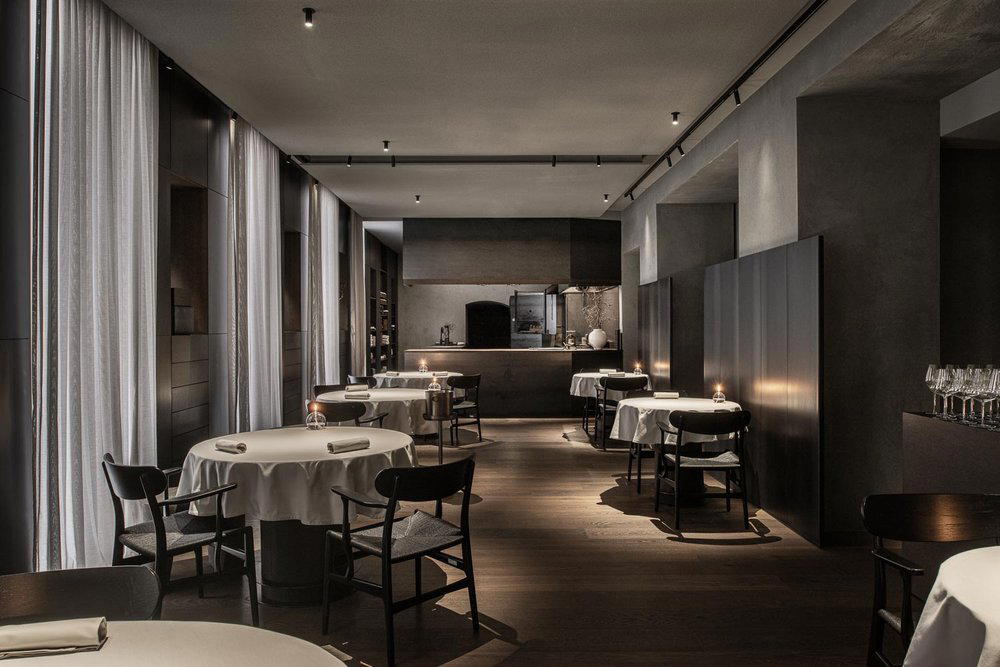
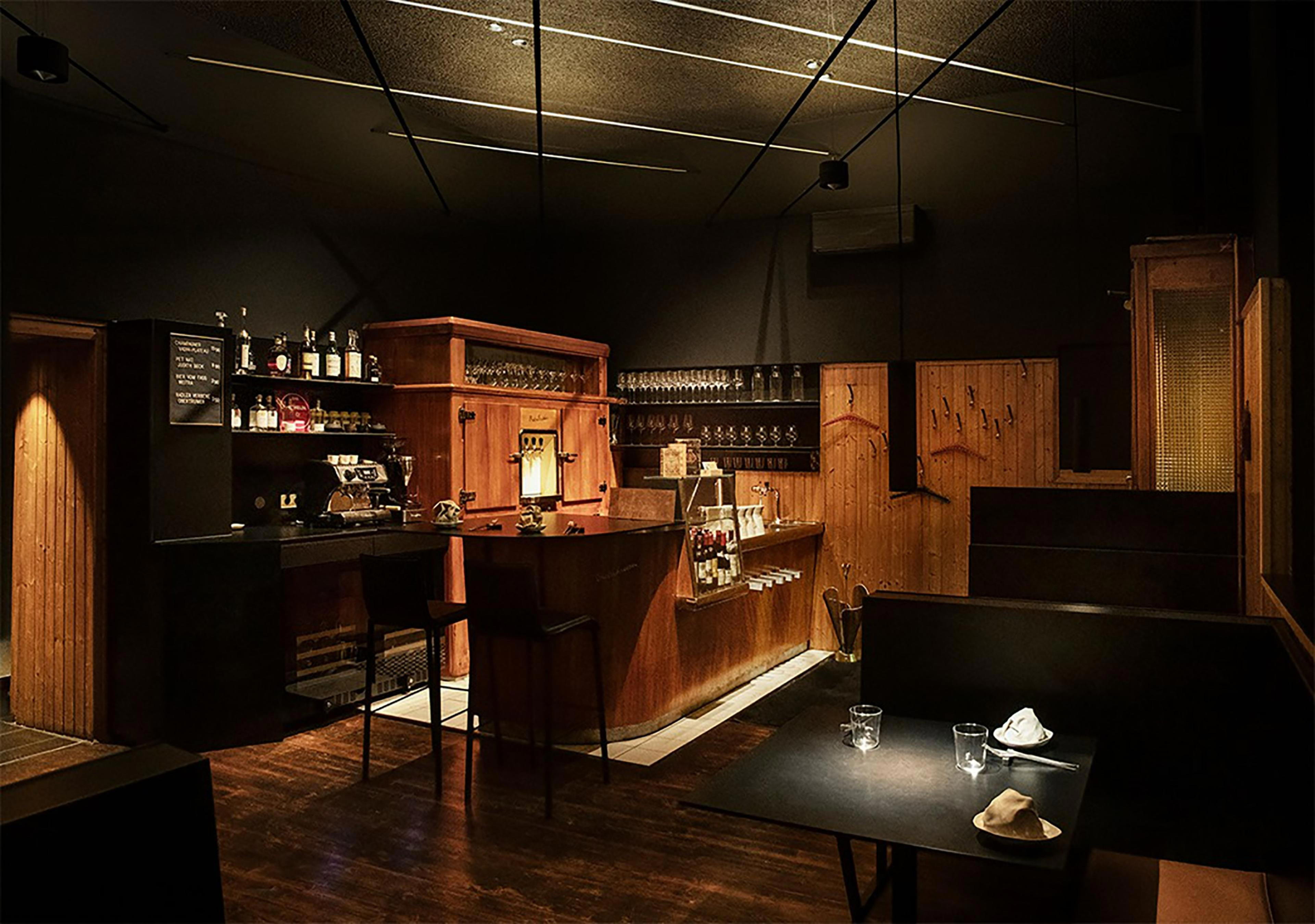
Bars in Vienna
Browse all →

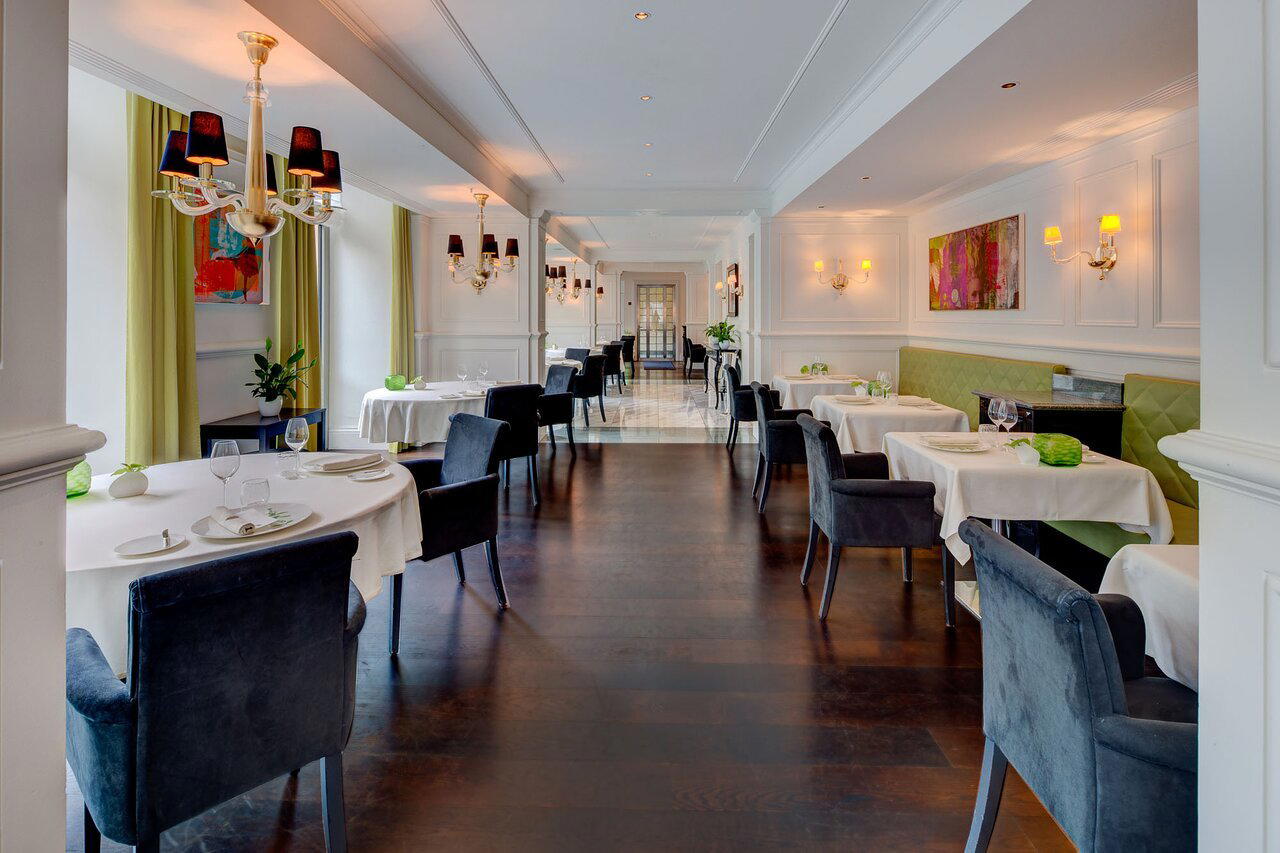
Hotels in Vienna
Browse all →
At a Glance
- Lively
- Well Known
- Energetic
- Casual Hangout
- Late Night
- After Work
- Standalone
- Beer Program
- Street Scene
Current opening hours
- Monday
- Closed
- Tuesday
- 5 PM–2 AM
- Wednesday
- 5 PM–2 AM
- Thursday
- 5 PM–2 AM
- Friday
- 5 PM–4 AM
- Saturday
- 5 PM–4 AM
- Sunday
- 4 PM–1 AM
Hours can change for holidays and private events. Last verified .
Casual street-side atmosphere with standing tables, informal and bustling, especially popular among night owls.