Duran sits at Viktor-Adler-Platz 13 in Vienna's 10th district, a neighbourhood where everyday market life runs parallel to a quietly serious dining scene. With limited public data available, the restaurant operates below the radar of the city's more prominently documented tables, making it a reference point for readers tracking Vienna's less-covered dining addresses.
 Discover on Pearl
Pearl is the En Primeur Club membership app — saves, bookings, and concierge access live there. Same editors, same standards.
- Address
- Viktor-Adler-Platz 13, 1100 Wien, Austria
- Phone
- +431596237310
- Website
- duran.at
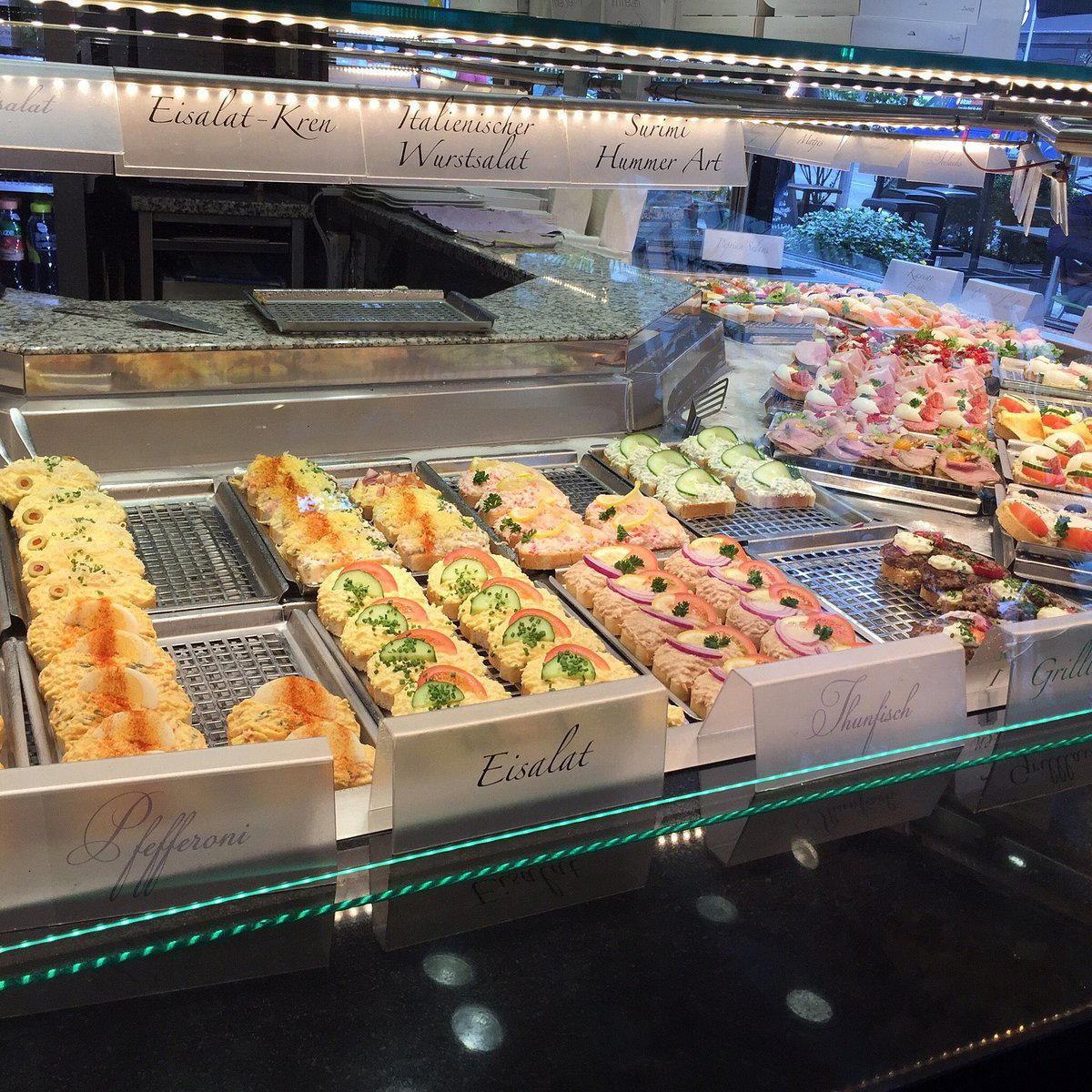
Viktor-Adler-Platz and the 10th District's Place in Vienna's Dining Geography
Vienna's restaurant conversation tends to anchor itself in the 1st district and the Prater-adjacent addresses: Steirereck im Stadtpark in the park itself, Amador and Konstantin Filippou within close orbit of the Ringstrasse. The 10th district, Favoriten, operates differently. Its central square, Viktor-Adler-Platz, is a working market square with a produce market that runs through most mornings, a transit hub, and a density of everyday eating that reflects the neighbourhood's demographic mix rather than the expectations of a tourist itinerary. Duran, at number 13 on that square, sits inside this context rather than apart from it.
That placement matters editorially. Vienna's dining tier splits fairly cleanly between the internationally documented addresses, the €€€€ counters running tasting menus at Mraz & Sohn or Doubek level, and a much larger body of neighbourhood restaurants that sustain local regulars without seeking external validation. Favoriten sits firmly in the latter camp. For readers who track Vienna beyond its award circuit, the 10th is a district worth knowing.
How a Meal at Duran Is Likely to Unfold
The editorial angle here is the progression of a meal rather than the menu itself, and that framing applies to restaurants across the spectrum. At Viktor-Adler-Platz-level addresses, the sequencing tends toward a different logic than tasting-menu restaurants: the arrival, the ordering, and the pacing of dishes follow a more direct, less choreographed model. Where a restaurant like Steirereck im Stadtpark structures the meal as a deliberate arc with pacing controlled by the kitchen, neighbourhood tables in Favoriten typically hand control back to the diner from the first minute.
That shift in control is not a downgrade. It reflects a different tradition of hospitality, one that runs through the Viennese Beisl model and its Continental equivalents. The meal begins with the room rather than with an amuse-bouche, and the first impression is the space itself: the light, the table spacing, the noise level. These are the signals that tell a diner what kind of attention to bring to the table.
For context on how Austrian regional cooking sequences through a meal, it helps to look at how the country's more documented addresses handle the arc. Döllerer in Golling an der Salzach and Obauer in Werfen both treat the cold starter as a precision exercise before the kitchen moves into hot courses. Landhaus Bacher in Mautern an der Donau and Taubenkobel in Schützen am Gebirge each demonstrate how Austria's wine-growing regions inform what arrives mid-meal. These are the reference points that frame what Austrian hospitality looks like when it operates with full documentation and award recognition behind it.
Vienna's Neighbourhood Dining Tier: What the 10th District Represents
Favoriten is Vienna's most populous district and, historically, one of the least covered by international food media. That is changing incrementally as the city's dining conversation broadens beyond the tasting-menu circuit, but the pace is slow. Restaurants at Viktor-Adler-Platz operate in a market where regulars matter more than reviews, and where the quality signal is repeat custom rather than external certification.
This is not a marginal phenomenon specific to Vienna. The same split exists in every major European city: Berlin's Neukölln, Paris's 18th, Lisbon's Mouraria. Neighbourhood-tier restaurants sustain themselves through frequency of visit and proximity to their customer base. In Vienna specifically, the Beisl tradition, the informal Austrian restaurant model combining a drinks culture with hearty, unfussy food, has historically given the neighbourhood tier a degree of cultural legitimacy that some other cities' equivalents lack. Ois in Neufelden and Schwarzer Adler in Hall in Tirol demonstrate how that regional tradition extends well beyond Vienna's city limits.
Across Austria's mountain regions, the same hospitality instinct surfaces in formats adapted to alpine tourism. Gourmetrestaurant Tannenhof in Sankt Anton am Arlberg, Stüva in Ischgl, Kräuterreich by Vitus Winkler in Sankt Veit im Pongau, and Restaurant 141 by Joachim Jaud in Mieming all operate within Austria's recognised fine dining tier. The contrast with a Favoriten address makes the category distinction legible: these are two different conversations about hospitality operating in parallel.
The International Reference Frame
Vienna's most-documented tables compete in a reference set that includes tasting-menu destinations across Europe and, increasingly, across the Atlantic. Le Bernardin in New York City represents one pole of that international conversation: a restaurant where the tasting progression is so precisely managed that the sequencing itself becomes the subject of critical attention. Lazy Bear in San Francisco applies a similar discipline to a more communal format. Both operate in the same category as Vienna's €€€€ tier, restaurants where the meal's arc is deliberate and where each course lands as part of a coordinated whole.
Neighbourhood addresses in Favoriten do not compete in that set. They compete on different terms: value for proximity, consistency for regulars, and the particular kind of comfort that comes from a room that knows how to feed people without theatrical framing. That is a legitimate competitive position, and it is the one Duran occupies at Viktor-Adler-Platz 13.
Planning Your Visit
Duran is located at Viktor-Adler-Platz 13, 1100 Wien, in Vienna's 10th district. Reservations are not required; the restaurant is walk-in friendly. Dress is casual. The budget is about $10 per person. Duran is open Monday to Friday from 8 AM to 4 PM, Saturday from 8 AM to 2 PM, and closed on Sunday.
Price and Positioning
Comparable venues nearby, for context on price, style, and recognition.
| Venue | Cuisine | Price | Awards | Notes |
|---|---|---|---|---|
| DuranThis venue — the venue you are viewing | $ | , | ||
| Zum Wiener Würstl | Mariahilf, Viennese Sausage Stand | $ | , | |
| Fladerei Otto Bauer Gasse | $ | , | Mariahilf, Austrian Flatbread (Fladenbrot) | |
| Würstelstand Christian Lange | Rudolfsheim, Austrian Sausage Stand | $ | , | |
| Petra's Würstelstand | $ | , | Siebenhirten, Traditional Austrian Sausages | |
| Würstelstand am Schottentor | Inner City, Viennese Sausage Stand | $ | , |
Continue exploring
More in Vienna
Restaurants in Vienna
Browse all →
![[aend] restaurant in Vienna](https://cdn.enprimeurclub.com/storage/v1/object/public/images/locations/recsVyRkMfzCxPmp0/hero2.jpg?width=3840&quality=75)
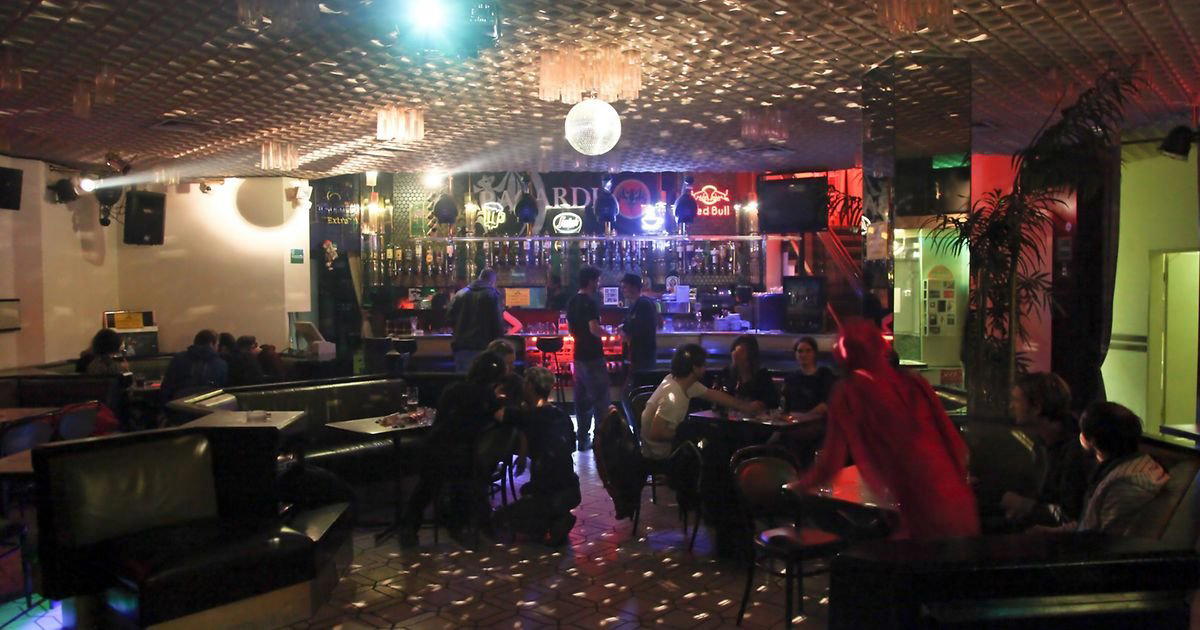
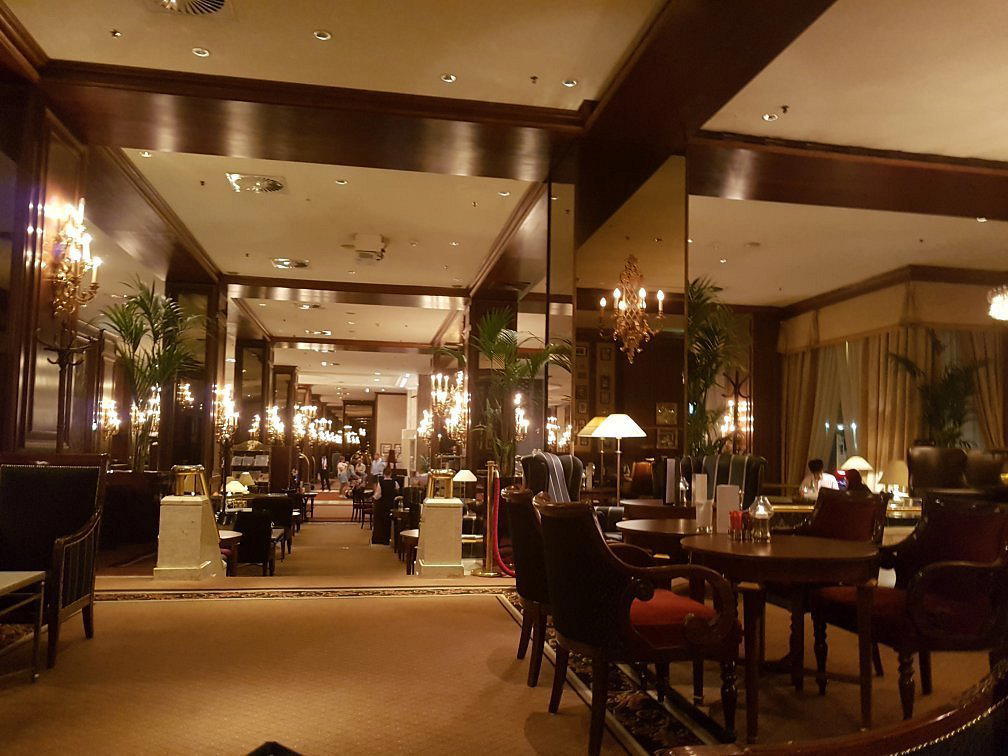
Bars in Vienna
Browse all →
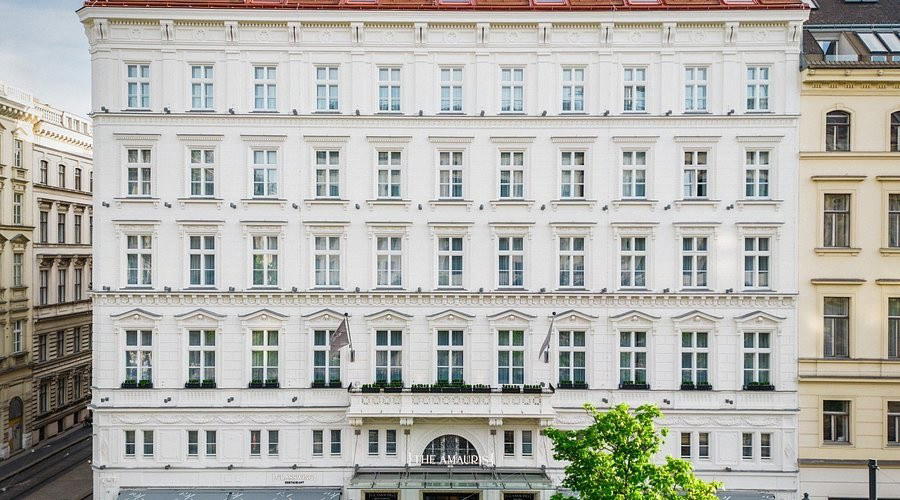
Hotels in Vienna
Browse all →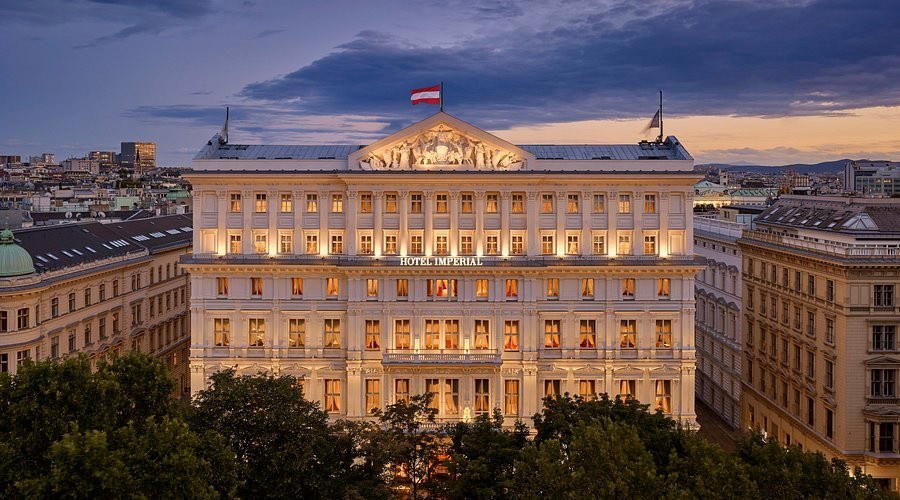
At a Glance
- Cozy
- Casual
- Casual Hangout
- Brunch
- Standalone
Bright and inviting cafe atmosphere with window displays of colorful sandwiches, ideal for casual people-watching on a bustling shopping street.