Almrausch Imbiss runs as a standalone Austrian Street Food Imbiss on Jantschweg, with counter service, a beer program, and Feurige Käsekrainer for lunch or dinner.
Pearl is the En Primeur Club membership app — saves, bookings, and concierge access live there. Same editors, same standards.
- Address
- Jantschweg, 1020 Wien, Austria
- Phone
- +436997291515
- Directions
- Get directions
 Saves & bookings on Pearl
The Second District as a Starting Point
The Leopoldstadt, Vienna's second district, occupies a particular place in the city's self-understanding. Once the centre of Jewish commercial and intellectual life, later reshaped by postwar housing development, it now sits in a transitional moment: close enough to the Innere Stadt to attract foot traffic from the centre, distinct enough to retain a neighbourhood character that the first district long ago surrendered to tourism. Jantschweg, the address where Almrausch Imbiss operates, sits within this fabric, in a part of Leopoldstadt that sees daily local traffic rather than guided walking tours. An Imbiss, in the Central European tradition, is not a restaurant in the formal sense; it is a counter-service or semi-casual eating point designed for the street, the lunch break, the commute. To find one here, at this remove from the Prater's main axis, is to locate a piece of genuinely district-level eating culture rather than a performance staged for visitors.
What the Imbiss Format Tells You
Vienna's casual eating tradition is often overshadowed internationally by its formal dining reputation. The city's upper-tier restaurants, from Steirereck im Stadtpark to Mraz & Sohn and Konstantin Filippou, operate at a €€€€ price point and require advance planning, placing them in the same competitive conversation as tasting-menu destinations in other European capitals. The Imbiss exists at the opposite end of that spectrum and serves a different purpose entirely: speed, proximity, and a menu calibrated to regulars rather than one-time visitors. Where Amador or Doubek ask you to commit an evening, an Imbiss asks only for fifteen minutes and a decision about what you want to eat right now. Both formats are authentically Viennese; neither makes the other redundant.
The name itself signals something. Almrausch, the German word for Alpine rose (rhododendron hirsutum), appears frequently in Austrian cultural references as a shorthand for mountain tradition, rural roots, and a certain unaffected directness. Applied to an Imbiss in Vienna's second district, it suggests a kitchen likely drawing on the direct, protein-and-starch vocabulary of Central European hearty eating: the kind of food associated with work, weather, and appetite rather than occasion. This is the register of eating that Austria does quietly well, and that international coverage of the country's food scene tends to skip in favour of Michelin narratives.
Leopoldstadt's Eating Character
The district's food scene in 2024 reflects a tension familiar to anyone who has watched a historically working-class urban area begin to attract younger, more mobile residents. Long-established snack counters, Turkish and Balkan-influenced takeaways, and Hungarian-inflected delis operate alongside newer café formats and small wine bars oriented toward natural producers. The result is a district where eating is still functional for most of the population, not yet fully repositioned as a leisure activity for the professional class. An Imbiss on Jantschweg reads as part of the first category: a place where the surrounding neighbourhood is the customer base, where the rhythm of service is set by local demand rather than reservation flow.
This distinguishes Leopoldstadt's casual dining from what you find in, say, the seventh district (Neubau), where even casual formats have been aestheticised and repriced for a design-literate clientele. The eating here is less self-conscious, and for certain appetites, that is precisely the point.
Austrian Casual Eating in Context
Austria's premium dining destinations, both in Vienna and across the country, are well documented. Outside the capital, operations like Döllerer in Golling an der Salzach, Obauer in Werfen, and Landhaus Bacher in Mautern an der Donau represent the formal end of Austrian regional cooking, while destinations like Gourmetrestaurant Tannenhof in Sankt Anton am Arlberg, Stüva in Ischgl, and Kräuterreich by Vitus Winkler in Sankt Veit im Pongau anchor the Tyrolean and Salzburg alpine fine-dining tradition. Further east, Taubenkobel in Schützen am Gebirge represents the Burgenland wine country approach, and Ois in Neufelden and Schwarzer Adler in Hall in Tirol show how formal dining reaches into smaller Austrian towns. Restaurant 141 by Joachim Jaud in Mieming adds another data point in that regional fine-dining network.
What this map illustrates is that serious Austrian food is largely a rural or semi-rural proposition at the formal end. Vienna's contribution to the national dining identity has historically been the formal coffeehouse, the Beisl, and the grand hotel restaurant rather than the Imbiss. The Imbiss sits closer to the street-food and market-stall traditions that predate the city's culinary reputation. Internationally, the counter-service format has been reappraised at venues like Le Bernardin in New York City and even community-format operations like Lazy Bear in San Francisco, but in Vienna it retains its everyday utility without much rebranding.
Planning a Visit
The practical reality of an Imbiss visit differs substantially from the planning required for Vienna's tasting-menu circuit. Where the city's formal restaurants require advance booking, often weeks out, and a dress consideration, a counter-service operation on Jantschweg operates on walk-in logic: you arrive, you read what is available that day, you order. The address places it in the 1020 postal district, accessible from central Vienna via the U-Bahn network; the Praterstern interchange on U1 and U2 connects the second district to the rest of the city efficiently.
Price Lens
Comparable venues nearby, for context on price, style, and recognition.
| Venue | Cuisine | Price | Notes |
|---|---|---|---|
| Almrausch ImbissThis venue — the venue you are viewing | Riesenrad, Austrian Street Food Imbiss | $ | Not listed |
| Leberkas-Pepi | Not listed | $ | Favoriten, Traditional Austrian Leberkäse |
| Würstlstand | Not listed | $ | Alsergrund, Traditional Viennese Sausage Stand |
| Big Mama | Not listed | $ | Grossfeldsiedlung, Austrian Sausage Stand |
| Extra Würstel | Not listed | $ | Praterstern Wien Nord, Modern Austrian Sausage Kiosk |
| Colosseum | Not listed | $ | Alsergrund, Traditional Viennese Austrian |
Continue exploring
More in Vienna
Restaurants in Vienna
Browse all →
Bars in Vienna
Browse all →

Hotels in Vienna
Browse all →
At a Glance
- Rustic
- Casual Hangout
- Standalone
- Beer Program
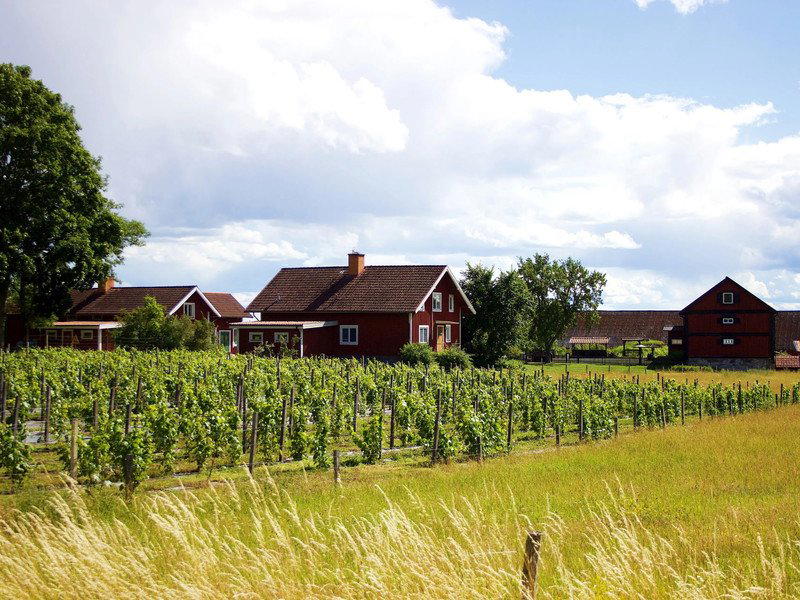
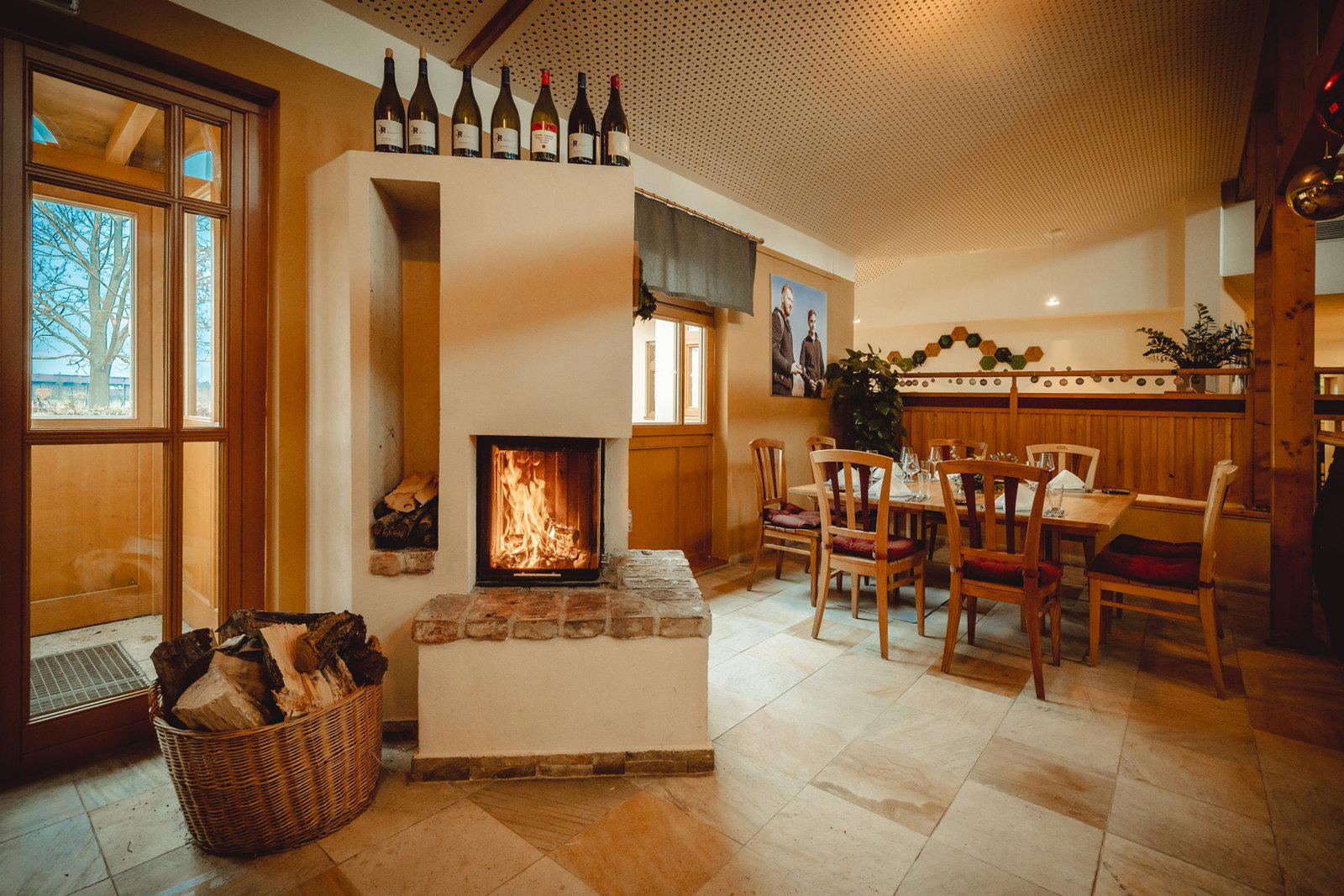
rustic mountain hut atmosphere