eh scho wuascht serves Traditional Austrian Würstelstand fare from counter service in Vienna, with Käsekrainer and Currywurst suited to a quick bite.
Pearl is the En Primeur Club membership app — saves, bookings, and concierge access live there. Same editors, same standards.
- Address
- Simmeringer Hauptstraße 234, 2. Tor, 1110 Wien, Austria
- Website
- ehschowuascht.at
- Directions
- Get directions
 Saves & bookings on Pearl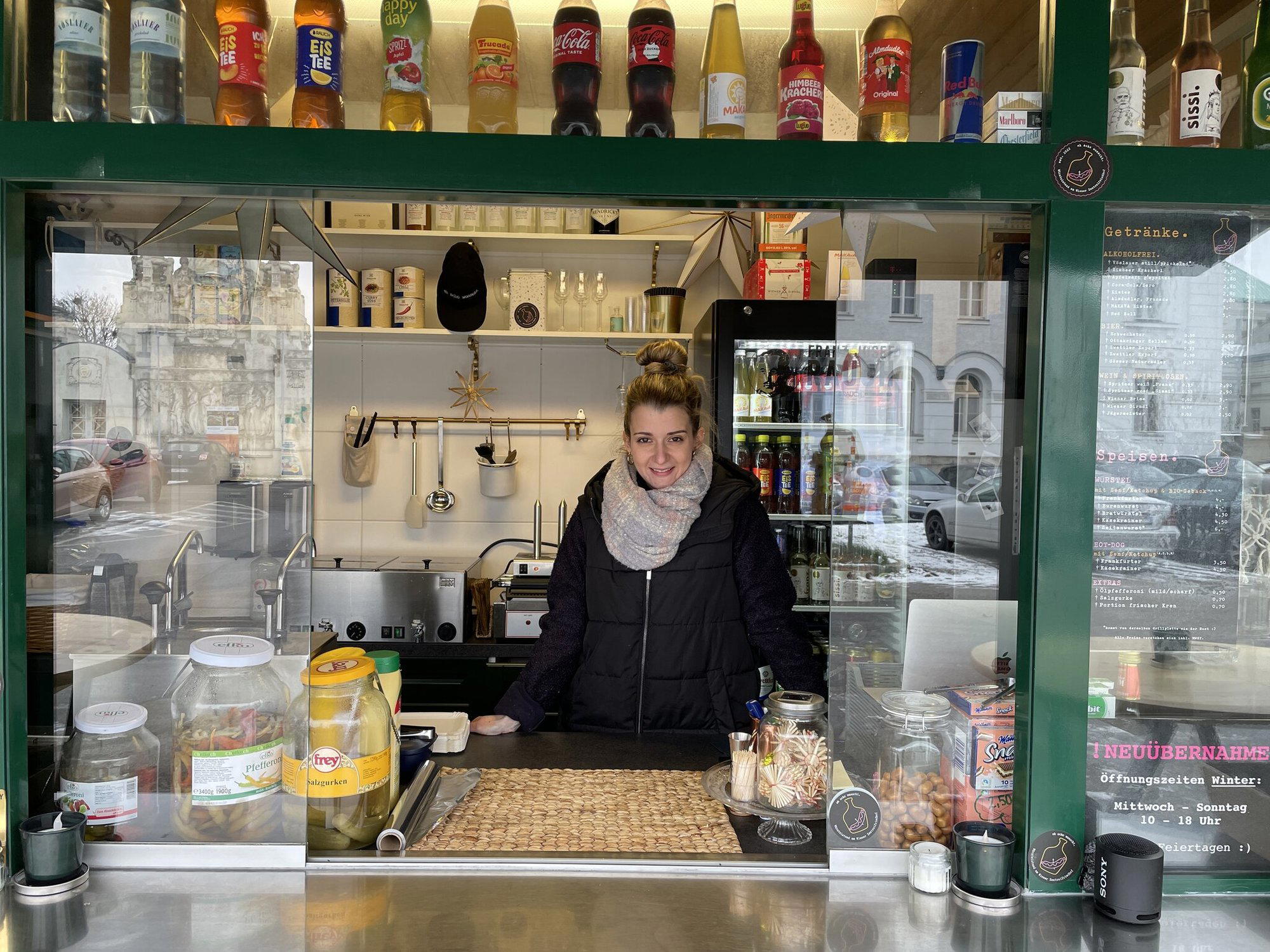
Simmeringer Hauptstraße and the Question of What Vienna Hides Outside the Ring
The 11th district does not appear on most visitors' mental maps of Vienna, but eh scho wuascht at Simmeringer Hauptstraße 234, 2. Tor, 1110 Wien is a traditional Austrian Würstelstand in Vienna with, casual setup. Simmering sits beyond the Gürtel, past the central cemetery, in the kind of working-class neighbourhood where the dining room functions as a social institution rather than a leisure product. Addresses like Simmeringer Hauptstraße 234 do not carry the cultural freight of the Innere Stadt, and that distance from the centre is precisely the point. Vienna's most recognisable restaurant tier, the creative fine-dining corridor that runs through Steirereck im Stadtpark, Amador, and Konstantin Filippou, operates at €€€€ price points with corresponding booking friction. What exists further out, in districts where the clientele arrives by tram rather than taxi, is a different register of Austrian hospitality entirely.
Eh scho wuascht occupies that outer register. The name itself signals something. The phrase is Viennese dialect, roughly translating to "whatever" or "it doesn't matter either way", a posture of studied nonchalance that, in the Austrian cultural context, tends to mask considerable care. Venues that perform indifference in their branding often turn out to be the ones most fastidious about the details. The address appended with "2. Tor" (second gate) reinforces the sense of a place that does not go out of its way to announce itself.
Where This Fits in Vienna's Current Dining Geography
Vienna's restaurant scene has, over the past decade, sorted itself into roughly three tiers. At the leading sit the Michelin-starred creative kitchens: Mraz & Sohn, Doubek, and the like, each operating tasting-menu formats at price points that reflect their position in the European fine-dining conversation. Below that sits a middle tier of neighbourhood bistros and Austrian Gasthäuser with updated menus and selective wine programs. And below that, or more accurately, orthogonal to it, is a category of places that exist almost entirely for their immediate community, where the reference point is not the Michelin Guide but the regulars who have been coming since the room opened.
Eh scho wuascht reads as belonging to that third category, with a name that actively resists the upward ambitions of the tier above it. That positioning has its own logic. Austria's regional dining tradition, the same tradition that sustains serious kitchens at Döllerer in Golling an der Salzach, Landhaus Bacher in Mautern an der Donau, and Obauer in Werfen, has always run alongside, not beneath, the fine-dining circuit. Regional identity and technical ambition are not the same axis.
The Wine Question in a District That Doesn't Perform for Wine Tourists
Vienna sits inside one of Europe's more distinctive wine production zones. Wiener Gemischter Satz, the field-blend white grown within city limits, is not a novelty or a local curiosity, it is a wine style with a documented history stretching back centuries, and it is produced by growers whose vineyards sit within tram distance of the Stephansdom. The Viennese Heuriger tradition, where growers open their premises to serve their own wine alongside food, has shaped what the city expects from informal drinking-and-eating settings in ways that more cosmopolitan markets have not. When a neighbourhood venue in Simmering builds any kind of wine list, it is operating inside a culture that already has strong opinions about what wine should cost, who should pour it, and whether ceremony is appropriate.
The editorial angle on wine in a venue like this matters precisely because it differs from what you find at, say, Gourmetrestaurant Tannenhof in Sankt Anton am Arlberg or Stüva in Ischgl, where cellar depth and sommelier ceremony are part of the product. In a Simmering address, wine curation is either incidental, a short list of serviceable Austrian bottles at pub margins, or it is a quiet signal that the operator knows more than the room suggests. Either is a coherent choice. The former would place it in conversation with venues like Taubenkobel in Schützen am Gebirge, where wine seriousness is embedded in the room's identity. The latter would make it a more traditional neighbourhood anchor.
The Broader Austrian Out-of-Centre Pattern
Vienna is not distinctive in having its most characterful dining outside the obvious tourist corridor. The same pattern operates in cities from Vienna to San Francisco, where venues like Lazy Bear built reputations in neighbourhoods that required some intentionality to visit. The effort of getting there becomes part of the editorial case for going. In Vienna's case, the 11th district is easily reached by U-Bahn or tram, but it requires the decision to leave the 1st. That threshold filters the room toward locals and away from the kind of guests who use restaurant lists as city tourism.
Austrian venues that have operated in this register, serious about food and drink without broadcasting that seriousness, include Ois in Neufelden and Kräuterreich by Vitus Winkler in Sankt Veit im Pongau, both of which operate in towns that require deliberate travel, and both of which have built loyal audiences on that basis. The Simmering model is an urban version of the same logic: proximity to the centre without any desire to perform for it. For visitors to Vienna who have already covered the obvious dining territory, and who want to understand how the city actually eats, rather than how it presents itself to outsiders, an address in the 11th is worth the tram ride.
Planning Your Visit
The restaurant is located at Simmeringer Hauptstraße 234, 2. Tor, 1110 Wien. The restaurant is open daily from 11 AM to 7 PM, is walk-in friendly, and sits in the casual, low-price tier at about $10 per person. The address in the 11th district is accessible by public transport from the city centre. Walk-ins are welcome. The restaurant chooses nonchalance over ceremony.
The Minimal Set
Comparable venues nearby, for context on price, style, and recognition.
| Venue | Cuisine | Price | Notes |
|---|---|---|---|
| eh scho wuaschtThis venue — the venue you are viewing | Not listed | $ | Not listed |
| Würstelstand am Hohen Markt | Not listed | $ | Stephansdom, Austrian Street Food Sausages |
| Claudias Imbiss zum Alserspitz | Josefstadt, Austrian Street Food | $ | Not listed |
| Maurer Würstelstand | Not listed | $ | Mauer, Traditional Viennese Sausage Stand |
| 18er Grill | Prater, Viennese Grill & Sausages | $ | Not listed |
| Almrausch Imbiss | Riesenrad, Austrian Street Food Imbiss | $ | Not listed |
At a Glance
- Casual
- Casual Hangout
- Standalone
Current opening hours
- Monday
- 11 AM–7 PM
- Tuesday
- 11 AM–7 PM
- Wednesday
- 11 AM–7 PM
- Thursday
- 11 AM–7 PM
- Friday
- 11 AM–7 PM
- Saturday
- 11 AM–7 PM
- Sunday
- 11 AM–7 PM
Hours can change for holidays and private events. Last verified .
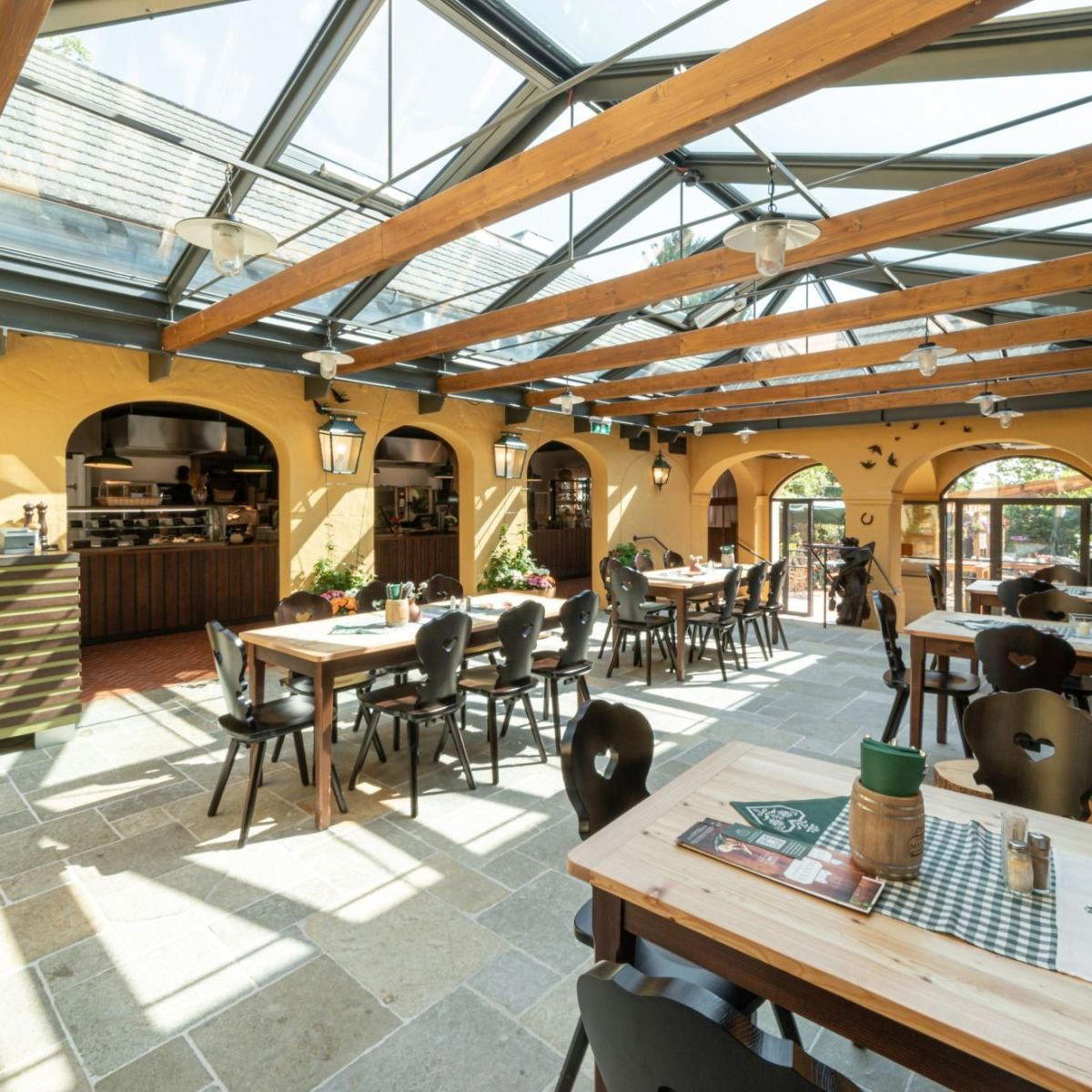
Casual street food stand atmosphere with outdoor seating, lively yet relaxed vibe full of local character.