
Tabelog Bronze #314
Our verdict
A seven-seat counter in Ise, Mie, Nikawa has earned Tabelog Bronze (2026) and three consecutive years on the Yakitori WEST 100 list by treating yakitori as a creative discipline rather than a casual format. Dinner runs from JPY 15,000 to JPY 19,999, reservations are mandatory, and the evening begins promptly at 18:00.

Pearl is the En Primeur Club membership app — saves, bookings, and concierge access live there. Same editors, same standards.
- Address
- 2 Chome-5-10 Ichinoki, Ise, Mie 516-0071, Japan
- Phone
- +81 596-22-2336
- Website
- restaurant.ikyu.com
- Directions
- Get directions
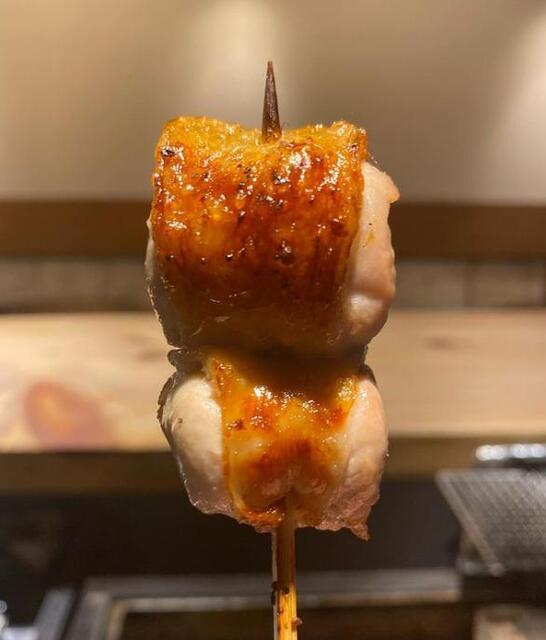
Where Yakitori Becomes a Considered Practice
Japan's yakitori tradition occupies a wide spectrum. At one end, high-turnover izakayas move skewers fast and keep prices low. At the other, a smaller cohort of counter-format specialists has reframed the category entirely, applying the same seasonal intentionality and pacing discipline you find in kaiseki to a medium that is, structurally, far more constrained. Nikawa, operating from a seven-seat counter in Ise, sits in this second tier. With a Tabelog score of 3.99, a Bronze Award in 2026, and three consecutive years on the Tabelog Yakitori WEST 100 list (2023, 2024, and 2025), it has accumulated the kind of peer-reviewed recognition that signals seriousness of purpose, not novelty.
Ise itself provides meaningful context. The city draws pilgrims and tourists to the Grand Shrine complex, and its food culture has historically oriented around seafood — the nearby coastline makes places like Hinode and sushi counters such as Komada and Edo Machi Sugimoto natural expressions of place. A yakitori counter operating at this price point and formality in Ise is a deliberate outlier, and Nikawa's sustained recognition across multiple Tabelog cycles suggests it has made that position work.
The Counter, the Pacing, the Ritual
Seven seats at a counter is not an arbitrary choice. In Japan's most considered dining formats, the counter is a stage for sequenced, chef-directed service where the distance between preparation and arrival at the plate is measured in seconds. There is no passive waiting; each course completes a segment of the meal's logic before the next begins. This structure, familiar from high-end omakase sushi and kappo, transfers to yakitori with interesting results. The grill becomes the focal point in place of the cutting board, and the sequence of cuts, intensities, and textures across the skewers carries the narrative weight that rice and fish carry at a sushi counter.
Nikawa's listing describes its ambition in direct terms: to expand the possibilities of chicken and redefine the concept of yakitori. That framing, combined with the Creative category alongside Yakitori in its classification, places it in a small group of counters treating the medium as genuinely open-ended rather than bound by convention. For comparison, Yakitori Ichimatsu in Osaka occupies a similar interpretive register in the Kansai region, where creative yakitori has found a receptive audience among diners accustomed to format experimentation.
The evening begins at 18:00 and the venue is explicit: arrive on time, because service starts promptly. Late arrivals begin their meal from the moment they sit, not from the beginning of the sequence. This is not discourtesy but structural integrity. In a seven-seat counter running a single seating, each course is timed around the full group. Disruption to that rhythm affects everyone's experience. The policy is consistent with how similar specialist counters operate across Japan's premium tier.
Drink Program and Atmosphere
The drink program at Nikawa shows similar editorial intent. The venue specifies a particular focus on sake and wine alongside shochu — a combination that signals deliberate pairing rather than a generic list. Sake and yakitori share an obvious affinity; the umami in charcoal-grilled chicken and the textural range of nihonshu across junmai, ginjo, and daiginjo styles create productive interactions. The addition of wine as a focus is a more pointed choice, reflecting the same instinct toward creative reconsideration that defines the food. Counters at this level in other Japanese cities, from Harutaka in Tokyo to Gion Sasaki in Kyoto, have similarly expanded their drink programming beyond narrow tradition, treating the pairing conversation as part of the overall experience.
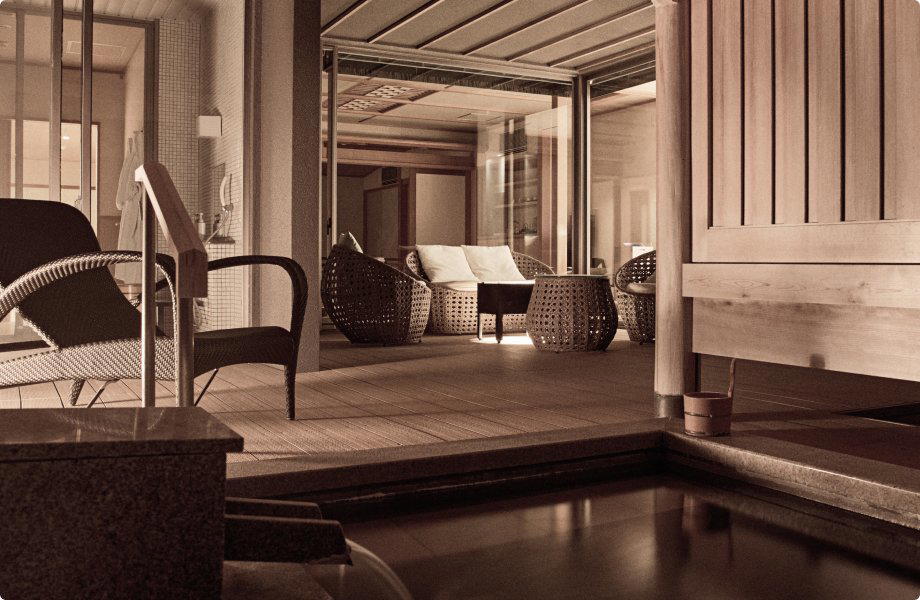
Space is described as stylish and relaxing, counter seating only, no private rooms, classified in its listing as a house restaurant and hideout. That last designation is informative. House restaurants in Japan occupy a particular place in the dining imagination: low-profile exteriors, intimate interiors, the sense of having arrived somewhere specific rather than somewhere publicly visible. The parking available in front of the restaurant is a practical note worth flagging for visitors arriving from elsewhere in Mie; Ise's taxi supply is limited, and the venue itself acknowledges this in its logistics.
Nikawa in the Context of Mie's Dining Tier
Mie Prefecture carries serious food credentials that extend well beyond the shrine district. Matsusaka beef, Ise ebi (spiny lobster), abalone, and pearl oysters have made it a producers' region of the first order. Most premium dining in the area draws directly on these ingredients, which is what makes a yakitori specialist operating at JPY 15,000 to JPY 19,999 per person for dinner a genuinely distinct position. Counters like La Mer and restaurant Ryu engage Mie's ingredient wealth from different angles; Nikawa's creative yakitori format is a separate proposition entirely.
At the JPY 15,000 to JPY 19,999 price point, Nikawa sits in the same dinner band as Edo Machi Sugimoto at its lower range, placing it in Ise's upper-tier dining tier without reaching the JPY 20,000-plus bracket. For the broader Kansai and Kinki dining conversation, the comparison extends outward: HAJIME in Osaka and akordu in Nara operate at premium price points with their own creative frameworks, and Goh in Fukuoka represents the similar specialist sensibility applied to a different regional context. Nikawa's consistent appearance in Tabelog's western Japan yakitori rankings for three consecutive years positions it as a reference point in this regional conversation, not a peripheral footnote.
Planning a Visit
Nikawa operates by reservation only, with a two-guest minimum per booking. Children are not accepted under the standard policy, though private reservations for up to two guests are available. If you have significant dietary restrictions or allergies, the venue invites prior consultation, which is standard practice at this counter format where the sequence is set in advance and substitutions require preparation. Credit cards are accepted (Visa, Mastercard, JCB, Amex), but electronic money and QR-code payments are not. The cancellation policy is firm: cancel within three days of your reservation and the full amount applies; cancel four to seven days out and fifty percent is charged. This reflects the economics of a seven-seat operation where a last-minute cancellation cannot be backfilled.
The restaurant is an eight-minute walk from Ise City Station (511 metres, per its own listing), with parking available directly in front for those arriving by car. Phone calls are not taken during service hours. Reservations can be made through Tabelog's online system.
For those building a broader itinerary around Mie's dining options, see our full Mie restaurants guide, as well as guides covering Mie hotels, Mie bars, Mie wineries, and Mie experiences. For a sense of how Nikawa's format compares to premium counters further afield, 1000 in Yokohama and Le Bernardin in New York City illustrate how different the specialist counter format plays at different price tiers and cultural contexts.
What Should I Eat at Nikawa?
Nikawa does not publish a fixed menu in advance, and the counter format means the sequence is determined by the kitchen on the evening. Given its classification as both Yakitori and Creative, the meal moves through the full range of chicken preparations, from classic cuts to more interpretive courses, as a single composed arc rather than a list of items to select from. The practical guidance is direct: trust the sequence, communicate dietary constraints when booking, and approach the evening as you would a multi-course omakase. The venue's three-year Tabelog 100 recognition and 3.99 score reflect consistent execution across that format, not a single celebrated dish.
Frequently asked questions
How do I find Nikawa?
Nikawa is located at 2 Chome-5-10 Ichinoki, Ise, Mie 516-0071, Japan, Mie.
What distinctions does Nikawa have?
Nikawa has received recognition including: {"Year":"2026","Award Source":"Tabelog","Award Type":"The Tabelog Award","Award Group":"bronze","Award Group Rank":"314","Restaurant Name":"Nikawa","Score":"3.99","Budget":"Dinner: JPY 15,000 - JPY 19,999; Lunch: -","Budget Dinner":"JPY 15,….
What should I eat at Nikawa?
Nikawa does not publish a fixed menu in advance. The counter format means the kitchen sequences the evening for you, working within the restaurant's stated concept of expanding the possibilities of chicken and redefining yakitori. Given the JPY 15,000–19,999 price point and three consecutive years on the Tabelog Yakitori WEST 100 list, the course is the only option — there is no à la carte. If you have dietary restrictions or food dislikes, the reservation policy asks that you raise them at booking rather than on arrival.
Recognition, Side-by-Side
Comparable venues nearby, for context on price, style, and recognition.
| Venue | Cuisine | Price | Awards | Notes |
|---|---|---|---|---|
| NikawaThis venue — the venue you are viewing | Modern Yakitori Omakase | $300–500 | Tabelog Bronze #314 | Not listed |
| Edo Machi Sugimoto | Edo-style Sushi Omakase | $200–300 | Tabelog Bronze #427 | Nishi Kuwana |
| Wadakin | Matsusaka Beef Japanese | Not listed | Tabelog Bronze #508 | Nakamachi |
| Hinode | Traditional Japanese Kaiseki with Kuwana Clams | $150–200 | Tabelog Bronze #114 | Kuwana |
| Hinome | Modern Vegetarian Japanese Fusion | $50–100 | We're Smart World 4 Radishes | Kameyama |
| Komada | Edo-style Omakase Sushi | $300–500 | Tabelog Gold #14 | Kawasaki, Ise |
Recognition history
Dated appearances from independent guides and award organizations, with the underlying list record or original source where available.
Tabelog Bronze #314
Tabelog
Full recognition history (2 entries)
Tabelog 100 #66 · No. 66
Tabelog · Tabelog 100 - Yakitori - WEST - 2025
Details
- Elegant
- Relaxed
- Intimate
- Special Occasion
- Open Kitchen
- Sake Program
- Local Sourcing
- Omakase
- Counter Dining
- Sake
Stylish and relaxing counter-only space focused on the grilling experience.