
Tabelog 100 #11
Our verdict
Ichigetsu Ya gives Ise’s izakaya culture a seafood-led, local-room expression rather than a polished tasting-menu frame. Its Tabelog 100 Izakaya WEST selections in 2024 and 2025, 70-seat house-restaurant format, sake and shochu focus, and modest dinner spend place it in a practical category with unusually strong recognition for the city.

Pearl is the En Primeur Club membership app, where members save venues, book tables and use the concierge.
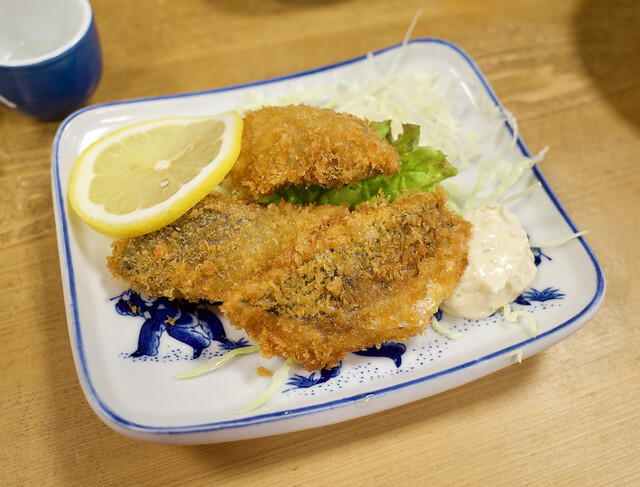
Approaching an Ise izakaya resets expectations before the first order. The rhythm is practical rather than theatrical: a low-pressure drinking-and-eating room built for everyday use rather than ceremony. In a city often filtered through pilgrimage traffic, sweets, beef, and station-adjacent convenience, Ichigetsu Ya sits in a slower local register: an izakaya whose listed categories include seafood and Japanese cuisine, with a price point that feels more like a local habit than destination dining.
Ise rewards visitors who separate shrine-area snacking from dinner planning. Some dining in the city leans toward sweets, beef, or convenient tourist routes, while butasute Wakayanagi represents a different Ise category altogether. The izakaya tier works differently. At JPY 2,000 to JPY 2,999 for dinner, this address belongs to the everyday drinking-and-eating economy rather than Ise’s formal meal category, but its 2025 Tabelog Hyakumeiten recognition puts it under brighter critical light than price alone suggests.
Seafood, drinks, and the practical intelligence of Ise's izakaya table
Read the cooking through category logic, not chef mythology. Seafood is listed here as a core category, not decoration. That matters because izakaya dining depends on range: a table can move through Japanese dishes, fish, drinks, and shared plates without needing a formal progression. The point is not a grand tasting-menu statement, but the practical intelligence of a room where seafood and Japanese cooking sit inside an izakaya frame.
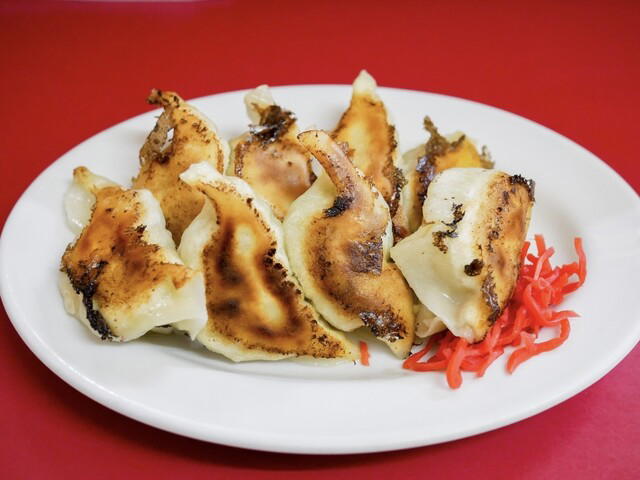
That combination puts Ichigetsu Ya in a different lane from Gyoza no Misuzu, whose appeal is narrower and format-specific, and from Mukai Sake no Mise, another Ise drinking-room reference point. The comparison matters because Ise’s casual dining map is not one ladder from cheap to expensive. It is a set of formats: gyoza counters, sweets stops, beef specialists, unnamed casual rooms, and izakaya settings where seafood and drinks can carry the night. Choose the category first, then the price.
The Tabelog score of 3.72 is stronger in Japan than it may look to travelers used to inflated five-star platforms. Tabelog compresses ratings, and a 2025 Hyakumeiten selection gives the recognition more weight than one user-score snapshot. It also frames the venue beyond a simple “nearby dinner” decision, a useful distinction in a city whose dining reputation can be overshadowed by shrine tourism.
A local Ise room, not a shrine-district souvenir stop
The Ise setting matters. This is not the same proposition as simply eating whatever is closest to the main tourist flow, where foot traffic, daytime grazing, and souvenir culture can shape the experience. Ichigetsu Ya’s appeal is more local and format-driven: an izakaya serving seafood and Japanese cuisine at a modest dinner budget. That makes it useful for friends, drinkers settling in, and diners wanting Japanese food without a formal tasting-menu script.
Travelers should treat the room as an izakaya first and plan with practical flexibility. The confirmed public signals are the category, the dinner budget, the Tabelog score, and the 2025 Hyakumeiten recognition; more granular room rules should be checked directly before committing a night. For a full Ise day, the useful pattern is to separate daytime sightseeing and snacks from dinner planning rather than folding everything into one tourist corridor.
For broader city mapping, Our full Ise restaurants guide sorts casual rooms from higher-spend meals, while Our full Ise hotels guide helps determine whether Ichigetsu Ya is an easy evening move from where the night is based. Travelers extending the itinerary can also use Our full Ise bars guide, Our full Ise wineries guide, and Our full Ise experiences guide to keep dinner from carrying the whole cultural brief.
How to place it in a Japan-wide casual dining itinerary
Ichigetsu Ya is not a luxury flex; that is the point. Its value is the collision of modest spend, seafood-and-Japanese-cuisine izakaya framing, and recognition that carries it beyond ordinary neighbourhood utility. For travelers eating across Japan, it belongs in the planning category where format discipline matters more than polish: a local izakaya in Ise, other casual Japanese rooms, or compact everyday formats where price, category, and room culture explain the experience more clearly than a grand menu statement.
Within Japan, the sharper comparison is with format-specific restaurants rather than generic “best of” lists. Some meals are built around beef, others around counters, cafés, regional cooking, or single-specialty formats. Ise’s contribution here is quieter: a recognized izakaya where seafood, Japanese cuisine, a modest dinner budget, and a local Ise setting make the city feel lived-in after the busiest visitor hours thin.
The editorial call is clear. Choose this room to understand Ise beyond daylight tourism, not for a chef-counter spectacle or luxury set menu. The evidence is concrete for the price: a 2025 Tabelog Hyakumeiten selection, a 3.72 Tabelog score, dinner listed at JPY 2,000 to JPY 2,999, and categories spanning izakaya, seafood, and Japanese cuisine. In a city where many visitors eat what is closest to the pilgrimage route, this is the stronger argument for looking wider.
Frequently asked questions
Is Ichigetsu Ya good for families?
Ichigetsu Ya may work for groups looking for an informal izakaya in Ise, though families should check current room details directly before planning around it.
How would you describe the vibe at Ichigetsu Ya?
The clearest description is a local Ise izakaya, with listed categories including seafood and Japanese cuisine rather than a formal fine-dining format.
How much does it cost to eat at Ichigetsu Ya?
Pricing at Ichigetsu Ya is listed as JPY 2,000 - JPY 2,999 JPY 2,000 - JPY 2,999 View spending breakdown.
When can I go to Ichigetsu Ya?
Check directly with Ichigetsu Ya for current opening days and hours before visiting.
Where is Ichigetsu Ya in Ise?
Ise.
What do critics highlight about Ichigetsu Ya?
The clearest signal is its 2025 Tabelog Hyakumeiten recognition. Diners can also read it as a value-driven izakaya with seafood and Japanese cuisine categories, a 3.72 Tabelog score, and dinner priced at JPY 2,000–JPY 2,999.
Comparable Spots, Quickly
Comparable venues by cuisine and price in the same metro.
| Venue | Cuisine | Price | Awards | Notes |
|---|---|---|---|---|
| Ichigetsu YaThis venue (the venue you are viewing) | Traditional Japanese Izakaya & Seafood | $20–30 | Tabelog 100 #11 | Not listed |
| Mukai Sake no Mise | Seafood-focused Japanese izakaya with strong sake program | $30–50 | Tabelog 100 #45 | Miyago, Ise |
| Isuzu Chaya Honten | Traditional Japanese sweets cafe & teahouse | $10–20 | Tabelog 100 #22 | Okage Yokocho / Oharaimachi (near Ise Jingu Naiku) |
| butasute Wakayanagi | Traditional Ise beef sukiyaki & yakiniku | $100–150 | Tabelog 100 #93 | Miyamachi |
| Sazanami Ise ten | Japanese fried shrimp & seafood | $20–30 | Tabelog 100 #86 | Jinkyu |
| Akafuku Honten | Traditional Japanese sweets & tea house | $1–10 | Tabelog 100 #88 | Oharaimachi |
Recognition history
Dated appearances from independent guides and award organizations, with the underlying list record or original source where available.
Tabelog 100 #11 · No. 11
Tabelog · Tabelog 100 - Izakaya - WEST - 2025
Continue exploring
More in Ise
Details
- Lively
- Cozy
- Classic
- Energetic
- Casual Hangout
- After Work
- Group Dining
- Solo
- Celebration
- Standalone
- Private Dining
- Sake Program
- Beer Program
- Local Sourcing
- A La Carte
- Small Plates
- Counter Dining
- Sake
- Shochu
- Beer
- Pescatarian Friendly
Current opening hours
- Monday
- 2–9 PM
- Tuesday
- 2–9 PM
- Wednesday
- Closed
- Thursday
- 2–9 PM
- Friday
- 2–9 PM
- Saturday
- 2–9 PM
- Sunday
- 2–9 PM
Hours can change for holidays and private events. Hours as of .