On Fuggerstraße in Schöneberg, Trattoria a muntagnola occupies the quieter end of Berlin's Italian dining scene, where Southern Italian tradition takes precedence over reinvention. The kitchen draws on mountain-village cooking rooted in ingredient provenance rather than technique showmanship, making it a counterpoint to the city's dominant fine-dining register.
Pearl is the En Primeur Club membership app — saves, bookings, and concierge access live there. Same editors, same standards.
- Address
- Fuggerstraße 27, 10777 Berlin, Germany
- Phone
- +4949302116642
- Website
- trattoria-muntagnola.de
- Directions
- Get directions
 Saves & bookings on Pearl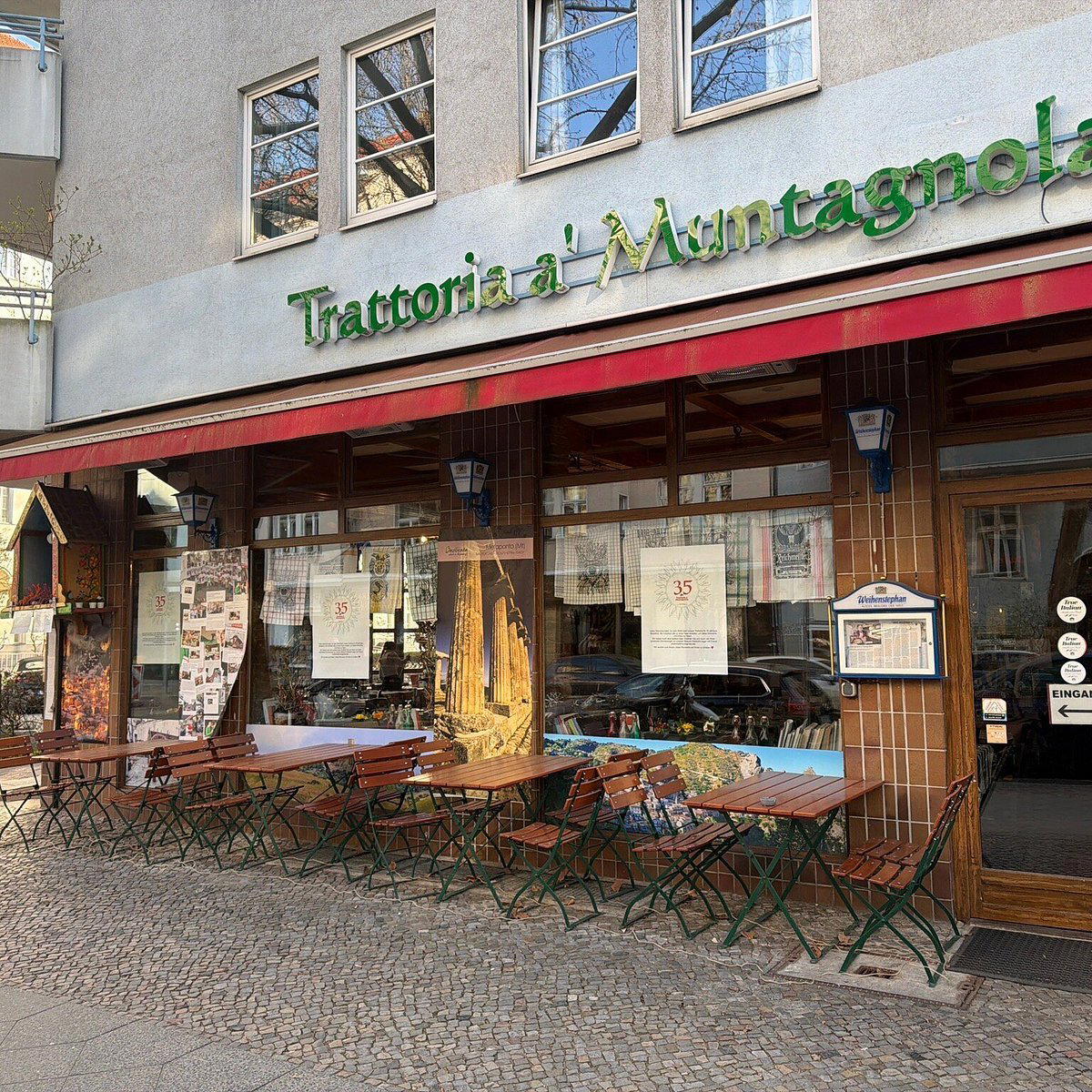
Schöneberg's Quiet Italian Argument
Berlin's restaurant culture has spent the better part of two decades pulling in two directions: the technically ambitious tasting-menu operations in Mitte and Kreuzberg, represented by addresses like Rutz, Nobelhart & Schmutzig, and FACIL, and the neighbourhood-anchored restaurants that persist by doing something specific and doing it consistently. Trattoria a muntagnola on Fuggerstraße 27 belongs to the second category. Schöneberg has historically supported this kind of place: mid-size, without theatrical ambition, oriented toward the repeat diner rather than the destination visitor. The street itself runs through a residential quarter where the local population still makes up a meaningful share of any given dining room. That context matters when you're trying to understand what the kitchen here is actually doing. Trattoria a muntagnola is an authentic Southern Italian Basilicata trattoria in Berlin, with a casual dress code, a recommended reservation policy, and an average price of about $25 per person.
What the Name Says About the Cooking
"A muntagnola" is a Southern Italian dialect reference to the mountain village, the upland tradition of cucina povera that prioritised preserved, dried, and seasonal ingredients over the coastal abundance more commonly associated with Italian cooking in the popular imagination. This is not the Italian food of the Amalfi coast or a Milanese aperitivo bar. The culinary tradition it references is leaner, more austere, and more dependent on the quality of a small number of raw materials than on the complexity of technique layered on top of them. In that sense, the name is also a sourcing argument: mountain-village cooking only works when the base ingredients are correct. Substitution tends to expose the tradition rather than honour it.
Across Germany's more acclaimed Italian-leaning addresses, the same sourcing logic applies at different price brackets. The question for any trattoria operating in this register is whether its supply relationships are strong enough to sustain the simplicity the format demands. At Fuggerstraße, the positioning as a neighbourhood institution over time suggests those relationships are in place, even if the specifics are not publicly documented.
Ingredient Provenance as Editorial Premise
The broader shift in European dining over the past decade has been toward provenance transparency. Germany's most discussed restaurants have made supply chain a central editorial argument: Nobelhart & Schmutzig built its entire identity around a hyper-regional sourcing brief, while the Michelin-recognised programmes at Aqua in Wolfsburg, JAN in Munich, and Schwarzwaldstube in Baiersbronn each use ingredient origin as a distinguishing signal for their respective formats.
A Southern Italian trattoria operates in a different tier and with a different vocabulary. The sourcing question here is not about hyper-locality but about fidelity: whether the pasta uses the right semolina, whether the preserved meats reflect actual regional production, whether the olive oil is from the right elevation and variety. These are harder claims to verify from the outside, but they are the ones that determine whether food in this tradition reads as authentic or approximate. Berlin has enough Italian restaurants that serve approximate versions to make the distinction meaningful.
The Room and the Season
Schöneberg's dining rooms tend toward the compact and the unglamorous, which is not a criticism. The neighbourhood built its restaurant culture on function over spectacle, and a trattoria format fits that sensibility well. Autumn and winter are the seasons that suit this style of cooking most directly: the cucina povera tradition was designed for cold months, for the period after the harvest when preserved and dried goods carried the weight of the meal. Dried pasta, aged cheeses, cured meats, legumes, and root vegetables are not compromise ingredients in this context. They are the point. A spring or summer visit shifts the balance toward fresh produce and lighter preparations, but the kitchen's identity is more legible in colder months when the pantry-driven logic of mountain-village cooking aligns with Berlin's own seasonal rhythm.
For those cross-referencing Berlin's more format-driven dining options, CODA Dessert Dining and Restaurant Tim Raue represent the opposite end of the register: concept-led, technically dense, destination-oriented. Trattoria a muntagnola is not in conversation with those addresses. It is in conversation with the idea that a dining room can be useful rather than ambitious, and that usefulness, sustained over time, is its own form of credibility.
How This Fits Berlin's Italian Scene
Italian cooking in Berlin ranges from quick-service pizza operations to upscale modern Italian with considerable technical ambition. The trattoria tier, which sits between those poles, is where provenance and tradition matter most and where the gap between a good and a mediocre version is most apparent to anyone paying attention. A muntagnola's Schöneberg address keeps it outside the central-Berlin competitive set where rents and tourist traffic tend to push menus toward safer, more internationalised interpretations of Italian food. That geographic remove is, in this case, an advantage. It allows the kitchen to cook for its actual clientele rather than for a passing audience with limited reference points.
Germany's most formally recognised restaurants, including Vendôme in Bergisch Gladbach, Victor's Fine Dining by Christian Bau in Perl, and Waldhotel Sonnora in Dreis, operate at a different altitude entirely. So do international comparators like Le Bernardin in New York City or Atomix. Placing the restaurant in that company would misread its intent. Its comparable set is the serious neighbourhood trattoria that prioritises ingredient quality over format innovation and builds its reputation through repeat custom rather than critical attention. That is a smaller and more honest category than most dining guides acknowledge.
Those looking at Germany more widely might also consider the cooking at Restaurant Haerlin in Hamburg, Schanz in Piesport, Bagatelle in Trier, or ES:SENZ in Grassau for a wider picture of the range the German dining scene covers.
Planning Your Visit
The restaurant is at Fuggerstraße 27, 10777 Berlin. The restaurant is open daily from 5 to 11 PM. Reservations are recommended.
Address: Fuggerstraße 27, 10777 Berlin, Germany.
Comparable Options
Comparable venues nearby, for context on price, style, and recognition.
| Venue | Cuisine | Price | Notes |
|---|---|---|---|
| Trattoria a muntagnolaThis venue — the venue you are viewing | Authentic Southern Italian Basilicata Trattoria | $$ | Not listed |
| Trattoria Senza | Gluten- & Lactose-Free Italian Trattoria | $$ | Mitte |
| Coccodrillo | Authentic Italian Trattoria with Neapolitan Pizza | $$ | Scheunenviertel |
| Café Botanico | Italian Farm-to-Table | $$ | Neukolln |
| Osteria Centrale | Classic Tuscan Italian | $$ | Charlottenburg |
| Malafemmena | Neapolitan Pizza | $$ | Friedenau |
Continue exploring
More in Berlin
Restaurants in Berlin
Browse all →
Bars in Berlin
Browse all →
Hotels in Berlin
Browse all →

At a Glance
- Cozy
- Rustic
- Classic
- Intimate
- Casual Hangout
- Group Dining
- Date Night
- Family
- Standalone
- Beer Program
Current opening hours
- Monday
- 5–11 PM
- Tuesday
- 5–11 PM
- Wednesday
- 5–11 PM
- Thursday
- 5–11 PM
- Friday
- 5–11 PM
- Saturday
- 5–11 PM
- Sunday
- 5–11 PM
Hours can change for holidays and private events. Last verified .
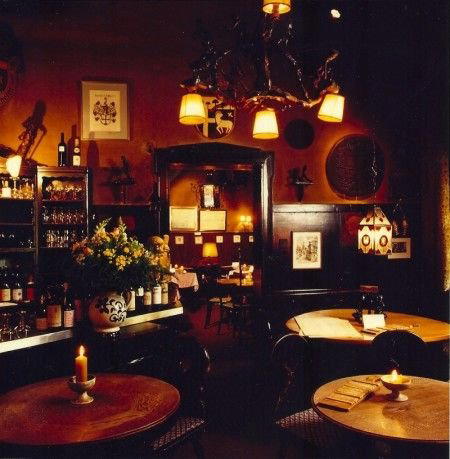
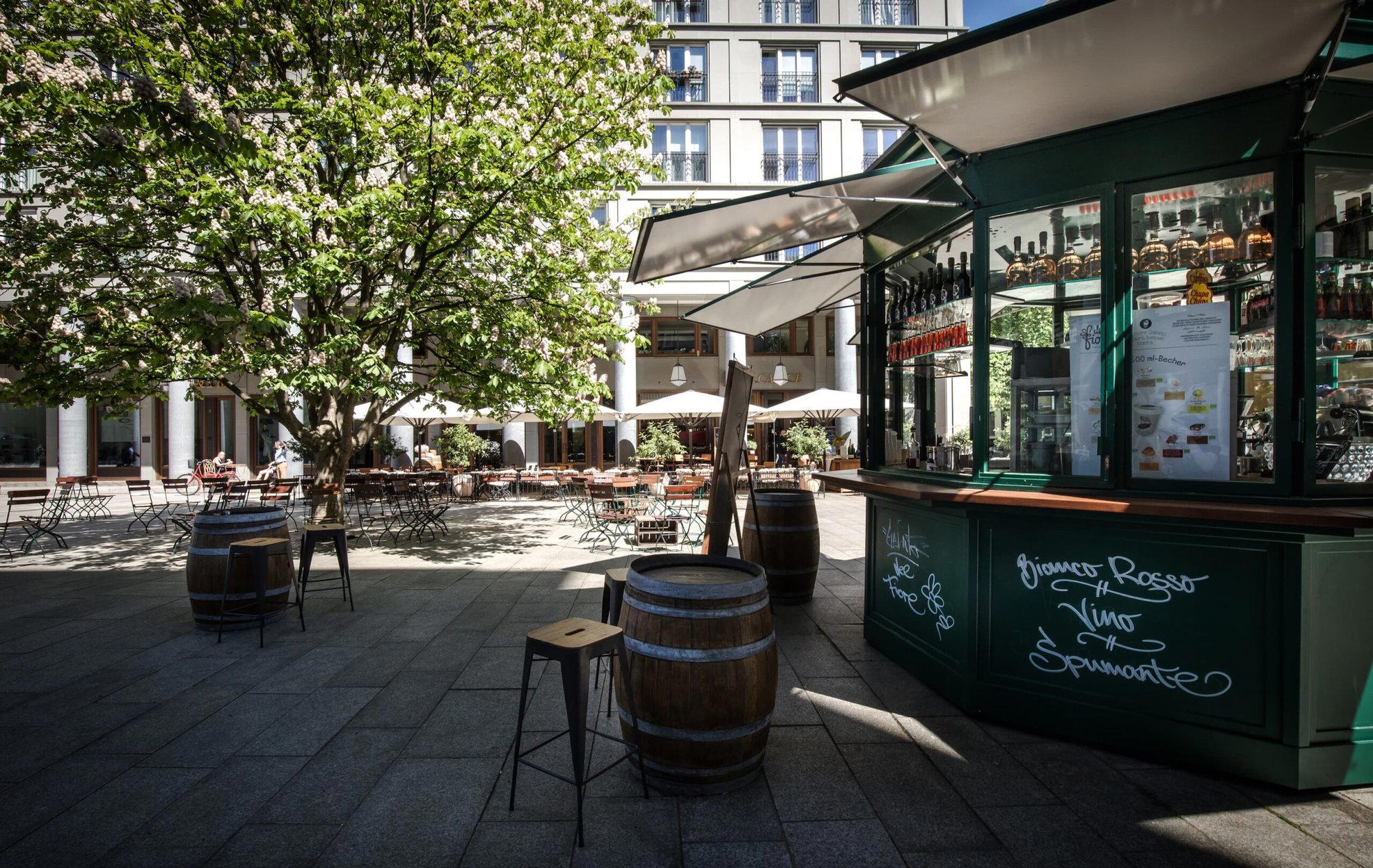
Rustic and cozy with Italian-inspired décor that some describe as kitsch; warm, welcoming atmosphere enhanced by the owner Pino's personal hospitality and family presence.