On a quiet stretch of Bleibtreustraße in Charlottenburg, Osteria Centrale occupies the kind of address where Berlin's Italian restaurant tradition plays out at its most considered. The room earns its reputation through spatial discipline and a menu rooted in Italian convention, placing it in a comparable set that values restraint over spectacle. For visitors already familiar with the city's more theatrical dining options, this is a different kind of proposition.
- Address
- Bleibtreustraße 51, 10623 Berlin, Germany
- Phone
- +493031013263
- Website
- de-de.facebook.com
- Directions
- Get directions
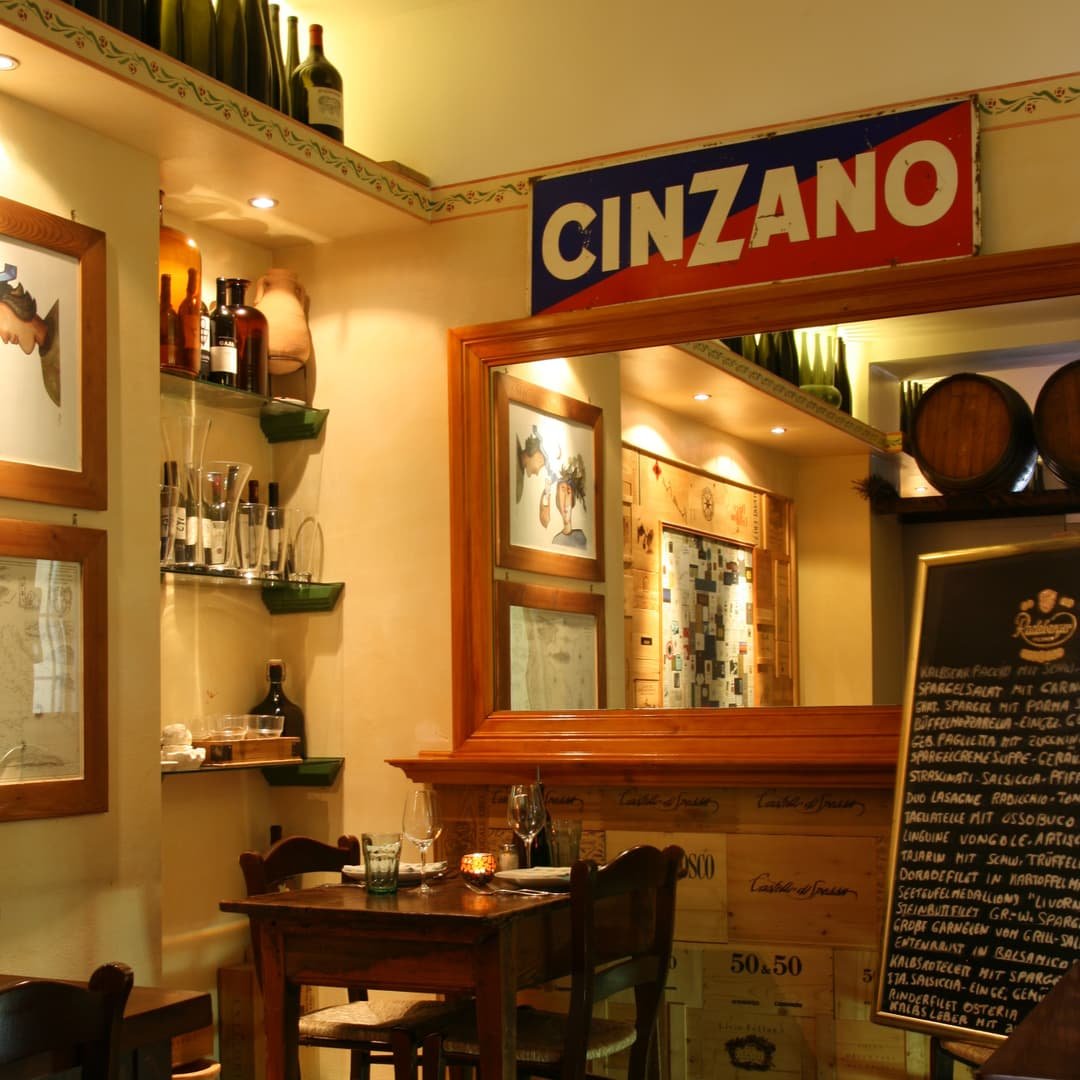
A Room That Earns Its Name
Charlottenburg's dining character has long differed from Mitte's more performative restaurant culture. The neighbourhood moves at a slower register, and the addresses along Bleibtreustraße tend to reflect that: smaller rooms, longer-standing clientele, less appetite for the kind of concept-led theatrics that define Berlin's newer openings. Osteria Centrale sits at number 51, and its address alone signals something about its operating logic. In a city where restaurant branding often leads the proposition, an osteria format on a residential-adjacent Charlottenburg street positions this place inside a tradition rather than against one.
The osteria format, at its most disciplined, organises a room around conviviality rather than ceremony. Tables sit close enough that the room generates its own warmth. The physical container is modest by design, not by constraint. Where Berlin's upper-tier European restaurants, places like FACIL or Rutz, use architectural ambition as part of their editorial statement, an osteria format pushes the food and the gathering to the front. The room serves the meal; the meal is not served by the room.
That distinction matters in Berlin, where the city's creative dining scene has increasingly split between high-concept tasting menus and neighbourhood formats that hold to older hospitality logics. Nobelhart & Schmutzig and CODA Dessert Dining represent one pole: format-defining, architect-considered, almost manifesto-like in their spatial organisation. Osteria Centrale represents something older and, in its own way, harder to sustain: a room that functions as a room, not as an argument.
Italian Tradition in a German City
Berlin's Italian restaurant scene is broader and more varied than most visitors expect. At the lower end, it mirrors the pan-European casual Italian template. At the upper end, a smaller number of addresses attempt something more precise: menus that track regional Italian cooking with some fidelity, wine lists that extend beyond the obvious appellations, and service that understands the difference between an antipasto and a starter in the Anglo-American sense. Osteria Centrale occupies a position in that more considered tier.
The osteria format, when it holds to its Italian referent, draws on a tradition of cooking that prioritises ingredient quality and technique over composition complexity. Pasta is hand-made or carefully sourced. Proteins are handled with attention to resting and seasoning. The wine list, in a well-run osteria, tilts toward Italy and toward producers that reward familiarity rather than spectacle. This is not the register of Restaurant Tim Raue, which deploys pan-Asian technique as a high-concept proposition, or of the German fine dining that characterises destination addresses like Aqua in Wolfsburg or Schwarzwaldstube in Baiersbronn. It is a more lateral proposition: Italian cooking, executed with care, served in a room that takes hospitality seriously.
Germany's broader fine dining infrastructure, represented elsewhere by Vendôme in Bergisch Gladbach, Victor's Fine Dining by Christian Bau in Perl, and Waldhotel Sonnora in Dreis, tends toward French classical influence or German-produce-focused modernism. Italian cooking as a serious category sits slightly apart from that conversation. The restaurant, by staying within Italian convention rather than adapting to either German fine dining templates or international tasting-menu culture, occupies a gap that Berlin's dining scene does not fill with great density.
Bleibtreustraße as Context
The street itself offers useful orientation. Bleibtreustraße runs through the part of Charlottenburg that functions as an older West Berlin commercial spine: bookshops, wine merchants, mid-scale hotels, and restaurants that have operated for decades rather than seasons. The pace is different from Prenzlauer Berg or Kreuzberg, where dining addresses turn over faster and the audience skews younger and more trend-aware. A restaurant on Bleibtreustraße is, implicitly, making a case for duration rather than novelty.
That spatial context reinforces the format logic. An osteria on this street is a coherent proposition. The neighbourhood has a clientele that returns, that books by habit, and that values consistency over surprise. The room does not need to make a statement about Berlin's dining evolution; it needs to function well, repeatedly, for people who expect to come back.
Where It Sits in the Berlin Conversation
Berlin's most-discussed restaurants in 2024 and 2025 have largely been those pushing format boundaries: the dessert-forward structure at CODA, the hyper-local produce discipline at Nobelhart & Schmutzig, the architectural precision of FACIL. In that context, a Charlottenburg osteria running on Italian convention reads as a different kind of choice: not reactive to trend, not positioning against anything, simply holding a position that the Italian restaurant tradition has always held.
For visitors building a Berlin itinerary around the city's full dining range, the restaurant fits a specific slot: the evening that doesn't require pre-reading or format explanation, where the pleasure is in well-cooked food and an unhurried room rather than in decoding a concept. That is not a lesser category. In a city with as many concept-driven formats as Berlin now has, it is, in practice, a less common one. JAN in Munich, Restaurant Haerlin in Hamburg, Schanz in Piesport, Bagatelle in Trier, and ES:SENZ in Grassau. For international reference points in the serious Italian-adjacent or European neighbourhood format conversation, Le Bernardin in New York City and Atomix in New York City represent different poles of the same question: how much a room's physical and conceptual design shapes what happens inside it.
Know Before You Go
- Address: Bleibtreustraße 51, 10623 Berlin, Germany
- Neighbourhood: Charlottenburg, West Berlin
- Nearest U-Bahn: Savignyplatz (U7) or Uhlandstraße (U3), both within walking distance
- Format: Osteria, expect a room organised around hospitality rather than theatrical concept
- Booking: Contact details not currently listed; walk-in availability varies by evening and season
Standing Among Peers
Comparable venues nearby, for context on price, style, and recognition.
| Venue | Cuisine | Price | Notes |
|---|---|---|---|
| Osteria CentraleThis venue — the venue you are viewing | Classic Tuscan Italian | $$ | Not listed |
| Lovebirds | Contemporary Neapolitan Pizza | $$ | Scheunenviertel |
| Coccodrillo | Authentic Italian Trattoria with Neapolitan Pizza | $$ | Scheunenviertel |
| Vaporetto | Italian Pizza and Pasta | $$ | Mitte |
| Hostaria del Monte Croce | Traditional Italian Trattoria | $$$ | Kreuzberg |
| Bedda's Sicilia | Authentic Sicilian Trattoria | $$ | Mitte |
Continue exploring
More in Berlin
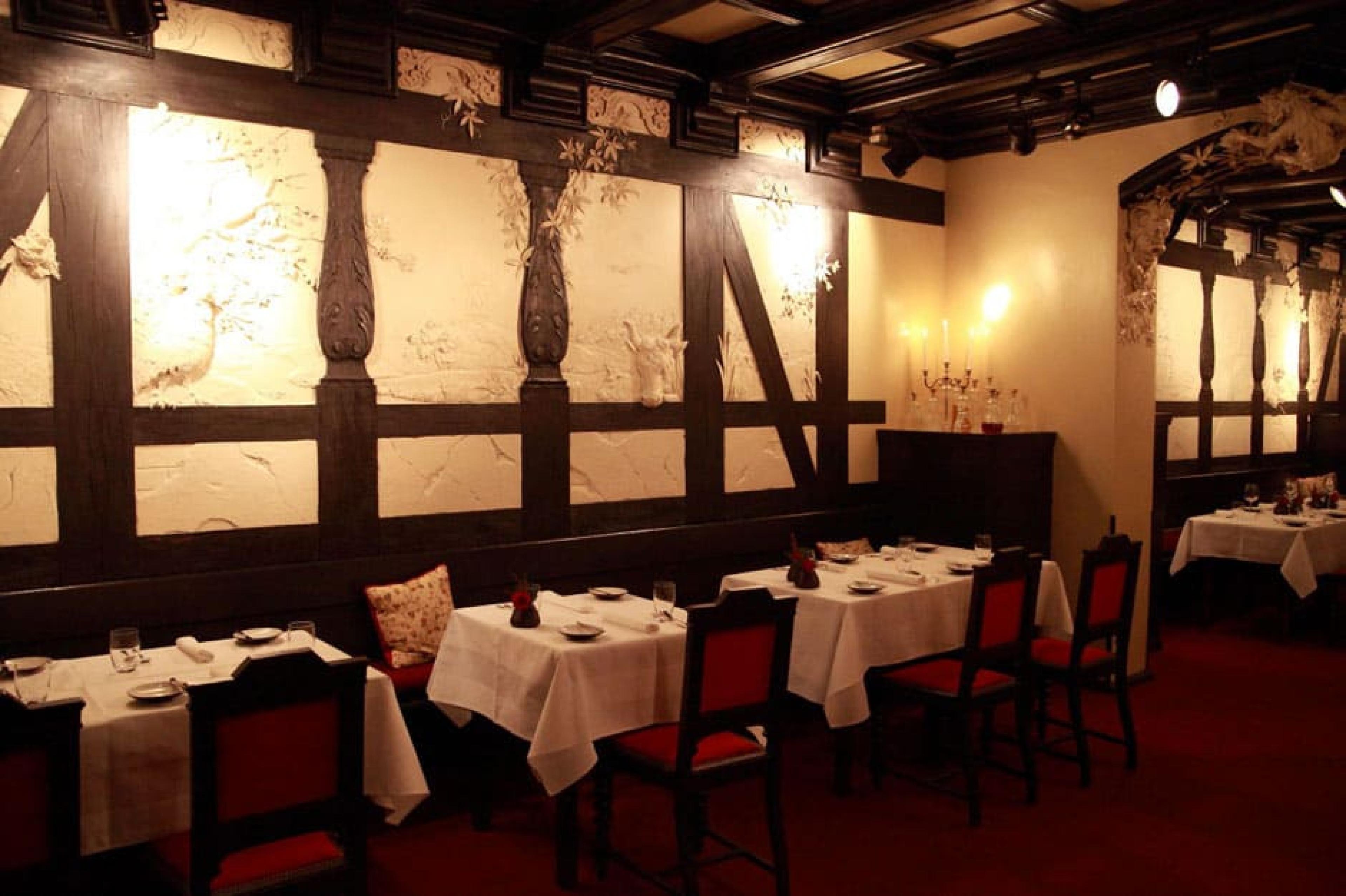
Restaurants in Berlin
Browse all →
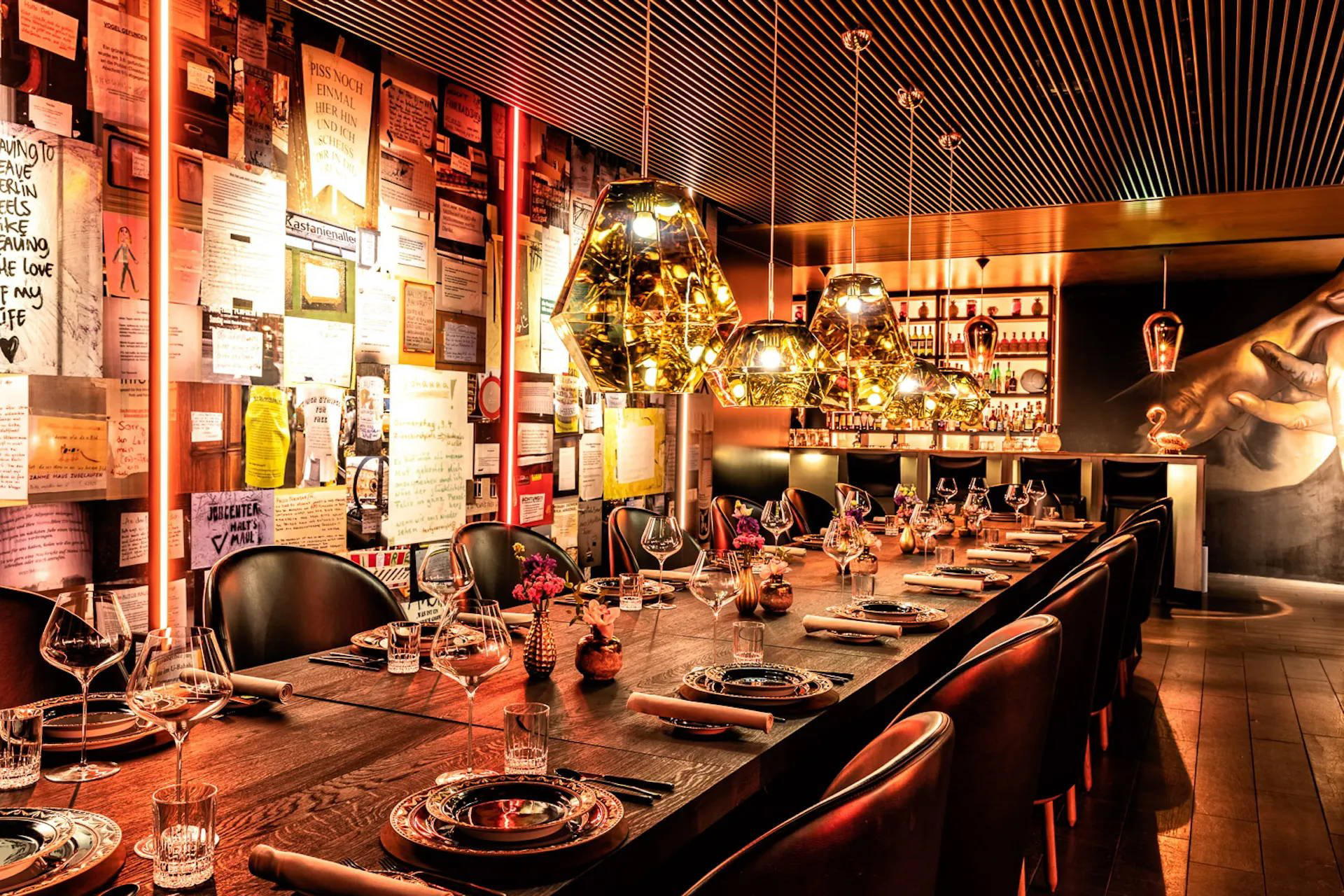
Bars in Berlin
Browse all →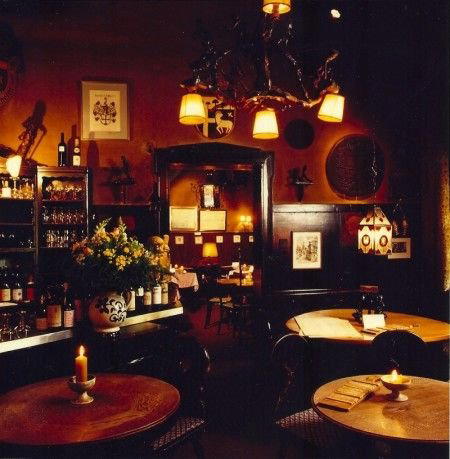
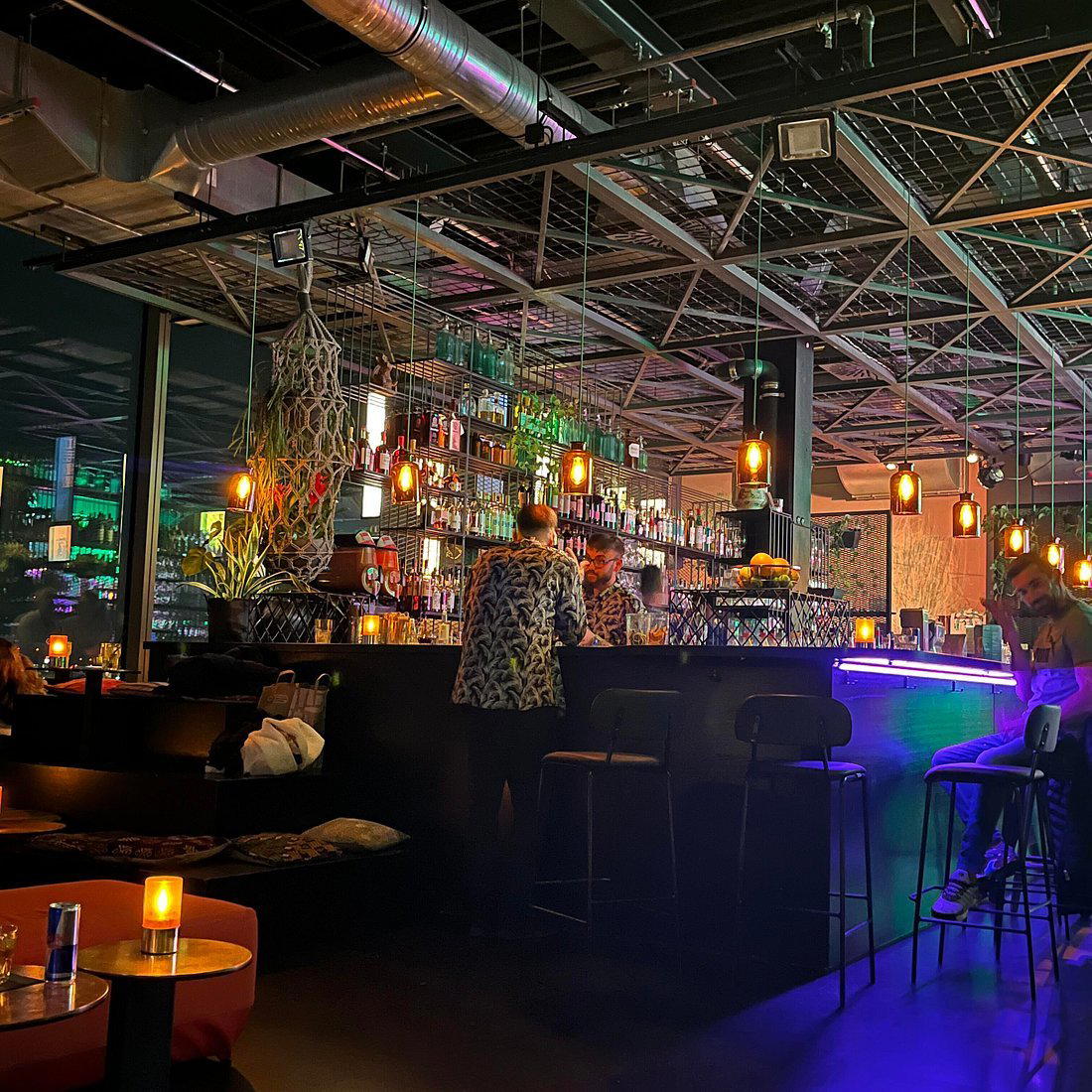
Hotels in Berlin
Browse all →


At a Glance
- Cozy
- Rustic
- Intimate
- Date Night
- Business Dinner
- Casual Hangout
- Open Kitchen
- Extensive Wine List
Current opening hours
- Monday
- 6:30–10:30 PM
- Tuesday
- 6:30–10:30 PM
- Wednesday
- 6:30–10:30 PM
- Thursday
- 6:30–10:30 PM
- Friday
- 6:30–10:30 PM
- Saturday
- 6:30–10:30 PM
- Sunday
- Closed
Hours can change for holidays and private events. Last verified .
Cozy, rustic family atmosphere with warm, welcoming service.