Villa Spiza occupies a narrow lane inside Diocletian's Palace in Split, serving Dalmatian cooking that draws directly from the market rather than from a standardised menu. The format is daily and improvisational: whatever the morning's haul allows, that is what you eat. For visitors trying to understand how the old city actually feeds itself, it offers a more grounded reference point than most addresses on the tourist circuit.
Pearl is the En Primeur Club membership app — saves, bookings, and concierge access live there. Same editors, same standards.
- Address
- Ul. Petra Kružića 3, 21000, Split, Croatia
- Website
- facebook.com
- Directions
- Get directions
 Saves & bookings on Pearl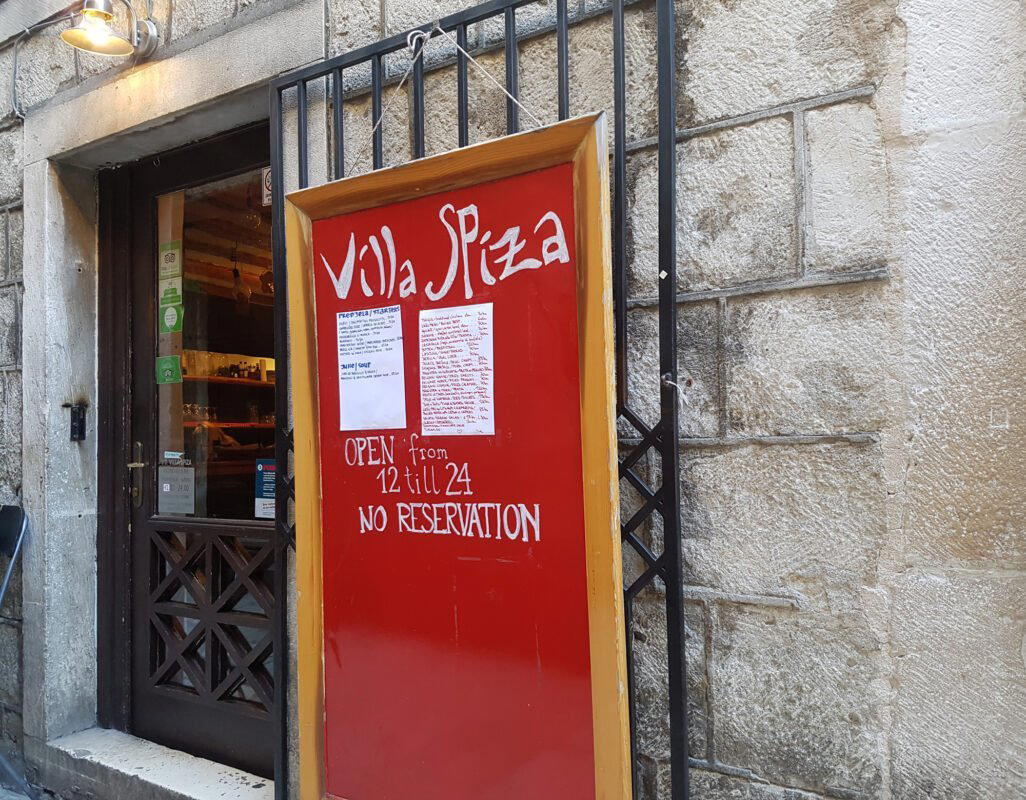
The Lane, the Palace, and the Daily Haul
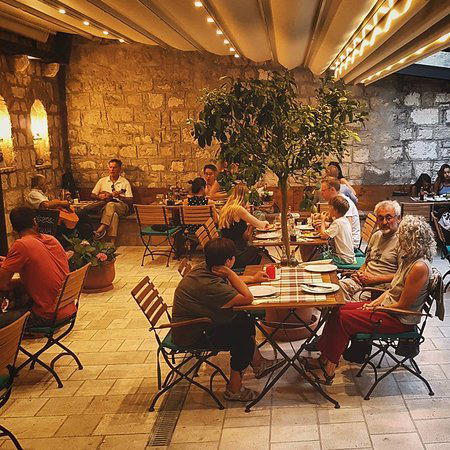
Ul. Petra Kružića is not a street that announces itself. It runs through the interior of Diocletian's Palace in Split, the Roman emperor's retirement complex turned living neighbourhood, where the limestone walls are thick enough to keep August heat at bay and narrow enough that two people passing each other require negotiation. This is the physical context for Villa Spiza: a small konoba inside Diocletian's Palace in Split. The atmosphere is a function of the address, not the other way around.
That distinction matters when trying to place Villa Spiza within Split's eating scene. The city has a range of addresses pulling at different ends of the market. Krug (Mediterranean Cuisine) and Adriatic occupy more polished territory. Bajamonti POP sits closer to the casual-modern register. Bistro Noir and Bokamorra each carve their own lane. Villa Spiza belongs to a different category altogether: the neighbourhood konoba that operates on market logic rather than on a fixed menu, serving the kind of food that has sustained Dalmatian households for centuries rather than food designed to represent Dalmatian cuisine for visitors.
What Dalmatian Cooking Actually Means
The cuisine of the Dalmatian coast is, at its core, a cuisine of constraint turned into preference. The region's geography, a narrow coastal strip backed by limestone karst, meant that for most of its history the land produced little and the sea produced much. Olive oil, fish, dried legumes, seasonal vegetables, and whatever meat the terrain allowed shaped a culinary tradition that prized simplicity and freshness over elaboration. Prstaci (date mussels, now protected), grilled oily fish, peka-braised lamb or octopus cooked slowly under an ember-covered lid, brodetto built from the morning's catch: these are the structural pillars of coastal Dalmatian eating.
What separates a place like Villa Spiza from tourist-facing approximations of that tradition is the refusal to lock a menu in place. When the offer changes daily based on what arrived at the Pazar, Split's central market, the kitchen is operating by the same logic that domestic Dalmatian cooking has always followed. You do not decide what you want to eat and then find the ingredients. You find the ingredients first and the meal follows. It is a discipline that rewards the cook and occasionally frustrates the guest expecting consistency, but it is a more honest expression of the tradition than any laminated menu claiming to represent it.
Croatia's broader restaurant scene has a growing tier of addresses engaging seriously with this coastal heritage at higher formality levels. Pelegrini in Sibenik and LD Restaurant in Korčula operate with the kind of structural refinement that earns critical attention. Further north, Agli Amici Rovinj in Rovinj, Nebo by Deni Srdoč in Rijeka, and Alfred Keller in Mali Lošinj represent the Adriatic coast's fine dining layer. Inland, Korak in Jastrebarsko and Dubravkin Put in Zagreb anchor the continental tradition. The restaurant does not compete with any of them. It operates at a different register entirely, one that many of those kitchens would recognise as the source material they work from.
The Format and What It Implies
A daily-changing offer based on market availability creates a specific kind of dining experience. There is no advance menu to photograph and share, no signature dish that arrives exactly as the internet promised, no house cocktail to compare against last year's visit. What exists instead is a snapshot of a specific day's market in a specific Dalmatian city at a specific moment in the season. In summer, that typically means an abundance of small oily fish, grilled or marinated, alongside courgette, aubergine, and tomatoes at their peak. In cooler months, the offer tilts toward braised preparations, dried legumes, and the kinds of slow-cooked dishes that require time rather than pristine raw ingredients.
This format positions the restaurant closer to a neighbourhood resource than a destination restaurant in the conventional sense. Locals use it differently than visitors do. For a traveller working through our full Split restaurants guide, the value is in the contrast it offers: a calibration point against which the more composed, visitor-facing addresses can be measured. Eat here first and you will read the rest of the city's menus differently.
For context on what market-driven simplicity looks like when applied at higher technical levels internationally, Lazy Bear in San Francisco and Le Bernardin in New York City both work from daily-sourced ingredients, though with entirely different structural ambitions. The comparison is not about scale or prestige but about the underlying logic: letting supply determine the menu rather than building supply chains to sustain a fixed one.
Croatia's island and coastal properties that have built their identity around local produce and proximity to source include Boskinac in Novalja and San Rocco in Brtonigla, each working from an estate or near-estate model. Restaurant 360 in Dubrovnik frames similar Adriatic ingredients within a more formal presentation. The restaurant shares the sourcing ethic without the structural apparatus.
Planning a Visit
The address is Ul. Petra Kružića 3, inside Diocletian's Palace, which means orientation requires some patience the first time: the palace interior is a warren of lanes that do not yield easily to navigation apps. Arriving on foot from the Golden Gate or the Vestibule and allowing ten minutes of margin is the sensible approach. Because the offer changes daily and the space is small, arriving early in an evening service is advisable, particularly during the summer months when Split's population of visitors increases sharply and konoba seating fills quickly. There is no listed phone number or website, and the practical approach is to walk in. The practical implication is that you plan to walk in, and you accept that on a busy summer evening that may require a short wait or a return visit.
Cost and Credentials
Comparable venues nearby, for context on price, style, and recognition.
| Venue | Cuisine | Price | Notes |
|---|---|---|---|
| Villa SpizaThis venue — the venue you are viewing | Old Town, Dalmatian Home Cooking | $$ | Not listed |
| Para di Šoto POP | Not listed | $$$$ | Old Town Split, Mediterranean & Croatian Seafood |
| FANTAŽIJA kitchen and wine | Old Town, Modern Dalmatian Mediterranean | $$$ | Not listed |
| Konoba Fratelli | Not listed | $$ | Siriščevića, Italian-Croatian Mediterranean |
| Mazzgoon | Split Old Town, Modern Croatian Seafood | $$$ | Not listed |
| Konoba Korta | Not listed | $$ | Diocletian's Palace, Traditional Dalmatian Seafood |
Continue exploring
More in Split
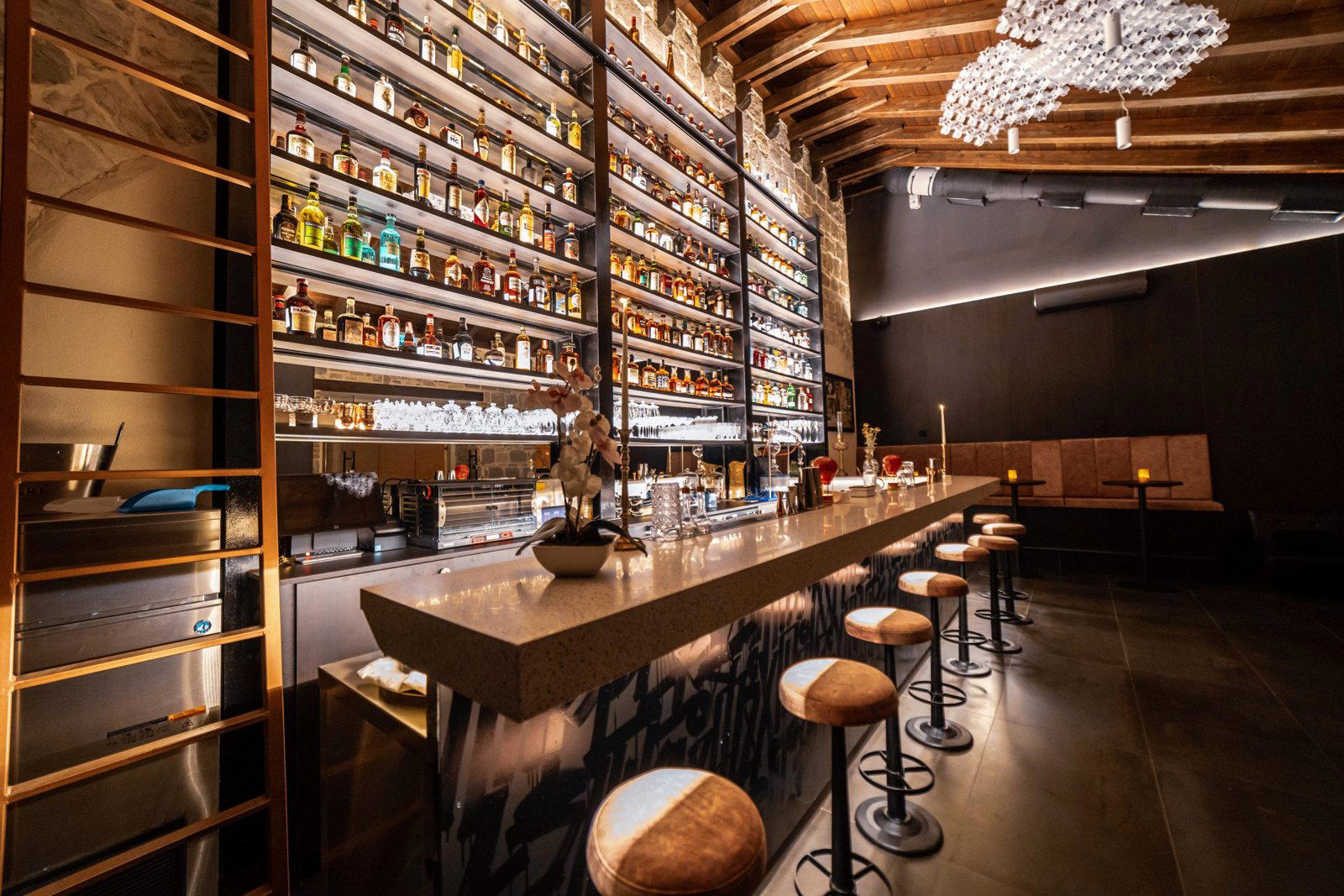
Restaurants in Split
Browse all →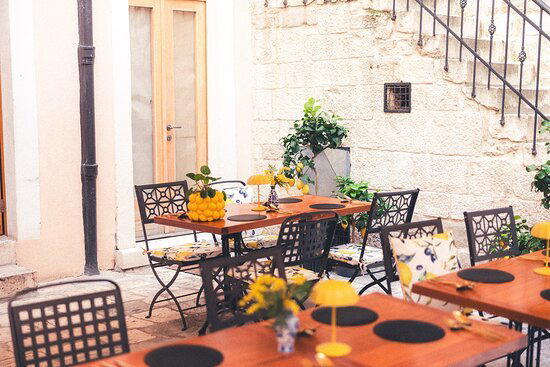
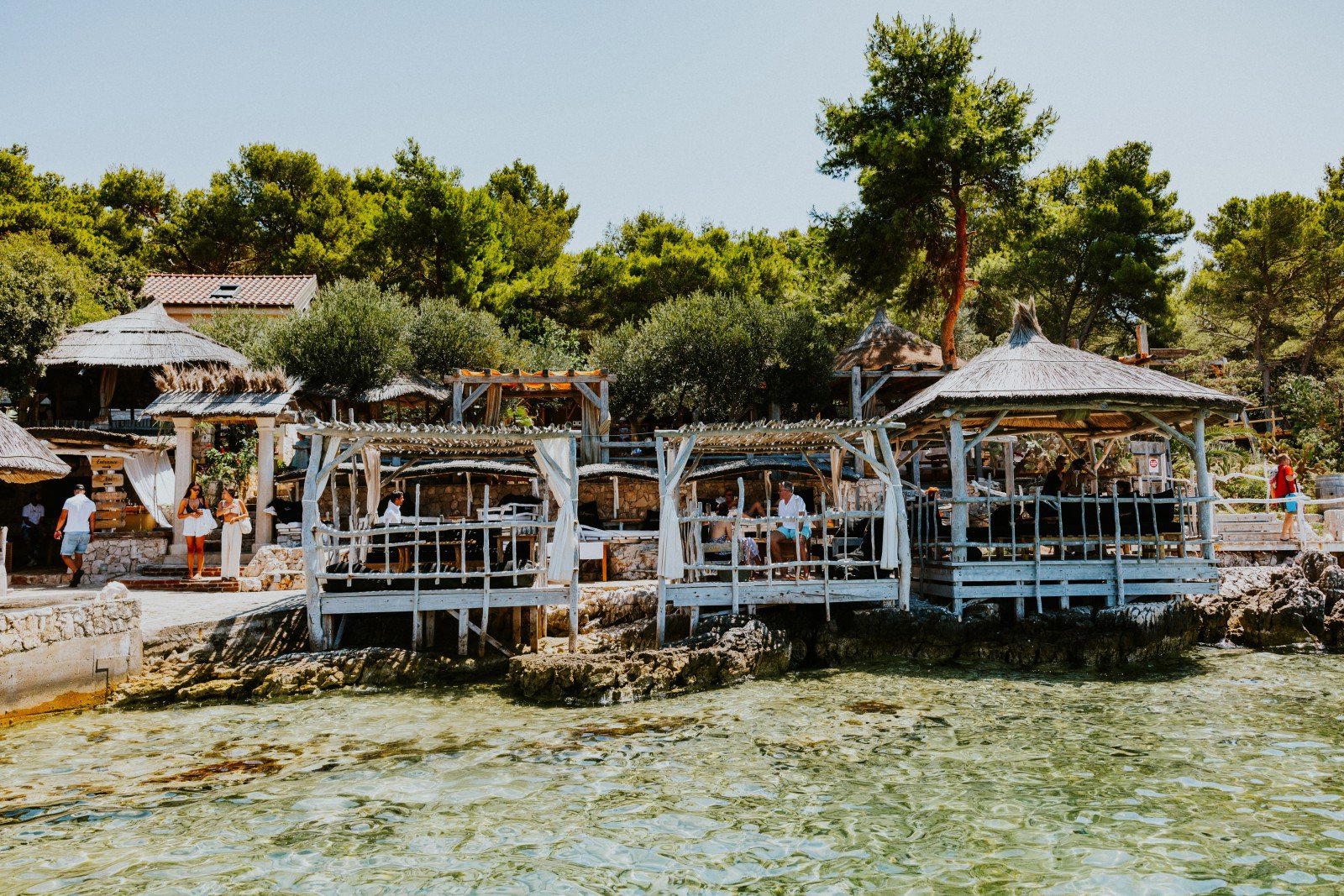
Bars in Split
Browse all →
Hotels in Split
Browse all →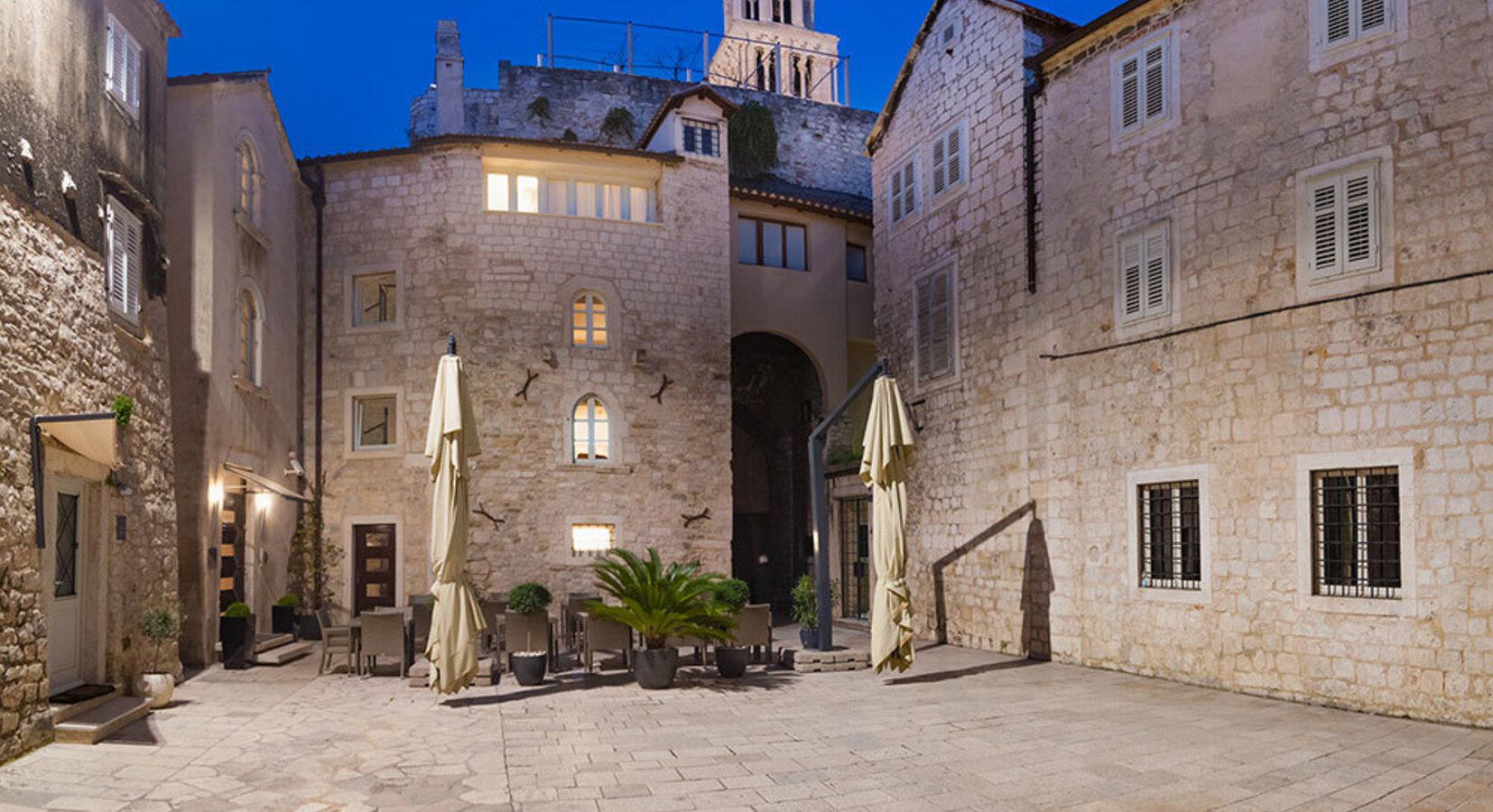


At a Glance
- Cozy
- Lively
- Rustic
- Casual Hangout
- Standalone
- Local Sourcing
Current opening hours
- Monday
- 4:30–10 PM
- Tuesday
- 1–10 PM
- Wednesday
- 1–10 PM
- Thursday
- 1–10 PM
- Friday
- 1–10 PM
- Saturday
- 1–10 PM
- Sunday
- Closed
Hours can change for holidays and private events. Last verified .
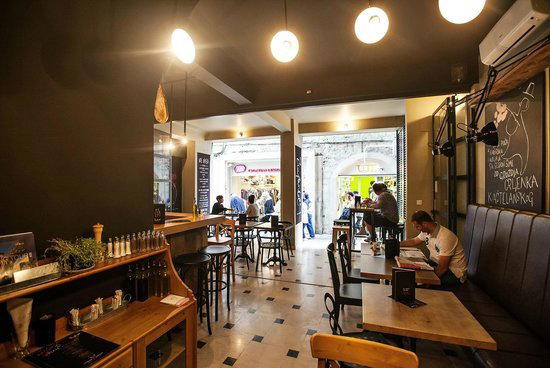
Joyful, fun, and loud with cozy wooden beams, exposed stone walls, and a neighborhood taverna feel.