
Michelin Plate
Our verdict
Šug brings Split’s regional cooking into a polished €€€ setting without severing it from Dalmatian sourcing logic: seafood, market vegetables, olive oil, herbs and slow-cooked meat traditions shape the point of view. Michelin Plate recognition in 2024 and 2025 places it in the city’s serious dining tier, useful for travelers who want Croatian cooking with more structure than a casual konoba.

Pearl is the En Primeur Club membership app, where members save venues, book tables and use the concierge.
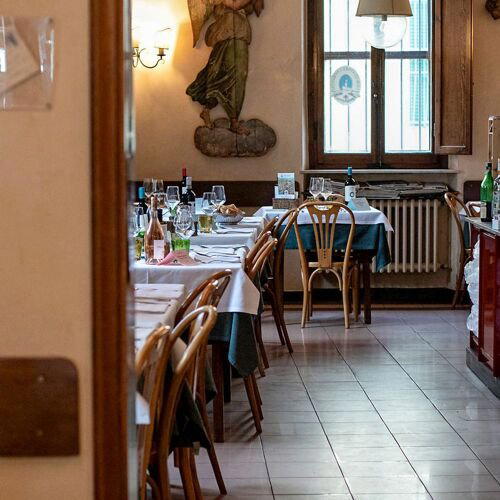
Approach Šug in Split through proximity, not spectacle: a city restaurant best understood at street level, where the choice is less about a view or a tourist circuit than about how confidently a room handles a proper meal. Split rewards restaurants that understand their setting, a dining culture pulled between quick holiday decisions and more deliberate dinners. Šug works inside that tension, presenting a more composed local restaurant experience without turning the meal into unnecessary theatre.
That matters because Split can be hard to read at meal time. The busiest areas are dense with short-stay restaurants, while stronger kitchens show seriousness through consistency, pacing and a clearer sense of purpose. Michelin Plate recognition in 2024 and 2025 is a useful external marker: not a star claim, but a signal of reliability and focus. For the wider dining field, Our full Split restaurants guide is the better map; this address is more specific, where a considered kitchen and composed service carry equal weight.
Local restaurant craft, treated as structure rather than decoration
Regional dining in a popular coastal city is often reduced to easy shorthand, but better Split kitchens need a wider discipline. The appeal is not only in individual ingredients or postcard cues, but in the way a restaurant organizes the meal: how it sets the tone, how it paces the table, and how it keeps a sense of place without relying on clichés. Šug’s value is in how it presents a familiar local restaurant experience with care, not novelty for its own sake.
The Michelin Plate works as calibration. It places the restaurant above the purely casual tier without making a Michelin-starred claim. That middle register is where Split is especially interesting: travelers want more precision than a restaurant chosen by foot traffic, but not always a formal, highly narrated meal after a long day. Šug answers through a more considered format, where value lies in the overall shape of the dinner rather than chasing one trophy dish.
Comparisons within Split sharpen the picture. Other dining rooms speak more directly to the city’s high-traffic energy, while some urban restaurants suit faster evenings and easier decisions. Casual contemporary rooms sit closer to quick holiday momentum, and bistro-facing addresses give another reading of the city’s appetite. More accessible formats compete for diners wanting a local-feeling meal without a long commitment. Šug belongs to the more composed end, where identity must survive plating, pacing and higher expectations.
Where Split's regional cooking becomes a city restaurant
The case for this type of restaurant is its translation of local dining habits into a room for travelers and locals eating with intent. Split dining is not only about the most obvious holiday images. It is also about timing, comfort, service, and a kitchen that can make a meal feel rooted without becoming generic. A serious Split restaurant must hold those influences together without flattening them into a broad, interchangeable coastal formula.
That more polished register changes expectations. The restaurant must justify itself through consistency, portion logic, drink compatibility and service rhythm. That differs from simpler casual formats, where pleasure is often abundance, speed and directness. Polished regional restaurants are increasingly judged against peers beyond the nearest busy terrace, not only by convenience or atmosphere. On that wider route, other dining in Croatia and nearby destinations shows how varied the category can be: resort polish, waterfront formats, relaxed rooms and city restaurants with a stronger kitchen brief.
That split helps planning. A meal here makes sense when Split is treated as a food city, not only a ferry transit point. It pairs naturally with a deeper look at where to stay through Our full Split hotels guide, or with a lower-commitment evening shaped around Our full Split bars guide. Drinks can matter as part of the meal’s architecture rather than as ornament; Our full Split wineries guide gives broader context, while Our full Split experiences guide helps travelers build the day around markets, islands or cultural stops before dinner.
The right expectation: polished regional cooking, not coastal theatre
The expectation is clear. Come for a Split restaurant handled with more care than the standard tourist circuit, not for chef mythology or a heavily narrated concept. In many busy destination restaurants, the more relevant question is whether the kitchen and service can keep the meal coherent under pressure. Michelin Plate recognition in consecutive years suggests inspectors found enough consistency to keep it in view.
For travelers continuing through the region, Šug sits within a broader conversation about local restaurants across Croatia and neighboring dining cultures. Rustic-modern rooms, destination kitchens and inland dining rooms all show how regional labels can mean materially different things depending on terrain, audience and formality. Read Šug not as an isolated address, but as Split’s version of a wider European move: local dining cleaned up for contemporary expectations without losing its dependence on place.
The editorial call is simple. Choose Šug when the meal needs to feel recognizably connected to Split, more composed than a casual stop, and grounded in the city rather than staged for a view. Split has flashier dining rooms and easier tourist defaults. This is a measured restaurant with Michelin Plate validation and a restaurant argument that fits the city.
Frequently asked questions
Would Šug be comfortable with kids?
Yes, if they are comfortable with a sit-down restaurant in Split. It is better framed as a proper meal than a rushed stop.
How would you describe the vibe at Šug?
It reads as a more composed dining room in Split rather than a casual all-day café. The Michelin Plate in 2024 and 2025 signals a kitchen working at a more exacting level than the standard tourist address.
Does Šug have a Michelin star or similar recognition?
Šug has received recognition including: Michelin Plate (2025); Michelin Plate (2024).
What should I expect cuisine-wise at Šug?
Expect a Split restaurant with more polish than a casual stop and a clear sense of place.
What's the pricing like at Šug?
Expect Šug to sit in a more considered restaurant register rather than a quick casual format.
When can I go to Šug?
Check directly with Šug for current opening hours before planning your meal.
How do I find Šug?
Šug is located in Split.
At-a-Glance Comparison
Comparable venues by cuisine and price in the same metro.
| Venue | Cuisine | Price | Awards | Notes |
|---|---|---|---|---|
| ŠugThis venue (the venue you are viewing) | Modern Dalmatian | $30–50 | Michelin Plate | Not listed |
| Konoba Griblja | Modern Dalmatian Seafood | $30–50 | Michelin Plate | Regional Cuisine |
| Gostilna Vovko | Traditional Slovenian Regional Cuisine | Not listed | Michelin Plate | Regional Cuisine |
| Wine Vault Restaurant - Levante Edition | Mediterranean Fine Dining with Croatian Heritage | $50–100 | Michelin Plate | Regional Cuisine |
| Restavracija Grad Otočec | Traditional Slovenian Fine Dining | $50–100 | Michelin Plate | Regional Cuisine |
| Waldinger | Modern Regional Croatian | $30–50 | Michelin Plate | Regional Cuisine |
Recognition history
Dated appearances from independent guides and award organizations, with the underlying list record or original source where available.
Michelin Plate
Michelin · 2026 Michelin Plate
Full recognition history (3 entries)
Michelin Plate
Michelin
Michelin Plate
Michelin
Continue exploring
More in Split
Restaurants in Split
All restaurants in Split →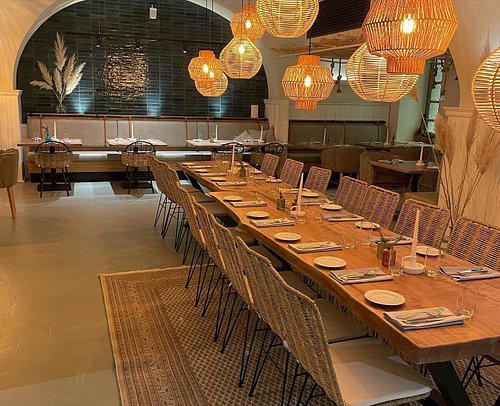
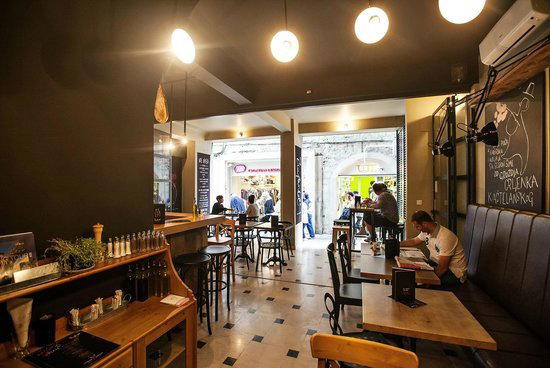
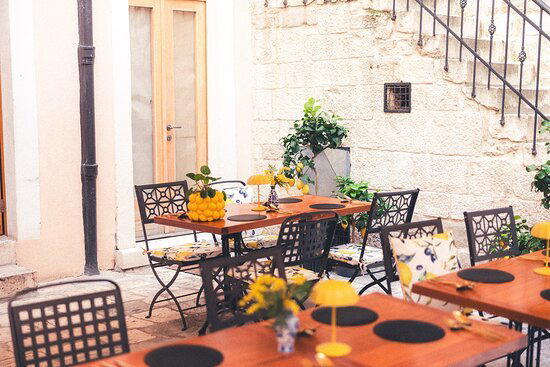
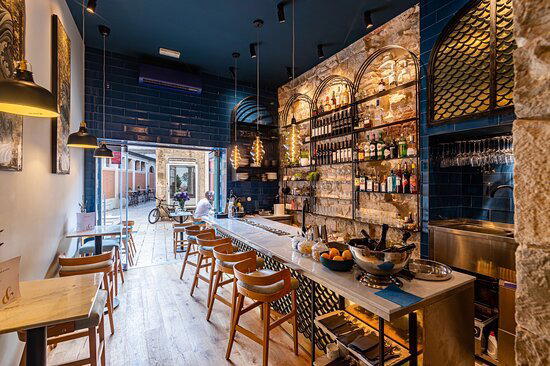
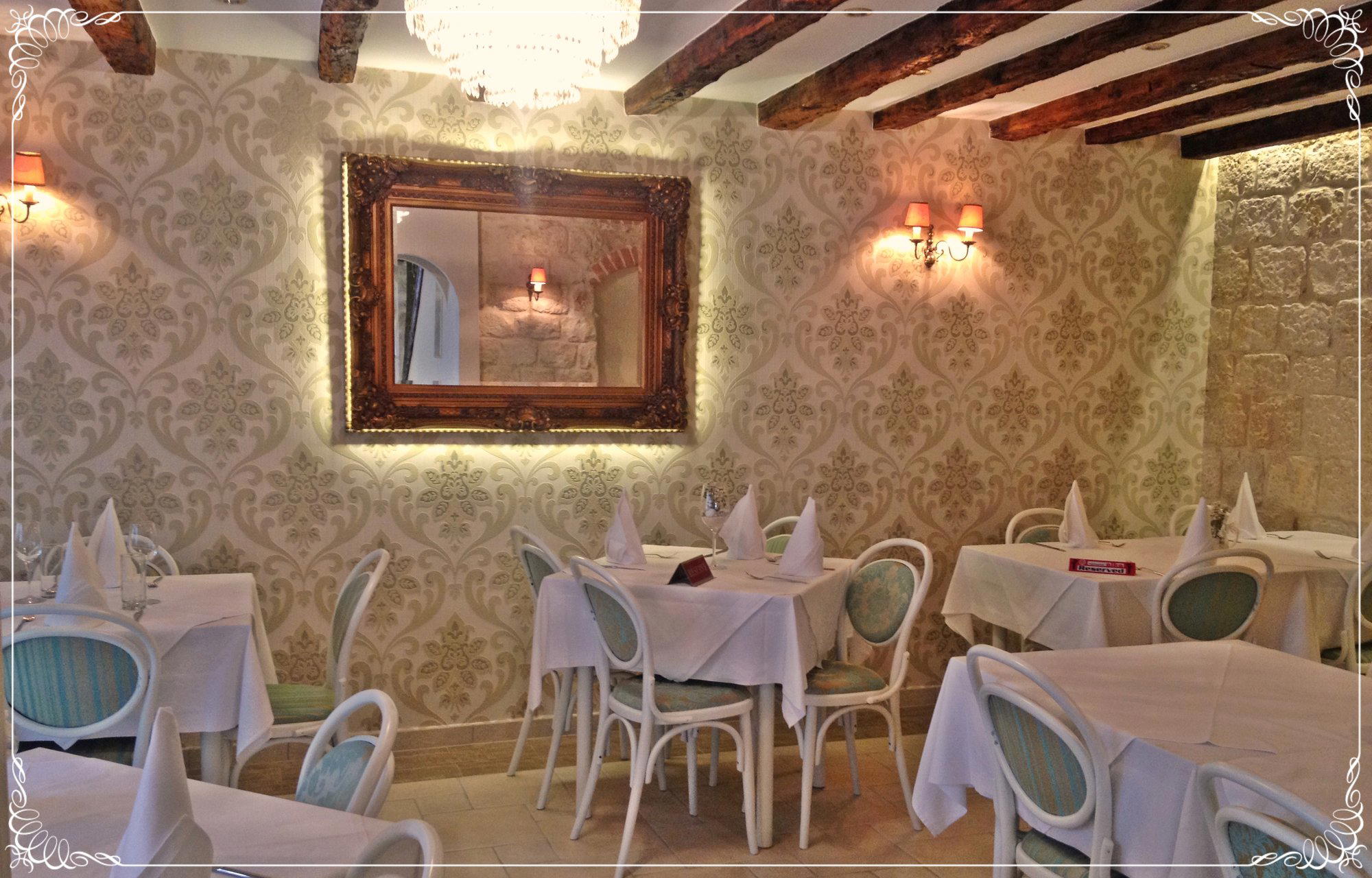
Bars in Split
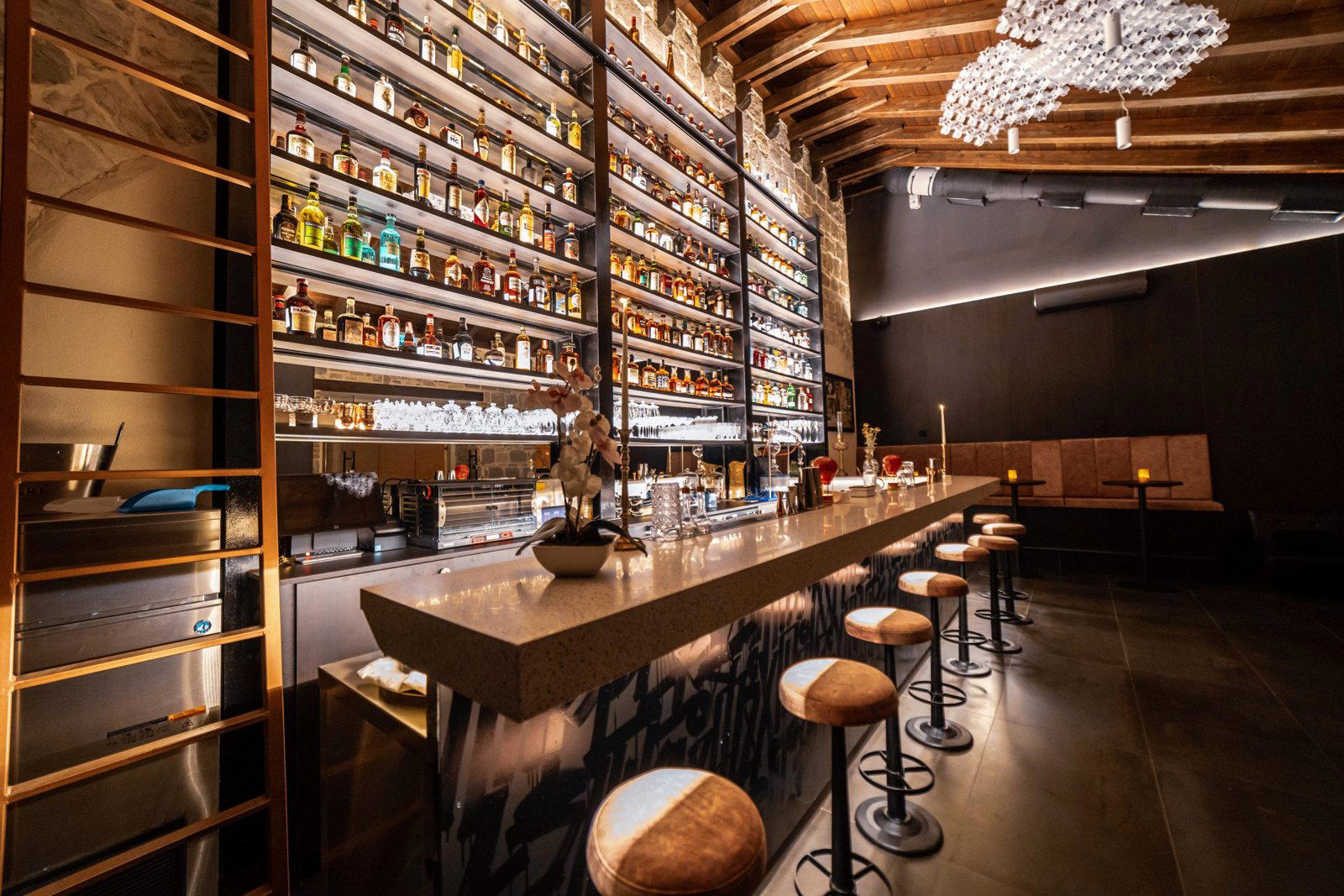
All bars in Split →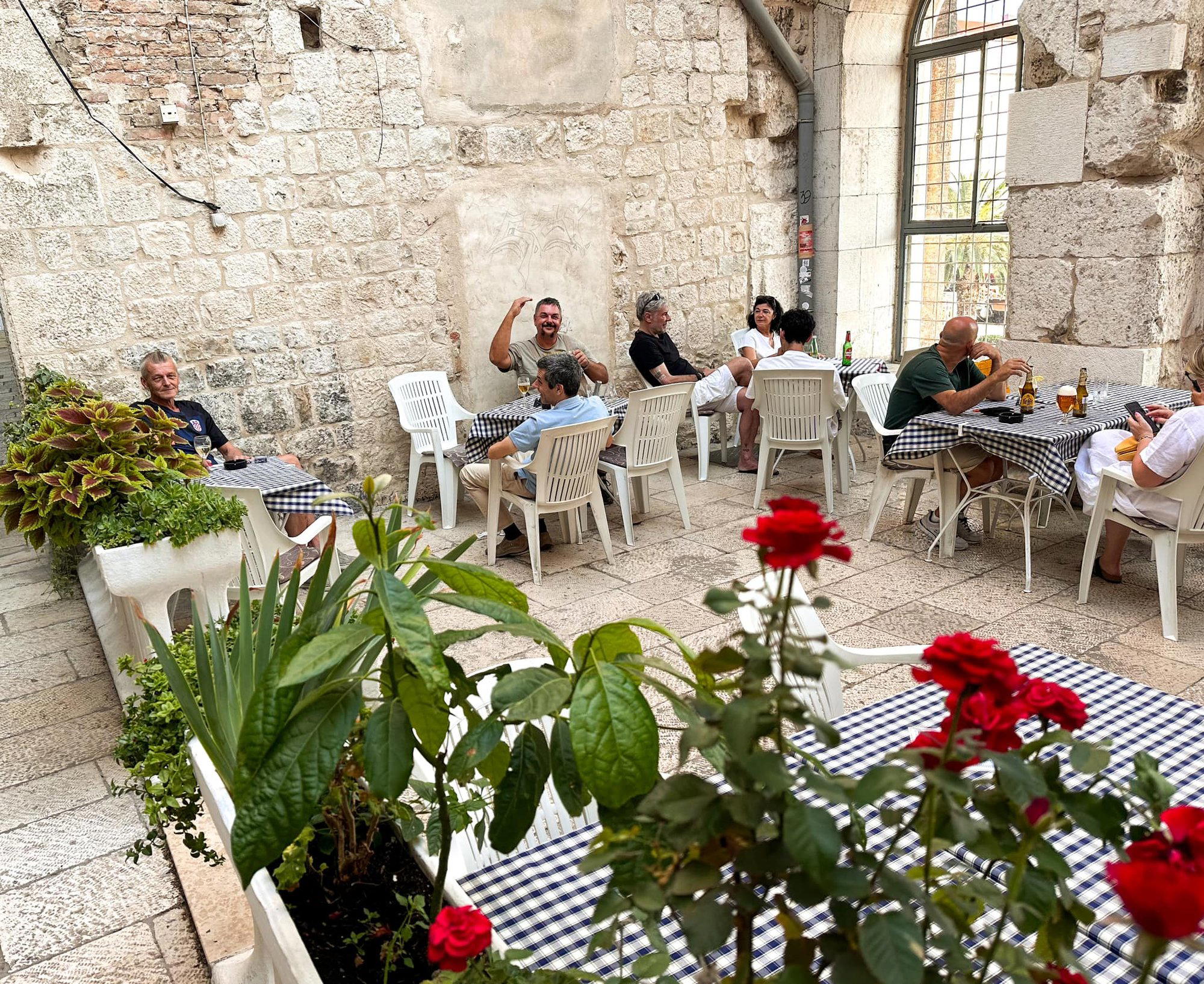

Details
- Cozy
- Relaxed
- Modern
- Family
- Casual Hangout
- Courtyard
- Extensive Wine List
- Local Sourcing
- A La Carte
- Vegetarian Friendly
- Gluten Free Options
Current opening hours
- Monday
- 8 a.m.–12 a.m.
- Tuesday
- 8 a.m.–12 a.m.
- Wednesday
- 8 a.m.–12 a.m.
- Thursday
- 8 a.m.–12 a.m.
- Friday
- 8 a.m.–12 a.m.
- Saturday
- 8 a.m.–12 a.m.
- Sunday
- Closed
Hours can change for holidays and private events. Hours as of .
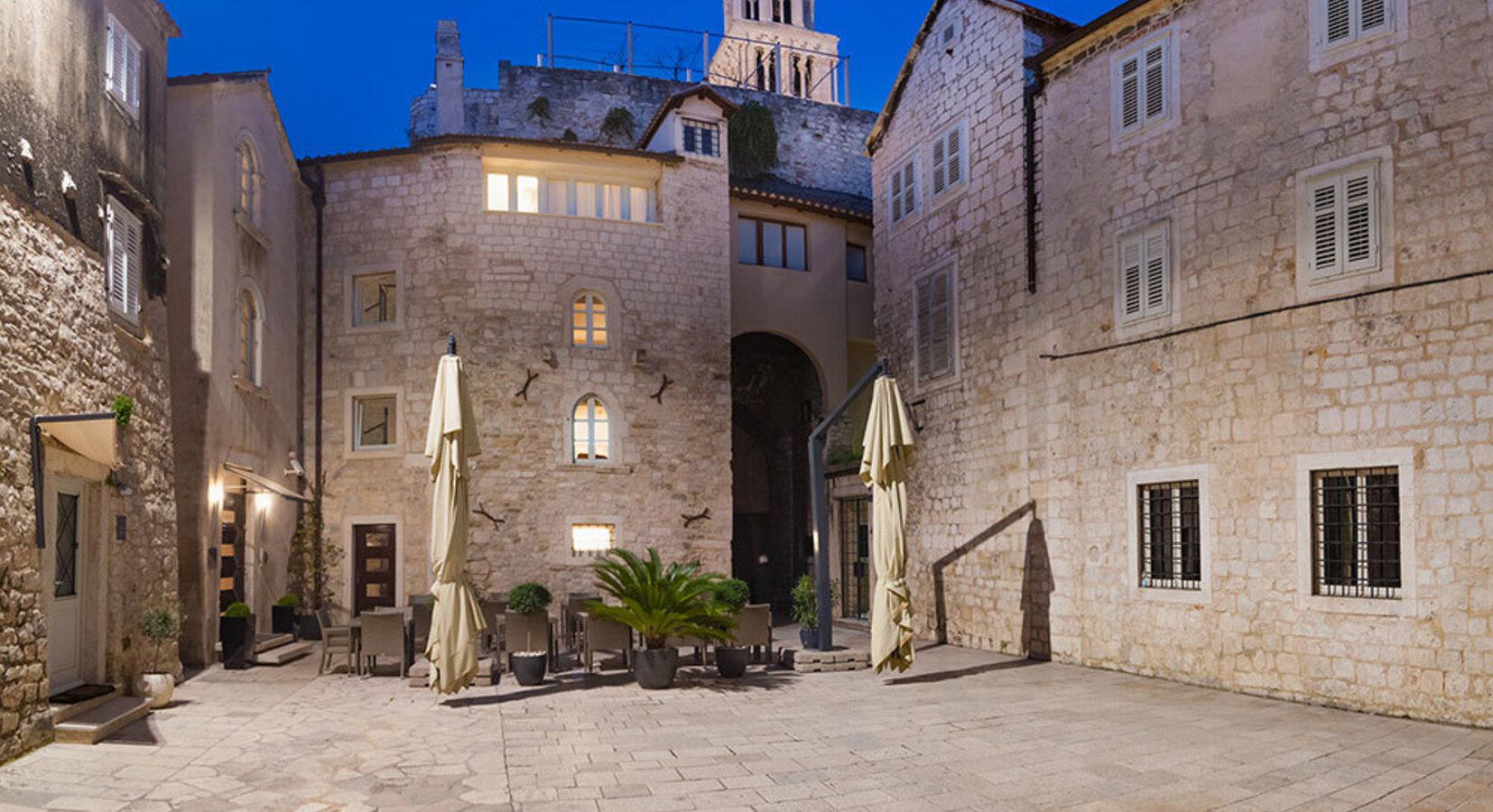
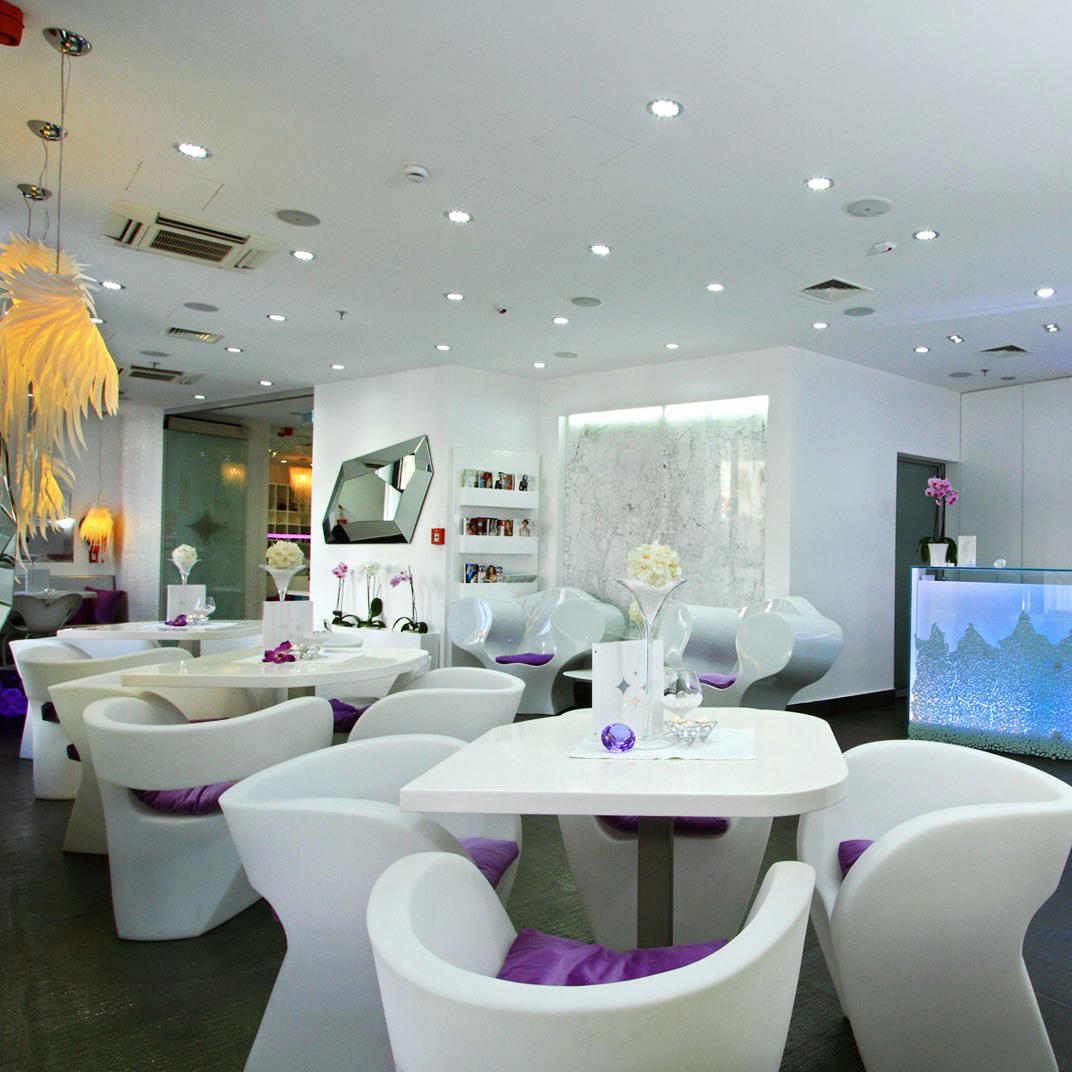
Informal, attractive, relaxing with a simple interior, pleasant warm atmosphere, and cozy courtyard outdoor space in summer.